You rely on the right TIG filler rod to get clean, durable stainless steel welds that resist corrosion and look professional. Picking the proper stainless alloy, diameter, and pack size affects puddle control, heat input, bead appearance, and how much finishing work you do after the weld cools.
This guide helps you quickly compare stainless TIG filler rods that fit common shop needs, from versatile ER308L for 304 stainless repairs to ER316L for jobs that need stronger corrosion resistance. Choose by base metal first, then match the diameter and pack size to your workflow so you waste less material and get more consistent results.
Affiliate disclosure: This roundup is reader-supported. When you click through qualifying Amazon links, we may earn a referral commission at no extra cost to you.
Quick Verdict
Best overall stainless pick: ARCCAPTAIN ER308L 1/16″ if you want an everyday stainless filler for thin sheet, exhaust work, and general 304-type repairs.
Best corrosion-resistance pick: Hy-weld ER316L if you work on marine, food-service, or 316 stainless parts where corrosion resistance matters more.
Best small-pack option: Verdanzia ER308L if you only need a compact set for occasional stainless repairs instead of a larger 5 lb or 10 lb pack.
[Amazon Products Picked for You]

ER308L STAINLESS STEEL: ER308L is a low-carbon stainless steel TIG welding rod for general-purpose welding where moderate corrosion resistance and cryogenic performance are required.

ER308L: Most popular stainless rod for general-purpose applications where corrosion is moderate and applications at cryogenic temperatures.

Premium Material: Crafted from high-grade stainless steel, ER308L rods ensure superior strength & durability for professional welding work
Top Picks
|
Category |
Product |
Best For |
|---|---|---|
|
🏆 Best Overall |
Everyday 304 stainless work and thin material |
|
|
🔰 Best for Small Jobs |
Occasional repairs and compact storage |
|
|
⭐ Best for Heavier Stainless |
More filler volume on medium stainless sections |
|
|
💼 Best for Quick Repairs |
Small 1 lb kit for routine stainless fixes |
|
|
🏅 Best Corrosion Resistance |
316 stainless, marine, food-service, and harsher environments |
[Amazon Products Picked for You]

ER308L: Most popular stainless rod for general-purpose applications where corrosion is moderate and applications at cryogenic temperatures.

ER308L: Most popular stainless rod for general-purpose applications where corrosion is moderate and applications at cryogenic temperatures.

Applicable Sizes: TIG wire is 16 inches long and 1/16 inches in diameter. Tig welding rods are lightweight and are suitable for use with a variety of welding machines. Easy to use.
How We Picked
You want stainless filler rods that match your base metal, project scale, and budget. We prioritized alloy suitability, rod diameter, pack size, storage convenience, buyer-reported weld cleanliness, corrosion resistance, and value for common stainless repair and fabrication work.
For general 304 stainless jobs, ER308L is usually the practical starting point. For 316 stainless or chloride-prone environments, ER316L is the safer direction. We also weighed whether each pack makes sense for frequent shop use, compact repair kits, or heavier stainless work.
Before You Buy
- Match the filler to the base metal first: use ER308L for many 304 stainless jobs and ER316L when 316 stainless or stronger corrosion resistance is required.
- Pick the diameter by thickness: 1/16″ gives more control on thin stainless, while 3/32″ adds filler faster on medium sections.
- Check rod length and pack size: short rods are easier to store, while 36″ rods reduce cutoffs during longer passes.
- Keep rods clean: stainless filler should stay dry, oil-free, and away from carbon-steel contamination.
- Follow your procedure: use the shielding gas, polarity, amperage, and purge setup recommended for your stainless project.


If you do a lot of stainless work, this ER308L pack is the kind of filler rod you can keep within reach for routine repairs and small fabrication jobs. The 1/16″ rods are thin and easy to feed, so they make sense when you need control more than fast filler volume.
The biggest advantage is versatility. Use it for common 304-style stainless repairs, light exhaust work, decorative pieces, thin sheet, and small shop projects where a clean bead matters. It is not the right choice when your welding procedure calls for 316L, 309L, or another specified filler, but for many general stainless jobs it gives you a practical balance of control, corrosion resistance, and pack value.
Who Should Buy This
Choose this if you want a larger pack of 1/16″ ER308L rods for regular stainless TIG work, especially on thin to medium material where puddle control matters.
Who Should Avoid This
Skip it if you mostly weld 316 stainless in harsh environments, need a different stainless alloy for code work, or prefer longer 36″ rods for continuous production-style feeding.
What People Say
Buyer feedback highlighted in the source material points to consistent feeding, a steady puddle, and clean-looking welds when the rods are used on suitable stainless projects. The thin 1/16″ size is often appreciated for exhaust work and thin stainless panels.
Overall Sentiment: Positive

Quick Guide
Start with clean base metal and steady argon coverage. Hold a short, controlled arc and feed the 1/16″ rod into the leading edge of the puddle rather than forcing it. Keep amperage conservative on thin stainless, then adjust upward only if the puddle needs more penetration.
Work in short passes when heat distortion is a concern, and clean heat tint after welding if corrosion resistance and appearance matter.
What It Fixes
This rod helps with the usual headaches of thin stainless welding: burn-through risk, uneven puddle control, and extra cleanup. It gives you a smaller filler diameter for tighter control and a stainless alloy that fits many general 304-type jobs.
Why You’ll Like It
- ER308L stainless composition for many 304-type stainless repairs
- Thin 1/16″ size works well on sheet metal, exhausts, and tight joints
- Large 5 lb pack suits frequent shop use
- Good choice when bead appearance and corrosion resistance both matter
- Practical everyday option for home shops and light fabrication
Check Product Details on Amazon
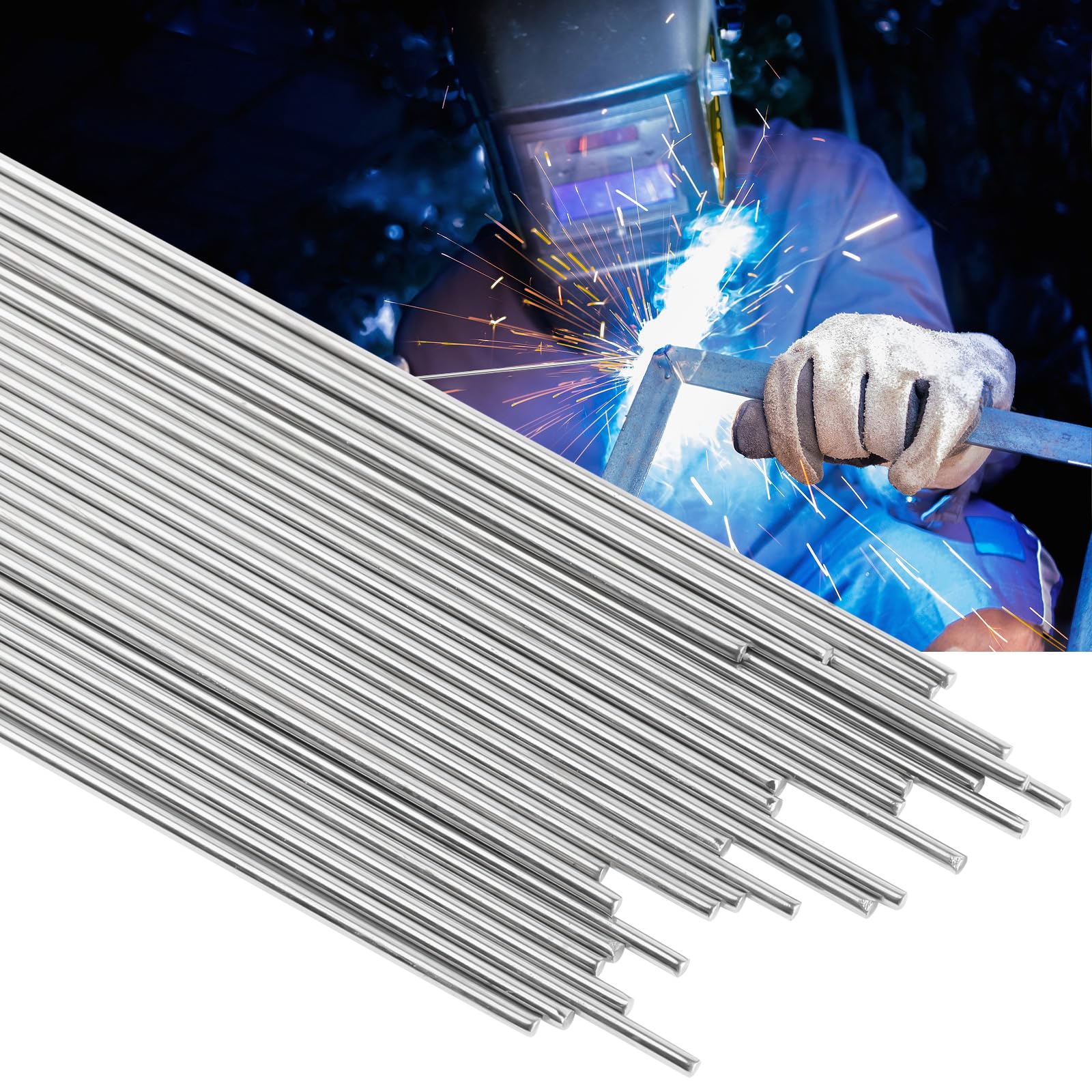
If you only need stainless filler rods for occasional repairs, a compact 30-pack can make more sense than buying a large shop-size bundle. These Verdanzia ER308L rods are aimed at smaller 304-type stainless jobs where you want clean feeding, controlled heat input, and less leftover material sitting around your bench.
The 1/16″ diameter is especially useful for lighter sheet, small marine fittings, automotive touch-ups, and household stainless repairs. It is not the best value for heavy daily use compared with larger packs, but it is a practical way to keep the right stainless filler on hand without overbuying.
Who Should Buy This
Choose this if you only weld stainless occasionally and want a small ER308L pack for repairs, practice, or emergency shop use.
Who Should Avoid This
Skip it if you need a high-volume pack for regular fabrication or if your project specifically requires ER316L or another alloy.
What People Say
Buyer feedback highlighted in the source material focuses on smooth feeding, low-spatter performance, and useful results on small 304-type stainless repairs. The compact pack size is also a plus for users who do not need a full 5 lb bundle.
Overall Sentiment: Positive

Quick Guide
Clean the joint area thoroughly to remove oil, oxide, and shop contamination. Use steady argon shielding, keep the arc short, and feed the 1/16″ filler into the front edge of the puddle. Practice on scrap first if you are welding thin stainless or cosmetic joints.
Store unused rods in a dry place and avoid handling them with dirty gloves so you do not carry contamination into the weld.
What It Fixes
This pack solves the “I only need a few stainless rods” problem. It gives you a small amount of ER308L filler for light repairs, reduces the need to buy a larger bundle, and keeps thin stainless work more controlled than oversized filler would.
Why You’ll Want It
- Compact 30-piece pack for occasional stainless welding
- ER308L alloy fits many 304-type stainless repairs
- 1/16″ diameter gives good control on thin material
- Helpful for small marine, automotive, and household stainless fixes
- Less commitment than a large shop-size pack
Check Product Details on Amazon
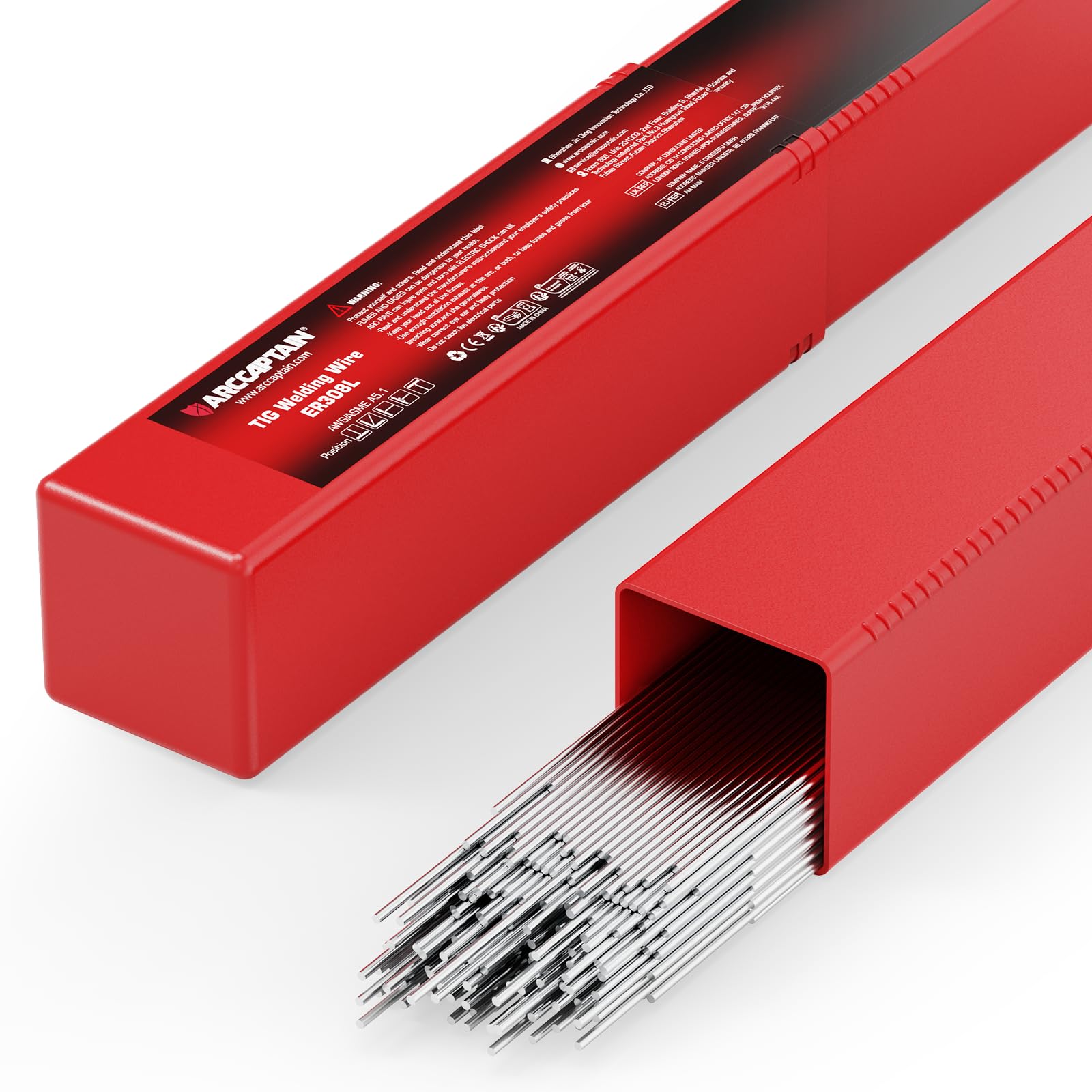
You’ll find these ARCCAPTAIN ER308L rods useful when your stainless project needs a little more filler than a fine 1/16″ rod can comfortably add. The 3/32″ diameter can help on medium-thickness pieces, fillets, brackets, exhaust repairs, and small fabrication tasks where you want the puddle to fill faster.
Because this is still ER308L, it is best aimed at many 304-style stainless jobs rather than 316 stainless or dissimilar-metal work. Keep your setup clean and controlled, and this pack gives you a dependable shop-size option for stainless projects that are a step heavier than thin sheet.
Who Should Buy This
Choose this if you already know 1/16″ filler feels too small for some of your stainless jobs and you want a larger ER308L rod for medium sections.
Who Should Avoid This
Skip it for very thin stainless sheet, tight cosmetic joints, or any job where the welding procedure specifies ER316L, ER309L, or another filler.
What People Say
Buyer feedback highlighted in the source material points to easy feeding, clean beads, and low-spatter performance on suitable stainless projects. Users also like the larger diameter when they need more filler volume than smaller rods provide.
Overall Sentiment: Positive

Quick Guide
Clean the joint area of oil, scale, and discoloration before welding. Use steady argon shielding, keep your arc tight, and feed the 3/32″ rod smoothly into the leading edge of the puddle. Because the rod adds more filler, avoid overheating thin stainless and practice on scrap to dial in travel speed.
Store the rods dry and protected so the surface stays clean for the next job.
What It Fixes
This rod helps when smaller stainless filler takes too long to fill the joint or does not add enough material for medium sections. It gives you more filler volume while staying within a common ER308L stainless choice for many 304-type repairs.
Why You’ll Want It
- 3/32″ diameter adds filler faster than 1/16″ rods
- ER308L alloy suits many 304-type stainless projects
- Good option for medium sections, brackets, and small fabrication jobs
- Large 5 lb pack fits regular shop use
- Useful companion size if you already keep 1/16″ rods on hand
Check Product Details on Amazon
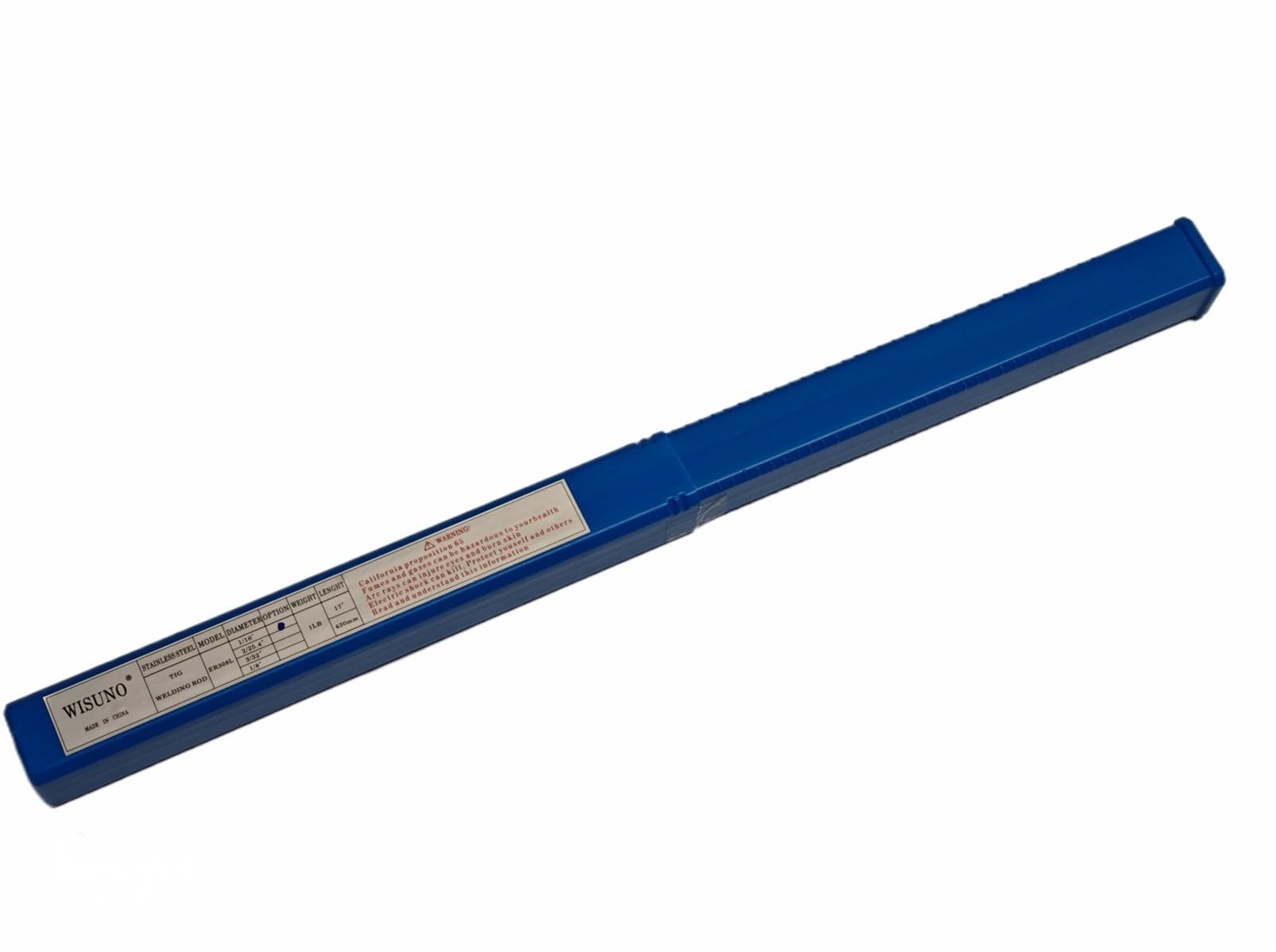
These WISUNO ER308L rods are a handy go-to when you need dependable stainless filler without buying a larger pack. The 1 lb size is useful for home shops, mobile repair kits, and occasional stainless jobs where you want fresh rods on hand but do not need a full bulk bundle.
The 1/16″ diameter makes sense for thin stainless, small appliance repairs, exhaust patches, light decorative work, and practice passes. The product description highlights low-carbon stainless chemistry, which is helpful for many 304/304L-style repairs. Just make sure your base metal and service conditions actually call for ER308L before you weld.
Who Should Buy This
Choose this if you want a small, easy-to-store ER308L pack for occasional stainless TIG repairs and practice.
Who Should Avoid This
Skip it if you weld stainless daily and need a larger 5 lb or 10 lb pack, or if your project requires ER316L for added corrosion resistance.
What People Say
Buyer feedback highlighted in the source material describes consistent weld behavior, useful packaging, and good value for smaller stainless repair jobs. The rods are often described as easy to feed when matched to suitable stainless work.
Overall Sentiment: Positive

Quick Guide
Wipe the joint free of grease, oils, and mill scale before you start. Use steady argon shielding and keep a short arc so the small 1/16″ rod melts in smoothly. Feed into the leading edge of the puddle and keep travel speed consistent.
Store the rods dry and avoid carbon-steel contamination from dirty tools, brushes, or gloves.
What It Fixes
This rod helps when you need a small stainless filler supply for fast repairs, not a large box of rods. It supports controlled feeding on thin material and gives you an ER308L option for many common 304-type stainless jobs.
Why You’ll Want It
- Small 1 lb pack is easy to store and carry
- 1/16″ diameter works well for thin stainless and repair work
- ER308L alloy fits many 304/304L-style stainless projects
- Useful for exhaust patches, appliances, decorative parts, and practice
- Good choice when you do not need a bulk pack
Check Product Details on Amazon
If corrosion resistance is your main concern, this ER316L rod deserves close attention. It is a stronger fit than ER308L for 316 stainless projects and for many marine, food-service, chemical, and outdoor applications where chloride exposure or corrosion resistance matters.
The 1/16″ size gives good puddle control on thinner stainless, while the 36″ length reduces the cutoffs you can get with shorter rods. The larger pack size also makes sense if you weld stainless regularly and want a shop-ready supply. It is more specific than a general ER308L pick, so only choose it when the base metal and service conditions call for 316L filler.
Who Should Buy This
Choose this if you weld 316 stainless, marine fittings, food-service equipment, or corrosion-sensitive stainless parts and want a full-length ER316L rod.
Who Should Avoid This
Skip it if you only do occasional 304 stainless repairs and do not need the larger pack or 316L alloy match.
What People Say
Buyer feedback highlighted in the source material points to clean rods, consistent feeding, and good finished bead appearance on suitable stainless jobs. The 5 lb and 10 lb pack options also make it easier to choose based on workload.
Overall Sentiment: Positive

Quick Guide
Clean the joint of grease, oxide, and contamination before welding. Use steady argon shielding for stainless TIG work, keep a short arc, and feed the rod into the leading edge of the puddle with a smooth hand. If the back side of the weld matters, use the purge method required by your project or welding procedure.
Wipe rods with acetone if needed, and store unused sticks dry and sealed so they stay clean for corrosion-sensitive work.
What It Fixes
This filler helps when ER308L is not the right match for the job. It gives you an ER316L option for corrosion-sensitive stainless work, longer 36″ rods for fewer interruptions, and a larger pack size for regular use.
Why You’ll Want It
- ER316L low-carbon stainless filler for 316 stainless and corrosion-sensitive applications
- 1/16″ diameter gives control on thin to medium stainless
- 36″ length helps reduce waste during longer passes
- Useful for marine, food-service, chemical, and outdoor stainless projects
- Available in larger pack sizes for frequent stainless welding
Check Product Details on Amazon
FAQ
How Do I Choose The Right Stainless TIG Filler Rod For My Project?
Choose the filler rod by matching the alloy to the base metal and service conditions. For many 304 stainless repairs, ER308L is a common match. For 316 stainless or environments where stronger chloride corrosion resistance matters, ER316L is usually the better direction.
Use 309-series fillers only when your welding procedure or application calls for stainless-to-mild-steel joining or added dilution tolerance. Do not assume every stainless rod is interchangeable, especially on food-service, marine, pressure, or code-related work.
What Size Stainless TIG Filler Rod Should I Use?
Pick diameter based on base-metal thickness and how much filler you need. 1/16″ rods are easier to control on thin stainless, tight joints, and cosmetic work. 3/32″ rods add filler faster and can feel better on medium sections, fillets, or jobs where 1/16″ feels too slow.
Rod length also matters. Short 16″ or 17″ rods are easy to store and handle in tight spaces, while 36″ rods are better for longer passes and regular shop use.
How Should I Store Stainless TIG Filler Rods?
Store stainless filler rods in a dry tube or sealed container where they are protected from oil, dust, and carbon-steel contamination. Keep them away from dirty gloves, grinding dust, and brushes used on carbon steel.
If a rod looks dirty, wipe it with a suitable cleaner before welding. Clean rods, clean base metal, and steady shielding gas all help reduce inclusions, porosity, heat tint problems, and extra cleanup.
Can I Use ER308L On 316 Stainless?
Do not use ER308L on 316 stainless when the job requires a proper 316L filler match or added corrosion resistance. ER308L can be useful on many 304-type stainless projects, but 316 stainless and marine or chloride-prone service usually call for ER316L or the filler specified by the welding procedure.
What Shielding Gas Should I Use For Stainless TIG Filler Rods?
Many stainless TIG setups use argon shielding, but the correct flow rate, cup size, purge setup, and gas choice depend on your material thickness, joint design, torch setup, and welding procedure. If the back side of the weld must stay clean, use proper backside shielding or purging for the application.
Wrapping Up
You now have a focused shortlist of stainless TIG filler rods instead of a mixed-category filler rod list. ARCCAPTAIN ER308L 1/16″ is the most versatile everyday pick for many 304-type stainless repairs, while Hy-weld ER316L is the better choice when corrosion resistance and 316 stainless compatibility matter most.
If you only weld stainless occasionally, the Verdanzia or WISUNO smaller packs can reduce waste and storage clutter. If you work on heavier stainless sections, the ARCCAPTAIN ER308L 3/32″ pack gives you more filler volume than the thinner 1/16″ options.
Choose by alloy first, then diameter, then pack size. That order will help you avoid mismatched filler, reduce wasted rods, and produce cleaner stainless welds.
| Product | Image | Material | Size | Best For | Details |
|---|---|---|---|---|---|
| ARCCAPTAIN Stainless Steel TIG Welding Rod ER308L |
 |
ER308L Stainless Steel | 1/16″ x 16″ 5LB | Best overall for everyday 304-type stainless work | Check Details |
| Verdanzia 30 Pcs Stainless Steel TIG Welding Rod ER308L |
 |
ER308L Stainless Steel | 1/16″ x 16″ (30 pcs) | Best compact pack for small jobs | Check Details |
| ARCCAPTAIN Stainless Steel TIG Welding Rod ER308L 3/32 |
 |
ER308L Stainless Steel | 3/32″ x 16″ 5LB | Best for medium stainless sections | Check Details |
| WISUNO Stainless Welding ER308L Filler Rod |
 |
ER308L Stainless Steel | 1/16″ x 17″ 1 lb | Best for quick repairs and small kits | Check Details |
| Hy-weld ER316L Stainless Steel TIG Welding Filler Rod |
 |
ER316L Stainless Steel | 1/16″ x 36″ (5 lb or 10 lb options) | Best for corrosion resistance and 316 stainless | Check Details |
This Roundup is reader-supported. When you click through links we may earn a referral commission on qualifying purchases.
