
You’re planning a trip where wind can make or break the night. For exposed campsites, a lower-profile tent with aluminum poles, a taut rainfly, and usable guy-out points is generally a better starting point than a tall cabin tent with broad walls. This guide narrows the original list to three compact shelters that more closely match that buyer intent.
Important: These are value-oriented recreational tents, not certified expedition shelters. No numerical wind-speed certification was verified for these models. Check the forecast, choose a sheltered pitch, use every appropriate guy point, and leave or seek solid shelter if conditions become severe.
Affiliate disclosure: This article is reader-supported. When you buy through qualifying Amazon links, we may earn a commission at no extra cost to you. As an Amazon Associate I earn from qualifying purchases.
Quick Verdict
| Best For | Product | Why It Fits | Main Limitation | Check Details |
|---|---|---|---|---|
| 🏆 Best Overall | Forceatt 2-Person PU 3000 mm Tent | Low profile, 7001-series aluminum poles, full-coverage fly, two doors, and reflective guylines. | About 5.5 lb, so it is not an ultralight shelter. | Check Price on Amazon |
| 🏍️ Best for Motorcycle or Bike Touring | Forceatt 2-Person 600 mm Tent | Compact packed size, aluminum frame, two doors, two vestibules, and four wind ropes. | The listed 600 mm water-resistance figure is better suited to fair-weather trips than prolonged heavy rain. | Check Price on Amazon |
| 🎒 Best Lightweight Alternative | BISINNA 2-Person Tent | About 4.72 lb, 7001 aluminum poles, double-wall construction, two doors, and two vestibules. | Only two supplied wind ropes are listed, so site choice and careful anchoring matter. | Check Price on Amazon |
How We Picked These Tents
We prioritized products from the original article that most closely match high-wind buying intent:
- Lower-profile geometry: A compact dome or backpacking shape exposes less broad wall area than a tall cabin design.
- Aluminum pole systems: All three retained models list aluminum poles rather than relying on a large fiberglass cabin frame.
- Anchoring options: We looked for supplied guylines or wind ropes, stakes, and a rainfly that can be tensioned.
- Weatherproofing: We compared the seller-listed hydrostatic ratings while treating them as fabric specifications, not guarantees of total storm performance.
- Honest use case: These picks are aimed at recreational camping, touring, and backpacking in ordinary windy conditions—not alpine expeditions, heavy snow loading, or severe-weather warnings.
Before You Buy
- Compare the sleeping-area dimensions with your height, sleeping pads, and gear—not only the advertised person count.
- Confirm the selected Amazon variation, because size, color, waterproof rating, and included parts can differ between variants.
- Budget for a footprint and, where appropriate, stronger stakes suited to the ground at your campsite.
- Practice pitching and packing the tent at home before using it in wind.

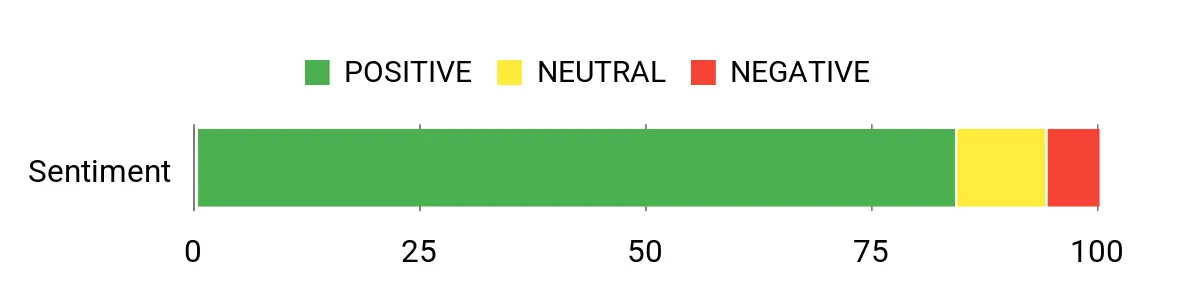
This is the most balanced wind-focused option in the retained group. Its roughly 43-inch height keeps the profile relatively compact, while the aluminum frame, full fly, and reflective guyline system give you practical ways to tension the shelter. The seller lists an interior of about 88.6 by 53.1 inches and a weight of about 5.5 pounds, so it suits two close sleepers or one camper who wants extra gear room.
The seller also lists a PU 3000 mm waterproof rating. Treat that number as a material specification rather than a promise that the complete shelter cannot leak: correct fly tension, ventilation, seam condition, ground drainage, and setup quality still matter.
Who Should Buy This
Choose it for weekend backpacking, car camping, bikepacking, or exposed recreational campsites where you want a low profile and more rain protection than the other Forceatt model in this guide.
Who Should Avoid This
Skip it if you need a true ultralight shelter, generous standing room, verified extreme-wind testing, or a tent designed for heavy snow and mountaineering.
Common Review Themes
Buyers commonly discuss the roomy two-person layout, quick pole assembly, and useful dual-door design. Recurring cautions include the lightweight floor and basic stock stakes, so a correctly sized footprint and ground-appropriate stakes may be worthwhile. Review experiences vary by weather, site, setup, and product batch.
Setup & Use
| Feature | What to Know |
|---|---|
| Advertised Setup | About 3 minutes after practice |
| Packed Weight | About 5.5 lb |
| Doors / Vestibules | Two doors and two vestibules |
| Anchoring | Stakes and reflective guylines are listed as included |
Water Resistance
The seller lists a PU 3000 mm rainfly and a welded-floor design. For the best result, keep the fly evenly tensioned, avoid allowing the inner wall to press against the fly, and use a footprint that does not extend beyond the tent floor.
Key Benefits
- Low-profile two-person shape with aluminum poles
- Full-coverage fly and seller-listed PU 3000 mm rating
- Two doors and two vestibules for easier entry and gear storage
- Reflective guylines for more visible nighttime anchoring
- Freestanding structure that is easier to reposition before final staking

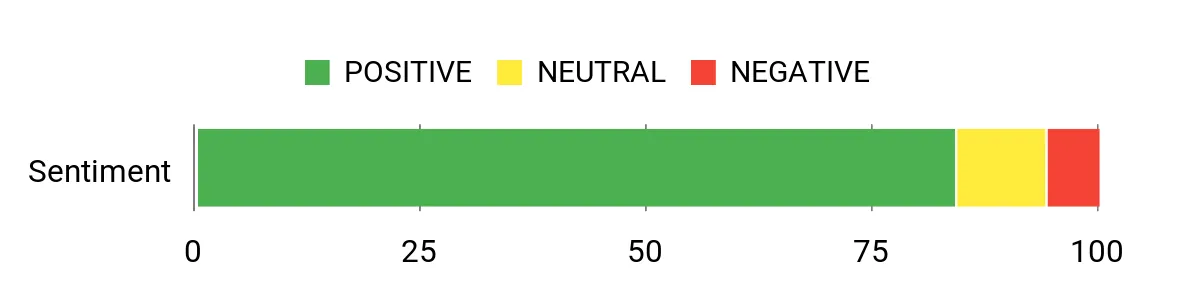
This Forceatt variation is close in size and weight to the first pick, but its accessible listing shows a much lower 600 mm water-resistance figure. Its strongest case is therefore compact touring and ordinary windy-weather use when the forecast is otherwise mild—not prolonged, wind-driven rain.
The listed interior is about 86.6 by 51.1 inches with a 43.3-inch peak, and the tent weighs about 5.68 pounds. Four wind ropes and 7001 aluminum poles are useful features, but they do not amount to a verified wind-speed rating.
Who Should Buy This
It makes the most sense for motorcycle campers, bike tourers, festival campers, and weekend travelers who value two doors, vestibule storage, and a compact packed shape.
Who Should Avoid This
Choose another option if sustained rain is likely, if you need an ultralight backpacking load, or if the trip involves snow loading, alpine exposure, or severe weather.
Common Review Themes
Owners often mention the compact pack size, fast assembly, dual-door access, and useful vestibules. Common cautions concern the stock stakes, floor protection, and the need to inspect seam tape. Check the most recent reviews for the exact color and size variation you plan to order.
Setup & Use
| Feature | What to Know |
|---|---|
| Advertised Setup | About 3 minutes after practice |
| Packed Weight | About 5.68 lb |
| Doors / Vestibules | Two doors and two vestibules |
| Anchoring | Four wind ropes are described in the listing |
Water Resistance
The accessible listing shows a 600 mm water-resistance figure. That is the main compromise: use this model for fairer conditions, keep the fly taut, and avoid presenting it as the strongest wet-weather option in the group.
Key Benefits
- Low-profile aluminum-pole structure
- Two doors and two vestibules
- Four wind ropes for additional tensioning
- Compact size for motorcycle or bike luggage
- Freestanding design for easier campsite positioning

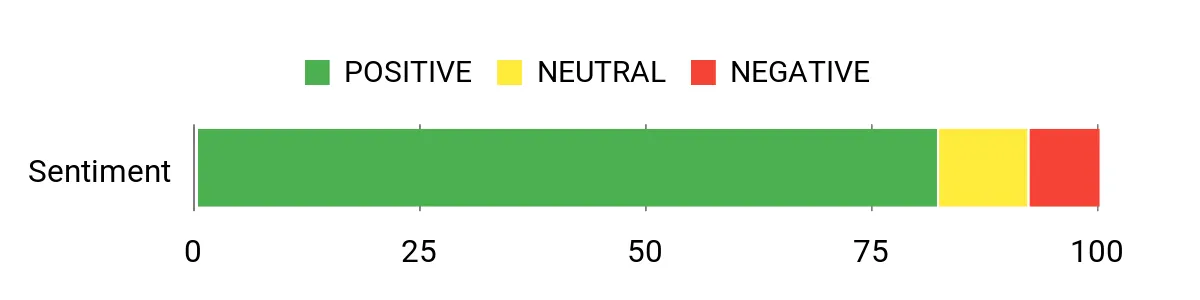
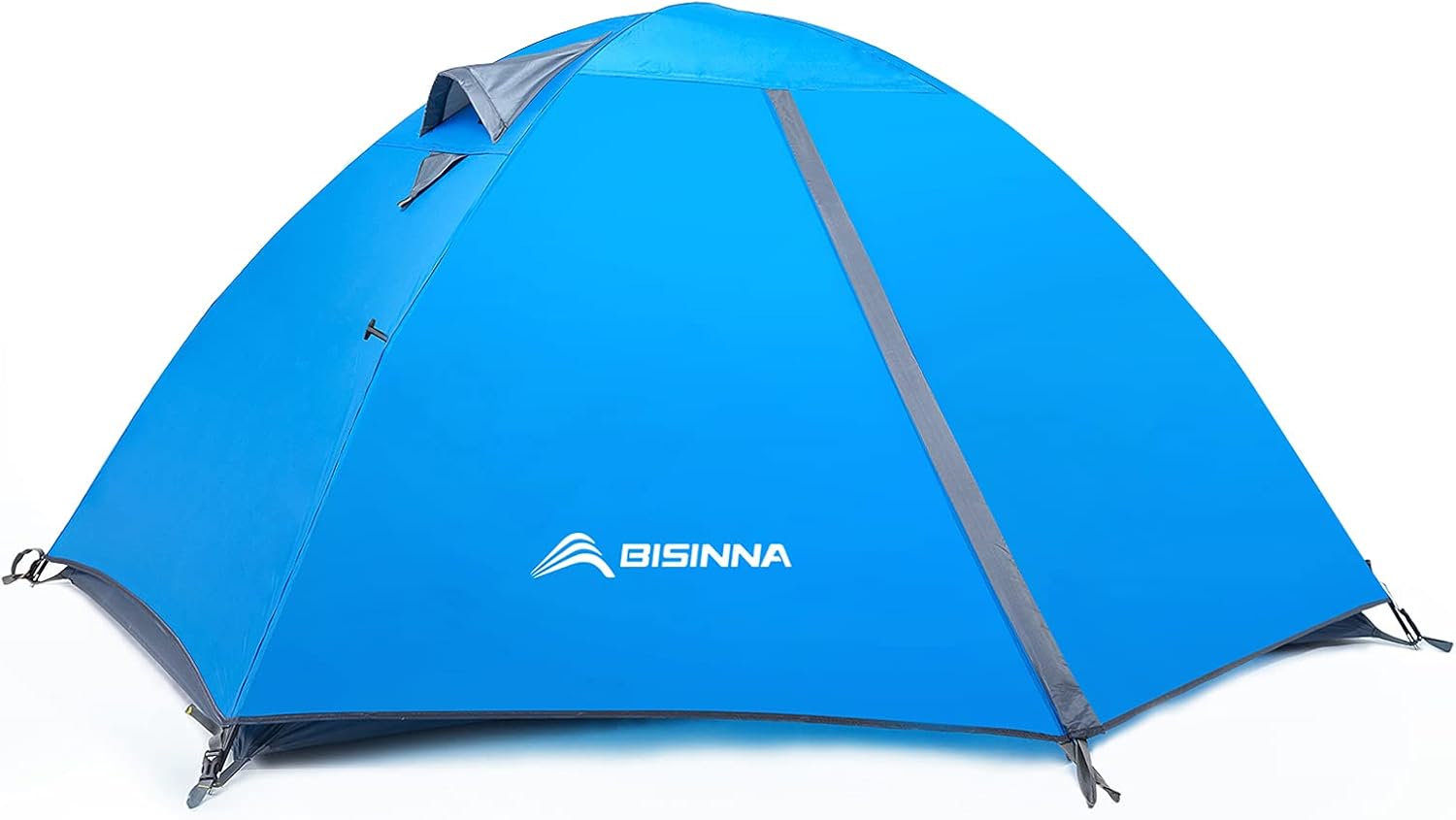
The original article described this ASIN as a four-person model, but the accessible listing identifies the selected variation as a two-person tent. The inner sleeping area is listed at roughly 82.7 by 55 inches with a 47.2-inch height, plus a vestibule on each side. That makes it best for two close sleepers or one camper with gear.
Its 7001 aluminum poles, double-wall construction, and seller-listed PU 2000 mm fly make it a stronger fit for this topic than a tall family cabin tent. The listing describes two wind ropes and ten aluminum stakes, so careful site selection and balanced tensioning remain important.
Who Should Buy This
Consider it for couples, solo campers who want extra room, kayak or bike trips, and budget backpacking where a moderate packed weight is acceptable.
Who Should Avoid This
Avoid it if you need space for four adults, extensive guy-out options, standing height, or independently verified performance in severe wind.
Common Review Themes
Reviewers often focus on the straightforward two-pole setup, two-door convenience, ventilation, and useful vestibule space. As with many value tents, buyers also discuss using a footprint and checking seams before a wet trip. Confirm that reviews refer to the same two-person variation.
Setup & Use
| Feature | What to Know |
|---|---|
| Advertised Setup | Under 10 minutes for one person after familiarization |
| Packed Weight | About 4.72 lb |
| Doors / Vestibules | Two doors with two side vestibules |
| Anchoring | Two wind ropes and ten aluminum stakes are listed |
Water Resistance
The rainfly is listed as 190T polyester taffeta with a PU 2000 mm rating. Use the fly with both vestibules properly tensioned, keep gear from pressing the inner tent against the fly, and inspect the floor and seams before relying on it in sustained rain.
Key Benefits
- Correctly identified as a two-person model
- About 4.72 lb with a compact packed size
- 7001 aluminum poles and double-wall construction
- Two doors and two vestibules
- Seller-listed PU 2000 mm rainfly
- Simple two-pole freestanding setup
How to Pitch a Tent More Securely in Wind
- Choose the safest site first. Use natural terrain as a windbreak while staying clear of dead trees, loose branches, drainage channels, and exposed ridgelines.
- Point the narrow or lowest end into the prevailing wind. Avoid presenting the broadest side directly to gusts.
- Stake the body before raising the full profile. Keep control of loose fabric and poles during setup.
- Use every appropriate guy point. Tension opposite sides evenly so one panel is not overloaded.
- Match stakes to the ground. Soft soil, sand, snow, and rocky ground require different anchoring methods.
- Keep the fly taut but not distorted. Recheck tension after the fabric gets wet or temperatures change.
- Remove loose exterior items. Secure chairs, tarps, cookware, and other objects that could strike the tent.
- Know when to leave. A tent is not a substitute for a building or vehicle during dangerous winds, lightning, falling branches, or official severe-weather warnings.
FAQ
What Features Matter Most in a Tent for Windy Campsites?
Prioritize a lower profile, a stable pole layout, aluminum poles, a properly fitted fly, multiple usable guy points, and stakes suited to the ground. A tall center height and near-vertical walls improve comfort but increase the surface area exposed to gusts.
Does a Higher Waterproof Rating Mean a Tent Is More Windproof?
No. A hydrostatic-head figure describes fabric water resistance, not structural wind performance. Pole geometry, fabric tension, guyline placement, stake security, site exposure, and setup quality are separate factors.
Are These True Four-Season or Expedition Tents?
No expedition-level performance was verified. Retail season labels can be broad, and none of these accessible listings provided a numerical wind-speed certification. Treat the models as recreational value tents and choose specialized equipment for winter mountaineering, heavy snow, or extreme exposure.
How Much Space Should Two Campers Allow?
Check the actual floor dimensions and account for sleeping-pad width, body height, vestibule storage, and wet gear. A two-person rating often means a close fit; solo campers may prefer a two-person tent for more usable room.
Should I Replace the Included Stakes?
Not automatically. First match the stake type to the ground. Longer or wider stakes can help in soft soil, while sand, snow, and rocky terrain may require specialized anchors. Even strong stakes perform poorly when placed in weak ground or at an ineffective angle.
Final Recommendation
Choose the Forceatt PU 3000 mm model for the best overall balance of low-profile geometry, aluminum poles, full-fly coverage, doors, vestibules, and seller-listed rain protection.
Choose the Forceatt 600 mm model when compact touring convenience matters more than heavy-rain protection.
Choose the BISINNA 2-person model when you want the lightest listed weight of the three and prefer a simple double-wall, two-door layout.
Full Comparison
| Product | Image | Listed Capacity | Listed Weight | Listed Water Resistance | Approximate Dimensions | Best For | Amazon |
|---|---|---|---|---|---|---|---|
| Forceatt PU 3000 mm Tent |
 |
2 people | About 5.5 lb | PU 3000 mm | 88.6 × 53.1 × 43.3 in | Best overall balance | Check Price |
| Forceatt 600 mm Tent |
 |
2 people | About 5.68 lb | 600 mm | 86.6 × 51.1 × 43.3 in | Motorcycle and bike touring | Check Price |
| BISINNA 2-Person Tent |
 |
2 people | About 4.72 lb | PU 2000 mm | Inner: 82.7 × 55 × 47.2 in; two 23.6 in vestibules | Lightest listed option | Check Price |
Product specifications and Amazon variations can change. Confirm the selected size, included components, and current listing details before ordering.

