Affiliate disclosure:. As an Amazon Associate I earn from qualifying purchases. This roundup is reader-supported. When you purchase through qualifying Amazon links, we may earn a referral commission at no additional cost to you.
Last updated: July 15, 2026
You want a tent that turns your campsite into a comfortable, bug-free living space where shoes, chairs, and gear stay separate from your sleeping area. A well-designed screened porch adds useful room, improves ventilation, and lets you enjoy the view without inviting insects inside.
This roundup compares eight relevant porch tents for family camping, quick weekend trips, dark-room comfort, and large-group basecamps. The best choice depends on your required sleeping space, setup tolerance, porch coverage, headroom, and vehicle storage.
Quick Verdict
- Best for darker, cooler mornings: Coleman Carlsbad
- Best for family comfort: Coleman WeatherMaster
- Best for fast setup: Coleman Skydome
- Best for very large groups: Coleman Skylodge
- Best fast-pitch 6-person option: Coleman Steel Creek
Top Picks
|
Category |
Product |
Why It Stands Out |
|---|---|---|
|
🌙 Best Dark-Room Tent |
Dark Room fabric and a full-floor screen room suit campers who dislike bright, hot mornings. |
|
|
⛺ Best Compact Cabin |
A balanced small-family design with standing room, a screened porch, and a manageable footprint. |
|
|
👨👩👧👦 Best for Families |
Generous headroom, room for two queen airbeds, and a large screen room for longer family trips. |
|
|
🏰 Best XL Tent |
A cabin-style 12-person layout for big families, group events, and spacious basecamps. |
|
|
⏱️ Best Quick Setup |
Pre-attached poles support a fast pitch, while the compact screen room adds storage and lounge space. |
|
|
🔰 Best Enclosed Porch |
Tall walls and an enclosed screened vestibule work well for families who prioritize usable living space. |
|
|
🌧️ Best Fast-Pitch 6-Person Tent |
A practical full-floor screen room, pre-attached pole system, and space for a queen airbed. |
|
|
🎪 Best for Big Groups |
A broad cabin layout and large porch for group trips where floor space matters more than portability. |
How We Picked
We focused on tents with a genuine screened porch or screen room rather than a small mesh doorway. We compared usable sleeping space, porch design, setup complexity, headroom, ventilation, rainfly coverage, floor construction, portability, and suitability for car camping.
We also considered honest limitations. A screened porch may block insects while still allowing wind-driven rain through the mesh. Large capacity labels can also be optimistic once you add airbeds, bags, and family gear. This roundup does not claim hands-on testing, and you should confirm current specifications, included parts, and recent buyer feedback on the product page before ordering.
Before You Buy a Tent With a Screened Porch
- Size for comfort, not just capacity: A 6-person tent often feels more comfortable for three or four campers with gear.
- Check the porch floor: Full-floor porches are better for sleeping and clean storage, but exposed floors may collect rain.
- Measure your campsite: Screen rooms make the total footprint much larger than the sleeping cabin alone.
- Plan for setup: Large cabin tents are easier with two adults, even when poles are color-coded.
- Bring suitable stakes: Basic included stakes may not suit loose soil, sand, or exposed campsites.
- Never cook inside: Do not operate grills, heaters, or fuel-burning stoves inside the tent or screened porch.
Why You’ll Like It
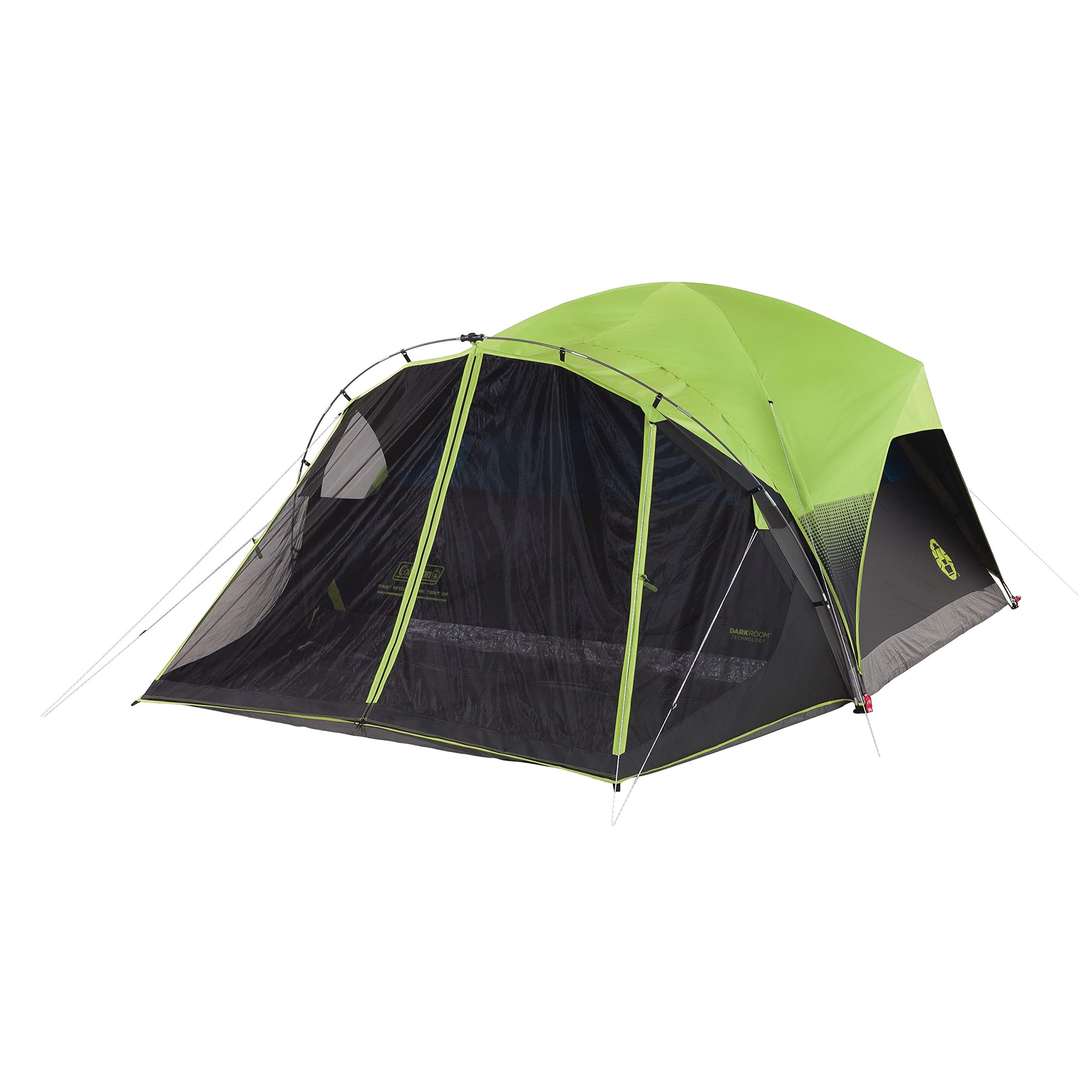
The Carlsbad solves two common camping frustrations: early sunlight and a lack of clean living space. Its Dark Room fabric reduces incoming light, while the screened room gives you a separate place for shoes, bags, chairs, or an extra sleeping pad during suitable weather.
Who Should Buy This
Choose it for car camping, festivals, backyard sleepovers, or warm-weather family trips where darker mornings and a full-floor porch matter more than standing headroom.
Who Should Avoid This
Skip it if you need a tall cabin tent, a lightweight backpacking shelter, or a porch guaranteed to remain dry during wind-driven rain.
Common Buyer Considerations
The screen room is one of this tent’s strongest features, but its mesh walls remain exposed to blowing rain. Use the porch mainly as a bug-free buffer and move moisture-sensitive gear into the sleeping room when storms approach. Marketplace feedback changes, so check recent verified-purchase reviews before ordering.
Practicality
This is a car-camping tent rather than a trail shelter. Practice pitching it before your trip, use a footprint that does not extend beyond the tent floor, and bring stakes suited to your campsite surface.
Key Benefits
- Dark Room fabric reduces disruptive morning light
- Full-floor screened room adds separate usable space
- Suitable for small-family and couple car-camping trips
- Porch helps keep shoes and loose gear outside the sleeping room
Limitations
- Lower profile than a cabin-style family tent
- Mesh porch can admit wind-driven rain
- Nominal 4-person capacity leaves limited room for four adults and gear
Why You’ll Like It
This model offers a more upright interior than a typical dome tent without requiring the footprint of a very large family shelter. The porch creates a useful transition area for shoes, chairs, and damp gear, while the main room remains focused on sleeping.
Who Should Buy This
It suits couples, two adults with children, and weekend campers who want cabin-style comfort in a relatively manageable package.
Who Should Avoid This
Choose a larger model if you plan to place several full-size airbeds inside or need generous storage for a family of four.
Common Buyer Considerations
The porch improves organization, but it should not be treated as a fully enclosed dry room. Correct staking and rainfly tension are important, and a second person can make the first setup easier. Check current reviews for recurring pole, zipper, or seam concerns.
Practicality
The cabin layout offers useful headroom for changing clothes and arranging bedding. It remains a car-camping shelter, so compare its packed size with your available trunk or cargo space.
Key Benefits
- Screened porch separates footwear and gear from bedding
- Cabin-style walls improve usable interior space
- Manageable option for couples and small families
- Rainfly and raised floor construction support normal campground use
Limitations
- Four-person label may feel crowded with four campers and luggage
- Porch remains vulnerable to blowing rain
- Not intended for backpacking or severe winter conditions
Why You’ll Like It
The WeatherMaster is the strongest all-around family choice in this roundup. Its approximately 11-by-9-foot sleeping room, 6-foot-8-inch center height, and separate screen room make longer campground stays more comfortable than they would be in a compact dome tent.
Who Should Buy This
Choose it for family car camping, multi-night trips, and groups that want standing headroom, room for larger airbeds, and a porch that functions as a genuine shared space.
Who Should Avoid This
Skip it if you usually camp alone, have limited cargo room, or want a tent that one person can pitch rapidly after dark.
Common Buyer Considerations
Coleman estimates setup at about 20 minutes, and two adults will usually have an easier experience than one. The screen room is useful for lounging and storage, but its mesh walls do not guarantee protection from blowing rain.
Practicality
This is a large car-camping tent that rewards extra setup effort with better headroom and living space. Measure both your campsite pad and vehicle storage area before buying.
Key Benefits
- Room for two queen-size airbeds
- Approximately 6-foot-8-inch center height
- Separate screen room for chairs, shoes, and organized storage
- Good balance of sleeping space and family-oriented comfort
Limitations
- Longer setup than compact fast-pitch tents
- Large packed size and heavier construction
- Screen room may become wet during wind-driven rain
Why You’ll Like It
The Skylodge creates a true basecamp for large families and groups. Its tall cabin shape offers more usable headroom near the walls, while the large screen room can hold chairs, footwear, and bulky gear without crowding the sleeping area.
Who Should Buy This
It works best for large family trips, group camping, festivals, and extended stays where comfort and floor space matter more than packed size.
Who Should Avoid This
Avoid it if you have a small vehicle, limited campsite pads, or expect to pitch and pack the tent without help.
Common Buyer Considerations
The 12-person label describes maximum sleeping capacity rather than spacious occupancy. Airbeds, bags, and furniture reduce the number of campers who can sleep comfortably. Two adults are strongly preferred for setup.
Practicality
Confirm that your campsite can hold the full footprint, including the screened room and guy lines. A large vehicle and organized pole storage will make transport and setup easier.
Key Benefits
- Very large cabin-style interior
- Approximately 5-by-10-foot screened room
- Useful headroom for standing and organizing beds
- Strong option for large-group basecamps
Limitations
- Large footprint may not fit smaller campsite pads
- Heavy and bulky compared with smaller tents
- Setup and packing are easiest with two or more adults
Why You’ll Like It
The Skydome minimizes setup time without removing the porch feature that makes this category useful. The screened area provides room for boots, bags, or a compact chair, while the pre-attached pole design supports setup in under five minutes after some practice.
Who Should Buy This
It is a good match for couples, solo campers with gear, short festival trips, backyard camping, and anyone who dislikes complicated pole assemblies.
Who Should Avoid This
Skip it if standing height is essential. Its approximately 56-inch peak height remains lower than most cabin-style tents.
Common Buyer Considerations
The fast setup is the primary advantage. However, compact dimensions mean less room around an airbed, and the screen room should not be expected to stay completely dry in exposed weather.
Practicality
One camper can usually manage this model more easily than the larger family tents. Use a properly sized footprint, tension the rainfly evenly, and avoid forcing the pre-attached pole joints.
Key Benefits
- Under-five-minute target setup with pre-attached poles
- Approximately 8-by-3.5-foot screen room
- Compact footprint for short car-camping trips
- Porch provides useful separation for shoes and gear
Limitations
- Not tall enough for most adults to stand upright
- Limited room for four campers plus luggage
- Porch is less spacious than those on larger family tents
Why You’ll Like It
The nearly vertical walls make this tent easier to furnish and move around in than a low dome. Its screened vestibule creates a defined zone for footwear, coolers, chairs, and other campsite items that would otherwise clutter the sleeping area.
Who Should Buy This
It suits families and taller campers who prioritize headroom, organized gear storage, and a porch that feels integrated with the main tent.
Who Should Avoid This
Look elsewhere if you need a small packed shelter, a one-person setup, or a true winter expedition tent. Marketplace season labels should not replace an assessment of actual weather conditions.
Common Buyer Considerations
Cabin tents catch more wind than low-profile dome tents, so correct staking and guy-line use matter. The porch improves comfort but may still become damp during heavy or sideways rain.
Practicality
Two people will usually have the smoothest setup experience. Check the packed dimensions before travel and allow enough campsite space for the porch, stakes, and guy lines.
Key Benefits
- Cabin-style walls improve standing and changing space
- Enclosed screened vestibule separates gear from bedding
- Six-person format works well for family car camping
- Rainfly and raised floor details support normal three-season use
Limitations
- Bulkier than comparable dome tents
- Tall walls require careful staking in wind
- Screened vestibule is not guaranteed to stay dry in severe rain
Why You’ll Like It
The Steel Creek combines a practical porch floor with a pre-attached pole and hub system. The screen room can hold chairs, boots, pet supplies, or a sleeping pad during dry, mild weather.
Who Should Buy This
It is well suited to couples, small families, pet owners, and weekend campers who want a faster setup than a large cabin tent.
Who Should Avoid This
Choose a taller cabin model if standing room is a priority, or a smaller tent if packed weight and cargo space are limited.
Common Buyer Considerations
The full-floor screen room adds flexibility, but the porch may need extra overhead protection during wet weather. Inspect plastic clips and pole connections before each trip, and avoid forcing components during setup.
Practicality
This is a car-camping tent with a more approachable setup than many large family shelters. It includes a screen room large enough for useful gear storage and can accommodate a queen-size airbed in the main sleeping area.
Key Benefits
- Pre-attached pole and hub system supports faster setup
- Full-floor screen room offers flexible living or storage space
- Main room fits a queen-size airbed
- Useful size for couples and small families
Limitations
- Porch coverage may be limited during blowing rain
- Lower headroom than large cabin tents
- Plastic fittings require careful handling
Why You’ll Like It
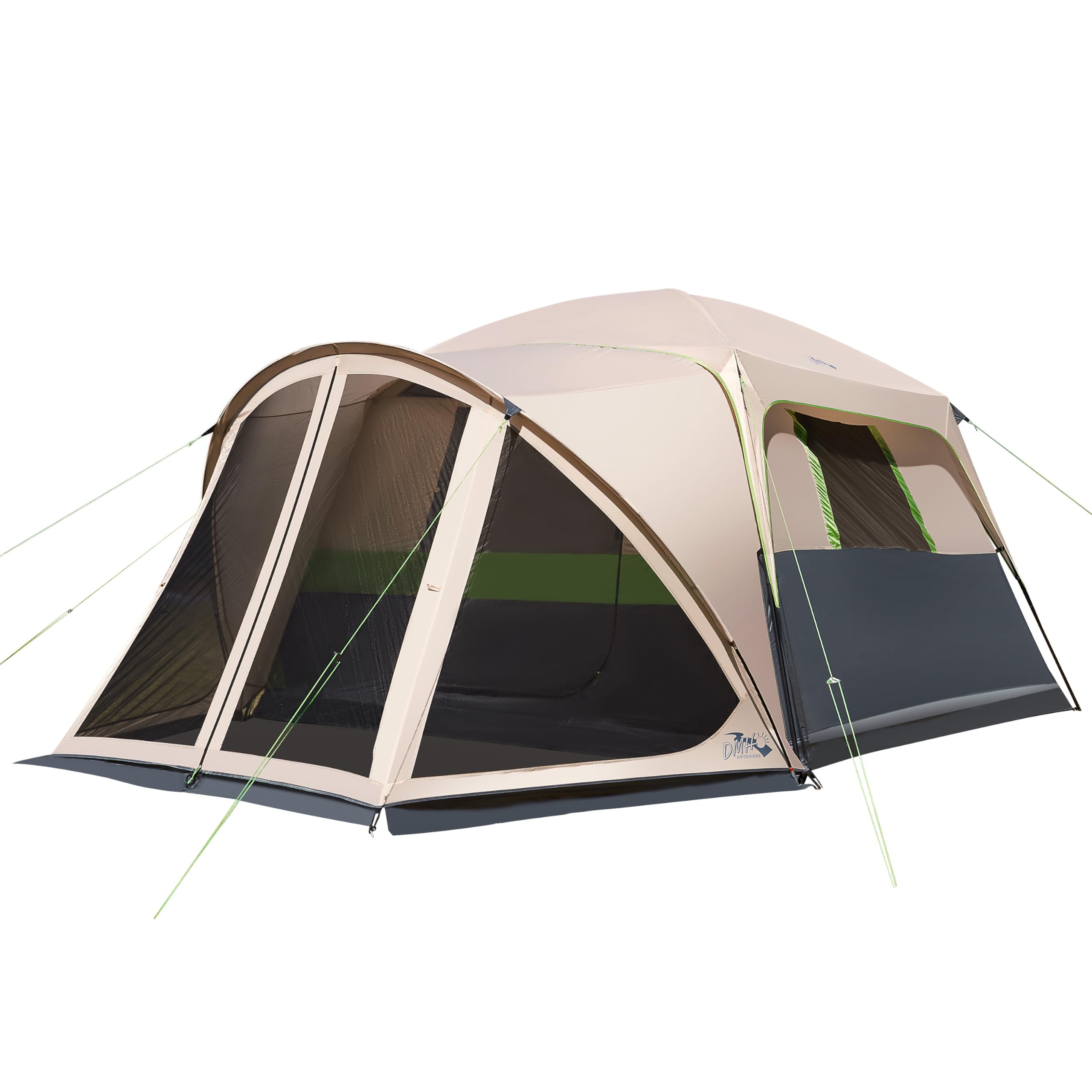
The DMH Outdoors tent prioritizes group space. Its broad sleeping cabin and screened porch give several campers room to organize airbeds, chairs, coolers, and bags without using one crowded central area.
Who Should Buy This
Consider it for large families, group festivals, backyard events, and car-camping trips where maximum usable space is more important than brand history or compact storage.
Who Should Avoid This
Skip it if you prefer a compact shelter, expect frequent solo setup, or want the longer product-support history associated with a major established tent line.
Common Buyer Considerations
Large cabin tents place more stress on poles, seams, and stake points. Inspect all components during the return window, practice assembly at home, and confirm the exact capacity variant shown on the Amazon page before purchasing.
Practicality
Plan on using two adults for setup and a vehicle with enough space for a large tent bag and long poles. The porch is useful for communal seating but should not be used for open flames or fuel-burning appliances.
Key Benefits
- Large sleeping area for group car camping
- Broad screened porch for chairs and gear
- Cabin-style layout improves usable wall space
- Suitable for festivals, family trips, and backyard gatherings
Limitations
- Exact variant details should be confirmed before ordering
- Bulky transport and setup requirements
- Less established product-support history than Coleman models
FAQ
How Do You Choose a Tent With a Screened Porch?
Start with realistic sleeping capacity. Size up when you use airbeds or carry substantial gear. Next, compare porch-floor coverage, center height, total campsite footprint, setup complexity, rainfly coverage, and packed size.
A full-floor porch is more suitable for sleeping or clean storage, while a floorless or partly exposed porch may drain more easily. Neither design guarantees protection from wind-driven rain.
Are Screened Porches Weatherproof?
Most are not fully weatherproof. Mesh walls block insects but allow air and wind-driven moisture through. A porch with a covered roof, raised floor, overlapping rainfly, and well-tensioned panels will provide better protection than a fully exposed screen room.
Keep bedding, electronics, and other moisture-sensitive gear in the main sleeping room when heavy rain is expected.
Can You Cook Inside a Screened Tent Porch?
No. Do not operate a grill, propane heater, charcoal device, or fuel-burning camping stove inside a tent or screened porch. Mesh ventilation does not eliminate fire or carbon-monoxide risks. Cook outdoors at the clearance recommended by the appliance and campground.
How Many People Fit Comfortably in a Family Tent?
Manufacturer capacities usually describe the maximum number of closely arranged sleeping pads. For more comfort, choose a tent rated for two more people than your group. For example, a 6-person tent often works better for three or four campers with airbeds and luggage.
How Should You Care for a Porch Tent?
Practice setup at home, clear sharp debris from the ground, and use a footprint that stays beneath the tent edges. Stake the tent and guy lines correctly, even in calm weather.
After each trip, remove dirt and allow every panel to dry completely before storage. Avoid machine washing unless the manufacturer specifically permits it, because agitation can damage coatings, seams, and fabric.
What Campers Prefer
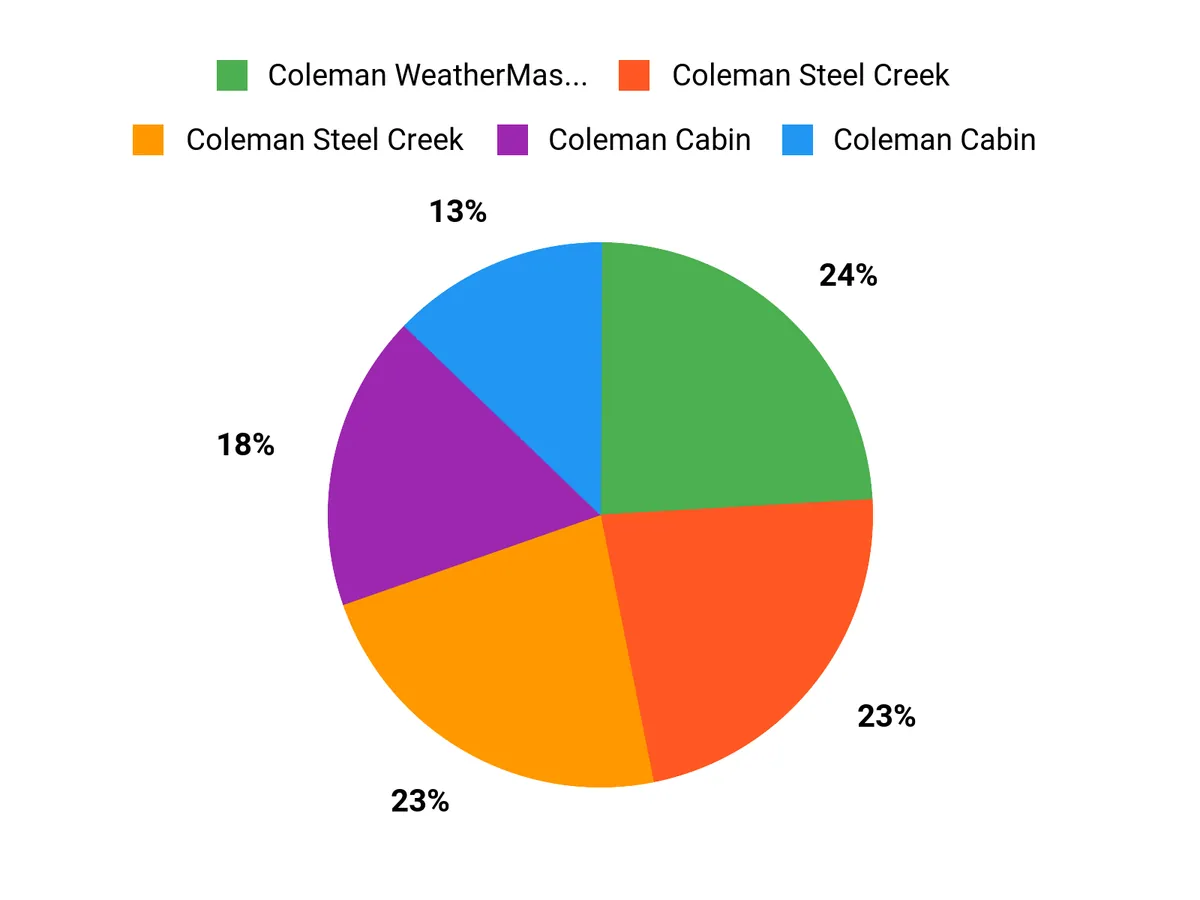
Your best choice depends on the problem you want the porch tent to solve. Pick the Carlsbad for darker mornings, the Skydome for a fast compact setup, or the WeatherMaster for balanced family comfort. Choose the Skylodge when maximum interior space matters, and consider the Steel Creek when you want a practical 6-person screen room without moving to an extra-large cabin tent.
Wrapping Up
A tent with a screened porch can create a cleaner, more comfortable campsite by separating boots, chairs, and loose gear from your sleeping area. The Coleman WeatherMaster offers the strongest family-focused balance, while the Carlsbad is better for darker mornings and the Skydome is easier to pitch quickly.
Large groups should compare the Skylodge and DMH options carefully, including campsite footprint and packed size. Whichever tent you choose, treat the porch as a ventilated bug barrier rather than a guaranteed dry room, and confirm current specifications on the Amazon listing before ordering.
Quick Comparison
| Product Name | Image | Best For | Capacity | Important Buying Note | Amazon |
|---|---|---|---|---|---|
| Coleman Carlsbad Dark Room Tent with Screened Porch |
 |
Dark, cooler-feeling mornings | 4 person | Lower-profile dome design with a full-floor screen room | Check Price |
| Coleman 4-Person Cabin Tent with Screened Porch |
 |
Couples and small families | 4 person | More upright interior than a dome, but limited room for four adults and gear | Check Price |
| Coleman WeatherMaster 6-Person Tent |
 |
Family comfort | 6 person | Room for two queen airbeds; allow about 20 minutes for setup | Check Price |
| Coleman Skylodge 12-Person Tent |
 |
Large groups and extended stays | 12 person | Approximately 19-by-10-foot overall footprint requires a large campsite | Check Price |
| Coleman Skydome 4-Person Tent |
 |
Fast setup and short trips | 4 person | Approximately 56-inch peak height is not standing height for most adults | Check Price |
| Coleman 6-Person Cabin Tent with Screened Porch |
 |
Tall campers and organized family sites | 6 person | Cabin walls provide space but require careful staking in wind | Check Price |
| Coleman Steel Creek 6-Person Tent |
 |
Fast-pitch 6-person camping | 6 person | Full-floor screen room is useful, but plastic fittings need careful handling | Check Price |
| DMH Outdoors 10P Tent |
 |
Big-group campsite space | 10 person listing | Confirm the exact size and color variant before ordering | Check Price |
This roundup is reader-supported. When you click through qualifying Amazon links, we may earn a referral commission at no additional cost to you.