
If your Honda Civic is running hot, losing coolant, or showing a cracked overflow bottle, the coolant reservoir is one of the first parts worth checking. While coolant fluid gets most of the attention, the overflow or recovery tank helps store expanding coolant and lets the system draw fluid back as the engine cools. Replacing a damaged reservoir can help reduce coolant-loss problems that may lead to overheating, but it should be paired with basic checks of the cap, hoses, thermostat, radiator, and water pump.
Below you’ll find seven compatible replacement reservoirs for different Honda Civic model years. Each option is matched to a specific fitment range, so the most important step is choosing the tank that matches your Civic year, engine, body style, and OE part number.
This roundup is reader-supported. When you click through qualifying links, we may earn a referral commission at no extra cost to you. As an Amazon Associate I earn from qualifying purchases.
Quick Verdict
Best overall modern Civic fit: Choose the A-Premium 2016–2021 reservoir if your Civic falls in that year range and the OE number matches.
Best early-2000s value: The A-Premium 2001–2005 reservoir is a strong fit for L4 1.7L Civic coupes and sedans.
Best newer-model option: The A-Premium 2022–2024 recovery tank is the right place to start for recent Civic models, but confirm trim and OE number before ordering.
Top Picks
|
Category |
Product |
Best For |
|---|---|---|
|
🏆 Best Overall |
A-Premium Engine Coolant Overflow Recovery Reservoir Tank Compatible with Honda Civic 2016–2021 |
Modern Civic coupe and sedan owners who want an OE-style reservoir with cap |
|
💰 Best Value |
A-Premium Coolant Reservoir Tank Compatible with Honda Civic 2001–2005 |
2001–2005 L4 1.7L Civic coupe and sedan replacement |
|
⚡ Best Fit for 2006–2011 |
A-Premium Expansion/Reservoir Compatible with Honda Civic 2006–2011 |
8th-gen Civic owners who need a direct replacement with cap |
|
🎯 Best for Civic Si Hatchback |
Radiator Coolant Fluid Overflow Bottle Reservoir Compatible with Honda Civic Si 2002–2005 |
2002–2005 Civic Si hatchback owners |
|
💡 Best Budget Replacement |
603-809 Coolant Overflow Reservoir Tank with Cap for 2001–2005 Civic |
Simple 2001–2005 replacement when OE 19101PLC000 matches |
|
🔧 Best For Classic/Older Models |
Engine Coolant Reservoir Tank 603-231 Compatible with Civic & del Sol 1992–1997 |
Older Civic and Civic del Sol owners checking OE 19101-P08-000 |
|
🚀 Best For Newer Models |
A-Premium Reservoir Tank Compatible with Honda Civic 2022–2024, HR-V, and Acura Integra |
Recent Civic owners who need a complete recovery tank with cap |
How We Picked
You want a replacement part that fits your Civic, lines up with the original hoses and mounting points, and does not create new cooling-system problems. We prioritized vehicle-specific fitment, OE part number references, included caps, direct-replacement design, and clear compatibility notes.
Durability also matters because coolant tanks sit near heat, vibration, and repeated temperature changes. We favored reservoirs described as heat-resistant plastic replacements and looked for useful buyer signals such as easy installation, clear coolant visibility, included hardware, and warranty support. Because fitment can vary by year, engine, body style, and trim, you should always confirm the OE number and use your vehicle details before ordering.
Before You Buy
|
Check This First |
Why It Matters |
|---|---|
|
Model year, trim, engine, and body style |
Civic coupe, sedan, hatchback, hybrid, and Si fitments can use different reservoirs. |
|
OE or interchange part number |
The safest match is the reservoir that cross-references your original tank number. |
|
Cap included and correct pressure behavior |
Some tanks are non-pressurized overflow bottles, while others are part of a pressurized recovery system. |
|
Hoses, clamps, and radiator cap condition |
A new reservoir will not fix overheating if leaks, air pockets, or a weak cap remain. |
A-Premium Coolant Reservoir Tank (Honda Civic 2016-2021)
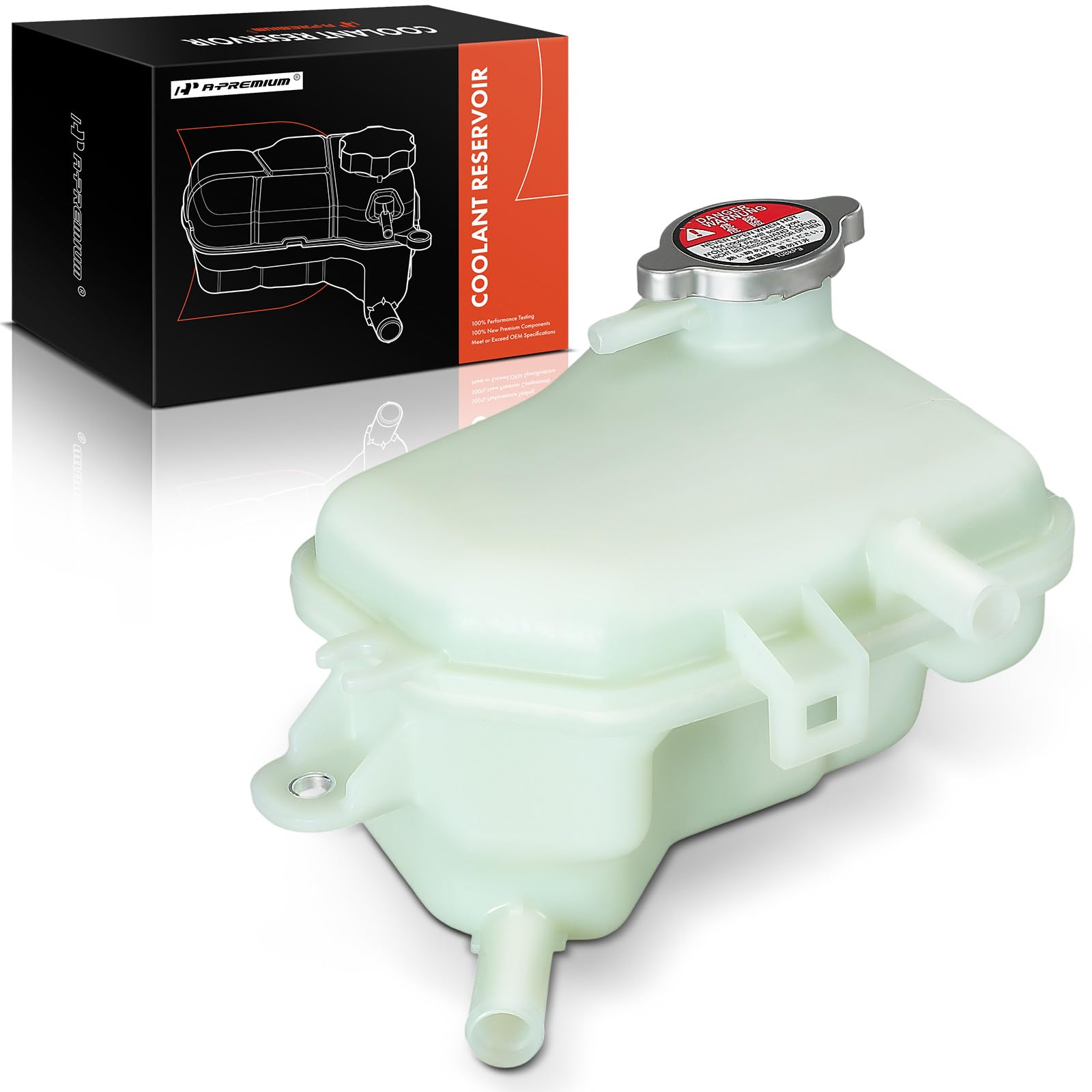
If your 2016–2021 Civic has a cracked, cloudy, or leaking reservoir, this A-Premium tank is the cleanest match in this list for later-model coupe and sedan fitments. It includes the cap, uses a pressurized reservoir design, and is made to line up with the original mounting points so you can avoid guesswork during installation.
It is best for owners who want an OE-style replacement rather than a universal tank. It can help restore coolant recovery and reduce coolant-loss issues, but it will not solve overheating caused by a stuck thermostat, failing water pump, clogged radiator, blown head gasket, or trapped air.
Buyer Feedback Themes
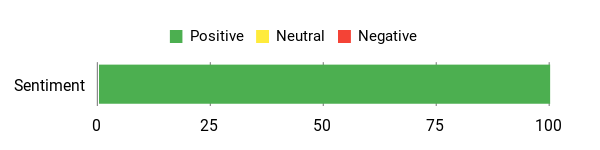
Feedback in the source material focuses on OEM-like fit, simple installation, and leak-free use after installation. Treat this as helpful fitment context, not a substitute for checking your exact Civic details before buying.
Overall Sentiment: Positive fitment feedback
When It Helps
|
Situation |
How It Helps |
|---|---|
|
Daily commuting |
Restores a sealed place for coolant expansion and recovery so you can monitor level more confidently. |
|
Hot weather or long highway drives |
A properly fitted tank and cap can help reduce coolant loss when the rest of the cooling system is healthy. |
|
Replacing a cracked or leaking tank |
Direct-fit design minimizes installation time and lowers the chance of hose or bracket mismatch. |
DIY Install
Let the engine cool fully before opening the cooling system. Remove the cap only when the system is cold, then disconnect the overflow hose and any mounting bolts holding the reservoir.
Slide the old tank out, compare hose positions and mounting points, then position the new tank so everything lines up. Reattach bolts and the hose, refill coolant to the correct level if needed, run the engine, set the heater to warm, and check for leaks while the system reaches operating temperature. Recheck the level after the engine cools.
Why You’ll Like It
- Vehicle-specific fit for Honda Civic 2016–2020 Coupe and 2016–2021 Sedan
- Pressurized design with cap included
- Designed to replace the OEM-style reservoir without custom mounting
- Good choice when the original tank is cracked, stained, or leaking
- Best for buyers who want a modern Civic-specific replacement
Check Before Buying
Confirm that your Civic is within the listed coupe or sedan fitment range and verify the OE number. This listing notes that a level sensor is not included, so inspect your original setup before ordering.
Check Product Details on Amazon
A-Premium Coolant Overflow Reservoir (2001–2005)
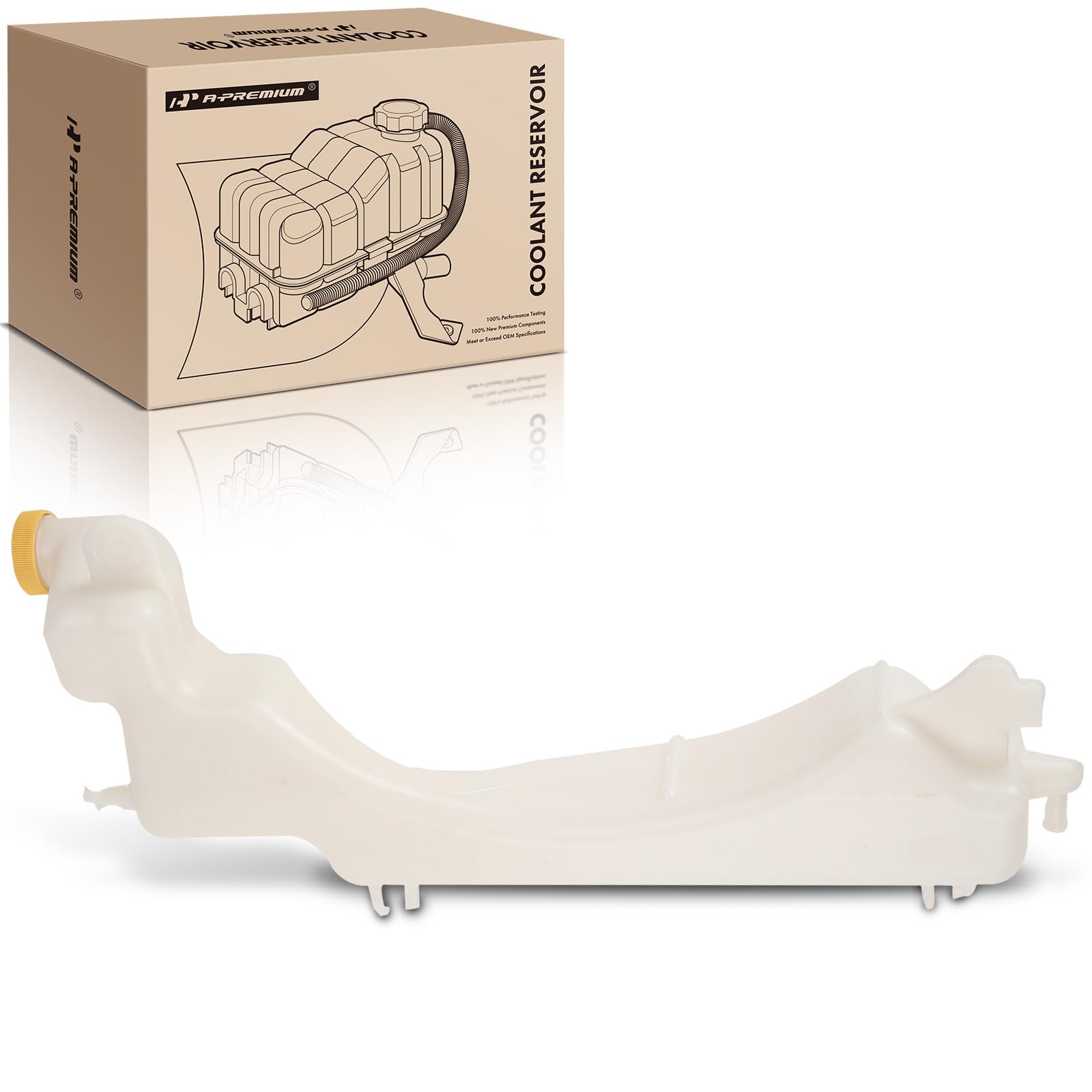
If your 2001–2005 Civic has a stained or cracked overflow bottle, this A-Premium replacement is a practical OE-style swap. It is listed for L4 1.7L coupe and sedan models and includes the cap, which saves you from sourcing a separate lid.
This is a non-pressurized overflow reservoir, so its job is to hold expanding coolant and make level checks easier. It is a strong match for daily drivers where the old tank is too dark to read or has started leaking near the seam, neck, or hose connection.
Buyer Feedback Themes
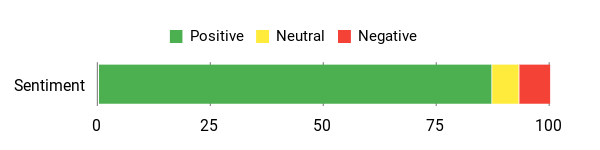
Feedback in the source material focuses on quick installation, matching mounting points, clear coolant visibility, and a cap that fits securely.
Overall Sentiment: Positive fitment feedback
When It Helps
|
Situation |
How It Helps |
|---|---|
|
Daily commuting |
Lets you see coolant level more easily during routine checks. |
|
Hot weather or long highway drives |
Helps keep overflow coolant contained when the rest of the cooling system is working properly. |
|
Replacing a cracked or discolored tank |
Restores proper coolant monitoring without forcing you to modify brackets or hoses. |
DIY Install
Let the engine cool completely. Only open the radiator cap when cold, then disconnect the overflow hose and remove the mounting bolt. Slide the old tank out, fit the new tank so the hose and mount line up, attach the hose and bolt, then top up coolant if needed.
Start the engine, let it reach operating temperature, and check for leaks. After the engine cools again, recheck the reservoir level and adjust to the correct mark.
Why You’ll Like It
- Direct, vehicle-specific fit for Honda Civic 2001–2005 L4 1.7L Coupe and Sedan
- Comes with cap included
- Clear white material improves coolant level visibility
- Good choice when the old reservoir is dark, brittle, or hard to read
- Simple replacement for daily-driver Civics
Check Before Buying
Verify your Civic has the L4 1.7L engine and compare the tank shape, mounting tab, hose location, and OE number before ordering.
Check Product Details on Amazon
A-Premium Coolant Overflow Reservoir (2006–2011)
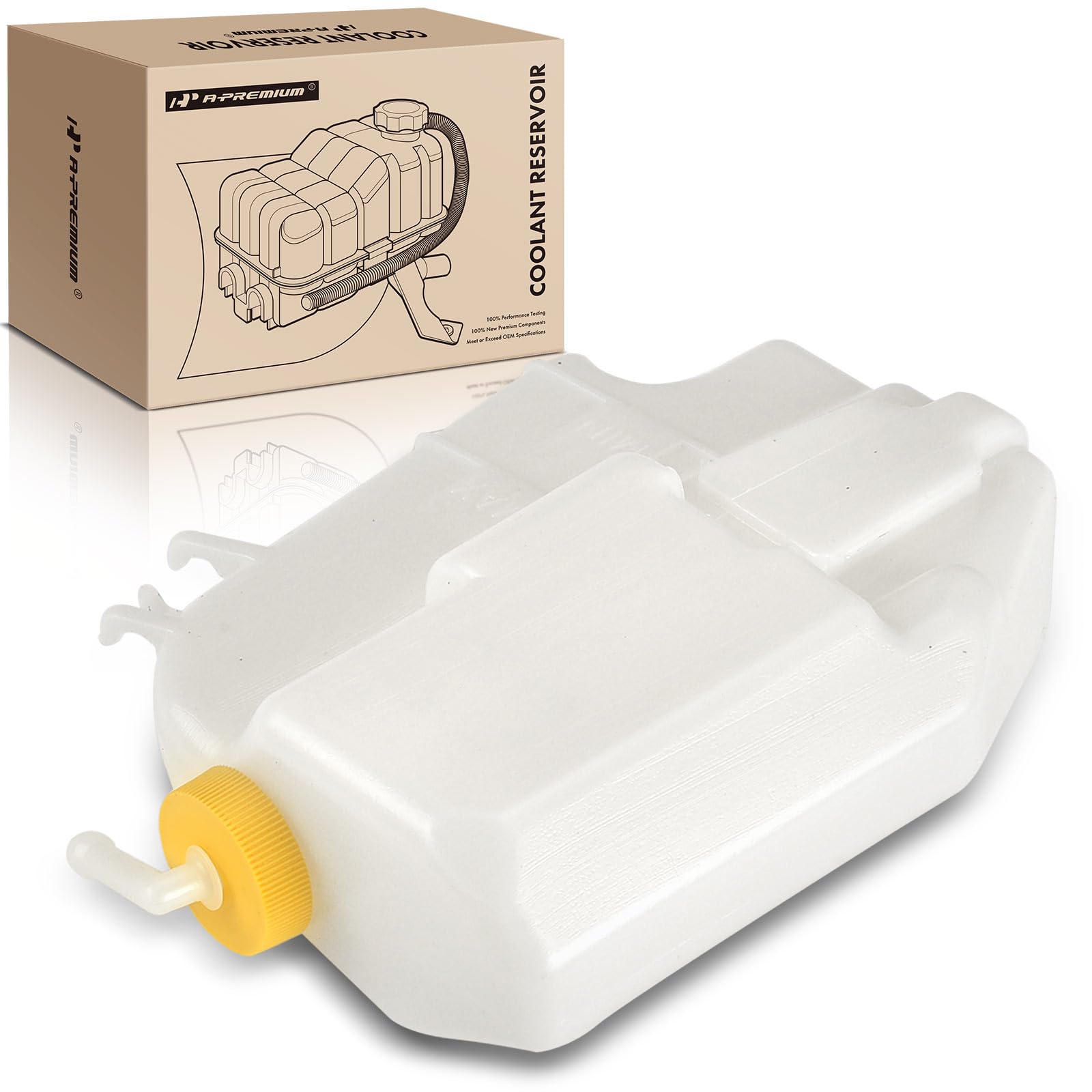
This A-Premium reservoir is the easiest starting point if you own a 2006–2011 Civic with one of the listed L4 engine fitments. It includes the cap and is designed as a direct replacement, which helps avoid awkward hose angles or mismatched mounting tabs.
Choose it if your old tank is cracked, yellowed, or leaking around the hose neck. It helps restore normal coolant expansion and recovery, but you should still inspect the radiator cap, thermostat, hoses, and cooling fans if the car is already overheating.
Buyer Feedback Themes
Feedback in the source material highlights OEM-like fit, quick installation, easy level checks, and reliable alignment with the original mounting points.
Overall Sentiment: Positive fitment feedback
When It Helps
|
Situation |
How It Helps |
|---|---|
|
Daily commuting |
Makes it simple to spot low coolant during routine checks. |
|
Hot weather or long highway runs |
A correct-fit tank helps keep overflow coolant contained under normal operating conditions. |
|
Replacing a cracked or discolored tank |
Direct-replacement design lines up with existing hoses and mounts to cut installation hassle. |
DIY Install
Let the engine cool completely. With the car cold, open the hood, disconnect the overflow hose, remove the mounting bolt or bolts holding the tank, and slide the old tank out.
Fit the new tank so the hose and mounting points align, reconnect the hose and tighten the bolt or bolts, then top up coolant to the correct level if needed. Start the engine, bring it to operating temperature, and check for leaks. Recheck fluid level after the engine cools.
Why You’ll Like It
- Vehicle-specific fit for Honda Civic 2006–2011 L4 1.3L/1.8L/2.0L
- Includes cap so you do not need to buy one separately
- White/translucent body improves coolant level visibility
- Designed as a direct replacement for a cleaner install
- Good choice for 8th-gen Civic owners replacing an aging tank
Check Before Buying
Confirm your exact engine size and compare the reservoir shape with your original tank. Hybrid, Si, coupe, sedan, and regional fitments can vary.
Check Product Details on Amazon
Radiator Coolant Overflow Reservoir (02–05 Civic Si)
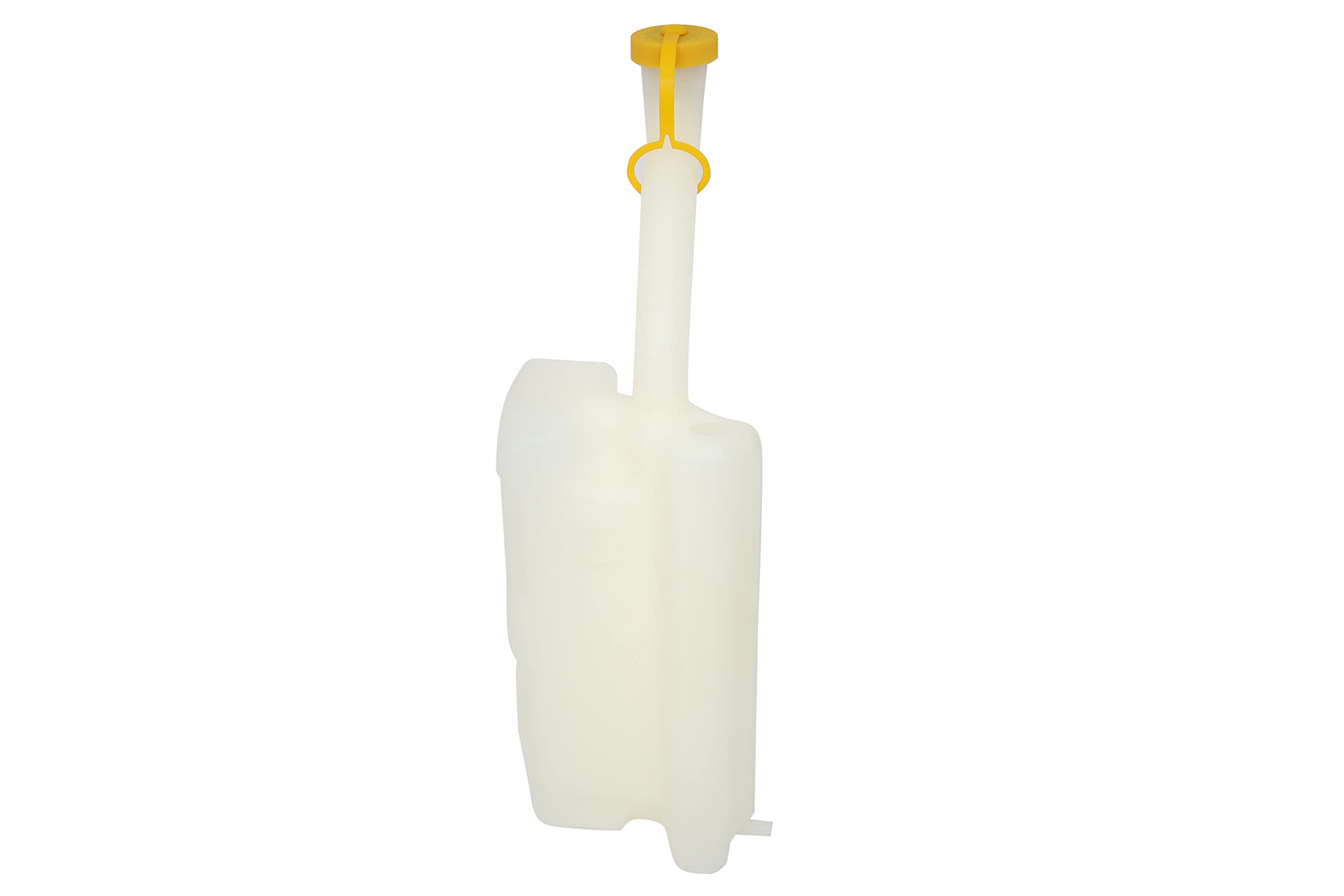
If you drive a 2002–2005 Civic Si hatchback, do not assume a standard Civic coupe or sedan reservoir will match. This Titanium Plus Autoparts reservoir is listed specifically for the Si hatchback and is tied to OEM-style fitment for that application.
It is best for Si owners replacing a cracked, leaking, or missing overflow tank and wanting a part that should line up with the original mounting points. Because Si fitment is more specific than regular Civic fitment, compare your old tank shape and OE number before ordering.
Buyer Feedback Themes
Feedback in the source material is limited but points toward a proper original-style fit. Because there is less buyer-feedback depth here than with some other options, fitment verification is especially important.
Overall Sentiment: Positive but limited fitment feedback
When It Helps
|
Situation |
How It Helps |
|---|---|
|
Daily commuting |
Restores a proper place for coolant overflow and routine level checks. |
|
Long highway trips or hot days |
A correct-fit reservoir can help keep overflow coolant contained when the system is otherwise healthy. |
|
Replacing a cracked or leaking tank |
Si-specific fitment helps avoid the mismatch risk of ordering a regular Civic tank. |
DIY Install
Let the engine cool completely. With the car cold, open the hood, locate the overflow tank, and drain or absorb remaining coolant if needed. Disconnect the overflow hose and any electrical connectors if present, remove the mounting bolt or bolts holding the tank, and lift the old tank out.
Fit the new tank so hoses and mounting points align, reinstall bolts and reconnect the hose, then top up coolant to the correct level. Start the engine, bring it to operating temperature, and check for leaks after the system cools back down.
Why You’ll Like It
- Vehicle-specific fit for 2002–2005 Honda Civic Si Hatchback
- Includes cap so you do not need to source one separately
- Designed to match OEM-style part number 19101PRA000
- Useful when regular Civic fitment does not apply
- Good option for Si owners who want a direct replacement
Check Before Buying
Confirm your Civic is the Si hatchback, not a standard coupe or sedan. Compare OE number 19101PRA000 and the reservoir shape before ordering.
Check Product Details on Amazon
603-809 Coolant Overflow Reservoir Tank
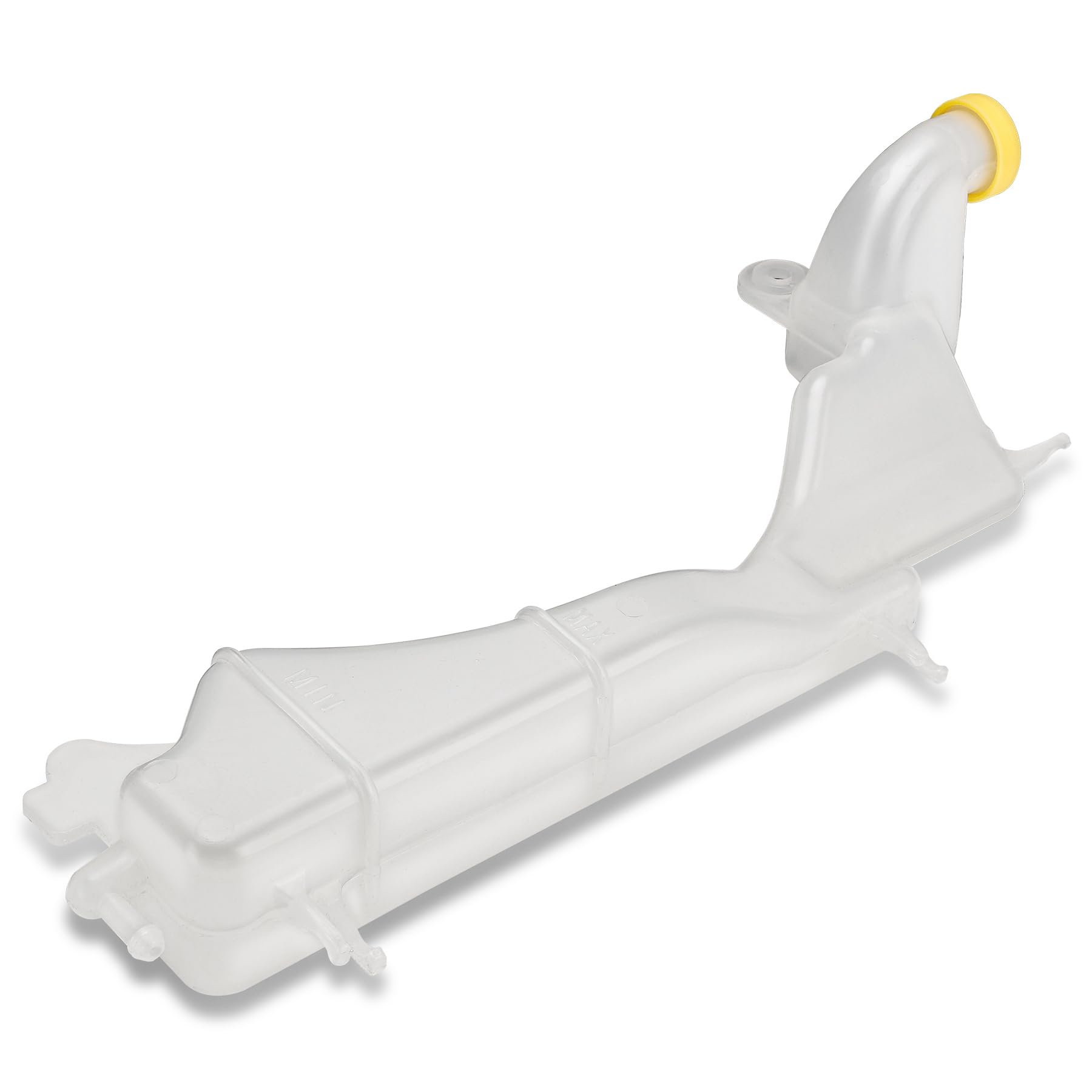
This 603-809 reservoir is another direct-style option for 2001–2005 Civic L4 1.7L coupe and sedan models. It is best for buyers who want a simple replacement tied to OE number 19101PLC000 and do not need extra features beyond a correct-fit tank and cap.
The translucent body helps you check coolant level without opening the radiator. That matters because low coolant, leaks, and trapped air are common overheating triggers. A new reservoir helps only if the rest of the system is sound, so inspect hoses and clamps during the swap.
Buyer Feedback Themes
Feedback in the source material focuses on correct fit for early-2000s Civic models and restored coolant-level visibility.
Overall Sentiment: Positive but limited fitment feedback
When It Helps
|
Situation |
How It Helps |
|---|---|
|
Daily commuting |
Lets you glance at coolant level during routine checks. |
|
Hot weather or heavy traffic |
Helps keep overflow coolant contained when temperature and pressure changes push fluid into the tank. |
|
Replacing a cracked or leaking tank |
Designed to match OEM-style mounting and hoses for a straightforward swap. |
DIY Install
Let the engine cool completely. With the car cold, open the hood and locate the overflow tank. Drain or absorb any remaining coolant, then disconnect the overflow hose and remove the mounting bolt or bolts.
Lift the old tank out, fit the new tank so hoses and mounts align, reinstall bolts and reconnect the hose, then top up coolant to the correct level. Start the engine, bring it to operating temperature, and check for leaks and proper level after cooling.
Why You’ll Like It
- Vehicle-specific fit for Honda Civic 2001–2005 L4 1.7L coupe and sedan
- Includes cap so you do not need to source one separately
- Translucent body makes coolant level easy to check
- Designed around OE-style reference 603-809 / 19101PLC000
- Practical pick for a simple early-2000s Civic reservoir replacement
Check Before Buying
Confirm OE numbers 603-809 / 19101PLC000 and compare the mounting tab and hose location to your original reservoir before installing.
Check Product Details on Amazon
603-231 Coolant Reservoir Tank
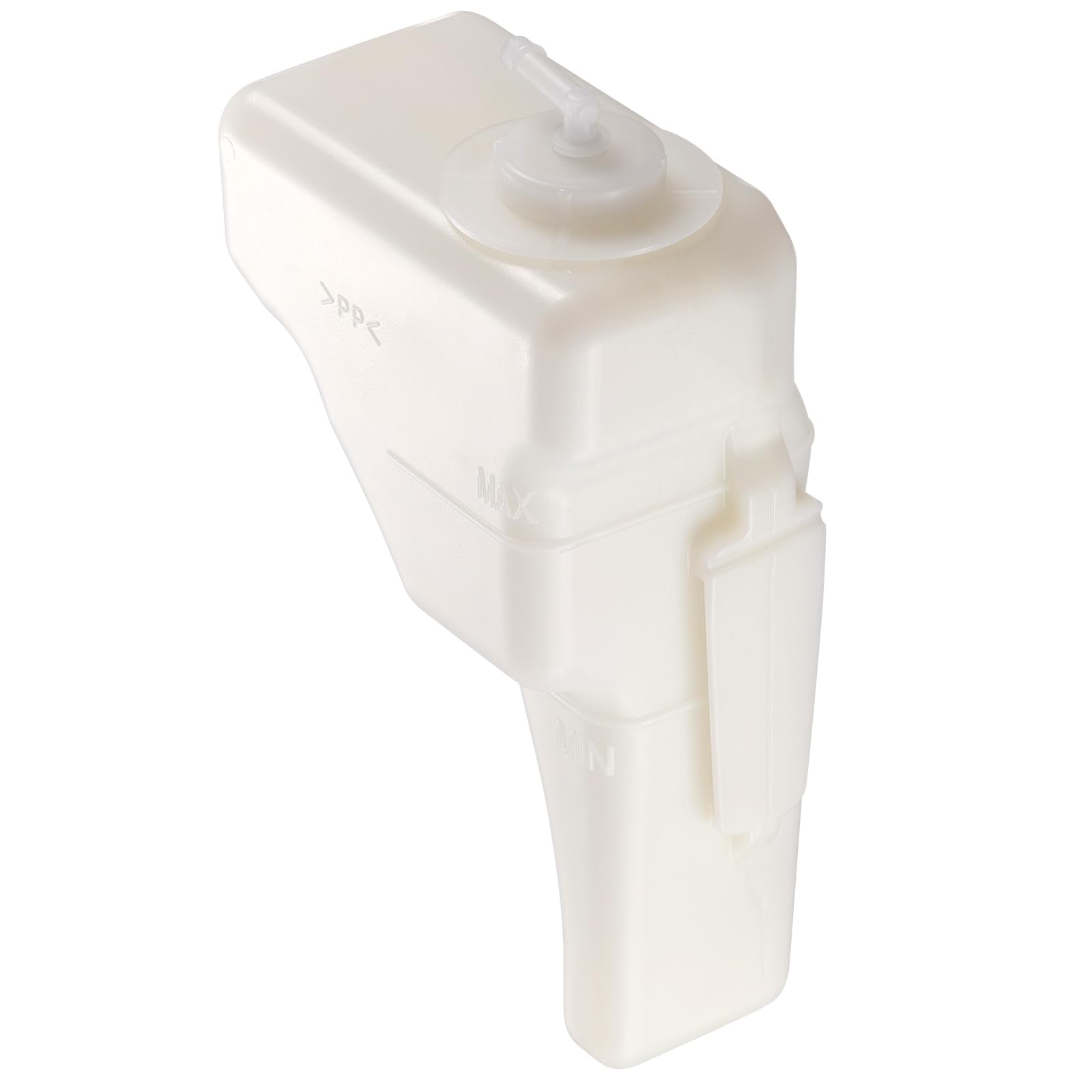
If you have an older 1992–1997 Civic or Civic del Sol, this 603-231 reservoir gives you a more targeted option than modern Civic tanks. It is tied to OE number 19101-P08-000 and is intended to match the original overflow bottle form and fit.
The translucent PP body helps with level checks, which is useful on older cars where coolant seepage, brittle hoses, and aging caps are common. Before replacing only the reservoir, inspect the full cooling system because older Civics can have multiple leak points.
Buyer Feedback Themes
Feedback in the source material focuses on original-style fit, easy installation, and visible coolant level through the translucent body.
Overall Sentiment: Positive but limited fitment feedback
When It Helps
|
Situation |
How It Helps |
|---|---|
|
Daily driving |
You can spot low coolant at a glance during routine checks. |
|
Hot weather or long trips |
A proper-fit reservoir helps contain overflow coolant and makes level monitoring easier. |
|
Replacing a cracked or leaking tank |
Designed to match OE-style mounting and hose connections for older Civic applications. |
DIY Install
Let the engine cool completely. Locate the overflow tank and drain or absorb any remaining coolant into a suitable container. Disconnect the overflow hose or hoses and remove any mounting bolts or clips.
Lift the old tank out and compare OE numbers 19101-P08-000 / 603-231 and hose positions. Fit the new tank so the mounts and hoses align, reinstall bolts and reconnect hoses, then top up the cooling system to the proper level.
Start the engine, bring it up to operating temperature, watch for leaks, and recheck fluid level after a short drive and full cooldown.
Why You’ll Like It
- Direct replacement for OE 19101-P08-000 / 603-231 fitment
- Targets 1992–1997 Civic and Civic del Sol applications
- Translucent PP body lets you see coolant level without opening the radiator
- Helpful for older vehicles with cracked or yellowed original tanks
- Good option when modern Civic reservoirs do not match your older car
Check Before Buying
Compare your original tank shape, hose positions, and OE number. Older cars may have previous repairs or swapped parts, so visual confirmation matters.
Check Product Details on Amazon
A-Premium Coolant Overflow Recovery Tank
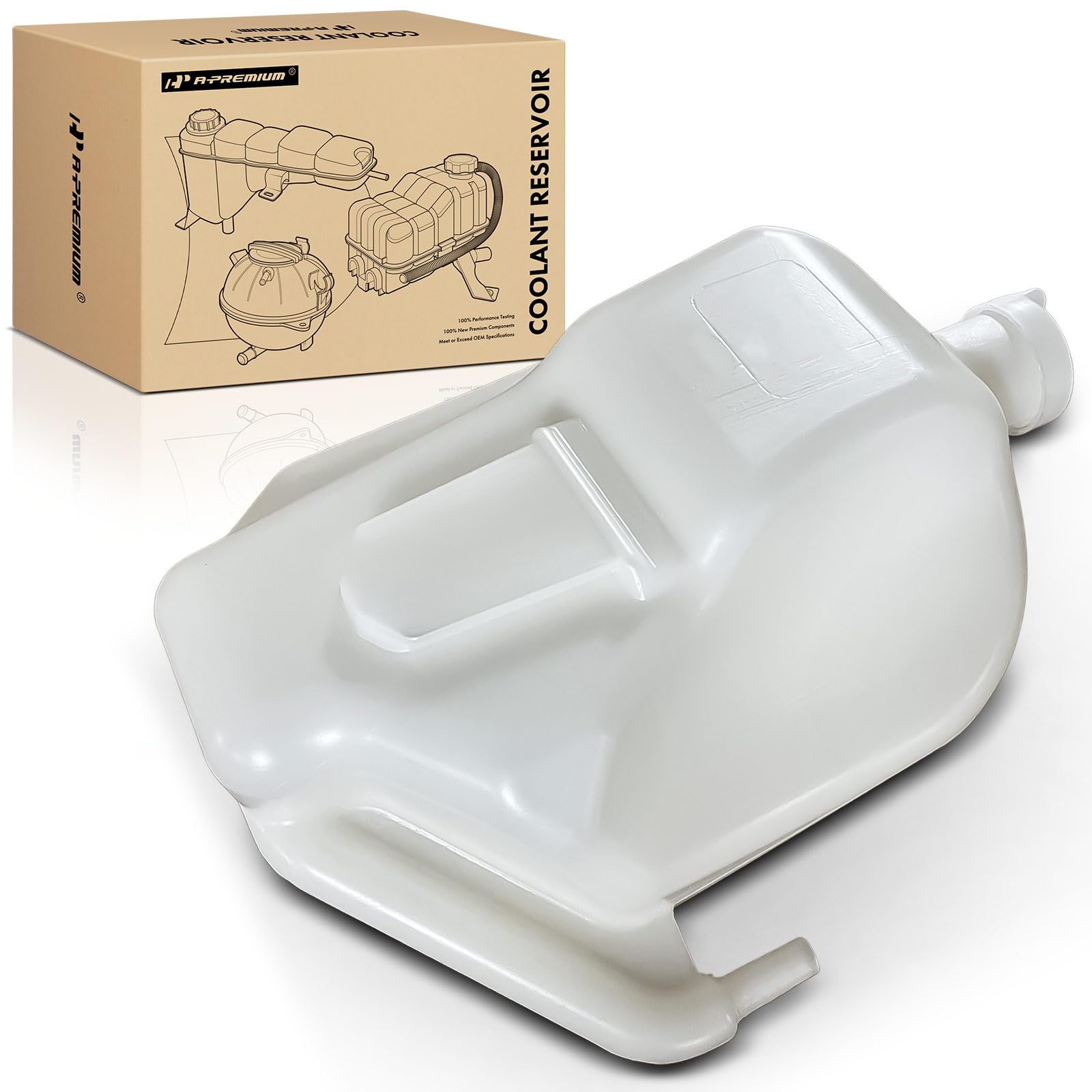
If your newer Civic needs a replacement recovery tank, this A-Premium option covers 2022–2024 Civic applications and also lists HR-V and Acura Integra compatibility. For this article, the key reason to consider it is the Civic 2022–2024 fitment.
It includes the cap and is described as a direct-replacement tank, which makes it useful when the original reservoir is cracked, missing, or leaking. Because newer vehicles can have trim-specific parts, confirm the OE number, hose routing, and cap style before buying.
Buyer Feedback Themes
The source material emphasizes OEM-style fit, included cap, and plastic construction intended for under-hood heat and vibration. Unsupported broad engine-performance claims have been removed in favor of safer reservoir-specific guidance.
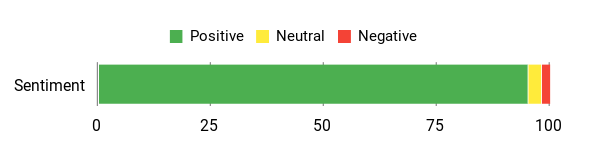
Overall Sentiment: Positive product-fit positioning
When It Helps
|
Situation |
How It Helps |
|---|---|
|
Daily driving |
Restores the coolant recovery tank so routine level checks are easier. |
|
Hot weather or long trips |
A correct-fit replacement can help contain coolant expansion and reduce coolant-loss problems. |
|
Replacing a cracked or missing tank |
Direct-fit design and included cap make the swap simpler when the original tank has failed. |
DIY Install
Let the engine cool fully. Place a container under the overflow hose and gently open or detach it to catch excess fluid. Remove any mounting bolts or clips and lift the old tank out. Compare OEM numbers 1910164AA00PFM / HO3014148 and hose positions, then fit the new tank so mounts and hoses align.
Reinstall fasteners, reconnect hoses, top the system to the correct level, start the engine and watch for leaks, then recheck fluid after a short run and full cooldown.
Why You’ll Like It
- Direct replacement fit for Honda Civic 2022–2024, HR-V 2023–2024, and Acura Integra 2023–2024
- Includes cap and ships as a complete replacement unit
- Useful for newer Civic owners replacing a cracked or missing tank
- Helps store and return excess coolant as the engine cools
- Good option when the OE number and hose layout match your vehicle
Check Before Buying
Do not rely on model year alone. Confirm the OE number, trim, engine, and hose layout because this listing covers multiple Honda and Acura models.
Check Product Details on Amazon
FAQ
Which Coolant Should You Use For A Honda Civic That Overheats?
You should follow your owner’s manual and choose a coolant that meets Honda’s specifications. Many Civics call for Honda Long-Life Antifreeze/Coolant Type 2 or an equivalent formula designed for aluminum engines, but the correct choice depends on year and engine. Do not rely on color alone because coolant color varies by brand; match the specification instead.
If your Civic is overheating, replacing degraded coolant may help, but coolant alone will not fix every cause. Also check the thermostat, radiator cap, water pump, radiator passages, cooling fans, hoses, clamps, air pockets, and head gasket symptoms.
How Should You Top Up Or Change Coolant Safely?
Always work on a cool engine and relieve pressure before opening the system. Use a proper 50/50 mix of coolant and distilled water unless the product label specifies a pre-mixed formula.
If you switch coolant types, flush the system first to reduce the risk of chemical incompatibility. After refilling, bleed trapped air by running the engine with the heater on and monitoring temperature and reservoir level. Trapped air can cause overheating even when the coolant and reservoir are new.
If you are unsure, have the system pressure-tested and flushed by a qualified technician.
Can A Bad Coolant Reservoir Cause Overheating?
Yes, a cracked reservoir, bad cap, loose hose, or broken fitting can let coolant escape. Low coolant can lead to overheating, especially in traffic or hot weather. However, the reservoir is only one part of the cooling system, so do not assume it is the only problem.
Inspect for external leaks, pressure-test the system if possible, and watch for warning signs such as white exhaust smoke, milky oil, bubbling in the reservoir, or repeated coolant loss after refilling.
Should You Replace The Reservoir Cap Too?
If the replacement tank includes the correct cap, using the included cap can be convenient. If your Civic uses a pressure-rated cap in that location, the pressure rating must match the vehicle specification. A weak or wrong cap can allow coolant loss or pressure problems.
Are Civic Coolant Reservoirs Universal?
No. Many Civic reservoirs look similar, but mounting tabs, hose positions, cap style, sensor ports, body style, and engine fitment can differ. Always match your year, trim, engine, body style, and OE part number before buying.
Civic Owners Picks
You should prioritize exact fitment for your Civic model year, durable leak-resistant plastic, the correct cap, and easy installation. If you own a 2016–2021 Civic, start with the A-Premium modern-fit reservoir. If you drive a 2001–2005 Civic, compare the A-Premium and 603-809 options by OE number and tank shape. If you have an older Civic or Civic del Sol, the 603-231 option is the most relevant pick in this list.
Wrapping Up
A failing coolant reservoir can make coolant loss harder to control and harder to notice. Replacing it is a smart step when the tank is cracked, stained, leaking, or missing a proper cap. Still, overheating can come from several causes, so inspect hoses, clamps, the radiator cap, thermostat, radiator, cooling fans, and water pump while you are already working under the hood.
For the best overall modern Civic match, start with the A-Premium 2016–2021 option. For 2001–2005 Civics, compare the A-Premium value pick and 603-809 budget pick against your OE number. For newer 2022–2024 Civics, the A-Premium recovery tank is the most relevant choice, but trim and OE verification matter most.
| Product | Image | Best For | Key Fitment | Included | Buyer Note |
|---|---|---|---|---|---|
| A-Premium Engine Coolant Overflow Recovery Reservoir Tank [With Cap] Compatible with Honda Civic 2016-2020 Coupe, Civic 2016-2021 Sedan |
 |
Best overall modern Civic pick | 2016–2020 Civic Coupe, 2016–2021 Civic Sedan | Reservoir and cap | Level sensor not included; verify OE number and body style. |
| A-Premium Engine Coolant Overflow Recovery Reservoir Tank [With Cap] Compatible with Honda Civic 2001-2005, L4 1.7L, Coupe Sedan – Front |
 |
Best value for 2001–2005 Civic | 2001–2005 Civic L4 1.7L Coupe/Sedan | Reservoir and cap | Good choice when the old tank is dark, cracked, or hard to read. |
| A-Premium Engine Coolant Overflow Recovery Reservoir Tank [With Cap] Compatible with Honda Civic 2006-2011, 1.3L 1.8L 2.0L, Petrol – Front Side |
 |
Best fit for 2006–2011 Civic | 2006–2011 Civic L4 1.3L/1.8L/2.0L | Reservoir and cap | Confirm engine and trim because 8th-gen Civic variants can differ. |
| Radiator Coolant Fluid Overflow Bottle Tank Reservoir With Cap Compatible With Honda Civic Si 2002-2005 Hatchback |
 |
Best for Civic Si hatchback | 2002–2005 Honda Civic Si Hatchback | Reservoir and cap | Use only for the Si hatchback fitment if OE number and tank shape match. |
| 603-809 Coolant Overflow Reservoir Tank with Cap For 2001-2005 Honda Civic L4 1.7L Petrol Coupe Sedan |
 |
Best budget early-2000s replacement | 2001–2005 Civic L4 1.7L Petrol Coupe/Sedan | Reservoir and cap | Check OE 19101PLC000 / 603-809 before installing. |
| Engine Coolant Reservoir Tank 603-231 Compatible with Honda Civic Civic del Sol 1992-1997 |
 |
Best for older Civic and del Sol models | 1992–1997 Civic and Civic del Sol | Reservoir tank | Compare OE 19101-P08-000 / 603-231 and hose positions. |
| A-Premium Engine Coolant Overflow Recovery Reservoir Tank [With Cap] Compatible with Honda Civic 2022-2024, HR-V HRV 2023-2024 & Acura Integra 2023-2024 |
 |
Best for newer Civic models | 2022–2024 Civic, plus listed HR-V and Integra applications | Reservoir and cap | Verify trim, OE number, and hose layout because this part spans multiple models. |
This roundup is reader-supported. When you click through links we may earn a referral commission on qualifying purchases.