Many anglers think inlet fishing comes down to luck, but steady catches usually come from reading water, timing the tide, and putting bait where fish naturally feed. Inlets squeeze moving water through narrow cuts, so baitfish, shrimp, crabs, and game fish often stack near current seams, bridge pilings, rocks, jetties, ledges, and deeper holes. When you understand those patterns, you can fish with a plan instead of guessing.
Quick Answer
For better inlet fishing, target moving water near structure. Fish the oceanside mouth on outgoing tides, the inside mouth on incoming tides, and current seams whenever bait collects. Use live shrimp, mullet, pinfish, or matching artificial lures, then adjust weight and depth as the current changes.
Key Takeaways
- Moving tides usually fish better than slack water because bait and predators become easier to locate.
- Bridge pilings, jetties, rocks, ledges, drop-offs, eddies, and current lines create natural ambush spots.
- Outgoing tides often favor the oceanside mouth of an inlet, while incoming tides can improve the inshore side.
- Live shrimp, mullet, pinfish, minnows, and local baitfish patterns are strong starting points for many inlet species.
- Always check local license rules, size limits, bag limits, parking access, and weather before you fish.
At a Glance
| Best Tide Window | Moving tide, especially the first and last parts of a strong incoming or outgoing flow. |
| Best Structure | Jetties, bridge pilings, rocks, ledges, deeper holes, current seams, and eddies. |
| Best Baits | Live shrimp, mullet, pinfish, minnows, cut bait, soft plastics, bucktails, and baitfish-style swimbaits. |
| Main Safety Concern | Fast current, slippery rocks, boat traffic, sudden weather changes, sharp tackle, and changing surf conditions. |
Understanding Inlet Structure and Hot Spots

When you understand the structure of an inlet, you can greatly improve your fishing success. Inlets create unique current patterns that form feeding zones, especially around bridge pilings, large rocks, jetties, riprap, sandbars, channel edges, and debris. These areas often attract bait first, then draw game fish that wait for an easy meal.
Pay close attention to the bottom topography. Depressions, ledges, cuts, troughs, and drop-offs can act as ambush points during specific tidal phases. A small depth change may hold fish when the surrounding flat looks empty.
Observing water movement and current lines can help you pinpoint key locations within the inlet. Tidal boundaries, where murky inshore water meets cleaner ocean water, can be productive because the mixing often carries bait, scent, and disoriented prey.
Don’t overlook backwashes or eddies created by jetties. They’re especially effective during changing tides because bait can pause in slower water while predators hold just outside the fastest flow. By focusing your efforts on these hot spots, you’ll increase your chances of finding active fish instead of covering empty water.
Pro Tip: Before you cast, watch the inlet for five minutes. Look for foam lines, bait flickers, birds, nervous water, color changes, and places where current wraps around structure.
How to Read Current Lines, Eddies, and Color Changes
Reading current is one of the most useful inlet fishing skills. A current line often looks like a seam, ripple, slick, foam trail, or strip of floating grass. These seams form where fast water meets slower water, and fish often hold along the edge so they can strike bait without fighting the full current.
Eddies are slower pockets of water that spin behind rocks, jetties, bridge pilings, and sharp bends. Cast slightly upcurrent of an eddy and let your bait sweep naturally into the softer water. Predators often face into the flow and wait for food to drift past.
Water color changes can also matter. If cloudy bay water meets clearer ocean water, baitfish may collect along that boundary. Cast across the line and work your bait through both sides because fish may hold on the clean edge, the dirty edge, or the exact mixing zone.
| Water Sign | What It May Mean | How to Fish It |
|---|---|---|
| Foam or grass line | Current seam that may collect bait | Cast across it and retrieve with the flow |
| Swirling water behind rocks | Eddy or backwash | Let bait drift into the soft pocket |
| Dirty water meets clear water | Tidal boundary and feeding edge | Work lures along both sides of the edge |
| Bait breaking the surface | Predators may be pushing bait upward | Use topwater, bucktails, soft plastics, or live bait |
Tides and Their Influence on Fishing
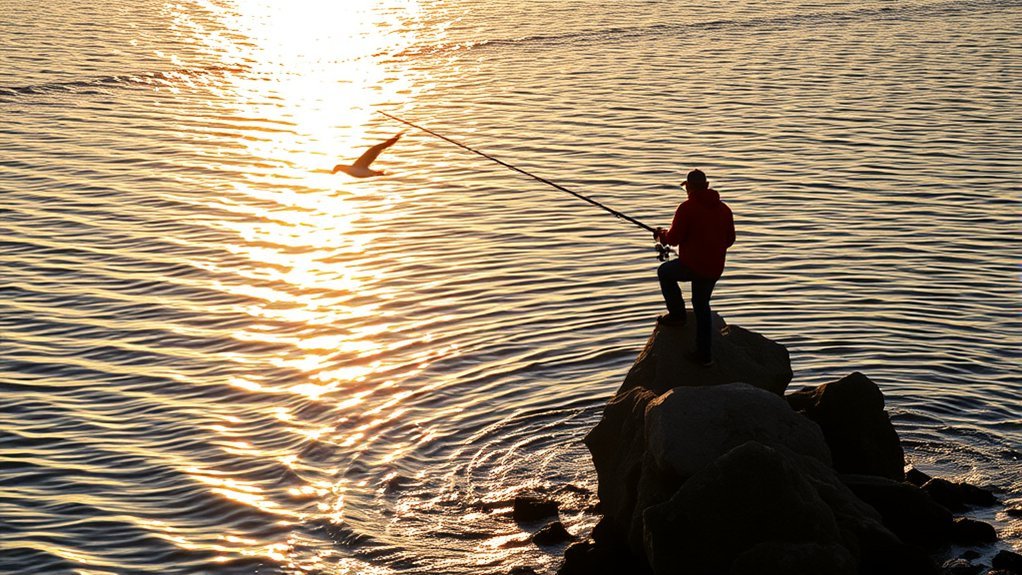
Understanding tides is essential for successful inlet fishing. Tides control water flow, bait movement, fish position, and how much weight you need to hold bottom.
The changing phases of the tide create current patterns that influence where fish gather, making certain times more fruitful than others. Instead of thinking only about “high tide” or “low tide,” focus on how fast the water is moving and where that movement pushes bait.
Tidal Phases Impact Fishing
Tidal phases play a crucial role in determining your fishing success, especially in inlets and passes. As tides shift, fish gather in these funnels, making them prime locations for your next catch.
During outgoing tides, focus on the oceanside mouth of the inlet, while the inshore mouth tends to be more productive on incoming tides. Pay attention to tidal boundaries. Where murky inshore water meets cleaner ocean water, fish often concentrate, increasing your chances of success.
While slack tides may scatter fish, moving tides often make them more active and easier to locate. A short window right after slack can be excellent because bait begins moving, but the current may still be manageable.
Finally, observe current lines and backwashes behind jetties. These spots can reveal where fish lie in wait to ambush prey and can make your fishing experience more productive.
Current Patterns and Fish
While you may not always think about it, current patterns greatly influence fish behavior in inlets and passes. These areas act as natural funnels for water flow, making them hotspots for game fish to ambush bait during tidal movements.
You’ll often find better fishing opportunities at the oceanside mouth during outgoing tides, while the inshore mouth shines during incoming tides. Pay attention to tidal boundaries where murky inshore water meets cleaner ocean water; these zones can become prime feeding grounds.
Current lines collect debris and baitfish, drawing in predatory species. During slack tides, fish tend to scatter, but as the tide picks up, they become more concentrated and active, leading to improved catch rates. Timing is essential for a successful outing.
Note: Stronger current is not always better. If your bait tumbles unnaturally or your sinker will not hold, move to a softer edge, eddy, or nearby channel shoulder.
Identifying Funnel Points for Game Fish
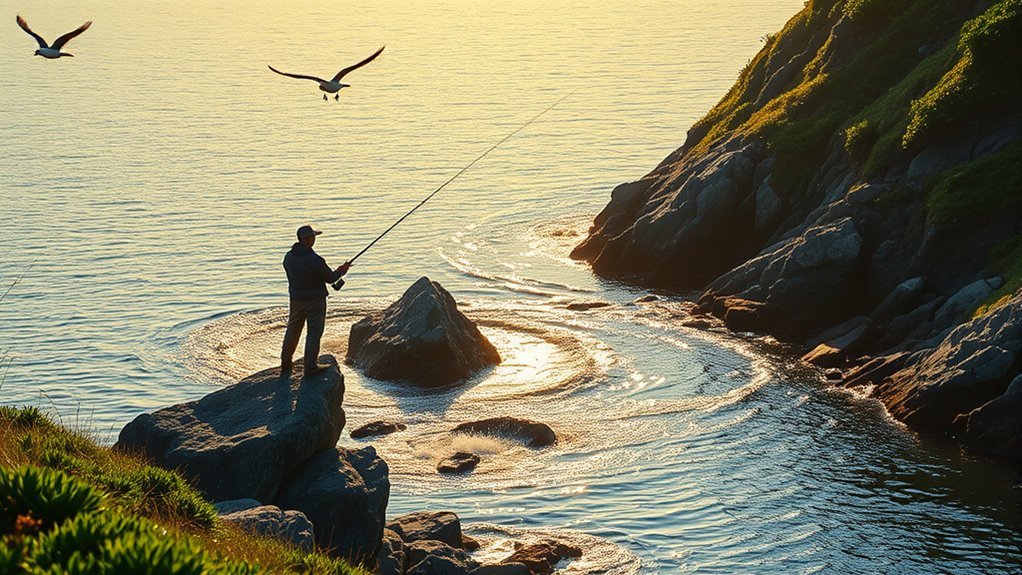
Have you ever wondered why some spots seem to attract more game fish than others? Identifying funnel points is key to increasing your chances of landing a big catch. Focus on areas like the oceanside mouth of an inlet during outgoing tides, where fish gather to ambush bait.
Funnel points force bait through a narrow zone. That could be a bridge opening, a jetty gap, a channel bend, a sandbar cut, a creek mouth, or a place where the current compresses against rocks. The best spots usually combine moving water, food, depth change, and nearby cover.
| Funnel Point Type | Key Features |
|---|---|
| Tidal Boundaries | Murky inshore water meets clean ocean |
| Backwashes & Eddies | Found behind jetties, attract bait |
| Current Lines | Look for convergence of debris & grass |
| “Dog Legs” | Unique water flow creates feeding zones |
Once you find one funnel point, fish it from several angles. Cast upcurrent, across current, and slightly downcurrent. A few feet can matter because fish often hold in one narrow lane where the current gives them the best feeding position.
Recommended Bait and Target Species
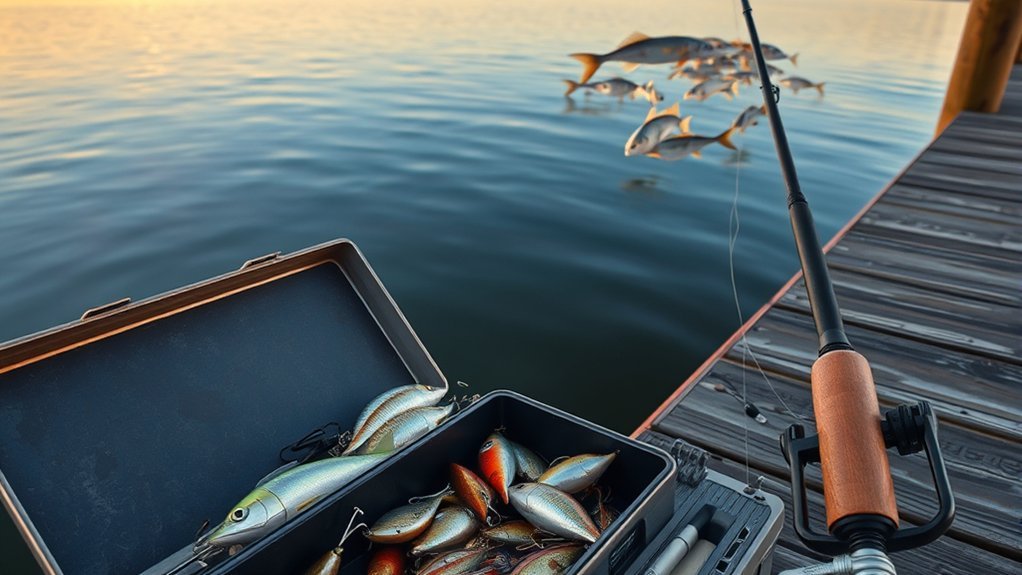
When it comes to choosing the right bait for inlet fishing, understanding local conditions and target species can greatly enhance your success. For species like snook, cobia, and striped bass, live bait such as shrimp, mullet, and pinfish is often an effective choice.
These fish may be abundant during specific tidal stages, so time your outings around those periods. Seasonal runs also play an essential role. For instance, bluefish often show up during spring migrations in many coastal areas, while flounder can peak during warmer months when they feed around channels, jetties, sandy edges, and structure.
Pay attention to tidal movements, especially fishing the outgoing tide at the oceanside mouth of an inlet, where bait and fish tend to concentrate.
If you prefer artificial lures, match local forage patterns and colors, like 6-inch pearl or mullet-color Storm shads, to improve your chances of attracting game fish.
With the right bait and timing, you’ll increase your odds of a successful fishing trip.
| Target Species | Good Bait Options | Where to Start |
|---|---|---|
| Striped bass | Live eels, bunker, mullet, bucktails, plugs, soft shads | Current seams, rocks, bridge shadows, and inlet mouths |
| Bluefish | Cut bait, metal lures, plugs, mullet, spoons | Breaking bait, surf edges, jetties, and fast water |
| Flounder | Minnows, squid strips, Gulp-style baits, shrimp | Channel edges, sandy drop-offs, rocks, and oyster bars |
| Red drum | Shrimp, crabs, mullet, cut bait, paddle tails | Creek mouths, jetties, flats edges, and sandy troughs |
| Cobia | Live eels, pinfish, menhaden, bucktails | Markers, rays, bridge areas, current breaks, and bait pods |
[Amazon Products Picked for You]

Easy-to-Use Bait Rigging Guide: Features step-by-step instructions with visual diagrams for quickly mastering various freshwater fishing rigs, perfect for both beginners and experienced anglers.


RIG TYPE: Multi-hook spinner rig with baitball-pattern blades for schooling forage imitation
Effective Fishing Techniques and Rigs
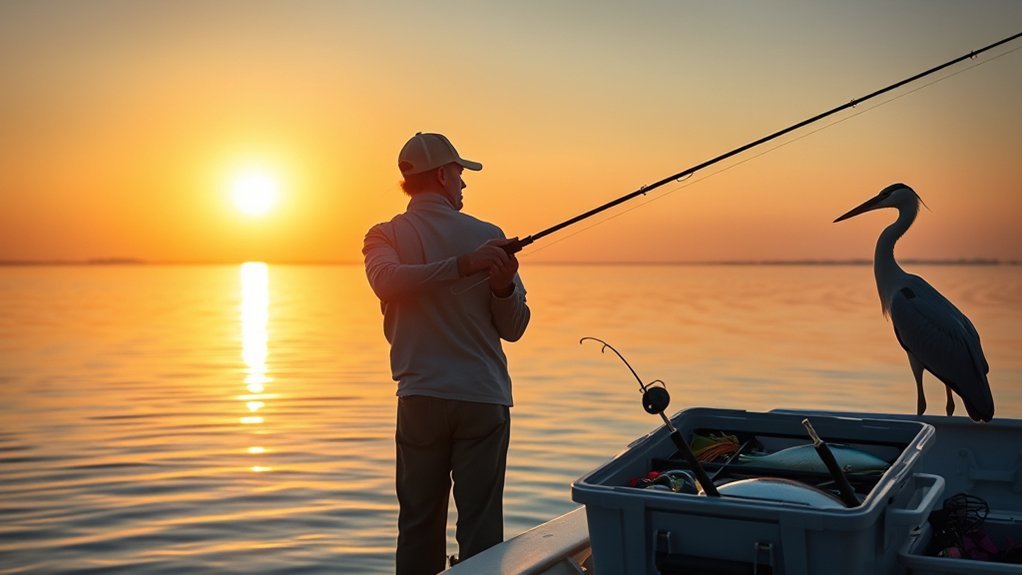
When it comes to inlet fishing, choosing the right rig and understanding tidal influences can make all the difference.
You’ll want to match your tackle to the species you’re targeting and adjust your strategy based on tidal movements to maximize your success.
Keep experimenting with different techniques and bait types to see what works best in your conditions. Inlets change fast, so a rig that works at the start of the tide may need more or less weight an hour later.
[Amazon Products Picked for You]

2 arm 12pcs white nylon monofilament leaders,main leader test 90lb, arm leader test 55lb, keep hooks free of leader.

HAND-TIED INNOVATION T-KNOT & HEAVY-DUTY 60LB LEADER: Engineered for rough conditions, our pompano rig features a unique double-line T-knot that reduces friction. Paired with a 60lb monofilament leader, these surf fishing rigs are built to handle heavy pyramid sinkers and long-distance casting, minimizing the risk of knot failure and making them essential saltwater fishing gear.
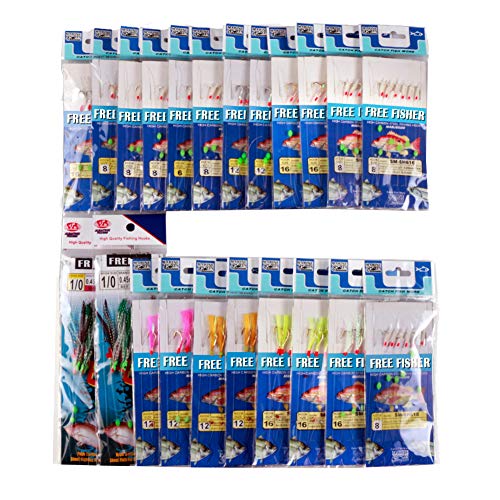
PACKAGE:22 rigs in 1 package;10pcs of white Baits Rigs(including each 2 of size 8#,10#,12#,14#,16#), made of genuine fishskin,more soft and with smell of fish;3pcs of luminous fishing head lures(including each 1 of size 1#,2#,3#);3pcs of luminous shrimp lures(including each 1 of size 1#,3#,5#);2pcs of G12 Baits Rigs accessories, size 1/0;2pcs of string Baits Rigs with eyes(1 yellow + 1 pink);2pcs of red rubber Baits Rigs, size 12#
Rig Selection Strategies
Selecting the right rig is essential for maximizing your success during inlet fishing, especially since different species and conditions require tailored approaches.
When targeting flounder, use bottom rigs with sufficient weight to keep your bait near the seabed, where they ambush prey. For larger fish like snook and cobia, opt for live bait rigs using live minnows, pinfish, mullet, or shrimp to draw them in.
Don’t hesitate to experiment with depths. Adjust your rig’s weight, leader length, hook size, and bait type to discover the ideal zone. In strong currents, float rigs can keep your bait suspended and drifting naturally, increasing visibility.
For artificial lures, carry a few weights and profiles. Bucktails cut through current and reach bottom quickly. Soft plastics can imitate mullet, shrimp, or small baitfish. Metal lures cast far and work well when bluefish or Spanish mackerel chase bait near the surface.
Tidal Influence Techniques
Understanding how tides influence fish behavior can greatly enhance your success while fishing in inlets. Focus on the outgoing tide at the oceanside mouth, where game fish ambush bait. Use current lines and back eddies to identify areas where fish gather. Pay attention to the meeting point of murky inshore water and clear ocean water, as these spots attract feeding fish.
| Tidal Phase | Techniques |
|---|---|
| Outgoing Tide | Fish at mouth, use bottom rigs |
| Incoming Tide | Target back eddies, live bait |
| Tidal Shifts | Experiment with depths/areas |
Adjust your approach as tides change, and remember that fish behavior can vary considerably throughout the tidal cycle. Start with the most obvious current seam, then work outward until you find the lane where bites happen.
Gear and Tackle for Inlet Fishing
Your inlet setup should match the current, structure, target species, and casting distance. You do not need the heaviest gear for every inlet, but you do need enough power to control a fish near rocks, pilings, and fast water.
A medium-heavy spinning rod is a flexible choice for many shore anglers because it handles bucktails, bait rigs, soft plastics, and plugs. If you fish heavy current, big stripers, red drum, or rough jetty areas, a longer surf rod or heavier setup may help you cast farther and keep fish away from structure.
Use abrasion-resistant leader material when fishing around rocks, shells, pilings, and toothy fish. Recheck your leader often because inlet structure can nick line quickly.
| Item | Why It Helps |
|---|---|
| Medium-heavy spinning rod | Handles many live bait, lure, and bottom fishing methods. |
| Braided main line | Offers sensitivity, casting distance, and better contact in current. |
| Fluorocarbon or mono leader | Adds abrasion resistance near rocks, shells, pilings, and fish teeth. |
| Assorted sinkers | Lets you adjust as current speed changes through the tide. |
| Long-handled net or landing tool | Helps land fish safely from rocks, bulkheads, bridges, or steep banks. |
[Amazon Products Picked for You]

All-Day Comfort: The KastKing Spartacus II Fishing Rod features a Stryker Green main body and a slip-resistant rubber cork handle that delivers exceptional comfort, especially during long fishing trips.

BERKLEY CHERRYWOOD HD 7’ SPINNING ROD, FAST ACTION: The Cherrywood HD series with old school cork handles and remarkable feel make this rod one of a kind. Cork retains heat and is warmer to the touch on those cold mornings out on the water.
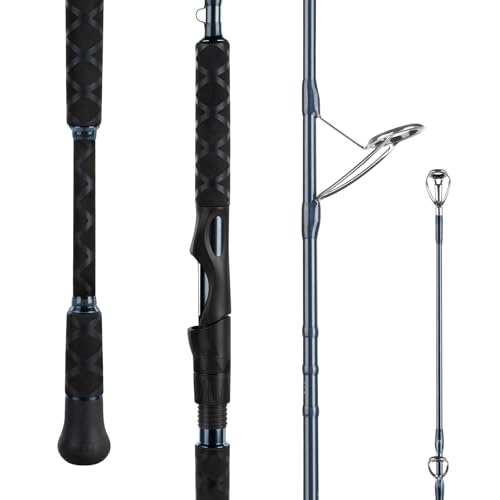
KastFlex IM6 Carbon Graphite Blank – Crafted with a KastFlex IM6 carbon graphite blank, the KastKing ReKon Saltwater Spinning Rod is built to endure harsh saltwater conditions and deliver precise, powerful performance. Its 2-piece PTS (Power Transition System) makes it easy to transport and store, while still offering excellent sensitivity, strength, and reliability for targeting a wide range of saltwater species.
Safety Precautions and Local Regulations
Before you head out to the inlet for a day of fishing, it’s crucial to be aware of the safety precautions and local regulations that support a smooth and responsible experience.
Before fishing at the inlet, make sure you understand the safety precautions and local regulations for a responsible experience.
Here are some key points to keep in mind:
- Fishing License: Obtain a mandatory saltwater fishing license for all activities where your state or local agency requires one.
- Beach Permits: Get a permit if you plan to drive a 4WD vehicle on the beach at Delaware Seashore State Park.
- Boat Registration: Register your vessel at local marine establishments like McKinney Marine or Bobs Marine when local rules require registration or renewal services.
- Parking Permits: Secure a parking permit from the Delaware Seashore State Park office to access the inlet where required.
- Fishing Regulations: Familiarize yourself with size and bag limits for specific species to ensure compliance and support conservation.
Staying informed about these regulations not only enhances your fishing experience but also contributes to the sustainability of the marine environment.
Warning: Inlets can be dangerous. Avoid standing on wet rocks in rough surf, keep distance from fast boat traffic, watch for sneaker waves, and leave before weather or tide conditions become unsafe.
Seasonal Fishing Patterns and Tips
As you plan your fishing trips throughout the year, keep in mind that seasonal patterns can greatly impact your success at the inlet.
Spring and fall are prime times for targeting striped bass and bluefish in many regions, as seasonal migrations often peak during these months. In summer, focus on flounder, especially around jetties and oyster bars where they lie in wait for prey.
Timing matters, too. The best fishing often occurs during moon tides, particularly around stronger tidal swings when fish are actively feeding.
Pay attention to tidal boundaries, as fish tend to gather where murky inshore waters blend with cleaner ocean water, creating ideal catch zones.
Finally, adjust your techniques based on tidal movements. Drifting live baits along current lines during outgoing tides can boost your catch rates, so don’t hesitate to experiment and adapt your approach.
| Season | What to Watch | Suggested Approach |
|---|---|---|
| Spring | Warming water, bait movement, striped bass and bluefish activity | Fish current seams with plugs, bucktails, soft shads, and baitfish patterns. |
| Summer | Flounder, red drum, baitfish, warm-water species | Work channel edges, sandy cuts, jetties, and back eddies with live bait or soft plastics. |
| Fall | Cooling water, bait migrations, surf and inlet blitzes | Keep moving, follow bait, and cast metal lures, plugs, bucktails, or live bait. |
| Winter | Colder water, slower bites, limited windows | Fish deeper holes, slower presentations, sunny windows, and safer weather days. |
Best Inlet Fishing Locations to Explore
When it comes to finding the best inlet fishing locations, you’ve got plenty of options to explore.
Here are some top spots that’ll up your fishing game:
- Indian River Inlet: Known for its rocky bottom, perfect for surface casting with artificial lures, especially for striped bass and bluefish.
- Delaware Seashore State Park: Hit the surf fishing access points to catch fish behind breaking waves during peak seasons.
- Inland Bays: Grab a boat and target flounder along channel edges from mid-May to October.
- Nearshore Ocean Fishing: About a mile off the coast, wrecks and reefs are ideal for tautog, black seabass, and flounder.
- Murrells Inlet: Explore jetties and creek areas during warmer months for red drum and flounder.
These locations offer diverse experiences and plenty of opportunities to reel in your catch. Before you go, check access rules, parking requirements, seasonal closures, local weather, and species regulations for the exact area you plan to fish.
Common Inlet Fishing Mistakes to Avoid
Even skilled anglers miss fish when they ignore the way an inlet works. One common mistake is casting into the fastest water without checking the edges. Fish often hold beside the heavy flow, not directly in the middle of it.
Another mistake is using too little or too much weight. If your rig drifts too fast, fish may not have time to eat it. If it anchors too firmly, it may look unnatural or snag constantly. Adjust your sinker size until the bait moves naturally but still stays near the strike zone.
Many anglers also leave too soon. Inlets can turn on quickly when the tide reaches the right speed. If a good-looking spot seems quiet, give it a few casts at different angles and depths before moving.
- Do not ignore bait signs: Birds, nervous water, and surface flips can show you where predators are feeding.
- Do not fish one rig all day: Change weight, bait size, lure color, and retrieve speed as the tide changes.
- Do not crowd unsafe areas: Give other anglers space, avoid slick rocks, and respect boat channels.
- Do not forget leader checks: Rocks, shells, and teeth can weaken line after one fish or one snag.
Frequently Asked Questions
What Is the Best Bait for Inlet Fishing?
For inlet fishing, live bait like shrimp, mullet, minnows, pinfish, and small baitfish works well because it looks natural in moving water. Cut bait can target larger fish, while soft plastics, bucktails, plugs, and metal lures can imitate local forage. Match your bait to the season, water clarity, and target species.
What Is the 80/20 Rule in Fishing?
The 80/20 rule in fishing means a large share of your success often comes from a small share of your decisions. In an inlet, that usually means focusing on the best current seams, structure, bait movement, and tide windows instead of casting randomly across open water.
What Is the 90/10 Rule in Fishing?
The 90/10 rule in fishing means you may find most fish in a small percentage of the water. In inlets, that productive water often sits near jetties, bridge pilings, current lines, drop-offs, eddies, and tidal boundaries where bait gets pushed into predictable feeding lanes.
What Is the Best Tide to Fish an Inlet?
The best tide to fish an inlet is usually a moving tide. Many anglers start at the oceanside mouth on outgoing tide because bait gets swept toward the ocean, while the inshore mouth can fish better on incoming tide. The exact best window depends on inlet shape, current speed, bait, weather, and target species.
Can You Fish an Inlet at Slack Tide?
Yes, but slack tide can be slower because bait and predators may spread out. Use the lull to scout structure, change rigs, move to deeper holes, or prepare for the next push of water. The first movement after slack can be a strong bite window.
Is Inlet Fishing Better From Shore or Boat?
Both can be productive. Shore anglers can fish rocks, jetties, beaches, bridges, and bulkheads, while boat anglers can reach channel edges, deeper holes, wrecks, and drifting lanes. Shore fishing is simpler, but boating gives you more mobility and more responsibility around current, traffic, anchoring, and safety.
Conclusion
Inlet fishing can be incredibly rewarding when you know the ins and outs. Remember the adage, “The early bird catches the worm,” but do not rely on timing alone. Arrive early, read the water, watch the tide, and focus on structure where bait naturally collects.
By understanding current lines, using the right bait, adjusting your rigs, and targeting high-percentage areas, you’ll improve your chances of landing a memorable catch. Stay aware of local regulations, weather, boat traffic, and safety precautions, and you’ll make the most of your fishing adventures.