A comprehensive understanding of your cooling system helps you keep your home comfortable without wasting energy. Most residential cooling systems fall into a few common categories: central air conditioning, ductless mini-split systems, heat pumps, and window units. Central air conditioning works well for larger homes because it uses ducts to distribute cooled air from one central system.
These systems rely on a refrigerant cycle. The system absorbs heat from indoor air, moves that heat outdoors, and sends cooler air back through the home. Ductless mini-split systems work differently because they cool specific rooms or zones without requiring full ductwork. Window units and portable air conditioners are smaller options for single rooms, apartments, or spaces that need extra cooling.
Understanding the main parts of your cooling system also makes maintenance easier. Key components include the compressor, evaporator coil, condenser coil, refrigerant lines, air filter, blower fan, and thermostat. The compressor moves refrigerant through the system. The evaporator coil absorbs indoor heat. The condenser coil releases that heat outside. The thermostat tells the system when to turn on and off.
When you know how these parts work together, you can spot warning signs sooner. Weak airflow, warm air from vents, short cycling, unusual sounds, or rising energy bills can all point to a maintenance issue. Knowing the age, size, and efficiency rating of your unit can also help you decide when repair, tune-up, or replacement makes the most sense.
Quick Answer
Use summer cooling effectively by reducing heat before it enters your home, setting your thermostat wisely, using fans correctly, controlling humidity, and keeping your cooling system maintained. Small habits like closing blinds, changing filters, and raising the thermostat a few degrees can improve comfort and reduce wasted energy.
Key Takeaways
- Understand your cooling system so you can use it efficiently and catch problems early.
- Use shade, curtains, and natural ventilation to reduce heat gain before running the air conditioner harder.
- Set your thermostat for comfort and efficiency instead of overcooling the home.
- Use ceiling and portable fans to improve air movement, but turn them off in empty rooms.
- Control humidity because damp air often feels warmer and makes your cooling system work harder.
- Maintain filters, coils, vents, and outdoor equipment to protect performance and reduce energy waste.
At a Glance
| Time Required | A few minutes daily, plus monthly filter checks and seasonal maintenance |
| Difficulty | Easy for daily habits; moderate for deeper maintenance |
| Tools Needed | Thermostat, ceiling or portable fans, clean air filters, blinds or curtains, and basic maintenance supplies |
| Cost | Low for daily habits; higher if you upgrade equipment, insulation, windows, or thermostats |
Utilizing Natural Ventilation and Shade
Natural ventilation is an often-overlooked strategy for cooling homes. It can reduce the need for mechanical cooling when outdoor temperatures are lower than indoor temperatures. By opening windows and doors during cooler parts of the day, you can create cross-ventilation that moves warm indoor air out and pulls fresher air inside.
This method works best in climates where mornings and evenings cool down. Open windows on opposite sides of the house to create a natural breeze. If your home has multiple levels, opening upper windows can help warm air escape while cooler air enters lower windows. Close the windows again once outdoor temperatures rise, or you may bring hot air back inside.
Shade can also make a major difference in indoor comfort. Trees, awnings, exterior shades, curtains, blinds, and reflective window films can reduce direct sunlight through windows. Less direct sunlight means less heat gain, which helps your air conditioner work less often during the hottest parts of the day.
Deciduous trees can be especially helpful near south-facing and west-facing windows. They provide shade during summer and allow more sunlight through in winter after the leaves fall. Exterior shades usually block heat before it reaches the glass, while interior curtains and blinds help reduce glare and heat that already enters the room.
Pro Tip: Close blinds or curtains before the sun hits the window, not after the room already feels hot. Preventing heat gain early works better than trying to remove it later.
Setting Your Thermostat for Efficiency

The thermostat plays a major role in managing your cooling system’s efficiency. Setting the thermostat too low may cool the home quickly at first, but it can also increase energy use and strain the system. A better approach is to choose a comfortable setting and avoid large, constant temperature swings.
Many energy-efficiency recommendations suggest setting the thermostat higher when you are away or asleep, then adjusting it when you are home and need comfort. If 78°F feels too warm for your household, raise the temperature gradually by one degree at a time. Pairing the setting with fans, shade, and humidity control can make a higher thermostat setting feel more comfortable.
For every degree you raise your thermostat during the cooling season, you may reduce cooling demand. Actual savings vary by home, climate, insulation, equipment condition, and utility rates. Instead of relying on one fixed savings number, track your energy bill and indoor comfort after each adjustment.
Programmable and smart thermostats can make these changes easier. For example, if you leave for work at 8 AM and return at 6 PM, you can program the thermostat to use less cooling while the house is empty. Some smart thermostats also learn your schedule, offer app controls, and provide energy reports that help you see patterns.
Note: Do not turn off cooling completely during extreme heat if pets, older adults, infants, or heat-sensitive people are inside the home.
Using Fans to Supplement Cooling
| Metrics | Value |
|---|---|
| Energy Consumption | Reduced when fans allow a higher thermostat setting |
| Temperature Reduction | Fans improve comfort but do not lower room temperature by themselves |
| Cost Savings | Varies by climate, utility rate, thermostat setting, and fan use |
| Comfort Level | Improves when airflow reaches the people in the room |
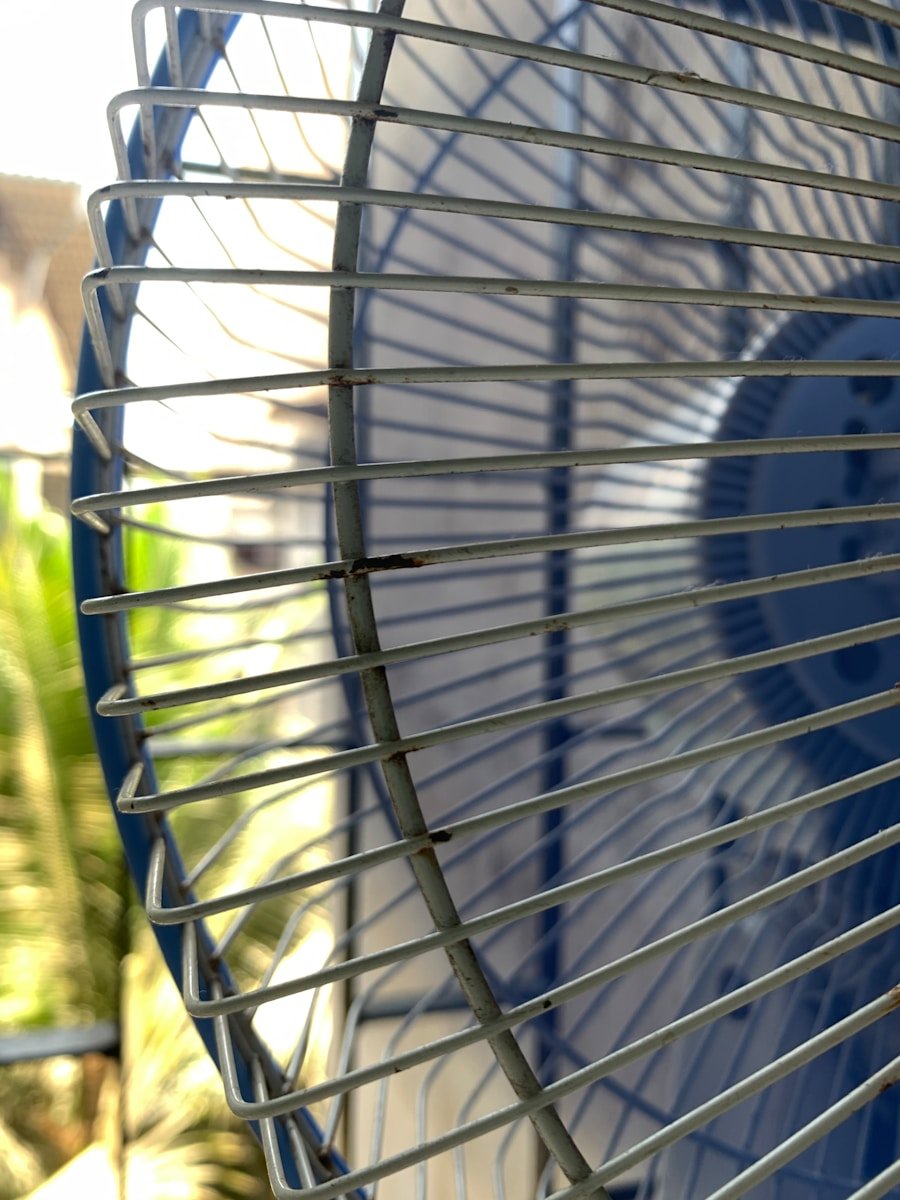
Fans are excellent tools for improving comfort and supporting your cooling system. Ceiling fans, in particular, create a wind-chill effect on your skin. This moving air can make you feel cooler even when the room temperature has not changed.
By circulating air throughout a space, fans help distribute cooled air more evenly. This can allow you to set the thermostat a few degrees higher while keeping the room comfortable. In summer, ceiling fans should usually rotate counterclockwise so they push air downward.
Portable fans can also help in rooms where people gather most often. Box fans, tower fans, and oscillating fans can direct airflow toward seating areas, desks, beds, or exercise spaces. You can also place a fan near a window during cooler hours to help draw in outdoor air or push warm indoor air out.
Fans cool people, not rooms. That means they should be turned off when no one is using the space. Leaving fans running in empty rooms wastes electricity and may add a small amount of heat from the motor.
Warning: Do not use a fan as your only cooling method during dangerous heat if indoor temperatures remain high. Fans may not protect vulnerable people from heat stress in extreme conditions.
Managing Humidity Levels
Humidity plays a major role in how comfortable your home feels. High humidity can make warm indoor air feel hotter because sweat does not evaporate as easily from your skin. When humidity stays high, you may feel tempted to lower the thermostat even more, which can increase cooling costs.
Air conditioners naturally remove some moisture as they cool the air. However, if the indoor air still feels damp while the system runs, the unit may be oversized, undersized, poorly maintained, or cycling too quickly. Dirty filters, clogged drain lines, and poor airflow can also reduce moisture removal.
A dehumidifier can help in damp climates, basements, laundry areas, or rooms that feel sticky even when cool. These devices pull moisture from the air and can make the space feel more comfortable without lowering the thermostat as much. Use a hygrometer if you want to monitor indoor humidity more accurately.
Ventilation also matters in moisture-prone areas. Run bathroom exhaust fans during showers and for a short time afterward. Use kitchen ventilation when cooking, especially when boiling water. Fix leaks quickly, and avoid drying wet clothes indoors unless you have enough ventilation or dehumidification.
Note: Comfortable indoor humidity often falls around the middle range rather than very dry or very damp. If windows sweat, rooms smell musty, or surfaces feel sticky, humidity may be too high.
Utilizing Programmable Thermostats

Programmable thermostats give homeowners more control over heating and cooling schedules. Instead of changing the temperature manually several times a day, you can set a schedule that follows your routine. This helps prevent unnecessary cooling when no one is home.
For example, you might program the thermostat to use less cooling during work hours, then return to a comfortable setting before you arrive home. You can also use different settings for weekdays and weekends. This level of customization improves comfort while helping reduce wasted runtime.
Smart thermostats add more features. Many models offer remote access through smartphone apps, usage reports, reminders, and learning features. Some can detect when you are away and adjust the schedule automatically. Others can work with smart-home systems, room sensors, or voice controls.
Even with a smart thermostat, settings still matter. Avoid dramatic temperature drops when you get home because they do not always cool the house faster. In many systems, a very low setting simply makes the air conditioner run longer. Use reasonable set points, maintain the system, and combine thermostat control with shade and fans.
[Amazon Products Picked for You]
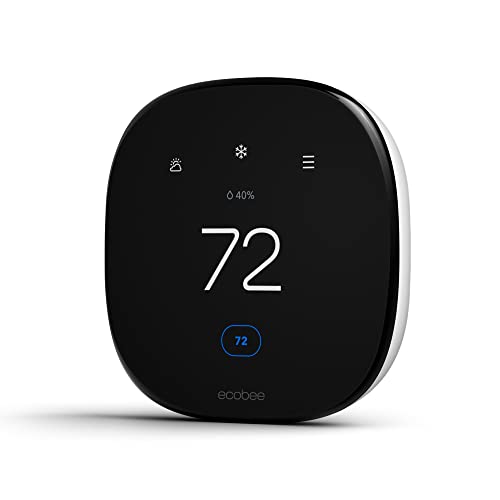
Saves you energy automatically — Save up to 26% per year on heating and cooling costs.* The Smart Thermostat Enhanced automatically adjusts your home’s temperature when you’re away or asleep, helping reduce energy use without sacrificing comfort.

PRIVACY PROTECTION*: Sensi won’t sell your personal information to third parties

An Alexa thermostat - Amazon Smart Thermostat is an easy way to switch from a traditional thermostats for homes and help reduce energy usage.
Maintaining Your Cooling System
Regular maintenance is one of the best ways to keep your cooling system efficient and reliable. One of the most important tasks is changing or cleaning the air filter. Many homes need filter service every one to three months, depending on the filter type, system use, pets, dust levels, and indoor air quality needs.
Clogged filters restrict airflow. When airflow drops, the system works harder, comfort suffers, and parts may wear faster. Restricted airflow can also cause coil problems, weak cooling, frozen evaporator coils, or higher energy use.
Keep supply and return vents clear of furniture, curtains, rugs, and clutter. Check that the outdoor unit has open space around it so air can move freely. Remove leaves, grass clippings, weeds, and debris from around the condenser. Do not cover the outdoor unit tightly while it is operating.
Cleaning evaporator and condenser coils helps maintain heat transfer. However, coil cleaning can require care, especially around electrical parts and delicate fins. Homeowners can keep the area around equipment clean, but a qualified technician should handle deeper service if the system shows performance problems.
Professional maintenance at least once a year is also helpful. During a tune-up, a technician can inspect electrical components, check refrigerant charge, test controls, clean key parts, inspect drainage, and confirm safe operation. This proactive approach can catch small issues before they become expensive repairs.
[Amazon Products Picked for You]

UNIVERSAL COMPATIBILITY: 20x20x1 replacement air filters for your furnace, air conditioner, or heat pump enhance HVAC system efficiency and support a healthy lifestyle (actual size: 19.50" x 19.50" x 0.75")

Cut to Fit: We offer you two larger sizes of air conditioner replacement filters, 15.7" x 27.6" and 15.7" x 59". The larger size allows for more cutting and use. You can cut it according to your home needs to fit various air conditioners and purifiers.

Genuine AprilAire 413 Filters are engineered to the exact specifications of your AprilAire Air Purifier, delivering superior filtration, a perfect airtight fit and seal, and the best overall system protection. To maintain peak performance, always choose certified AprilAire Replacement Filters.
Considering Energy-Efficient Upgrades
As technology advances, energy-efficient upgrades can improve cooling performance and reduce long-term energy use. One major upgrade is replacing an older air conditioner or heat pump with a newer, properly sized high-efficiency model. Efficiency ratings can help you compare equipment, but size, installation quality, duct condition, and maintenance also affect real-world performance.
A larger unit is not always better. Oversized systems may cool quickly but cycle off before removing enough humidity. Undersized systems may run constantly and still struggle to keep up. A qualified HVAC professional can perform a load calculation to match equipment to the home’s size, insulation, windows, air leakage, climate, and layout.
Home improvements can also reduce cooling demand. Sealing air leaks, adding insulation, improving attic ventilation where appropriate, and sealing leaky ducts can help keep cooled air where it belongs. These upgrades often make rooms feel more even and reduce hot spots.
Windows and window treatments matter too. Energy-efficient windows, exterior shading, reflective films, cellular shades, and thermal curtains can reduce solar heat gain. These changes are especially useful for rooms that face strong afternoon sun.
You may also consider smart thermostats, zoning systems, ductless mini-splits for problem rooms, whole-house fans in suitable climates, or dehumidification upgrades. The best option depends on your home, budget, climate, and how you use each room.
[Amazon Products Picked for You]

BEST FOR SMALL ROOMS: Cools up to 150 sq ft efficiently with 5,000 BTU cooling power. Ideal for bedrooms, home offices, dorm rooms, workshops, and studio apartments. Compact 16.4" W x 13.4" D x 12.6" H design fits tight spaces.

Effortless Cooling: Achieve optimal comfort with customizable temperature settings and two fan speeds; Effortless Temperature Control helps to maintain your preset temperatures for consistent comfort

Three-in-One Unit: Our 9000 BTU (5,300 BTU SACC) air conditioner also functions as a dehumidifier & fan. This portable air conditioner has a full function remote control & top mounted control panel with LED display
Common Summer Cooling Mistakes to Avoid
Several common habits can make summer cooling less effective. One mistake is setting the thermostat extremely low after coming inside from the heat. This usually does not cool the home faster. It often makes the system run longer than necessary.
Another mistake is ignoring the air filter. A dirty filter can reduce airflow, comfort, and efficiency. Check it regularly during peak cooling season, especially if you have pets, allergies, nearby construction, or heavy system use.
Many homeowners also leave windows, doors, blinds, and curtains open during the hottest part of the day. This allows heat and sunlight to enter the home. Close openings and coverings before outdoor temperatures rise, then ventilate later when outdoor air is cooler.
Blocked vents can also create comfort problems. Furniture, rugs, boxes, or curtains can prevent cooled air from moving properly. Keep vents open and clear unless an HVAC professional recommends a specific balancing strategy.
Finally, do not delay service when the system shows clear warning signs. Warm air, burning smells, water leaks, ice buildup, repeated breaker trips, or loud new noises deserve attention. Early action can prevent more serious problems.
Room-by-Room Cooling Tips
Different rooms often need different cooling strategies. Bedrooms may benefit from nighttime thermostat schedules, ceiling fans, blackout curtains, and breathable bedding. If the bedroom is upstairs, check airflow and insulation because upper floors often hold more heat.
Living rooms usually need airflow where people sit. Use ceiling fans or oscillating fans to move air across seating areas. Close blinds on sunny windows before the room heats up. If electronics add heat, turn off devices that are not in use.
Kitchens can become hot quickly because ovens, stoves, and dishwashers release heat and moisture. Cook earlier in the day when possible, use smaller appliances when they fit the meal, and run exhaust fans during cooking. Avoid using the oven during peak afternoon heat if you can.
Bathrooms need moisture control. Use exhaust fans during showers and leave the fan running briefly afterward. Wipe up standing water and keep doors open when appropriate to improve airflow.
Basements may feel cooler but more humid. A dehumidifier can make the space more comfortable without heavy air conditioning. Check for moisture problems, musty smells, or poor ventilation if the basement feels damp.
When to Call a Professional
Some cooling problems are simple, such as replacing a dirty filter or clearing debris around an outdoor unit. Other issues need professional service. Call a qualified technician if the system blows warm air, freezes up, leaks water, makes grinding or buzzing noises, or cycles on and off too often.
You should also get help if your energy bills rise sharply without a clear reason. A technician can check refrigerant levels, airflow, duct leakage, electrical parts, thermostat operation, and coil condition. These issues can reduce comfort and increase energy use.
If your system is old and needs frequent repairs, ask for a repair-versus-replacement comparison. A newer system may cost more upfront, but it can offer better comfort, lower operating costs, and fewer breakdowns when properly installed.
Professional guidance is especially important before replacing equipment. Proper sizing, duct inspection, and installation quality matter as much as the unit itself. A good installation helps the equipment perform as intended.
Summer Cooling and Hydration
If you’re looking to stay cool this summer, you may also be interested in checking out the 5 Best Water Infuser Pitchers for Refreshing Beverages. These pitchers are useful for creating refreshing drinks that can help you stay hydrated during hot weather.
Cooling your home is only one part of summer comfort. Hydration, light clothing, shade, and rest breaks also matter during hot days. When you combine smart cooling habits with simple personal comfort habits, you can handle summer heat more safely and comfortably.
Related Guides
Frequently Asked Questions
What is summer cooling?
Summer cooling refers to the methods used to lower indoor heat and improve comfort during hot months. It can include air conditioning, fans, shade, ventilation, humidity control, insulation, and daily habits that reduce heat gain.
Why is it important to use summer cooling effectively?
Using summer cooling effectively helps maintain a comfortable and healthy indoor environment while reducing wasted energy. It can also lower utility costs, reduce strain on your cooling system, and help prevent avoidable breakdowns during peak heat.
What are some effective ways to use summer cooling?
Effective summer cooling methods include closing blinds during direct sun, using ceiling fans, setting the thermostat wisely, keeping filters clean, sealing air leaks, reducing indoor heat from appliances, and using natural ventilation when outdoor air is cooler.
How can ceiling fans be used effectively for summer cooling?
Ceiling fans work best when they rotate counterclockwise in summer and push air downward. Use them in occupied rooms to create a cooling breeze, pair them with air conditioning, and turn them off when the room is empty.
What are some tips for using air conditioning effectively in the summer?
Use a comfortable but efficient thermostat setting, raise the setting when the home is empty, replace or clean filters regularly, keep vents clear, shade sunny windows, and schedule maintenance before peak cooling season.
Should I turn my air conditioner off when I leave home?
In many cases, raising the thermostat is better than turning the system off completely, especially during very hot weather. A higher set point reduces runtime while helping control humidity and preventing the home from becoming dangerously hot.
Why does my house still feel hot when the air conditioner is running?
Common causes include dirty filters, blocked vents, poor insulation, leaky ducts, high humidity, direct sun exposure, an aging system, or an incorrectly sized unit. Start with simple checks, then call a technician if comfort does not improve.
Sources
- U.S. Department of Energy: Air Conditioning — supports general air-conditioning efficiency and maintenance guidance.
- U.S. Department of Energy: Programmable Thermostats — supports thermostat scheduling and efficient temperature control.
- ENERGY STAR: Room Air Conditioners — supports energy-efficient cooling equipment guidance.
- U.S. Department of Energy: Fans for Cooling — supports fan use and comfort guidance.

1 thought on “Maximizing Summer Cooling: Tips for Effective Use”