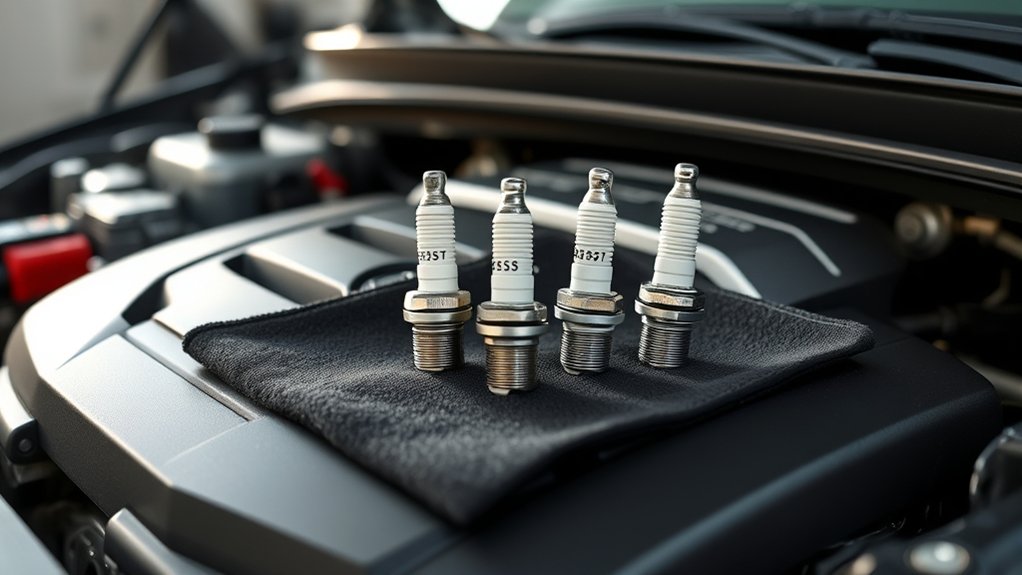
The best spark plugs for the 2013 Hyundai Santa Fe Sport Turbo are NGK Iridium spark plugs. These plugs offer superior ignition performance and durability, vital for turbocharged engines. Regular replacement every 45,000 to 60,000 miles helps maintain fuel efficiency and prevent engine misfires. Oklahoma’s climate can further influence spark plug lifespan, requiring vigilant maintenance. DIY replacement is possible, but understanding when to consult a mechanic is essential for ideal vehicle health. Further insights await on maintaining peak performance.
Understanding Spark Plugs: Their Role in Your Hyundai
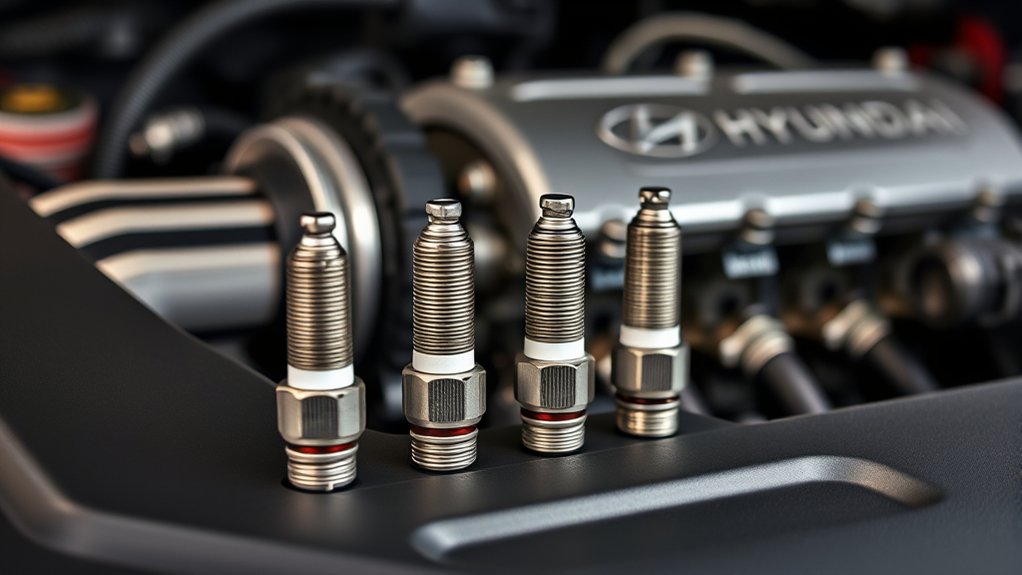
Spark plugs serve as the ignition catalyst in the 2013 Hyundai Santa Fe Sport Turbo, playing an indispensable role in engine performance. These essential components ignite the air-fuel mixture, generating the power necessary for peak operation.
In turbocharged engines, such as the Santa Fe Sport, spark plugs endure higher cylinder pressures and intense combustion temperatures, making their durability critical. NGK Iridium spark plugs are often recommended for their superior conductivity and longevity, outperforming traditional platinum options.
Regular replacement of spark plugs not only enhances engine performance but also improves fuel economy and reduces emissions, leading to a smoother driving experience.
Neglecting worn spark plugs can result in engine misfires, triggering the check engine light and potentially incurring costly diagnostic fees. Understanding the essential role of spark plugs empowers drivers to maintain their vehicle’s health, ensuring liberation from the burdens of poor performance and unnecessary expenses.
Recommended Spark Plug Replacement Intervals
For peak engine performance in the 2013 Hyundai Santa Fe Sport Turbo, adhering to recommended spark plug replacement intervals is vital. These intervals are set between 45,000 to 60,000 miles, taking into account the vehicle’s higher cylinder pressures and hotter combustion conditions. Regular replacements not only prevent engine misfires but also protect the catalytic converter from raw fuel damage.
Symptoms of worn spark plugs include rough idling, hesitation during acceleration, and decreased fuel efficiency. Timely replacements are essential for maintaining ideal performance. Following the manufacturer’s maintenance schedule can avert unnecessary diagnostic fees associated with misfires.
| Mileage Interval | Action Required |
|---|---|
| 0 – 45,000 miles | Inspect spark plugs |
| 45,000 – 60,000 miles | Replace spark plugs |
| Over 60,000 miles | Immediate replacement |
| Regular Maintenance | Preventive checks |
Proper diagnosis of spark plug wear helps guarantee smooth vehicle operation, particularly under load conditions.
Why Choose NGK Iridium Spark Plugs for Performance?
NGK Iridium spark plugs stand out for their superior ignition performance, thanks to a 0.6mm iridium center electrode that requires fewer volts to ignite the air-fuel mixture.
Their enhanced durability, attributed to iridium’s remarkable hardness and strength, guarantees longevity even in high-demand driving conditions.
Additionally, these plugs contribute to peak fuel efficiency, making them a preferred choice for those seeking reliable performance in their vehicles.
Superior Ignition Performance
When seeking to enhance ignition performance in high-performance vehicles like the 2013 Hyundai Santa Fe Sport Turbo, many enthusiasts turn to NGK Iridium spark plugs.
These plugs feature a 0.6mm ultra-fine center electrode, requiring fewer volts to fire, which leads to a more efficient combustion process. The iridium material, being six times harder and eight times stronger than platinum, provides superior ignition performance and resistance to wear.
With a stock heat range suitable for turbocharged engines, they maintain peak performance even under high pressures and hotter conditions.
Additionally, the pre-gapped design simplifies installation, allowing enthusiasts to experience improved fuel efficiency and smoother engine operation quickly.
NGK Iridium spark plugs are a definitive choice for those seeking to liberate their vehicle’s potential.
Enhanced Durability Features
Choosing NGK Iridium spark plugs enhances durability and performance for the 2013 Hyundai Santa Fe Sport Turbo. These plugs feature a robust iridium center electrode, which is six times harder and eight times stronger than platinum, ensuring longevity under high-stress conditions.
With an ultra-fine 0.6mm electrode, NGK Iridium spark plugs require fewer volts for ignition, promoting efficient combustion. Their design effectively resists fouling, maintaining performance across diverse driving scenarios.
Additionally, pre-gapped specifications streamline installation, minimizing errors and maximizing engine efficiency from the outset. Backed by positive user feedback, these plugs exemplify reliability, making them a compelling choice for those seeking enhanced durability features and consistent performance in their vehicle’s ignition system.
Optimal Fuel Efficiency
Ideal fuel efficiency is a critical consideration for drivers of the 2013 Hyundai Santa Fe Sport Turbo, especially when it comes to selecting the right spark plugs.
NGK Iridium spark plugs, featuring a 0.6mm center electrode, enhance ignition performance by requiring fewer volts to fire. This efficiency translates into improved fuel economy.
The durability of iridium—six times harder and eight times stronger than platinum—ensures a longer lifespan and consistent performance, essential for turbocharged engines.
Regular replacement of these spark plugs minimizes misfires, promoting efficient combustion and saving drivers money over time.
Users have reported enhanced engine performance and smoother driving experiences, culminating in a noticeable increase in miles per gallon (MPG), making NGK Iridium an ideal choice for fuel efficiency.
How Oklahoma Driving Conditions Impact Spark Plug Lifespan
Oklahoma’s unique driving conditions considerably influence the lifespan of spark plugs, underscoring the significance of understanding regional factors in vehicle maintenance.
The state’s high summer temperatures can accelerate spark plug wear, as the increased heat places additional stress on ignition components. Conversely, winter cold starts demand a robust spark, leading to quicker degradation of spark plugs.
Additionally, frequent short trips typical in Oklahoma prevent the combustion chamber from reaching ideal temperatures, further contributing to rapid wear. Local driving habits, including stop-and-go traffic, exacerbate this issue, diminishing overall engine performance.
Awareness of these conditions allows Oklahoma drivers to adjust their maintenance schedules effectively. Timely spark plug replacements are essential to avoiding misfires and ensuring smooth engine operation.
How Can You Replace Spark Plugs Yourself?
Replacing spark plugs in a 2013 Hyundai Santa Fe Sport Turbo can be a straightforward task for those familiar with basic automotive maintenance. To effectively execute a Spark Plug Replacement, one should follow these essential steps:
- Preparation: Gather the correct NGK Iridium spark plugs, a spark plug socket, torque wrench, and anti-seize compound.
- Accessing Plugs: Disconnect the battery and remove any engine covers to reach the spark plugs. Keep track of the order of removal for proper reinstallation.
- Installation: Inspect and clean ignition coils to prevent debris contamination.
Install the new plugs while adhering to the manufacturer’s torque specifications to avoid damage.
When to Consult a Mechanic for Spark Plug Replacement?
Understanding the appropriate time to consult a mechanic for spark plug replacement is vital for maintaining the performance of a 2013 Hyundai Santa Fe Sport Turbo. Typically, plugs need replacement between 45,000 to 60,000 miles, as turbocharged engines endure greater wear due to hotter combustion.
Signs such as rough idling, hesitation during acceleration, or declining fuel economy warrant professional inspection of the spark plugs. Additionally, the activation of the check engine light may signal misfires related to worn plugs, necessitating a thorough diagnosis to prevent further engine damage.
For those frequently driving in high-temperature conditions or engaging in short trips, earlier consultation is advisable to address potential premature spark plug wear.
Given the complexity of turbocharged engines, professional servicing guarantees proper installation and torque specifications, which minimizes the risk of damaging components. Recognizing these indicators empowers owners to maintain peak vehicle performance.
What Other Maintenance Should You Consider With Spark Plug Replacement?
When replacing spark plugs, it is crucial to evaluate additional maintenance tasks to enhance vehicle performance.
Inspecting ignition components, such as spark plug wires, can prevent misfires, while reviewing brake pad thickness guarantees safety and prevents costly repairs.
Moreover, recommended fluid exchanges, particularly at key service intervals, contribute to overall vehicle efficiency and longevity.
Recommended Fluid Exchanges
Maintaining a vehicle’s performance extends beyond merely changing spark plugs; it encompasses a thorough approach to fluid exchanges and component checks.
For the 2013 Hyundai Santa Fe Sport Turbo, adhering to a maintenance schedule that includes the following is essential:
- Transmission Fluid Exchange: Recommended every 60,000 miles to guarantee smooth shifting and peak performance.
- Fuel Filter Replacement: To maintain proper fuel flow, this should be done every 30,000 to 50,000 miles, keeping the engine efficient.
- Brake Pad Inspection: As part of the 90K-mile maintenance schedule, this assures safety alongside replacing sparks and plugs.
These fluid exchanges and checks not only enhance the performance of the cylinder head and center electrode but also make certain that the vehicle still delivers reliable service as outlined in the Owner’s Manual.
Inspection of Ignition Components
Inspecting ignition components is a critical step in guaranteeing the ideal performance of a 2013 Hyundai Santa Fe Sport Turbo during spark plug replacement.
Ignition coils should be examined for wear, as they are essential for delivering the spark necessary for peak engine function. Worn spark plug wires can lead to poor ignition and reduced fuel efficiency, often necessitating replacement alongside new spark plugs.
Additionally, reviewing the PCV valve is wise; a malfunctioning valve can compromise engine performance and fuel economy. Checking the fuel filter is also essential, as clogs hinder fuel flow.
Finally, evaluating the oxygen sensor guarantees accurate fuel mixture readings, thereby enhancing engine efficiency. Thorough inspection promotes a seamless driving experience.
Assessment of Brake Pads
During the spark plug replacement process, evaluating brake pads becomes a significant consideration. A detailed Brake Pad Inspection not only enhances safety but also guarantees peak vehicle performance.
Worn brake pads can lead to decreased braking efficiency and increased stopping distances, posing potential risks.
Consider these key points:
- Thickness Check: Assess brake pad thickness, particularly as they may need replacement around the 90K-mile mark.
- Regular Intervals: Brake pads typically require attention every 30,000 to 70,000 miles, depending on driving habits and conditions.
- Multi-Point Inspection: Conducting a thorough inspection during spark plug service can identify wear early, saving on future repairs.
Integrating brake pad assessments with routine maintenance fosters a safer, more liberated driving experience.
User Feedback on Spark Plug Performance and Brands
User feedback on spark plug performance for the 2013 Hyundai Santa Fe Sport Turbo reveals a strong preference for NGK Iridium spark plugs, which are praised for their durability and efficiency under demanding conditions.
User experiences highlight significant improvements in fuel economy and smoother engine operation following the replacement of worn plugs with NGK Iridium models. Many drivers note that these iridium plugs require fewer volts to ignite, resulting in quicker starts and enhanced engine responsiveness.
Community discussions often stress the importance of acquiring authentic NGK products, as counterfeit plugs can lead to misfires and diminished performance.
Users consistently emphasize that regular maintenance, including timely spark plug replacements every 45,000 to 60,000 miles for turbo engines, is crucial for maintaining peak vehicle performance.
Frequently Asked Questions
What Spark Plugs Are Recommended for a 2013 Hyundai Santa Fe Sport?
For the 2013 Hyundai Santa Fe Sport, NGK Iridium spark plugs are recommended. Their advanced spark plug types feature Laser Iridium technology, ensuring superior durability and ignition performance, critical for maintaining the efficiency of turbocharged engines.
What Are the Best Spark Plugs for a Turbo Engine?
For turbo engines, iridium spark plugs are ideal due to their durability and efficiency. They enhance performance upgrades by offering better ignition, improved combustion, and longer service intervals, essential for maintaining engine health and power output.
What Spark Plugs Does Hyundai Recommend?
Hyundai recommends NGK Iridium spark plugs for maximum ignition efficiency in the 2013 Santa Fe Sport Turbo. Their reliability and performance benefits guarantee drivers can enjoy enhanced engine responsiveness and longevity without concern for counterfeit alternatives.
How Often Should Spark Plugs Be Changed in a Hyundai Santa Fe?
In a Hyundai Santa Fe, spark plugs should be changed every 45,000 to 60,000 miles. Following the maintenance schedule is essential for peak performance, preventing misfires, and ensuring efficient fuel economy throughout the vehicle’s lifespan.
Conclusion
In conclusion, understanding the significance of spark plugs in your 2013 Hyundai Santa Fe Sport Turbo is essential for peak performance. Regular maintenance, including timely replacements, can enhance longevity and efficiency. As the saying goes, “A stitch in time saves nine,” emphasizing the importance of proactive care. By considering driving conditions and quality brands like NGK Iridium, drivers can guarantee their vehicle runs smoothly, ultimately leading to a more enjoyable driving experience.