
Last updated: September 16, 2026.
You can read a tire size from left to right. In P225/70R16, P identifies a P-metric passenger-vehicle tire, 225 is the nominal section width in millimeters, 70 is the aspect ratio, R means radial construction, and 16 is the wheel diameter in inches. A load index and speed symbol normally follow the size. For replacement tires, use the size and ratings on your vehicle’s tire placard or owner’s manual as the primary reference rather than assuming the tires currently installed are correct.
Source basis: This guide was cross-checked against NHTSA TireWise, U.S. Tire Manufacturers Association replacement guidance, the Bridgestone tire-size guide, and the Tire Industry Association’s sidewall guidance.
How to Read a Tire Size Example
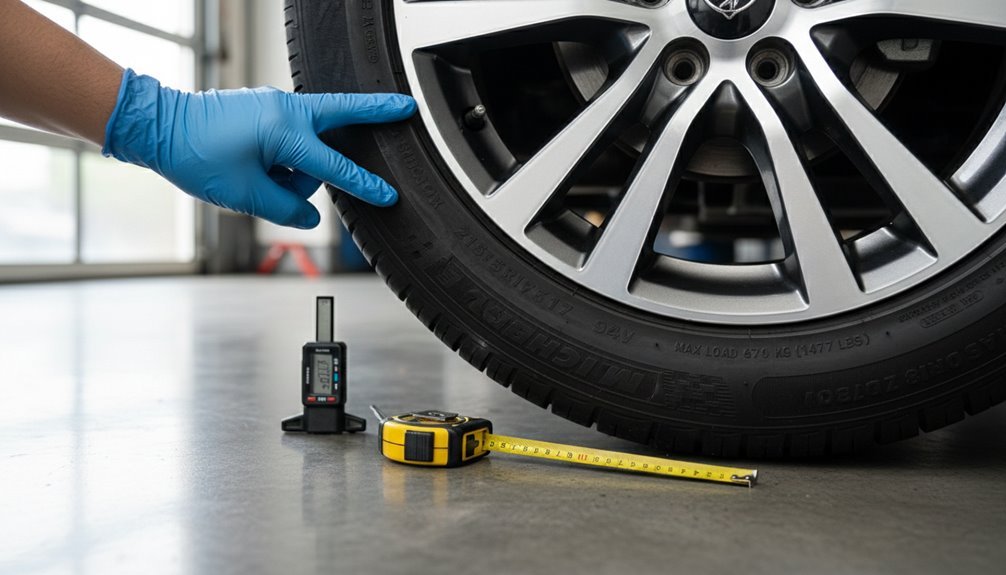
Read a tire-size code one part at a time. Using P225/70R16 as the example:
- P — P-metric passenger-vehicle tire designation.
- 225 — nominal section width of 225 millimeters.
- 70 — aspect ratio; the sidewall height is approximately 70% of the section width.
- R — radial construction.
- 16 — designed for a 16-inch wheel diameter.
If the complete marking continues with something such as 91S, the number is the load index and the letter is the speed symbol. Those ratings are separate from the physical tire dimensions and must also be checked when selecting a replacement.
[Amazon Products Picked for You]

Hankook Kinergy ST H735 all_ Season Radial Tire-225/70R15 100T
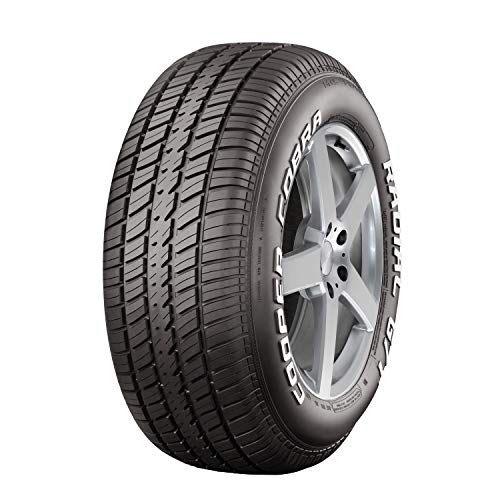
Treadwear warranty: 40,000 miles
What Each Tire Size Marking Means
The numbers in a tire size describe different measurements; they are not one combined dimension. In P225/70R16, 225 is the nominal section width measured across the tire’s sidewalls on the specified measuring rim. It is not the same thing as tread width. A wider nominal section width can change wheel and body clearance, but it does not automatically guarantee more traction. Grip also depends on tire compound, tread design, inflation, load, temperature, road surface, and other factors.
The 70 aspect ratio means the approximate sidewall height is 70% of 225 mm. That works out to 157.5 mm. A lower aspect ratio generally means a shorter sidewall for a given width, while a higher ratio means a taller sidewall. Ride and steering response can change with sidewall dimensions, but tire construction, pressure, suspension, and wheel specifications also matter.
The R identifies radial construction. The 16 identifies the wheel diameter the tire is designed to fit. A 16-inch tire must be mounted on a compatible 16-inch wheel; similar overall tire diameter does not make a 16-inch tire compatible with a 17- or 18-inch wheel.
The load index and speed symbol normally appear after the dimensional size. The load index is a code corresponding to the tire’s load-carrying capacity under specified conditions. The speed symbol identifies a standardized speed capability under specified load and inflation conditions. It is not a recommendation to drive at that speed.
Where to Find Your Correct Tire Size
For replacement tires, start with the Tire and Loading Information placard, commonly located in the driver’s door opening, and the vehicle owner’s manual. These sources identify the vehicle manufacturer’s original tire specification and recommended cold inflation pressure.
Then compare that information with the code molded into the tires currently installed. The sidewall tells you what is on the vehicle now, but it does not prove that a previous owner or shop installed the factory-recommended size.
A useful three-source check is:
- Vehicle placard or owner’s manual: identifies the manufacturer-specified size and cold pressure.
- Installed tire sidewall: identifies the tire currently on the vehicle.
- Tire manufacturer’s specification sheet: confirms approved rim width, load/service description, and published dimensions for the exact tire model.
If those sources conflict, verify the fitment before ordering another set.
[Amazon Products Picked for You]

Upgrade your vehicle with tire stickers for cars that create a raised sport lettering look on tire sidewalls. This 4PCS red tire letters set adds a customized exterior accent for cars, SUVs, sedans, trucks, and motorcycles without changing the tire or wheel structure.

High-Visibility Reflective Rim Stickers: These rim decals feature a highly reflective surface that produces a brilliant glow when light hits, instantly upgrading your wheel’s look. As the wheels spin, the reflective strips form an eye-catching ring of light, giving your vehicle a stylish, dynamic appearance that stands out on the road.

【High Quality Material】: Our product is made of PET reflective film material. PET reflective film has excellent optical properties, which can reflect dazzling light under the light irradiation, thus improving the visibility of the vehicle in the dark or at night. PET material has high hardness and low abrasion, which can resist the friction and abrasion generated by the rotation of the wheel hubs to maintain the integrity of the sticker and the aesthetic degree.
How to Choose the Right Tire Size
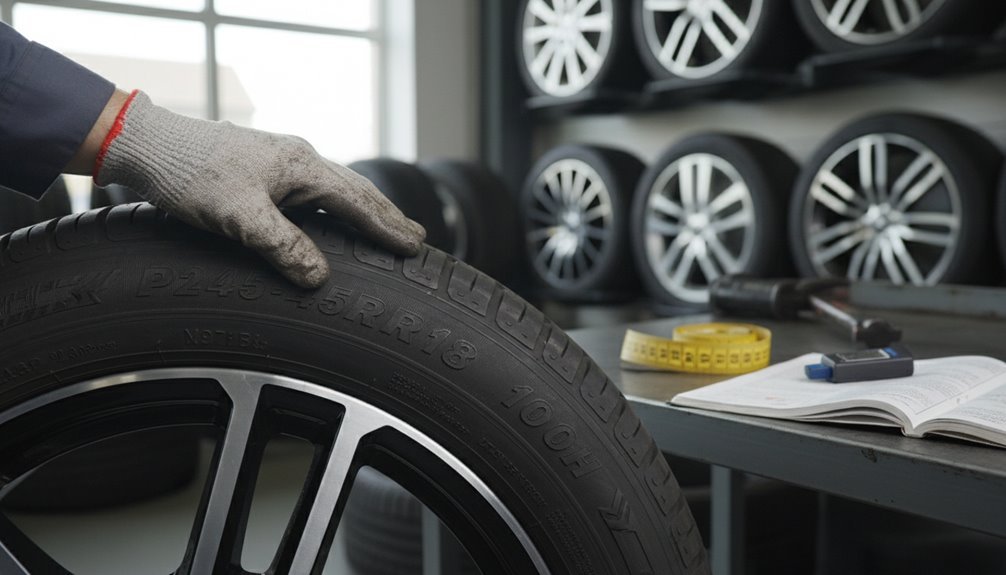
Start with the complete tire specification recommended by the vehicle manufacturer, not just the width and wheel diameter. Confirm the size, construction, load requirement, speed rating or service description, and any applicable load-range or extra-load designation.
The load index must provide the load capacity required for the vehicle, and replacement tires should follow the vehicle and tire manufacturer’s requirements for the speed rating and service description. USTMA advises using the same size, load index, and speed-rating designation recommended by the vehicle or tire manufacturer and not fitting a tire with less load-carrying capacity than specified. If you are considering a different specification, have the complete combination verified rather than comparing only one number.
Use the vehicle placard for normal cold tire pressure. Do not substitute the maximum pressure molded into the tire sidewall for the manufacturer’s recommended everyday pressure. NHTSA explains that the sidewall value is a tire limit, while the vehicle placard gives the recommended cold inflation pressure for the vehicle.
For more on inflation, see how to check car tire pressure.
[Amazon Products Picked for You]
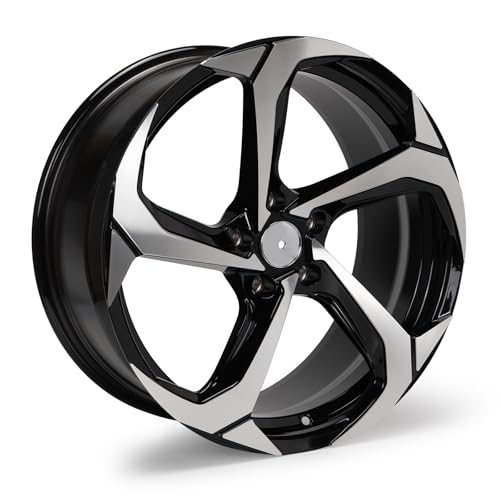
Fits all Rim Replacement Needs: These aftermarket 19"Replacement rims are ideal for full seasonal swaps, single replacements and full size spares. 19 inch OE replacement rims are suitable for all weather and off road conditions.


Used on most domestic passenger cars, light trucks, SUVs, vans with alloy wheels
How Do You Calculate Tire Diameter?
You can estimate the nominal overall diameter of a metric tire from its size. First calculate one sidewall height, double it, and then add the wheel diameter:
Sidewall height in mm = section width × aspect ratio ÷ 100
Overall diameter in inches = wheel diameter + 2 × (sidewall height ÷ 25.4)
For example, a 275/60R20 has a nominal sidewall height of 165 mm:
- 275 × 0.60 = 165 mm
- 165 ÷ 25.4 ≈ 6.50 inches
- 20 + (6.50 × 2) ≈ 33.0 inches
This is a calculated nominal diameter, not a guarantee of the exact mounted measurement. Actual dimensions can vary by tire model, tread design, approved rim width, load, and manufacturing specification. When clearance is tight, use the tire manufacturer’s published dimensions for the exact model.
When You Can Change Tire Size Safely
| Check | Safe target | Why |
|---|---|---|
| overall diameter | Vehicle/manufacturer verified | Helps protect clearance and speedometer/system calibration |
| Width | Approved for the wheel and available clearance | Helps prevent rubbing and fitment problems |
| load index | Meets the vehicle’s required capacity | Supports the required vehicle load |
| tire specifications | Placard/manual and tire data verified | Confirms the complete fitment |
A percentage difference in overall diameter is useful for comparing two sizes, but it is not a complete safety test. The often-repeated “within 3%” guideline is only a rule of thumb. Even a smaller change can be unsuitable if the tire rubs, does not match the wheel, lacks the required load capacity, interferes with brake or suspension clearance, or conflicts with the vehicle manufacturer’s requirements.
Before changing size, check wheel diameter and approved width, tire load capacity, full-lock steering clearance, suspension-compression clearance, spare-tire compatibility, and the effects of circumference changes on the speedometer and vehicle systems. On AWD and 4WD vehicles, mismatched rolling circumference can be especially important, so follow the vehicle manufacturer’s limits for tire matching.
Frequently Asked Questions
How Do You Read Tire Size for Dummies?
Read the code from left to right. In P225/70R16, P identifies a P-metric passenger tire, 225 is nominal width in millimeters, 70 is the aspect ratio, R means radial, and 16 is the wheel diameter in inches. Then check the load index and speed symbol that follow the size.
Where Do I Find My Correct Tire Size?
Use the vehicle’s Tire and Loading Information placard and owner’s manual as your primary references. The current tire sidewall tells you what is installed, but it may not be the original or manufacturer-approved specification.
Is a 285 the Same as a 33?
No. “285” by itself only identifies a nominal section width of 285 mm, not the tire’s overall diameter. For example, a nominal 285/70R17 calculates to about 32.7 inches tall, while a 285/75R17 calculates to about 33.8 inches. Always use the complete size and the tire manufacturer’s published dimensions when fitment matters.
What Does 275/60R20 Mean?
A 275/60R20 tire has a nominal section width of 275 mm, an aspect ratio of 60%, radial construction, and fits a 20-inch wheel. Its calculated nominal sidewall height is 165 mm and its nominal overall diameter is about 33.0 inches.
Can I Use a Different Tire Size?
Sometimes, but overall diameter is only one part of the decision. The alternative must also work with the wheel, load requirement, available clearance, vehicle systems, and manufacturer guidance. Confirm the complete fitment before installing a nonstandard size.
What Is the 7 7 Rule for Tires?
There is no universal tire-safety rule requiring replacement at 7/32-inch tread or exactly seven years. NHTSA says tires should be replaced when tread is worn to 2/32 inch. Tire-age recommendations vary by vehicle and tire manufacturer; NHTSA notes that some manufacturers recommend replacement when tires reach roughly six to ten years old regardless of remaining tread.
Conclusion
Reading a tire size is straightforward once you separate the code into width, aspect ratio, construction, wheel diameter, load index, and speed symbol. The more important step is using those markings correctly: check the vehicle placard and owner’s manual before buying replacements, then verify the exact tire’s load capacity, wheel compatibility, and published dimensions.
If you want a different size, do not rely on a single percentage rule. Compare overall diameter, wheel fit, load capacity, clearance, spare compatibility, and the requirements for your vehicle. If you are choosing between different tire types after confirming the correct size, see our guide to choosing the right car tires.
