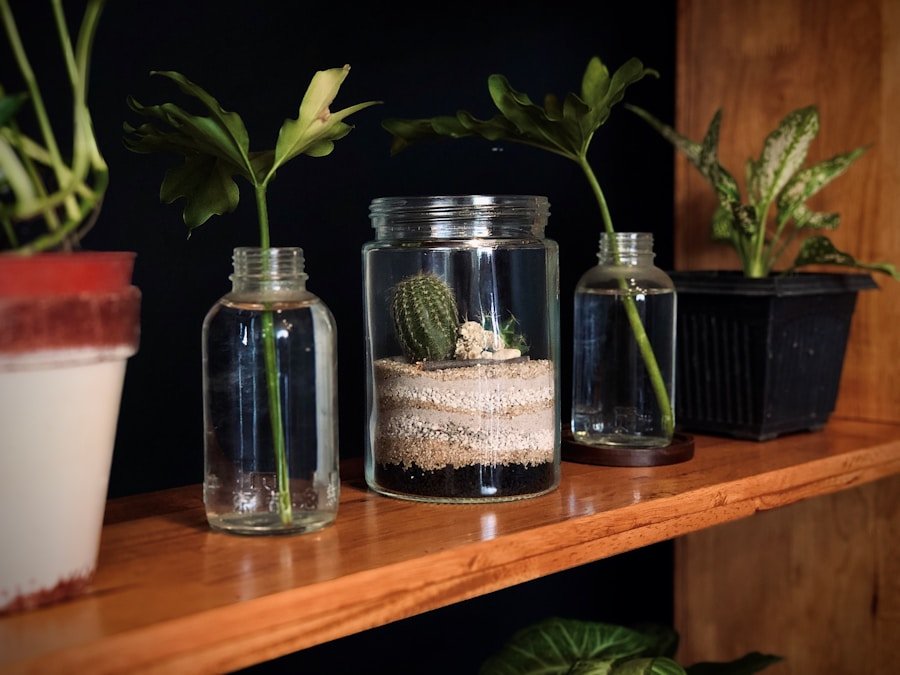
Glass bottle planters can turn empty bottles into attractive, low-waste containers for herbs, succulents, air plants, and small decorative plants. They work best when you choose the right bottle size, match the plant to the container, and plan for drainage before you add soil. With a little care, you can create a planter that looks beautiful and keeps your plant healthy.
Quick Answer
Choose a glass bottle planter by matching the bottle size, opening, shape, and drainage setup to the plant you want to grow. Succulents, air plants, small herbs, moss, and compact leafy plants usually work best. Avoid large plants with deep roots unless the bottle has enough room and reliable drainage.
Key Takeaways
- Glass bottle planters are stylish, reusable, and ideal for small-space gardening.
- The best bottle depends on your plant’s root size, water needs, and light requirements.
- Most glass bottles need a drainage plan because they do not usually include drainage holes.
- Succulents, air plants, moss, herbs, and small trailing plants are safer choices than large-rooted plants.
- Clean glass, stable placement, and careful watering help prevent algae, root rot, and breakage.
At a Glance
| Best For | Small plants, herbs, succulents, air plants, moss displays, and decorative indoor planters |
| Difficulty | Easy to moderate, depending on whether you drill drainage holes |
| Tools Needed | Clean glass bottle, potting mix, small stones, spoon or funnel, gloves, and optional glass drill bit |
| Main Risk | Overwatering, poor drainage, unstable placement, and glass breakage |
Benefits of Glass Bottle Planters
Glass bottle planters have gained popularity because they offer both visual appeal and practical value. They let you reuse bottles that might otherwise be thrown away, which makes them a simple eco-friendly choice for home decor. The clear glass also gives you a direct view of the soil, roots, stones, moss, and moisture level inside the planter.
This visibility can make a room feel more vibrant and alive, especially when you pair clear glass with colorful plants or decorative stones. Glass bottles also come in many shapes and sizes, so you can create a neat windowsill herb row, a hanging bottle display, or a small tabletop succulent arrangement.
Another benefit is durability. Unlike some plastic pots, glass does not fade in sunlight as quickly. It is also non-porous, so it does not absorb water, fertilizer, or odors from the soil. This gives you more control over moisture, but it also means you must water carefully because excess water has nowhere to go unless you create a drainage plan.
Note: Glass bottle planters are best for small plants and decorative gardening. They are not ideal for large plants, fast-growing vegetables, or plants that need deep root space.
Choosing the Right Size and Shape
When selecting a glass bottle planter, size and shape are two of the most important factors. The bottle should fit the mature size of the plant, not just the plant’s current size. A plant with spreading roots needs more room than a cutting, air plant, or small succulent.
A tall, narrow bottle may work well for single stems, rooting cuttings, or decorative hydroponic displays. A wider bottle with a larger opening is usually easier for soil-based planting because you can add soil, adjust the roots, and water the plant with less mess. If the opening is too narrow, you may struggle to place the plant without damaging its leaves or roots.
The shape of the bottle also affects watering and cleaning. Round bottles look soft and decorative, but they may roll if they are not placed in a holder. Square bottles and flat-sided bottles tend to sit more securely on shelves. Bottles with wide mouths are easier to clean and maintain than long-neck bottles.
[Amazon Products Picked for You]

Compact Size & Versatile Use: 4.33" H x 2.63" W, 1.22" opening. Perfect for small cuttings, air plants, herbs, and fresh flowers on windowsills, desks, or shelves.

Package Include: This 29-piece set includes 3 sticker sheets, each featuring 4 unique expressions (12 total), plus 6 scarves, 6 pairs of glasses, 6 pairs of earrings (12 pieces), and 2 sheets glue dots. Everything you need to create your own charming flower pot decoration.

VERSATILE GLASS TERRARIUM JAR: Use this glass container for small plants, succulents, or craft decorative displays. Small terrarium jar has a clear design, making them ideal for creating a tabletop garden in your home or office space. Glass terrariums for plants can also be used to hold a variety of other items
Best Bottle Sizes by Plant Type
| Bottle Type | Best Plant Match | Why It Works |
|---|---|---|
| Small jar or short bottle | Succulents, moss, small flowers | Easy to fill, stable, and simple to decorate |
| Tall narrow bottle | Cuttings, pothos stems, lucky bamboo | Supports stems and works well with water propagation |
| Wide-mouth bottle | Herbs, compact leafy plants, small ferns | Gives roots more room and makes watering easier |
| Hanging bottle | Air plants, trailing vines, small cuttings | Saves space and adds vertical interest |
Selecting the Ideal Glass Thickness

The thickness of the glass affects safety, durability, and insulation. Thicker glass usually feels sturdier and is less likely to crack during normal handling. This matters if you plan to place the planter outside, near a sunny window, or in a busy area where it might be bumped.
Thicker glass can also help protect roots from quick temperature changes. However, glass can still break from impact, freezing conditions, or sudden temperature shifts. If you plan to use bottle planters outdoors, place them in a protected area and avoid leaving water-filled bottles outside during freezing weather.
Thinner glass bottles are lighter and easier to hang, move, or arrange in groups. They work well for indoor displays, air plants, or small cuttings. Still, thin glass should be handled carefully, especially if you need to drill drainage holes. Always inspect bottles for cracks, chips, or weak spots before planting.
Warning: Do not drill glass without eye protection, gloves, water for cooling, and a drill bit made for glass. If you are unsure, use a no-drill drainage layer or choose a container that already has drainage.
[Amazon Products Picked for You]
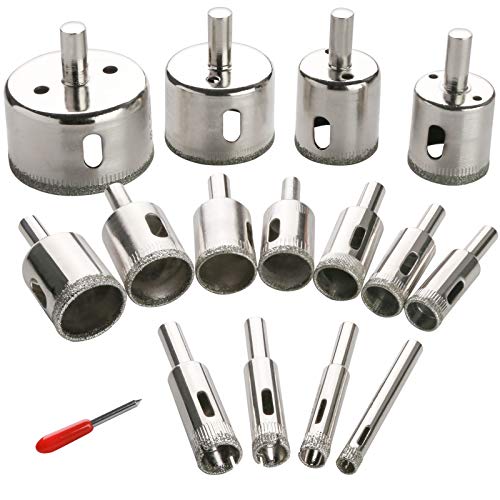
UNLOCK YOUR GARDEN'S POTENTIAL:Found the perfect ceramic pot with no drainage? Problem solved. This kit is the gardener's best friend, designed to effortlessly drill clean drainage holes in terracotta, ceramic, and glass planters. Give your plants the healthy roots they deserve and never say no to a beautiful pot again.
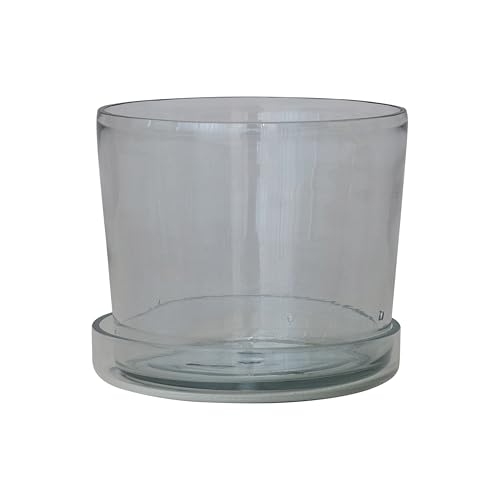
A graceful round planter made of clear hand-blown glass, offering airy elegance with subtle ripples and artisanal detail

Considering Drainage and Watering Needs
| Plant Type | Watering Needs | Drainage Requirements |
|---|---|---|
| Succulents | Low | Well-draining soil and very careful watering |
| Ferns | High | Consistent moisture with airflow and drainage control |
| Roses | Medium | Good drainage and more root space than most bottles provide |
| Tomatoes | Regular | Deep soil, drainage holes, and a larger container than most bottles |
Proper drainage is critical for plant health, and glass bottle planters create a special challenge. Most bottles do not have drainage holes, so extra water can sit at the bottom. That trapped water can lead to soggy soil, weak roots, fungus gnats, and root rot.
One common no-drill method is to add a layer of small stones, gravel, or LECA at the bottom before adding soil. This does not replace a real drainage hole, but it can create a small water reserve below the root zone. You still need to water lightly and watch the soil carefully.
For plants that dislike wet soil, such as succulents and cacti, use a gritty cactus mix and water only when the soil is dry. For plants that prefer moisture, such as some ferns or moss, use a wider bottle with good airflow and avoid sealing the top unless you are intentionally creating a terrarium-style setup.
[Amazon Products Picked for You]

PREMIUM REAL GLASS CONSTRUCTION – Upgrade your plant display with genuine clear glass designed to deliver a refined, elegant look. The transparent glass creates a sophisticated presentation that feels more premium than ordinary plastic or acrylic-style planters.

Add Versatility to Your Tool: 5 Pieces of Dry Diamond Tipped Drill Bits Kit for tile drilling holes with diameters of 1/4 inch(6mm), 5/16inch (8mm), 3/8inch (10mm) and 1/2inch (12mm);
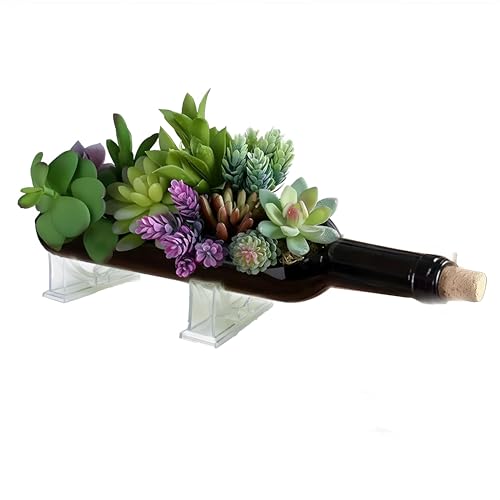
【Unique Design】This unique wine bottle planter is made from wine bottles , Modern style and classic elegance can both be yours when you make this lovely artistic glass terrarium a part of your home , patio , office
How to Water a Glass Bottle Planter Safely
- Use a small watering can, squeeze bottle, or spoon so you do not flood the soil.
- Water slowly and stop as soon as the soil looks evenly damp.
- Check the bottom of the bottle after watering. Standing water means you used too much.
- Let the top layer of soil dry before watering most houseplants again.
- Use a moisture meter or wooden skewer if you cannot tell whether the soil is dry.
Pro Tip: Start with less water than you think you need. Glass planters hold moisture longer than porous clay pots, so small, slow watering is safer than one heavy pour.
Matching the Glass Bottle Planter with the Right Plant
Choosing the right plant is essential if you want your glass bottle planter to last. Not all plants enjoy tight spaces, limited drainage, or humid glass walls. The best choices are usually compact plants with modest root systems and predictable watering needs.
Succulents and cacti can work well in open glass containers when you use fast-draining soil and avoid overwatering. Their shapes and colors look attractive through clear glass, especially when paired with sand, pebbles, or small stones. However, closed glass bottles are not ideal for most succulents because trapped humidity can cause rot.
Air plants are one of the easiest choices because they do not need soil. You can place them in open bottles with stones, shells, bark, or moss for decoration. Remove them for soaking or misting, then let them dry fully before placing them back inside.
Herbs can also work, but you should choose compact varieties and use bottles with wider openings. Thyme, chives, mint cuttings, and small basil starts can look attractive in bright kitchen windows. Keep in mind that herbs usually need strong light and may outgrow small bottles quickly.
Good Plant Choices for Glass Bottle Planters
- Air plants: Great for open decorative bottles because they need no soil.
- Pothos cuttings: Easy to grow in water and attractive in clear bottles.
- Succulents: Best in open bottles with gritty soil and light watering.
- Moss: Works well in terrarium-style bottles with gentle moisture.
- Small herbs: Best in wide-mouth bottles with bright light and careful watering.
- Fittonia: A colorful option for humid terrarium-style containers.
Plants to Avoid in Most Glass Bottles
Large vegetables, woody shrubs, deep-rooted flowers, and fast-growing plants are usually poor choices. Roses and tomatoes may appear in planter inspiration photos, but they need more root space, stronger drainage, and larger containers than most glass bottles provide. If you want to grow those plants, use a proper pot with drainage holes.
Decorating and Personalizing Your Glass Bottle Planter

One of the best parts of using glass bottle planters is the chance to personalize them. You can keep the look clean and modern with clear glass, white stones, and a single plant. You can also create a rustic look with twine, cork labels, wood trays, and natural pebbles.
If you want to paint the bottle, use non-toxic paint on the outside only. Avoid painting the inside surface because paint can chip, trap moisture, or contact the soil. You can also etch designs into the glass or add removable vinyl labels for plant names and watering reminders.
Decorative stones, colored sand, shells, preserved moss, and small pieces of bark can add texture. These materials look best when you layer them neatly near the bottom or around the top of the soil. Just avoid packing the soil surface too tightly because plants still need airflow.
Simple Design Ideas
- Minimalist: Clear bottle, white stones, and one small green plant.
- Rustic: Brown twine, cork label, natural gravel, and herbs.
- Coastal: Pale sand, small shells, and an air plant.
- Colorful: Layered stones, bright plant tags, and flowering mini plants.
- Hanging display: Lightweight bottles secured with strong cord and open-air plants.
Note: If you hang a glass bottle planter, use strong hardware and place it away from walkways, beds, pets, and children. Glass can cause injury if it falls.
Maintenance and Care Tips for Glass Bottle Planters
Maintaining glass bottle planters requires regular attention, but the routine is simple once you understand your plant’s needs. Check moisture levels often because glass does not absorb water. A planter may look dry near the top while the bottom still holds moisture.
Cleaning also matters. Over time, algae, mineral deposits, and soil stains can build up on the inside of the glass. This can make the planter look cloudy and may reduce airflow around the plant. If the plant can be removed safely, clean the glass with warm water, mild soap, or a diluted vinegar solution, then rinse it well.
Light is another important care factor. Glass can magnify heat when placed in strong direct sun, which may stress roots or scorch leaves. Bright indirect light is safer for many indoor bottle planters. If you notice condensation, yellow leaves, mushy stems, or a sour smell, reduce watering and improve airflow.
Troubleshooting Common Problems
| Problem | Likely Cause | Fix |
|---|---|---|
| Yellow leaves | Too much water or poor drainage | Water less often and check for standing water |
| Algae on glass | Moisture plus too much light | Clean the glass and move it to softer light |
| Mushy stems | Root or stem rot | Remove damaged parts and repot in drier soil |
| Dry, crispy leaves | Too little water, too much sun, or dry air | Adjust watering and move away from harsh sunlight |
Eco-Friendly and Sustainable Options for Glass Bottle Planters
Using glass bottles as planters supports a simple form of reuse. Instead of buying a new container, you can repurpose bottles from drinks, sauces, oils, or decorative jars. This reduces waste and gives ordinary glass a second life in your home.
To make the project more sustainable, choose bottles you already have before buying new ones. Clean them well, remove labels, and check for cracks or sharp edges. If you need to cut glass, sand the cut edge until it is smooth and safe to touch.
You can also pair your planter with peat-free potting mixes, reused stones, compost-based soil blends, or natural plant labels. Small choices like these help you build a greener display without sacrificing style.
Safety Tips Before You Use a Glass Bottle Planter
Glass bottle planters look beautiful, but they need safe placement. Keep them away from high-traffic edges, unstable shelves, and places where pets or children can knock them down. A heavy-bottomed bottle is usually safer than a tall, narrow bottle that tips easily.
If the planter will sit near a window, watch for heat buildup. Clear glass can warm quickly in direct sun. Move the planter if the soil feels hot, leaves wilt, or condensation forms often inside the container.
You should also avoid using bottles that held harsh chemicals, fuel, pesticides, or unknown liquids. Food and drink bottles are safer choices after a thorough wash. If a bottle has a strong odor that does not go away, do not use it for planting.
How to Set Up a Basic Glass Bottle Planter
- Clean the bottle: Wash it with warm soapy water and let it dry fully.
- Check the glass: Look for cracks, chips, sharp edges, or weak spots.
- Add a base layer: Place small stones, gravel, or LECA at the bottom if the bottle has no drainage hole.
- Add the right soil: Use cactus mix for succulents, herb mix for herbs, and moisture-retentive mix for terrarium plants.
- Place the plant: Gently guide the roots into the bottle without crushing them.
- Top with decoration: Add a thin layer of stones, moss, or sand if it fits the plant’s needs.
- Water lightly: Add a small amount of water and check the bottom for pooling.
- Choose the location: Place the planter where it gets the right light and stays stable.
Related Guides
Frequently Asked Questions
What factors should I consider when choosing a glass bottle planter for my home?
Consider the bottle size, shape, opening width, glass thickness, drainage setup, and the type of plant you want to grow. You should also think about where the planter will sit, how much light the plant needs, and whether the bottle is stable enough for daily use.
What size glass bottle planter should I choose for my home?
Choose a bottle that gives the plant enough room for its roots and leaves. Small jars work well for succulents, moss, and air plants. Wider bottles are better for herbs and leafy plants. Tall narrow bottles are best for cuttings, water propagation, or decorative single-stem displays.
What types of plants are suitable for glass bottle planters?
Good choices include succulents, air plants, pothos cuttings, small herbs, moss, fittonia, and compact flowers. Avoid large plants, deep-rooted plants, and vegetables that need more soil volume, unless you use a much larger glass container with proper drainage.
How do I choose a style of glass bottle planter that complements my home decor?
Look at the colors, textures, and style already in your room. Clear glass with white stones fits modern spaces. Twine, cork, and natural gravel suit rustic decor. Colored sand, shells, or painted outer glass can match coastal, boho, or playful rooms.
Do glass bottle planters need drainage holes?
Drainage holes are best for most soil-grown plants because they let excess water escape. If you do not drill holes, use a drainage layer, water lightly, and choose plants that tolerate the setup. Avoid heavy watering because trapped water can cause root rot.
Can I use glass bottle planters outdoors?
You can use them outdoors in protected areas, but avoid extreme heat, freezing weather, and windy spots. Glass can crack from impact or temperature stress. Outdoor planters also need stronger drainage because rain can quickly flood a bottle.
Where can I purchase a glass bottle planter for my home?
You can find glass bottle planters at garden centers, home decor shops, craft stores, plant boutiques, and online retailers. You can also make your own by cleaning and repurposing empty glass bottles, jars, or vases you already have at home.
