
Callaway Elyte HL irons are built for golfers who need help launching approach shots higher without giving up forgiveness. The HL design uses more loft than the standard Elyte irons, along with Callaway’s Ai10x Face, Speed Frame construction and tri-sole geometry.
For a complete setup, the Callaway Elyte HL 4-PW Iron Set (Steel) is the best overall pick because it gives you a matched seven-club progression. The Callaway Elyte HL 4 Iron (Steel) is the better-value choice when you only need to fill a long-iron gap.
We compared configuration, loft, shaft material, fitting requirements, Callaway’s published specifications, current product listings and recurring owner feedback from non-Amazon sources.
Callaway Elyte HL Irons Compared
| Product | Best for | Configuration | Shaft | Loft | Score |
|---|---|---|---|---|---|
|
Budget
|
Lighter-shaft long iron | 4 iron | Graphite, regular | 20° | 88/100 |
|
Premium
|
Best overall | 4-PW | Steel, regular | 20°–43° | 96/100 |
|
Budget
|
Best value | 4 iron | Steel, regular | 20° | 86/100 |
|
Premium
|
Graphite set | 6-PW | Graphite, regular | 26°–43° | 94/100 |
|
Budget
|
Approach iron | 7 iron | Graphite, regular | 30° | 90/100 |
Callaway Elyte HL Irons: Our Top Picks
1. Callaway Elyte HL 4 Iron (Graphite)
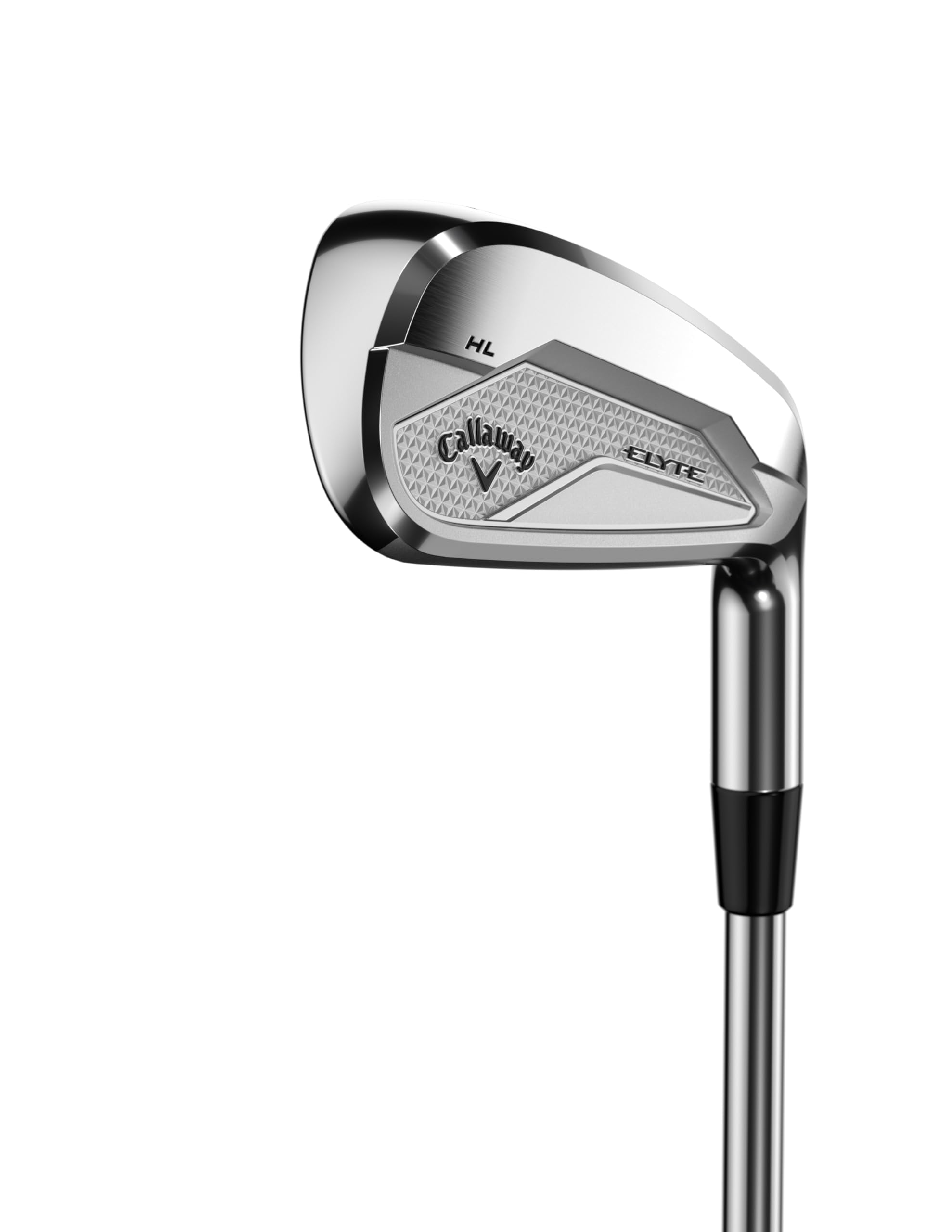
Bottom line: The Callaway Elyte HL 4 Iron (Graphite) is for golfers who want the HL family’s 20° long iron with a graphite shaft rather than steel.
- Configuration: 4 iron, fills one long-iron position
- Shaft: Graphite, an alternative to the steel version
- Flex: Regular, match it to your fitted setup
- Hand: Right, confirm before ordering
- Loft: 20°, the published Elyte HL 4-iron loft
Callaway gives the Elyte HL 4 iron more loft than the standard Elyte 4 iron. The HL model is designed to increase launch and improve descent angle, which matters when your long irons come out too flat.
The head also uses the same Ai10x Face, Speed Frame and tri-sole construction found across the Elyte HL family. That makes this single club useful when the rest of your set still works but your 4-iron slot needs a different flight window.
A single 4 iron does not solve poor gapping elsewhere in the bag. Check the carry distance between your longest conventional iron, hybrids and fairway woods before adding it.
- 20° HL loft is designed for easier launch
- Graphite shaft option suits players avoiding steel
- Ai10x Face is optimized for launch and dispersion
- Tri-sole design is built for smoother turf interaction
- Only replaces one position in your set
- A 4 iron may not suit golfers who prefer hybrids
- The linked configuration is regular flex
2. Callaway Elyte HL 4-PW Iron Set (Steel)
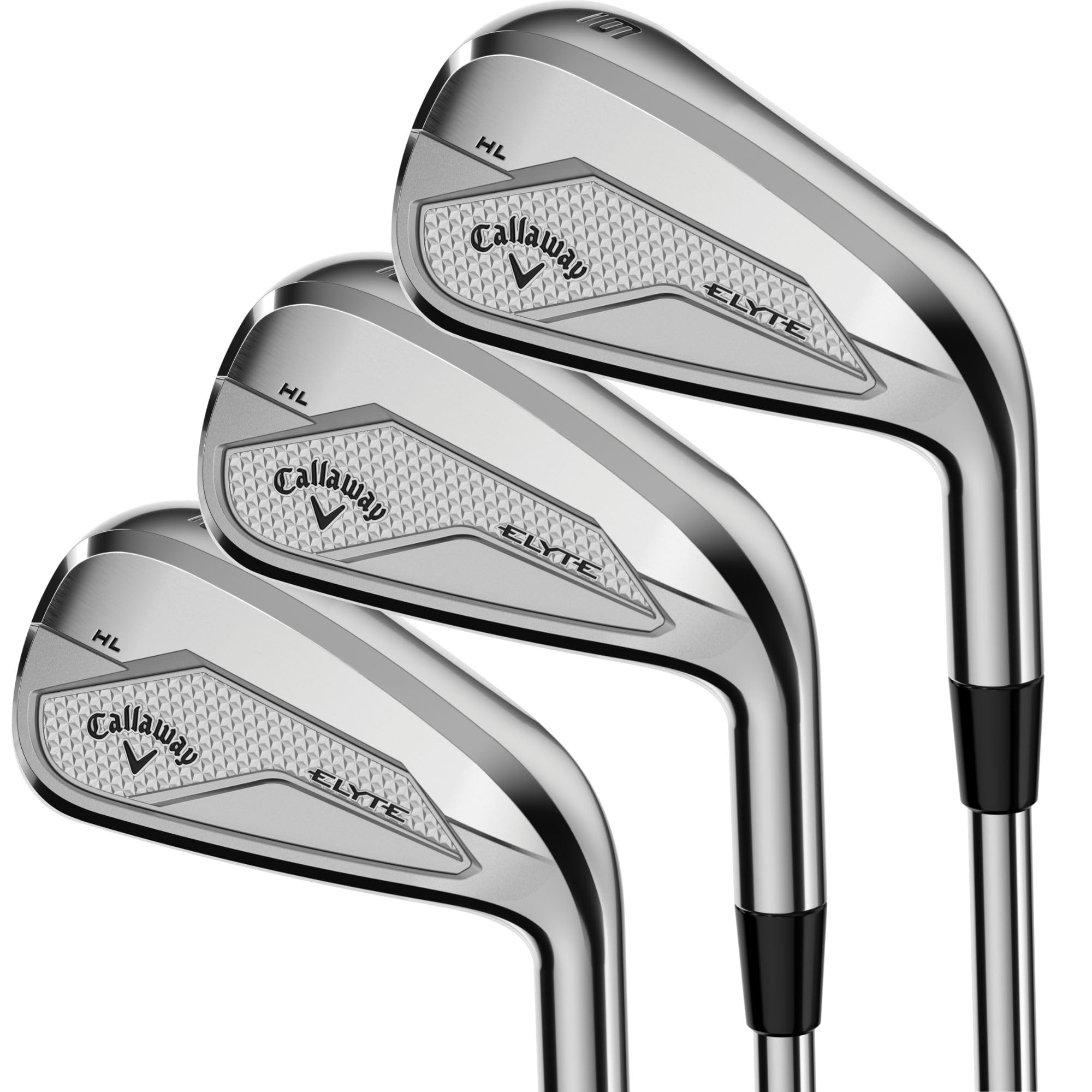
Bottom line: The Callaway Elyte HL 4-PW Iron Set (Steel) is the most complete option here if you want consistent HL geometry and steel shafts from long iron through pitching wedge.
- Configuration: 4-PW, covers seven matched iron positions
- Shaft: Steel, for golfers who prefer steel construction
- Flex: Regular, confirm against your fitting
- Hand: Right, match your playing orientation
- Loft: 20°–43°, progressive from 4 iron to PW
The full set gives you the main benefit a single replacement cannot: predictable progression across several clubs. Published lofts run from 20° in the 4 iron through 43° in the pitching wedge.
Each iron uses Callaway’s Speed Frame construction, which connects the body to the topline while allowing face flex. The company also uses Ai10x face optimization and a three-part sole designed to improve entry and exit through the turf.
The trade-off is commitment. You are buying a full 4-PW configuration, and the set stops at pitching wedge. Check the lofts of your existing wedges so you do not leave an awkward gap below the 43° PW.
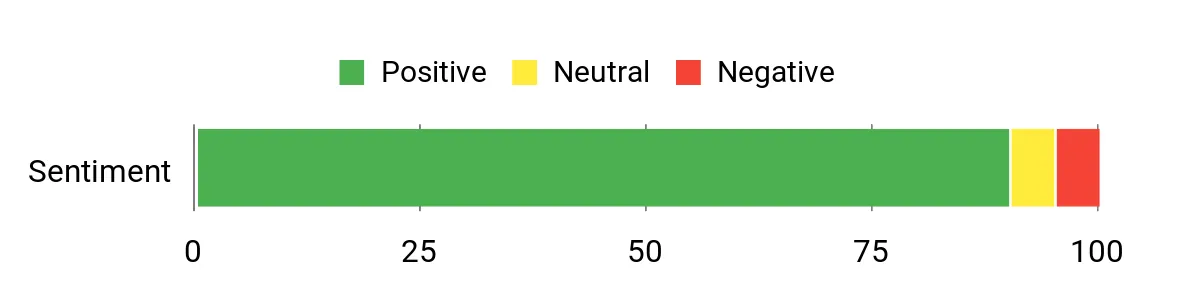
- Matched 4-PW loft progression
- HL design targets higher launch and stopping power
- Ai10x Face is used throughout the iron family
- Tri-sole geometry is designed for varied lies
- Steel shafts keep one shaft material through the set
- More commitment than replacing one problem iron
- 4-PW configuration does not include an approach or gap wedge
- Steel may not suit golfers fitted into graphite
3. Callaway Elyte HL 4 Iron (Steel)
Bottom line: The Callaway Elyte HL 4 Iron (Steel) is the practical pick when your current set works and you only want to replace or add the 4-iron position.
- Configuration: 4 iron, one-club replacement
- Shaft: Steel, matches steel-oriented iron builds
- Flex: Regular, verify against your current shafts
- Hand: Right, confirm before checkout
- Loft: 20°, built above the standard Elyte’s 4-iron loft
The 20° loft gives this club the HL family’s launch-focused specification while keeping the same core face and sole technologies. It is especially relevant if your existing long iron flies too low but you do not want to replace the rest of your set.
The sole uses distinct leading, middle and trailing sections. Callaway says this geometry is intended to help the head move through different turf conditions while keeping forgiveness in the middle section.
Matching the club to your existing set matters more than simply buying the same number stamped on the sole. Compare actual lofts, shaft length, flex and expected carry distance before using it as a direct 4-iron replacement.
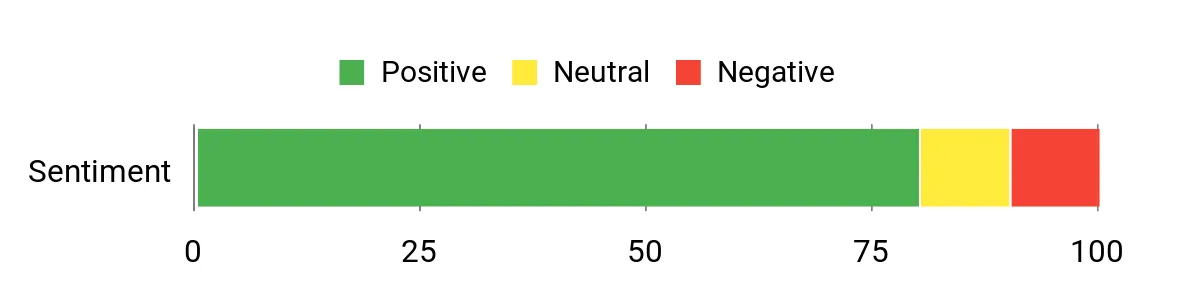
- Single-club purchase avoids replacing a usable set
- 20° loft follows the Elyte HL high-launch specification
- Uses Callaway’s Ai10x Face technology
- Tri-sole design targets smoother turf interaction
- Does not create matched gapping through the rest of your irons
- Steel is not ideal if your fitted set uses graphite
- A 4 iron still requires confident long-iron contact
4. Callaway Elyte HL 6-PW Iron Set (Graphite)
Bottom line: The Callaway Elyte HL 6-PW Iron Set (Graphite) focuses on the mid and short irons while giving you graphite shafts throughout the linked configuration.
- Configuration: 6-PW, focused on mid and short irons
- Shaft: Graphite, different feel from the steel set
- Flex: Regular, confirm against your fitting
- Hand: Right, verify before ordering
- Loft: 26°–43°, from 6 iron through PW
This configuration starts at the 26° 6 iron rather than including the 4 and 5 irons. That makes sense if you already cover longer distances with hybrids, fairway woods or another long-iron setup.
You still get the Elyte HL technologies that matter most to this comparison: Speed Frame construction, Ai10x face optimization and the three-section sole. Callaway positions the HL family for higher launch and improved stopping power into greens.
The main decision is gapping above the 6 iron. If your next-longest club carries much farther than the Elyte HL 6 iron, you may need a hybrid or another club between them.
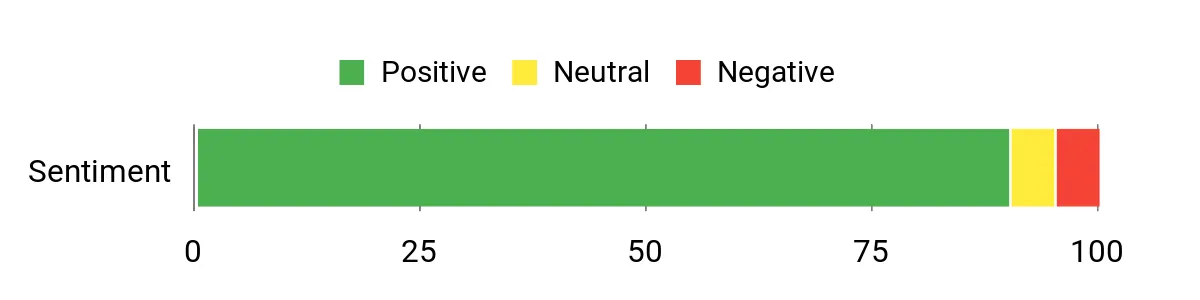
- Graphite shafts throughout the linked 6-PW setup
- Starts at the 26° 6 iron for a focused approach set
- HL loft progression is designed for higher launch
- Ai10x Face and Speed Frame span the set
- Tri-sole geometry is used from mid irons to PW
- No 4 or 5 iron in this configuration
- No approach or gap wedge in the linked set
- Regular-flex graphite will not fit every swing
5. Callaway Elyte HL 7 Iron (Graphite)
Bottom line: The Callaway Elyte HL 7 Iron (Graphite) is the easiest way in this roundup to try the HL concept in a common approach-iron slot before committing to a full set.
- Configuration: 7 iron, useful for a one-club trial
- Shaft: Graphite, avoids the steel configuration
- Flex: Regular, fit remains important
- Hand: Right, exact linked variation
- Loft: 30°, the published Elyte HL 7-iron loft
The 30° 7 iron sits one degree weaker than the standard Elyte 7 iron. That difference fits Callaway’s goal for the HL family: more loft and face optimization aimed at a higher launch and improved descent angle.
Because a 7 iron is a common fitting and practice club, this single-club option can also help you judge whether the HL head shape, graphite shaft and ball flight suit you before replacing several irons.
Do not assume it will blend automatically with another model. Check the loft of your current 6 and 8 irons, plus shaft length and flex, so your distances remain useful rather than creating overlap.
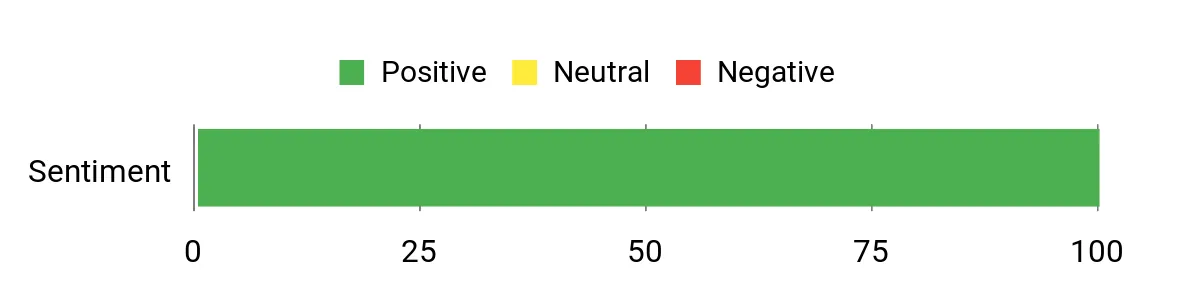
- 30° loft follows Callaway’s HL specification
- Graphite shaft gives a non-steel option
- Single-club format limits commitment
- Uses the same Ai10x Face and tri-sole concepts
- One club cannot correct the rest of your set’s gapping
- Regular-flex graphite will not suit every player
- Mixing models can create loft or shaft inconsistencies
Callaway Elyte HL 4-PW Steel Set vs Callaway Elyte HL 4 Steel Iron: Is the Upgrade Worth It?
The core trade-off is coverage. Both linked options use a steel shaft and the Elyte HL design, but the full set gives you matched progression from 4 iron through pitching wedge instead of changing one slot.
- Number of clubs: the set covers 4-PW; the single option covers only the 4-iron position.
- Gapping: the full set keeps the published Elyte HL loft progression together.
- Commitment: the single iron lets you solve one gap without changing familiar short irons.
- Best use: choose the set for a rebuild; choose the single club for a targeted replacement.
Which Callaway Elyte HL Irons Should You Buy?
- You want a complete steel setup: get the Callaway Elyte HL 4-PW Iron Set (Steel).
- You only need a steel long iron: get the Callaway Elyte HL 4 Iron (Steel).
- You want a graphite 4 iron: get the Callaway Elyte HL 4 Iron (Graphite).
- You use hybrids above your mid irons: get the Callaway Elyte HL 6-PW Iron Set (Graphite).
- You want to try one graphite approach iron: get the Callaway Elyte HL 7 Iron (Graphite).
How We Chose
- Launch design: we checked Callaway’s published lofts and its stated purpose for the HL model.
- Configuration: we verified whether each link points to a single club or a specific iron-set range.
- Shaft and fit: graphite, steel, flex and hand orientation were checked because a mismatched build can outweigh head technology.
- Real-world feedback: we reviewed recurring owner themes across non-Amazon retailer feedback and golf communities, and checked for current safety or recall notices.
Customer Preferences
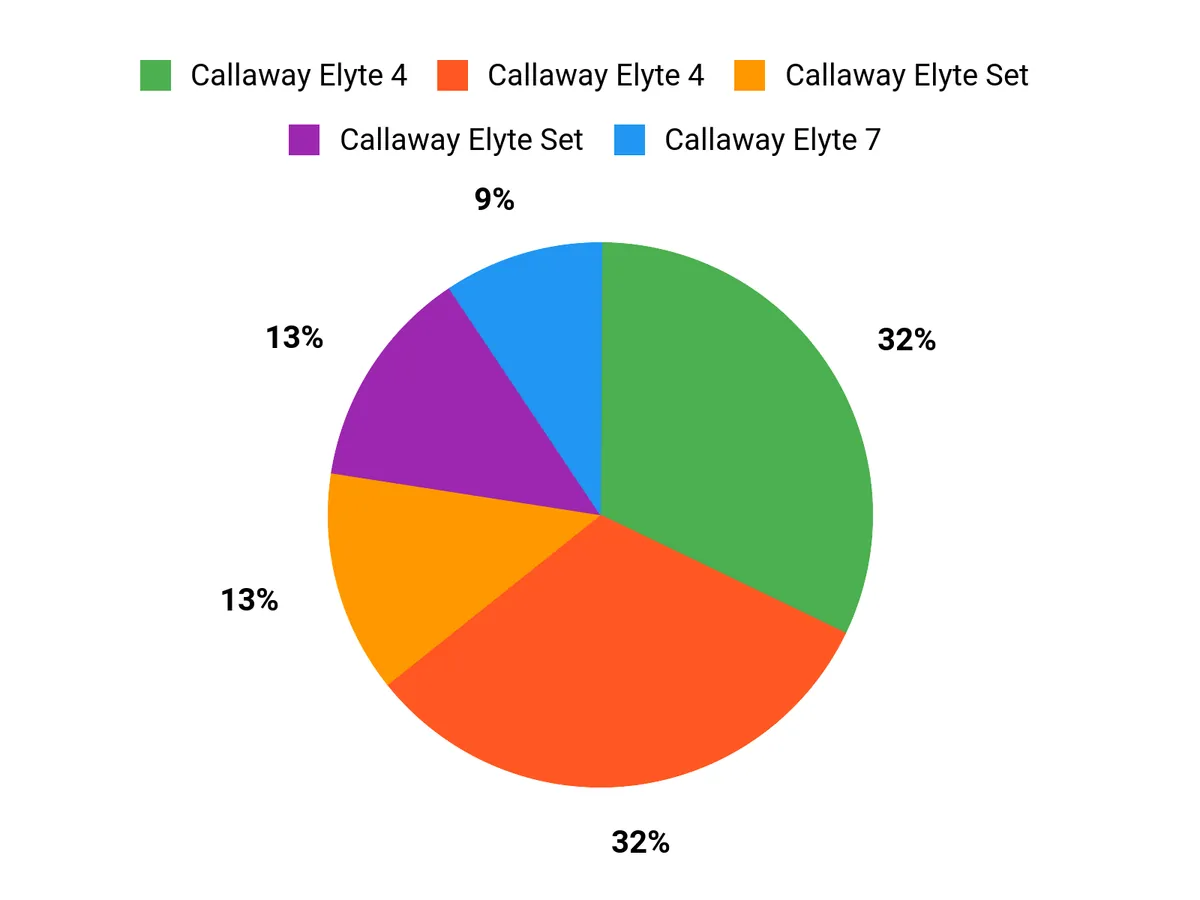
Your best configuration depends on more than the head design. A full matched set makes sense when you want consistent loft progression, while an individual iron lets you change one weak spot without replacing clubs you already hit well. Shaft material, flex and the gaps above and below the new club should guide the final choice.
Callaway Elyte HL Irons Buying Guide
Choose the Right Configuration First
A single iron is useful when you have one obvious yardage or launch problem. A set makes more sense when several clubs need replacing or your current loft progression is inconsistent. The Callaway Elyte HL 4-PW Iron Set (Steel) provides the broadest matched range in this roundup.
Match Shaft Material and Flex to Your Swing
Graphite and steel can differ in weight, feel and vibration, but the correct choice depends on your delivery rather than a simple rule about age or skill. The recurring owner feedback around Elyte HL irons makes one point clear: choosing the wrong flex or shaft profile can undermine the launch benefits you bought the clubs for.
Check Loft, Not Just the Number on the Sole
Two clubs marked “7 iron” can have different lofts. The Elyte HL 7 iron is 30°, while the HL 4 iron is 20°. Compare those values with your current clubs before replacing anything. Good gapping is about actual carry distance and loft progression, not matching the printed club number.
Think About the Clubs Above and Below the Set
The graphite 6-PW configuration works naturally for players who already use hybrids or woods for longer shots, but you still need to check the transition into the 26° 6 iron. At the short end, both sets here finish at a 43° pitching wedge, so compare that loft with your next wedge.
Get Fitted When Possible
Loft is only one part of ball flight. Shaft weight, flex, club length, lie angle and impact location can all change the result. A fitting lets you compare launch, spin, descent angle and carry gaps with your own swing instead of assuming the same stock configuration suits everyone.
Mistakes to Avoid When Buying Golf Irons
- Buying by club number alone: compare actual loft and carry distance before replacing a club.
- Ignoring shaft fit: confirm flex, material and overall feel before ordering a complete set.
- Forgetting wedge gaps: know what comes after the 43° pitching wedge.
- Assuming higher launch always means longer: prioritize useful carry and landing angle over raw distance.
- Skipping hand and configuration checks: verify the exact variation shown on the listing before checkout.
FAQs
Who Are Callaway Elyte HL Irons For?
Callaway Elyte HL irons are designed for golfers who need help producing a higher launch and improving descent angle into greens. They use more loft than the standard Elyte irons along with Callaway’s launch-focused face optimization. They can suit different handicaps, but shaft, flex, lie and overall fitting still need to match your swing.
How Do Elyte HL Irons Differ From Standard Elyte Irons?
Elyte HL irons use weaker lofts and are specifically positioned for higher, easier launch and improved stopping power. For example, the Elyte HL 4 iron is 20°, while the standard Elyte 4 iron is 19°. Both families use technologies such as Speed Frame construction, Ai10x face optimization and a tri-sole design.
What Is the Loft of the Callaway Elyte HL 7 Iron?
The men’s Callaway Elyte HL 7 iron has a published loft of 30°. Callaway lists the standard length at 37.50 inches and the lie angle at 62.25°. Those specifications help identify the club, but your useful carry distance still depends on swing speed, strike quality, shaft choice and fitting.
Should I Choose Graphite or Steel Shafts?
Choose the shaft that produces the most repeatable launch, strike and distance for your swing rather than relying on a general rule. Graphite and steel can feel different and are available in different weights and profiles. Because owner feedback repeatedly shows that an unsuitable shaft can hurt results, a fitting is the safest way to choose.
Can I Replace One Iron Instead of Buying a Full Set?
Yes. Replacing a single iron can work well when one yardage gap or club is causing trouble. Check loft, length, lie, shaft material and flex so the new club blends with the rest of your bag. A 20° Elyte HL 4 iron, for example, should be evaluated against the clubs immediately above and below it.
Do High-Launch Irons Always Hit the Ball Farther?
No. Higher launch does not automatically mean more total distance. The purpose is to create a useful trajectory, carry and descent angle for your swing. A higher-lofted iron can sometimes carry more effectively for a player who launches the ball too low, while another golfer may produce less raw distance because of the additional loft.
Should I Get Fitted for Callaway Elyte HL Irons?
Yes, especially if you are buying a full set. A fitting can show whether the HL head actually improves your launch, spin, carry and descent angle and can identify the correct shaft, flex, lie and length. It also helps prevent buying a configuration that creates new distance gaps elsewhere in your bag.
Configuration Reference
| Product Name | Image | Configuration | Material Type | Flex Option | Golf Club Loft |
|---|---|---|---|---|---|
| Callaway Elyte HL 4 Iron (Graphite) |
|
4 Iron | Graphite | Regular | 20 Degrees |
| Callaway Elyte HL 4-PW Iron Set (Steel) |
|
4-PW | Stainless Steel | Regular | 20-43 Degrees |
| Callaway Elyte HL 4 Iron (Steel) |
|
4 Iron | Stainless Steel | Regular | 20 Degrees |
| Callaway Elyte HL 6-PW Iron Set (Graphite) |
|
6-PW | Graphite | Regular | 26-43 Degrees |
| Callaway Elyte HL 7 Iron (Graphite) |
|
7 Iron | Graphite | Regular | 30 Degrees |
Final Verdict
For most golfers comparing these Callaway Elyte HL irons, the full steel 4-PW configuration gives the clearest advantage because it keeps the HL loft progression and shaft material consistent through most of the iron set. Choose a single iron instead when the rest of your bag already works and only one distance or launch gap needs attention.
The most important step is still fit: check lofts, shaft, flex and actual carry gaps before replacing clubs simply because the HL design promises a higher flight.
For a lower-commitment option, compare the Callaway Elyte HL 4 Iron (Steel); for a graphite set focused on approach clubs, see the Callaway Elyte HL 6-PW Iron Set (Graphite).
