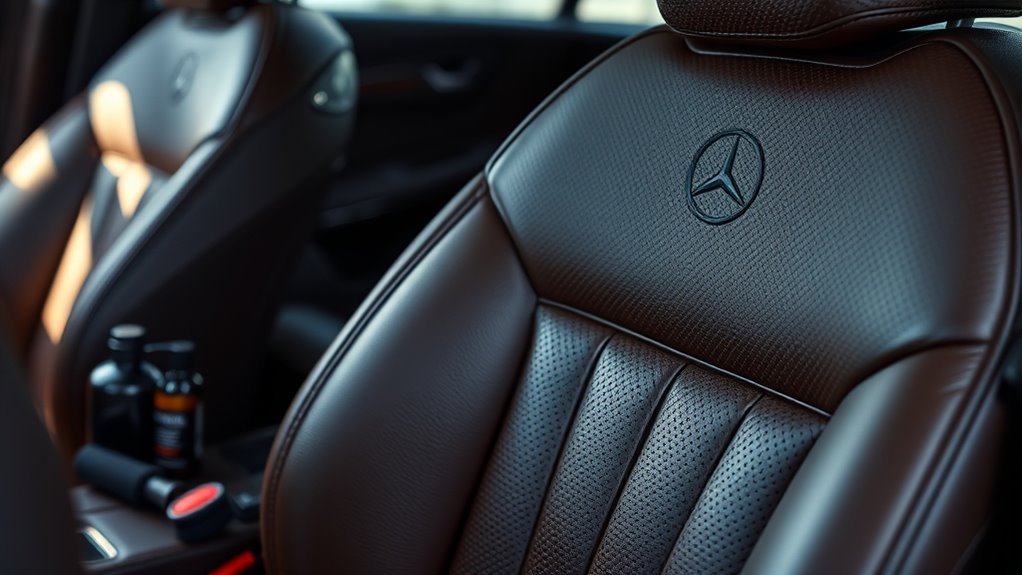
When detailing Mercedes leather seats, the best product is usually a pH-balanced leather cleaner designed for factory finishes. Koch Chemie Pol Star is often preferred for controlled cleaning without residue, while Mercedes-approved foam cleaners remain the safest warranty-friendly option. Conditioners matter only after the surface is properly cleaned. The right choice depends on seat condition, leather type, and climate, and the differences are more important than they first appear.
What Is the Best Product for Mercedes Leather Seats?
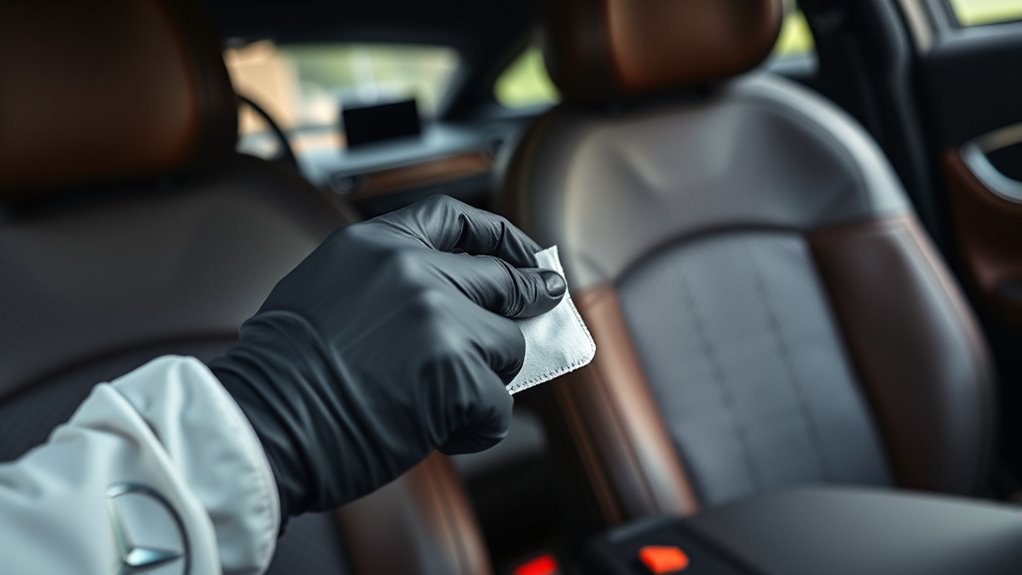
For Mercedes leather seats, the most suitable product is typically a Mercedes-approved foam cleaner and conditioner, as it is formulated to clean effectively while helping preserve the leather’s finish and warranty compliance.
This Mercedes-approved Foam Cleaner supports cleaning leather without over-wetting seams or degrading surface coatings.
For owners seeking alternatives, Lexol Products provide a separate cleaner and leather conditioner system that offers controlled maintenance and balanced care.
Adam’s Leather Cleaner may suit dry climates because its rejuvenator oil can help restore suppleness, while Chemical Guys Alternatives are practical for non-Mercedes vehicles needing similar protection.
The correct choice depends on leather condition, climate, and maintenance frequency.
The right product depends on leather condition, climate, and how often it’s maintained.
Regular maintenance remains essential; it limits residue buildup, sustains appearance, and helps prevent cracking.
A precise routine using compatible products gives the interior durability, comfort, and freedom from premature wear.
Why Koch Chemie Pol Star Works Best
Koch Chemie Pol Star stands out as a highly effective leather cleaner for Mercedes interiors because it removes dirt efficiently without leaving a sticky residue. Its cleaning power is strong enough for dirt and grime, yet controlled enough to protect leather surfaces and preserve the factory look of Mercedes leather seats.
At a dilution of 1:5 to 1:20, it can be adjusted for light maintenance or heavier contamination, giving detailers precise control. It foams adequately, spreading across panels for consistent effective cleaning. Users also note a clean matte finish, which keeps the surface natural rather than glossy.
At $0.68 per ounce, Koch Chemie Pol Star combines performance with low cost, making it a practical choice for those seeking freedom from overcomplicated products.
- Dial in strength for the task.
- Clean without residue buildup.
- Maintain a matte finish that feels original.
Mercedes Leather Cleaner vs. Conditioner
Mercedes leather cleaner and conditioner serve different functions: the cleaner removes dirt, oils, and stains, while the conditioner restores moisture and helps prevent drying and cracking.
Cleaner should be used first when the surface shows contamination, followed by conditioner once the leather is clean and dry.
For Mercedes seats, both products should be pH-balanced, compatible with the material, and used according to label instructions.
Cleaner Vs Conditioner
A Mercedes leather cleaner and a conditioner serve different but complementary maintenance roles: the cleaner removes dirt, oils, and stains from the surface, while the conditioner replenishes moisture and helps prevent drying, cracking, and fading.
For leather seats, cleaning and conditioning preserve premium quality through regular cleaning with a dedicated leather cleaner. Mercedes foam cleaner offers practical efficiency, combining cleaning with mild conditioning to support suppleness.
Household products are risky; they can strip finishes and weaken the leather surface.
- Cleaner: targets contamination
- Conditioner: supports flexibility
- Both: extend service life and ease upkeep
When To Use Each
Although both products support leather maintenance, each should be used at a different interval and for a distinct purpose: Mercedes leather cleaner is best applied every few months to lift dirt, oils, and surface grime, while conditioner is typically used every 6–12 months to restore moisture and help prevent drying or cracking.
Leather cleaners address the application purpose of removing debris; conditioner serves to clean and condition by replenishing oils. For interior leather, a quality leather cleaner should be selected first, then a conditioner after the surface is fully dry.
This frequency of use preserves suppleness, improves texture, and supports preventing it from drying. Manufacturer-approved products also help maintain warranty compliance while keeping the cabin looking controlled, refined, and materially free.
Which Mercedes Leather Cleaner Fits Your Seat Condition?
Which cleaner best matches the seat’s condition depends on the leather’s current state and the level of protection required.
For Mercedes Leather seats showing ordinary soil, the Mercedes Foam Cleaner is the safest technical choice because it cleans and conditions while supporting warranty assurance.
When the Leather remains supple but needs structured maintenance, Lexol is practical: its separate cleaner and conditioner let technicians control each step.
In dry climates, Adam’s Leather and Interior Cleaner adds rejuvenator oil, helping seats resist stiffness.
Chemical Guys products suit other brands more broadly, yet they remain a useful reference for versatile Leather care.
- Light grime: Mercedes Foam Cleaner
- Dry, tired surfaces: Adam’s with rejuvenator oil
- Routine upkeep: Lexol for controlled maintenance
Regular maintenance with the proper cleaner preserves texture, reduces cracking risk, and keeps Mercedes interiors looking composed and free.
The goal is freedom from avoidable wear, not over-treatment.
How to Clean Mercedes Leather Without Damage
Mercedes leather seats respond best to a pH-balanced automotive leather cleaner, such as Mercedes foam cleaner, because it removes soil without stripping finish or interfering with warranty coverage.
Before cleaning your leather, a hidden area should be tested for colorfastness and surface reaction. A dedicated leather cleaner designed for Mercedes interiors is the safest product selection, because household acids like vinegar or lemon juice can etch the finish and weaken the hide.
Lightly agitate the surface with a clean microfiber cloth, then lift residue instead of saturating the seat. Attention should extend to stitching and adjacent interior trim, where dirt collects unnoticed.
Routine cleaning every few months helps prevent cracking and fading by limiting embedded grime. After the surface is dry, a leather conditioner should be applied to restore suppleness, reduce drying, and maintain long-term protection.
Consistent, careful maintenance preserves comfort, appearance, and freedom from premature wear.
What Tools Give Mercedes Leather the Best Finish?
A few purpose-built tools produce the best finish on Mercedes leather seats. High-quality microfiber cloths are essential for leather cleaning because they spread interior cleaner and Leather Care products evenly while reducing surface marring.
Soft-bristle brushes reach stitching and perforations, lifting dirt from crevices without abrading the hide. For uniform coverage, leather applicator pads outperform improvised cloths; they place conditioner precisely where it is needed and support a consistent sheen.
Foam applicators are especially effective with Mercedes foam cleaners, controlling product release and limiting residue. Steam cleaners can assist when embedded grime resists normal wiping, using heat and moisture to loosen contamination with minimal chemical load.
- Microfiber cloths for final wipe-downs and gentle buffing
- Soft-bristle brushes for seams, grain, and tight contours
- Leather applicator pads or foam applicators for even product placement
Used together, these tools help preserve texture, restore clarity, and deliver a disciplined finish that supports long-term interior dignity and freedom.
Which Mercedes Leather Products Should You Avoid?
In Mercedes leather care, the safest approach is often defined by what to avoid: household acids such as vinegar or lemon juice, all-in-one cleaners that lack explicit luxury-leather compatibility, and any formula containing harsh chemicals or alcohol.
These products can strip natural oils from Mercedes leather, weaken the surface, and accelerate cracking or discoloration. It is also prudent to avoid cleaners that leave sticky residue, since residue attracts dirt and grime and makes the trim appear worn.
Products that do not clearly state compatibility with Mercedes leather should be rejected, because they may clean unevenly, fail to condition properly, or damage the finish over time. A precise leather-safe cleaner and conditioner should preserve suppleness without altering color or texture.
For owners seeking freedom from costly repairs and warranty risk, disciplined product selection is essential: choose only cleaners engineered for luxury leather, and avoid anything vague, abrasive, or chemically aggressive.
Frequently Asked Questions
What to Clean Mercedes Leather Seats With?
Mercedes leather seats are best cleaned with a pH-balanced leather cleaner, ideally Mercedes Foam Cleaner, Lexol, or Adam’s Leather and Interior Cleaner.
These leather care choices support safe cleaning techniques, seat protection, and effective stain removal. Product comparisons favor Mercedes Foam Cleaner for warranty-safe use, while eco-friendly options and DIY solutions suit lighter maintenance.
Regular maintenance tips include soft microfiber wiping, avoiding excess moisture, and conditioning after cleaning.
What Do Car Detailers Use on Leather Seats?
Car detailers use pH-balanced leather cleaners, soft microfiber towels, and a quality leather conditioner.
They often choose leather protection products, eco-friendly cleaners, and careful professional detailing tips to address common leather stains.
A cleaning techniques comparison shows dedicated cleaners outperform many DIY cleaning solutions.
Leather conditioner benefits include flexibility and reduced cracking, helping maintain leather longevity.
For freedom from wear, technicians prefer products that clean without residue or stiffness.
Are Mercedes-Benz Seats Real Leather?
Mercedes-Benz seats are often a mixed orchestra of materials: some are real leather, while others use MB-Tex synthetic upholstery.
Mercedes upholstery types vary by trim and model, so real leather vs synthetic must be checked by VIN or spec sheet.
For luxury car materials, proper cleaning techniques, leather care tips, and seat maintenance routines matter.
Leather conditioning benefits include softness and long lasting leather protection, ensuring freedom from cracking and premature wear.
What Is the Best Product to Clean the Interior of a Mercedes?
Mercedes Foam Cleaner/Conditioner is the strongest choice for interior care, pairing cleaning power with leather conditioner benefits and protecting leather surfaces.
For broader use, Lexol is also effective, especially with proper interior cleaning techniques and best detailing tools. Eco friendly cleaners can support maintaining leather quality, while avoiding common cleaning mistakes preserves finish.
Seasonal maintenance tips matter: condition in dry months, clean gently, and never saturate seams or stitching.
Conclusion
For Mercedes leather seats, a Mercedes-approved foam cleaner remains the safest choice, lifting dirt like a soft brush through silk while preserving the factory finish. For routine maintenance, Lexol cleaner and conditioner provide controlled care, while Adam’s Leather Cleaner suits dry, demanding climates. In practice, any product should be pH-balanced, leather-safe, and matched to seat condition. Used correctly, the right cleaner protects the upholstery’s refined surface and keeps the cabin looking sharply maintained.
