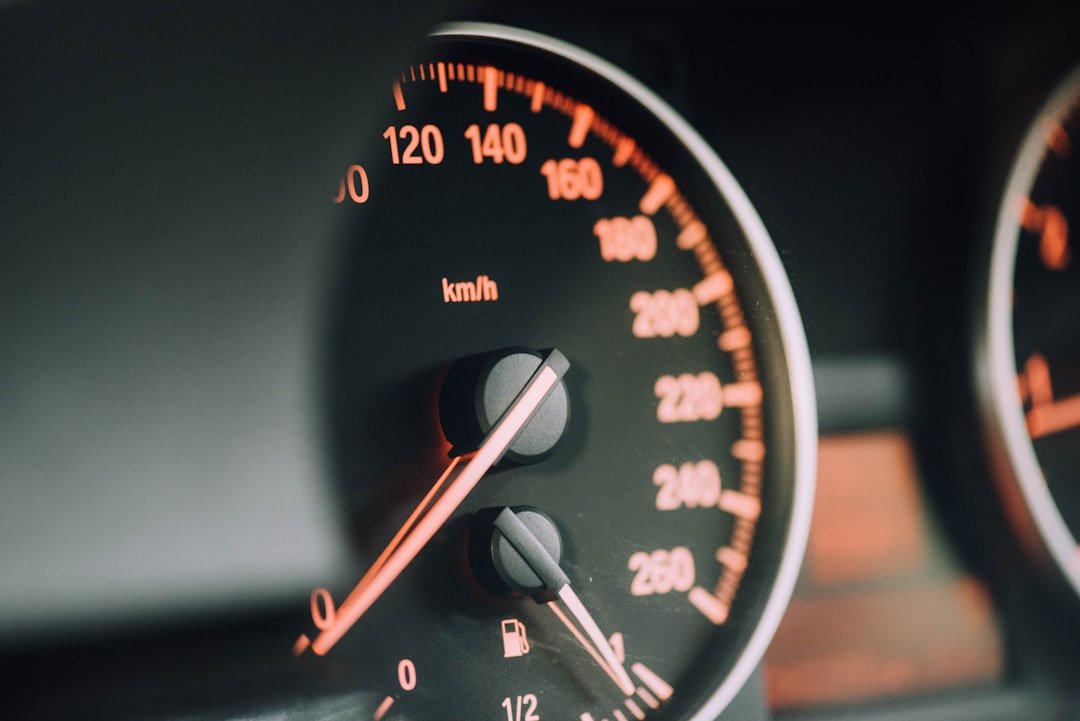
Buying a used car can save you money, but only when you check the right details before you pay. A clean-looking vehicle can still hide title problems, accident damage, high ownership costs, or mechanical issues that become expensive later. Before you commit, review the budget, history, mileage, inspection results, title, warranty, insurance costs, resale value, and financing terms so you know the real cost of ownership.
Quick Answer
Before buying a used car, check your total budget, vehicle history report, mileage, mechanical condition, title status, warranty coverage, insurance quote, resale value, and financing terms. Always test drive the car and have a trusted mechanic inspect it before you sign paperwork or hand over payment.
Key Takeaways
- Set a realistic budget before starting the car buying process so you stay within your financial means.
- Research the vehicle’s history to uncover past accidents, damages, title problems, recalls, or odometer concerns.
- Compare the mileage with the car’s age, service history, and driving conditions instead of judging mileage alone.
- Always get a mechanical inspection from a trusted mechanic to uncover hidden problems before purchase.
- Verify ownership and title documents to make sure there are no liens, salvage issues, or legal problems.
- Check insurance, warranty, resale value, and financing terms before you agree to the final price.
At a Glance
| Time Required | A few hours for research, test drive, and document review; longer if you schedule an inspection. |
| Difficulty | Moderate, because you need to compare documents, costs, condition, and financing. |
| Tools Needed | Vehicle history report, VIN, insurance quote, loan estimate, maintenance records, inspection checklist, and a trusted mechanic. |
| Cost | Vehicle history reports, inspection fees, taxes, registration, insurance, and possible repairs should all be included in your budget. |
Budget
When considering the purchase of a vehicle, establishing a budget is the first and most crucial step. A well-defined budget helps narrow down your options and keeps you from overspending or falling into financial distress. It is essential to account for the total cost of ownership, which includes the purchase price, insurance, maintenance, fuel, taxes, registration, and possible repairs.
For instance, a buyer may find a car priced at $20,000 appealing. However, if the insurance premiums for that vehicle are much higher than average, the monthly cost could create unexpected financial strain. Some vehicles may also require premium fuel or have higher maintenance costs because of their design, age, brand reputation, or parts availability.
Buyers should also factor in repairs, especially for used vehicles that may not come with a warranty. A cheaper car can become expensive if it needs tires, brakes, suspension work, or transmission repairs soon after purchase. By taking a comprehensive approach to budgeting, buyers can make informed decisions that match their financial capabilities and long-term goals.
Note: Do not focus only on the sale price. Add loan payments, insurance, fuel, maintenance, registration, taxes, and emergency repair savings before deciding whether the car is truly affordable.
Vehicle History
Understanding a vehicle’s history is paramount when purchasing a used car. A comprehensive vehicle history report can reveal critical information about the car’s past, including accidents, title issues, odometer readings, service records, and reported ownership changes. For instance, a vehicle that has been in multiple accidents may have underlying structural issues that could affect its safety and performance.
Additionally, knowing whether the car has been regularly maintained can provide insights into its reliability and longevity. A vehicle with oil changes, tire rotations, brake service, and scheduled maintenance records often inspires more confidence than one with no paperwork. Maintenance records are especially important when the vehicle has higher mileage.
Buyers should also watch for potential red flags in the vehicle’s history. If a car has had several previous owners in a short period, it might indicate problems that prompted those owners to sell. Understanding whether the vehicle has a clean title or a salvage title can also affect its value, financing options, and insurability. By investigating the vehicle’s history, buyers can avoid costly mistakes and make a sound investment.
Mileage

Mileage is one of the most significant factors to consider when evaluating a used vehicle. Generally, lower mileage is associated with less wear and tear, which can translate to a longer lifespan and fewer immediate repairs. For example, a car with 30,000 miles is likely to have fewer mechanical issues compared to one with 100,000 miles, assuming both vehicles were maintained properly.
However, it is essential to consider not just the number of miles driven but also how those miles were accumulated. A vehicle used mostly for long highway commutes may be in better condition than one used mainly for short city trips, which can create more stop-and-go wear. City driving can be harder on brakes, tires, suspension parts, and the transmission.
Buyers should also be cautious of vehicles with unusually low mileage for their age. Such cars may have been sitting idle for extended periods, which can lead to battery degradation, tire flat spots, dried seals, or fluid deterioration. It is advisable to look for a balance between mileage and age; a well-maintained vehicle with moderate mileage may offer better value than one with extremely low mileage but poor maintenance history. Ultimately, understanding the implications of mileage can help buyers make more informed choices.
Pro Tip: Compare mileage with service records. A higher-mileage car with consistent maintenance can be a safer buy than a low-mileage car with missing records and signs of neglect.
Mechanical Inspection
| Inspection Type | Pass Rate | Fail Rate |
|---|---|---|
| Initial Inspection | 85% | 15% |
| Periodic Inspection | 92% | 8% |
| Random Inspection | 78% | 22% |
A thorough mechanical inspection is an essential step in the car-buying process, particularly for used vehicles. Engaging a qualified mechanic to conduct this inspection can uncover hidden issues that may not be immediately apparent during a casual examination. A mechanic can assess the condition of critical components such as the engine, transmission, brakes, steering, suspension system, tires, belts, hoses, and electrical system.
They can also check for signs of leaks, corrosion, poor repairs, frame damage, or worn parts that could indicate more significant problems down the line. During the inspection, it is crucial to pay attention to both major and minor issues. While some problems may seem trivial at first glance, they could lead to costly repairs if left unaddressed.
For example, worn brake pads might not seem like a significant concern initially. However, if they are not replaced promptly, they could damage the rotors and lead to more expensive repairs. By investing in a comprehensive mechanical inspection before finalizing a purchase, buyers can gain peace of mind and potentially save themselves from future headaches.
Warning: Avoid sellers who refuse an independent inspection. A trustworthy seller should allow you to have the vehicle checked before purchase.
Ownership and Title
The ownership history and title status of a vehicle are critical factors that can influence its value and legality. A clear title indicates that the vehicle is free from liens or legal claims, while a salvage title suggests that it has been deemed a total loss by an insurance company due to significant damage. Buyers should always verify the title status before proceeding with a purchase.
Acquiring a vehicle with a salvage title can complicate future resale efforts and may affect insurability. Some lenders may also refuse financing for vehicles with branded titles. Before paying, compare the VIN on the vehicle, title, registration, and vehicle history report to make sure the documents match.
Additionally, understanding how many previous owners a vehicle has had can provide insights into its reliability and desirability. A car with only one or two previous owners may indicate that it has been well cared for and maintained. In contrast, multiple owners in a short time frame could suggest underlying issues that prompted each owner to sell. Buyers should also inquire about any documentation related to ownership transfers; having complete records can enhance the vehicle’s resale value and provide assurance regarding its history.
Warranty

Warranties play an essential role in providing peace of mind when purchasing a vehicle, especially used ones. Many manufacturers offer limited warranties on new cars that cover specific components for a set period or mileage limit. However, once these warranties expire, buyers may find themselves responsible for all repair costs.
Understanding what warranties are available, whether through the manufacturer, dealership, or third-party providers, can significantly impact the overall cost of ownership. For used vehicles, buyers should inquire about any remaining manufacturer warranty and whether it transfers to a new owner. They should also ask if an extended warranty or service contract is available for purchase.
Extended warranties can cover various components and systems beyond the original warranty period, but they often come with specific terms and conditions. It is crucial to read the fine print carefully; some warranties may have exclusions, deductibles, claim limits, repair location rules, or required maintenance practices. By considering warranty options thoughtfully, buyers can protect themselves against unexpected repair costs.
Carfax Report
A Carfax report is an invaluable tool for prospective car buyers seeking transparency regarding a vehicle’s history. This report compiles data from various sources to provide insights into accidents, service records, title status, ownership history, and more. For instance, if a vehicle has been involved in an accident that resulted in significant damage, this information may appear in the report, allowing buyers to make informed decisions about potential risks.
In addition to accident history, Carfax reports often include details about previous owners and any reported odometer discrepancies. This information can help buyers assess whether the vehicle has been well cared for or if there are any red flags that warrant further investigation. A report may also show open recalls, emissions inspections, and registration locations.
While Carfax reports are useful, they are not infallible. Some incidents may go unreported, and a clean report does not guarantee that the car has no problems. Treat the report as an essential starting point, then confirm the vehicle’s condition with a test drive, title review, inspection, and maintenance records.
Test Drive
The test drive is arguably one of the most critical steps in the car-buying process. It provides an opportunity for potential buyers to experience how the vehicle handles on the road and assess its comfort level firsthand. During a test drive, it is essential to pay attention to acceleration, braking responsiveness, steering feel, transmission shifts, suspension comfort, visibility, and overall ride quality.
For example, if a car pulls to one side during braking or exhibits unusual noises when turning, these could be signs of underlying mechanical issues. Vibrations at highway speeds may suggest tire, wheel, suspension, or alignment problems. Delayed shifting, slipping, or rough gear changes can also point to expensive transmission concerns.
Moreover, buyers should consider their personal preferences during the test drive experience. Factors such as seat comfort, visibility from the driver’s seat, cabin noise, cargo space, and ease of use for controls and technology features can significantly impact satisfaction with the vehicle over time. It is advisable to test drive multiple vehicles within the same category to compare their performance and comfort levels effectively. Taking the time to conduct thorough test drives can help ensure that buyers select a vehicle that meets their needs and expectations.
Insurance Costs
Insurance costs are an often-overlooked aspect of vehicle ownership that can significantly impact overall expenses. Different vehicles come with varying insurance premiums based on factors such as safety ratings, repair costs, theft rates, age, driver profile, location, and overall risk assessment by insurance companies. For instance, sports cars typically have higher insurance rates due to their performance capabilities and higher likelihood of being involved in accidents compared to sedans or family vehicles.
Before finalizing a purchase decision, it is prudent for buyers to obtain insurance quotes for their prospective vehicles from multiple providers. This allows them to gauge potential costs accurately and factor them into their overall budget. A car that seems affordable at the dealership may become less attractive if the monthly insurance payment is much higher than expected.
Additionally, some insurance companies offer discounts for certain safety features, anti-theft systems, bundled policies, or driver training programs. Understanding these options can help buyers save money on premiums over time. Always get quotes using the exact year, make, model, trim, VIN if available, and expected coverage level before signing a purchase agreement.
Resale Value
Resale value is an important consideration for buyers who want to ensure their investment retains its worth over time. Certain brands and models are known for their strong resale values due to reliability, demand in the used car market, brand reputation, fuel economy, and maintenance costs. For example, vehicles from manufacturers like Toyota and Honda often hold their value well because of their reputation for durability and low maintenance costs.
When evaluating potential purchases, buyers should research historical resale values for specific makes and models using resources like Kelley Blue Book or Edmunds. Understanding how depreciation affects different vehicles can help buyers make informed choices about which cars will likely retain their value better over time. A vehicle with strong resale value may cost more upfront but lose less value during ownership.
Additionally, factors such as mileage at resale time, accident history, color, trim level, service records, and overall condition will also play significant roles in determining how much money buyers can recoup when selling their vehicles in the future. Choosing a well-maintained used car with strong demand can make future resale or trade-in easier.
Financing Options
Exploring financing options is an essential step in the car-buying process that can significantly affect affordability and overall satisfaction with the purchase. Buyers have various avenues available when it comes to financing their vehicles. These include traditional bank loans, credit union financing, dealership financing offers, private-party auto loans, or leasing options for those who prefer not to own outright.
When considering financing options, it is crucial for buyers to shop around for competitive interest rates and terms that align with their financial situation. Factors such as credit score, income, debt-to-income ratio, loan length, down payment, and vehicle age will play a significant role in determining eligibility for favorable loan terms. Individuals with higher credit scores typically qualify for lower interest rates.
Additionally, understanding loan terms, such as the length of the repayment period, can help buyers assess how much they will ultimately pay over time versus what they initially financed. A longer loan can lower the monthly payment but increase total interest costs. Before agreeing to financing, compare the annual percentage rate, total loan cost, monthly payment, fees, and any prepayment penalties.
Navigating the complexities of purchasing a vehicle requires careful consideration of various factors ranging from budget constraints to financing options available in the market today. By taking an informed approach throughout each stage of this process, from establishing budgets through evaluating resale values, buyers can make confident decisions that align with their needs while ensuring they secure reliable transportation for years ahead.
Before buying a used car, it is important to thoroughly inspect the vehicle to ensure you are making a wise investment. One helpful article to check out is Choosing the Right Size Rug for Your Living Room, which provides tips on selecting the perfect rug for your space. Just like choosing the right rug size can enhance the look of your living room, conducting a thorough inspection of a used car can help you avoid potential issues and ensure you are getting a reliable vehicle.
Frequently Asked Questions
What should I check before buying a used car?
Before buying a used car, check the vehicle’s history report, mileage, maintenance records, title status, insurance cost, financing terms, warranty coverage, and overall mechanical condition. You should also test drive it and have it inspected by a trusted mechanic before purchase.
Why is it important to check a used car’s history report?
Checking a used car’s history report is important because it can reveal past accidents, title issues, ownership history, service records, odometer discrepancies, and other red flags that may affect the car’s value, safety, and reliability.
Why should I have a used car inspected by a mechanic?
Having a used car inspected by a mechanic can help identify hidden issues with the engine, transmission, brakes, suspension, steering, electrical system, tires, leaks, and frame condition. This can help you avoid expensive repairs after purchase.
What should I look for during a test drive of a used car?
During a test drive, pay attention to handling, braking, acceleration, steering response, transmission shifts, ride comfort, visibility, warning lights, vibrations, and unusual noises. Test the car in city traffic and at higher speeds when possible.
How can I verify a used car’s title and registration?
You can verify a used car’s title and registration by checking the VIN on the vehicle, title, registration documents, and vehicle history report. Make sure the seller has the legal right to sell the car and confirm there are no liens or title brands that could affect ownership.
Should I buy a used car with a salvage title?
A salvage-title vehicle can be risky because it was previously declared a total loss. It may be harder to finance, insure, and resell. If you still consider one, get a detailed inspection, repair records, and insurance confirmation before buying.
Sources
- Consumer Reports — used car buying steps, inspections, and shopping guidance.
- NHTSA Recalls — checking open vehicle safety recalls by VIN.
- Federal Trade Commission — used car dealer buyer guide and warranty disclosure rules.
- Kelley Blue Book — vehicle history report basics and used car research guidance.


1 thought on “Key Factors to Consider When Buying a Used Car”