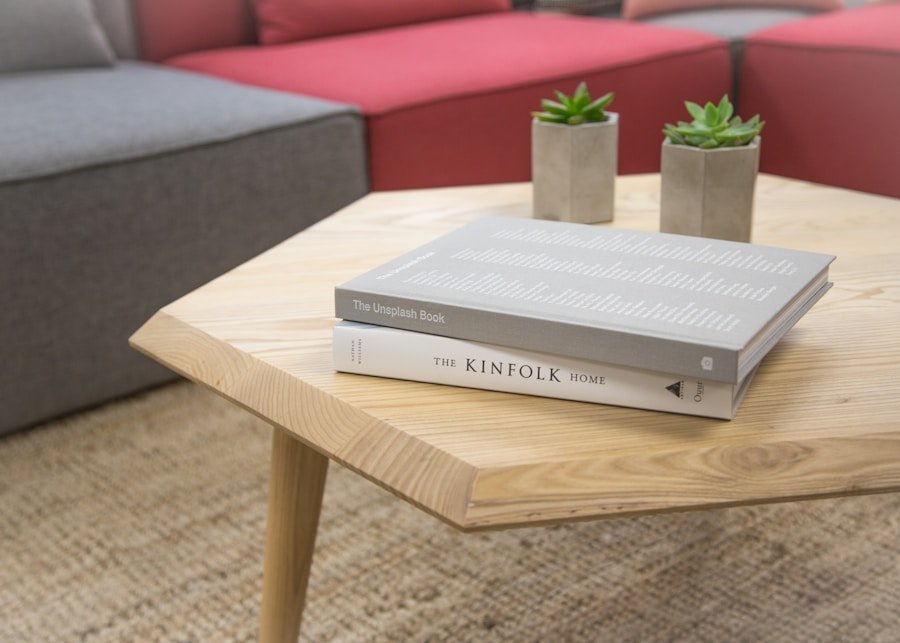
Pallet coffee tables bring rustic texture, practical surface space, and a sustainable story into your living room. Because they often use reclaimed pallet wood, they can help you reuse material that might otherwise be discarded while giving your home a warm, handmade look.
They also work well for many design styles. You can keep the wood rough for a farmhouse feel, sand and stain it for a cleaner look, add casters for mobility, or build in storage for books, remotes, and blankets. With careful pallet selection, safe prep, and a protective finish, a simple pallet can become a durable centerpiece that fits your space and budget.
Quick Answer
A pallet coffee table works best when you choose a clean, sturdy, heat-treated pallet, sand it smooth, seal the wood, and size it to your seating area. Add wheels, shelves, baskets, or a glass top if you want extra function without losing the rustic look.
Key Takeaways
- Pallet coffee tables are affordable, versatile, and ideal for rustic, farmhouse, industrial, or bohemian rooms.
- Choose pallets that are clean, dry, sturdy, and marked heat-treated rather than chemically treated.
- Sanding, staining, sealing, adding wheels, or installing a glass top can make the table safer and more useful.
- Storage shelves, drawers, baskets, and lower compartments help keep your living room organized.
- Regular cleaning and resealing protect the wood from stains, moisture, splinters, and daily wear.
At a Glance
| Time Required | A few hours for a simple table; a full weekend for sanding, staining, sealing, and adding storage or wheels. |
| Difficulty | Beginner to intermediate, depending on whether you keep the pallet simple or add drawers, shelves, glass, or casters. |
| Tools Needed | Sandpaper or sander, safety gloves, dust mask, screwdriver or drill, wood screws, brush, stain or paint, and sealant. |
| Cost | Low to moderate. The pallet may be inexpensive or free, but finishes, hardware, casters, baskets, or glass can raise the total cost. |
Choosing the Right Pallet for Your Space
Selecting the right pallet is the first step toward a coffee table that looks good, feels stable, and works with your room. Pallets vary by size, wood type, age, and condition, so avoid grabbing the first one you find. A better choice will save you sanding time and reduce the risk of splinters, stains, odors, or weak boards.
Start with the dimensions of your room. A larger living room may benefit from a wider table that anchors the seating area. A smaller apartment or narrow sitting room may need a compact design that leaves enough walking space around the sofa. Many standard pallets measure about 48 inches by 40 inches, but you can cut one down, stack two, or combine boards to create a custom size.
As a simple rule, leave comfortable clearance between the coffee table and surrounding seating. You should be able to walk around it, reach drinks and books easily, and open storage baskets without bumping into the sofa. If you use the table in a family room, also consider rounded edges, smoother finishes, and lower splinter risk.
The type of wood also affects the final look and durability. Pine is lightweight and easy to work with, which makes it popular for DIY projects. Hardwoods such as oak or maple can provide more strength and longer wear, but they may be heavier and harder to cut. Whatever wood you choose, inspect the pallet carefully before you bring it indoors.
Warning: Do not use pallets that smell like chemicals, show oil stains, have visible mold, or appear to have carried hazardous materials. For indoor furniture, choose clean, dry pallets and look for heat-treated markings when possible.
Check for cracked boards, loose nails, deep splintering, dampness, and heavy wear. Damage can weaken the finished table and make the project harder than it needs to be. If a pallet looks unsafe or smells strange, skip it. A coffee table sits close to people, pets, snacks, and drinks, so clean material matters.
Understanding Pallet Markings and Safety
Before you turn a pallet into furniture, look for a stamp or marking on the side. Many shipping pallets include codes that show how the wood was treated. For indoor DIY furniture, heat-treated pallets are usually the preferred option because the wood was treated with heat rather than chemical fumigation.
You may see a marking such as “HT,” which means heat treated. You may also see “KD,” which usually means kiln dried. Avoid pallets with markings that suggest chemical fumigation, and avoid any pallet with an unknown history if it looks dirty, greasy, or contaminated. When in doubt, choose another pallet or buy new pallet-style lumber from a known source.
Safety prep also matters during the build. Wear gloves when handling rough boards, use eye protection when cutting or sanding, and use a dust mask when sanding old wood. Remove exposed nails, staples, and sharp metal before you start. After sanding, wipe the table clean before painting, staining, or sealing.
Note: Reclaimed wood can have dents, knots, nail holes, and color changes. Those marks add character, but they should not include active mold, chemical residue, or structural damage.
Customizing Your Pallet Coffee Table

Once you have selected the right pallet, you can customize it to match your style and daily needs. This is where a pallet coffee table becomes more than a reclaimed wood project. You can make it modern, rustic, industrial, farmhouse, or simple and minimal.
One of the easiest upgrades is sanding. Start with a rougher grit to remove splinters and sharp edges, then move to a finer grit for a smoother surface. Pay extra attention to corners, board ends, and places where hands may rest. A smooth surface makes the table safer and more comfortable for everyday use.
Painting or staining can completely change the look. A fresh coat of paint can turn a rustic pallet into a clean statement piece. White, black, sage, navy, or warm neutral paint can help the table blend with modern decor. Stain keeps the natural grain visible and works well for farmhouse, rustic, and industrial rooms.
Choose a finish that suits how you use the table. If you often place cups, snacks, plants, or decor on it, seal the surface after painting or staining. A protective sealant helps guard against moisture rings, scratches, and stains. For a softer natural look, furniture wax may work well, while polyurethane or a water-based clear coat can offer stronger protection.
You can also change the structure. Adding wheels creates a mobile table that you can move for cleaning, game nights, or extra floor space. This feature is useful if you frequently rearrange furniture or host guests. Choose locking casters so the table does not roll when someone reaches for a drink.
A glass top creates a smoother surface and gives the table a more polished finish. It also protects the wood from spills and makes the top easier to wipe clean. For a safer result, use properly sized glass with finished edges. If children use the space, consider whether glass fits your household before adding it.
Pro Tip: Test your stain or paint on a hidden board first. Pallet wood can absorb finish unevenly, so a quick test helps you avoid a color that looks too dark, blotchy, or glossy.
Styling and Decorating with a Pallet Coffee Table
| Metrics | Value |
|---|---|
| Number of Pinterest posts featuring pallet coffee table styling | Over 50,000 |
| Instagram hashtags for pallet coffee table decor | #palletcoffeetabledecor – 3,500 posts |
| DIY tutorials for pallet coffee table decoration | Over 100,000 results on YouTube |
| Popular themes for styling pallet coffee tables | Rustic, farmhouse, industrial, bohemian |
Styling your pallet coffee table is a simple way to show your personality and improve the feel of your living room. The goal is balance. You want the table to look intentional, but you do not want it so crowded that there is no room for a cup, book, or remote.
Start with a tray. A tray groups smaller items together and keeps the surface from looking messy. You can place candles, coasters, a small vase, or a decorative bowl on the tray. This also makes cleaning easier because you can lift several items at once.
Layer height and texture. A stack of books adds height, a ceramic bowl adds shape, and a small plant adds softness. The rough texture of pallet wood pairs well with smooth glass, woven baskets, matte ceramics, linen, and metal accents. This contrast keeps the table from looking flat.
Greenery is especially effective. Small potted plants, succulents, or terrariums bring life into the room and soften the rugged look of the wood. Choose plants that fit the scale of the table. Large plants can make the surface feel crowded, while smaller plants add freshness without taking over.
Seasonal decor can also keep the table fresh throughout the year. During autumn, you might display small pumpkins, dried stems, or warm-toned candles. In winter, you can use simple greenery, ornaments, or a cozy candle arrangement. In spring and summer, fresh flowers, lighter trays, and brighter books can make the table feel new again.
Maximizing Storage with a Pallet Coffee Table
One of the most practical benefits of a pallet coffee table is its storage potential. Many living rooms collect clutter from remotes, chargers, magazines, toys, blankets, and board games. A well-designed pallet table can help keep those items close without leaving them scattered across the room.
Open shelves are the simplest option. If your pallet has a gap between the top and bottom boards, you can use that space for books, baskets, or trays. This keeps everyday items easy to reach while preserving the rustic, open look.
Drawers offer a cleaner appearance. They take more work to build, but they hide clutter better than open shelves. Small drawers can store remotes, coasters, pens, cards, and charging cables. Larger drawers can hold games, craft supplies, or extra living room accessories.
Decorative baskets and boxes are useful if you prefer an open design. They add texture, hide clutter, and can be changed seasonally. Woven baskets work well in farmhouse, rustic, and bohemian rooms. Sleek boxes or metal bins fit industrial and modern spaces.
You can also create a lift-top pallet coffee table if you want hidden storage and a more flexible surface. A lift-top design can work well for small spaces because it creates a higher surface for snacks, laptops, or casual work. Make sure the hinges are strong and the table remains stable when the top is lifted.
Maintaining and Caring for Your Pallet Coffee Table

A pallet coffee table can last for years when you clean it regularly and protect the wood. Because pallet boards often have more texture than store-bought furniture, dust and crumbs can settle into grooves, nail holes, and gaps. A simple care routine keeps the table looking good and helps prevent damage.
Cleaning Your Table
Clean your table regularly with a soft cloth to remove dust and debris. For deeper cleaning, use a mild soap solution and a slightly damp cloth. Avoid soaking the wood because excess moisture can cause swelling, staining, or roughness.
Do not use harsh chemicals unless you know they are safe for the finish you applied. Strong cleaners can strip paint, dull stain, or damage protective coatings. After cleaning, dry the table with a clean cloth so moisture does not sit on the surface.
Protecting the Wood
Use coasters under drinks, trays under plants, and mats under hot items. This helps prevent water rings, heat marks, and stains. If you use the table heavily, consider applying a protective sealant, wax, or clear coat on a regular schedule based on the product directions.
A sealed surface is easier to clean and less likely to absorb spills. This is especially useful if the table sits in a family room, playroom, rental space, or high-traffic living area.
Maintaining the Table’s Condition
Inspect the table from time to time for splinters, loose screws, wobbly legs, fading, or worn finish. Fix small problems early so they do not become larger repairs. Sand rough spots, tighten hardware, and reseal exposed wood when needed.
If your table has wheels, check that the casters still roll smoothly and lock securely. If it has drawers or a lift-top section, check the hardware and hinges. With proper care, your pallet coffee table can remain a beautiful and functional centerpiece for years to come.
Common Mistakes to Avoid
A pallet coffee table is a beginner-friendly project, but a few mistakes can make it less safe, less attractive, or harder to use. Avoiding these problems will give you a better result.
- Skipping the pallet inspection: Dirty, damp, cracked, or chemically treated pallets are not worth the risk for indoor furniture.
- Not sanding enough: Rough boards can cause splinters and make the table uncomfortable to touch.
- Forgetting to seal the wood: Unsealed wood can absorb spills and stains quickly.
- Choosing the wrong size: A table that is too large can block movement, while one that is too small may feel out of place.
- Using weak hardware: Casters, screws, hinges, and drawer slides need to match the weight and use of the table.
- Ignoring sharp edges: Smooth or round exposed corners, especially in homes with children or pets.
Repurposing and Upcycling with Pallets
The versatility of pallets extends beyond coffee tables. You can repurpose pallet wood into many furniture pieces and home decor items. This upcycling trend appeals to DIY fans who enjoy creativity, sustainability, and low-cost projects.
Pallets can become benches, side tables, shelves, console tables, plant stands, wall racks, or outdoor seating. Many of these projects use the same basic skills: cleaning, sanding, cutting, fastening, and finishing. Once you finish one pallet project, it becomes easier to reuse leftover boards in smaller ways.
Outdoor furniture is another popular use. Pallets can become patio sofas, garden planters, potting benches, or balcony tables. For outdoor use, treat the wood with a weather-resistant finish and keep it off constantly wet ground when possible. Outdoor pieces will still need more maintenance than indoor furniture because sun, rain, and temperature changes can wear down wood.
Smaller scraps can become wall art, decorative signs, serving trays, small shelves, or picture frames. This helps you use more of the material and reduce waste. It also gives your home a consistent handmade look without needing to build large furniture pieces every time.
Embracing the Versatility of a Pallet Coffee Table
Pallet coffee tables show how creativity, sustainability, and function can work together. They let you turn reclaimed wood into a useful piece of furniture that reflects your taste. Whether you like rustic charm, farmhouse warmth, industrial edges, or a clean modern finish, you can adapt a pallet table to match your room.
The best results come from careful choices. Pick a safe pallet, size it for your space, sand it well, and protect it with the right finish. Then add the features that matter most to you, such as shelves, drawers, wheels, baskets, or a glass top. These upgrades can make the table more useful without taking away its character.
By embracing the versatility of pallet coffee tables, you can create an inviting living space while making better use of reclaimed materials. Customizing, styling, storing, maintaining, and repurposing all play a part. With a little planning, a simple pallet can become a practical centerpiece that feels personal, resourceful, and full of character.
If you’re looking to enhance your home decor with unique and functional pieces like a pallet coffee table, you may also be interested in checking out the 5 Best Water Bottles with Time Markers to Keep You Hydrated. Staying hydrated is essential for overall health, and having a water bottle with time markers can help you track your intake throughout the day. Additionally, if you’re a coffee lover who enjoys a good espresso, you might want to explore the 5 Best Espresso Machines for Beginners. And if you have little ones at home, you may want to consider investing in one of the 5 Top Booster Seats for Dining to make mealtime more comfortable and enjoyable for the whole family.
Related Guides
Frequently Asked Questions
What is a pallet coffee table?
A pallet coffee table is a coffee table made from repurposed wooden pallets or pallet-style boards. It is popular for DIY furniture because it offers a rustic, industrial, or farmhouse look while allowing plenty of room for customization.
How can I effectively use a pallet coffee table?
Use a pallet coffee table as the centerpiece of your seating area. Keep enough walking space around it, add a tray for small items, and style it with books, candles, coasters, or a small plant. If you need extra function, add shelves, baskets, drawers, or locking wheels.
What are some tips for maintaining a pallet coffee table?
Clean it with a soft cloth and mild soap when needed. Avoid placing hot or wet items directly on the wood. Use coasters, wipe spills quickly, and apply a protective sealant or wax when the finish starts to wear.
Can a pallet coffee table be used outdoors?
A pallet coffee table can be used outdoors in a covered or sheltered area, but the wood needs extra protection. Use a weather-resistant finish, keep it away from standing water, and expect more frequent maintenance because sun and moisture can wear down wood over time.
What kind of pallet is best for an indoor coffee table?
A clean, dry, sturdy, heat-treated pallet is usually the best choice for indoor furniture. Avoid pallets with chemical smells, oil stains, mold, heavy cracks, or signs that they carried unsafe materials.
Do I need to sand a pallet coffee table?
Yes. Sanding removes splinters, softens rough edges, and prepares the wood for paint, stain, or sealant. It is one of the most important steps if the table will be used indoors around guests, children, or pets.
Sources
- International Plant Protection Convention — pallet treatment standards and wood packaging guidance.
- U.S. Environmental Protection Agency: Recycling Basics — general support for reuse, recycling, and waste reduction.
- NIOSH Dust Control Handbook — general safety context for reducing dust exposure during sanding and woodworking tasks.

2 thoughts on “Maximizing Your Space: Utilizing a Pallet Coffee Table”