Disclosure: As an Amazon Associate, we earn from qualifying purchases. If you click a link on this page and make a purchase, we may receive a small commission at no extra cost to you.
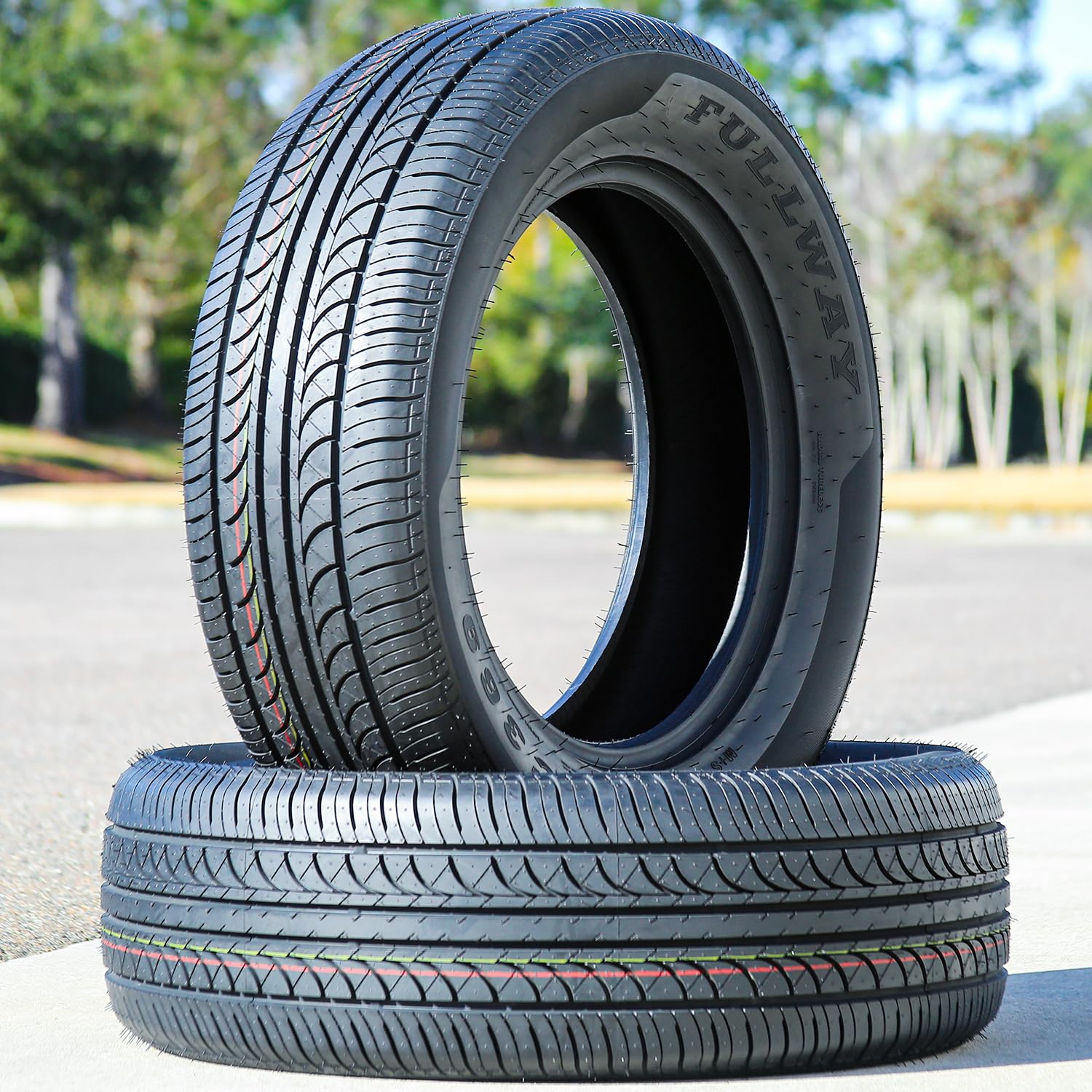
Choosing a budget tire is not just about finding the lowest price. You still need the correct size, load capacity, wet-road control, and enough tread for daily use. The Fullway PC369 225/60R17 reviewed here is a set of two all-season passenger tires with a 99H service description, Standard Load rating, 10/32-inch starting tread depth, and UTQG 380 A A grade. It can be a practical choice for routine commuting, but it is not a severe-winter tire and the two-tire package requires careful axle placement.
Quick Verdict
Rating: 7.8/10, Recommended with caveats
Best For: Budget-minded drivers whose vehicle placard specifies 225/60R17 tires with at least a 99 load index and H speed rating.
Bottom Line: The PC369 offers useful all-season tread features, a solid load rating, and a low-cost path to replacing two worn tires. Its main tradeoffs are limited published treadlife coverage and less winter capability than a dedicated winter tire.
Key Specifications
| Specification | Detail |
|---|---|
| Brand | Fullway |
| Model | PC369, manufacturer part number PC3691716 |
| Package | Set of 2 tires, wheels and rims are not included |
| Tire size | 225/60R17 |
| Type | All-season radial passenger tire, black sidewall |
| Load and speed | 99H, up to 1,709 pounds per tire and H-rated up to 130 mph under controlled conditions |
| Load range | SL, 4-ply rated |
| Starting tread depth | 10/32 inch, about 7.9 mm |
| UTQG | 380 A A, treadwear 380, traction A, temperature A |
| Overall diameter | About 27.6 inches |
| Approved rim width | 6 to 8 inches, measured specification based on a 6.5-inch rim |
| Maximum tire pressure | 44 psi maximum, use the vehicle placard pressure for normal driving |
| Run-flat | No |
| Treadlife coverage | No mileage treadlife warranty is stated in the verified product specifications |
What Is the Fullway PC369 225/60R17?
The Fullway PC369 is a budget-oriented all-season radial made for passenger vehicles. This specific version uses a 225 mm nominal section width, a sidewall height equal to 60 percent of that width, and a 17-inch wheel opening. The 99H service description is as important as the size because it identifies the tire’s load and speed capability.
The tread uses four main circumferential channels, siping, a center rib, and shoulder blocks to manage water, maintain road contact, and support predictable steering. These features suit normal city and highway driving, but they do not turn the tire into a dedicated winter or track tire.
Who Should Buy It?
Best For
- Drivers who need exactly 225/60R17 tires with a compatible 99H or lower vehicle requirement.
- Commuters who want an affordable all-season tire for paved roads, rain, and mild winter conditions.
- Owners replacing two worn tires and arranging professional mounting, balancing, and axle placement.
Skip If
- Your vehicle requires a different size, higher load index, higher speed rating, run-flat construction, or an original-equipment specification this tire does not meet.
- You regularly drive through deep snow, persistent ice, unplowed roads, or severe mountain winter conditions.
- You want a published long-mileage treadwear warranty or premium touring refinement.
Before You Buy: Match the complete size and service description on your door placard or owner’s manual. This listing is for two tires only, not four tires or mounted wheel assemblies. When replacing only two tires, ask the installer about placing the new pair on the rear axle to reduce wet-road instability.
Fit and Compatibility
A 17-inch wheel alone does not confirm fit. Your vehicle must also accept the 225 mm width, 60-series sidewall, 27.6-inch overall diameter, and 99H service description. The listed approved rim-width range is 6 to 8 inches, with published measurements based on a 6.5-inch rim.
Do not downsize the load index or speed rating below the vehicle maker’s requirement. A 99 load index corresponds to a maximum rated load of 1,709 pounds per tire, but that does not mean you can multiply the figure and ignore the vehicle’s axle ratings or cargo limits. Your door placard and owner’s manual remain the controlling fitment references.
Tread Design and All-Season Traction
The PC369’s four circumferential grooves create paths for water and slush to leave the contact area. Dense siping adds small biting edges, while the center rib and shoulder blocks support straight-line stability and cornering response. This layout is useful in rain and on dry pavement when tread depth and pressure are kept within safe limits.
All-season labeling involves a compromise. You get one tread for warm, wet, and mild cold-weather driving, but rubber and tread designed for year-round use cannot match a dedicated winter tire on packed snow and ice. The available product specifications do not state a severe-snow rating, so drivers in harsh winter regions should compare a Three-Peak Mountain Snowflake tire or a true winter set.
Ride Comfort, Noise, and Handling
The Standard Load construction and 60-series sidewall give the tire enough sidewall height to absorb ordinary pavement joints and minor road texture. The center rib helps keep steering inputs consistent during commuting and highway lane changes. Buyers should still expect more variation in noise and refinement than with a premium touring tire because vehicle insulation, alignment, road surface, and wear all affect cabin sound.
The H speed rating shows the tire passed standardized testing for its rating class. It is not a recommendation to drive at 130 mph. Legal limits, road conditions, vehicle capability, tire condition, load, and inflation remain more important than the letter molded on the sidewall.
Build, Tread Depth, and Wear Expectations
The PC369 is marked as Load Range SL and 4-ply rated. A ply rating is a strength category, not a statement that the tire contains exactly four physical body plies. Starting tread depth is 10/32 inch, or about 7.9 mm, which is a normal usable depth for this type of passenger tire.
The UTQG 380 A A marking combines three separate grades: treadwear 380, traction A, and temperature A. UTQG can help compare models, but the treadwear number is not a mileage promise. Real life depends on alignment, rotation intervals, pressure, road surface, climate, vehicle weight, and driving style. No mileage treadlife warranty is stated in the verified specifications for this size.
How It Performs in Real Use
For Daily Commuting
The tread design is well matched to routine paved-road use. Water channels and siping support wet-weather grip, while the 60-series profile favors comfort over sharp, low-profile steering. It makes the most sense for calm, predictable driving rather than repeated hard launches or aggressive cornering.
For Highway Trips
The 99H service description provides suitable capacity and speed classification for many passenger vehicles that call for this exact specification. Before a long trip, check cold pressure, inspect for damage, and confirm that the vehicle is not overloaded. Heat and underinflation can shorten tire life even when the tire carries an H rating.
For Rain and Standing Water
The four circumferential grooves are designed to move water away, but no tread can prevent hydroplaning at every speed or water depth. Slow down in heavy rain, increase following distance, and replace the tires before tread reaches the legal minimum or wet performance becomes poor.
For Light Winter Conditions
The siped all-season tread can offer more cold-weather flexibility than a summer tire and may handle occasional light snow. It is a weaker fit for repeated ice, deep snow, steep winter roads, or areas that require severe-snow traction. In those conditions, a dedicated winter tire is the safer comparison.
Installation and Setup
These tires are sold without wheels, so they need professional mounting and balancing. The installer should inspect wheel condition, valve stems, bead seating, tire direction or sidewall markings, and clearance around suspension and body parts. An alignment check is sensible when old tires show uneven wear.
Because this package contains two tires, do not assume the new pair belongs on the front. Many tire makers recommend installing the deeper-tread pair on the rear axle to improve stability on wet roads. Follow your vehicle maker’s guidance and the installer’s recommendation, especially on all-wheel-drive vehicles that may have tighter tread-depth matching limits.
Pro Tip: Photograph the tire placard inside the driver’s door before ordering. Compare the size, load index, speed rating, and recommended cold pressure with the listing, then show the photo to your installer.
What People Say
Available customer comments across retailer listings tend to focus on affordability, straightforward fitment, and acceptable everyday ride quality. The feedback is useful, but it is not a substitute for instrumented wet-braking, winter, noise, or long-term treadwear testing.
Long-term evidence for deep-snow performance and total mileage is less clear. Treat the PC369 as a value tire with verified specifications, not as a proven equivalent to every premium touring model.
Overall Sentiment: Positive, with limited long-term detail

Pros and Cons
Pros
- Four water channels and siping support everyday wet and all-season traction.
- 99 load index provides up to 1,709 pounds of rated capacity per tire.
- 10/32-inch starting tread depth gives a full usable tread profile.
- 60-series sidewall can provide a more forgiving ride than many low-profile performance sizes.
- Set-of-two format can suit a correctly planned same-axle replacement.
Cons
- Two tires are not a full set, and axle placement matters for wet-road stability.
- No mileage treadlife warranty is stated in the verified size specifications.
- Not intended to replace dedicated winter tires in deep snow or ice.
Compatibility and Safety
Use the vehicle placard’s recommended cold inflation pressure, not the tire’s 44 psi maximum, for routine driving unless the vehicle manufacturer gives different approved guidance. Check pressure when the tires are cold, inspect them monthly, and do not exceed the vehicle’s load limits.
Replace a tire that has sidewall bulges, exposed cords, deep cuts, impact damage, or tread worn to the legal limit. A plug or sealant is not automatically a permanent repair. Have punctures inspected from inside by a qualified tire professional, and confirm that any repair falls within accepted repairable areas.
For more general tire-care guidance, review the National Highway Traffic Safety Administration tire safety information. Product details can also be checked against the Fullway PC369 product page.
Maintenance for Better Tire Life
- Check cold tire pressure at least monthly and before long trips.
- Rotate the tires at the vehicle maker’s interval, unless the drivetrain or tire setup requires a different pattern.
- Correct alignment or suspension problems when you see uneven shoulder, center, cupping, or feathered wear.
- Rebalance the wheel if vibration begins after installation or after a hard impact.
- Measure tread across several points rather than relying on one groove.
- Keep records of installation date, mileage, rotations, repairs, and pressure checks.
Is It Worth the Price?
The Fullway PC369 sits in the budget tier. Its value comes from a useful 99H rating, 10/32-inch tread depth, all-season water-management features, and a set-of-two package that can solve a planned axle replacement without paying for premium-brand positioning.
It is a smart buy for everyday use when the size and service description match your car and you accept the limited published treadlife coverage. It is not the best fit when you want premium ride refinement, a long mileage warranty, run-flat capability, or severe-winter traction.
How It Compares to Alternatives
Drivers shopping this size may also see value options such as the Landsail CLV2 and higher-priced touring choices such as the Hankook Kinergy PT or General Altimax RT45. Compare the exact 225/60R17 service description, treadwear coverage, winter rating, road-hazard terms, and installed cost rather than comparing brand names alone.
The PC369 makes the most sense when upfront cost and basic all-season capability lead your decision. A premium touring alternative may be worth the added cost if you place more weight on documented treadlife coverage, quieter highway behavior, or stronger independent test data.
Related Guides
Frequently Asked Questions
Will the Fullway PC369 225/60R17 fit my car?
It fits only vehicles approved for 225/60R17 tires and a compatible 99H service description. Check the driver’s-door placard, owner’s manual, wheel width, and any original-equipment requirements before ordering.
Does this Amazon listing include wheels?
No. The package contains two tires only. You will need compatible wheels plus professional mounting and balancing.
What pressure should I use?
Use the cold pressure listed on your vehicle placard or in the owner’s manual. The tire’s published 44 psi figure is a maximum tire limit, not the normal target pressure for every vehicle.
Are these tires good in snow?
The all-season tread and siping can help in light winter conditions, but the listing does not state a severe-snow rating. Choose dedicated winter or Three-Peak Mountain Snowflake tires for regular deep snow, ice, or mountain travel.
Where should two new tires be installed?
Many tire manufacturers recommend placing the pair with deeper tread on the rear axle to reduce oversteer risk on wet roads. Ask a qualified installer to confirm the correct setup for your vehicle, especially if it uses all-wheel drive.
What does UTQG 380 A A mean?
The grades represent treadwear 380, traction A, and temperature A. They help with comparison, but they do not guarantee a specific mileage or replace real-world testing.
Are the Fullway PC369 tires run-flat tires?
No. The verified specification lists this size as non-run-flat. A puncture or pressure loss should be treated as a stop-and-inspect issue according to your vehicle and tire-safety guidance.
Who should skip this tire?
Skip it if your car requires another size or service rating, if you need run-flat construction, or if severe-winter traction is a priority. Buyers who want a stated mileage warranty or extensive independent testing may also prefer a premium touring alternative.
Why Buyers Choose
Buyers consider the Fullway PC369 because it combines a common passenger-car size, a 99H service description, 10/32-inch tread depth, and all-season water channels in a budget package. The set of two is most useful when you have confirmed fitment and planned the installation as a matched axle pair.

The Bottom Line
The Fullway PC369 225/60R17 set is worth considering for budget-focused commuters who need the exact 99H specification and mainly drive on paved roads in mild to moderate weather. Its strongest points are useful wet-weather tread features, a 1,709-pound load rating per tire, and 10/32-inch starting tread depth, while its main limitations are the two-tire package, limited treadlife documentation, and lack of severe-winter positioning.
Skip it when your vehicle requires a different specification, run-flat construction, or stronger winter capability. For the right fitment and driving conditions, it is a practical value choice with clear caveats.
Ready to Buy?
Check the latest package details and confirm the complete tire specification before you decide.