Disclosure: As an Amazon Associate, we earn from qualifying purchases. If you click an affiliate link and make a purchase, we may receive a commission at no extra cost to you.
Affordable winter camping is possible, but the tent needs to match the conditions. The budget models below are best suited to mild winter nights, shoulder-season trips, sheltered campsites, and cold-weather car camping rather than exposed alpine terrain, deep snow, or severe wind.
This guide focuses on compact tents with seller-listed cold-weather or four-season positioning, useful rain protection, manageable setup, and enough ventilation to limit condensation. A tent blocks wind and precipitation; your insulated sleeping pad, sleeping bag, clothing, and campsite choice provide most of your warmth.
Quick Verdict
Best overall: Forceatt 2-Person Camping Tent for its aluminum poles, two vestibules, and more complete weather-focused design.
Best solo option: Night Cat 1-Person Backpacking Tent for compact packing and a snug one-person interior.
Best for simple setup: UNP 2-Person Dome Tent for straightforward pitching and a removable rainfly.
Best budget dome: CAMEL CROWN 2-Person Tent for casual mild-winter use when low cost and usable space matter most.
Important: None of these should be treated as an expedition shelter unless the manufacturer provides verified wind, snow-load, and temperature-use data for the exact variant you buy.
Top Picks
|
Category |
Product |
Best For |
|---|---|---|
|
🏆 Best Overall |
Mild-winter backpacking and motorcycle camping |
|
|
🎒 Best Solo |
Solo campers who prioritize compact packing |
|
|
🌧️ Best Easy-Setup Pick |
Cold, wet shoulder-season trips at sheltered sites |
|
|
💰 Best Budget Dome |
Occasional mild-winter car camping |
Selection Criteria
We prioritized weather-focused construction, floor protection, ventilation, pole material, setup simplicity, packed weight, and usable sleeping space. We also looked for practical cold-weather features such as a rainfly, guy-out points, a bathtub-style floor, and vestibule space for wet footwear.
Seller-provided season and waterproof labels are useful starting points, but they are not a substitute for verified snow-load or wind-testing data. For that reason, the recommendations below are framed for mild winter and shoulder-season conditions, with limitations stated clearly.
Cold-Weather Safety Note
Check the forecast, avoid exposed sites, clear accumulating snow from the fly, and carry an emergency exit plan. Never use an open flame, charcoal device, or unvented fuel-burning heater inside a tent. Carbon monoxide, fire, and oxygen-depletion risks can become fatal quickly.

The CAMEL CROWN works best for shoppers who want a basic dome that is roomier than a one-person shelter and easy to transport. The listing describes a two-person layout, rainfly, ventilation panels, guylines, and a coated floor. Those features can help with light precipitation and condensation management at a protected campsite.
The main limitation is the fiberglass-pole structure. Although the listing labels the tent for four-season use, that label alone does not confirm snow-load or high-wind performance. Use it for calm, mild conditions, stake every available point, and avoid relying on it when heavy snow or severe gusts are forecast.
Who Should Buy This
- Car campers taking occasional cold, calm-weather trips
- Solo campers who want extra room for winter gear
- Buyers prioritizing low cost over minimum packed weight
Who Should Avoid This
- Campers expecting deep snow, exposed ridgelines, or severe wind
- Backpackers who need verified expedition-grade construction
Buyer Feedback Snapshot
Feedback themes in the source material emphasize easy setup and useful solo space, with recurring concerns about condensation, pole durability, and uneven performance in prolonged wet weather. Review current feedback for the exact size and color variant before buying.
Key Benefits
- Freestanding dome format with a familiar setup process
- Enough room for one camper plus bulky cold-weather gear
- Rainfly, floor coating, guylines, and stakes included
- Ventilation panels help manage moisture buildup
Check Product Details on Amazon

The UNP is appealing when cold fingers and fading daylight make a complicated pitch frustrating. Its freestanding frame, rainfly, and sewn-in setup instructions simplify arrival at camp. The mesh panels help release moisture, while the fly provides a barrier against rain and light snow.
It is still a lightweight dome, not a verified snow-loading shelter. Its ventilation is useful for condensation, but it also means your sleeping system must do the insulating. Replace weak stakes if necessary, use every guy point, and check the exact variant specifications before purchase.
Who Should Buy This
- Solo campers who want a roomier shelter and fast setup
- Car campers and short-distance hikers in wet, cool conditions
- Buyers who prefer aluminum poles over bargain fiberglass frames
Who Should Avoid This
- Anyone needing verified high-wind or heavy-snow performance
- Two adults carrying bulky winter sleep systems and substantial gear
Buyer Feedback Snapshot
Feedback themes in the source material favor the simple setup, compact packed size, and rain protection. The most common reservations involve lightweight stakes and a snug interior for taller users or two adults with gear.
Key Benefits
- Simple freestanding setup that one person can manage
- Removable rainfly and mesh panels balance coverage with ventilation
- Aluminum poles provide a more confidence-inspiring frame than basic fiberglass
- Compact carry size suits car camping, bike trips, and shorter hikes
Check Product Details on Amazon

The Night Cat solves a specific problem: carrying a compact shelter without giving up enough interior length for one adult and a modest amount of gear. Its smaller volume can feel less drafty than a large family dome, and the listing describes waterproof fabric and taped seams for wet-weather protection.
The trade-off is its single-layer construction and fiberglass pole. Single-wall tents can collect condensation when warm breath meets cold fabric, so keep vents open and avoid letting your sleeping bag touch wet walls. Treat the four-season label as seller positioning rather than proof of snow-load performance.
Who Should Buy This
- Solo campers who want a compact shelter for short winter routes
- Motorcycle and bike campers with limited packing space
- Campers who prefer a snug interior over a large, drafty tent
Who Should Avoid This
- Campers who strongly dislike single-wall condensation
- Two adults or anyone needing a large vestibule for bulky gear
- Trips with heavy snowfall or severe exposed wind
Buyer Feedback Snapshot
Feedback themes in the source material highlight fast setup, rain protection, and useful solo space. Recurring concerns involve the thin floor, basic stakes, and fiberglass-pole durability, making a footprint and careful handling sensible.
Key Benefits
- Compact one-person footprint for solo cold-weather trips
- Coated fabric and taped seams support rain protection
- Small packed dimensions suit backpacks, bikes, and motorcycles
- Quick manual setup is useful when daylight and dexterity are limited
Check Product Details on Amazon

The Forceatt stands out because its two vestibules give wet boots and packs a place outside the sleeping area, while two doors make entry easier for two campers. Aluminum poles are preferable to the bargain fiberglass frames used by several alternatives, and the fly, floor, taped seams, guylines, and ventilation openings create a more balanced weather-management system.
Amazon’s structured specification fields and the seller’s descriptive copy do not present the water-resistance measurement consistently, so the article does not rely on one exact number. Check the current variant details and seam construction before purchase. Even with a four-season listing label, this remains a budget backpacking tent rather than a verified mountaineering shelter.
Who Should Buy This
- One or two campers who need vestibule storage for wet gear
- Motorcycle campers and short-distance backpackers
- Buyers who prioritize aluminum poles and ventilation
Who Should Avoid This
- Ultralight hikers who need a substantially lower trail weight
- Campers entering exposed alpine terrain or forecast heavy snow
Buyer Feedback Snapshot
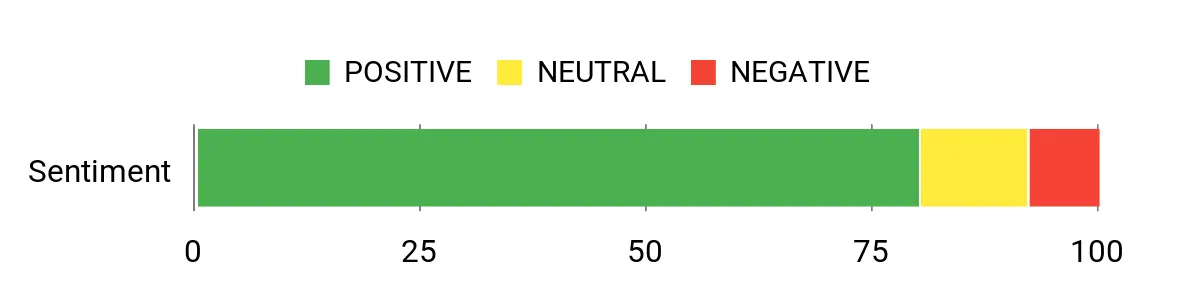
Feedback themes in the source material favor the setup speed, compact carry size, rain protection, and useful storage details. Recurring reservations involve stock stakes, guyline quality, and inconsistent seam finishing, so inspect and pitch the tent at home before a winter trip.
Key Benefits
- Aluminum poles provide a stronger starting point than basic fiberglass
- Two doors and two vestibules improve access and wet-gear storage
- Taped seams, fly coverage, guylines, and a raised floor support weather protection
- Ventilation openings help reduce condensation in cold conditions
- Compact enough for motorcycle trips and shorter backpacking routes
Check Product Details on Amazon
How to Choose an Affordable Tent for Mild Winter Camping
Start With the Conditions, Not the Season Label
A seller-listed four-season label does not automatically mean a tent is appropriate for blizzards, heavy snow accumulation, or exposed mountain wind. Look for documented pole structure, guy-out points, fly coverage, floor design, and any manufacturer-provided wind or snow testing. When those details are absent, limit the tent to mild conditions and sheltered sites.
Prefer Aluminum Poles for Repeated Cold-Weather Use
Aluminum poles generally offer a better strength-to-weight balance and are easier to repair in the field than low-cost fiberglass poles. Fiberglass can still work for occasional calm-weather trips, but it deserves more conservative site selection and careful handling in freezing temperatures.
Check Rainfly Coverage and the Floor
A bathtub-style floor, sealed or taped seams, and a fly that directs water away from the inner tent matter more than marketing language alone. Use a correctly sized footprint that does not extend beyond the tent floor, or rainwater may collect underneath.
Ventilation Is Essential in Winter
Closing every vent may feel warmer at first, but trapped moisture can wet the tent walls and sleeping bag. Keep high and low vents open enough to move humid air, avoid breathing into your sleeping bag, and keep wet clothing outside the sleeping area when possible.
Leave Space for the Winter Sleep System
Cold-weather sleeping bags and insulated pads take more room than summer gear. A two-person tent is often most comfortable for one winter camper plus equipment. Check floor length, width, and wall slope rather than relying only on the advertised person count.
Practice the Pitch Before the Trip
Set up the tent at home with gloves on. Confirm that every pole, stake, guyline, buckle, zipper, and fly attachment is present and functional. This also gives you a chance to add seam sealer, replace weak stakes, and learn how to tension the fly without creating contact points that encourage condensation transfer.
Quick Comparison
| Product Name | Image | Best For | Occupancy | Approx. Weight | Weather Notes |
|---|---|---|---|---|---|
|
CAMEL CROWN 2-Person Tent Check Amazon Details |
 |
Budget mild-winter car camping | 2 person | About 4.8 lb | Seller lists four-season use and a coated floor; fiberglass frame calls for conservative conditions |
|
UNP 2-Person Dome Tent Check Amazon Details |
 |
Simple setup in cool, wet conditions | 2 person variant | About 4.8 lb | Removable fly and seller-listed 1500 mm protection; verify selected size because parent data may vary |
|
Night Cat 1-Person Backpacking Tent Check Amazon Details |
 |
Solo backpacking and compact transport | 1 person | About 4.4 lb | Seller lists four-season use and waterproof coating; single-wall design requires condensation management |
|
Forceatt 2-Person Camping Tent Check Amazon Details |
 |
Best all-around mild-winter feature set | 2 person | About 5.7 lb | Aluminum poles, two vestibules, and taped-seam construction; listing water-rating fields are inconsistent |
FAQ
Are Low-Cost Tents Good for Winter Camping?
They can work for mild winter nights at sheltered campsites when the forecast is stable and the tent is properly pitched. Budget tents are a poor choice for deep snow, exposed alpine terrain, severe wind, or conditions where shelter failure could become life-threatening. Match the tent to the worst plausible weather, not the average forecast.
Does a Four-Season Label Guarantee Snow and Wind Performance?
No. A marketplace season label may be supplied by the seller and may not include independent wind or snow-load testing. Examine the exact pole structure, fly coverage, guy-out points, seam construction, and manufacturer documentation for the variant you are considering.
Which Tent Is the Best Overall Choice Here?
The Forceatt is the strongest all-around option in this group because it combines aluminum poles, two vestibules, two doors, ventilation, and a more weather-focused layout. It is still best reserved for mild winter and shoulder-season use unless the exact model has documented performance data for harsher conditions.
Which Tent Is Best for One Person?
The Night Cat is the most compact solo-focused option. It gives one camper enough room for essential gear without the extra bulk of a family tent, but its single-wall design requires careful ventilation to reduce condensation.
How Do You Stay Warm in a Budget Tent?
Use an insulated sleeping pad with enough cold-weather performance for the expected ground temperature, a sleeping bag rated conservatively for the forecast, dry base layers, warm headwear, and a sheltered campsite. The tent mainly blocks wind and precipitation; it does not replace an adequate sleep system.
Can You Use a Heater Inside These Tents?
Do not use open flames, charcoal appliances, or unvented fuel-burning heaters inside a tent. Follow the tent and heater manufacturers’ safety instructions, maintain required clearances, and use only equipment specifically designed and approved for the intended environment.
Final Recommendation
Choose the Forceatt when you want the best balance of frame material, storage, ventilation, and weather-focused design. Choose the Night Cat for solo travel and compact packing, the UNP for simple setup in cool wet conditions, or the CAMEL CROWN for occasional mild-winter car camping on the tightest budget.
Whichever tent you select, test-pitch it before the trip, upgrade weak stakes, carry a footprint and repair kit, and do not take a budget shelter into weather it was not demonstrably built to handle.
This roundup is reader-supported. When you click through affiliate links, we may earn a referral commission on qualifying purchases. Product specifications and marketplace listings can change, so confirm the current size, included components, and manufacturer guidance before ordering.