
Snow camping places very different demands on a shelter than ordinary warm-weather camping. Wind, drifting snow, condensation, frozen ground and bulky winter gear all affect how comfortable—and how safe—your campsite will be.
This guide focuses on four shelters that genuinely fit snow-camping buyer intent: three stove-ready hot tents for heated basecamps and one lightweight tunnel tent for winter backpacking. Use the comparisons below to match the tent to your expected snowfall, transport method, stove setup and sleeping arrangement.
Affiliate disclosure:. As an Amazon Associate I earn from qualifying purchases. This roundup is reader-supported. When you click an Amazon link, we may earn a referral commission from qualifying purchases at no additional cost to you.
Quick Verdict
- Best Overall Hot Tent: OneTigris TEGIMEN for hammock campers and flexible winter basecamp layouts.
- Best Compact Cabin Hot Tent: POMOLY CHALET 70 Pro for one or two campers who want a structured stove-ready shelter.
- Best Large Hammock Hot Tent: REDCAMP Large Hammock Hot Tent for campers who prioritize standing room, ventilation and flexible interior arrangements.
- Best Lightweight Winter Backpacking Tent: Naturehike Opalus UL for below-tree-line trips where low weight matters more than stove compatibility.
Important: A “four-season” label does not guarantee expedition-level snow-load performance. Check the forecast, pitch every guyline, clear accumulating snow and use a purpose-built mountaineering shelter for exposed alpine conditions or severe storms.
Top Picks
|
Category |
Product |
Best For |
Important Limitation |
|---|---|---|---|
|
🏆 Best Overall Hot Tent |
Hammocks, cots and flexible heated basecamps |
Support poles are not included |
|
|
🔥 Best Compact Cabin Hot Tent |
Solo campers or compact two-person stove setups |
Space becomes tight after adding a stove and winter gear |
|
|
🏕️ Best Large Hammock Hot Tent |
Roomy hammock, cot and basecamp arrangements |
Standard configurations may not include poles |
|
|
🎒 Best Lightweight Winter Tent |
Below-tree-line winter backpacking and gear-conscious trips |
Not stove-compatible or intended for heavy expedition snow loads |
How We Picked These Snow Camping Tents
We compared the tents using published product specifications, winter-specific design features and the review themes supplied with the original article. We did not claim hands-on field testing.
The main criteria were:
- Winter suitability: Snow skirts, solid fabric coverage, guy-out points, wind resistance and snow-shedding shape.
- Stove compatibility: Purpose-built stove jacks, pipe-routing options, ventilation and floor protection.
- Published water resistance: Fly and floor ratings, seam construction and protection from wind-driven precipitation.
- Practical capacity: Usable sleeping space after accounting for a stove, safe clearances, wet gear and winter bedding.
- Transport and setup: Packed weight, whether poles are included, tree dependence and the complexity of pitching with cold hands.
- Condensation control: Vents, mesh panels, opposing doors and the ability to manage moisture without exposing the sleeping area to blowing snow.
Exact prices, retailer availability, star ratings and review totals are not included because they can change frequently. Check the live Amazon listing before purchasing.
Hot-Tent Safety Note
A stove jack does not make any stove setup automatically safe. Use only a tent stove and chimney configuration permitted by the tent and stove manufacturers. Maintain the required clearance from fabric, bedding and gear; use an ember-resistant mat, stable pipe supports and an appropriate spark arrestor.
Keep ventilation open and use a working carbon-monoxide alarm rated for the temperatures you expect. Never leave a burning stove unattended, and do not rely on a detector as a substitute for ventilation or supervision. Extinguish the stove before sleeping unless the manufacturers explicitly permit another procedure and a responsible adult remains awake to supervise it.
Clear snow from the shelter regularly. Even winter-marketed tents can deform or fail when heavy or wet snow accumulates.
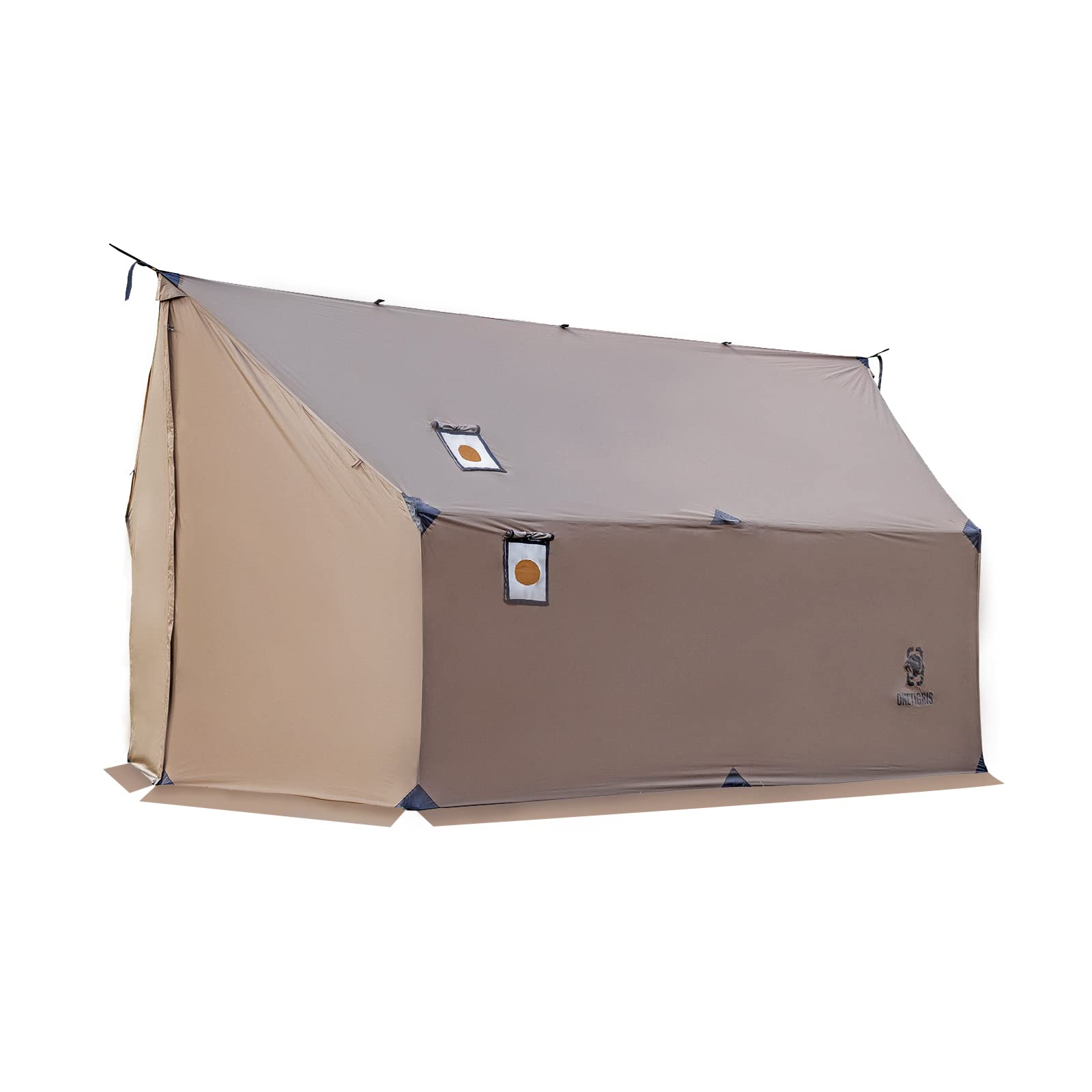
The OneTigris TEGIMEN solves a common problem for winter hammock campers: finding a shelter large enough to enclose the hammock, protect gear and accommodate a compatible tent stove. It can also be pitched as a wall-style shelter for cots or sleeping pads.
The published shelter dimensions are approximately 12.5 by 6.6 by 6.2 feet, while the listed packed weight is about 6.8 lb. That is relatively manageable for such a large shell, although the final carry weight increases after adding poles, a stove, chimney sections, anchors and winter bedding.
Two stove-jack positions provide flexibility for pipe routing, and the snow skirt helps limit drafts and blowing snow around the perimeter. The most important buying detail is that support poles are not included. You need appropriately spaced trees, separate tarp poles or a carefully planned natural-pole setup.
Who Should Buy This
Hammock campers, bushcraft-style basecamp users and campers who want a spacious stove-ready shell without carrying a heavy cabin tent.
Who Should Avoid This
Campers who need a freestanding shelter, included poles, a sealed bathtub floor or expedition-level protection from sustained heavy snow.
What People Say
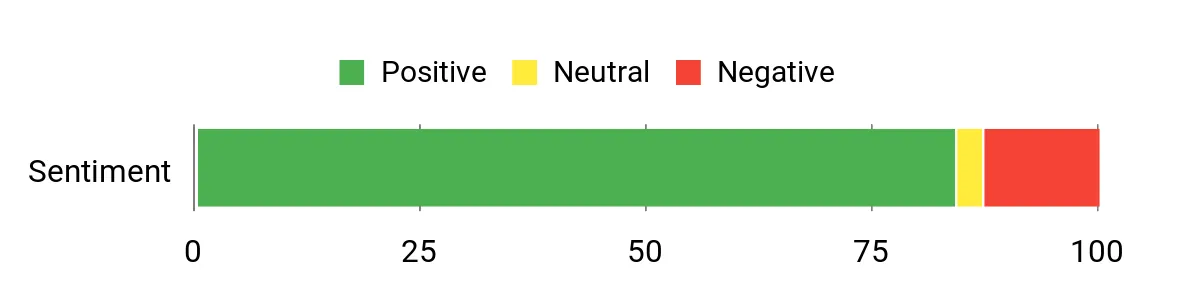
The supplied review summary emphasizes the shelter’s generous interior, stove compatibility and winter-oriented snow skirt. Common reservations involve the learning curve, the need to provide support poles and the importance of upgrading anchors for demanding conditions.
Review Snapshot: The source material summarizes buyer sentiment as positive. Retailer feedback changes over time, so check recent reviews for recurring durability or accessory concerns.
Seasonal Benefits
The stove jacks and perimeter skirt make this model most appealing for cold-weather basecamps. During milder trips, the large openings can improve airflow. It is still essential to ventilate during stove use and to remove snow or ice before its weight stresses the shelter.
Water Resistance
The shell has a published 3000 mm water-resistance rating. Correct tensioning, complete guying and careful chimney-port setup remain essential. Plan to use separate ground protection and an insulated sleep system on snow, and inspect seams before remote trips.
Key Benefits
- Two stove-jack positions provide more pipe-routing flexibility
- Snow skirt helps reduce drafts and wind-driven snow
- Large enough for a hammock, cots or a flexible group layout
- Approximately 6.8 lb before adding poles, stove equipment and winter accessories
- Published 3000 mm water-resistance rating
- Multiple stakes and guylines are included
Before You Buy: No support poles are included. Confirm your planned pitch method and verify the stove-jack dimensions against your chimney system.

The CHALET 70 Pro is designed for campers who want a more structured cabin layout than a pyramid or wall-style tarp. Its opposing doors make entry and ventilation easier, while the two-pole design creates a defined sleeping side and stove area.
Published specifications list an expanded size of approximately 8.2 by 6.56 by 4.9 feet, a weight of about 10.14 lb and capacity for two people with a wood-stove setup. That capacity is best treated as a maximum rather than a comfort guarantee. A solo camper will have much more room for a chair, fuel, wet clothing and safe stove clearances.
The integrated ember-protection section is a valuable feature, but it does not eliminate the need to follow the stove manufacturer’s clearance requirements. Sparks can also escape through an open door or damaged pipe joint, so carry additional protective material when appropriate.
Who Should Buy This
Solo winter campers and compact two-person teams who want a purpose-built cabin hot tent with poles and ember protection included.
Who Should Avoid This
Larger groups, tall campers who want full standing height and backpackers who need an ultralight shelter for long-distance travel.
What People Say
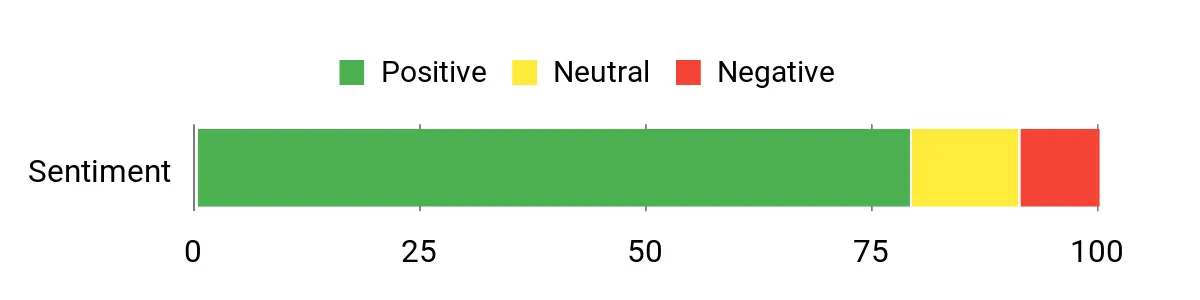
The source review summary highlights the stable cabin layout, stove compatibility and integrated protective floor section. The most useful caution is that the interior feels considerably smaller after a stove, chimney clearances and winter equipment are added.
Review Snapshot: The source material summarizes buyer sentiment as positive. Check the current listing for recent comments about included stakes, instructions and long-term seam performance.
Seasonal Benefits
This is the most conventional cabin-style hot tent in the final lineup. Its solid fabric, stove jack and compact floor plan suit cold basecamp trips, while the opposing fabric-and-mesh doors allow more airflow during spring and fall use.
Water Resistance
The tent uses 70D plaid ripstop polyester with a published 2500 mm rating and heat-taped seams. The side rain flaps help reduce water entry when opening a door, but the tent still needs a taut pitch and routine snow removal.
Key Benefits
- Purpose-built stove jack for compatible tent-stove systems
- Integrated ember-protection groundsheet section
- Published capacity of two people with a stove setup
- Two opposing doors for access and ventilation
- Two aluminum main poles are included
- Published 2500 mm water-resistance rating with heat-taped seams
Before You Buy: Plan the interior on paper before your trip. A stove, chimney clearance, fuel, sleep systems and wet gear can make the advertised two-person layout feel compact.
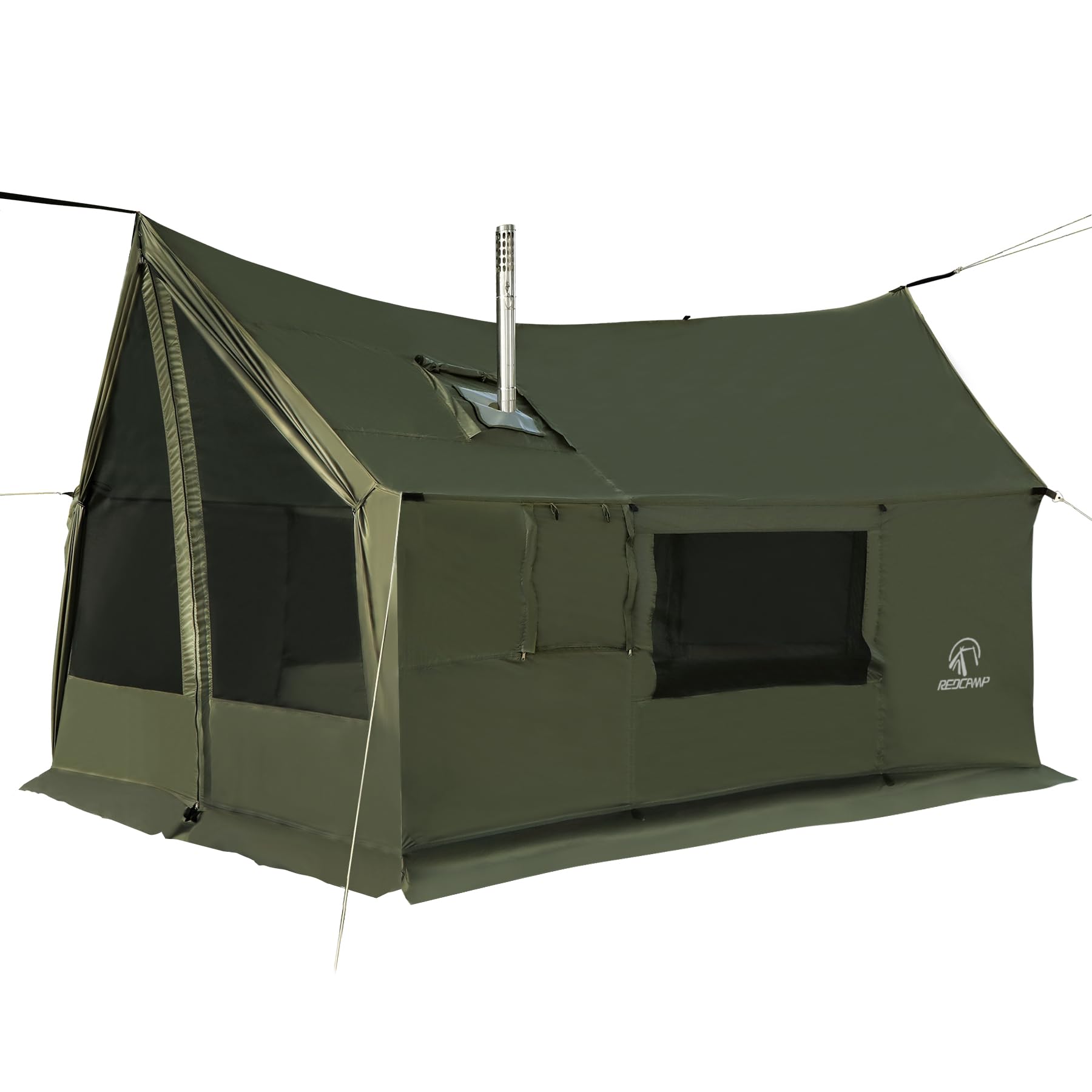
The REDCAMP is aimed at campers who want plenty of enclosed space without moving to a very heavy canvas or inflatable shelter. It can cover a hammock or create a wall-tent-style space for cots, a compatible stove and gear.
The manufacturer lists an approximate weight of 7.9 lb and dimensions of 11.8 by 6.6 by 6.2 feet. Although the listing advertises space for four to six occupants, practical sleeping capacity will be much lower when a stove, chimney clearances, winter bedding and equipment are inside.
The snow skirt and mesh panels increase seasonal flexibility. The skirt helps reduce drafts and blowing snow, while the mesh can improve ventilation in milder conditions. Material wording varies across current listings, so the safest description is 210T grid fabric with a published PU3000 mm rating.
Who Should Buy This
Hammock campers and vehicle-supported winter campers who want a large stove-compatible shell with more ventilation than a compact cabin tent.
Who Should Avoid This
Campers who need a sealed freestanding tent, an included sleeping floor or guaranteed support poles in the standard package.
What People Say
The supplied review summary emphasizes interior space, ventilation, stove compatibility and the usefulness of the snow skirt. Reported limitations include drafts around some openings, tightness with multiple large cots and occasional accessory-pack concerns.
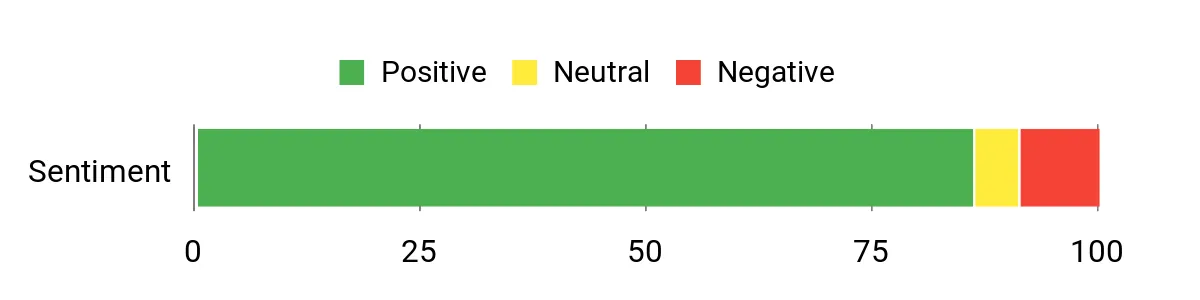
Review Snapshot: The source material summarizes buyer sentiment as positive. Confirm the latest package contents and recent durability feedback on the live product page.
Seasonal Benefits
The stove-pipe ports and snow skirt support winter basecamp use, while the mesh wall sections make the shelter less restrictive during spring and fall. Its large surface area also means careful guying is essential in wind.
Water Resistance
The manufacturer publishes a PU3000 mm rating. Because the shelter can be hung from trees or supported with separate tarp poles, water resistance depends heavily on pitch angle, tension and anchor placement. Inspect every opening and seam before relying on it in prolonged precipitation.
Key Benefits
- Large approximately 11.8-by-6.6-by-6.2-foot shelter area
- Stove-pipe ports for compatible winter heating systems
- Snow skirt helps limit drafts and wind-driven snow
- Mesh doors and windows provide adjustable ventilation
- Published weight of approximately 7.9 lb
- Can be pitched around a hammock or arranged as a wall-style shelter
Before You Buy: Check the exact variant’s package contents. The standard configuration may require separate tarp poles, and practical capacity with a burning stove is much lower than the maximum shelter occupancy.
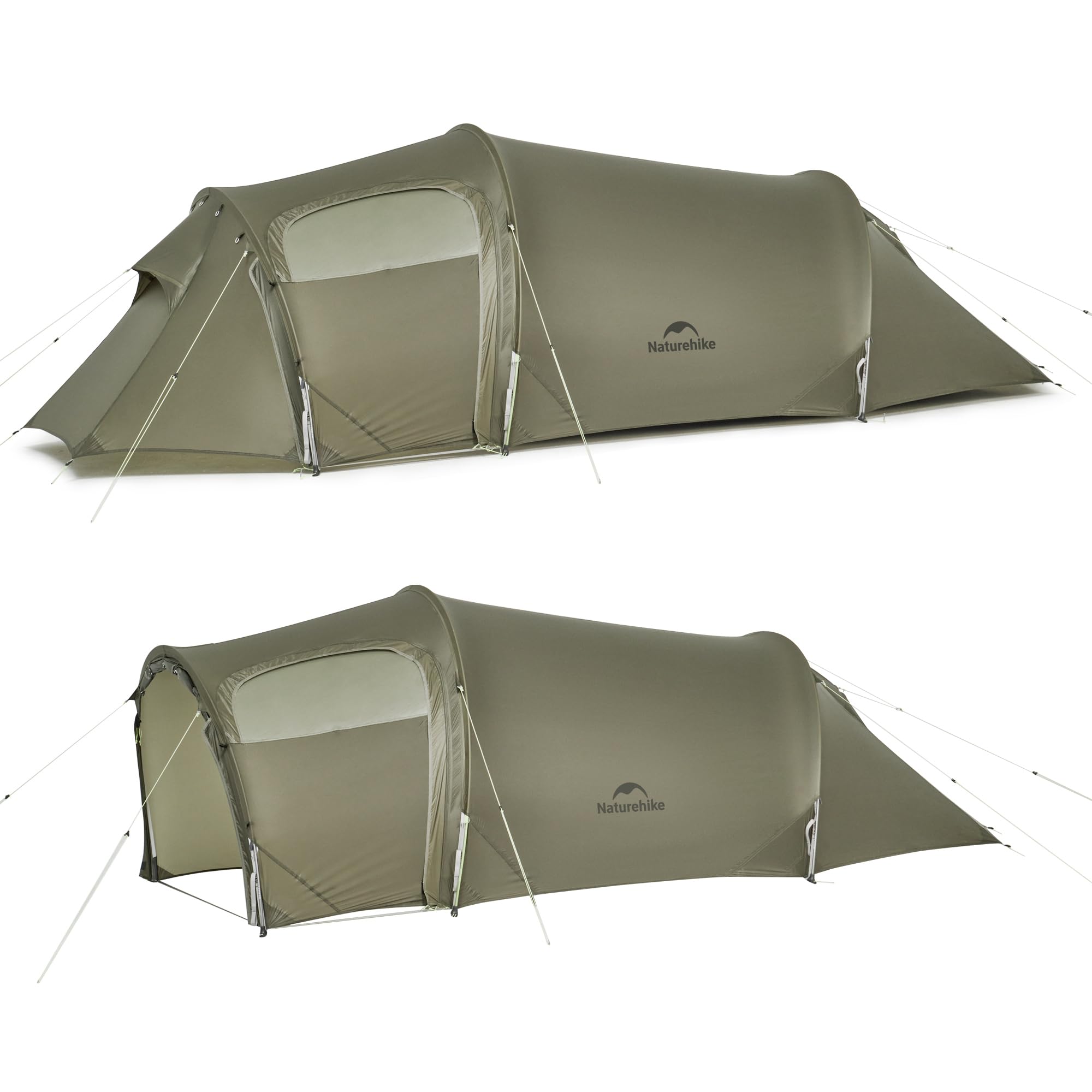
The Opalus UL is the only retained model intended primarily for backpackers rather than stove-heated basecamps. Its approximately 4.54 lb packed weight, double-wall construction and large vestibule make it easier to carry while still providing protected space for boots, packs and wet clothing.
The 15D fly has a published PU1500 mm+ rating, while the 20D floor is listed at PU3000 mm+. Front and rear ventilation help manage condensation, but the low-denier fabric requires more care around ice, branches, crampons and sharp equipment.
Season labeling is inconsistent across the current listing: the manufacturer and product description call it a four-season model, while one retailer specification field calls it three-season. For that reason, it is best presented as a lightweight shelter for moderate, managed winter trips below tree line—not a substitute for an expedition tent in heavy wet snow or extreme alpine wind.
Who Should Buy This
Backpackers who need a relatively light double-wall shelter for forecasted winter trips below tree line and value a large vestibule.
Who Should Avoid This
Hot-tent campers, exposed alpine users and anyone expecting prolonged heavy snowfall, severe wind or frequent contact with sharp winter equipment.
What People Say
The supplied review summary highlights the large vestibule, low packed weight and useful ventilation. Common cautions concern thin stakes, careful zipper use, a more involved tunnel-tent pitch and the absence of an included footprint.
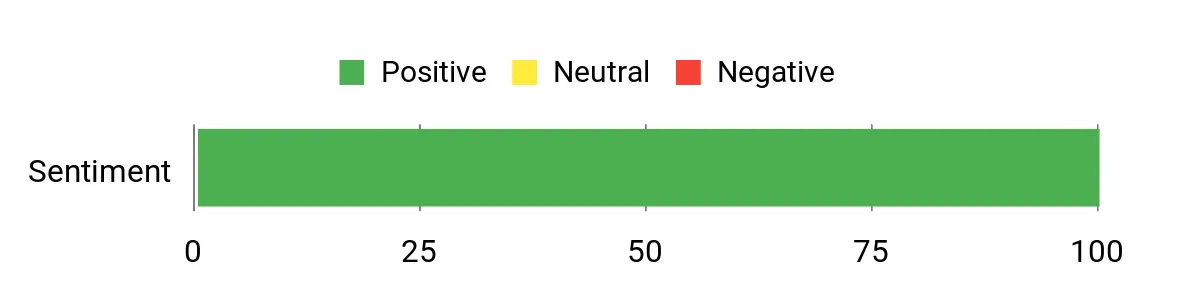
Review Snapshot: The source material summarizes buyer sentiment as positive, but the available sample is limited. Check recent reviews and verify the exact seasonal designation before purchasing.
Seasonal Benefits
The mostly solid inner and double-wall construction can feel less drafty than a highly meshed summer tent. The vestibule keeps wet equipment outside the sleeping compartment, while adjustable ventilation helps manage moisture during calmer weather.
Water Resistance
The published ratings are PU1500 mm+ for the fly and PU3000 mm+ for the floor. These specifications are appropriate for managed backpacking use when the fly is tensioned correctly, but the lightweight fabric should not be treated as a guarantee against prolonged severe weather or accumulating wet snow.
Key Benefits
- Approximately 4.54 lb packed weight for the two-person version
- Double-wall tunnel design with a large protected vestibule
- 15D silicone-coated nylon fly with a published PU1500 mm+ rating
- 20D floor with a published PU3000 mm+ rating
- Front and rear ventilation for condensation management
- Aluminum poles, stakes and guylines are included
Before You Buy: This tent has no stove jack. Upgrade the snow anchors if necessary, add a footprint and choose a stronger expedition shelter when the forecast includes heavy snow or severe exposed wind.
Before You Buy a Snow Camping Tent
- Define the conditions: A protected forest campsite in light snow is different from an exposed alpine camp during a storm.
- Decide whether you need a stove: Never cut a stove port into an ordinary tent unless the manufacturer explicitly provides an approved conversion method.
- Reduce the advertised occupancy: A stove, safe clearance, winter sleeping bags, fuel and wet gear consume substantial floor space.
- Check what is included: Some hammock hot tents require separate poles, a floor, a footprint or stronger snow anchors.
- Plan for frozen or soft ground: Standard summer stakes may not hold. Carry snow stakes or equipment suitable for deadman anchors.
- Expect condensation: A completely sealed tent can become damp inside. Use vents and keep wet gear in the vestibule when possible.
- Inspect the entire system at home: Practice pitching, stove placement, chimney routing and emergency shutdown before traveling.
FAQ
How Do I Choose the Right Tent for Snow Camping?
Start with the worst weather you reasonably expect rather than the average forecast. For exposed wind, prolonged snowfall or mountaineering, choose a purpose-built four-season or expedition shelter with strong poles, solid fabric coverage, numerous guy points and a shape that sheds snow.
For a vehicle-supported heated basecamp, a hot tent with a manufacturer-installed stove jack may be more comfortable. For backpacking below tree line in a stable forecast, a lighter double-wall tunnel tent can reduce pack weight, but it normally provides less reserve strength than an expedition dome.
Also compare packed weight, practical capacity, included poles, floor design, vestibule area and ventilation. The published occupancy should be reduced when a stove or substantial winter gear will be inside.
Is Every “Four-Season” Tent Suitable for Heavy Snow?
No. The term is not used consistently across every marketplace listing. Some four-season tents are designed mainly to reduce drafts and handle moderate winter weather, while expedition shelters use stronger multi-pole structures intended for severe wind and snow loading.
Check the manufacturer’s intended use, pole structure, guy-out points and snow-shedding geometry. When a listing provides no snow-load information, assume you must clear accumulating snow regularly and avoid conditions beyond the shelter’s documented use.
Can I Use a Wood Stove Inside a Hot Tent Safely?
A wood stove should only be used in a shelter with a purpose-built stove jack or a manufacturer-approved stove-port system. Follow the instructions for both the stove and tent, including chimney diameter, clearance, pipe support and floor protection.
Use an appropriate spark arrestor, keep combustible equipment away from the stove, ventilate continuously and operate a carbon-monoxide alarm rated for the expected temperatures. Keep an extinguishing method within reach and never leave the stove unattended.
Do not assume that an ember mat protects the entire tent. Escaping sparks, an unstable stove, a loose chimney connection or overheated fabric can still cause a fire.
How Much Space Do I Need Around a Tent Stove?
Use the clearance required by the stove and tent manufacturers rather than a generic distance. Allow additional room for loading fuel, opening the stove door and moving around without contacting hot metal.
A tent marketed for two people may be most comfortable for one person after adding a stove, chimney, fuel, chair and winter sleep system. Sketch the layout before buying and practice the complete setup at home.
How Do I Pitch a Tent in Deep Snow?
Choose a sheltered site away from avalanche paths, unstable branches and low areas where cold air or runoff may collect. Compact the snow platform and allow it to firm before pitching.
Use snow stakes or deadman anchors made by burying suitable anchors horizontally in compacted snow. Attach and tension every important guyline, engage the snow skirt correctly and recheck the pitch after the fabric cools or wind direction changes.
Clear snow from the roof before a heavy load develops. Keep a repair kit, spare cord and gloves that allow you to adjust frozen hardware.
How Do I Reduce Condensation Without Losing Too Much Heat?
Keep high and low vents partially open so moist air can escape. Avoid breathing directly into sleeping-bag insulation, store wet equipment in the vestibule and remove snow from clothing before entering.
A stove can dry gear while it is operating, but combustion also creates serious ventilation and carbon-monoxide concerns. Continue ventilating even when the interior feels warm.
Wrapping Up
The best snow camping tent depends on how you travel and how you plan to stay warm. The OneTigris TEGIMEN offers the most flexible hammock and hot-tent layout, while the POMOLY CHALET 70 Pro provides a more structured compact cabin with included poles and ember protection. The REDCAMP is the roomiest retained hot-tent shell, and the Naturehike Opalus UL is the better fit when packed weight matters and a stove is not part of the plan.
Whichever shelter you choose, match it to the forecast rather than relying on a marketing label. Practice the pitch, bring appropriate snow anchors, ventilate carefully and clear accumulated snow before it threatens the structure.
| Product | Image | Best Use | Published Weight | Published Water Resistance | Stove Compatibility | Important Limitation | Amazon |
|---|---|---|---|---|---|---|---|
| OneTigris TEGIMEN Hammock Hot Tent |
 |
Hammock camping and flexible heated basecamps | About 6.8 lb | 3000 mm shell rating | Two stove-jack positions | Poles are not included | Check Price |
| POMOLY CHALET 70 Pro |
 |
Compact cabin hot-tent setups | About 10.14 lb | 2500 mm with heat-taped seams | Stove jack and ember-protection section | Compact after adding a stove and gear | Check Price |
| REDCAMP Large Hammock Hot Tent |
 |
Large hammock, cot and basecamp layouts | About 7.9–8 lb | Published PU3000 mm rating | Stove-pipe ports | Verify whether poles are included | Check Price |
| Naturehike Opalus UL |
 |
Lightweight below-tree-line winter backpacking | About 4.54 lb | Fly PU1500 mm+; floor PU3000 mm+ | No stove jack | Conflicting season label; not for heavy expedition snow | Check Price |
This roundup is reader-supported. When you click through Amazon links, we may earn a referral commission on qualifying purchases. Product specifications and package contents can change, so verify the current listing and manufacturer instructions before buying or using a tent stove.