You need a shelter that remains dependable when cold wind, rain, or snow reaches camp. This guide compares seven four-season tents for winter hiking and camping, from compact solo shelters to roomy group basecamps.
You’ll find lighter options for long approaches, fast-pitching models for short winter days, and sturdier designs for more demanding conditions. Each recommendation also includes an honest limitation so you can match the tent to your route instead of relying on a four-season label alone.
Affiliate disclosure: As an Amazon Associate I earn from qualifying purchases. This does not affect the price you pay or how the products are evaluated.
Reviewed for relevance and accuracy: July 15, 2026
Quick Verdict
Best storm-oriented option: The GEERTOP 2P offers the most substantial cold-weather design in this lineup, including a double-wall structure and snow-oriented features.
Best for fast setup: The OneTigris Stella balances straightforward pitching, two-person capacity, and a manageable listed weight.
Best budget solo pick: The Camppal 1P suits solo campers who want a low-profile shelter without moving into premium expedition-tent pricing.
Top Picks
|
Category |
Product |
Best For |
|---|---|---|
|
🗻 Best Overall |
Storm-oriented winter trips and solo campers carrying extra gear |
|
|
🚀 Best for Fast Setup |
Short winter days, motorcycle travel, and quick overnight camps |
|
|
💰 Best Budget Solo |
Solo hikers who value a simple, low-profile shelter |
|
|
⭐ Best Value Two-Person |
Two campers or one camper who wants more interior room |
|
|
🎒 Best Compact Solo |
Bikepacking, motorcycle touring, and sheltered solo camps |
|
|
👨👩👧👦 Best Group Basecamp |
Family camps, group basecamps, and weight shared among hikers |
|
|
🏕️ Best Packable Two-Person Option |
Backpackers seeking a smaller packed shelter for two |
How We Chose These Tents
We compared the tents using published construction details, capacity, weather-protection features, carry considerations, ventilation, vestibule space, and setup complexity. We gave extra attention to designs that use full rainflies, bathtub floors, aluminum poles, useful guy points, and less mesh than a typical summer tent.
We did not treat the words four season as proof that a tent can handle every winter environment. A waterproof rating measures fabric resistance to water pressure, but it does not reveal pole strength, snow-load capacity, seam quality, or stability in extreme wind.
Winter safety note: Budget four-season tents should not automatically be trusted for exposed alpine terrain or conditions where shelter failure could become life-threatening.
Check the forecast, inspect every component, use all appropriate guy points, carry repair materials, and practice pitching the tent before your trip. Your sleeping bag, insulated pad, clothing, campsite, and judgment provide most of your warmth and safety.
Detailed Tent Reviews
The Camppal solves a common solo-camping problem: getting meaningful weather coverage without carrying a large two-person shelter. Its narrow A-frame shape presents less surface area to wind, while the long floor gives a solo sleeper space to stretch out.
It works best for one camper who packs carefully and prefers a simple shelter. The compact interior leaves little room for bulky winter gear, and ventilation requires attention when the fly is closed.
Best Uses
|
Situation |
How It Helps |
|---|---|
|
Solo Winter Overnights |
The low-profile structure provides a compact sleeping space without unnecessary interior volume. |
|
Bikepacking Trips |
The single-person format is easier to divide between limited luggage and essential cold-weather equipment. |
|
Wet Campsites |
The full fly and raised floor edge help protect the sleeping area when the tent is pitched and sealed correctly. |
How Easy It Is
|
Feature |
Ease Level |
|---|---|
|
Basic Pitching |
Easy after one practice setup |
|
Packing and Portability |
Easy for a solo shelter |
|
Condensation Management |
Requires regular vent adjustment |
Why You’ll Like It
- Long solo floor plan without the bulk of a group tent
- Low shape that is easier to position behind natural wind protection
- Full rainfly and bathtub-style floor for wet-weather coverage
Who should avoid it: Campers who need to store a large winter pack inside, regularly sit upright for long periods, or share the tent with another person.
The Stella is easier to manage when fading light and cold hands make a complicated pitch frustrating. Its freestanding frame simplifies positioning, while the double-wall design creates separation between the sleeping compartment and wet outer fly.
The listed weight is around 4.4 pounds, which is manageable for many short backpacking trips and especially practical for motorcycle or bike travel. Two adults with wide winter pads may find the interior cozy.
Best Uses
|
Situation |
How It Helps |
|---|---|
|
Short Winter Days |
The straightforward pole structure reduces the time spent organizing a complicated shelter at dusk. |
|
Motorcycle or Bike Touring |
The packed shelter is easier to carry than a large basecamp tent while still providing room for two. |
|
Solo Camper with Gear |
One camper gains enough interior room for a winter sleep system and selected equipment. |
Ease of Use
|
Feature |
Ease Level |
|---|---|
|
Pitching |
Easy after practicing the pole orientation |
|
Interior Organization |
Easy with built-in pockets and a lamp hanger |
|
Ventilation Control |
Moderate in still, humid weather |
Why You’ll Like It
- Freestanding design that simplifies positioning and setup
- Double-wall construction with a full outer fly
- Useful balance between two-person room and listed carry weight
Who should avoid it: Pairs using two wide sleeping pads or campers expecting independently certified expedition-level snow and wind performance.
The Clostnature gives two campers separate entry points and vestibules, which reduces the need to climb over sleeping partners or bring wet boots inside. It also works well as a roomy solo shelter when comfort matters more than carrying the lightest possible tent.
Amazon listings may combine several capacities, seasons, and colors on one page. Confirm that the selected option is the two-person four-season version before ordering.
Best Uses
|
Situation |
How It Helps |
|---|---|
|
Two-Person Weekend Trips |
Two doors make nighttime exits easier, while separate vestibules help organize footwear and packs. |
|
Roomy Solo Camping |
A solo camper gains space for a broad sleeping pad and selected gear without using a family tent. |
|
Wet Shoulder-Season Camps |
The full fly and raised floor help separate the sleeping compartment from rain and ground moisture. |
Ease of Use
|
Feature |
Ease Level |
|---|---|
|
Pitching |
Easy after identifying the pole intersections |
|
Entry and Exit |
Easy with two doors |
|
Backpack Carry |
Moderate because it is heavier than many three-season tents |
Why You’ll Like It
- Two doors and vestibules improve access and gear storage
- Comfortable choice for one camper who wants extra room
- Traditional freestanding layout that is familiar to many campers
Who should avoid it: Ultralight hikers, buyers who do not want to verify the selected listing variant, or mountaineers needing a specialized expedition shelter.
The Underwood provides a familiar freestanding shape for solo campers who do not want to rely on trekking poles for the main structure. Its vestibule creates a separate place for boots and selected equipment, which helps preserve sleeping space.
Its interior is narrow, and the exact specifications can vary between listing versions. Review the current dimensions, included components, and published waterproof rating before buying.
Best Uses
|
Situation |
How It Helps |
|---|---|
|
Solo Sheltered Camps |
The compact interior limits unused space while the full fly adds protection from cold rain and wind. |
|
Motorcycle Touring |
A one-person shelter is easier to fit beside riding gear than a bulky group tent. |
|
Small Campsites |
The narrow footprint fits more easily between trees or established tent pads. |
Ease of Use
|
Feature |
Ease Level |
|---|---|
|
Freestanding Setup |
Easy after practicing once |
|
Site Selection |
Easy because of the compact footprint |
|
Interior Gear Storage |
Limited; use the vestibule carefully |
Why You’ll Like It
- Freestanding dome shape that does not depend on trekking poles
- Compact footprint for narrow campsites
- Vestibule space for footwear and small equipment
Who should avoid it: Tall campers who need generous headroom, people with bulky sleep systems, or anyone who wants verified expedition-level structural performance.
The GEERTOP 4P addresses the space problem that groups face when winter sleeping bags, thick pads, boots, and extra clothing consume the interior. Its larger floor and higher ceiling are more comfortable for changing clothes and waiting out poor weather.
The tradeoff is weight. At roughly 9.1 pounds, it makes more sense for car-accessible winter camps, short approaches, pulk travel, or groups that divide the shelter components.
Best Uses
|
Situation |
How It Helps |
|---|---|
|
Group Basecamp |
The larger interior provides room for several winter sleep systems and clothing changes. |
|
Family Winter Camping |
Two doors reduce congestion when several campers enter or leave the shelter. |
|
Short Shared Approaches |
Several hikers can divide the tent body, fly, poles, and stakes between packs. |
Ease of Use
|
Feature |
Ease Level |
|---|---|
|
Two-Person Pitching |
Easy to moderate |
|
Solo Pitching |
Moderate in wind |
|
Long-Distance Carry |
Difficult for one hiker |
Why You’ll Like It
- More floor area and headroom for bulky winter equipment
- Two doors that simplify group entry and exit
- Published fly and floor ratings suited to wet camps when seams are maintained
Who should avoid it: Solo backpackers, ultralight hikers, or groups expecting to carry the entire shelter in one pack over long distances.
The GEERTOP 2P provides the most winter-focused feature set among the retained tents. Its snow skirt can help limit drifting snow and cold airflow around the fly, while the double-wall structure gives moisture more opportunity to collect away from the inner sleeping area.
It is heavier than a normal three-season backpacking tent and still requires careful staking, guying, and ventilation. Treat it as a budget storm-oriented shelter rather than a substitute for a professionally tested expedition tent.
Best Uses
|
Situation |
How It Helps |
|---|---|
|
Snowy Campsites |
The snow skirt and full-coverage fly offer more protection from drifting snow than mesh-heavy summer designs. |
|
Solo Camper with Winter Gear |
One camper gains room for bulky insulation, clothing, and selected equipment. |
|
Cold Rain and Wind |
Multiple guy points and a double-wall layout support a more secure pitch when every component is used correctly. |
Ease of Use
|
Feature |
Ease Level |
|---|---|
|
Initial Pitch |
Moderate |
|
Guy-Line Setup |
Requires care in winter weather |
|
Condensation Management |
Requires active vent adjustment |
Why You’ll Like It
- Snow-oriented features not found on most basic backpacking tents
- Room for two sleepers or one camper with substantial gear
- Multiple guy points for a more secure, properly tensioned pitch
Who should avoid it: Ultralight hikers, warm-weather campers who need maximum airflow, or mountaineers who require certified expedition equipment.
This GEERTOP option is aimed at hikers who want a two-person winter shelter without stepping up to the larger four-person model. The double-wall layout and vents support mixed cold-weather use, while the rectangular sleeping area is practical for two standard pads.
The word “ultralight” is part of the product positioning, but you should compare the current listed weight with other tents in your kit. Exact specifications may change between colors or listing variants.
Best Uses
|
Situation |
How It Helps |
|---|---|
|
Two-Person Backpacking |
The pack-oriented design offers more interior room than a solo tent without moving to group-shelter dimensions. |
|
Motorcycle or Canoe Travel |
The compact shelter format is easier to transport than a four-person winter tent. |
|
Solo Trips with Extra Equipment |
One camper can use the second sleeping area for insulated clothing and selected gear. |
Ease of Use
|
Feature |
Ease Level |
|---|---|
|
Pitching |
Moderate until the pole layout is familiar |
|
Packing |
Easy to moderate |
|
Ventilation Management |
Requires attention in wet, still weather |
Why You’ll Like It
- Two-person capacity in a more pack-oriented format
- Double-wall structure for cold rain and mixed winter conditions
- Ventilation openings that support moisture management
Who should avoid it: Buyers who need independently verified expedition performance or who have not confirmed the current weight, dimensions, and included accessories on the selected listing.
Before You Buy a Four-Season Tent
- Confirm the exact variant: Amazon pages may combine several colors, sizes, and season ratings.
- Check sleeping-pad width: Two standard pads may fit where two wide winter pads do not.
- Inspect the pole geometry: More crossing points generally create a more supported structure than a simple summer frame.
- Review guy points and stakes: Winter wind often requires more anchoring than the basic product photos show.
- Plan for condensation: Solid inner walls reduce drafts but make ventilation management more important.
- Match weight to the route: A comfortable basecamp tent can become exhausting on a long approach.
- Carry repair supplies: Include a pole sleeve, compatible patches, spare cord, and suitable winter stakes.
Pro tip: Pitch the complete tent at home, including every guy line, before taking it into winter weather.
FAQ
Do You Need a Four-Season Tent for Winter Hikes?
You need a four-season tent when your route may involve strong wind, exposed terrain, blowing snow, or meaningful snow accumulation. Stronger pole geometry, reduced mesh, a full fly, and additional guy points are more important in those conditions.
A well-built three-season tent may work for calm winter nights below the tree line, but it gives you less margin when the forecast changes. Match the shelter to the worst realistic conditions rather than the temperature alone.
Does a Four-Season Tent Keep You Warmer?
A four-season tent can reduce drafts and protect you from precipitation, but it is not an insulated room. Your sleeping bag, pad, clothing, food, hydration, and campsite selection determine most of your warmth.
A smaller solid-fabric interior may feel less drafty than a mesh-heavy summer tent. However, closing every vent can increase condensation and make insulation damp.
How Do You Reduce Condensation in a Four-Season Tent?
Keep available vents open, maintain space between the inner tent and fly, and place wet gear in the vestibule. Avoid breathing directly into your sleeping bag and brush snow from clothing before entering.
Choose a campsite away from open water and low depressions where cold, damp air settles. Tension the fly correctly so moisture can drain without touching the inner tent.
What Does a 3000 mm or 5000 mm Waterproof Rating Mean?
The number describes how much water pressure the fabric resisted during a hydrostatic-head test. A higher number can indicate stronger fabric-level resistance, but it does not guarantee that the complete tent will remain dry.
Seams, zippers, floor wear, fly tension, coating age, and campsite drainage can matter as much as the published fabric rating.
Can a Budget Four-Season Tent Handle Alpine Storms?
Not automatically. A retailer’s four-season label does not prove that a tent has passed independent wind or snow-load testing. Budget models can work for appropriate sheltered trips, but severe alpine use demands a larger safety margin.
For remote or exposed routes, choose equipment with documented structural testing, dependable replacement support, and a design used for that specific environment.
What Should You Check When Choosing a Winter Tent?
Compare capacity, sleeping-pad fit, pole geometry, guy points, inner-wall fabric, vestibule size, fly coverage, packed dimensions, and total weight. Also check whether the tent can be pitched while wearing gloves and whether replacement parts are available.
Do not choose only by the waterproof number. A stable structure, careful pitch, appropriate anchors, and good campsite selection are essential.
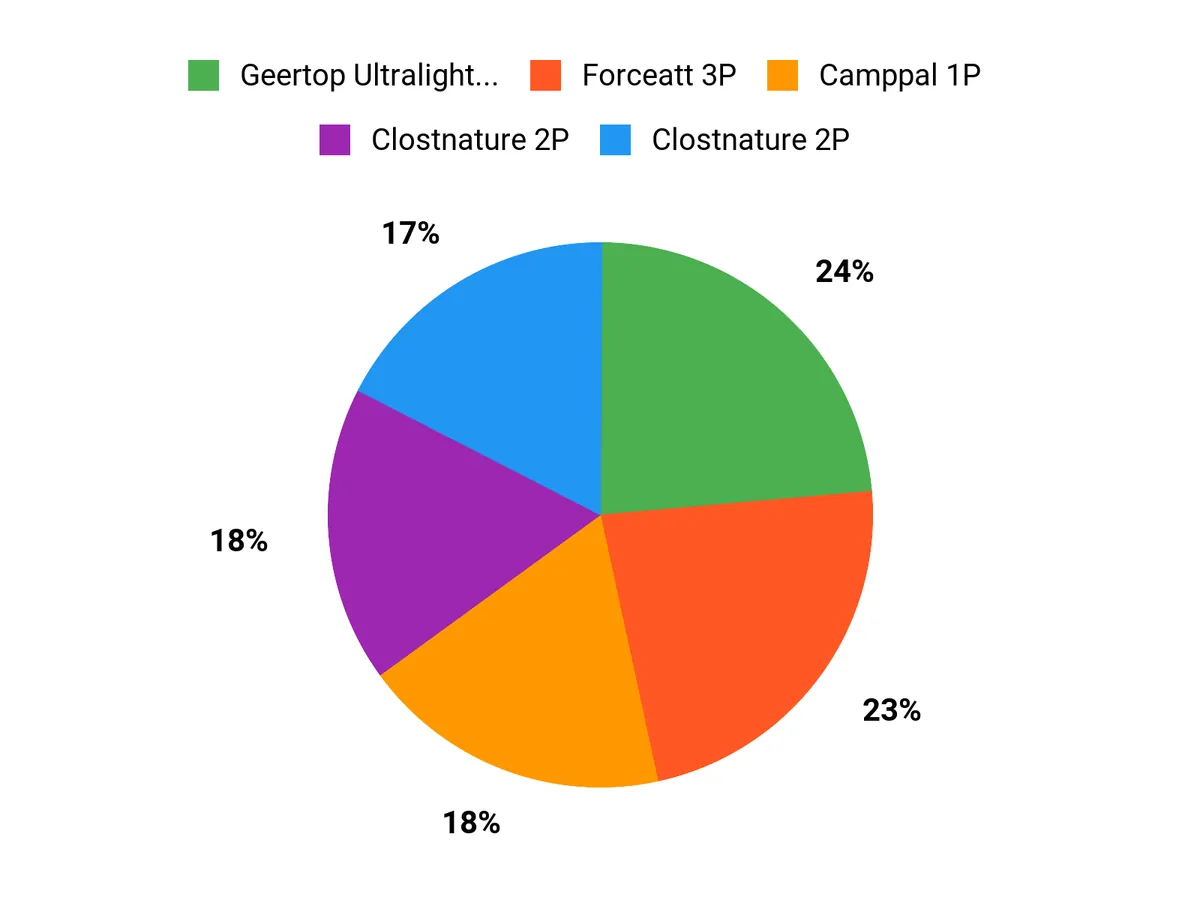
What Campers Prefer
Your best choice depends on which compromise matters least. The Camppal favors solo simplicity, the OneTigris Stella balances quick pitching with two-person capacity, and the Clostnature adds two doors and more gear-access flexibility.
The GEERTOP 2P is the more storm-oriented option, while the GEERTOP 4P prioritizes group comfort over carrying weight. The Underwood and packable GEERTOP model make more sense when storage space and transport are major concerns.
Wrapping Up
The GEERTOP 2P is the strongest overall match when you want snow-oriented features and do not mind carrying more weight. Choose the OneTigris Stella when fast pitching and manageable transport matter more, or the Camppal 1P when you need a simple solo shelter on a tighter budget.
The Clostnature 2P provides useful doors and vestibules for two campers, while the GEERTOP 4P is better treated as a shared group basecamp. Whichever model you choose, confirm the exact variant, practice the full pitch, and match the shelter to the forecast and terrain.
Four-Season Tent Comparison
| Product | Image | Best For | Capacity | Published Weather Details | Carry Consideration | Main Limitation | Amazon |
|---|---|---|---|---|---|---|---|
| Camppal 1 Person Tent |
 |
Budget solo winter trips | 1 person | Full fly and approximately 4000 mm listed water resistance | Compact solo format; confirm current listed weight | Narrow interior and limited gear room | Check Price |
| OneTigris Stella 2 Person Tent |
 |
Fast pitching and travel | 2 people | Double wall and 3000 mm listed waterproof rating | Approximately 4.4 lb or 2 kg listed | Cozy with two wide winter pads | Check Price |
| Clostnature 2 Person Tent |
 |
Two-door value and roomy solo use | 2 people | PU-coated fly and floor; four-season variant listed around 5000 mm | Approximately 6.6 lb for the manufacturer-listed two-person model | Listing combines several variants | Check Price |
| Underwood 1 Person Tent |
 |
Compact solo travel | 1 person | Full fly, raised floor, and PU-coated materials | Current listing should be checked for exact weight | Limited headroom and variant uncertainty | Check Price |
| GEERTOP 4 Person Tent |
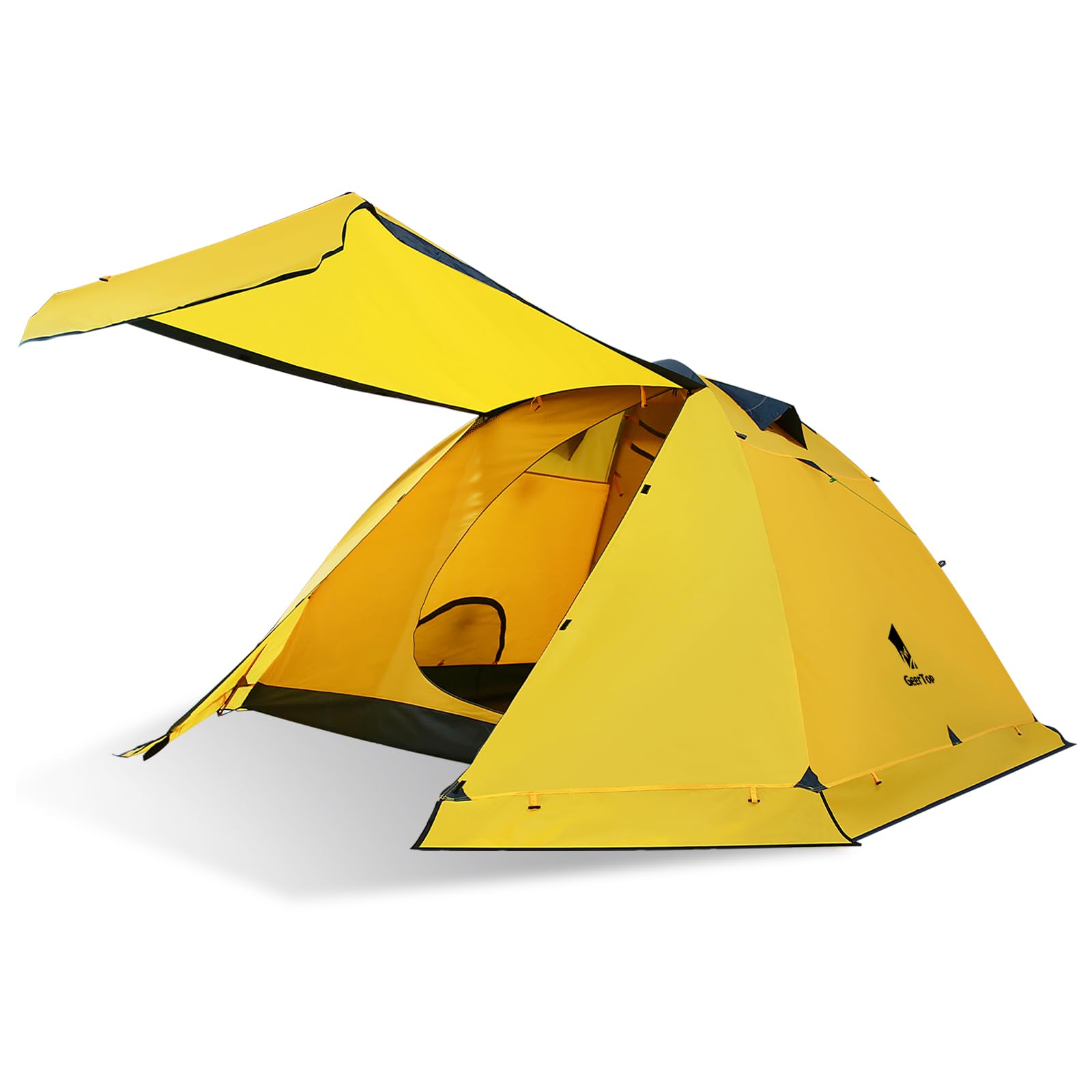 |
Family and group basecamp | 4 people | 3000 mm fly and 5000 mm floor listed | Approximately 9.1 lb or 4.15 kg | Too heavy for most solo hiking | Check Price |
| GEERTOP 2 Person 4 Season Tent |
 |
Storm-oriented winter camping | 2 people | Double wall, snow skirt, multiple guy points, and high-PU-rated coated fabric | Roughly 6.4 lb depending on variant | Heavy and not independently certified as expedition grade | Check Price |
| GEERTOP Ultralight 2P |
 |
Packable two-person winter shelter | 2 people | Double wall, PU-coated fly, aluminum poles, and vents | Confirm the current listed variant weight | Limited independently verifiable specifications | Check Price |