As an Amazon Associate I earn from qualifying purchases.
Stay warmer and better protected while you weld in cold weather. Winter work can make it harder to move, focus, and stay comfortable, while welding still exposes you to sparks, light spatter, heat, and abrasion. The right welding jacket helps you balance protection, warmth, and mobility without wearing bulky gear that gets in the way.
This guide focuses on leather and flame-resistant cotton welding jackets that make sense for winter shop work, outdoor repairs, garage projects, and fabrication jobs. Some picks are heavier leather jackets for stronger spark and wind protection, while others are lighter FR cotton layers that work well over a hoodie or thermal base layer.
Quick Verdict
Best overall: ARCCAPTAIN Leather Welding Jacket if you want the strongest mix of warmth, coverage, pockets, and daily shop durability.
Best heavy-duty leather option: YESWELDER Leather Welding Jacket if spark protection and long-wearing cowhide matter more than lightweight comfort.
Best lighter FR layer: ARCCAPTAIN 11oz FR Cotton Welding Jacket if you want easier movement and plan to layer underneath.
Best certified-style cotton option: YESWELDER FR Cotton Welding Jacket if you want a breathable FR cotton jacket with practical shop features.
Best lightweight pick: QeeLink Welding Jacket if you want a lighter FR cotton jacket for mobility, short jobs, and layering.
Top Picks
|
Category |
Product |
Best For |
|---|---|---|
|
🏆 Best Overall |
Warmth, coverage, and daily shop use |
|
|
⭐ Most Durable |
Heavy leather spark protection |
|
|
💰 Best Value |
Layering and everyday FR coverage |
|
|
🔒 Best Certified Safety Focus |
Breathable FR cotton shop wear |
|
|
🚀 Best Lightweight |
Mobility and light layering |
How We Chose These Jackets
You want a jacket that balances protection, warmth, and mobility. We focused on flame-resistant materials, leather or FR cotton construction, reinforced seams, reliable closures, collar and cuff coverage, pocket layout, care instructions, and whether the jacket has enough room to layer without restricting movement.
We also looked at practical buyer concerns such as weight, breathability, sizing, winter layering, and whether the product copy lists recognized FR standards. Because safety claims can vary by brand and listing, the recommendations below use careful wording and focus on matching each jacket to the right type of welding work.
Safety Note Before You Buy
A welding jacket is only one part of your PPE. Use the right welding helmet, gloves, sleeves or apron when needed, work boots, and respiratory or eye protection for your process. Leather and FR cotton can help reduce exposure to sparks and light spatter, but no jacket should be treated as protection against heavy molten metal, foundry hazards, grinder accidents, or every possible burn risk.
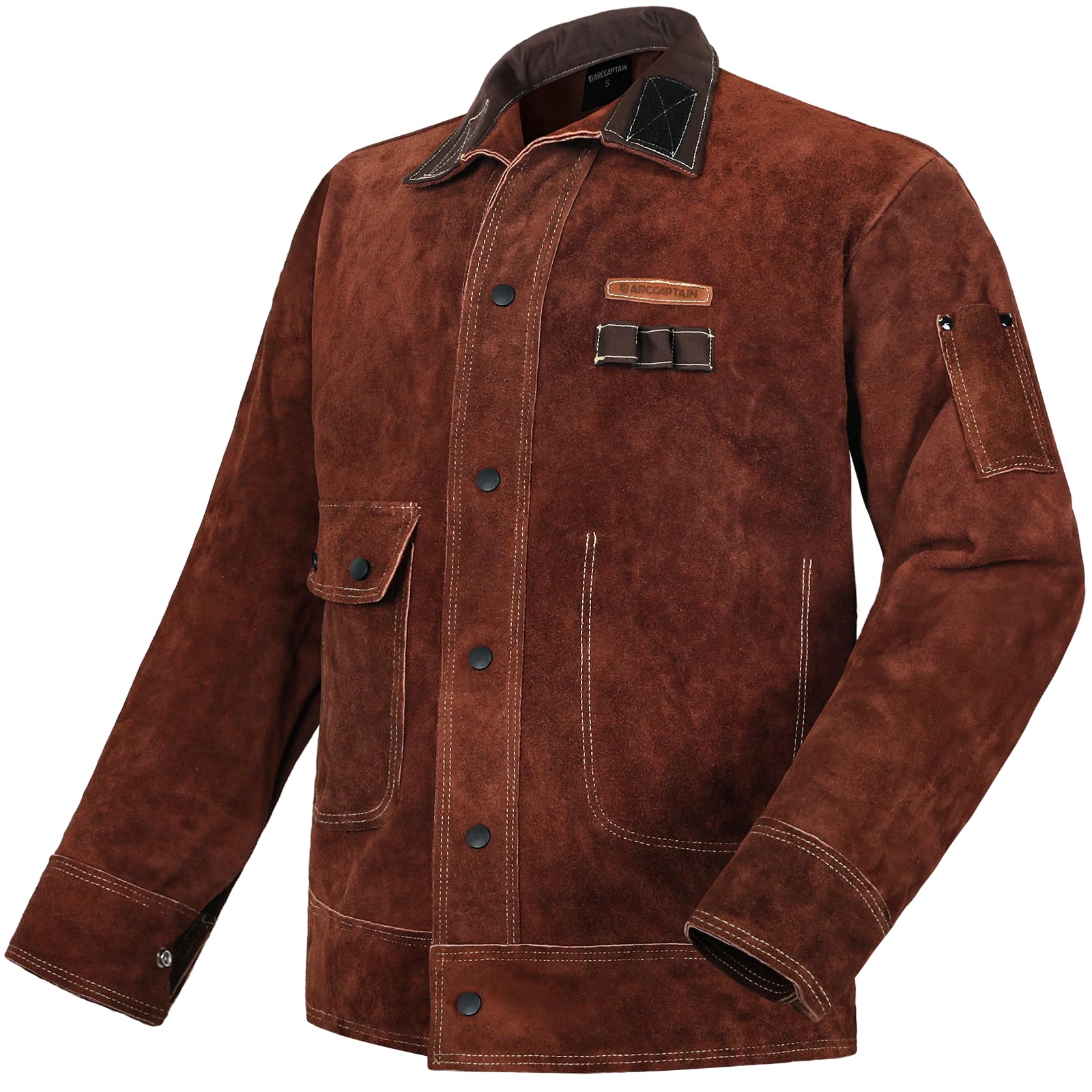
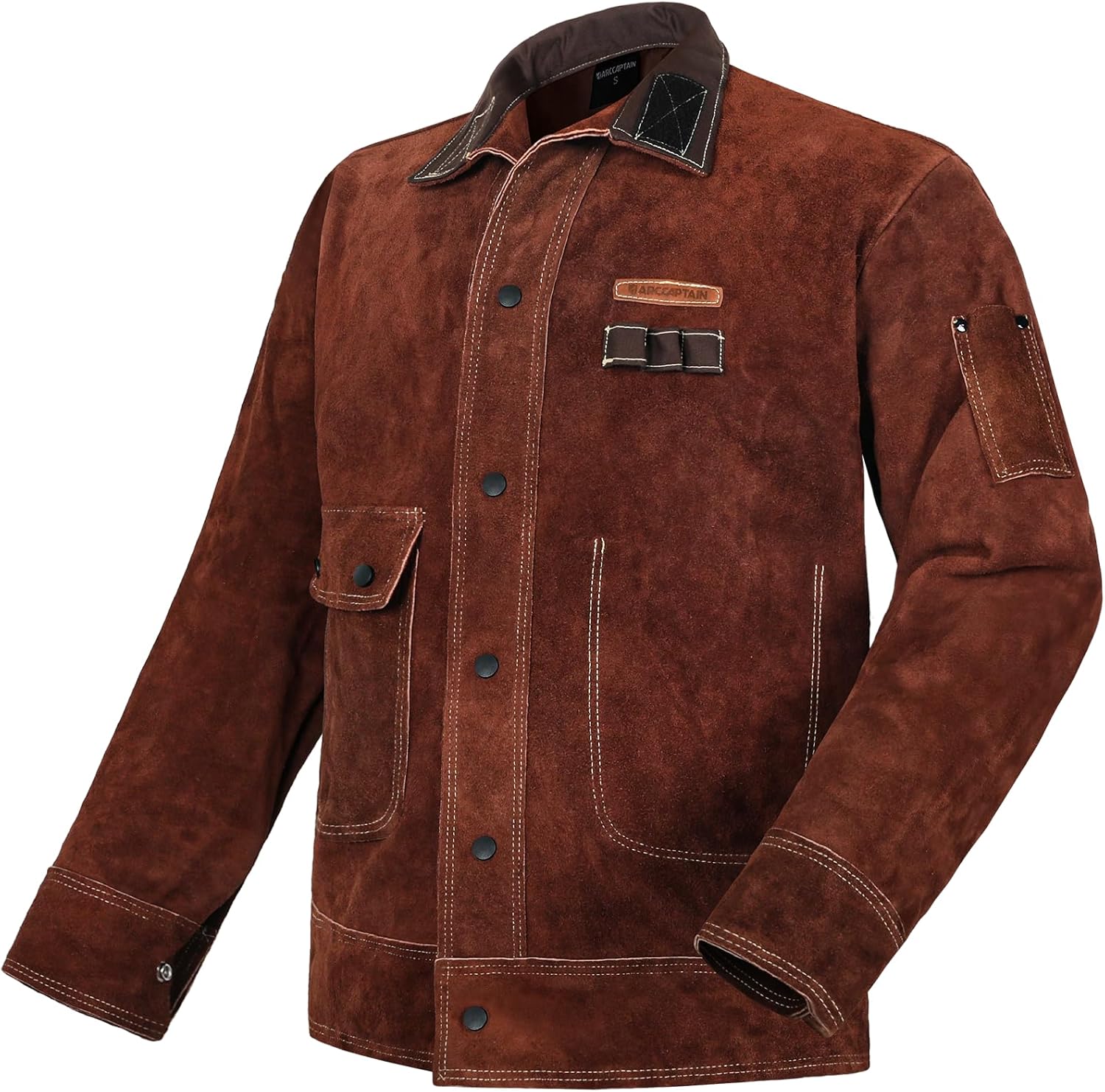
You get a rugged, work-ready jacket that feels built for winter shop use. The split cowhide shell gives stronger abrasion and spark resistance than a thin cotton layer, while the FR fabric and cotton lining help make it more comfortable during longer jobs.
The adjustable cuffs and stand-up collar help reduce exposed gaps, and the pocket layout gives you room for small tools, markers, or your phone. It is a good match if you weld, cut, grind, or fabricate in a garage, unheated shop, or cold outdoor setting where you want more coverage than a lightweight FR shirt.
What People Say
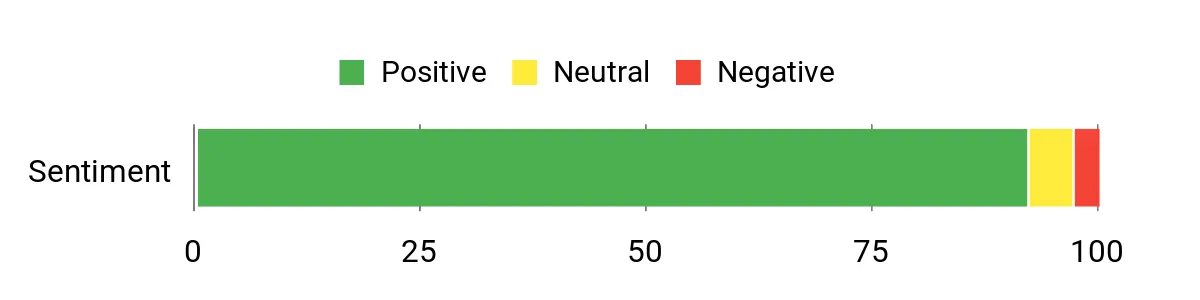
Buyer feedback in the source article is mostly positive. Common themes include sturdy construction, useful pockets, and a protective feel without the jacket being impossibly stiff. A few buyers may notice leather odor at first or find the sizing roomy, so checking the size chart matters if you plan to layer underneath.
Overall Sentiment: Positive
Safety Features
The listing describes a cowhide shell, 310g flame-resistant fabric, Kevlar double stitching, a cotton-lined stand-up collar, adjustable cuffs, and button closures designed to help reduce spark entry. These features make it a stronger choice for typical welding and fabrication exposure than everyday workwear.
Who Should Buy This
Choose this one if you want a warmer leather jacket for regular welding, cutting, grinding, or winter garage work. It makes the most sense when protection and durability matter more than having the lightest possible jacket.
Who Should Avoid This
Skip it if you need maximum breathability for hot indoor work, very high overhead mobility, or a jacket for extreme molten-metal exposure. A lighter FR cotton option may feel better if you mostly do short TIG jobs or light shop repairs.
Key Benefits
- Durable split cowhide construction for strong abrasion and spark resistance
- FR fabric and cotton lining for comfort during longer work sessions
- Reinforced Kevlar stitching for seam strength
- Multiple roomy pockets for small tools and personal items
- Adjustable cuffs and stand-up collar to help reduce spark entry
Check Product Details on Amazon

This YESWELDER jacket is a strong pick if you care most about rugged leather coverage. The split cowhide construction helps block wind, sparks, and light spatter better than thinner fabric layers, which makes it useful for colder garages, farm repairs, outdoor welding, and daily shop use.
The stand-up collar gives extra neck coverage, and the cotton lining helps reduce the harsh feel that some leather jackets can have. It is heavier than the cotton options, but that extra substance is part of why it works well for winter welding and rougher environments.
What People Say
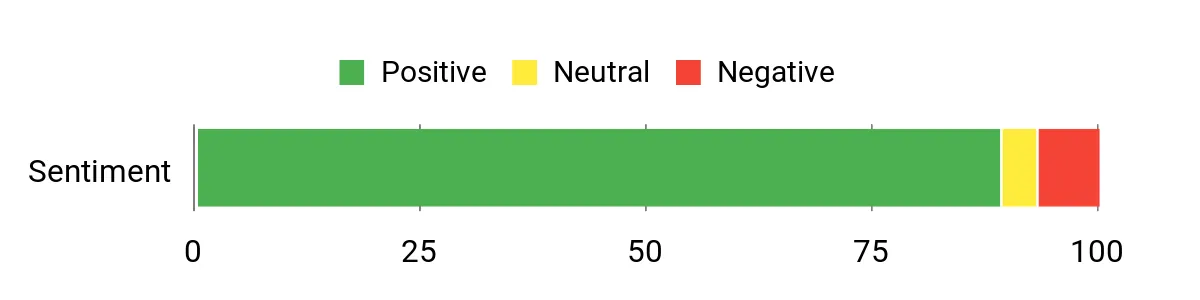
Buyer feedback in the source article leans positive, with frequent praise for protection, durability, leather thickness, and the comfortable lining. The common cautions are weight, initial leather smell, and sizing that may feel roomy depending on body shape and layering needs.
Overall Sentiment: Positive
Safety Features
The product copy describes split cowhide leather, a stand-up collar, soft cotton lining, Kevlar-thread stitching, and secure button closures. Together, these features help reduce exposure to sparks and slag during typical welding and fabrication tasks.
Who Should Buy This
Choose this jacket if you want durable leather protection for frequent shop work, outdoor repair jobs, or cold spaces where a lightweight cotton jacket may not feel warm enough.
Who Should Avoid This
Skip it if you need a very light jacket, work mostly in warm indoor spaces, or spend long periods reaching overhead. The heavier leather may feel tiring during high-mobility work.
Key Benefits
- Heavy-duty split cowhide leather for strong spark and abrasion resistance
- Stand-up collar for added neck coverage
- Soft cotton lining for better comfort during longer sessions
- Kevlar-thread stitching for seam durability
- Secure closures to help limit exposed gaps
- Useful pocket for small on-the-job items
Check Product Details on Amazon
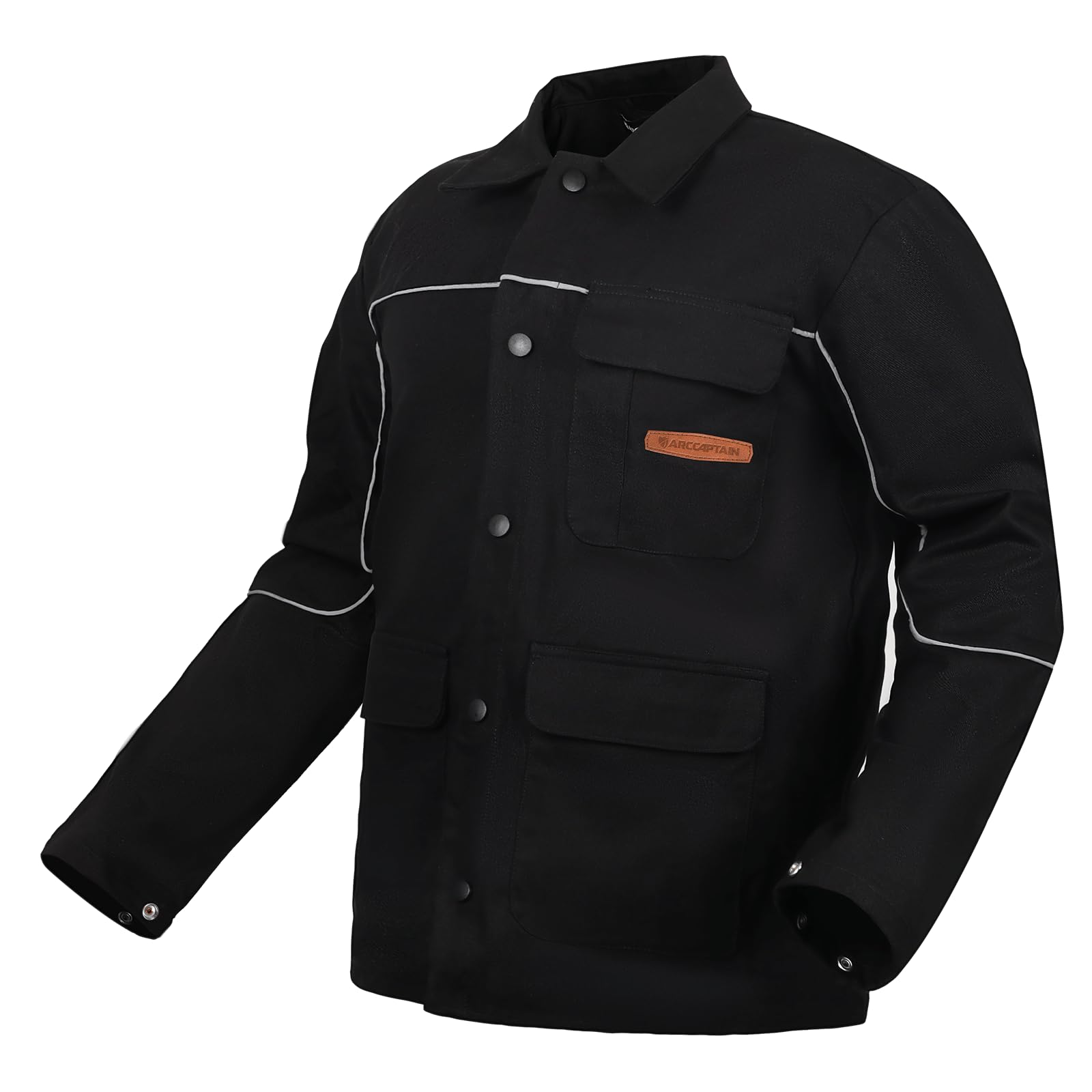
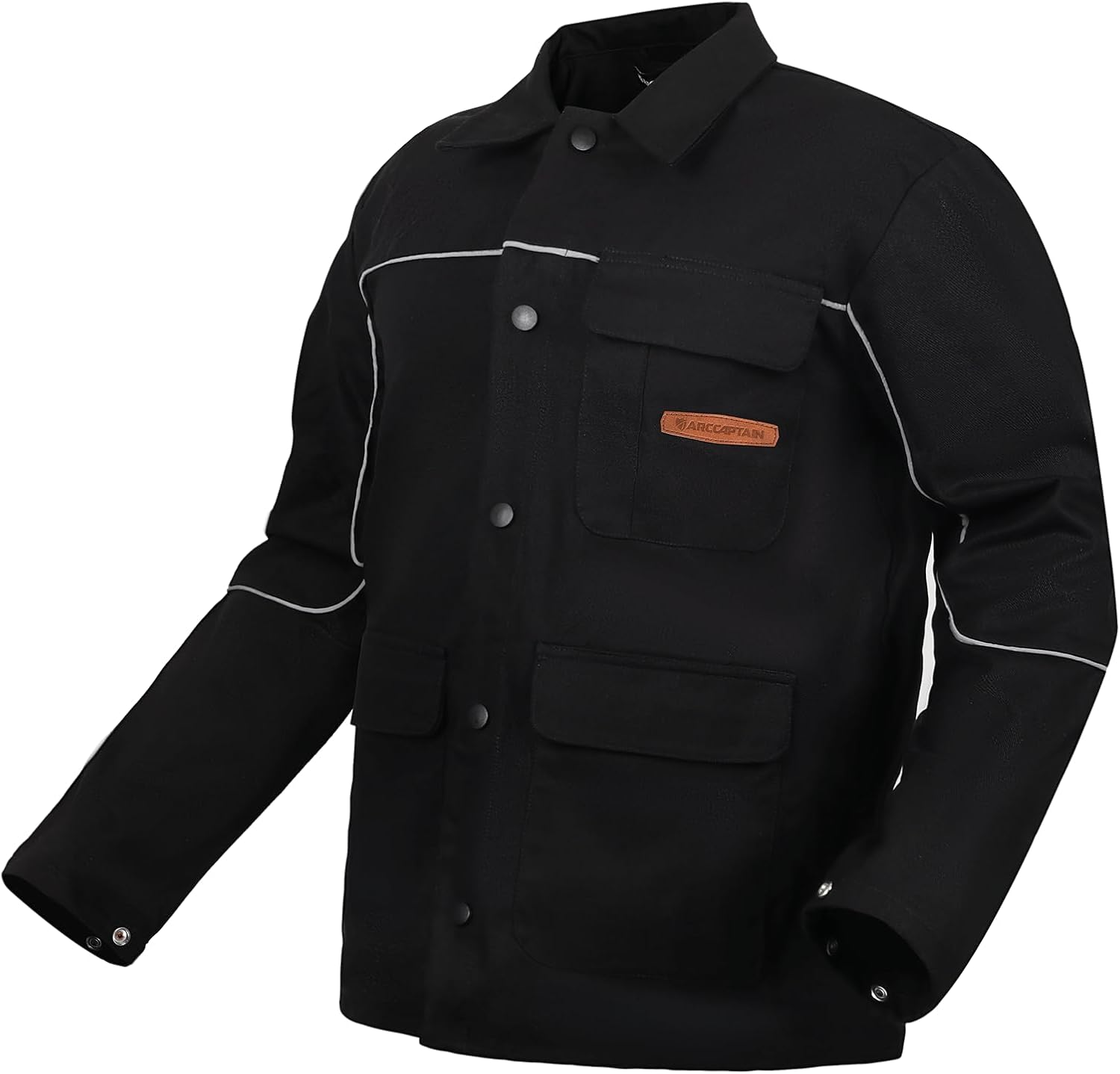
This ARCCAPTAIN cotton jacket is the more flexible choice if you want FR coverage without the weight of leather. The 11oz cotton fabric gives more substance than a thin work shirt, while the snap front and adjustable cuffs make it easy to put on over a base layer or hoodie.
It is a practical option for MIG, TIG, cutting, garage projects, and quick cold-weather repairs where mobility matters. It will not feel as warm or abrasion-resistant as leather, but it is easier to move in and better suited to welders who dislike heavy gear.
What People Say
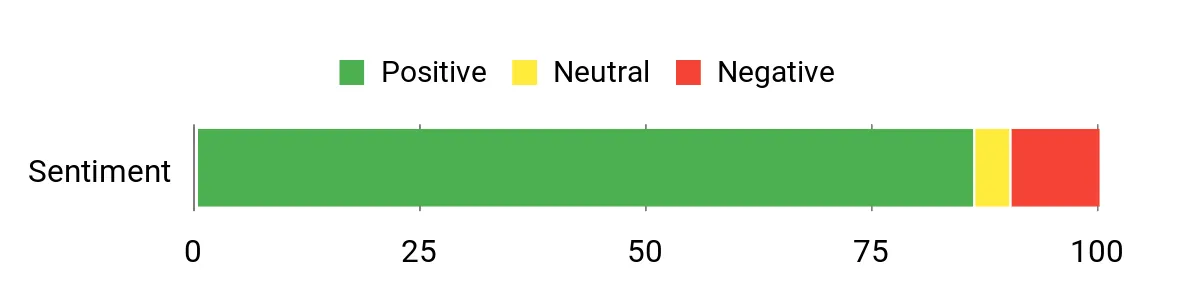
Buyer feedback in the source article is generally positive. People often mention the jacket’s sturdy snaps, useful pockets, and comfortable weight. A few concerns involve sizing, color fading, and isolated reports of spark damage, so it is best for normal welding exposure rather than heavy molten-metal hazards.
Overall Sentiment: Positive
Safety Features
The listing describes 11oz flame-resistant cotton, NFPA 2112 certification, reflective strips, adjustable cuffs, snap closures, and an inner pocket. The cuffs and front closure help reduce gaps where sparks can enter, while the lighter fabric supports better movement.
Who Should Buy This
Choose this jacket if you want a lower-bulk FR layer for regular shop use, light outdoor repairs, or winter work where you plan to add warmth with layers underneath.
Who Should Avoid This
Skip it if you need the strongest wind blocking, abrasion resistance, or heavy spatter protection. Leather is a better match for rougher winter welding conditions.
Key Benefits
- 11oz flame-resistant cotton for lighter spark resistance
- Listed NFPA 2112 certification for FR performance
- Snap-button closure that is easier to use with gloves
- Adjustable cuffs to help limit slag and spark entry
- Four pockets including an inner phone pocket
- Reflective strips for low-light visibility
Check Product Details on Amazon

This YESWELDER FR cotton jacket is a good fit when you want flame-resistant coverage without the weight of a full leather jacket. The 300g cotton construction gives it a more substantial feel than a basic work shirt while still staying breathable enough for longer shop tasks.
The stand-up collar helps protect your neck area, and the covered pockets give you useful storage without leaving everything exposed. For winter, it works best as a protective outer layer over a hoodie or thermal layer rather than as a fully insulated coat.
What People Say
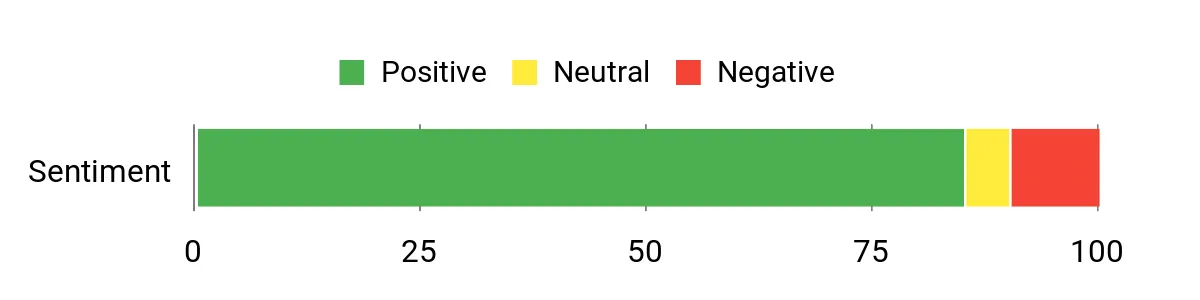
Buyer feedback in the source article is mostly positive, with users highlighting the protective feel, lighter weight, practical pockets, and listed certification. A small number of buyers raise sizing or durability concerns, so check measurements and match the jacket to your actual welding process.
Overall Sentiment: Positive
Safety Features
The listing describes 300g FR cotton, NFPA 2112 certification, a stand-up collar, covered chest and arm pockets, button closures, and adjustable cuffs. These details help reduce exposed openings while keeping the jacket practical for regular welding and fabrication work.
Who Should Buy This
Choose this one if you want a breathable FR cotton jacket for daily shop use, cold-weather layering, and jobs where you need easier movement than leather allows.
Who Should Avoid This
Skip it if you need maximum winter warmth, strong wind blocking, or heavy spatter protection. In those cases, one of the leather jackets is the safer choice.
Key Benefits
- 300g flame-resistant cotton for everyday spark and spatter resistance
- Listed NFPA 2112 certification for recognized FR performance
- Stand-up collar for extra neck coverage
- Covered chest and arm pockets for small tools and markers
- Button front and adjustable cuffs for layering and fit control
- Breathable design that helps reduce overheating during longer jobs
Check Product Details on Amazon

The QeeLink jacket is the lightest-feeling option in this lineup. It is best for welders who need basic FR coverage but do not want the bulk of leather or heavier cotton. The breathable 9 oz fabric makes it easier to move, bend, and work in tighter spaces.
For winter, think of it as a protective FR outer layer rather than a warm coat. It pairs best with a hoodie, thermal shirt, or fleece underneath when you are working in a cold garage or doing quick outdoor repairs.
What People Say
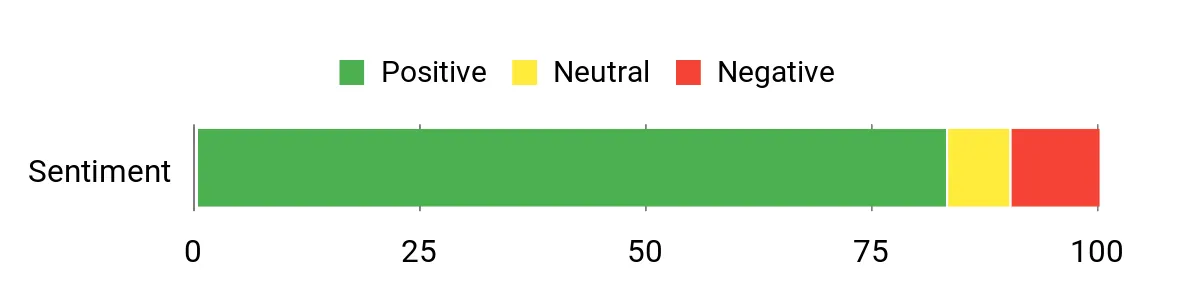
Buyer feedback in the source article is positive overall. People often like the lighter feel, pocket size, snaps, and easy movement. Sizing appears to be the main caution, and a small number of buyers mention performance concerns under heavier spark exposure.
Overall Sentiment: Positive
Safety Features
The listing describes flame-resistant cotton, anti-static treatment, stainless-steel snaps, adjustable cuffs, Kevlar thread at stress points, and a large built-in pocket. The design is useful for light sparks and shop debris, but it is not a substitute for heavier PPE when your work involves intense spatter or molten metal.
Who Should Buy This
Choose this jacket if you want a breathable, lightweight FR cotton layer for short welding jobs, fabrication tasks, or winter work where mobility is more important than heavy insulation.
Who Should Avoid This
Skip it if you regularly weld overhead, grind heavily, or need a jacket that blocks wind and cold on its own. A leather jacket will usually feel more protective in those conditions.
Key Benefits
- Lightweight FR cotton construction for easier movement
- Manufacturer-listed NFPA 2112 certification
- Anti-static treatment for added workplace practicality
- Adjustable snap cuffs to help reduce exposed gaps
- Stainless-steel snaps for secure fastening
- Kevlar thread at stress points for durability
- Large built-in pocket for gloves, markers, or small tools
Check Product Details on Amazon
Before You Buy
- Choose leather if you want stronger spark resistance, better wind blocking, and more warmth for cold shops or outdoor welding.
- Choose FR cotton if you want lighter weight, better breathability, and easier movement while layering underneath.
- Check fit over layers. Measure your chest, sleeve length, and shoulder room with the hoodie or base layer you plan to wear.
- Look for collar and cuff protection. A stand-up collar and adjustable cuffs help reduce places where sparks can enter.
- Inspect seams often. Replace or repair jackets with holes, deep burns, loose stitching, or damaged closures.
- Match the jacket to the process. Light TIG work, MIG welding, overhead welding, grinding, and heavy fabrication may require different levels of PPE.
FAQ
How Do I Choose The Right Welding Jacket For Winter?
Start with your welding process and work environment. Leather jackets are usually better for cold outdoor work, unheated shops, heavier sparks, and abrasion. FR cotton jackets are lighter and easier to move in, so they work well when you want to layer a hoodie or thermal shirt underneath.
Fit matters more than the size label. A jacket that is too tight can restrict reach, while one that is too loose can snag or leave gaps. Measure your chest, sleeve length, and shoulders, then compare those measurements with the product’s size chart before ordering.
Is Leather Or FR Cotton Better For Cold-Weather Welding?
Leather is usually better for warmth, wind resistance, and heavy-duty protection. It is also more abrasion-resistant, which helps during cutting, grinding, and rough fabrication work. The trade-off is that leather can feel heavier and less breathable.
FR cotton is better if you need mobility and plan to add warmth with layers. It is a smart choice for lighter shop work, quick repairs, and welders who do not want the weight of leather.
Will A Welding Jacket Keep Me Warm And Safe?
A welding jacket can help keep you warmer and reduce exposure to sparks and light spatter, but warmth and flame resistance are different. Insulation helps hold body heat, while FR materials are designed to resist ignition and reduce burn risk. You still need proper gloves, helmet, boots, and other PPE based on your work.
No jacket should be treated as guaranteed protection against molten metal, grinder accidents, or extreme heat. Match your gear to the hazard level of the job.
How Should I Layer Under A Welding Jacket In Winter?
Use non-melting base layers when possible and avoid synthetic fabrics that can melt against skin if exposed to heat. A cotton or wool base layer under a hoodie or sweatshirt can add warmth, but make sure the jacket still closes fully and does not restrict your arms.
If you need to layer heavily, consider sizing up only after checking the brand’s measurements. Too much bulk can reduce mobility and create safety issues.
How Do I Care For And Maintain A Welding Jacket?
Follow the manufacturer’s care instructions. Leather welding jackets are usually wiped clean, aired out, and stored in a dry ventilated space. FR cotton jackets may allow washing, but bleach, fabric softeners, and harsh detergents can affect flame-resistant performance.
Inspect your jacket often. Replace it if you see deep burns, large holes, melted areas, failed seams, or closures that no longer stay shut.
What Welders Prefer
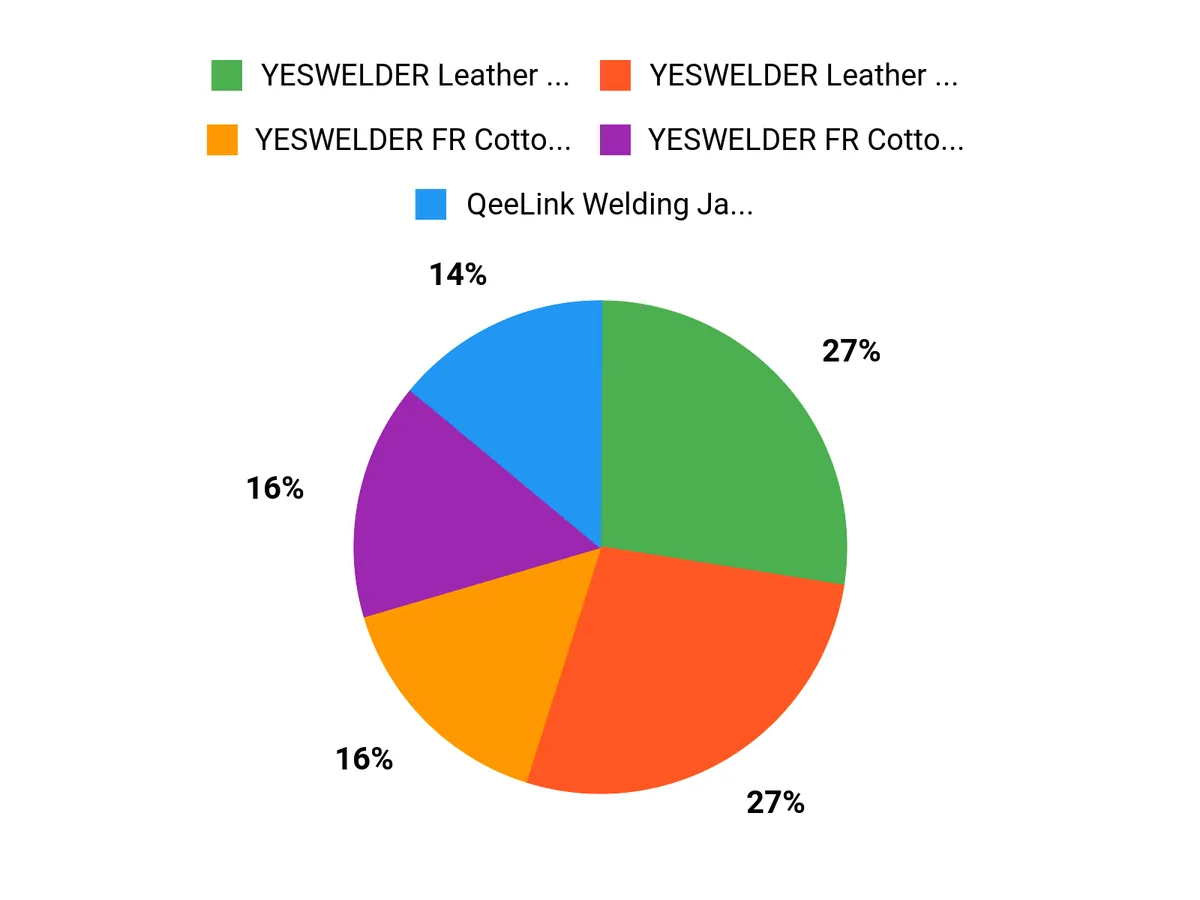
When comparing leather and FR cotton jackets, most welders are balancing protection, warmth, mobility, and comfort. Leather styles make the most sense when you want stronger spark resistance and cold-weather coverage. FR cotton styles make more sense when you want a lighter jacket that layers easily and does not feel as bulky during active shop work.
Wrapping Up
Pick the jacket that matches how and where you weld. If you work in a cold garage, outdoors, or around heavier sparks, the leather options offer the best mix of warmth, wind blocking, and durability. If you want a lighter jacket that you can wear over winter layers, the FR cotton picks are easier to move in and often more comfortable for long shop sessions.
Before buying, check the size chart, think about your base layers, and match the material to your welding process. With the right jacket, you can stay warmer, reduce spark exposure, and work more comfortably through cold-weather welding jobs.
| Product | Image | Best For | Fabric Type | Care Notes | Winter Use |
|---|---|---|---|---|---|
| ARCCAPTAIN Leather Welding Jacket, Heavy Duty |
 |
Best overall for warmth and shop durability | 100% cowhide and 310g FR fabric | Hang in a ventilated, dry place | Strong choice for cold shops and outdoor repairs |
| YESWELDER Leather Welding Jacket for Men Women |
 |
Most durable leather pick | Split cowhide leather | Follow leather care instructions | Good for wind, sparks, and heavier winter work |
| ARCCAPTAIN Welding Jacket, 11oz Flame Resistant Cotton |
 |
Best value for FR layering | FR cotton | Hand wash only per source table | Works well over a hoodie or thermal layer |
| YESWELDER Flame Resistant Cotton Welding Jacket |
 |
Best certified-style FR cotton option | FR cotton | Follow listing care guidance | Better for layered comfort than heavy insulation |
| QeeLink Welding Jacket – Premium Flame Resistant Cotton |
 |
Best lightweight pick | 100% FR cotton | Machine wash per source table | Best as a light FR outer layer over warm clothing |
This roundup is reader-supported. When you click through links, we may earn a referral commission on qualifying purchases.