You want a winter camping tent that blocks wind, manages rain or light snow, and remains practical to carry and pitch. This guide now focuses only on compact shelters that are marketed for four-season or cold-weather use and that make sense for backpacking, motorcycle camping, hunting, or sheltered winter campsites. These are budget-oriented tents rather than expedition mountaineering shelters, so match the tent to the forecast, elevation, wind exposure, and expected snow load.
Affiliate disclosure:. As an Amazon Associate I earn from qualifying purchases. This roundup is reader-supported. When you click an Amazon link, we may earn a referral commission on qualifying purchases at no additional cost to you.
Quick Verdict
Best Overall Solo Winter Pick: Camppal 1P for its low-profile mountain shape, aluminum pole, full rainfly, and listing-stated four-season design.
Best Budget Backpacking Pick: Night Cat Backpack for one camper who wants a compact, quick-pitch shelter for protected cold-weather campsites.
Best Two-Person Option: Forceatt 2P for campers who prioritize aluminum poles and vestibule storage, provided the current Amazon listing confirms the specifications you need.
Top Picks
|
Category |
Product |
Best For |
|---|---|---|
|
🏆 Best Overall Solo Winter Pick |
Solo backpacking, hunting, and sheltered cold-weather trips |
|
|
💰 Best Budget Backpacking |
One camper who values simple setup and compact packing |
|
|
🛡️ Best Two-Person Option |
Two campers who want vestibule storage and aluminum poles |
Cold-weather safety note: A “4-season” label does not automatically mean a tent is suitable for exposed alpine terrain, heavy snow loading, or severe storms. Review the current manufacturer specifications, practice pitching before the trip, monitor the forecast, and turn back when conditions exceed the shelter’s design.
How We Picked These Winter Tents
We prioritized product relevance first. A tent had to be presented as an all-season, four-season, mountain-style, or cold-weather-capable shelter rather than a warm-weather family cabin, beach tent, festival tent, or casual pop-up shelter.
We then compared structural shape, pole material, rainfly coverage, waterproofing claims, ventilation, packed practicality, setup difficulty, capacity, and gear-storage options. We also weighed honest limitations because a low-cost tent can be useful below treeline while still being inappropriate for high winds, deep snow, or technical mountaineering.
Best Winter Tents Reviewed
The Camppal 1P is the strongest match for a solo winter-tent roundup. Its low profile presents less surface area to wind than a tall family tent, while the single aluminum ridge pole, full rainfly, and vestibule support backpacking, hunting, and sheltered mountain use.
Why you’ll like it: It gives one camper a compact sleeping space with room outside the inner tent for boots or a small pack. The straightforward pole layout also makes it easier to pitch than more complex expedition tents.
Who should buy this: Solo campers who need a small four-season-style shelter for below-treeline winter trips, wet shoulder seasons, or cold-weather hunting camps.
Who should avoid this: Tall campers who want generous headroom, pairs who need shared space, and anyone planning exposed alpine camps, prolonged heavy snowfall, or severe wind.
What People Say
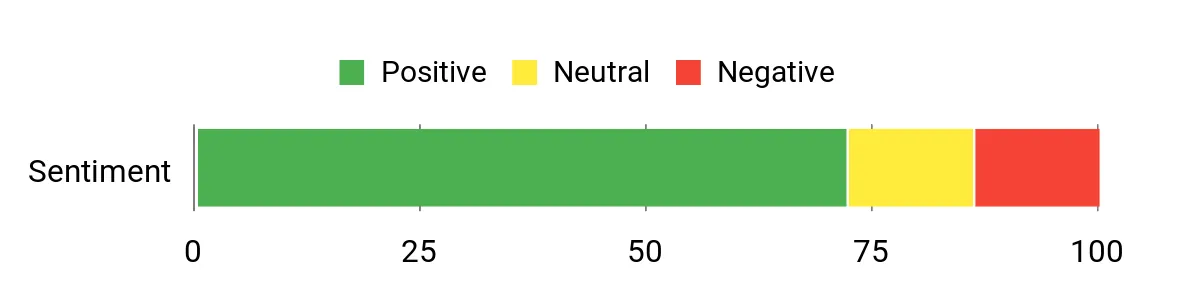
The supplied review summary emphasizes easy setup, compact packing, and good rain protection when the fly is tensioned correctly. It also notes that ventilation management matters because condensation can build in a small, enclosed shelter.
Overall Sentiment in the Supplied Summary: Positive
Ease Of Use
|
Feature |
Ease Level |
|---|---|
|
Setup |
Easy |
|
Packing |
Moderate |
|
Portability |
Easy |
|
Ventilation Management |
Moderate |
|
Interior Space |
Limited |
Where To Use
Use it for solo backpacking, hunting, motorcycle camping, and protected winter campsites below treeline. Pitch it on a well-drained site, tension the fly, use every appropriate guy point, and avoid locations where heavy snow accumulation or extreme gusts are likely.
Key Benefits
- Low-profile mountain shape is better suited to wind than tall cabin designs
- Aluminum ridge pole offers a more cold-weather-appropriate structure than basic fiberglass-only frames
- Full rainfly and vestibule help separate wet gear from the sleeping area
- Compact one-person design is practical for backpacking and hunting
- Simple pitch reduces setup time when temperatures drop
Check Current Amazon Availability
The Night Cat Backpack is a practical budget option for one camper who wants a compact shelter and fast setup. Amazon identifies the model as a four-season tent, but its single-layer construction and fiberglass poles make it better suited to protected campsites and moderate cold-weather conditions than exposed winter storms.
Why you’ll like it: The tent packs small, pitches with two poles and sleeves, and provides enough room for one adult plus essential gear. It is an accessible step up from fair-weather beach or festival shelters.
Who should buy this: Budget-conscious solo campers, scouts, motorcycle campers, and short-trip backpackers who will camp below treeline in manageable forecasts.
Who should avoid this: Campers expecting heavy snow loading, severe wind, multi-day alpine exposure, or the condensation control of a double-wall winter tent.
What People Say
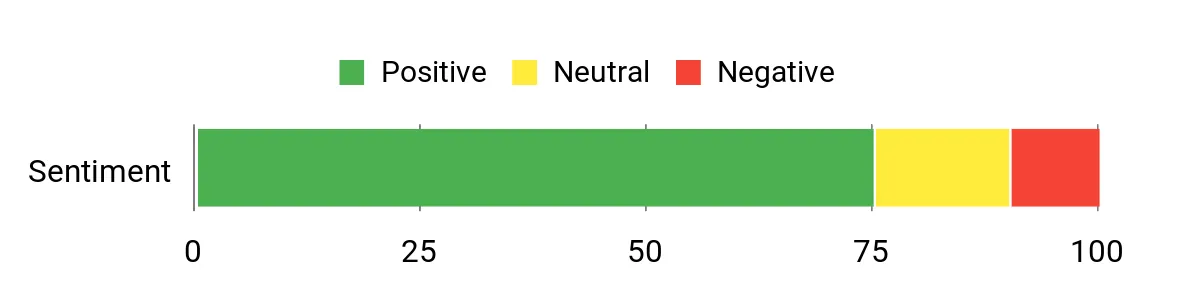
The supplied review summary highlights fast setup, compact packing, and rain protection for the price. It also identifies the light stakes and fiberglass poles as areas where careful pitching or upgraded accessories may improve stability.
Overall Sentiment in the Supplied Summary: Positive
Ease Of Use
|
Feature |
Ease Level |
|---|---|
|
Setup |
Easy |
|
Packing |
Moderate |
|
Zippers & Doors |
Moderate |
|
Stakes & Guy Lines |
Moderate |
|
Carrying Weight |
Easy |
Where To Use It
This tent fits backpacking trails, motorcycle trips, and sheltered late-fall or light-winter camps where compact weight matters. Use a footprint, replace weak stakes when necessary, and avoid treating the four-season label as an alpine-performance guarantee.
Key Benefits
- Fast one- to two-minute pole-and-sleeve setup
- Compact packed size for backpacking or motorcycle storage
- Listing-stated waterproof fabric and taped seams for wet conditions
- Room for one adult, a sleeping pad, and essential gear
- Lower-cost entry point for protected cold-weather camping
Check Current Amazon Availability
The Forceatt 2P is the roomiest remaining option and the only pick here aimed at two campers. The supplied article describes aluminum poles, a compact hexagonal shape, and dual vestibules, which are useful for keeping wet boots and packs outside the sleeping area.
Why you’ll like it: Two vestibules improve gear organization, and the aluminum-pole layout is a more promising starting point for cold conditions than a tall cabin or instant pop-up design.
Who should buy this: Pairs, solo campers who want extra room, and motorcycle campers who value vestibule storage and a compact packed format.
Who should avoid this: Buyers who cannot confirm the current listing’s waterproofing, season rating, pole configuration, and included components, or anyone planning technical alpine winter use.
What People Say
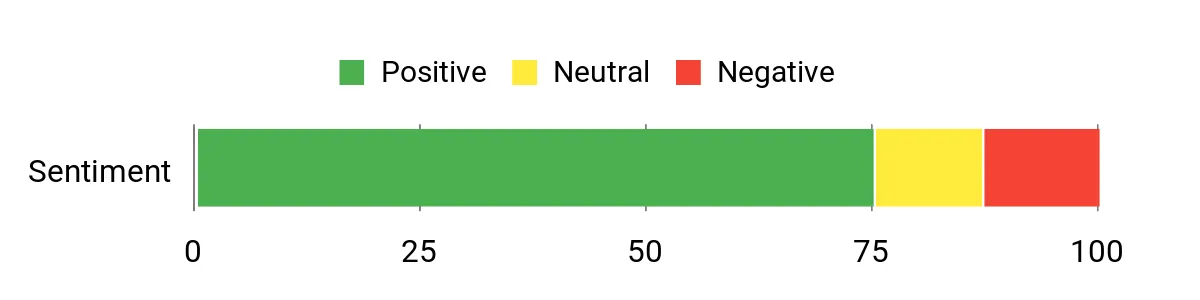
The supplied review summary emphasizes a sturdy layout, compact packing, and useful vestibules. It also recommends checking seams, tensioning the fly correctly, and considering upgraded stakes or seam sealing for longer-term weather protection.
Overall Sentiment in the Supplied Summary: Positive
Ease Of Use
|
Feature |
Ease Level |
|---|---|
|
Setup |
Easy |
|
Packing |
Moderate |
|
Portability |
Easy |
|
Weather Preparation |
Requires Verification |
|
Storage (Vestibules) |
Easy |
Where To Use
Use it for motorcycle trips, two-person car-accessible camps, and short backpacking routes in protected terrain after confirming the current specifications. Do not rely on it for extreme alpine storms or substantial snow loading without manufacturer documentation supporting that use.
Key Benefits
- Two-person capacity provides more sleeping and changing room
- Dual vestibules keep wet gear outside the main sleeping area
- Aluminum poles are generally preferable to basic fiberglass for cold-weather durability
- Compact shape is better suited to wind than a tall family cabin
- Useful option when two campers need a budget-oriented all-season shelter
Verify Current Specs on Amazon
How to Choose a Winter Camping Tent
Season Label Versus Real Structure
Do not judge a winter tent by the season label alone. Look for a low, wind-shedding shape; sturdy poles; a fly that covers the shelter well; reinforced guy points; limited but controllable mesh; and a pitch that stays taut when wet or cold. A tall cabin, large unsupported panel, or instant pop-up frame may be convenient in summer but vulnerable in winter wind.
Snow, Wind, and Waterproofing
Waterproof ratings describe fabric resistance, not the tent’s full storm performance. Seam construction, fly coverage, floor design, pole geometry, guyline placement, and setup quality also matter. For snow, check whether the manufacturer publishes a snow-load or winter-use statement; do not assume a rainproof tent can safely support accumulating snow.
Ventilation and Condensation
Cold air does not eliminate condensation. Your breath and damp clothing add moisture inside the tent, so keep vents open enough to move humid air while preventing spindrift or rain from entering. Avoid pressing sleeping bags against wet tent walls, and store soaked gear in a vestibule when possible.
Capacity and Gear Storage
A one-person tent saves weight but can feel restrictive when winter clothing and equipment take up extra room. A two-person shelter gives solo campers more space, while pairs should check floor dimensions and vestibule area rather than relying only on the occupancy label.
Before You Buy Checklist
- Confirm the current season rating and intended use on the manufacturer or Amazon listing
- Check pole material, pole layout, rainfly coverage, and guy-out points
- Verify packed size and total carried weight for your trip style
- Compare floor dimensions with your sleeping pad and winter gear
- Review ventilation options and vestibule storage
- Carry appropriate stakes, guylines, a footprint, and a repair sleeve
- Use a sleeping bag and insulated pad rated for the expected temperature
FAQ
Which Winter Tent Should I Choose?
Choose the Camppal 1P when you want the strongest solo cold-weather fit, the Night Cat Backpack when budget and simple packing matter most, or the Forceatt 2P when two-person space and vestibules are the priority. Confirm the current product specifications before ordering, especially for the Forceatt model.
Does a Four-Season Tent Keep You Warm?
A tent mainly protects you from wind and precipitation; your sleeping bag, insulated pad, clothing, nutrition, and campsite selection provide most of your warmth. A smaller, less-mesh-heavy shelter may reduce drafts, but it is not a substitute for a temperature-appropriate sleep system.
Can These Tents Handle Heavy Snow?
Do not assume they can. None should be treated as an expedition shelter unless the current manufacturer documentation explicitly supports the expected snow load and wind conditions. Clear accumulating snow when safe, avoid exposed terrain, and change plans when the forecast exceeds the shelter’s capability.
How Do I Reduce Condensation?
Pitch the fly taut, keep available vents open, avoid bringing wet clothing into the sleeping area, and leave space between your sleeping bag and the tent wall. Condensation is common in cold weather, especially in compact or single-layer shelters.
What Maintenance Should I Do?
Dry the tent fully before storage, inspect seams and coatings, clean zippers, replace bent stakes or damaged guylines, and practice the complete pitch at home. Store the shelter loosely in a dry place rather than compressed for long periods.
Final Recommendation
Choose the Camppal 1P for the clearest solo winter-use match and a low-profile aluminum-pole design. Choose the Night Cat Backpack when you need a lower-cost compact shelter for protected sites. Choose the Forceatt 2P only after confirming the current listing details and when the extra capacity and vestibules solve your main packing problem.
For exposed alpine terrain, severe storms, or substantial snow loading, move beyond these budget picks and use a purpose-built mountaineering shelter with documented winter performance.
Quick Comparison
| Product Name | Image | Capacity | Structure | Best Use | Important Limitation |
|---|---|---|---|---|---|
| Camppal 1 Person Tent |
 |
1 Person | Low-profile mountain shape with aluminum ridge pole | Solo backpacking, hunting, and protected winter camps | Tight interior; not an expedition shelter |
| Night Cat Backpacking Tent for One |
 |
1 Person | Single-layer dome with fiberglass poles | Budget backpacking and sheltered cold-weather sites | Fiberglass frame and single-wall condensation |
| Forceatt Camping Tent (2 Person) |
 |
2 Person | Supplied article describes aluminum poles and dual vestibules | Pairs, motorcycle camping, and protected cold-weather trips | Current waterproofing and season specifications require verification |
Affiliate disclosure: This roundup is reader-supported. When you click through Amazon links, we may earn a referral commission on qualifying purchases.