ALPS Mountaineering makes tents for very different trips, from solo backpacking and humid-weather camping to family campgrounds and four-season basecamps. The right choice comes from matching season rating, capacity, ventilation, carry profile and structure to the conditions you actually expect.
This guide compares eight distinct models without treating every ALPS tent as a winter mountaineering shelter. The Tasmanian models are the four-season choices here; the Lynx, Zephyr and Ranger options are better suited to three-season backpacking or campground use.
Affiliate disclosure:. As an Amazon Associate I earn from qualifying purchases. This roundup is reader-supported. Qualifying Amazon links may earn the publisher a referral commission at no additional cost to the buyer.
Top Picks
|
Category |
Product |
Season |
|---|---|---|
|
Best Solo Backpacking |
3-Season |
|
|
Best Two-Person Value |
3-Season |
|
|
Best Family Car Camping |
3-Season |
|
|
Best Four-Season Option |
4-Season |
|
|
Best Cot-Friendly Solo Tent |
3-Season |
|
|
Best for Groups |
3-Season |
|
|
Best Roomy Four-Season Basecamp |
4-Season |
|
|
Best Ventilation |
3-Season |
Quick Verdict
Solo backpacking: Lynx 1. Two-person versatility: Lynx 2. Campground space: Lynx 4 or Lynx 6. Warm-weather airflow: Zephyr 3. Planned winter use: Tasmanian 2, or Tasmanian 3 when extra room matters more than packed weight.
Do not choose by capacity alone. A mesh-heavy three-season tent is not a substitute for a structure intended for cold, wind and snow.
How We Picked These Tents
We compared intended season, structure, pole material, rainfly coverage, floor protection, ventilation, doors, vestibules, realistic sleeping capacity, setup complexity and carry profile. Exact prices, Amazon ratings, review totals and availability are omitted because they change. Confirm the current variant, dimensions, included accessories and warranty terms before buying.
Safety note: A tent does not create warmth, and extra staking does not turn a three-season tent into a four-season shelter. Never operate a stove, grill or fuel-burning heater inside a standard tent; carbon monoxide, fire and oxygen-depletion hazards can be fatal.

Choose the Lynx 1 when you want a familiar, quick solo setup for normal three-season backpacking. The vestibule keeps wet footwear and a small pack outside the sleeping area, while the half-mesh body supports airflow. Its main limitations are a snug interior and no design provision for sustained snow loading or exposed winter storms.
Best for: Best Solo Backpacking Season: 3-season
Why you’ll like it:
- Simple freestanding pitch
- Useful vestibule and storage pockets
- Good three-season ventilation
- Compact solo footprint
Who should avoid it: Heavy snow, high-alpine exposure or sleepers who need generous interior room.
Check Current Amazon Availability

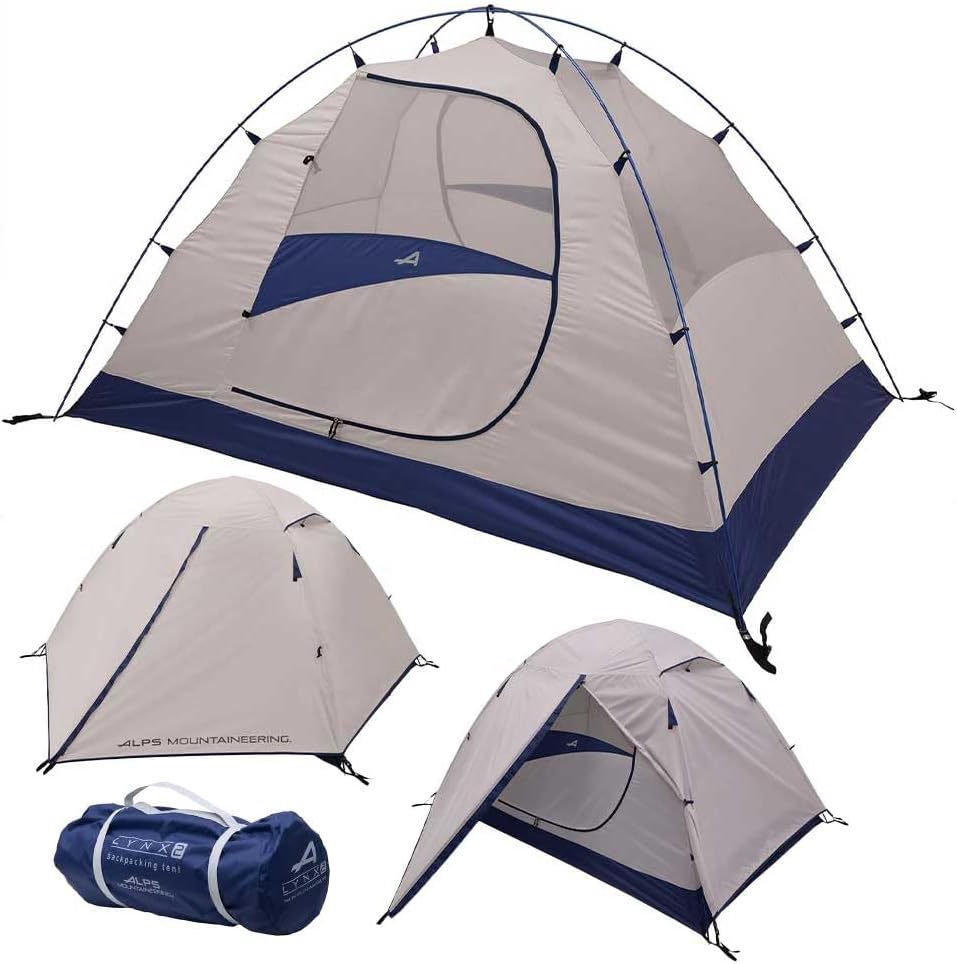
The Lynx 2 is the most balanced shared tent here for campers who value separate doors and protected gear space. It works for weekend backpacking, campground use and moderate shoulder-season trips. The mesh-heavy inner and two-pole structure are three-season features, so it should not be sold as a substitute for a four-season winter tent.
Best for: Best Two-Person Value Season: 3-season
Why you’ll like it:
- Two doors reduce nighttime disruption
- Dual vestibules protect gear
- Approachable clip-and-pole setup
- Useful airflow for mild conditions
Who should avoid it: Ultralight mileage or exposed winter camps.
Check Current Amazon Availability
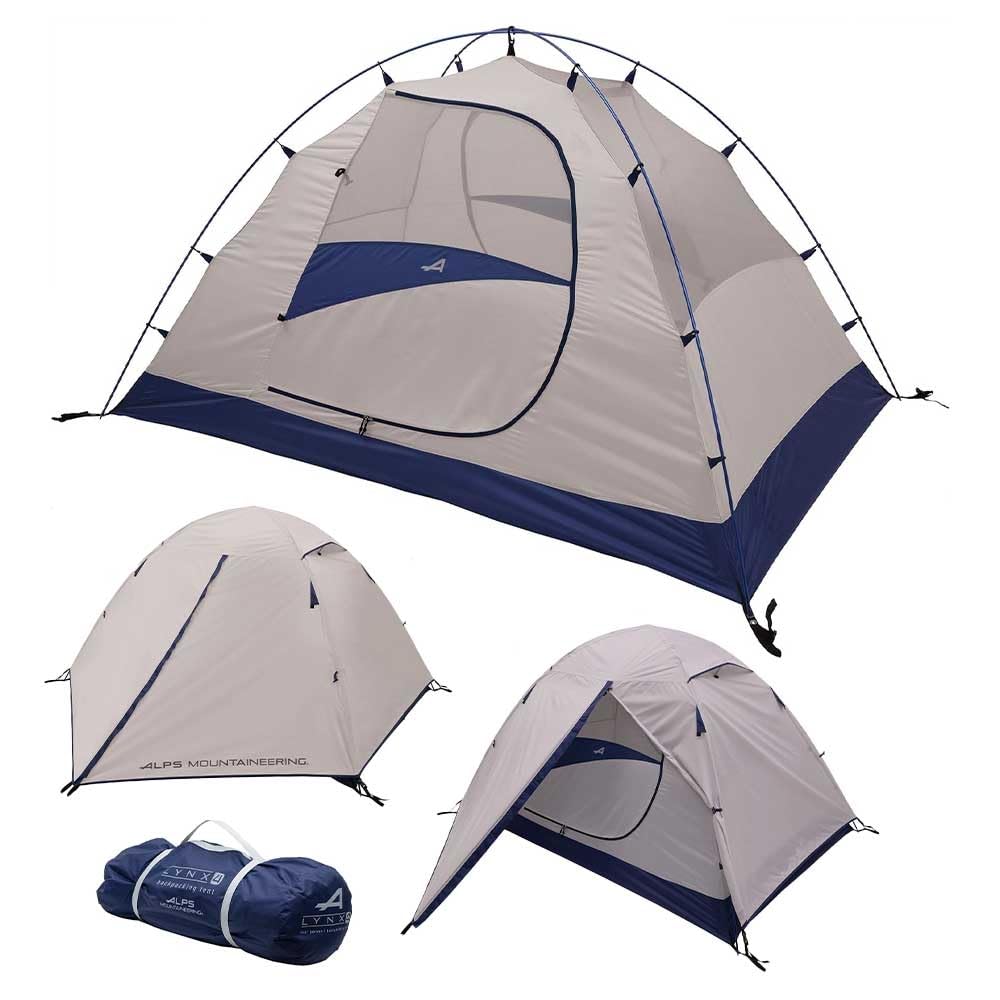
The Lynx 4 gives couples, small families and gear-heavy campers more room without moving to a tall cabin design. Four adults on wide pads may find the stated capacity tight, so it is often more comfortable for two or three people plus equipment. It is a campground-oriented three-season tent, not a winter mountaineering shelter.
Best for: Best Family Car Camping Season: 3-season
Why you’ll like it:
- Room for couples, families or extra gear
- Two-door shared access
- Quick freestanding setup
- Mesh panels and fly vents
Who should avoid it: Weight-sensitive backpacking, heavy snow or exposed alpine weather.
Check Current Amazon Availability
The Tasmanian 2 is the strongest cold-weather match in this roundup. Its more enclosed body and additional support are better aligned with wind, cold and snow than the Lynx or Zephyr lines. The trade-off is higher packed weight and bulk, making it most attractive for winter basecamps, shorter approaches and buyers who prioritize shelter strength over fast-and-light travel.
Best for: Best Four-Season Option Season: 4-season
Why you’ll like it:
- Four-season construction
- Two doors and vestibules
- Closable ventilation
- Better winter gear management
Who should avoid it: High-mileage backpacking or technical expeditions requiring a lighter expedition-rated tent.
Check Current Amazon Availability

The Ranger Cot Cabin solves a campground-comfort problem rather than a backpacking problem. Its vertical layout and wide door make a cot, dressing and gear organization easier. That comfort brings bulk and greater wind exposure, so this is a specialty car-camping pick—not a mountaineering or severe-weather recommendation.
Best for: Best Cot-Friendly Solo Tent Season: 3-season
Why you’ll like it:
- Cot-friendly vertical space
- Wide entry
- Warm-weather ventilation
- Heavier campground floor
Who should avoid it: Backpacking, exposed ridgelines, heavy snow or severe wind.
Check Current Amazon Availability
The Lynx 6 is for families and groups that want standing room, cot compatibility and a familiar dome setup. Its stated six-person capacity is most realistic with efficient pad layouts and limited interior gear. The larger profile requires careful staking and guying, and the tent remains a three-season campground shelter.
Best for: Best for Groups Season: 3-season
Why you’ll like it:
- Tall group-friendly interior
- Two doors and vestibules
- Familiar freestanding setup
- Strong airflow for multiple occupants
Who should avoid it: Backpacking, small sites, severe wind or winter snow loading.
Check Current Amazon Availability
The Tasmanian 3 fits winter campers who want more room for bulky sleep systems and gear than the two-person version provides. It is most attractive for two people with equipment or a small basecamp group. Packed bulk and a more involved vestibule setup make it a poor choice for ultralight routes, but its structure is more appropriate for cold-weather use than the three-season models.
Best for: Best Roomy Four-Season Basecamp Season: 4-season
Why you’ll like it:
- Roomy four-season interior
- Two large vestibules
- Freestanding structure
- Useful cold-weather storage
Who should avoid it: Ultralight travel, solo long-distance routes or mostly mild-weather use.
Check Current Amazon Availability
The Zephyr 3 is the ventilation specialist. Its mesh-heavy inner and pre-bent poles improve airflow and usable headroom in warm, humid or mild weather. It works especially well for two campers who want extra space. The same mesh that improves comfort in summer makes it unsuitable for blowing snow and exposed winter routes.
Best for: Best Ventilation Season: 3-season
Why you’ll like it:
- Excellent warm-weather airflow
- Good headroom
- Two doors and vestibules
- Quick freestanding pitch
Who should avoid it: Cold exposed routes, heavy snow or anyone seeking a low-draft winter tent.
Check Current Amazon Availability
Before You Buy
- Match season to forecast: choose the Tasmanian line for planned winter conditions; keep the Lynx, Zephyr and Ranger within normal three-season use.
- Allow space for gear: advertised capacity usually assumes tightly arranged sleeping pads.
- Check the carry profile: the Ranger and larger Lynx models are mainly campground tents; the Tasmanian models trade weight for stronger cold-weather construction.
- Prepare the pitch: a footprint, stronger stakes, spare guylines and a repair kit improve reliability but do not change the tent’s weather rating.
FAQ
Which ALPS Mountaineering tent is best for winter camping?
The Tasmanian 2 and Tasmanian 3 are the four-season models in this comparison. The two-person version is easier to manage; the three-person version offers more room for occupants and bulky winter equipment. Neither guarantees safety in extreme alpine conditions.
Can an ALPS Lynx or Zephyr handle snow?
A three-season tent may encounter a brief dusting, but its mesh inner and lighter structure are not intended for sustained snow loading or severe winter wind. Forecast heavy snow or exposed terrain calls for a purpose-built four-season shelter.
What is the difference between the Lynx and Zephyr lines?
The Lynx models use partial-mesh bodies and cover several capacities. The Zephyr 3 has a more mesh-heavy inner and pre-bent poles, making it especially attractive for airflow and headroom in mild or humid weather. Both lines are three-season.
How much capacity should I buy?
For comfortable campground use, many buyers choose one size above the number of sleepers, especially with wide pads, cots or interior gear. Backpackers may accept a tighter fit to reduce carried weight.
How do I reduce condensation?
Use the vents, keep wet footwear in the vestibule when practical, avoid pressing sleep systems against the walls and dry the tent completely before storage. Even four-season tents need airflow.
Lynx 1 vs Lynx 2 vs Lynx 4
The Lynx 1 is the solo choice, the Lynx 2 is the balanced two-person option, and the Lynx 4 is better for couples or small families who want more campground room. All three are three-season tents, so the decision is about capacity, access, carry weight and space—not winter capability.
Final Recommendation
Choose the Lynx 1 for solo three-season backpacking, the Lynx 2 for two-person versatility, the Lynx 4 or Lynx 6 for campground space, the Zephyr 3 for ventilation, or the Ranger Cot Cabin for solo cot camping.
For planned winter use, choose the Tasmanian 2 or Tasmanian 3. The two-person model is more manageable; the three-person model is better when space outweighs packed bulk.
| Product | Image | Best For | Capacity | Carry Profile | Seasonality | Amazon |
|---|---|---|---|---|---|---|
| ALPS Mountaineering Lynx 1 |
 |
Best Solo Backpacking | 1 person | Backpacking-friendly | 3-Season | Check Price |
| ALPS Mountaineering Lynx 2 |
 |
Best Two-Person Value | 2 people | Moderate backpacking | 3-Season | Check Price |
| ALPS Mountaineering Lynx 4 |
 |
Best Family Car Camping | Up to 4; roomier for 2–3 | Car camping / short carry | 3-Season | Check Price |
| ALPS Mountaineering Tasmanian 2-Person |
 |
Best Four-Season Option | 2 people | Heavy backpacking / basecamp | 4-Season | Check Price |
| ALPS Mountaineering Ranger Cot Cabin |
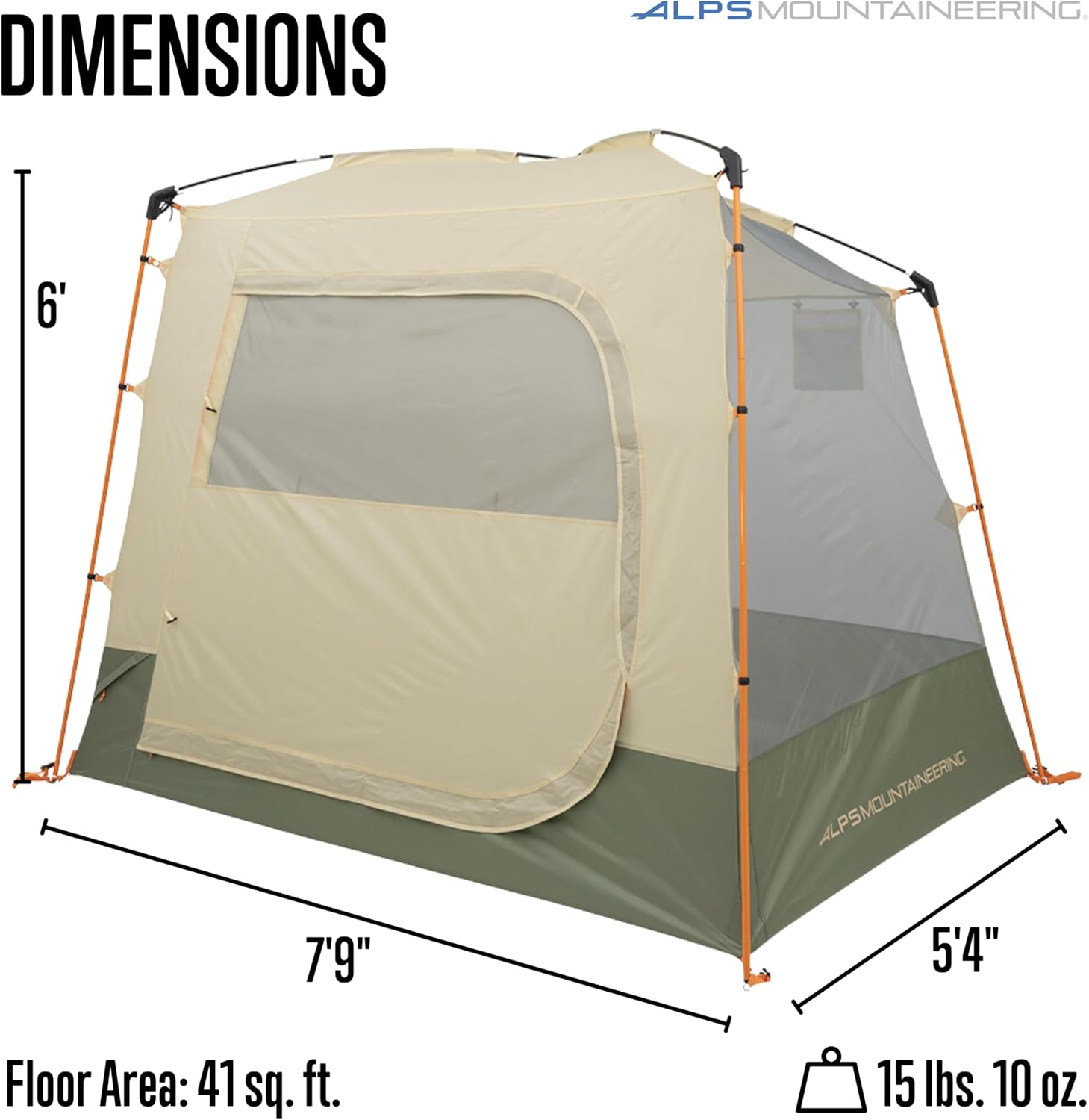 |
Best Cot-Friendly Solo Tent | 1 person with cot | Car camping only | 3-Season | Check Price |
| ALPS Mountaineering Lynx 6 |
 |
Best for Groups | Up to 6; better with fewer plus gear | Car camping / basecamp | 3-Season | Check Price |
| ALPS Mountaineering Tasmanian 3-Person |
 |
Best Roomy Four-Season Basecamp | 3 people; roomy for 2 with gear | Basecamp / short approach | 4-Season | Check Price |
| ALPS Mountaineering Zephyr 3-Person |
 |
Best Ventilation | 3 people; roomier for 2 | Moderate backpacking | 3-Season | Check Price |
Specifications, included accessories and availability can change by color, model year and listing. Confirm the exact Amazon variant before ordering.
This roundup is reader-supported. Qualifying links may earn the publisher a referral commission.