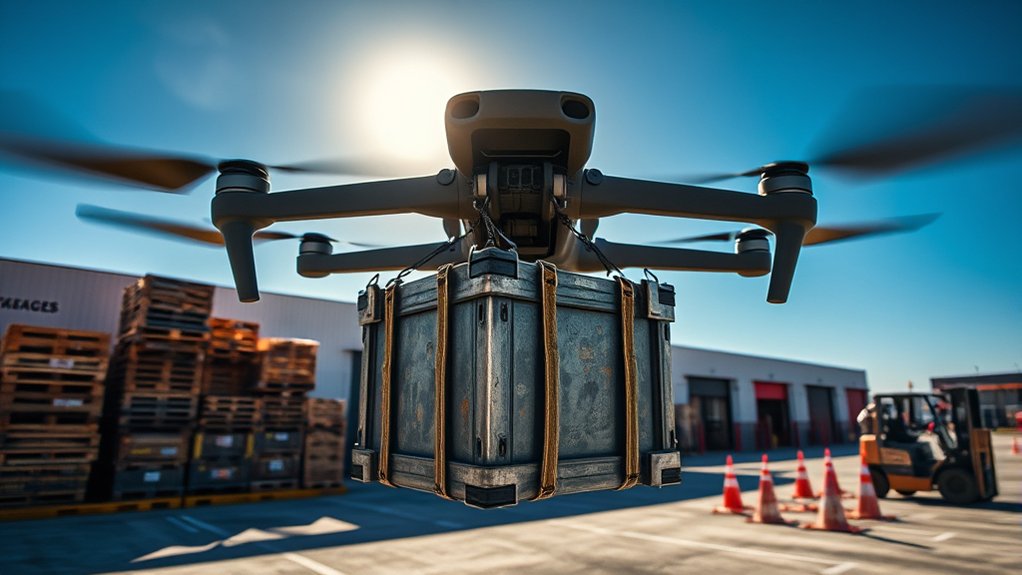
Truck load transport capacities vary greatly by type. VUC trucks can carry up to 3,000 kg, while Toco trucks support 6,000 kg. Standard trucks accommodate between 10,000 to 14,000 kg, and Bitrucks can handle 22,000 kg. The powerful Cavalo Mecânico Simples can transport 25,000 kg. It’s essential to understand PBT and carga útil for compliance and safety. Exploring the specifics of weight distribution and legal limits reveals important insights into safe transport practices.
How Many Kilos Can a Truck Transport Safely?
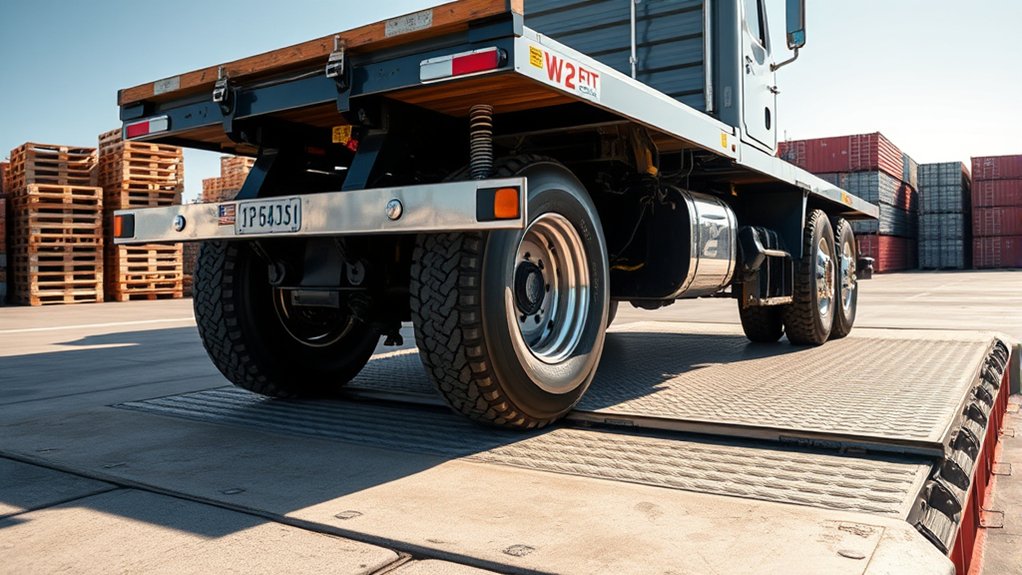
How much weight can a truck transport safely? The capacidade de carga varies considerably among types of veículos.
A VUC truck can handle up to 3,000 kg, while a Toco truck’s peso máximo reaches 6,000 kg, with a Peso Bruto Total (PBT) of 16 tons.
Standard trucks are capable of transporting between 10,000 to 14,000 kg, boasting a maximum PBT of 23 tons.
Remarkably, a Bitruck can support a load capacity of 22,000 kg, with a PBT of 29 tons.
The Cavalo Mecânico Simples excels with a maximum load of 25,000 kg and a combined PBT of 33 tons when towing.
Understanding these limites de capacidade is vital for ensuring segurança during transporte de carga, as exceeding the peso máximo can lead to legal repercussions and safety hazards.
Compliance com regulamentos is essential for effective and responsible trucking operations.
Understanding Truck Load Capacity and Its Importance
Understanding truck load capacity is essential for both regulatory compliance and operational efficiency in the transportation sector.
Adhering to specified weight limits not only guarantees adherence to traffic regulations but also optimizes vehicle performance and longevity.
Failure to respect these capacities can result in significant penalties and heightened safety risks, underscoring the critical nature of this knowledge.
Regulatory Compliance Necessity
Compliance with load capacity regulations is vital for guaranteeing the safety of vehicles, cargo, and road users alike. Adhering to specified limites de capacidade mitigates riscos de acidentes, while exceeding peso máximo can lead to significant fines and increased operational costs. The legal weight tolerances of 5% for Peso Bruto Total and 12.5% for axle limits highlight the need for meticulous gestão de carga. Regular assessments are fundamental not only for compliance com regulamentos but also for enhancing eficiência operacional and maintaining a strong market reputation.
| Aspect | Importance |
|---|---|
| Compliance com regulamentos | Reduces risk of fines and accidents |
| Gestão de carga | Optimizes operational efficiency |
| Fiscalização de carga | Guarantees adherence to safety standards |
Impact on Operational Efficiency
Maximizing truck load capacity is essential for enhancing operational efficiency within the logistics sector. Understanding capacidade de carga directly influences the ability to transport cargas effectively while adhering to peso máximo limits.
Vehicles utilized, such as the Bitruck and Cavalo Mecânico Simples, showcase varying capacities, necessitating accurate cálculo de carga to optimize payload. This includes subtracting tare weight from peso bruto total, ensuring compliance and performance.
Effective gerenciamento de carga mitigates the risk of exceeding limites de capacidade, which can lead to penalties and increased maintenance costs. Additionally, optimizing load management enhances segurança, enabling timely deliveries and reducing vehicle downtime.
Ultimately, boosting eficiência operacional and competitiveness in the market.
Key Terms: Tara, Lotação, PBT, PBTC, and CMT Explained
In the domain of weight transport capacity, several key terms delineate the parameters of vehicle load management. Tara refers to the truck’s weight without cargo, providing a baseline for evaluating capacidade de carga.
Lotação signifies the total weight capacity of the vehicle, encompassing cargo, driver, and passengers, thereby ensuring operational segurança. The Peso Bruto Total (PBT) is the aggregate of tara and Lotação, indicating the maximum legal weight the truck can carry.
In contrast, the Peso Bruto Total Combinado (PBTC) accounts for the combined weight of the truck and trailer, essential for evaluating load limits in articulated vehicles. Additionally, the Capacidade Máxima de Tração (CMT) determines the maximum weight a vehicle can tow, which varies depending on the vehicle type and configuration.
Understanding these terms is important for adhering to limites de capacidade de carga**** and optimizing transport efficiency.
Truck Load Capacity by Type: How Much Can Each Truck Carry?
Understanding truck load capacity by type is essential for efficient logistics and transportation management.
The VUC truck, designed for urban deliveries, has a capacidade de carga of 3,000 kg. In contrast, toco trucks can carry up to 6,000 kg, with a peso máximo (PBT) of 16 tons, making them versatile for medium-distance transport.
Standard trucks offer a broader range, supporting carga útil between 10,000 and 14,000 kg, and a PBT of up to 23 tons.
For heavier loads, bitrucks excel with a maximum load capacity of 22,000 kg and a PBT of 29 tons.
Finally, the Cavalo Mecânico Simples stands out, accommodating a load of 25,000 kg, with a total PBT reaching 33 tons.
Each truck type plays an important role in optimizing transport efficiency based on its specific capabilities.
How to Calculate Truck Load Capacity Safely?
Calculating truck load capacity safely requires a precise understanding of key metrics and adherence to regulations. To determine the capacidade de carga, one must subtract the vehicle’s tare weight from its Peso Bruto Total (PBT).
Calculating truck load capacity safely involves understanding key metrics and subtracting tare weight from Peso Bruto Total (PBT).
For instance, a truck with a PBT of 16,000 kg and a tare weight of 5,500 kg allows for a carga útil of 10,500 kg. It’s essential to respect the peso máximo for various truck types; for example, a VUC has a limit of 3,000 kg, while a Bitruck can handle up to 22,000 kg.
Legal regulamentações stipulate a 5% tolerance on PBT/PBTC and 12.5% on axle weights, guaranteeing segurança on the roads. Additionally, proper distribuição de carga is critical, as exceeding limits, especially on tandem axles, can lead to accidents and increased wear on the veículo.
Regular assessments guarantee compliance and operational efficiency.
How Weight Distribution Affects Truck Stability and Performance
Weight distribution is a critical factor influencing truck stability and overall performance. Proper load placement techniques are essential to prevent imbalance, which can lead to handling issues and increased rollover risks.
Additionally, securing cargo effectively mitigates the potential for shifting during transit, ensuring compliance with safety regulations and prolonging vehicle lifespan.
Proper Load Placement Techniques
Proper load placement techniques are essential for maximizing truck stability and performance. Effective distribuição de carga directly influences a veículo’s capacidade de carga and segurança.
Concentrating weight towards the rear can enhance estabilidade, yet a balanced distribution across axles is critical to avoid excessive wear on tires and suspension. Adhering to limites de peso—6 tons for single axles and up to 30 tons for tandem triple axles—ensures compliance and safety during transporte.
Securing cargo with straps and blocks is crucial to prevent shifting, thereby minimizing riscos de acidentes. Additionally, regularly redistributing the carga útil at stops can sustain ideal performance and prevent penalties related to weight violations, thereby supporting overall operational efficiency.
Effects of Imbalance Risks
Imbalance in load distribution poses important risks to truck stability and performance. Proper distribuição de carga is essential; uneven loads can compromise a vehicle’s capacidade de carga, increasing the likelihood of riscos de acidentes, such as rollovers.
Each axle, particularly single axles with a peso máximo of 10 tons, must adhere to legal limites de peso to maintain vehicle estabilidade. Irregular weight distribution leads to excessive desgaste dos pneus and higher consumo de combustível, greatly affecting operational costs.
For tandem axles, adhering to weight limits between 15 and 20 tons is essential to prevent vehicle damage and potential penalidades legais.
Therefore, maintaining balanced loads is crucial for safe and efficient trucking operations, ensuring both compliance and performance.
Importance of Securing Cargo
Securing cargo is securely fastened directly influences vehicle stability and overall performance.
Proper distribuição de carga is crucial, as uneven loads can compromise segurança and increase the risco de acidentes. Adhering to axle limites de peso, such as the 10-ton maximum for a single axle with dual wheels, is critical to maintain capacidade de carga without overloading.
Irregular load distribution not only affects handling but also accelerates wear on tires and suspension, leading to higher manutenção costs and potential breakdowns.
Utilizing securing accessories like straps and blocks is essential for preventing cargo movement during transporte.
Regular reassessment of load balance at each stop secures compliance with legal weight limits, ultimately enhancing safety and maximizing carga útil efficiency.
Understanding Truck Weight Laws and Tolerances?
Understanding truck weight laws and tolerances is essential for maintaining compliance and safety on the roads. Regulations, such as the Lei da Balança, specify maximum Peso Bruto Total (PBT) limits for various vehicles, which range from 3,000 kg for VUCs to 54.5 tons for specific combinations. Compliance with these limits is critical to enhance segurança and avoid acidentes.
| Aspect | Details |
|---|---|
| Capacidade de Carga | Varies by truck type |
| Limites de Peso | Specific to vehicle design |
| Tolerância | 5% for PBT/PBTC, 12.5% for axles |
Overloading can lead to fines, cargo transshipment, and vehicle impoundment. Understanding these regulations is crucial for improving eficiência operacional and upholding a reputable company image in the industry.
Risks and Penalties of Overloading: What You Should Know?
Overloading vehicles presents significant risks and potential penalties that can severely impact operators. Exceeding the capacidade de carga not only violates legal limits but also invites substantial fines, escalating as the weight surpasses the peso máximo allowed.
Overloading vehicles poses serious risks and penalties, jeopardizing safety and incurring significant fines for operators.
While legal tolerances permit a 5% excess on Peso Bruto Total and a 12.5% excess on axle weight, exceeding these thresholds results in penalties and potential vehicle impoundment. Additionally, improper distribuição de carga increases the likelihood of accidents, including rollovers, further jeopardizing safety and finances.
Non-compliance with load capacity regulations damages a company’s reputation and operational efficiency, leading to long-term consequences. Operators must prioritize safety by adhering strictly to limites de capacidade to mitigate the risks of sobrecarga and guarantee the reliability of veículos utilizados.
Ultimately, understanding these risks and penalties is essential for maintaining compliance and fostering a safer transport environment.
Frequently Asked Questions
What Is the Weight Limit for Transporting Cargo?
The weight limit for transporting cargo is determined by vehicle specifications, transport regulations, and industry standards. Adhering to safety guidelines, effective loading techniques, and proper weight distribution prevents overload consequences and guarantees compliance with necessary transport permits.
How Many Kilos Can You Carry?
VUC trucks can carry a maximum weight of 3,000 kg, while Bitrucks transport up to 22,000 kg. Efficient logistics, safe load distribution, and adherence to transport regulations are essential for optimizing routes and ensuring cargo safety.
How Many Tons Can a Dump Truck Carry?
A dump truck typically carries between 10 to 38 tons, influenced by truck models and specifications. Adhering to weight regulations, ensuring proper load distribution, and following maintenance tips enhance operational efficiency and safety in construction uses.
What Is the Load Capacity of a 7-Axle Trailer?
A 7-axle trailer typically supports up to 39.5 tons, influenced by trailer specifications and axle configuration. Proper weight distribution guarantees cargo stability, adhering to transport regulations and safety standards for maximum load management and towing capacity.
Conclusion
In steering through the complexities of truck load capacity, one must ponder: what good is power without control? Understanding the nuances of weight limits not only safeguards the vehicle and its cargo but also guarantees compliance with legal standards. By grasping key concepts like Tara and PBT, operators can optimize performance while avoiding the pitfalls of overloading. Ultimately, informed decisions in load management translate to safer roads and enhanced operational efficiency.