You want a reliable, affordable two-person tent that is easy to pitch, practical to carry and capable of handling the conditions you realistically expect. The right shelter affects how comfortably you sleep, how much gear fits inside and how much time you spend dealing with setup or moisture at camp.
This guide compares seven distinct tents based on usable space, packed weight, setup, ventilation, rain protection and overall value. It also explains where each model works best and where a larger, lighter or more weather-focused shelter may be worth the extra cost.
Affiliate disclosure:. As an Amazon Associate I earn from qualifying purchases. This roundup is reader-supported. When you use an Amazon link on this page, we may earn a referral commission on qualifying purchases at no additional cost to you.
Freshness note: Product listings, specifications and availability can change. Confirm current dimensions, included accessories and seller details on Amazon before ordering.
Quick Verdict
Best overall: The Coleman Sundome is the most balanced option for casual car camping, festivals and backyard use.
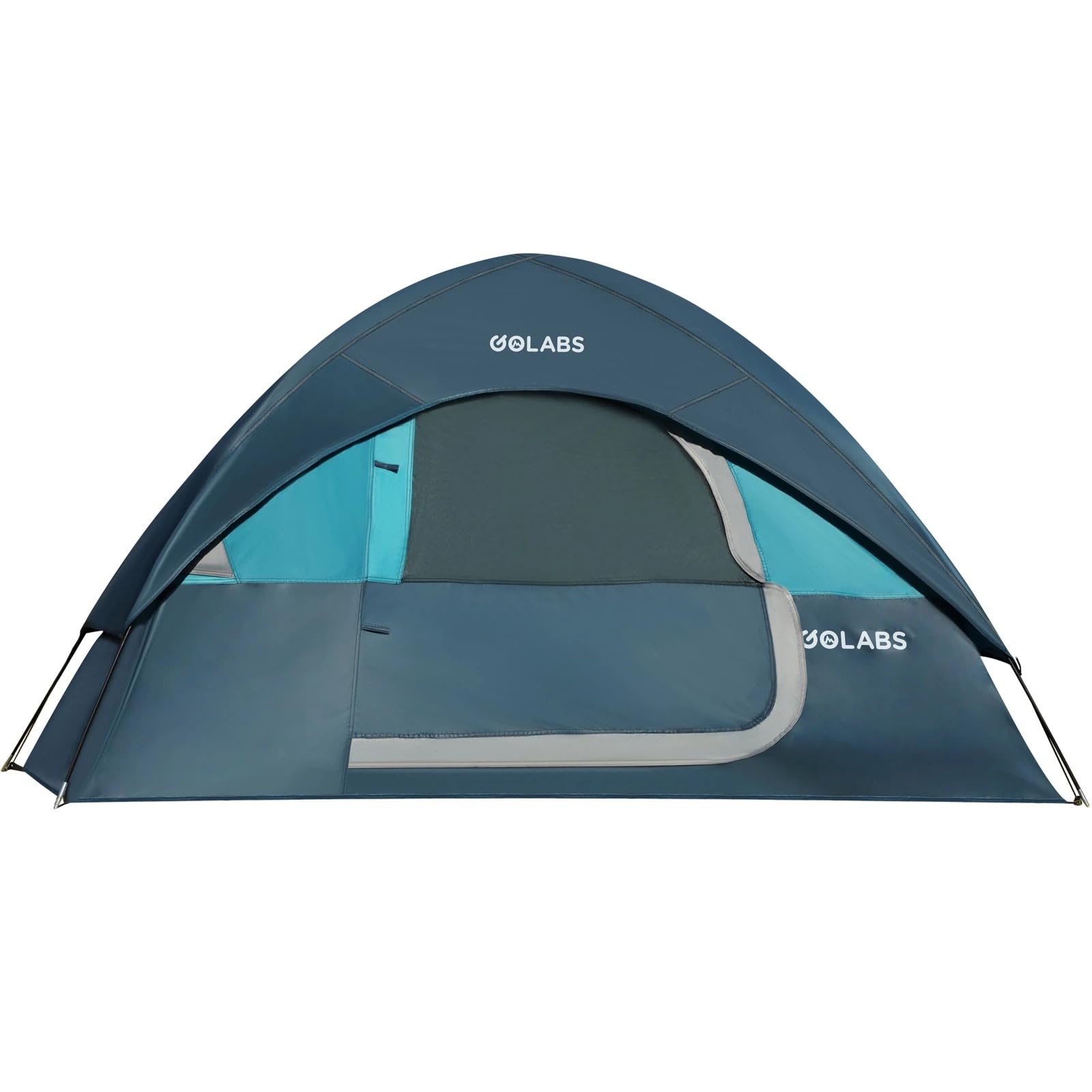
Fastest setup: Choose the Golabs CT1 when a simple three-minute pitch is your main priority.
Lowest-cost pick: The Wakeman Yellow works best as an inexpensive shelter for mild-weather trips, festivals or solo use.
Best rain-focused design: The Clostnature 2P offers a more substantial fly, taped seams and dual-door convenience.
Top Picks
|
Category |
Product |
Best For |
|---|---|---|
|
🏆 Best Overall |
Casual car camping, festivals and first-time tent buyers |
|
|
⚡ Best Quick Pitch |
Campers who want a fast, uncomplicated setup |
|
|
🌧️ Best Rain-Focused Design |
Weekend trips where fly coverage and seam protection matter |
|
|
🛏️ Best Extra Space |
One camper with gear or two adults using compact sleep systems |
|
|
⛺ Best Roomy Car-Camping Pick |
Car camping, festivals and motorcycle trips |
|
|
🚪 Best Double-Door Design |
Solo campers or couples who value separate entry points |
|
|
💰 Best Budget |
Mild-weather festivals, beach trips and occasional camping |
How We Picked These Tents
We focused on the factors that most directly affect a budget two-person tent in real use: floor space, peak height, packed weight, setup design, rainfly coverage, seam construction, ventilation and value. We also considered whether each model is genuinely suitable for two sleepers or is better treated as a roomy solo shelter.
The recommendations do not assume that a low-cost tent will perform like an expedition shelter. Weather resistance depends on correct pitching, properly tensioned guylines, suitable site selection and the condition of the fabric and seams.
Before You Buy a Two-Person Tent
- Measure your sleeping pads. Two standard pads may fit where a full or queen air mattress leaves no room for bags.
- Decide where your gear will go. A tent that sleeps two may not hold two people, backpacks and footwear comfortably.
- Check the carried weight. Five to eight pounds is manageable for car camping but heavy for one backpacker.
- Look beyond a waterproof number. Fly coverage, seam sealing, floor design and correct staking all matter.
- Consider door count. Two doors make shared use easier because one camper does not need to crawl over the other.
- Do not rely on a marketplace “4-season” label alone. Winter wind, snow loading and exposed terrain require purpose-built equipment and conservative judgment.
The Sundome is the easiest recommendation for shoppers who want a recognizable, no-fuss shelter rather than the lightest possible pack. Its windows and ground vent help warm air escape, while the rainfly and tub-style floor construction are intended to improve protection during ordinary campground weather.
Its main compromise is weight. This is better treated as a car-camping or short-carry tent than a long-distance backpacking shelter. A two-person floor also means two adults should expect a close fit, particularly when using a thick air mattress.
Why You’ll Like It
It solves the common first-tent problem of complicated pitching. Continuous pole sleeves make the setup sequence predictable, and the established dome layout is easy to understand when you arrive at camp late.
Who Should Buy This
Choose it for weekend campgrounds, festivals, backyard sleepovers and road trips where dependable basic design matters more than minimum weight.
Who Should Avoid This
Weight-conscious backpackers, winter campers and couples who want standing room or generous indoor gear storage should choose a different shelter.
Review Themes
Recurring buyer themes in the supplied source include straightforward setup, useful ventilation and reasonable rain performance when the tent is pitched correctly. Suggested upgrades include a correctly sized footprint and stronger stakes for exposed or hard-packed sites.
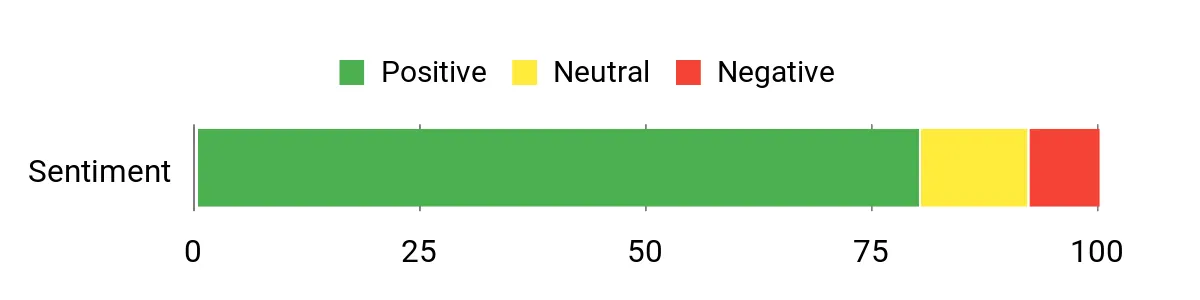
The source did not provide the chart’s sample size or methodology, so treat it as a directional summary rather than an independently verified rating.
Ease of Use
|
Feature |
Ease Level |
|---|---|
|
Setup |
Easy |
|
Ventilation |
Very Good |
|
Portability |
Best for car camping |
|
Weather Preparation |
Stake and tension the fly carefully |
Key Benefits
- Predictable setup with continuous pole sleeves
- Windows and a ground vent support airflow
- WeatherTec-oriented floor, seam and rainfly design
- Practical layout for casual two-person camping
The CT1 is built for campers who do not want to spend the first part of an evening sorting unfamiliar poles and sleeves. Its mesh roof improves airflow in dry weather, while the rainfly provides coverage when conditions change.
At roughly the middle of this group’s weight range, it is portable enough for short approaches but makes more sense for campgrounds, festivals and road trips than demanding backpacking routes.
Why You’ll Like It
Fast pitching reduces one of the biggest frustrations for new or occasional campers. Interior pockets and a lantern hook also keep small essentials away from the sleeping area.
Who Should Buy This
It is a strong fit for couples, solo campers wanting extra floor space and anyone who regularly reaches camp near dusk.
Who Should Avoid This
Choose a more substantial shelter for severe winds, winter use or extended trips far from a vehicle. Campers who prioritize the lowest possible trail weight should also look elsewhere.
Review Themes
The supplied review summary emphasizes quick setup, airflow and practical storage. Flexible poles and basic stakes are the most important limitations to consider on exposed campsites.
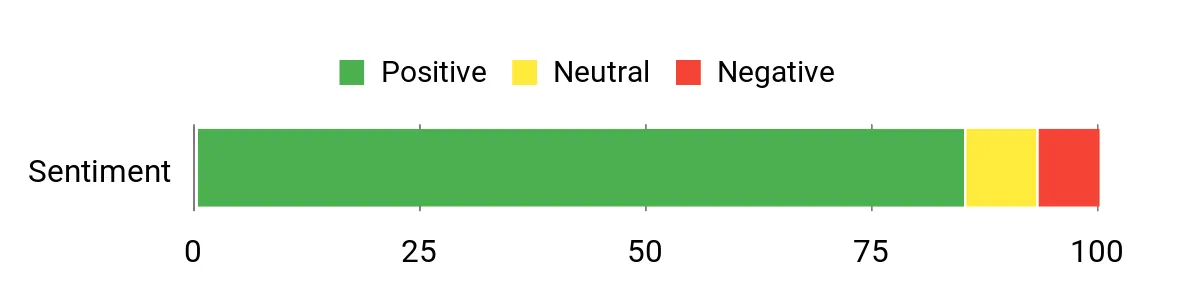
The source did not provide the chart’s sample size or methodology, so treat it as a directional summary rather than an independently verified rating.
Ease of Use
|
Feature |
Ease Level |
|---|---|
|
Setup |
Very Easy |
|
Packing |
Easy |
|
Ventilation |
Very Good |
|
Wind Preparation |
Use every stake and guy point |
Key Benefits
- Designed for setup in about three minutes
- Mesh roof and door improve airflow
- Rainfly and coated fabric provide basic weather protection
- Interior pockets and lantern hook improve organization
The Clostnature gives two campers more practical entry and exit options than a basic single-door dome. Its two doors reduce late-night climbing over a partner, while the fly and seam construction make it the most rain-focused design in this group.
Its tradeoff is weight. It can work for short backpacking trips when the load is divided, but it is better suited to weekend camping, motorcycle travel or sites with a relatively short walk from the vehicle.
Why You’ll Like It
It addresses the two biggest complaints about inexpensive two-person tents: limited access and minimal fly coverage. Pockets and a lantern loop also make the interior easier to organize.
Who Should Buy This
Choose it for two-adult weekend camping, mixed forecasts and trips where comfort matters more than shaving every ounce.
Who Should Avoid This
Solo hikers covering long daily distances may find it unnecessarily heavy. It is also not a substitute for a purpose-built winter or expedition shelter.
Review Themes
The source review summary highlights usable floor space, straightforward clip-style assembly and helpful interior features. A footprint and stronger stakes may still be worthwhile on abrasive or exposed ground.
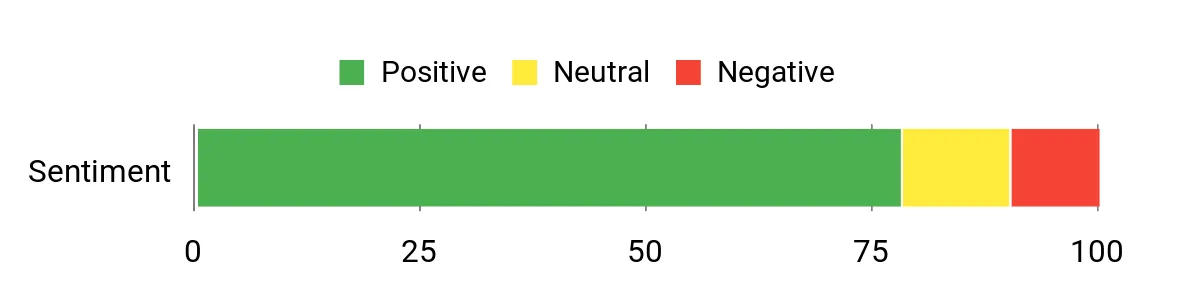
The source did not provide the chart’s sample size or methodology, so treat it as a directional summary rather than an independently verified rating.
Ease of Use
|
Feature |
Ease Level |
|---|---|
|
Setup |
Very Easy |
|
Shared Access |
Excellent |
|
Carrying |
Moderate |
|
Weather Preparation |
Good when fully staked and tensioned |
Key Benefits
- Two doors improve access for couples
- Substantial fly and seam-focused design
- Interior pockets and lantern loop
- More comfortable shared layout than many budget tents
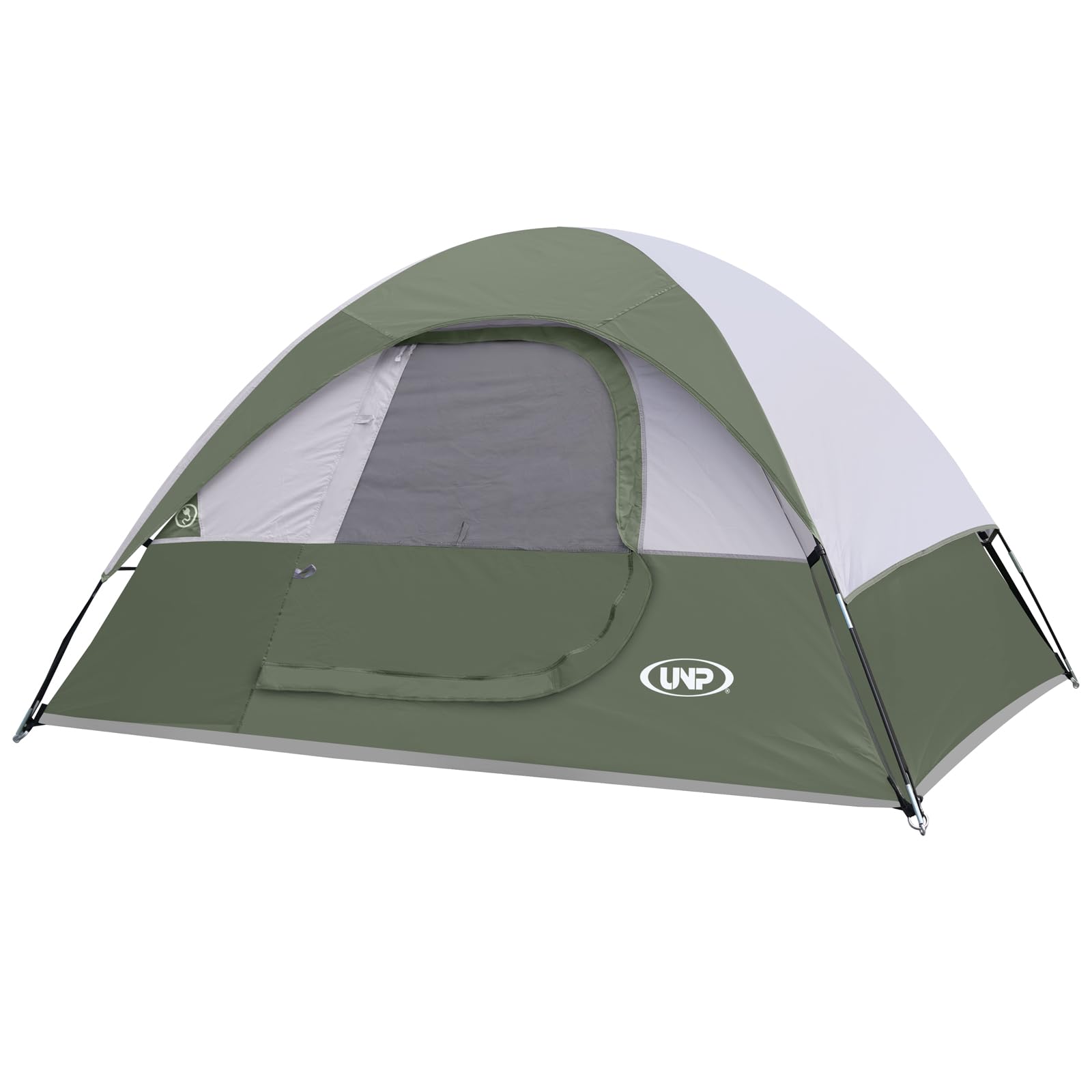
The UNP is a practical choice when you want more usable width and height than the smallest festival tents but do not need a large family shelter. Its layout can fit two adults using appropriately sized pads, while solo campers gain room for clothing and a backpack.
Like most budget dome tents, it should be fully staked and paired with a footprint on abrasive ground. Its weight makes it more appropriate for car camping and short carries than long-distance backpacking.
Why You’ll Like It
The extra interior volume reduces the cramped feeling common in entry-level two-person tents. A relatively tall center also makes changing clothes and organizing gear easier.
Who Should Buy This
It suits casual couples, solo campers who keep gear inside and buyers who want a straightforward tent for weekend campgrounds.
Who Should Avoid This
Avoid it for exposed alpine sites, deep winter conditions or trips where every pound must be justified.
Ease of Use
|
Feature |
Ease Level |
|---|---|
|
Setup |
Easy |
|
Interior Organization |
Good |
|
Portability |
Moderate |
|
Shared Sleeping Space |
Comfortable with compact pads |
Key Benefits
- Useful floor dimensions for two compact sleeping pads
- Enough height to make changing and organizing easier
- Rainfly and mesh support basic weather protection and airflow
- Works especially well as a roomy solo shelter
The Camel Crown stands out for floor space and usable height. Clip-style attachments simplify the setup, and the wider footprint makes it a reasonable choice for two campers who do not want the smallest possible shelter.
Although marketplace information may describe this model as suitable for multiple seasons, do not assume that label makes it appropriate for heavy snow, severe winds or exposed winter terrain. Treat it as a roomy recreational camping tent unless the current manufacturer documentation explicitly supports more demanding use.
Why You’ll Like It
It gives you more room to sit up, arrange bedding and keep small items inside. That added comfort matters on festival weekends and multi-night campground stays.
Who Should Buy This
Choose it for car camping, motorcycle trips and festivals where a little extra packed bulk is acceptable.
Who Should Avoid This
It is not the best choice for ultralight backpacking, technical winter trips or camps where a compact packed size is the top priority.
Review Themes
The source summary emphasizes quick assembly, generous space and good airflow. It also recommends checking seam treatment and using a ground tarp when the site is wet or abrasive.
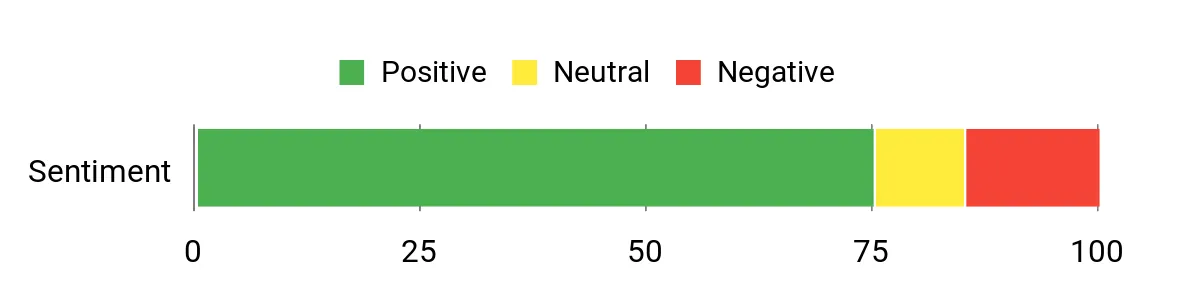
The source did not provide the chart’s sample size or methodology, so treat it as a directional summary rather than an independently verified rating.
Ease of Use
|
Feature |
Ease Level |
|---|---|
|
Setup |
Very Easy |
|
Interior Comfort |
Very Good |
|
Packing |
Moderate |
|
Weather Preparation |
Check seams and fully stake the shelter |
Key Benefits
- Roomy floor and taller peak improve comfort
- Clip-style assembly simplifies pitching
- Metal stakes are included
- Well suited to car camping and festivals
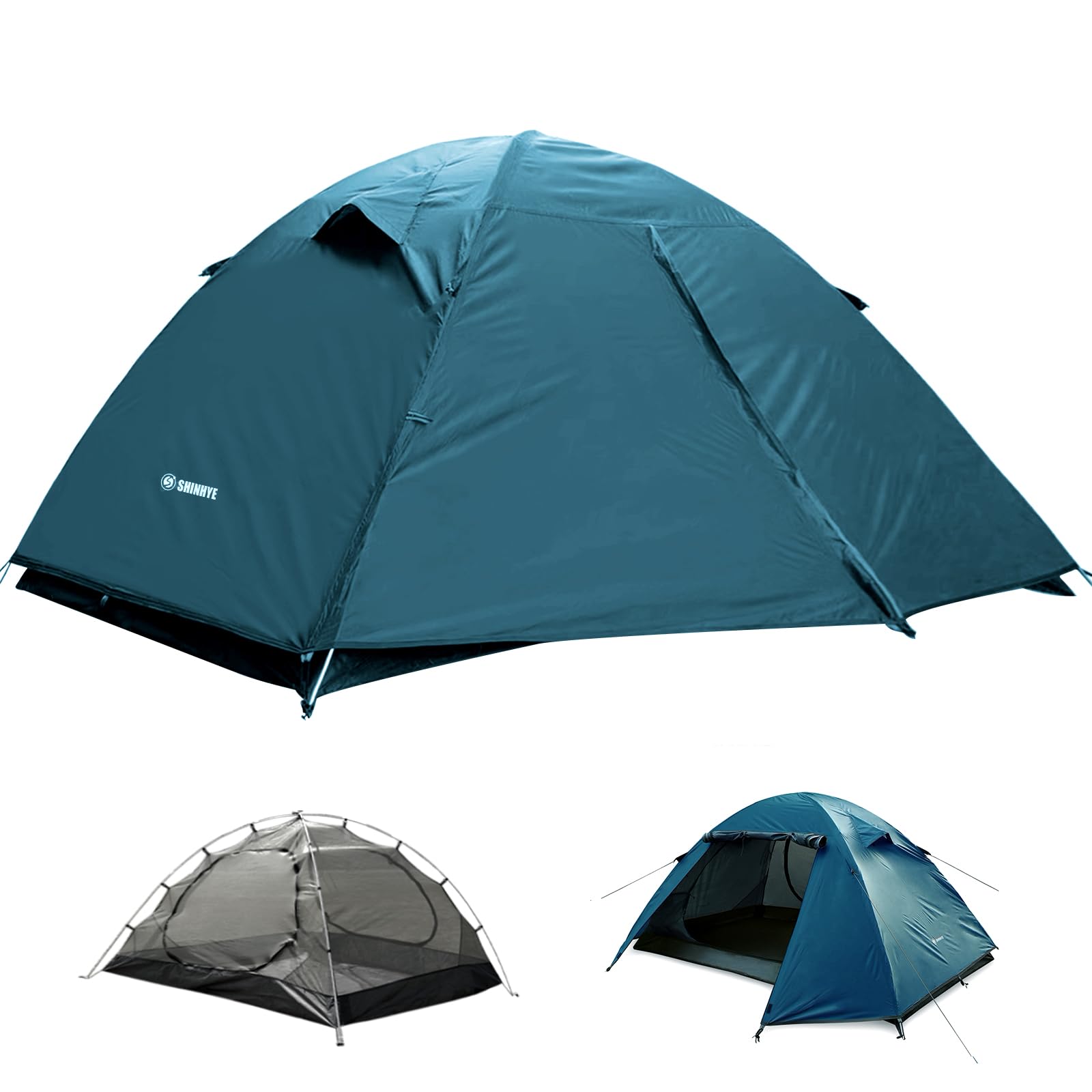
The ShinHye is a better fit for shoppers who value separate doors and a double-layer layout than for buyers seeking a true ultralight tent. At around five pounds, it is reasonably portable for casual trips but heavy compared with specialized two-person backpacking shelters.
Two doors improve convenience for couples, and the mesh panels help manage condensation. Its floor width still makes it a close fit for two adults, so check your pad dimensions before buying.
Why You’ll Like It
Separate entry points reduce disturbance when one camper gets up during the night. Aluminum poles also distinguish it from many similarly priced tents that use fiberglass frames.
Who Should Buy This
It works best for solo hikers wanting extra room, bike or motorcycle travelers and couples using compact sleeping pads.
Who Should Avoid This
Do not choose it solely because a listing uses the word “ultralight.” Long-distance backpackers should compare its full packed weight with purpose-built lightweight models.
Review Themes
The supplied source highlights compact packing, fast setup and airflow. Floor protection and careful handling of zippers remain sensible precautions for repeated use.
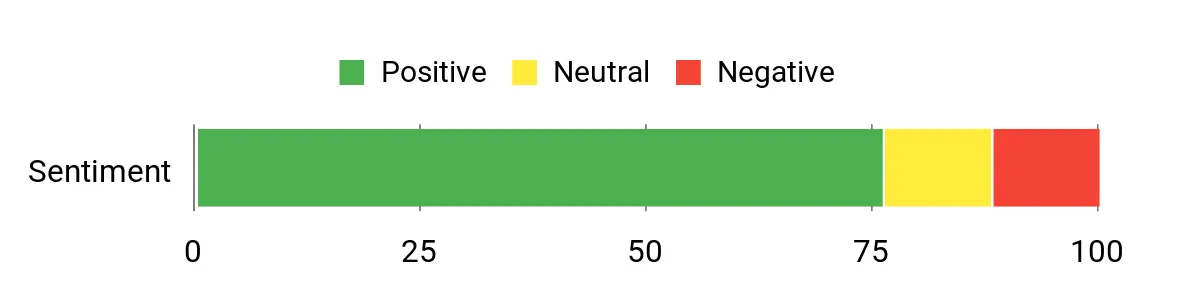
The source did not provide the chart’s sample size or methodology, so treat it as a directional summary rather than an independently verified rating.
Ease of Use
|
Feature |
Ease Level |
|---|---|
|
Setup |
Very Easy |
|
Shared Access |
Excellent |
|
Packed Weight |
Moderate |
|
Floor Care |
Use a footprint on abrasive ground |
Key Benefits
- Two doors improve shared access
- Mesh panels support ventilation
- Aluminum poles provide a more confidence-inspiring frame material
- Double-layer layout offers more flexible ventilation and fly use
The Wakeman is the most straightforward low-cost choice in the group. It packs small enough for festivals, beach trips and casual solo camping, and the carry bag makes it easy to keep in a vehicle for occasional use.
Although marketed for two people, its narrow floor will feel snug for two adults and leave little room for gear. The partial rainfly and light materials also make it better for calm, mild conditions than extended wet or windy trips.
Why You’ll Like It
It solves the need for an inexpensive shelter that is easy to store and carry. It is especially useful when low purchase cost matters more than long-term durability or storm performance.
Who Should Buy This
Choose it for festivals, beach shade, backyard use, children’s camping or solo overnight trips in a favorable forecast.
Who Should Avoid This
Two adults expecting generous room, frequent campers and anyone heading into prolonged rain or exposed wind should invest in a more substantial tent.
Review Themes
The supplied review summary emphasizes portability, simple packing and value. The most common limitations are tight shared space, occasional zipper or pole concerns and modest rain protection.
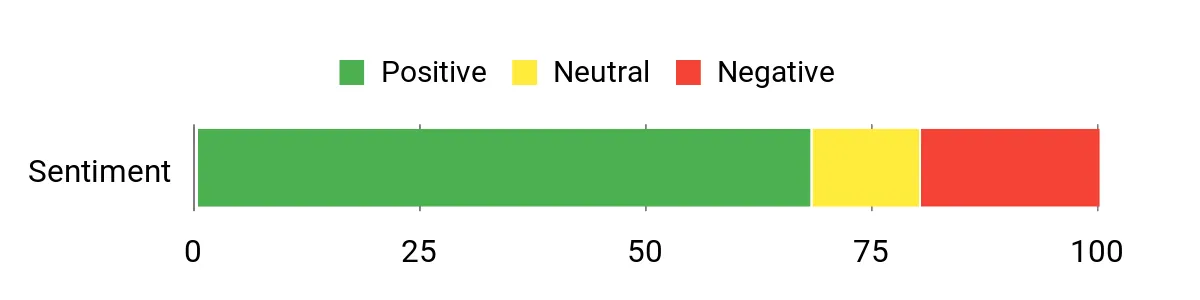
The source did not provide the chart’s sample size or methodology, so treat it as a directional summary rather than an independently verified rating.
Ease of Use
|
Feature |
Ease Level |
|---|---|
|
Setup |
Easy to Moderate |
|
Packing |
Easy |
|
Carrying |
Very Easy |
|
Shared Comfort |
Snug for two adults |
Versatility
Best for festivals, beach outings, backyard use, children or a solo camper in mild weather. It is not intended for demanding backcountry conditions.
Key Benefits
- Low-cost entry point for occasional camping
- Compact and easy to transport
- Includes a rainfly and carrying bag
- Interior pocket keeps small items off the floor
FAQ
Can Two People Fit Comfortably in a Two-Person Tent?
Two people can usually sleep in a two-person tent, but “two-person” is a capacity label rather than a promise of generous living space. Compare the floor width with the combined width of your sleeping pads and allow additional room for the inward slope of dome walls.
For two adults plus backpacks, a tent with two doors, vestibule storage or a wider floor is much easier to share. Couples using a thick full or queen air mattress may have little or no room left for gear.
How Water-Resistant Are Budget Tents?
Water resistance varies according to fabric coating, seam construction, fly coverage and setup. A higher hydrostatic-head figure can be useful, but it does not compensate for a loose fly, open vents facing the wind, damaged seams or water pooling beneath the floor.
Stake the tent and fly correctly, tension the guylines and avoid low ground where water collects. A footprint protects the floor from abrasion, but it should not extend beyond the tent floor because exposed edges can funnel rain underneath.
Does a “4-Season” Label Mean a Tent Is Safe for Winter?
Not necessarily. Marketplace season labels are not a universal performance standard. Serious winter camping may require stronger poles, less exposed mesh, snow-shedding geometry, reinforced attachment points and a structure designed for sustained wind and snow loading.
For winter or alpine use, rely on detailed manufacturer documentation and conservative route planning rather than a brief product-title claim.
Is a Five-Pound Tent Good for Backpacking?
A five-pound two-person tent can work when two campers divide the components or when hiking only a short distance. For solo long-distance backpacking, that weight is comparatively heavy and may be better spent on a lighter shelter.
What Extras Should You Pack?
Useful additions include a correctly sized footprint, spare or upgraded stakes, extra guyline, a small pole and fabric repair kit, seam sealer and a compact lantern. Test the complete setup at home before the first trip so you know how the fly, poles and stakes fit together.
What Campers Prefer
Campers who prioritize proven, uncomplicated campground use will usually be best served by the Coleman Sundome. Those who care most about pitching speed should start with the Golabs CT1, while the Clostnature is more appealing when two doors and rainfly coverage matter.
The UNP and Camel Crown emphasize usable interior space for car camping. The ShinHye makes sense when separate doors and a double-layer design are more important than an ultralight pack. Wakeman remains the low-cost option for mild-weather and occasional use.
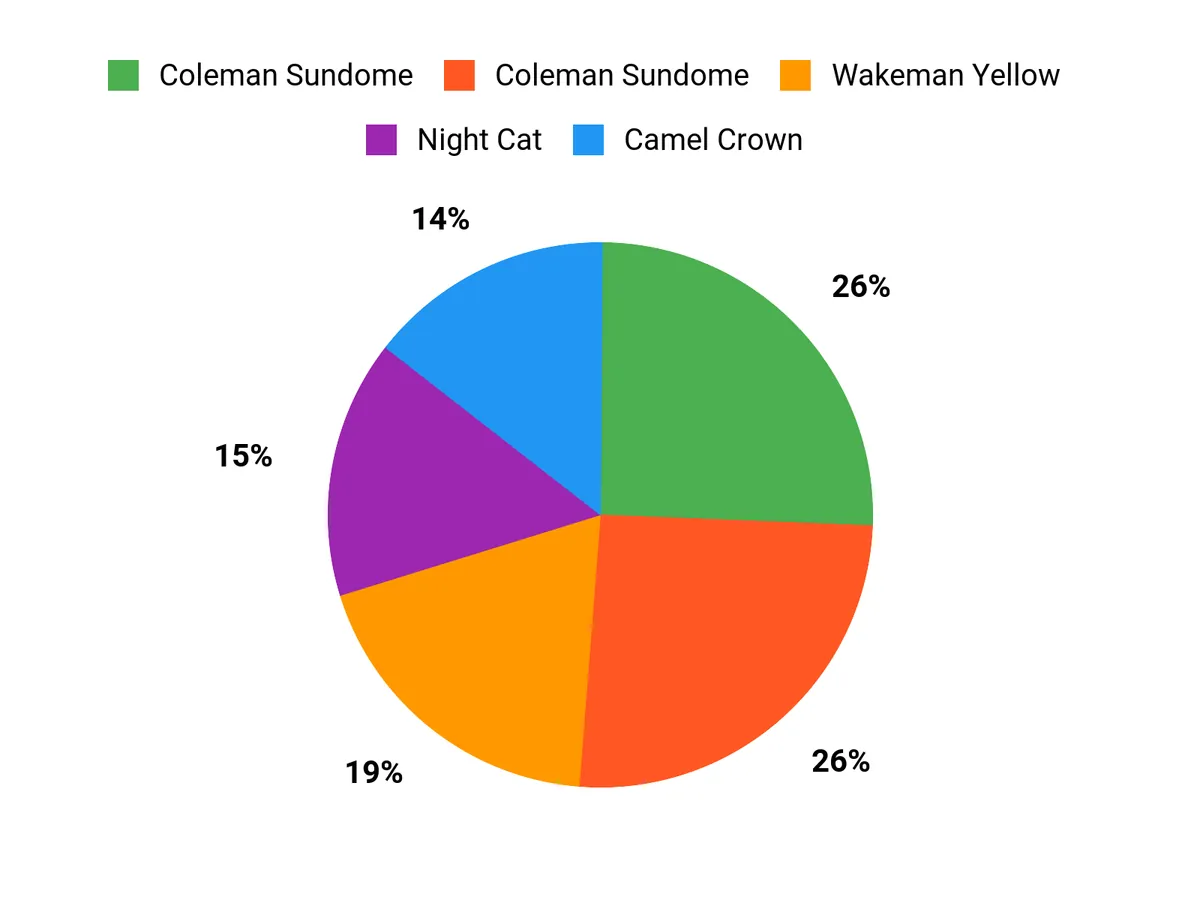
The source did not provide the methodology behind this preference graphic. Use the buyer guidance above as the primary comparison.
Wrapping Up
The Coleman Sundome is the strongest all-around choice for buyers who want a familiar, well-ventilated tent for ordinary campground use. The Golabs CT1 is the better fit when fast setup is the deciding factor, while the Clostnature 2P offers the most useful combination of shared access and rain-focused construction.
Choose the UNP or Camel Crown when interior room matters more than minimum weight. Consider the ShinHye for its double doors, and select the Wakeman Yellow only when low cost and mild-weather portability are your main priorities.
No budget tent removes the need to check the forecast, select a suitable campsite and pitch the shelter correctly. Matching the tent to your actual trip will provide more value than choosing solely by a marketing label or numerical waterproof rating.
Quick Comparison
| Product | Image | Approx. Weight | Capacity | Weather Design | Best Use | Amazon |
|---|---|---|---|---|---|---|
| Coleman Sundome 2 Person |
 |
About 7.5 lb | 2 people | WeatherTec-style floor, seams and rainfly | Car camping and festivals | Check Price |
| Golabs CT1 2 Person Camping Tent |
 |
About 4.4 lb | 2 people | Coated fabric and rainfly | Fast setup and weekend trips | Check Price |
| Clostnature 2P Camping Tent |
 |
About 5.3–5.9 lb | 2 people | PU-coated fly and seam sealing | Rain-conscious weekend camping | Check Price |
| UNP 2 Person Camping Tent |
 |
About 5.1 lb | 2 people | Coated polyester and rainfly | Extra room and casual camping | Check Price |
| Camel Crown 2 Person Tent |
 |
About 4.8 lb | 2 people | Rainfly and coated polyester | Roomy car camping | Check Price |
| ShinHye 1–2 Person Tent |
 |
About 5.3 lb | 1–2 people | Double layer and PU-coated fabric | Solo use or close-fitting couples | Check Price |
| Wakeman Yellow 2 Person Tent |
 |
About 3.1 lb | 2 people; best for one adult plus gear | Water-resistant fabric and small rainfly | Festivals and mild-weather use | Check Price |
Specifications are approximate and may vary by color, version or seller. Confirm current product details and included components on the linked Amazon page.
This roundup is reader-supported. When you click through links, we may earn a referral commission on qualifying purchases.
