
You want a hot tent that helps you manage cold, moisture, and changing winter weather while giving a properly installed stove pipe a purpose-built exit. The best choice depends on more than the number printed beside “occupancy”: you also need space for the stove, chimney clearance, firewood, sleeping gear, ventilation, and a safe route to the door.
This guide compares cabin, tipi, tunnel, hammock, double-wall, compact, and inflatable hot tents so you can match the shelter to your group size, transport method, preferred floor design, and winter-camping style.
Affiliate disclosure:. As an Amazon Associate I earn from qualifying purchases. This roundup is reader-supported. When you click an Amazon link, we may earn a referral commission from qualifying purchases at no additional cost to you. Product specifications, seller options, ratings, and availability can change, so confirm the current listing before ordering.
Quick Verdict
Best overall balance: The Naturehike Dune combines a removable inner tent, stove-ready vestibule, standing room, and a structured three-pole design.
Best traditional tipi: The OneTigris Rock Fortress offers a large single-pole footprint and straightforward winter basecamp layout.
Best compact cabin: The POMOLY Chalet 70 Pro gives two campers opposing doors, a stove jack, and more vertical wall space than a low pyramid shelter.
Best specialist design: The OneTigris TEGIMEN is built around hammock use and includes two stove-jack positions, but it requires trees or separately supplied supports.
Top Picks
The categories below are use-case labels rather than numerical rankings. Maximum listed capacity usually assumes that no stove, firewood, cots, or large furniture is taking up floor space.
| Category | Product | Best For |
|---|---|---|
| 🏕️ Best Compact Cabin | POMOLY Chalet 70 Pro | Two campers who want opposing doors and straighter walls |
| ⛺ Best Traditional Tipi | OneTigris Rock Fortress | Single-pole pitching and a large social floor plan |
| 🎒 Best Lighter Double-Wall Option | Naturehike Massif | Two-person motorcycle, car, or short-carry trips |
| 👨👩👧👦 Best Large Floorless Tipi | Preself T3 XL | Families, groups, cots, and bulky winter gear |
| 🌲 Best Hammock Hot Tent | OneTigris TEGIMEN | Hammock campers with suitable trees or supports |
| 🏆 Best Overall | Naturehike Dune | Double-wall comfort and longer basecamp stays |
| 🎈 Best Inflatable Cabin | WildFinder Inflatable | Car camping, glamping, and pole-free setup |
| 🛡️ Best Tunnel Shelter | OneTigris Raven NEST | Two campers wanting a long, low tunnel layout |
| 🎯 Best Compact Solo Option | Dandelion Shell | One camper using a small stove and compact sleep system |
| 🔥 Best Large Stove-Ready Tipi | Naturehike Ranch Fire | Large-group basecamps with configurable accessories |
Hot-Tent Safety Comes First
No tent-and-stove setup is risk-free. Use only a shelter and stove designed for the intended installation, follow both manufacturers’ instructions, maintain the required stove and chimney clearances, support the pipe securely, and keep combustible gear away from the stove.
- Never leave a burning stove unattended.
- Do not sleep while a fuel-burning stove is operating inside the shelter.
- Maintain continuous ventilation even when the weather is cold.
- Use a suitable battery-powered carbon-monoxide alarm and test it before each trip.
- Place the stove on a stable fire-resistant mat and use an appropriate spark arrestor.
- Keep an unobstructed exit and suitable fire-extinguishing equipment within reach.
- Follow campground rules, burn bans, and local fire restrictions.
How We Chose
This comparison is based on published manufacturer specifications, current product-listing details, design differences, stated materials, stove-jack configuration, floor layout, ventilation, packed weight where available, and recurring public-review themes. It does not claim that every model was personally field-tested.
We prioritized usable winter features rather than maximum occupancy alone. A tent that claims to sleep six people may be practical for far fewer once a stove, chimney clearance, firewood, cots, and gear are added. We also considered whether a design is realistic for backpacking, sled hauling, motorcycle travel, car camping, or a stationary basecamp.
Because sellers frequently offer several sizes or bundles under one listing, confirm the selected variation, included floor or inner tent, stove-jack style, pipe compatibility, and current specifications before purchasing.
Best for: One or two campers who want a compact cabin shape with easier side access than a center-pole tipi.
Why it stands out: The straighter walls make the footprint easier to organize, while opposing doors help you avoid stepping around the stove every time you enter or leave. Its listed footprint is approximately 8.2 by 6.6 feet, with a peak height just under 5 feet.
Before you buy: This is primarily a two-person shelter. A stove and firewood reduce the remaining sleeping space, and the packed weight makes it more suitable for vehicle-supported trips, sled hauling, or short carries than ultralight backpacking.
What People Say
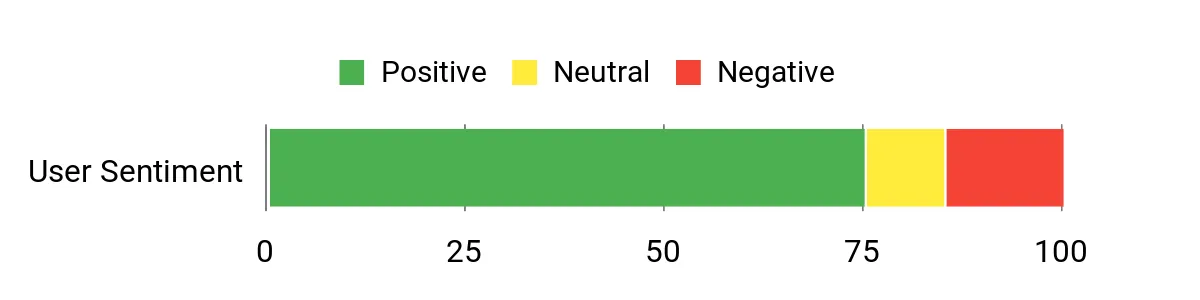
Public reviews commonly discuss the useful cabin layout, fast two-pole pitch, heat retention, and dual-door access. Recurring cautions include packed weight, condensation when ventilation is restricted, and the need to monitor snow accumulation on the walls.
The chart below is a historical review-sentiment snapshot from the source article. Review sentiment and volume can change, so read recent verified-purchase feedback before ordering.
Durability
The 70D polyester shell and aluminum-pole structure are appropriate for a compact winter shelter, but the tent still needs full staking and properly tensioned guylines. Remove accumulating snow instead of assuming the walls will shed every load unaided.
Comfort
The cabin shape creates more usable edge space than a sharply sloped pyramid. It works best for two pads or a compact cot-and-stove arrangement rather than the larger group capacity previously claimed.
Key Benefits
- Opposing doors improve stove-side access
- Compact cabin shape uses the footprint efficiently
- Purpose-built stove jack
- Simple two-pole structure
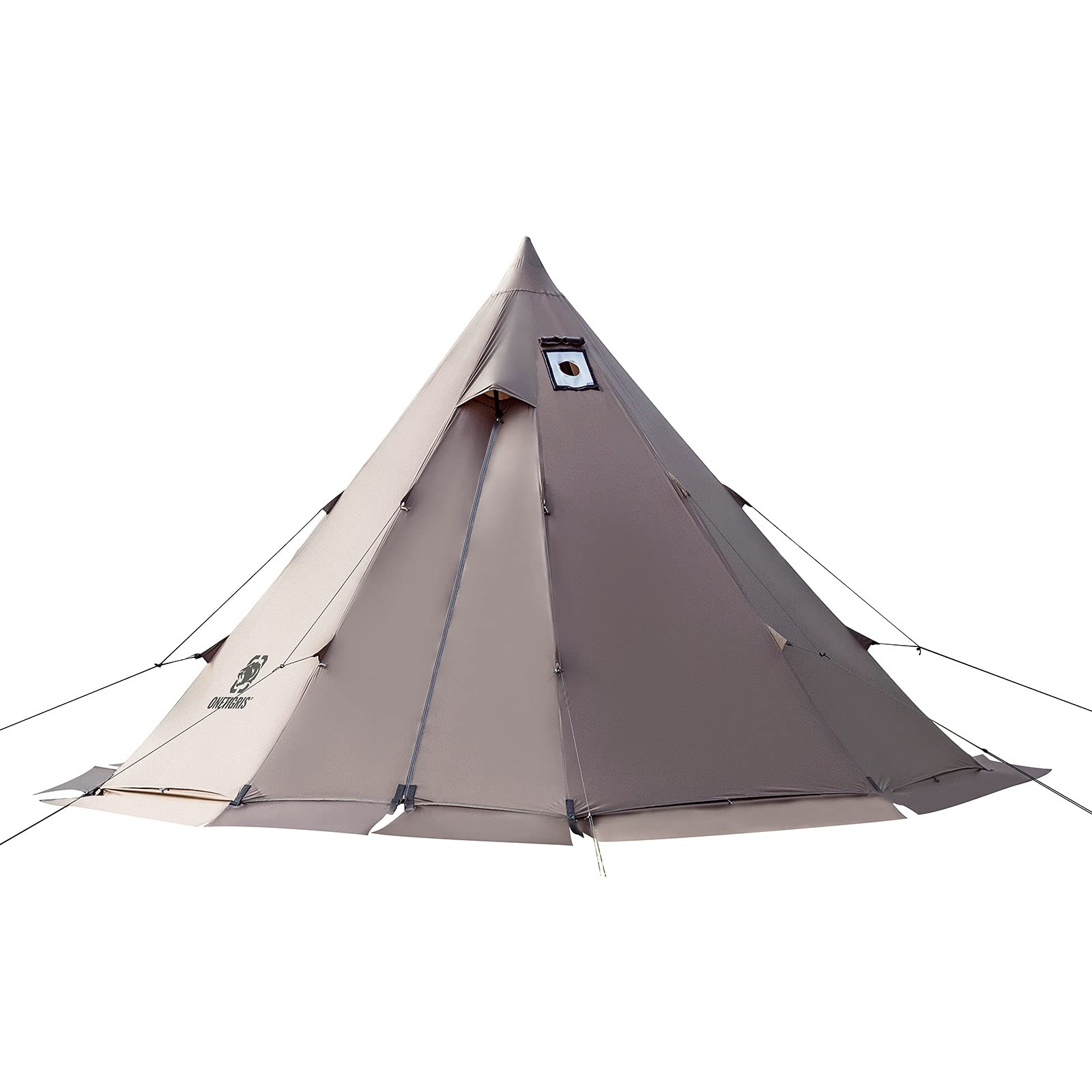
Best for: Hunters, bushcraft campers, and winter basecamp users who want a large floorless tipi with a fast center-pole pitch.
Why it stands out: Its approximately 12.4-foot diameter and 7.8-foot peak create standing room and a flexible circular layout for chairs, sleeping gear, and a compact stove.
Before you buy: The listed maximum capacity is not a comfortable heated capacity. With a stove, wood, and safe clearance, two or three adults have a much more realistic basecamp layout than six adults.
What People Say
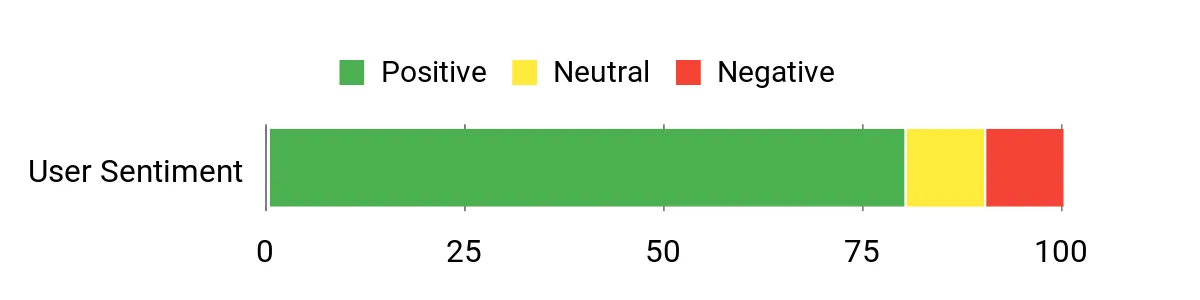
Commonly mentioned strengths include the uncomplicated single-pole setup, large footprint, packed size relative to covered area, and useful snow skirts. Common cautions include basic stock stakes, reduced sleeping area around the stove, and the need to manage condensation and snow load.
The chart below is a historical review-sentiment snapshot from the source article. Check recent reviews for current quality-control and accessory feedback.
Durability
The silicone-coated nylon shell and numerous perimeter stake points can form a stable pitch when properly tensioned. The center pole and sloping walls still need monitoring in heavy or wet snow.
Comfort
The high center provides excellent standing room, but headroom decreases rapidly near the perimeter. Plan sleeping positions before placing the stove, pipe, wood, and chairs.
Key Benefits
- Fast single-pole tipi setup
- Large floorless footprint
- Snow skirts for draft and snow management
- 3000mm listed waterproof rating
Best for: Couples or solo campers who want separation between the sleeping compartment and stove area without moving to a very heavy canvas shelter.
Why it stands out: The inner tent reduces contact with the outer fly and gives sleepers a dedicated compartment, while the hall and porch provide space for wet boots, a stove, and frequently used gear.
Before you buy: A double wall can help manage moisture, but it does not eliminate condensation. Ventilation remains necessary, and the stove must remain outside the enclosed inner sleeping compartment.
What People Say
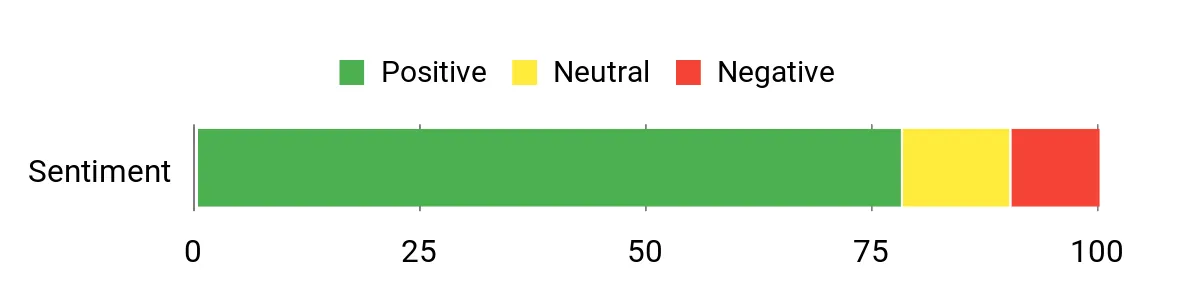
Review themes frequently mention the practical room-and-hall layout, relatively manageable packed weight, and versatility for motorcycle or car camping. Less-positive comments tend to focus on the staking sequence, limited space once larger furniture is added, and the care required around the lightweight fly.
The chart below is retained as a historical review-sentiment snapshot. Verify recent feedback for the exact two-person or four-person variation you select.
Durability
The listing describes a lightweight polyester fly, nylon inner, aluminum poles, taped seams, and a snow skirt. Those materials favor portability, so careful stove clearance and ember control are especially important.
Comfort
The separate inner and outer living area make this more organized than a single-wall two-person shelter. The approximately 57-inch peak is useful for sitting and changing but is not full standing height for most adults.
Key Benefits
- Separate inner sleeping compartment
- Stove-ready hall and porch
- Approximately 10.5-pound listed weight
- Useful two-person winter layout
Best for: Families and groups who prioritize standing room and flexible floor space over a sewn-in floor or compact campsite footprint.
Why it stands out: The 15-foot diameter provides room to arrange cots and group gear around the center pole, while the tall door and peak reduce the crouched feeling common in smaller tipis.
Before you buy: It is floorless, and optional inner or ground accessories may be separate. Its large footprint also needs a broad, relatively level site and more time for accurate perimeter staking.
What People Say
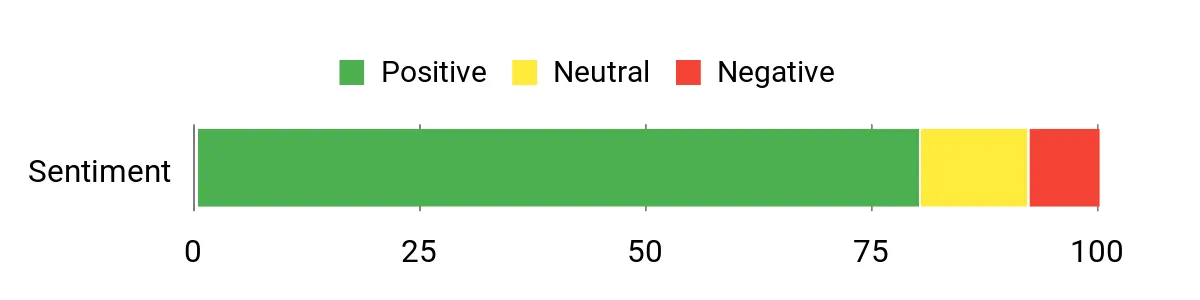
Common review themes include generous standing room, manageable weight for the covered area, and simple center-pole construction. Recurring cautions involve the supplied stakes, the amount of ground needed, and the importance of an accurate first stake pattern.
The chart below is a historical review-sentiment snapshot. Confirm the current package contents and accessory compatibility before purchasing.
Durability
The listing describes anti-tear polyester, taped seams, an aluminum center pole, and a stated 3000mm waterproof rating. Stronger snow stakes or deadman anchors may be appropriate for soft winter ground.
Comfort
The tall peak and large diameter make it one of the easier options for standing, changing clothes, and arranging several cots. Practical sleeping capacity still drops when you reserve safe stove and chimney clearance.
Key Benefits
- Large 15-foot listed diameter
- 8-foot-6-inch listed peak height
- Floorless single-pole layout
- Screen window for additional airflow
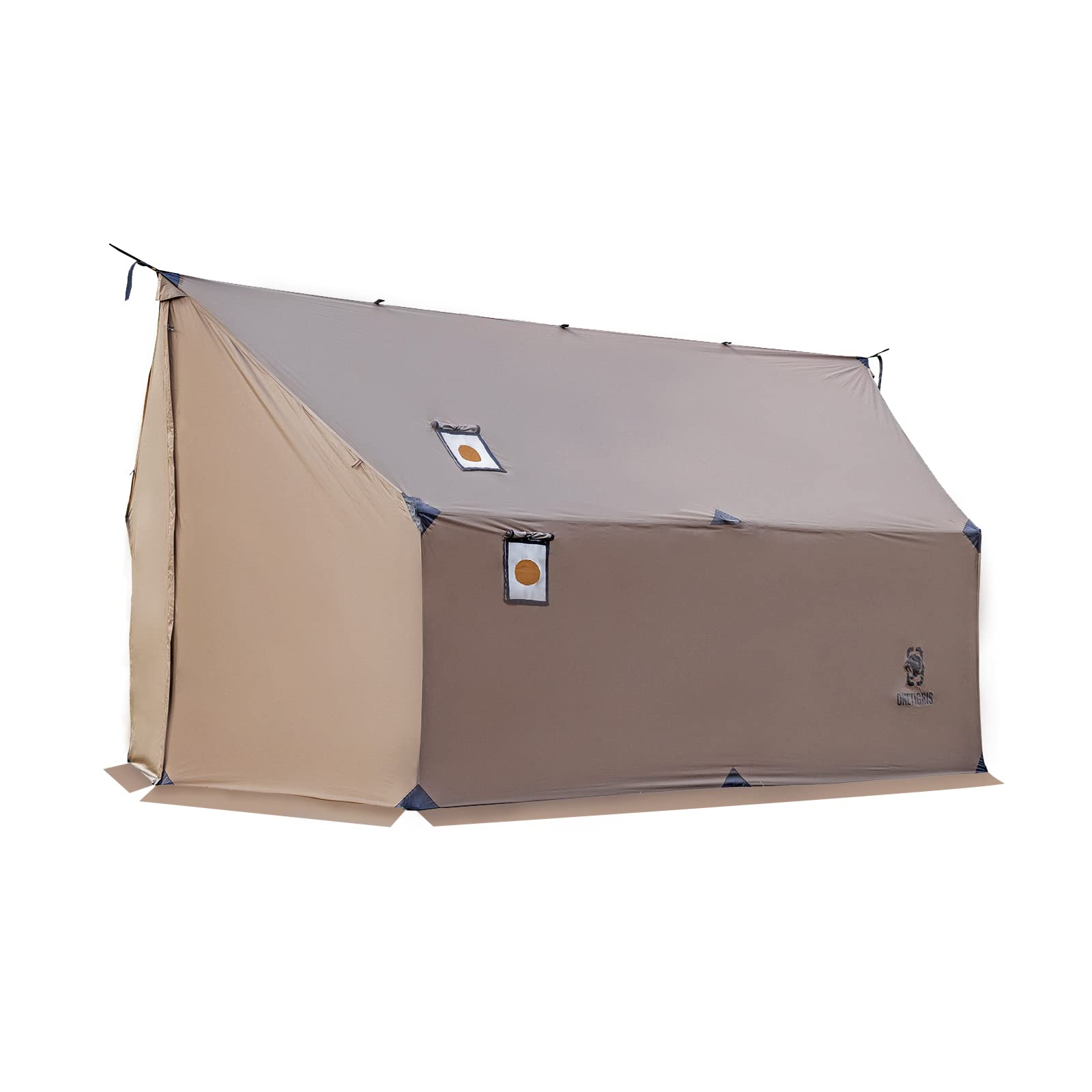
Best for: Hammock campers who already understand tree selection, suspension angles, tarp tensioning, and stove placement.
Why it stands out: The approximately 12.5-by-6.6-foot shelter is long enough for a general-size camping hammock and offers top and side stove-jack positions for different pipe routes.
Before you buy: Structural poles are not listed among the included components. You need appropriately spaced trees or your own safe support system. Do not rely on the erroneous occupancy figure that may appear in some marketplace fields.
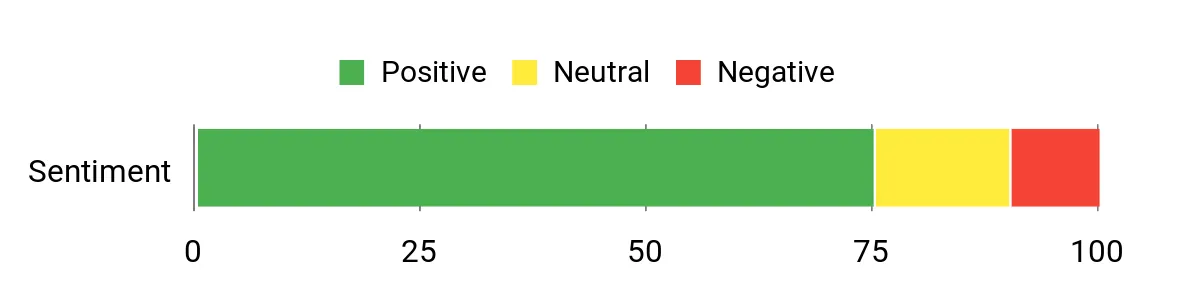
What People Say
Reviewers frequently value the roomy hammock enclosure, two chimney options, low packed weight for the coverage, and adaptability as a floorless shelter. Common drawbacks include a more involved first setup, basic stakes, a tight carry bag, and the need for a separate ground tarp on wet sites.
The chart below is a historical review-sentiment snapshot. Recent reviews are especially important for checking included hardware and current construction details.
Durability
The 70D ripstop nylon and taped seams are appropriate for a portable wall shelter, but stability depends heavily on anchor quality, ridgeline tension, and support placement.
Comfort
A hammock keeps your sleep system off snow and mud, while the tall rectangular enclosure leaves room to sit and organize gear. The floorless design requires deliberate mud, meltwater, and firewood management.
Key Benefits
- Designed around general-size hammocks
- Top and side stove-jack positions
- Approximately 6.8-pound listed shelter weight
- Large floorless covered area
Best for: Two campers who want a more organized sleeping-and-living layout for vehicle-supported winter trips and multi-night basecamps.
Why it stands out: The removable inner tent, vestibule, multiple doors, and standing-height peak create a more cabin-like experience than minimalist hot shelters.
Before you buy: The listing contains conflicting 3000mm and 4000mm waterproof figures. Confirm the specification for the exact variation in your cart. The product is also substantially heavier and bulkier than a single-pole nylon tipi.
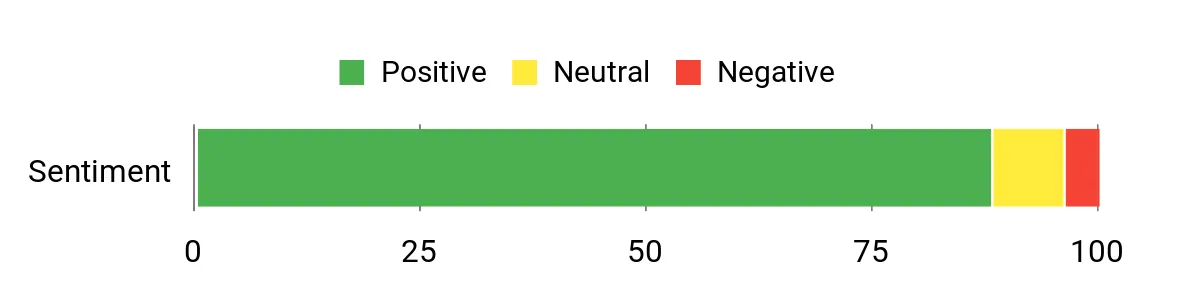
What People Say
Public feedback often highlights the tall interior, large vestibule, useful ventilation options, and structured double-wall layout. Common concerns include long poles, solo pitching on windy sites, and a sleeping compartment that becomes tight when large cots and a stove are used together.
The chart below is a historical review-sentiment snapshot. Read recent reviews for the exact size and seller variation.
Durability
The three-pole frame and multiple anchor points offer a structured pitch, while the outer shelter includes a snow skirt and stove jack. As with any synthetic hot tent, ember damage remains possible even when the fabric has protective treatments.
Comfort
The approximately 71-inch peak allows many campers to stand near the center, and the inner tent provides a defined sleeping zone. Removing the inner creates a larger open shelter when conditions and sleeping arrangements allow.
Key Benefits
- Removable inner sleeping compartment
- Standing-height central area
- Large vestibule for stove and gear
- Three-pole structure with several access points
Best for: Car campers and glampers who value standing room, a bright interior, and pole-free inflation more than minimum packed size.
Why it stands out: The linked variation is approximately 118 by 83 by 78 inches and uses replaceable TPU air beams rather than rigid poles. The large skylight and mesh openings create a more residential cabin feel.
Before you buy: Inflatable tents are bulky, and valves, pumps, air beams, and repair access add components that traditional pole tents do not have. Carefully verify stove clearances around the air-beam sleeves, floor, roof, and skylight.
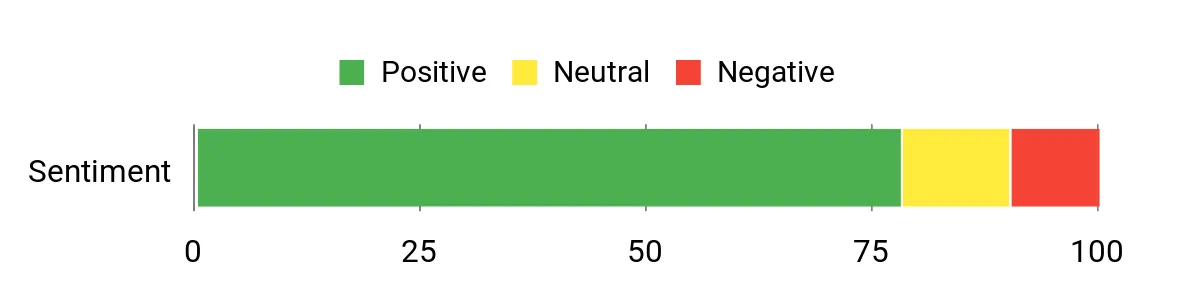
What People Say
Common review themes include fast inflation, standing room, the bright skylight, and an approachable cabin layout. Recurring cautions involve packed bulk, door and zipper preferences, valve care, and the need to inspect the stove-jack area before cold-weather use.
The chart below is a historical review-sentiment snapshot. Check recent verified reviews for valve, pump, and stove-jack performance.
Durability
The 420D Oxford shell and covered TPU beams are designed for vehicle-supported camping. Carry the recommended repair materials and avoid sharp ground, overinflation, and abrasion around valves and beam sleeves.
Comfort
The tall rectangular interior fits chairs, cots, and a table more naturally than a sharply sloped tipi. The listing describes room for four adults to sleep or up to six people to sit, rather than six adults plus a stove and full sleep systems.
Key Benefits
- Air-beam setup with included pump
- Panoramic skylight and mesh ventilation
- Standing-height cabin layout
- Built-in stove jack
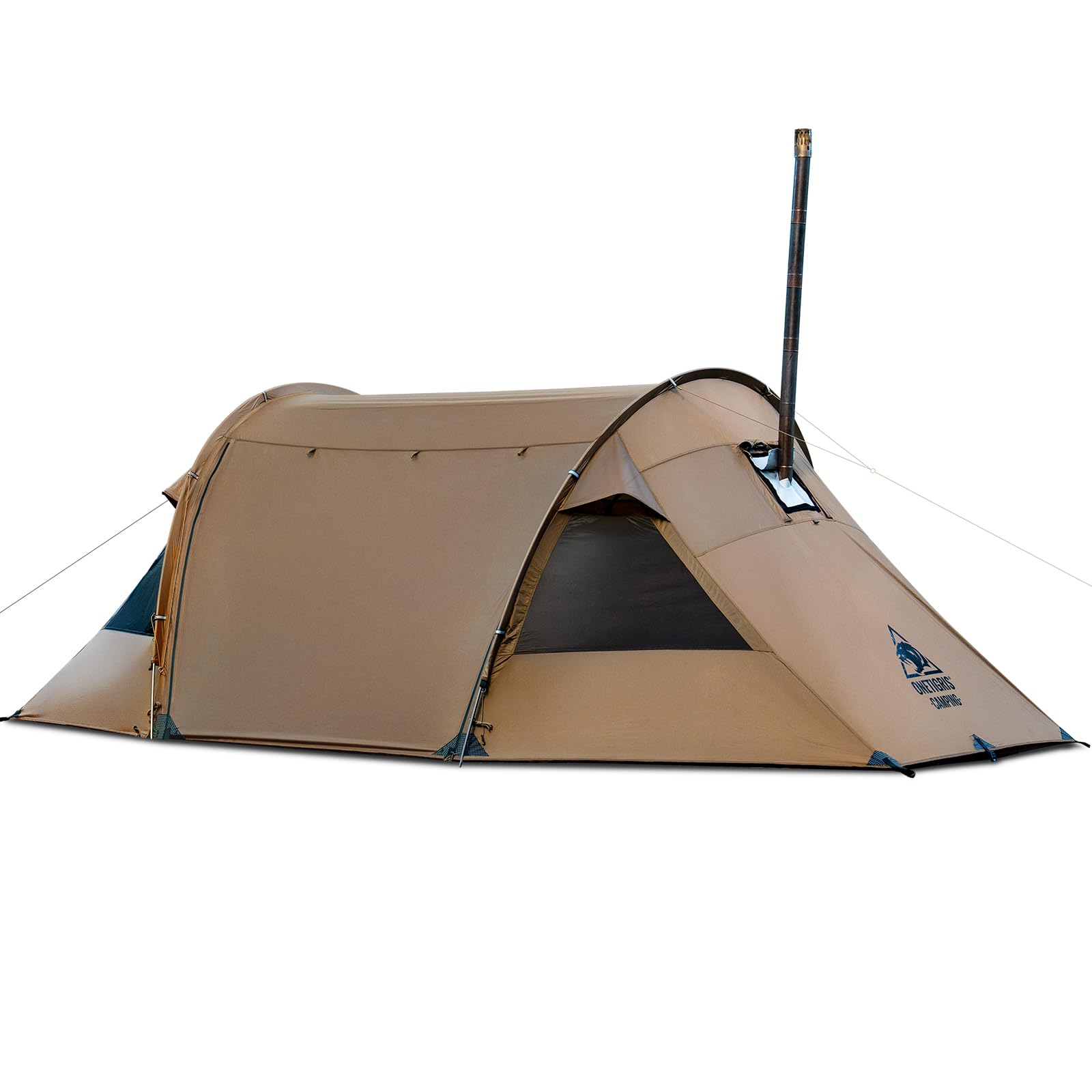
Best for: Two campers who prefer a long tunnel layout with separate zones for sleeping gear, the stove, and equipment.
Why it stands out: The approximately 14-foot length provides more linear organization than a small pyramid. Large side openings can improve access and ventilation when weather permits.
Before you buy: The roughly 4.8-foot peak is useful for sitting and kneeling but is not standing height. The shelter is floorless, so add an appropriately placed groundsheet where needed without putting ordinary floor material beneath the stove.
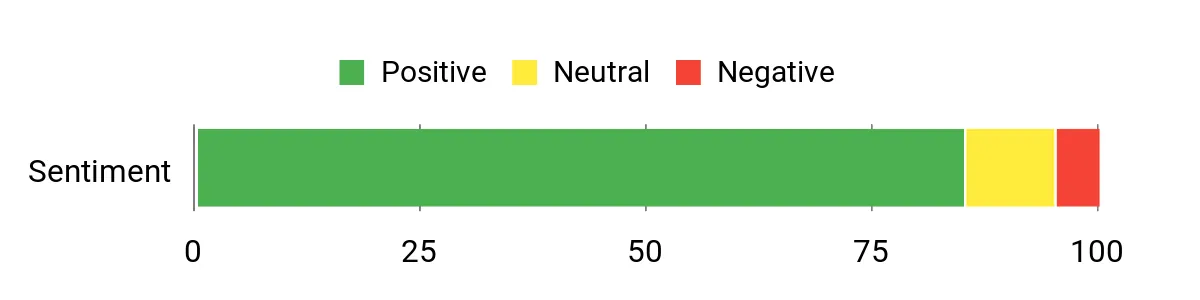
What People Say
Early review themes emphasize the logical tunnel layout, covered area, large doors, and stove-ready design. Because the model has a shorter review history than several established tents in this guide, buyers should place more weight on current verified reviews and the manufacturer’s setup instructions than on a perfect-looking early rating.
The chart below is retained as a historical source snapshot and should not be interpreted as a statistically reliable score.
Durability
Coated 70D nylon, aluminum poles, multiple anchors, and YKK zippers support a weather-oriented tunnel pitch. Correct end-to-end tension is important because a loose tunnel structure can flap or collect precipitation.
Comfort
The long interior can separate the stove from sleeping equipment more clearly than a compact tipi. Two campers should still plan exact stove, cot, pipe, and exit positions before lighting a fire.
Key Benefits
- Long two-person tunnel layout
- Approximately 9.26-pound listed weight
- Large access openings
- 3000mm listed waterproof rating
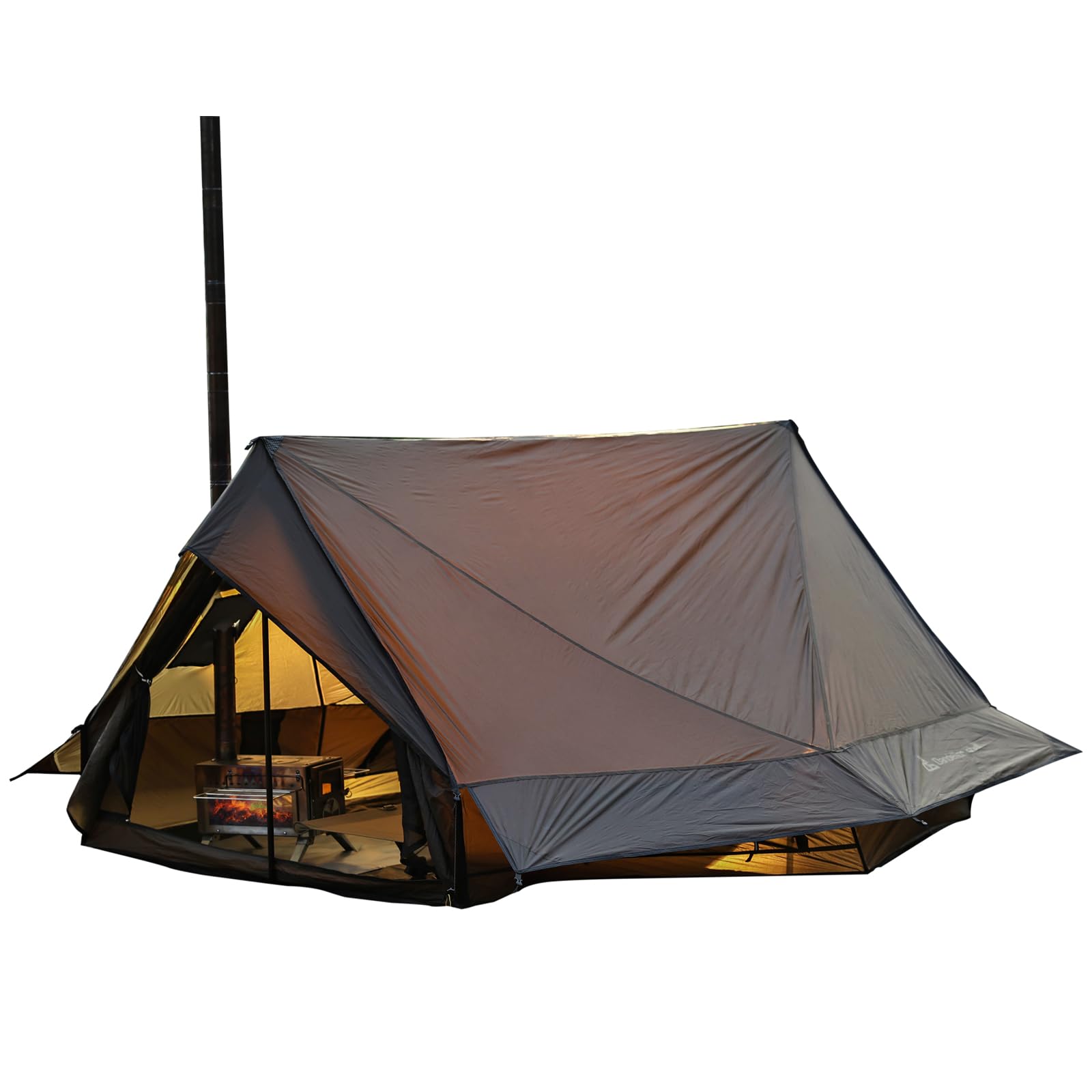
Best for: A solo camper who wants a smaller stove-ready shelter and does not need standing room.
Why it stands out: It combines a stove jack and included protective ground component with a lighter synthetic shell. The seller itself recommends solo use when a stove is installed, which is more realistic than treating it as a comfortable multi-person hot tent.
Before you buy: The marketplace listing contains inconsistent dimension and occupancy fields across variations. Confirm the product diagram, selected size, included poles, tarp fit, and stove-jack location before ordering.
What People Say
Commonly mentioned positives include manageable packed weight, adjustable vents, and a compact stove-ready layout. Recurring concerns include unclear instructions, pole fit, ground-tarp alignment, and the limited room remaining for a second sleeper once a stove is installed.
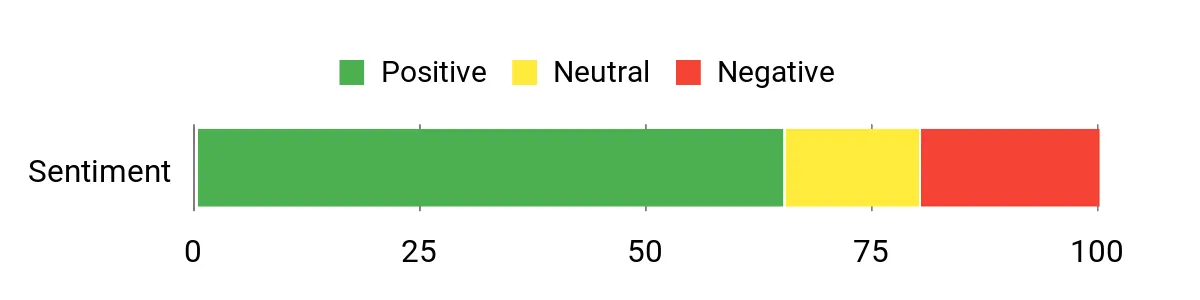
The chart below is a historical review-sentiment snapshot. Variation-specific reviews are more useful than the listing’s combined headline data.
Durability
The lightweight 20D shell prioritizes portability. Use conservative chimney clearance, inspect the stove-jack area frequently, and protect the fabric from branches, abrasion, and embers.
Comfort
It is most comfortable as a compact solo shelter with a small sleep system. Two occupants plus a stove create a tight layout and reduce safe movement around the heat source.
Key Benefits
- Compact solo-focused hot-tent layout
- 20D silicone-coated nylon shell
- Included fire-resistant ground component
- Adjustable ventilation and snow skirt
Best for: Vehicle-supported group basecamps that need standing room and a broad social layout.
Why it stands out: Its approximately 13-foot-square listed footprint and octagonal shape provide a large open shelter with two possible stove-jack locations.
Important configuration warning: The Amazon listing offers the shelter, floor, inner tent, and bundles as separate selections. Confirm exactly which option is in your cart. Do not assume that the floor or inner tent is included with the shelter-only variation.
What People Say
Public feedback commonly focuses on standing room, group-friendly space, and stability when every anchor is properly tensioned. Recurring cautions include the large site requirement, the number of stakes involved, and confusion over separately sold floors or inner tents.
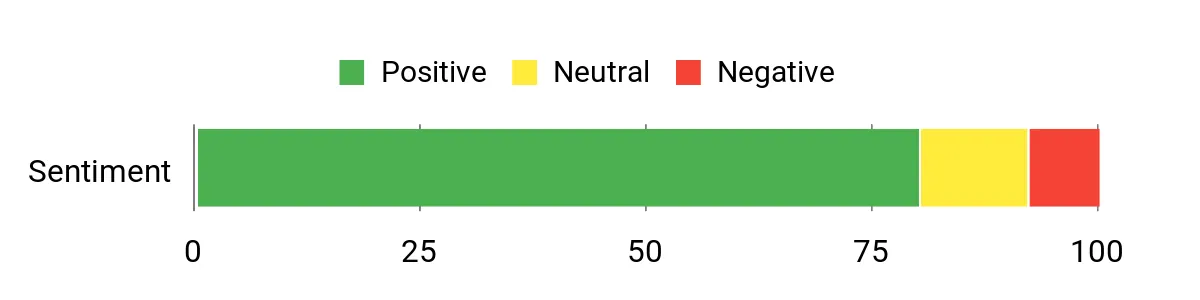
The chart below is a historical review-sentiment snapshot. Current variation and bundle reviews should guide the final purchase.
Durability
The octagonal footprint, center support, snow skirt, and many anchor points can create a stable shelter, but only when the stake pattern is accurate. Use anchors appropriate for frozen soil, loose snow, or soft ground.
Comfort
The tall peak and broad footprint support cots, chairs, and a central living area. Maximum sleeping capacity is only realistic without large furniture and with a carefully planned stove zone.
Key Benefits
- Large group-oriented footprint
- Two DIY stove-jack positions
- Standing-height central area
- Configurable floor and inner-tent options
Before You Buy: Hot-Tent Checklist
- Confirm the exact variation: Listings may combine several sizes, colors, floors, inners, or shelter-only options.
- Measure the stove pipe: Check stove-jack dimensions, pipe diameter, exit angle, and manufacturer-required clearance.
- Plan practical capacity: Subtract space for the stove, firewood, cots, chairs, and a clear exit.
- Choose the floor style: Floorless tents simplify stove placement, while sewn-in floors need an approved protected stove area.
- Check included supports: Hammock shelters and some tarps may require trees, trekking poles, or separately purchased frame poles.
- Upgrade anchors where necessary: Standard stakes may not work well in deep snow, frozen soil, sand, or soft ground.
- Practice at home: Pitch the tent, establish stove clearance, support the chimney, and test the alarm before the first winter trip.
FAQ
Are Hot Tents Safe With Wood Stoves?
Purpose-built hot tents are designed to accommodate a compatible stove pipe, but that does not make any installation automatically safe. Fire, burns, smoke, chimney failure, and carbon-monoxide poisoning remain serious risks.
Follow the tent and stove manufacturers’ instructions, maintain all required clearances, support the chimney, use an appropriate spark arrestor and fire-resistant stove mat, keep ventilation open, and use a tested carbon-monoxide alarm. Never leave a burning stove unattended or sleep while it is operating. Local fire restrictions may prohibit stove use even when the equipment has a stove jack.
How Do I Reduce Condensation?
Open both high and low vents to create continuous airflow, avoid breathing directly against cold outer walls, and keep wet clothing outside the sleeping compartment when possible. A double-wall shelter can reduce contact with condensation but cannot eliminate the moisture produced by occupants, snow-covered gear, cooking, and temperature differences.
Do not close every vent simply to retain heat. Safe airflow takes priority over maximizing temperature.
How Many People Fit in a Hot Tent With a Stove?
Practical heated capacity is usually lower than the advertised occupancy. A stove requires a fire-resistant zone, chimney clearance, firewood storage, and an unobstructed route to the exit. A tent marketed for four to six sleepers may be most comfortable for two or three people with a complete stove setup.
Is a Floorless or Sewn-In Floor Better?
A floorless hot tent makes stove placement, muddy boots, and snow management simpler, but you may need separate groundsheets beneath sleeping areas. A sewn-in floor can improve cleanliness and insect protection, but the stove must sit on a manufacturer-approved protected area with adequate clearance from ordinary floor material.
Which Hot Tent Is Best for Carrying Farther From the Vehicle?
Start with the shelter’s listed weight, but also include the stove, chimney, stakes, groundsheet, fire mat, saw or axe, and repair kit. Models such as the OneTigris TEGIMEN or smaller Dandelion Shell variation reduce shelter weight, while large cabin, inflatable, and double-wall designs are generally better suited to vehicle-supported trips.
What Should I Verify Before Matching a Stove to a Tent?
Confirm the stove-jack opening, pipe diameter, pipe length, exit direction, chimney-support method, spark-arrestor requirements, floor protection, wall and roof clearances, and whether the selected tent variation actually includes the stove-jack panel shown in the listing.
What Campers Prefer
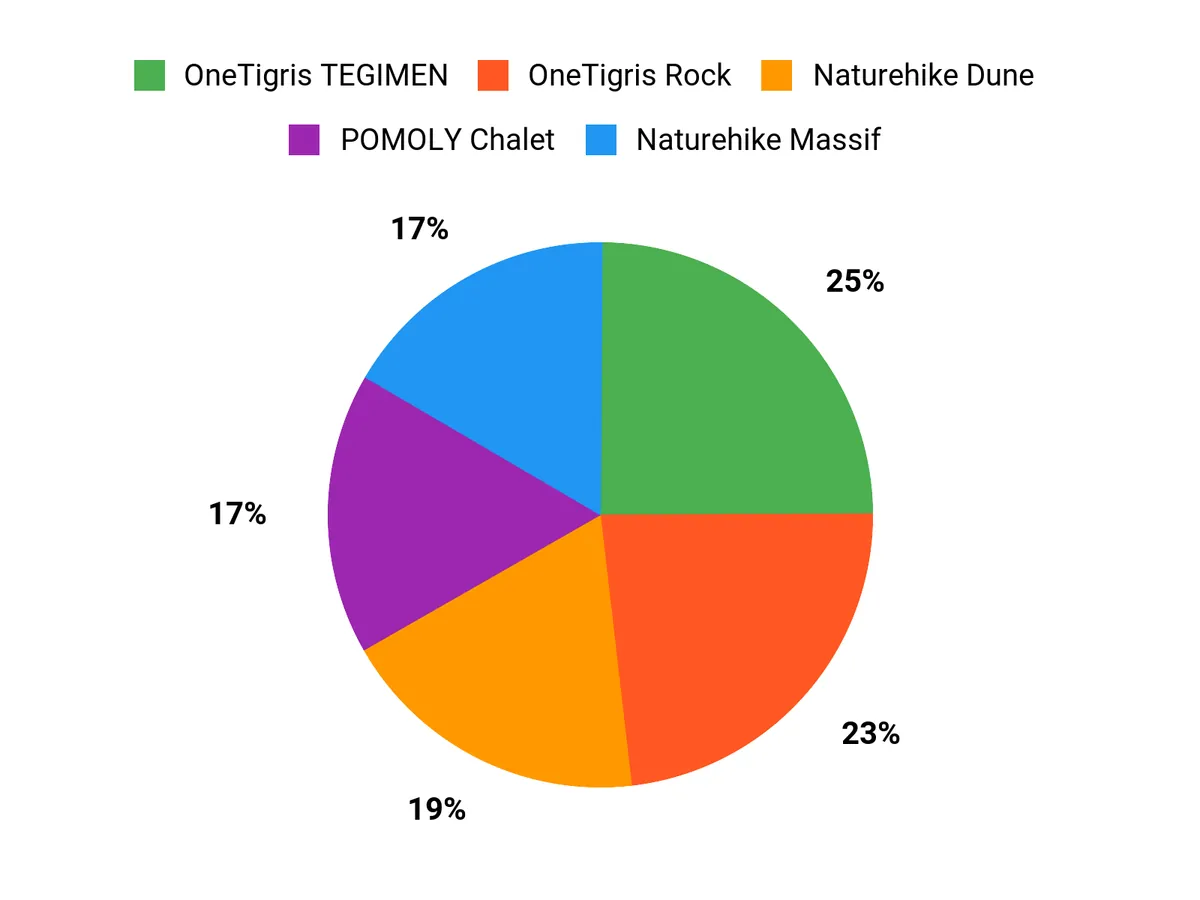
Most buyers choose among three broad priorities. Cabin and double-wall shelters favor organization and comfort. Single-pole tipis maximize covered space with relatively simple structures. Tunnel, hammock, compact, and inflatable shelters solve more specialized needs involving layout, suspension, carrying weight, or setup convenience.
The POMOLY Chalet 70 Pro suits buyers who want a compact cabin for two. The OneTigris Rock Fortress is the stronger fit for a traditional large tipi. The Naturehike Massif and Dune are better for campers who value a separated sleeping compartment, while the TEGIMEN is the clear specialist choice for hammock users.
The chart below is retained from the source article as a directional illustration rather than a current market-share or statistically representative survey.
Wrapping Up
The best hot tent is the one that leaves enough room for your real heated layout—not merely the maximum number of sleeping pads shown in a product diagram.
Choose the Naturehike Dune for a structured double-wall basecamp with standing room, the OneTigris Rock Fortress for a spacious traditional tipi, or the POMOLY Chalet 70 Pro for a compact two-person cabin. Hammock campers should look closely at the OneTigris TEGIMEN, while vehicle-supported groups may prefer the larger Preself T3 XL or Naturehike Ranch Fire.
Before purchasing, confirm the selected variation, practical stove capacity, floor configuration, included supports, stove-jack compatibility, ventilation, and local fire rules.
| Product | Image | Practical Use | Listed Water Resistance | Main Material | Floor / Structure | Amazon |
|---|---|---|---|---|---|---|
| POMOLY Chalet 70 Pro |
 |
Two-person compact cabin | 2500mm | 70D polyester | Cabin; separate footprint component | Check Details |
| OneTigris Rock Fortress |
 |
Large single-pole tipi | 3000mm | 70D silicone-coated nylon | Floorless tipi | Check Details |
| Naturehike Massif |
 |
Two-person room-and-hall layout | 3000mm | Polyester fly; nylon inner | Double wall with inner tent | Check Details |
| Preself T3 XL |
 |
Large family or group tipi | 3000mm | Anti-tear polyester | Floorless single-pole tipi | Check Details |
| OneTigris TEGIMEN |
 |
Hammock winter shelter | 3000mm | 70D ripstop nylon | Floorless; trees or supports required | Check Details |
| Naturehike Dune |
 |
Comfort-oriented two-person basecamp | Listing varies: 3000–4000mm | Polyester | Double wall; removable inner | Check Details |
| WildFinder Inflatable |
 |
Car camping and glamping | PU3000mm | 420D Oxford | Sewn floor; TPU air beams | Check Details |
| OneTigris Raven NEST |
 |
Two-person tunnel layout | 3000mm | 70D coated nylon | Floorless tunnel; aluminum poles | Check Details |
| Dandelion Shell |
 |
Compact solo stove setup | 3000mm listed | 20D silicone-coated nylon | Compact frame; protective tarp included | Check Details |
| Naturehike Ranch Fire |
 |
Large group basecamp | 3000mm | 68D polyester | Octagonal; floor and inner vary by option | Check Details |
Specifications in this comparison may vary by size, color, bundle, seller, or later product revision. Confirm the current Amazon listing and manufacturer instructions before purchasing or operating a stove.
This roundup is reader-supported. When you click through affiliate links, we may earn a referral commission on qualifying purchases.