
Affiliate disclosure: As an Amazon Associate I earn from qualifying purchases. This does not affect the price you pay.
Last updated: July 15, 2026
You want a tent that keeps your load manageable without draining your camping budget. The right choice depends on more than weight alone. You also need enough sleeping space, suitable rain protection, manageable setup, and a packed shape that works with your vehicle or backpack.
This guide compares six distinct inexpensive, lightweight tents for solo trips, campsites, motorcycle travel, and colder nights. Each recommendation includes an honest limitation so you can avoid buying a shelter that does not suit your conditions.
Quick Verdict
Best overall balance: JELUCAMP Dark combines a manageable 4.3-pound listed weight with a two-person floor and PU3000-coated fabric.
Best solo option: Night Cat Solo gives one camper enough floor space for sleeping gear without moving into a larger two-person design.
Best basic budget option: Wakeman Dome is light and simple, but it is better for calm, fair-weather trips than demanding conditions.
Best stronger-weather feature set: Clostnature 2P offers a full rainfly, vestibule storage, and seller-listed PU5000 material, although it is heavier than the smallest picks.
Top Picks
| Category | Product | Listed Weight | Main Tradeoff |
|---|---|---|---|
| Best Overall Balance | JELUCAMP Dark | 4.3 lb | A close fit for two adults |
| Best Solo Tent | Night Cat Solo | 4.4 lb | Limited shared sleeping space |
| Best Basic Budget Pick | Wakeman Dome | 3.3 lb | Small rainfly and basic materials |
| Best Roomy Value | CamelCrown Navy | 4.8 lb | Standard dome setup, not an instant tent |
| Best Three-Season Protection | Clostnature 2P | About 5.3 lb | Heavier than the other backpacking picks |
| Best Cold-Weather Features | Underwood 2P | About 5.7 lb | Not verified for severe alpine conditions |
How We Chose These Tents
We compared the listed weight, sleeping dimensions, pole system, rainfly coverage, ventilation, packed portability, and intended season range. We also looked for meaningful differences between products instead of treating color variants as separate recommendations.
This roundup is based on available product specifications and buyer-oriented analysis. It does not claim hands-on laboratory or field testing. Product details can change, so confirm the current dimensions, included parts, and material specifications on Amazon before ordering.
Before You Buy
- Check the complete packed size. A light tent can still be awkward to attach to a small backpack or motorcycle.
- Treat capacity labels cautiously. A budget two-person tent may be more comfortable for one camper plus equipment.
- Do not rely on the millimeter rating alone. Fly coverage, seams, floor design, ventilation, and correct pitching also affect wet-weather performance.
- Practice setup before traveling. You can spot missing parts and learn how to tension the fly before darkness or rain arrives.
- Use an appropriately sized footprint. Keep its edges under the tent floor so it does not collect rainwater.
JELUCAMP Dark offers the best balance for readers who want a manageable two-person shelter without moving into a much heavier camping tent. Its listed floor measures about 86.6 by 59.1 inches, giving one person generous room or two adults a compact sleeping layout.
The listed PU3000 coating is useful for comparing fabrics, but it should not be treated as a complete weather guarantee. Correct fly tension, campsite drainage, seam condition, and ventilation still affect performance.
Best for: Weekend campsites, motorcycle travel, and solo campers who want extra room.
Skip it if: You need generous space for two adults and all their equipment inside the sleeping area.
Recent Review Checks
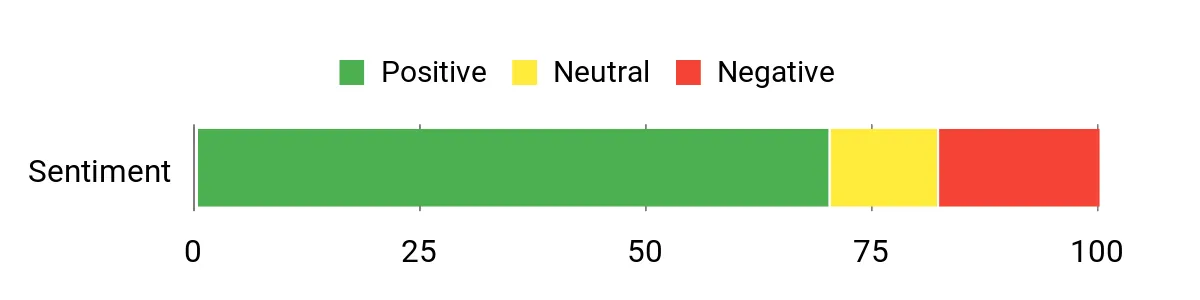
Before ordering, read recent reviews for comments about zipper operation, seam quality, floor durability, and the usable space with two sleeping pads. Review patterns and product components can change over time.
Historical review-theme graphic: This image reflects an earlier review snapshot and should not replace checking the current Amazon listing.
Setup and Use
|
Feature |
Buyer Guidance |
|---|---|
|
Setup |
Conventional crossed-pole dome setup |
|
Listed Weight |
4.3 pounds |
|
Sleeping Space |
Roomy for one, close for two |
|
Weather Design |
PU3000-coated fabric with a removable fly |
Why You May Like It
- Balances low weight with a usable two-person floor
- Simple dome structure is easy to understand
- Removable fly gives you more ventilation options
- Works well as a roomy solo shelter
Night Cat Solo solves a common problem for individual campers: carrying a larger two-person tent when you only need one sleeping space. Its floor is about 86.6 inches long and 47 inches wide, giving one camper space for a sleeping pad and selected equipment.
At about 4.4 pounds, it is light compared with many inexpensive campsite tents, but it is not an ultralight shelter by specialist backpacking standards. Buyers focused on the lowest possible trail weight should compare the complete packed weight with trekking-pole tents and premium ultralight models.
Best for: Solo camps, motorcycle trips, fishing weekends, and short backpacking routes.
Skip it if: Two adults need to share the sleeping compartment comfortably.
Recent Review Checks
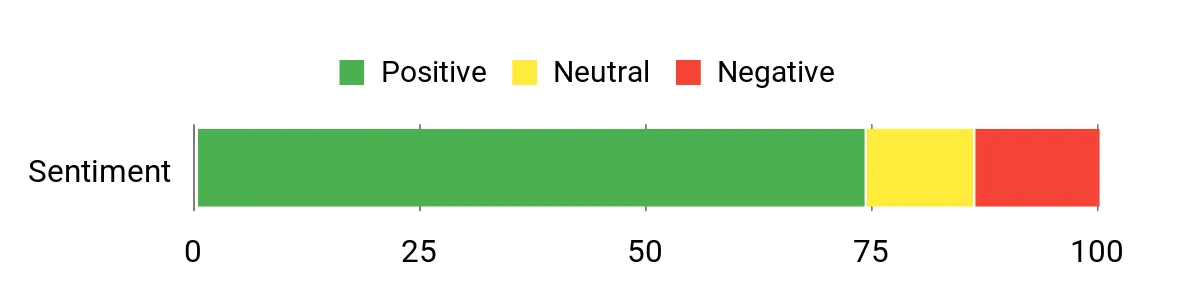
Check current feedback for pole durability, included stake quality, condensation, and how the floor performs after repeated use. Confirm whether the current package contains every accessory shown on the listing.
Historical review-theme graphic: This image reflects an earlier review snapshot and should not replace checking current buyer feedback.
Setup and Use
|
Feature |
Buyer Guidance |
|---|---|
|
Setup |
Simple fiberglass-pole dome structure |
|
Listed Weight |
About 4.4 pounds |
|
Capacity |
Designed primarily for one camper |
|
Weather Specification |
Seller-listed 3000mm material |
Why You May Like It
- Purpose-built floor size for a solo camper
- Long enough for many adult sleeping pads
- Compact alternative to carrying a larger group tent
- Useful for bike, motorcycle, and short hiking trips
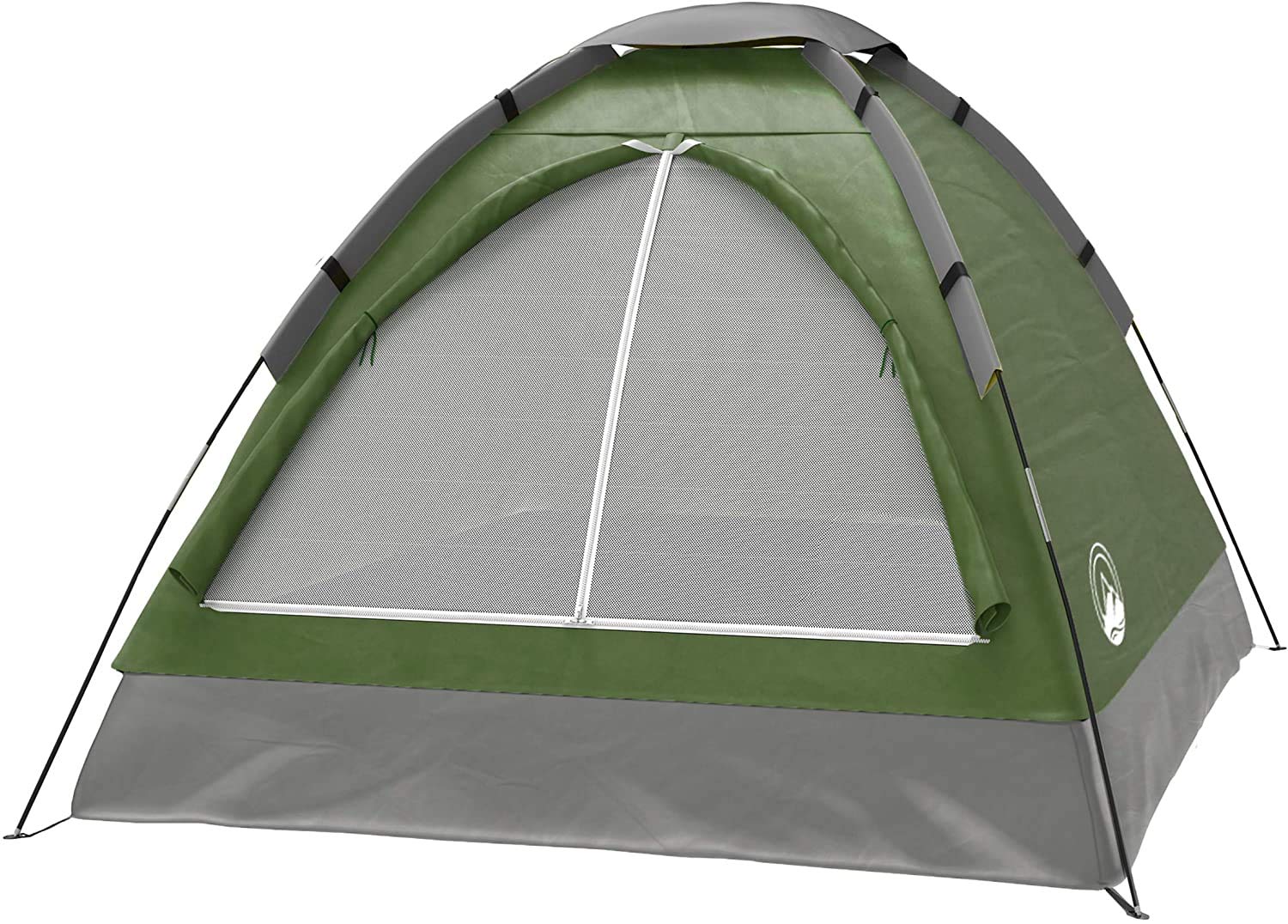
Wakeman Dome is the straightforward choice for occasional campers who want low weight and uncomplicated setup. Its listed dimensions are about 77 by 57 by 40 inches, making it more practical for one adult with equipment or two people who accept close quarters.
The small rainfly does not provide the coverage of a full double-wall backpacking tent. Choose it for calm summer camps, festivals, backyard use, or short fair-weather trips rather than exposed sites with prolonged rain or strong wind.
Best for: First-time campers, festivals, backyard use, and fair-weather weekends.
Skip it if: You expect repeated storms, abrasive terrain, or frequent backcountry use.
Recent Review Checks
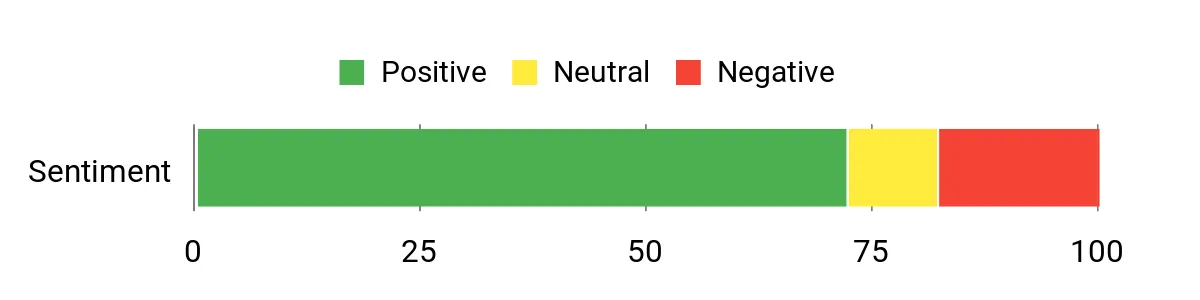
Inspect recent feedback about zipper operation, floor thickness, pole durability, and leakage around exposed sections. Also confirm the current listing’s included components.
Historical review-theme graphic: This image reflects an earlier review snapshot and should not replace current listing research.
Setup and Use
|
Feature |
Buyer Guidance |
|---|---|
|
Setup |
Basic two-pole dome design |
|
Listed Weight |
About 3.3 pounds |
|
Rainfly |
Partial coverage |
|
Durability |
Best with careful, occasional use |
Why You May Like It
- One of the lightest conventional tents in this comparison
- Simple construction for new campers
- Mesh door supports airflow in mild weather
- Suitable for occasional trips with limited exposure
CamelCrown Navy offers a larger floor than the smallest budget tents while keeping its listed weight below five pounds. Its approximately 86.6 by 59.1-inch floor works well for one camper with equipment and can hold two sleeping pads with little spare room.
This is a standard dome tent with poles, not a true instant pop-up shelter. That distinction matters because it affects setup expectations and packed shape. Practice assembling it before your first trip and confirm that all poles, stakes, and guy lines are present.
Best for: Campsites, fishing trips, motorcycle travel, and solo campers who value extra floor space.
Skip it if: You specifically need an instant tent or a roomy two-person interior with indoor equipment storage.
Recent Review Checks
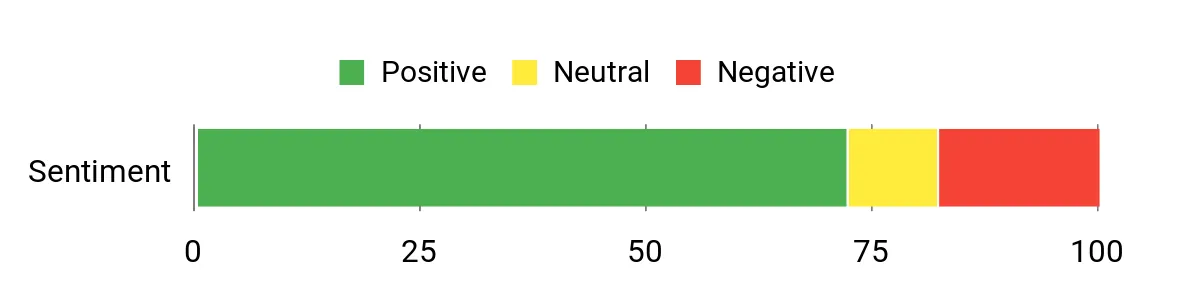
Read recent reviews for information about pole consistency, zipper quality, condensation, stitching, and how the fabric handles sustained rain. Do not assume every color variant has identical included parts.
Historical review-theme graphic: This image reflects an earlier review snapshot and should not replace checking current buyer feedback.
Setup and Use
|
Feature |
Buyer Guidance |
|---|---|
|
Setup |
Conventional pole-supported dome |
|
Listed Weight |
About 4.8 pounds |
|
Floor Size |
Roomy for one, compact for two |
|
Listed Coating |
PU2000 floor material |
Why You May Like It
- Useful floor dimensions for a solo camper and equipment
- Removable fly and ventilation openings
- Guy lines and stakes support a properly tensioned pitch
- Good middle ground between tiny shelters and heavier campsite tents
Clostnature 2P is the strongest choice here for readers who prioritize fly coverage, gear storage, and a more complete three-season shelter design. Dual doors make entry easier for two campers, while vestibules let you keep footwear and selected equipment outside the sleeping area.
The tradeoff is weight. At roughly 5.3 pounds, it is heavier than many modern backpacking tents and may be better shared between two hikers. It should not be described as a severe-winter or universal all-weather shelter because the accessible listing identifies it as a three-season tent.
Best for: Two-person weekend backpacking, wet three-season camps, and campers who value vestibule storage.
Skip it if: Your main goal is the lowest possible solo trail weight.
Recent Review Checks
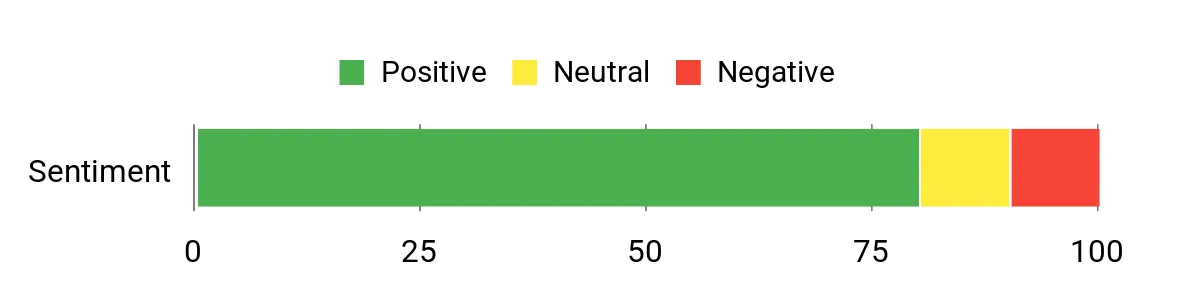
Check recent feedback about packed weight, floor wear, pole connections, zipper operation, and performance around the vestibule and fly seams. Confirm whether a separate footprint is included.
Historical review-theme graphic: This image reflects an earlier review snapshot and should not replace checking current buyer feedback.
Setup and Use
|
Feature |
Buyer Guidance |
|---|---|
|
Setup |
Clip-supported aluminum-pole structure |
|
Listed Weight |
About 5.3 pounds |
|
Season Rating |
Three-season |
|
Gear Storage |
Dual vestibule design |
Why You May Like It
- Full rainfly provides more coverage than partial-fly tents
- Two doors reduce climbing over a camping partner
- Vestibules preserve sleeping space by holding selected gear
- Aluminum poles are preferable to basic fiberglass for repeated use
Underwood 2P adds cold-weather-oriented features that the basic summer tents lack. Its full fly, snow-skirt design, and aluminum support structure make it more suitable for cool, changeable conditions than tents with partial rainflies.
Those features do not prove severe alpine performance. Strong wind, deep snow, freezing rain, and exposed winter terrain require experienced campsite selection and equipment designed for the expected conditions. Treat this as an inexpensive multi-season option, not a substitute for a tested mountaineering shelter.
Best for: Cool-weather campsite trips, motorcycle travel, and budget-conscious campers seeking more fly coverage.
Skip it if: You need a proven expedition shelter or the lowest possible backpacking weight.
Recent Review Checks
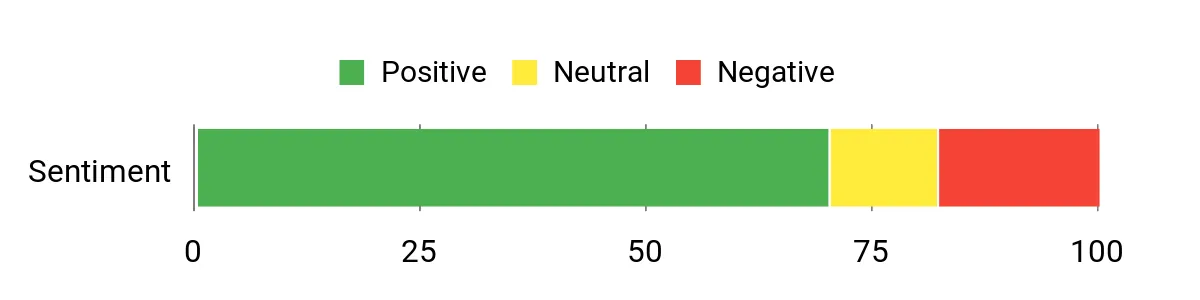
Read current reviews for pole-junction wear, fly tension, condensation, snow-skirt usability, seam quality, and the realistic sleeping space for two adults.
Historical review-theme graphic: This image reflects an earlier review snapshot and should not replace current listing research.
Setup and Use
|
Feature |
Buyer Guidance |
|---|---|
|
Setup |
Freestanding aluminum-pole structure |
|
Listed Weight |
About 5.7 pounds |
|
Cold-Weather Feature |
Snow-skirt design |
|
Limit |
Not independently verified for severe alpine use |
Why You May Like It
- Full fly offers more coverage than entry-level dome tents
- Aluminum poles support repeated multi-season use
- Snow-skirt design targets colder camping conditions
- Useful for one camper with gear or a compact two-person layout
Full Comparison
| Product | Image | Best For | Listed Weight | Dimensions | Weather Details | Main Limitation | Amazon |
|---|---|---|---|---|---|---|---|
| JELUCAMP 2-Person Dome Tent |
 |
Best overall balance | 4.3 lb | 86.6″L x 59.1″W x 43.3″H | Seller-listed PU3000 fabric | Close fit for two adults | Check Price |
| Night Cat Backpacking Tent |
 |
Solo camping | 4.4 lb | 86.6″L x 47″W x 43″H | Seller-listed 3000mm material | Primarily a one-person shelter | Check Price |
| 2-Person Camping Tent by Wakeman |
 |
Basic fair-weather use | 3.3 lb | 77″L x 57″W x 40″H | Water-resistant fabric and partial fly | Limited fly coverage | Check Price |
| CamelCrown 2-Person Dome Tent |
 |
Roomy solo use | 4.8 lb | 86.6″L x 59.1″W x 43.3″H | Seller-listed PU2000 floor material | Not a true instant pop-up tent | Check Price |
| Clostnature Lightweight Backpacking Tent |
 |
Three-season protection | About 5.3 lb | 86.6″L x 59″W x 45.28″H | Full fly and seller-listed PU5000 material | Heavier for solo backpacking | Check Price |
| Underwood Aggregator 2-Person Tent |
 |
Cold-weather-oriented features | About 5.7 lb | 86.6″L x 59.1″W x 45.3″H | Full fly, snow skirt, seller-listed PU5000 material | Not proven for severe alpine conditions | Check Price |
FAQ
Which Lightweight Tent Should I Choose?
Start with your trip type. Choose Wakeman for simple fair-weather use, Night Cat for solo sleeping space, JELUCAMP for a balanced two-person design, and Clostnature when full-fly coverage and vestibules matter more than carrying the lowest weight.
Underwood is the more suitable option when you want cold-weather-oriented features, while CamelCrown provides a useful middle ground for campers who want more floor space without carrying a large family tent.
Are Budget Tents Worth Buying?
A budget tent can work well when its limitations match your trips. Less expensive tents commonly use heavier fabrics, fiberglass poles, smaller rainflies, basic stakes, or simpler stitching. They are often suitable for occasional camps but may not tolerate the same repeated stress as higher-end backpacking shelters.
Check the shelter at home, inspect the seams and zippers, and replace weak stakes before relying on it away from your vehicle.
Is a Two-Person Tent Comfortable for Two Adults?
Sometimes, but “two person” usually describes the number of sleeping pads that can fit on the floor. It may not leave room for backpacks, footwear, or personal space. Compare your pad widths with the listed floor width before buying.
A two-person budget tent is often most comfortable for one adult plus equipment. Two campers may prefer a model with vestibules so gear can remain protected outside the sleeping compartment.
Does a Higher Millimeter Rating Guarantee a Dry Tent?
No. The listed rating usually describes a coated material, not every part of the assembled shelter. Stitching, seam tape, fly coverage, floor wear, door design, ventilation, and campsite drainage also affect how well the tent handles rain.
Pitch the fly tightly, avoid low areas where water collects, and inspect the seams before each trip.
How Can I Reduce Condensation?
Open the available vents, avoid pressing sleeping gear against the walls, and maintain a gap between the inner tent and rainfly when the design allows it. Moist air from breathing and wet equipment can condense even when rain is not entering the tent.
Should I Use a Footprint?
A correctly sized footprint can reduce abrasion and mud on the tent floor. It should remain fully underneath the tent. Exposed edges can collect rain and direct water beneath the floor.
A footprint does not correct damaged seam tape, poor fly coverage, or an unsuitable campsite.
What Campers Usually Prioritize
Your trip style should decide the winner. Solo travelers often value floor length and packed weight, while campsite and motorcycle campers can accept extra weight for more space, full-fly coverage, or vestibules. Cold-weather campers should look beyond marketing labels and consider pole structure, ventilation, guy-out points, fly coverage, and the expected wind and snow load.
For this group, JELUCAMP offers the most balanced specification set, Night Cat provides a dedicated solo layout, and Clostnature gives you the most complete three-season shelter design.
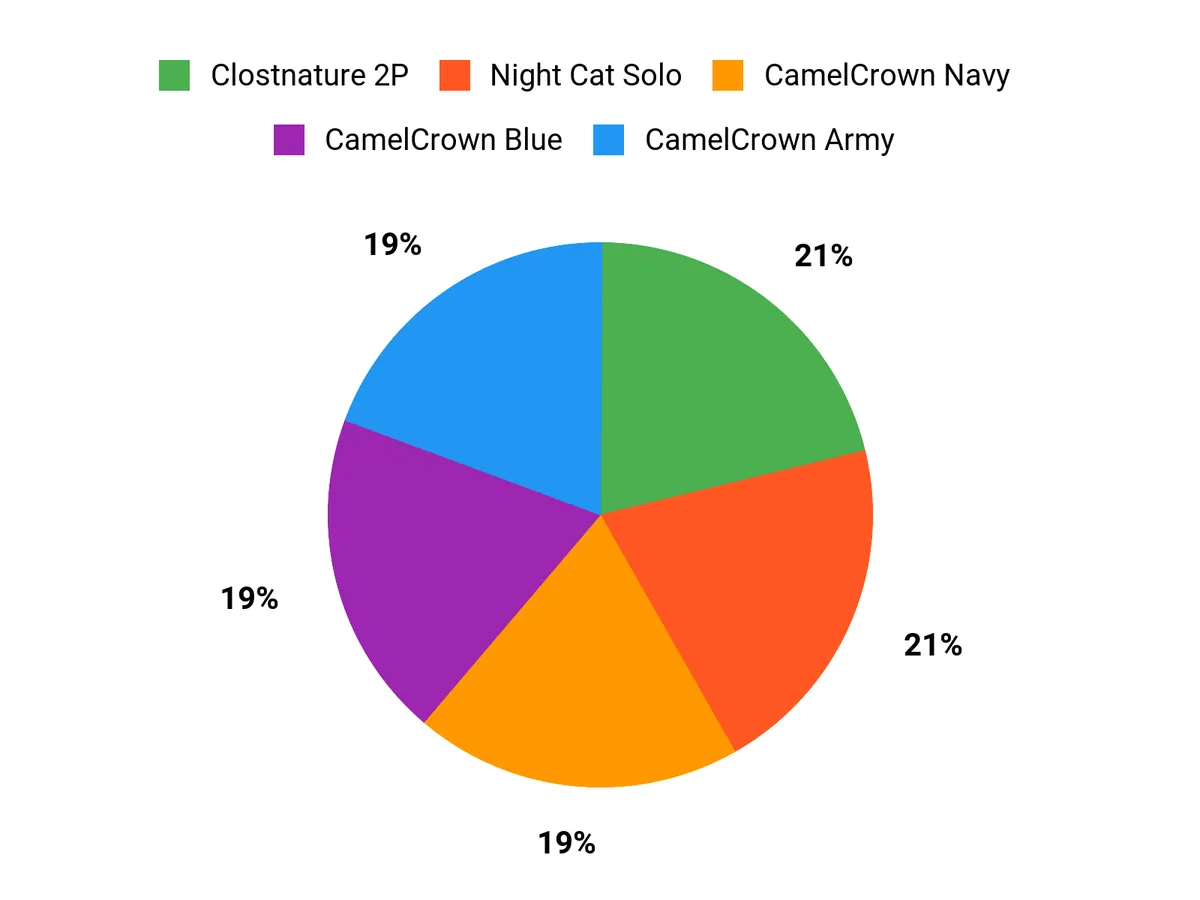
The chart above is a historical editorial graphic. Product details and buyer preferences may have changed since it was created.
Final Recommendation
Choose JELUCAMP Dark when you want the strongest overall balance of weight, sleeping space, and listed rain-resistant material.
Choose Night Cat Solo when you camp alone and do not want to carry unused two-person floor space.
Choose Wakeman Dome when low cost and fair-weather simplicity matter more than full rainfly coverage or long-term durability.
Choose Clostnature 2P when you can accept more weight in exchange for a full fly, two doors, and vestibule storage.
Choose Underwood 2P for cold-weather-oriented features, while recognizing that it is not a verified expedition or mountaineering shelter.
Whichever tent you select, set it up at home before your trip. Confirm that the poles, fly, stakes, guy lines, and storage bag are present. A short practice session can prevent a missing part or confusing setup from becoming a serious problem after dark.
Disclosure reminder: As an Amazon Associate I earn from qualifying purchases.