
Burning Man is harder on a tent than an ordinary campground. Strong wind, alkaline dust, intense daytime sun, cold nights and sudden rain can expose weak poles, poor anchoring and overly open mesh designs.
The three tents below are the most defensible options from the original product list, but none is purpose-built or dustproof. Each one needs a separate shade structure, playa-appropriate anchoring, extra guylines and a correctly sized footprint. Choose according to your space needs, transportation and willingness to manage dust.
Affiliate disclosure:. As an Amazon Associate I earn from qualifying purchases. This article contains Amazon affiliate links. We may earn a commission from qualifying purchases at no additional cost to you.
Important playa reality: A normal camping tent should be treated as your sleeping enclosure, not your complete Burning Man shelter system. Place it beneath a securely anchored shade structure, keep valuables in sealed bins, and follow the current official Burning Man Survival Guide for anchoring and cleanup.
Every stake, rebar section, lag bolt or other ground anchor must be made visible, protected from contact and completely removed when you leave.
Top Picks
|
Category |
Product |
Why It Made the Cut |
|---|---|---|
|
🏆 Best Overall |
Low-profile dome, aluminum poles, two doors and two vestibules provide the best balance of stability, access and gear separation in this group. |
|
|
⭐ Best Roomy Value |
A practical choice for one or two people who want more floor space and are transporting their shelter by vehicle. |
|
|
🎯 Best Compact Solo |
Compact, low and quick to pitch for a solo attendee who values a small camp footprint over standing room or extra storage. |
Quick Verdict
Best Overall
Forceatt 2-Person Tent
Choose it for the strongest combination of a low dome profile, aluminum poles, two-door access and vestibule storage.
Best for More Room
Coleman Sundome 4P
Choose it when interior room matters more than packed weight and you have enough camp space for a larger footprint.
Best for Solo Travel
Night Cat 1P
Choose it when you need a small, inexpensive sleeping enclosure and can store most equipment elsewhere.
How We Picked These Tents
We compared the original products according to the demands most relevant to Burning Man: profile height, pole construction, guyline options, ease of anchoring, setup complexity, ability to close doors and windows, ventilation, interior room and packed size.
We favored lower dome designs over tall straight-wall shelters because a lower profile generally presents less surface area to exposed wind. We also removed duplicate listings, weak entry-level models and instant shelters whose convenience did not outweigh their structural compromises.
Weatherproofing was treated as a secondary benefit rather than proof of playa suitability. Manufacturer waterproof ratings do not measure resistance to alkaline dust, UV exposure, repeated gusts or abrasion from the lakebed.
Before You Buy: Burning Man Tent Checklist
- Plan a separate shade structure. A rainfly alone will not prevent dangerous daytime heat buildup.
- Size up for gear. A four-person rating normally describes tightly arranged sleepers, not four people plus bins, clothing and water.
- Upgrade the anchoring system. Bring anchors appropriate to current event guidance, extra guylines, tensioners and the tools needed to install and remove them.
- Make every anchor visible and protected. Never leave exposed metal or low-visibility lines where people can trip or be injured.
- Use a correctly sized footprint. Keep it beneath the tent floor rather than extending beyond the perimeter.
- Expect dust entry. Store electronics, bedding and clothing in sealed bins or bags even when the tent is closed.
- Practice at home. Pitch, guy out, take down and repack the complete shelter before leaving.
- Bring repair supplies. Pack spare cord, compatible pole-repair parts, tape, zipper care supplies and extra anchors.
The Forceatt is the best starting point in this list because its shape and feature set are better aligned with exposed camping than a tall cabin or convenience-focused instant shelter. Its aluminum pole system keeps the structure relatively light, while two doors reduce the need to climb over another camper or drag equipment across the sleeping area.
The two vestibules are especially useful on the playa. They provide a place for dusty footwear and small bags without taking up the main sleeping floor. The tent is still mesh-based camping equipment rather than a sealed desert shelter, so fine dust will enter and the entire tent should sit beneath a securely anchored shade structure.
Why You’ll Like It
- Low-profile dome shape is easier to manage in wind than a tall straight-wall shelter
- Aluminum poles are preferable to basic fiberglass poles for repeated setup and transport
- Two doors make shared use easier
- Dual vestibules separate dusty footwear and small equipment from bedding
- Compact enough for vehicle, motorcycle or short-carry festival travel
Who Should Buy This
Buy it if you are attending alone and want generous sleeping room, or if two people are comfortable sharing a compact tent while storing most equipment in sealed bins outside the sleeping area.
Who Should Avoid This
Skip it if you need standing room, want to keep a large amount of equipment inside, or expect the tent itself to provide daytime shade. It is also not a substitute for a purpose-built dust-resistant shelter.
Common Review Themes
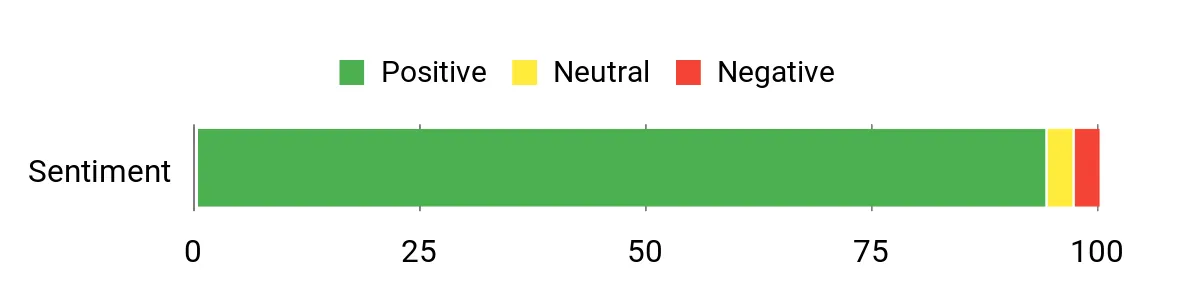
Buyers commonly mention straightforward setup, useful door access and good space for a compact two-person model. Recurring cautions include upgrading the included anchors and adding a footprint for rough or abrasive ground.
Review note: The chart below is a historical snapshot supplied with the original article. Consult current Amazon reviews for the latest feedback.
Key Benefits
- Quick conventional dome setup
- Aluminum pole construction
- Two doors and two vestibules
- Advertised PU-coated weather protection
- Mesh panels and vents provide airflow when conditions permit
- Best-balanced option in the original product group
Main limitation: Mesh and vent openings improve airflow but allow fine playa dust to enter. Keep bedding and electronics in sealed storage when they are not being used.
Check Product Details on Amazon
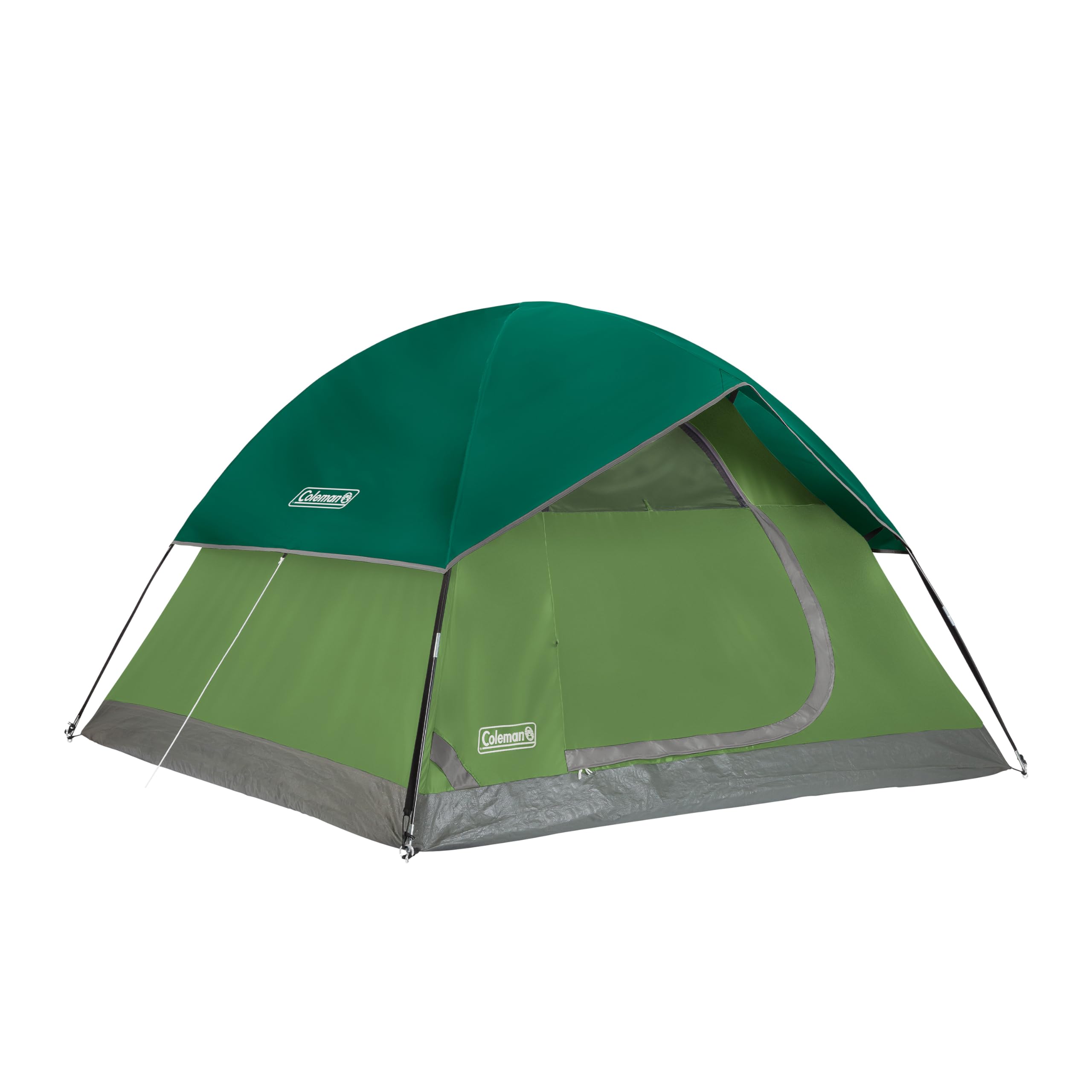
The Sundome is the more comfortable choice when you are arriving by car and want room for bedding, clothing and a few sealed storage containers. Although it is marketed for four occupants, it is more practical at Burning Man for one or two people once personal equipment is included.
Its familiar dome layout is easier to pitch than a large cabin tent, and the continuous pole sleeves help guide the frame into place. Welded corners, inverted seams and the tub-style floor are useful if rain reaches Black Rock City, but the fly does not turn the shelter into a dust-sealed enclosure.
Why You’ll Like It
- More floor space than the compact backpacking options
- Simple, familiar dome construction
- Large door makes loading bedding and bins easier
- Windows and a ground vent provide useful airflow outside dust events
- Widely useful after Burning Man for ordinary car camping
Who Should Buy This
Choose the Sundome if you have vehicle transport, want a roomier sleeping area and plan to use the tent beneath a larger camp shade structure.
Who Should Avoid This
Skip it if you need the smallest possible packed shelter, are carrying equipment a long distance, or want minimal mesh exposure. It is also a poor choice for four adults plus Burning Man supplies.
Common Review Themes
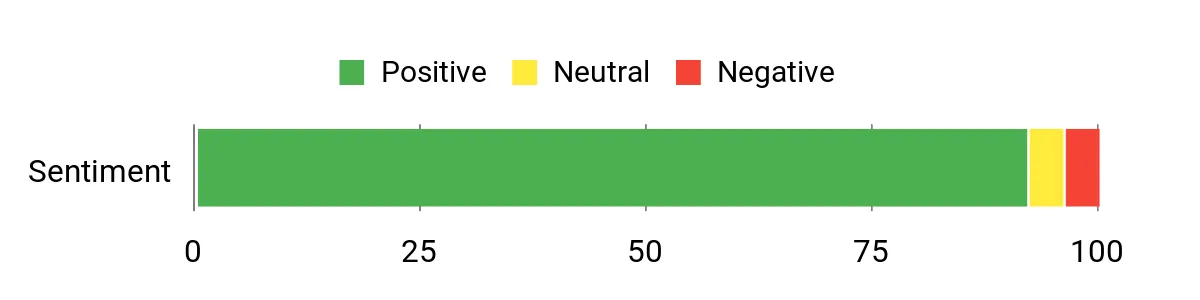
Buyers often highlight the straightforward setup, useful floor space and dependable performance for ordinary campground use. Common cautions involve the limited fly coverage, the need for careful guying and the difference between marketed sleeping capacity and comfortable real-world occupancy.
Review note: The chart below is a historical snapshot supplied with the original article. Consult current Amazon reviews for the latest feedback.
Key Benefits
- Useful interior room for one or two people plus selected gear
- Conventional setup with continuous pole sleeves
- Welded corners, inverted seams and tub-style floor
- Large windows and ground vent
- Interior storage pockets and an electrical access port
- Good value for vehicle-supported camping
Main limitation: The large mesh areas and partial rainfly allow airflow but also make dust intrusion likely. Close the tent before visible dust arrives and keep critical items in sealed containers.
Check Product Details on Amazon
The Night Cat is the most practical option here for a solo attendee who needs a small sleeping enclosure rather than a spacious living area. Its compact floor is easier to fit beneath a shared shade structure, and the low dome presents less exposed wall area than a tall family tent.
The manufacturer advertises PU-coated fabric and taped seams for rain protection, while the mesh door and roof opening provide ventilation. Those openings also allow dust to enter, and the single-layer construction can develop condensation when it is closed for long periods.
Why You’ll Like It
- Small camp footprint
- Low profile compared with roomy family shelters
- Quick two-pole setup
- Compact packed size for flights, motorcycles or limited vehicle space
- Enough room for one sleeper and a modest amount of personal gear
Who Should Buy This
Buy it if you are attending solo, can store most equipment in sealed bins elsewhere and prefer compactness over standing room.
Who Should Avoid This
Skip it if two adults need to share comfortably, if you expect to spend substantial waking time inside, or if condensation and limited storage space are major concerns.
Common Review Themes
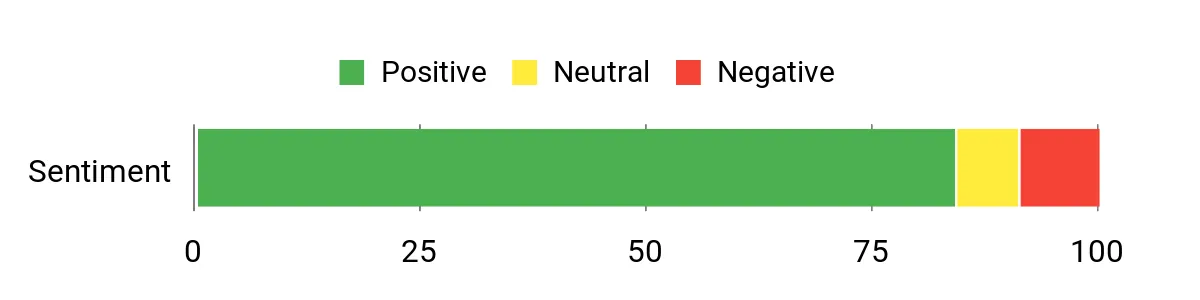
Owners commonly mention easy setup, manageable packed size and useful room for a single camper. Frequently mentioned trade-offs include basic fiberglass poles, limited two-person space and the need for sturdier anchors in exposed conditions.
Review note: The chart below is a historical snapshot supplied with the original article. Consult current Amazon reviews for the latest feedback.
Key Benefits
- Compact, lightweight solo layout
- Fast and uncomplicated setup
- Advertised PU3000 fabric and taped seams
- Mesh door and roof opening provide ventilation
- Easy to fit beneath a larger shared shade structure
Main limitation: This is a basic single-layer camping tent with fiberglass poles. It requires careful anchoring, protected placement and realistic expectations about dust and condensation.
Check Product Details on Amazon
How to Make a Camping Tent Work Better on the Playa
Put Shade Above the Tent
A rainfly is not a substitute for a shade structure. Position the tent beneath securely anchored shade with an air gap between the shade material and tent roof. This reduces direct solar heating and gives the tent fabric additional protection from UV exposure.
Use a Complete Anchoring System
Do not rely automatically on the lightweight stakes supplied with a camping tent. Use anchors and installation methods that comply with the current Burning Man Survival Guide, guy out every available point and check tension regularly.
Make all anchors and lines visible. Cap or otherwise protect exposed metal, illuminate or clearly mark low lines, and remove every anchor before leaving the playa.
Plan for Dust Instead of Expecting a Dustproof Tent
Close doors before visible dust arrives and avoid repeatedly entering during a whiteout. Keep bedding, clothing, electronics and important documents inside sealed bins or bags. A small mat or sacrificial cloth near the entrance can reduce the amount carried into the sleeping area.
Do not permanently seal every vent. Completely eliminating airflow can increase condensation and heat, particularly when people are sleeping inside.
Protect the Floor
Use a footprint or durable tarp cut smaller than the tent floor. Material protruding past the tent can collect rainwater and channel it underneath. Remove stones or sharp debris before pitching and avoid dragging the tent across the playa.
Practice Setup and Removal
Pitch the entire shelter system before traveling, including the tent, shade, guylines and anchors. Label components, confirm that every piece fits and practice removing the anchors with the tools you will bring.
FAQ
What Kind of Tent Should You Bring to Burning Man?
Choose a low-profile tent with a simple frame, several secure guy points, doors and windows that can be closed, and enough floor space for your actual sleeping arrangement. Aluminum poles are generally preferable when available, but pole material alone does not make a tent playa-ready.
A separate anchored shade structure, upgraded anchoring and sealed equipment storage are just as important as the tent itself.
Are Ordinary Camping Tents Dustproof?
No. Most camping tents use mesh to provide ventilation and reduce condensation. Fine playa dust can pass through that mesh, collect around zippers and enter whenever the door opens. Treat “dust-resistant” as a relative description rather than a guarantee.
Is a Four-Person Tent Comfortable for Four People at Burning Man?
Usually not once personal equipment is included. Capacity ratings normally assume sleeping bags arranged close together. A four-person model is often more practical for one or two attendees who want room for bedding and selected sealed storage.
Should You Use Rebar or Other Metal Anchors?
Use only an anchoring method consistent with current official event guidance and your camp’s shelter plan. Exposed metal can cause severe injuries, especially at night or during low visibility. Protect and clearly mark every anchor, bring the correct removal tools and account for every piece before departure.
How Do You Reduce Heat Inside the Tent?
Place the tent beneath a larger shade structure with an air gap, orient available ventilation to make use of airflow when dust conditions permit and avoid leaving the tent in direct sun. Do not depend on a reflective rainfly alone to make the shelter safe during the hottest hours.
How Should You Clean a Tent After Burning Man?
Shake and brush away loose dry dust before packing. At home, follow the manufacturer’s care instructions, rinse gently when appropriate and allow every component to dry completely before storage. Inspect poles, seams, zippers, guylines and anchors before the next trip.
Final Recommendation
Choose the Forceatt 2-Person Tent for the best overall balance of a low dome profile, aluminum poles, two-door access and vestibule storage.
Choose the Coleman Sundome 4P when you have vehicle transport and want more space for one or two people plus selected equipment.
Choose the Night Cat 1P when you are camping solo and need the smallest practical sleeping enclosure.
Whichever tent you select, budget for shade, stronger anchoring, extra guylines, sealed storage and a correctly sized footprint. Those preparations matter more than small differences in ordinary camping-tent specifications.
Quick Comparison
| Product | Image | Best For | Practical Occupancy | Key Strength | Main Limitation | Amazon |
|---|---|---|---|---|---|---|
| Forceatt 2-Person Tent |
 |
Best overall balance | One roomy or two compact sleepers | Aluminum poles, two doors and vestibules | Mesh allows dust entry | Check Details |
| Coleman Sundome Camping Tent (4 Person) |
 |
More room and car camping | One or two with gear | Roomy floor and familiar setup | Large mesh areas and partial fly | Check Details |
| Night Cat Backpacking Tent |
 |
Compact solo camping | One adult | Small footprint and quick setup | Basic fiberglass poles and limited storage | Check Details |
This roundup is reader-supported. When you click an affiliate link, we may earn a referral commission from qualifying purchases.