Best tents under $200 can cover everything from solo weekends to large-family car camping, but capacity and setup style matter more than the price ceiling alone. Our Coleman Sundome 3 Person Tent is the best overall for casual campground use, while the Night Cat Backpacking Tent for One is the best value for compact solo trips.
We compared usable capacity, floor size, carry profile, setup, ventilation and weather-focused construction. Current prices can change, so confirm your exact configuration on Amazon before buying.
| Product | Best for | Capacity | Carry profile |
|---|---|---|---|
|
Budget
|
Best compact solo value | 1 person | 4.4 lb |
|
Budget
|
Best low-cost starter | 2 person rated | 3.13 lb |
|
Mid-range
|
Best instant setup | 4 person rated | Wide pop-up disc |
|
Budget
|
Best motorcycle camping | 2 person | 5.68 lb |
|
Mid-range
|
Best overall | 3 person | 9 lb |
|
Mid-range
|
Best colder-weather coverage | 2 person | 6.28 lb |
|
Mid-range
|
Best 8-person family layout | 8 person | Car-camping size |
|
Premium
|
Best maximum space | 10 person rated | 21 lb |
|
Mid-range
|
Best cabin comfort | 4 person rated | 13 lb |
Best Tents Under $200: Our Top Picks
Before You Buy
- Check the selected variant: Capacity, dimensions and materials can change between sizes or colors.
- Size up for comfort: Manufacturer occupancy usually means sleeping-bag capacity, not roomy personal space.
- Confirm the current total: A tent normally below $200 can move above the budget temporarily.
- Plan for the campsite: Larger tents need more level ground and more room for guylines.
- Match the season honestly: A four-season label is not a universal severe-weather certification.
Best Tents Under $200: Detailed Reviews
1. Night Cat Backpacking Tent for One
Bottom line: A sensible low-cost choice for one camper who values compact storage over advanced backpacking features.
Key specs:
- Capacity: 1 person
- Floor size: 2.2 x 1.2 m
- Carry profile: 4.4 lb; compact carry bag
- Setup: Simple pole-supported dome
Night Cat Backpacking Tent for One is easiest to recommend as a solo shelter. Its listed floor is about 2.2 by 1.2 meters, giving one sleeper room for a pad and a modest amount of gear.
At 4.4 pounds, it is lighter than the family tents here but not an ultralight backpacking shelter. The single-layer design also needs more attention to airflow and condensation.
Use it for fair-weather weekends, motorcycle trips, festivals and short hikes. For long trail miles or exposed winter sites, a lighter double-wall design is a better fit.
- Compact enough for solo car or motorcycle camping
- Simple layout is easy for beginners
- Low carry weight compared with family tents
- Single-wall construction can collect condensation
- Not built for severe wind or heavy snow
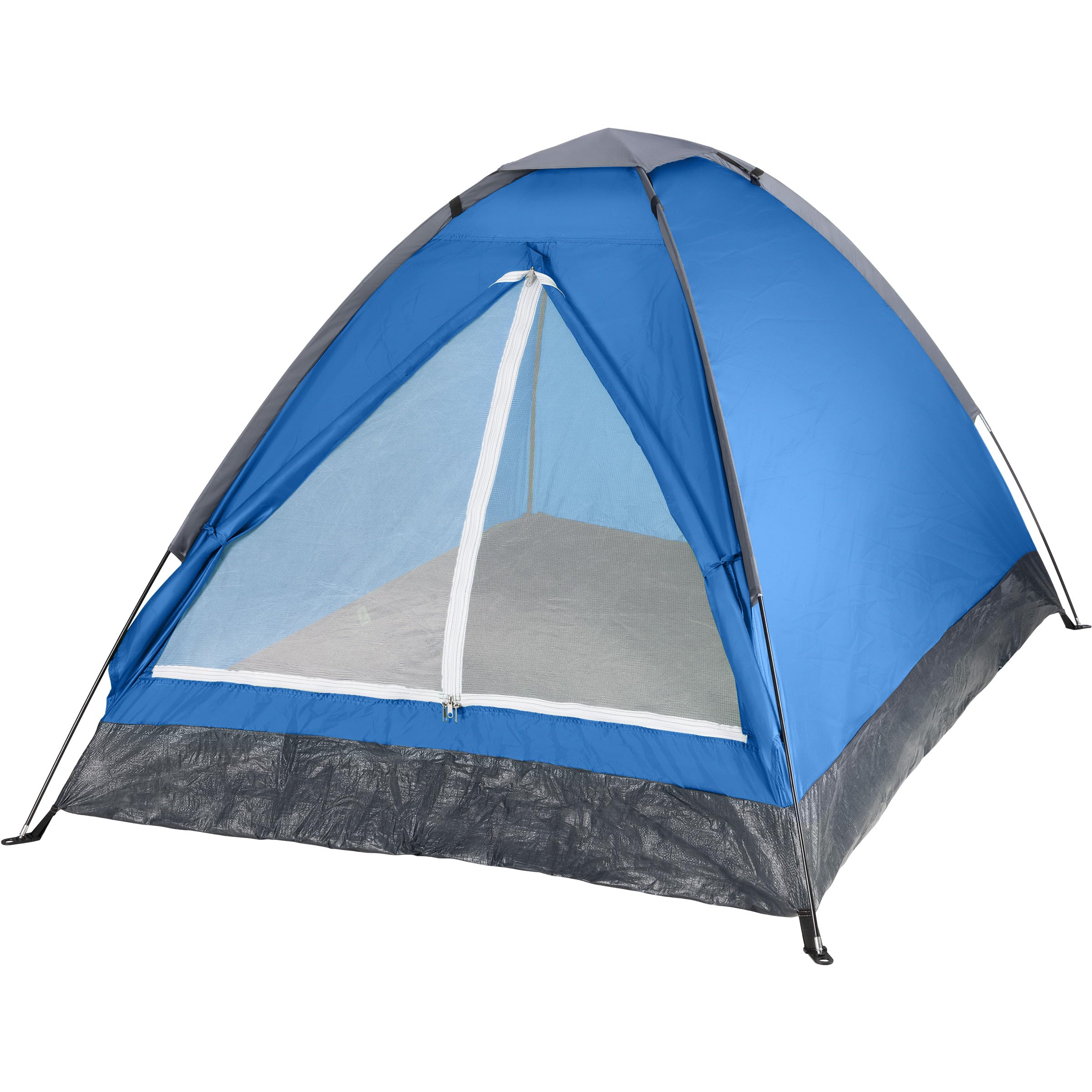
2. Wakeman Outdoors 2 Person Camping Tent
Bottom line: This is the simplest budget option here for occasional use in mild conditions.
Key specs:
- Capacity: 2 person rated
- Floor size: 77 x 57 in
- Carry profile: About 3.13 lb
- Setup: Basic fiberglass-pole dome
Wakeman Outdoors 2 Person Camping Tent uses a 77-by-57-inch floor and a 40-inch peak. That is enough for two close sleepers, but one adult plus gear is the more comfortable arrangement.
Its 190T polyester body, fiberglass poles and removable rainfly keep the design basic. The small fly provides less coverage than the full-fly tents in this roundup.
This model makes the most sense for festivals, backyard nights and fair-weather car camping. It is not the option to choose for repeated storm exposure or rough backcountry use.
- Light listed weight for a low-cost dome
- Removable rainfly, vent window and storage pocket
- Compact carry bag suits occasional trips
- Tight for two adults with gear
- Limited rainfly coverage compared with full-fly tents
3. Londtren 4 Person Pop-Up Tent
Bottom line: Choose the Londtren when setup speed matters more than a compact packed shape.
Key specs:
- Capacity: 4 person rated
- Floor size: 9.2 x 6.6 ft
- Carry profile: Wide disc-shaped package
- Setup: Preassembled instant pop-up frame
Londtren 4 Person Pop-Up Tent opens with preassembled poles, so there is no conventional pole threading at camp. Its floor measures about 9.2 by 6.6 feet with a 4.3-foot center height.
The listing rates it for four people, though two or three campers with gear is a more relaxed use of the floor. Two doors help airflow and make entry easier.
The main tradeoff is the packed shape. Pop-up tents fold into a broad disc that fits a vehicle better than a hiking pack, and the folding sequence is worth practicing at home.
- Preassembled frame makes setup very fast
- Large floor for a casual pop-up tent
- Two doors improve access and cross-ventilation
- Wide packed shape is awkward for backpacking
- Low center height prevents standing
4. Forceatt 2 Person Camping Tent
Bottom line: The Forceatt works well when two doors and vestibule storage matter more than ultralight weight.
Key specs:
- Capacity: 2 person
- Floor size: About 86.6 x 51.1 in
- Carry profile: About 5.68 lb
- Setup: Freestanding aluminum-pole design
Forceatt 2 Person Camping Tent gives two sleepers separate doors and vestibules, which is useful for boots and packs. Its inner dimensions are about 86.6 by 51.1 inches with roughly 43 inches of height.
The listed weight is about 5.68 pounds. That is reasonable for motorcycle travel or a split two-person load, but heavy for a solo backpacker counting every ounce.
Marketplace water-resistance fields are inconsistent across versions, so it is safer to focus on the double-wall layout, aluminum poles and covered storage rather than one headline waterproof number.
- Two doors reduce nighttime climbing over a partner
- Dual vestibules keep wet gear outside the sleeping area
- Aluminum poles are a useful step up from basic fiberglass
- Too heavy for most ultralight solo hikers
- Water-resistance figures vary across marketplace fields
5. Coleman Sundome 3 Person Tent
Bottom line: For ordinary campground weekends, the Sundome offers the most balanced mix of space, simplicity and weather-focused features.
Key specs:
- Capacity: 3 person
- Floor size: 7 x 7 ft
- Carry profile: 9 lb; car-camping focused
- Setup: About 10 minutes
Coleman Sundome 3 Person Tent has a 7-by-7-foot floor, a 9-pound weight and a setup target of about 10 minutes. It can fit a queen-size airbed.
Large windows and a ground vent improve warm-weather airflow. Coleman's WeatherTec system uses welded corners and inverted seams to help manage typical campground rain.
This is still a 3-season recreational tent, not a winter or expedition shelter. It is most comfortable for two adults and gear rather than three adults expecting generous personal space.
- Straightforward setup for beginners
- Large windows and a ground vent support airflow
- WeatherTec construction is designed for normal campground rain
- Nine-pound weight is unsuitable for serious backpacking
- Three-person rating is tight with bulky gear
6. Clostnature 2 Person 4 Season Tent
Bottom line: This is the strongest cold-weather-oriented option in the group, but it is not an expedition tent.
Key specs:
- Capacity: 2 person
- Floor size: 7 ft 3 in x 4 ft 11 in
- Carry profile: About 6.28 lb
- Setup: Double-wall aluminum-pole design
Clostnature 2 Person 4 Season Tent combines a double-wall body, aluminum poles, two doors and two vestibules. The listed floor is about 7 feet 3 inches by 4 feet 11 inches.
Its listed total weight is roughly 6.28 pounds. The rainfly and floor are marketed with a PU5000 rating, while snow flaps add coverage around the lower edge.
The manufacturer markets it for four-season use, but that label is not a safety certification. Wind exposure, snowfall, anchoring and campsite choice still determine whether conditions are appropriate.
- Double-wall design helps manage condensation
- Two doors and vestibules improve access and storage
- Aluminum poles and fuller fly coverage suit shoulder-season use
- Heavy for a two-person backpacking tent
- Four-season marketing should not be read as expedition certification
7. CAMPROS CP 8 Person Camping Tent
Bottom line: The CAMPROS is a roomy family-car-camping tent for buyers who value standing room and a divider.
Key specs:
- Capacity: 8 person rated
- Floor size: 14 x 9 ft
- Carry profile: About 8 kg listed
- Setup: About 5 minutes with two people
CAMPROS CP 8 Person Camping Tent measures about 14 by 9 feet with a 72-inch center height. That gives families usable standing room and enough floor area for several sleeping layouts.
A divider can split the interior into two zones, while mesh openings support ventilation. Color-coded poles are designed to simplify conventional setup.
The eight-person label is a maximum packing figure. Four to six campers with mattresses and luggage will usually have a more practical amount of floor space.
- Six-foot center height improves livability
- Room divider creates two functional zones
- Large mesh areas support warm-weather airflow
- Large packed size limits it to vehicle-based camping
- Eight-person occupancy leaves little personal space
8. UNP 10 Person Family Tent
Bottom line: The UNP 10 Person is the space-first pick for large groups with a vehicle and a roomy campsite.
Key specs:
- Capacity: 10 person rated
- Floor size: 18 x 9 ft
- Carry profile: About 21 lb
- Setup: About 10 minutes with two people
UNP 10 Person Family Tent uses an 18-by-9-foot floor with a 78-inch peak. The manufacturer says the floor can fit up to 10 sleeping bags or three queen air mattresses.
Two doors, five mesh windows and a room divider make it easier to organize a large group. The listed weight is about 21 pounds, so this is firmly a car-camping tent.
Two people should handle setup, and the full footprint needs a broad, level site. Comfort improves quickly when you camp below the maximum 10-person rating.
- Largest floor and tallest peak in this roundup
- Divider helps separate sleeping or storage zones
- Two doors and multiple mesh windows improve access and airflow
- Heavy and bulky to transport without a vehicle
- Large footprint can be hard to place on smaller campsites
9. UNP 4 Person Cabin Tent
Bottom line: This is the comfort-focused choice for two adults or a small family who want cabin-style headroom.
Key specs:
- Capacity: 4 person rated
- Floor size: 8 x 7 ft
- Carry profile: About 13 lb
- Setup: About 3 minutes with two people
UNP 4 Person Cabin Tent measures about 8 by 7 feet with a 72-inch peak. Near-vertical walls make more of that floor useful for a cot, air mattress or storage bins.
The listed weight is about 13 pounds. UNP says two people can pitch it in about three minutes, while one person may take around five.
Ventilation comes from one mesh door, two mesh windows and a mesh roof area. The smaller top rainfly is better suited to ordinary campground use than prolonged severe weather.
- Near-vertical walls improve usable interior volume
- Six-foot peak makes changing clothes easier
- Simple cabin layout works well with cots and air mattresses
- Thirteen-pound weight keeps it out of backpacking use
- Top rainfly offers less coverage than a full-fly design
Best Overall vs Best Value: Is the Upgrade Worth It?
The Coleman Sundome costs more than the Night Cat in typical listings, but the real difference is use case. Pick based on space and trip style, not price alone.
- Choose Coleman: You camp by car, want more interior room and prefer a proven 3-season campground layout.
- Choose Night Cat: You usually camp alone and want a smaller, lighter package.
- Choose Coleman for airflow: Its large windows and ground vent suit warm campground nights.
- Choose Night Cat for storage: The smaller shelter takes less vehicle or motorcycle space.
Which Camping Tent Should You Buy?
- For simple weekend car camping, choose the Coleman Sundome 3 Person Tent.
- For solo value and a smaller package, choose the Night Cat Backpacking Tent for One.
- For the fastest setup, choose the Londtren 4 Person Pop-Up Tent.
- For colder shoulder-season trips, compare the Clostnature 2 Person 4 Season Tent.
- For a large family floor, choose the CAMPROS CP 8 Person Camping Tent or UNP 10 Person Family Tent.
- For cabin-style standing room without a huge footprint, choose the UNP 4 Person Cabin Tent.
How We Chose
- Fit: We compared floor size, peak height, doors, vestibules and realistic sleeping room.
- Carry profile: Weight and packed shape mattered more for solo and motorcycle use than for family camping.
- Setup: We separated true pop-up designs from conventional pole tents and checked listed setup guidance.
- Weather design: We compared rainfly coverage, wall construction, ventilation and pole materials without treating marketing labels as guarantees.
- Sources: Product details were checked against current Amazon listings and manufacturer or retailer specifications where needed.
Buying Guide for the Best Tents Under $200
Choose Capacity by Floor Space, Not the Number on the Bag
A two-person rating often means two sleeping pads side by side. If you want luggage inside, size up. Families should also check wall angle and peak height because a large floor can still feel cramped when walls slope sharply.
Match the Carry Profile to How You Travel
Car campers can accept 10 to 20 pounds if the tent adds headroom. Motorcycle campers need a short packed length. Backpackers should judge total carried weight and packed volume rather than the word “lightweight” in a listing.
Compare Rainfly Coverage and Ventilation
A full rainfly usually gives more protection than a small roof fly. Mesh panels, vents and two-door layouts can improve airflow. Good ventilation matters because condensation can make a dry night feel damp even when rain never enters the tent.
Understand Instant, Pop-Up and Conventional Setup
Pop-up tents open fastest but fold into a broad package. Conventional domes take longer yet pack smaller. Large family tents may claim short setup times, but a second person and one practice run usually make the process much easier.
Plan for Stakes, Guylines and a Footprint
Included stakes are not ideal for every soil type. A fitted footprint protects the floor from abrasion, and spare guyline helps in wind. Keep any groundsheet completely under the tent so it cannot catch rainwater.
Mistakes to Avoid When Buying Camping Tents
- Buying by occupancy number without checking floor dimensions.
- Assuming “waterproof” or “four-season” language guarantees severe-weather performance.
- Ignoring packed shape when traveling by motorcycle or small car.
- Taking a new tent on a remote trip without a practice setup.
- Forgetting to measure the campsite for an 8-person or 10-person tent.
FAQ
Will every tent always cost less than $200?
No. Amazon prices, sellers, sizes, colors and promotions can change. A smaller configuration may stay below $200 while another variation exceeds the budget. Open the exact size and color you want, then confirm the current total before ordering.
What tent size is most comfortable for two people?
A 3-person tent is often more comfortable for two adults because it leaves room for clothing and small bags. A 2-person tent can work when packed efficiently, especially if vestibules hold gear outside. Compare floor dimensions with your sleeping pads instead of relying only on the occupancy label.
Will these budget tents keep you dry in rain?
They offer different levels of rain protection, but correct pitching matters as much as the fabric. Stake the body, tension the rainfly and use guylines where provided. Avoid low ground where water pools, and test a new tent at home before depending on it during a remote trip.
Are pop-up tents good for regular camping?
Yes, pop-up tents are useful for car camping, festivals and short trips when fast setup matters most. Their main drawback is the wide folded shape, which is awkward for backpacking and small motorcycle luggage. Practice folding the tent before travel because repacking usually takes more learning than opening it.
Can I use a four-season budget tent in heavy snow?
Do not treat a four-season label as a guarantee for severe alpine weather. Pole strength, geometry, snow loading, anchoring, wind exposure and user experience all matter. For heavy snow or exposed winter storms, use a shelter designed for those conditions and follow local weather and campsite guidance.
What should I put under a camping tent?
A correctly sized footprint or groundsheet can reduce floor abrasion and help keep mud off the tent. It must stay fully underneath the tent floor. If the sheet extends beyond the edges, rain can collect on it and run under the floor instead of draining into the soil.
Are 8-person and 10-person tents easy to set up?
They are manageable at a campground, but they are easier with two adults and some practice. Large tents have more pole length, fabric and staking points, and they need a bigger level site. Set the tent up at home once so you can confirm all parts are present before travel.
What Campers Prefer
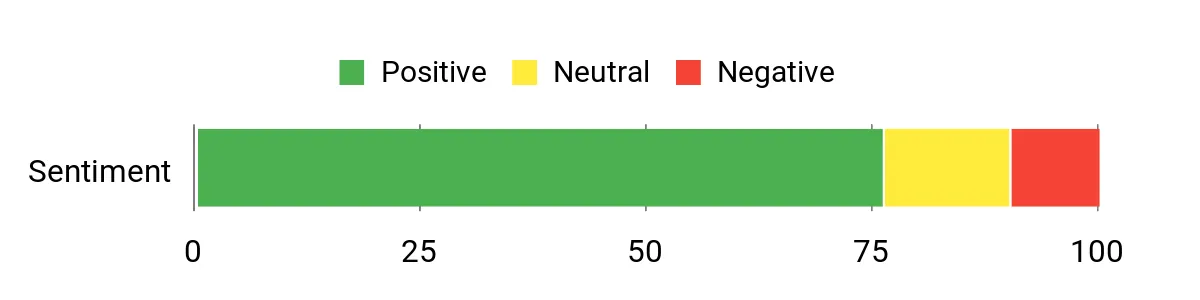
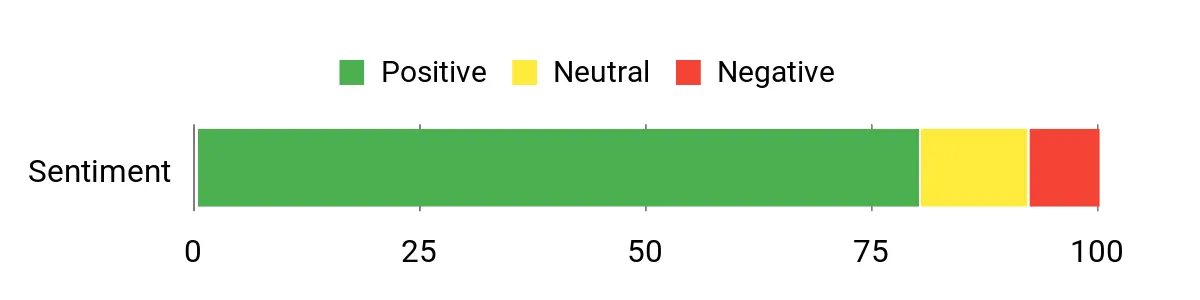
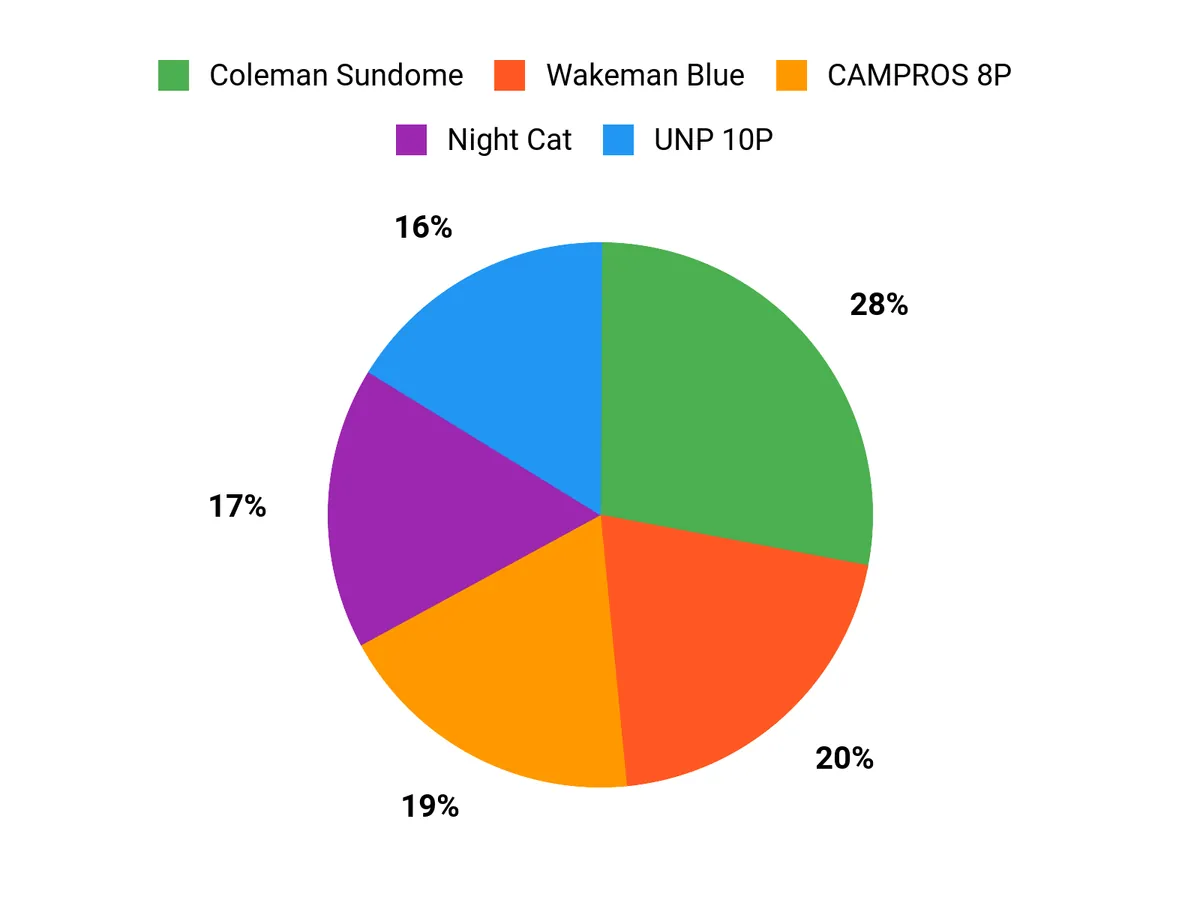
Solo campers usually benefit most from lower weight and compact storage, while family campers gain more from standing height, ventilation and a divider. Instant tents trade packed shape for faster arrival-day setup.
For ordinary weekends, the Coleman Sundome is the balanced middle ground. The Clostnature adds fuller coverage for colder trips, while CAMPROS and UNP focus on larger shared living space.
Final Verdict: Best Tents Under $200
The best tent under $200 depends on how you travel, but the Coleman Sundome 3 Person Tent is the broadest fit for casual car camping. It balances a simple pitch, useful airflow and enough room for two adults plus gear.
For a lower-cost compact option, see the Night Cat Backpacking Tent for One. For maximum group space, the UNP 10 Person Family Tent is the Premium pick.
| Product Name | Image | Best For | Occupancy | Carry Profile | Weather Protection |
|---|---|---|---|---|---|
|
Night Cat Backpacking Tent for One Check Amazon Price |
 |
Compact solo value | 1 person comfortably | About 4.4 lb; compact conventional bag | PU-coated single-wall construction |
|
2 Person Camping Tent with Rain Fly Check Amazon Price |
 |
Lowest-cost casual shelter | 1 comfortable; 2 snug | About 3.1 lb | Water-resistant fabric and small rainfly |
|
4 Person Easy Pop Up Tent Check Amazon Price |
 |
Instant setup | 2 comfortable; 3–4 snug | Wide disc-shaped pop-up package | PU-coated polyester and sealed-seam claims |
|
Forceatt Camping Tent 2 Person Check Amazon Price |
 |
Motorcycle camping and vestibule storage | 1 roomy; 2 snug | About 5.7 lb | PU-coated rainfly and floor; verify variant |
|
Coleman Sundome Camping Tent Check Amazon Price |
 |
All-around casual car camping | 2 comfortable; 3 snug | Car-camping weight | Rainfly and WeatherTec construction |
|
Clostnature Lightweight Backpacking Tent Check Amazon Price |
 |
Colder and extended-season trips | 1 roomy; 2 close | About 6.28 lb | Double wall with PU5000-rated fly and floor |
|
CAMPROS CP Tent 8 Person Check Amazon Price |
 |
Family camping with a divider | 4–6 comfortable; 8 maximum | About 18.7 lb | Rainfly and weather-resistant fabric |
|
UNP 10-Person Family Tent Check Amazon Price |
 |
Maximum group space | 6–8 comfortable; 10 maximum | About 21 lb | PU1000-rated polyester and rainfly |
|
UNP 4-Person Cabin Tent Check Amazon Price |
 |
Standing room and cot comfort | 2 comfortable; 3–4 snug | Car-camping weight | Top rainfly and water-resistant coating |