
Last updated: July 15, 2026
Affiliate disclosure:. As an Amazon Associate I earn from qualifying purchases. This roundup is reader-supported. We may earn a commission from qualifying purchases made through Amazon links, at no extra cost to you.
Spring break is a good time to trade crowded campgrounds for a faster, more flexible car-camping setup. A hard-shell rooftop tent can give you a raised sleep surface, quicker daily setup, and easier access to beaches, trailheads, and roadside campsites.
The best choice depends on your vehicle, roof rack, packed height, tent weight, sleeping width, and weather needs. This guide compares nine relevant rooftop tents for low-profile travel, extra space, insulation, solar features, family use, and accessory value.
Quick Verdict
Best overall: Topoak Vision offers the most balanced mix of space, protection, and simple setup. Best low-profile: SanHima Hotham Lite is the strongest fit for garage clearance. Best feature-packed: Heyfun Adventurer Pro includes the broadest accessory package. Best for cold weather: Joyinrute and Arctwonder Thermal add removable insulation, while Arctwonder Thermal also includes solar equipment.
Safety note: Never choose a rooftop tent from occupancy alone. Confirm your vehicle roof, factory rails, crossbars, or bed rack can support the tent while driving and when parked. Follow both the vehicle and rack manufacturers’ limits, and use professional installation when you are unsure.
Top Picks
| Category | Product | Amazon |
|---|---|---|
| Best Overall | Topoak Vision Balanced space, fast fold-out setup, and a hard-shell build for three sleepers. |
View on Amazon |
| Best Extra-Wide | Topoak Vision XL The wider Vision option for campers who value extra shoulder room and gear space. |
View on Amazon |
| Best Low-Profile | SanHima Hotham Lite A slim hard-shell tent designed to reduce roof height when packed. |
View on Amazon |
| Best Solar-Ready | Arctwonder Solar A two-person hard-shell option presented with solar and cargo-carrying accessories. |
View on Amazon |
| Best Included Storage | WildFinder RTT A three-person hard-shell tent with extensive organizers and included camping accessories. |
View on Amazon |
| Best Feature-Packed | Heyfun Adventurer Pro A three-person hard-shell tent with an awning, USB outlet, rain-fly options, and luggage racks. |
View on Amazon |
| Best Insulated | Joyinrute Insulated RTT A two-person hard-shell tent with a removable winter liner and condensation-focused accessories. |
View on Amazon |
| Best Solar + Insulation | Arctwonder Thermal A two-person hard-shell tent combining a thermal layer, solar panel, luggage bar, and 12-volt outlet. |
View on Amazon |
| Best for Small Families | WildFinder Z-Shape A roomy Z-shape hard-shell tent with extra headroom and a four-person occupancy claim. |
View on Amazon |
How We Compared These Rooftop Tents
We compared the visible listing details and the buyer concerns that matter most in real ownership. Those include roof-rack compatibility, tent weight, packed height, sleeping width, stated occupancy, setup design, mattress system, ventilation, weather protection, included accessories, and warranty information.
We did not use price, star ratings, review counts, or unsupported numerical scores to rank the products because those details can change. Product claims come from seller or manufacturer listings and should be checked again before purchase.
Before You Buy: Compatibility Checklist
- Vehicle and rack limits: Check both dynamic driving capacity and parked static capacity.
- Mounting system: Confirm crossbar type, spacing, width, and required hardware.
- Total installed height: Measure your vehicle, rack, and packed tent before using a garage.
- Tent weight: Plan how you will lift, install, remove, and store a 150-to-200-plus-pound tent.
- Sleeping dimensions: Compare actual floor width with your sleepers, not just the occupancy label.
- Weather and condensation: Look for ventilation, rain-fly coverage, seam protection, and a condensation mat.
- Warranty and parts: Verify current coverage and access to struts, latches, ladders, covers, and mounting hardware.
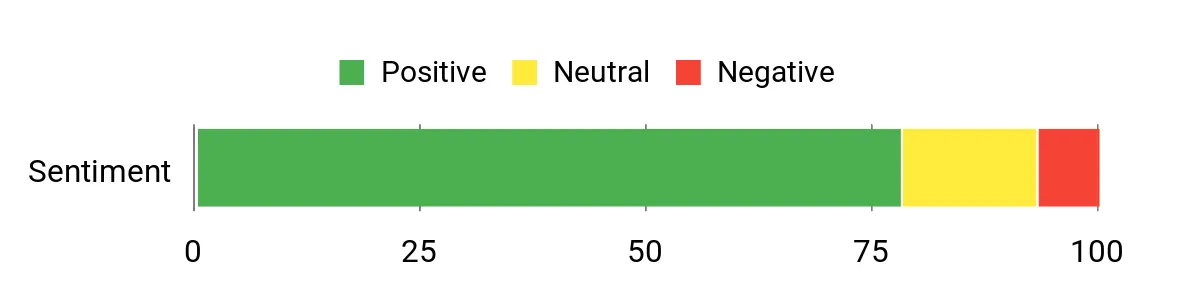
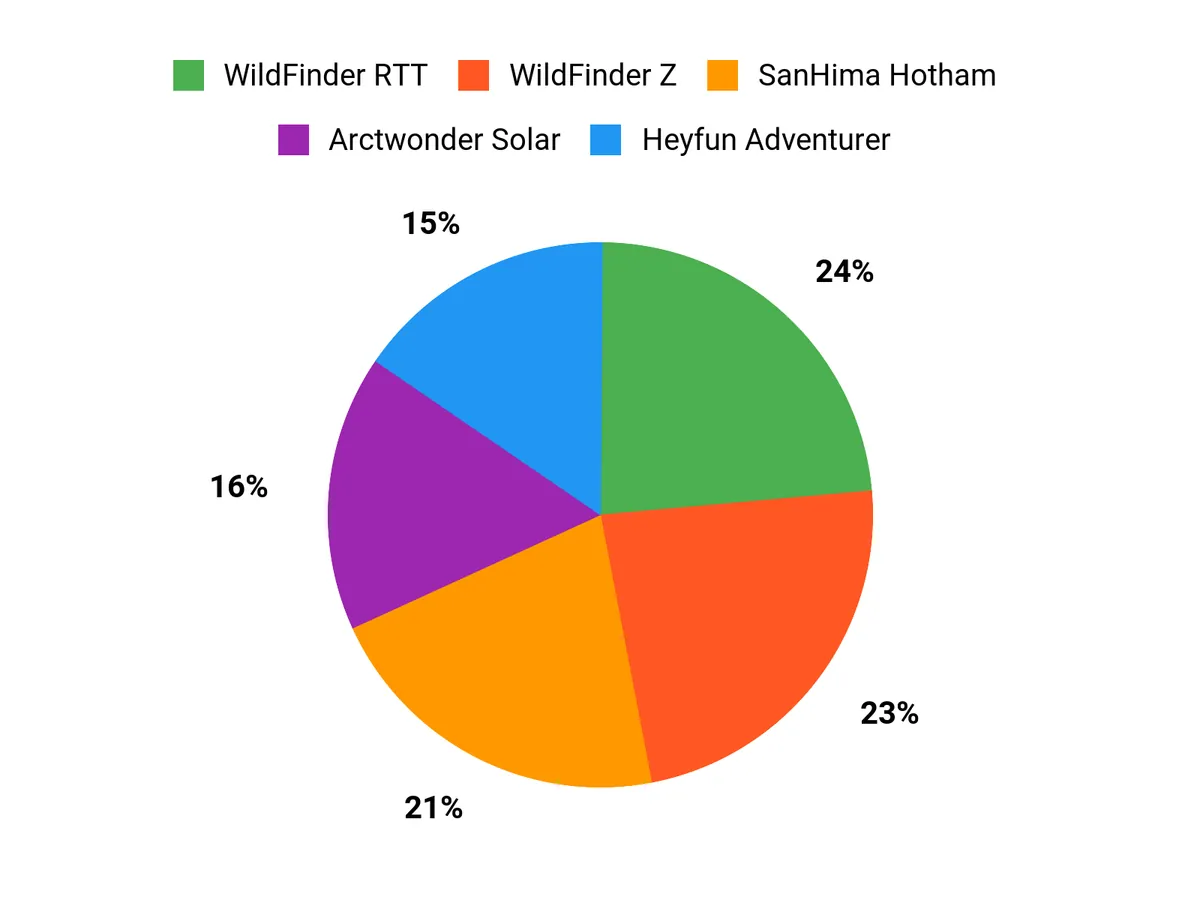
Review-sentiment charts are preserved from the source article as historical snapshots. They are not live measures of current Amazon feedback. Read recent verified-purchase reviews before ordering.
Best for: Couples or small groups who want a roomy, all-round hard-shell tent without moving to the widest option.
Why you’ll like it: The listed 83 by 63 by 47-inch size gives you more sleeping width than many narrow wedge tents, while the fold-out design keeps daily setup straightforward. The listing also describes a hard aluminum shell, mesh ventilation, a mattress, UV protection, and weather-resistant fabrics.
Check before buying: Confirm the tent weight, roof-rack mounting requirements, crossbar spacing, and whether your vehicle can handle both dynamic and parked loads. Also measure garage clearance with the tent installed.
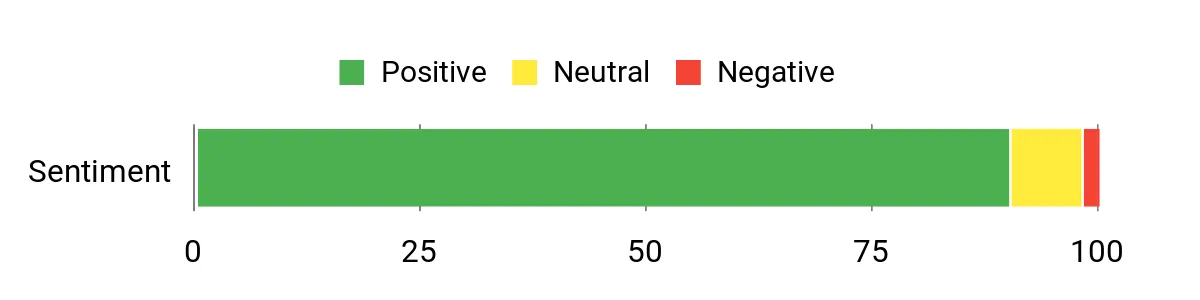
Best for: Two or three campers who want the widest sleeping platform in this roundup and have a rack that can support it.
Why you’ll like it: Its listed 83 by 75 by 47-inch dimensions provide substantially more width than the standard Vision. You get the same basic fold-out concept, hard-shell protection, mesh ventilation, and mattress-focused design with more room to move.
Check before buying: The XL footprint can create more wind resistance, garage-clearance concerns, and mounting difficulty. Verify the exact packed dimensions and weight before choosing it over the standard Vision.
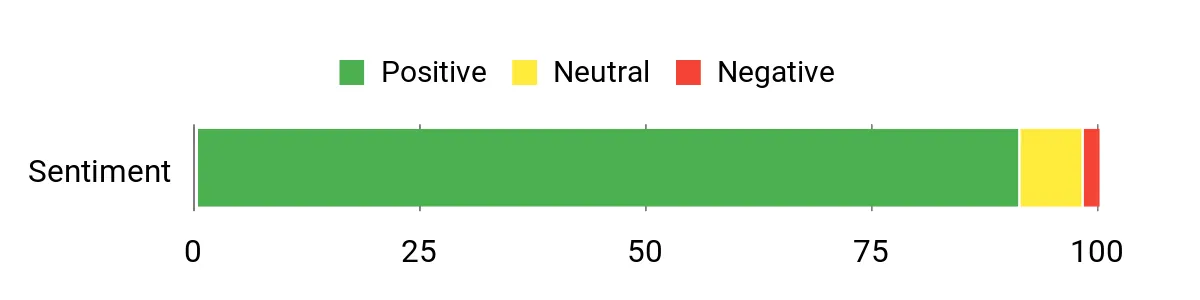
Best for: Drivers who use garages, parking structures, or compact SUVs and want a lower packed profile.
Why you’ll like it: The listing identifies a packed height of about 4.56 inches, a 1.97-inch mattress, tri-color LED lighting, and space for two to three people. That combination targets buyers who care more about low-profile travel than maximum interior volume.
Check before buying: A thinner packed design can limit bedding storage and mattress depth. Confirm current weight, rack compatibility, and whether the standard mattress is comfortable enough for multi-night trips.
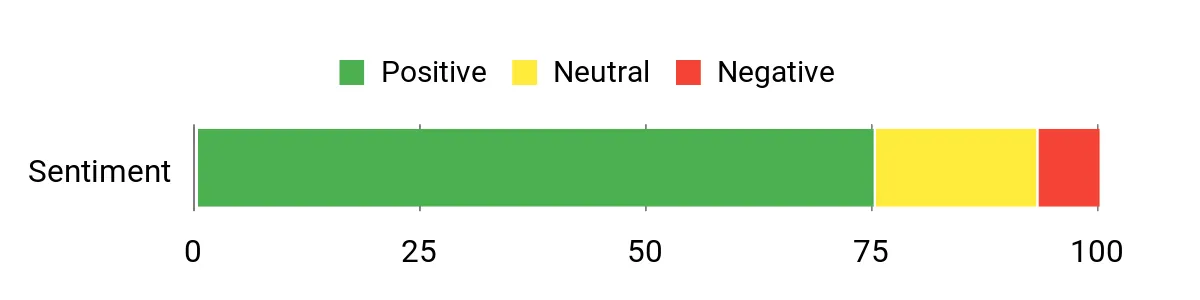
Best for: Off-grid campers who want a tent package that may reduce the need to buy separate roof accessories.
Why you’ll like it: The source listing presents this model with an aluminum shell, an integrated solar panel, cargo bars, a ladder, and a mattress. Those extras can simplify a basic overland setup when they are included with the current offer.
Check before buying: Package contents can change. Confirm the solar-panel output, connector type, controller requirements, cargo-bar load limit, tent weight, and warranty directly on the current listing before ordering.
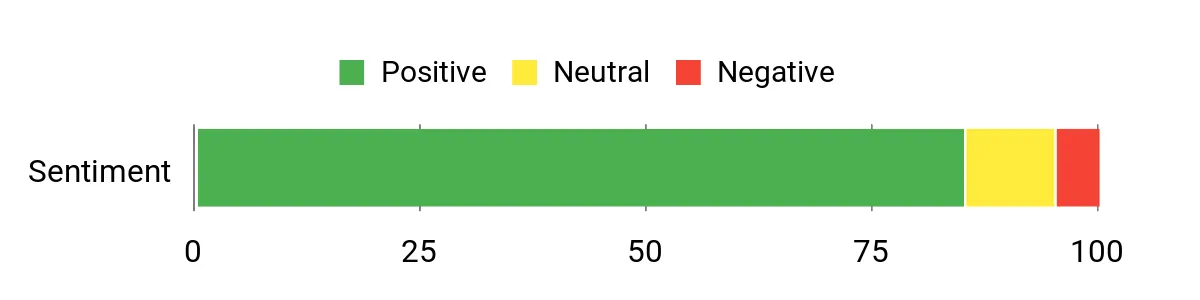
Best for: Campers who want many pockets, shoe bags, lighting, a ladder, and mattress components in one package.
Why you’ll like it: The listing shows an 83 by 52 by 9-inch size, a listed weight of 89.81 kilograms, three-person occupancy, a telescoping ladder, multiple organizers, LED lighting, and mattress components. It solves the common problem of buying several small accessories separately.
Check before buying: At roughly 198 pounds, this is a heavy rooftop tent. Verify rack capacity, installation hardware, the meaning of the listed 9-inch height, and whether all shown accessories are included in the current package.
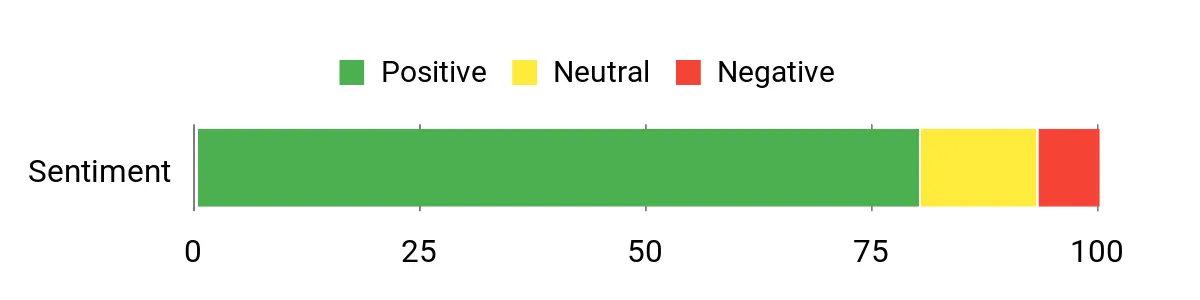
Best for: Overlanders who want the broadest accessory set and expect to use shade, charging, and roof storage.
Why you’ll like it: The listing shows a 174-pound tent with a 7-inch closed height, side awning, two rain flies, adjustable luggage racks, a USB outlet, LED lighting, a layered mattress system, and a two-year warranty. It is the most complete convenience-focused package here.
Check before buying: The extra hardware adds setup steps and more components to inspect. Confirm cable requirements for the USB outlet, rack limits, replacement-part support, and whether the 660-pound maximum-load claim fits your intended sleepers and gear.
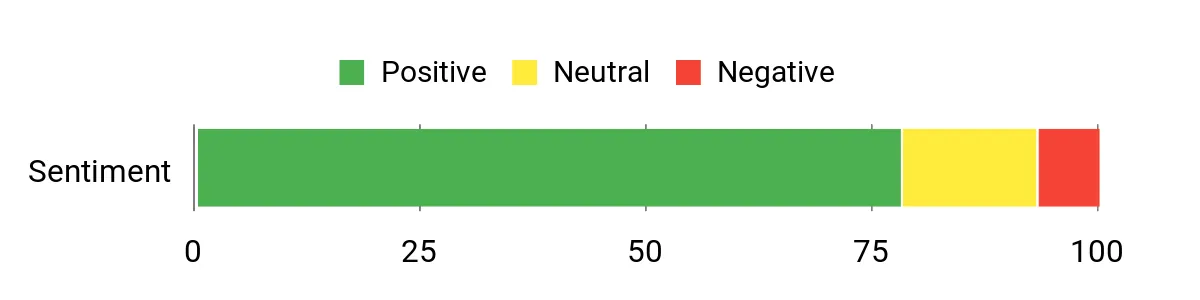
Best for: Couples who camp in shoulder seasons and want a removable thermal layer without choosing the solar-equipped model.
Why you’ll like it: The current listing shows an 83 by 51.8 by 39.4-inch tent weighing 178 pounds, with two-person occupancy, a removable winter liner, hydraulic supports, a mattress, condensation pad, LED strip, shoe organizers, and a one-year warranty.
Check before buying: Insulation helps retain heat but does not replace cold-weather bedding or safe campsite planning. Verify packed height, liner installation steps, ventilation, roof-rack capacity, and current warranty terms.
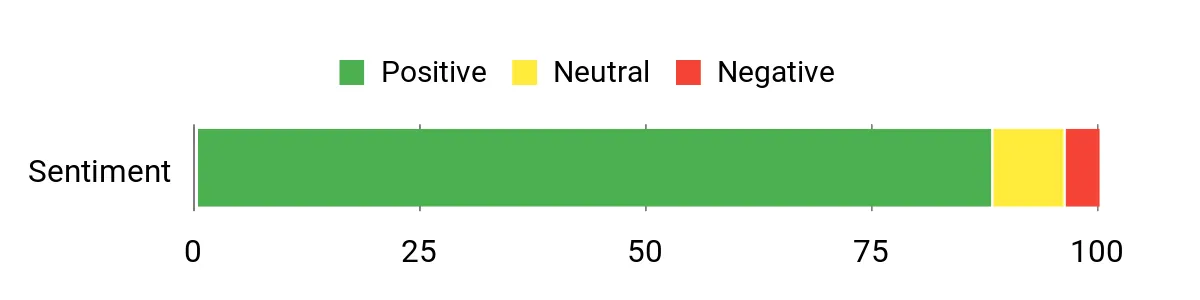
Best for: Cold-weather and off-grid campers who want insulation and basic power features in the same package.
Why you’ll like it: The listing shows an 83 by 51 by 59-inch tent weighing 198 pounds, with two-person occupancy, a removable thermal layer, solar panel, 12-volt outlet, luggage bar, mattress, ladder, and one-year warranty.
Check before buying: Confirm the solar-panel specifications and power connections before relying on it for a refrigerator or power station. At 198 pounds, installation and rack selection require careful planning.
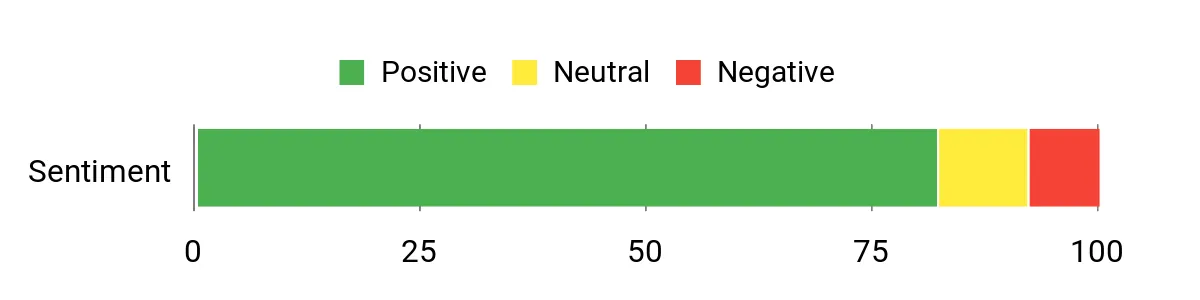
Best for: Two adults with a child, three sleepers, or couples who want more headroom and gear space.
Why you’ll like it: The listing shows an 83 by 47.2 by 43.2-inch tent weighing 212 pounds, with a listed four-person capacity, 30-second setup claim, LED lighting, crossbars, organizers, two mattresses, and a three-year warranty.
Check before buying: A 47.2-inch width can feel tight for four adults even when the listing says four-person occupancy. Compare the actual sleeping width with your group size, and verify the 212-pound tent is within your vehicle and rack limits.
Rooftop Tent Comparison
| Product | Image | Listed Dimensions | Listed Weight | Occupancy | Best For | Amazon |
|---|---|---|---|---|---|---|
| Topoak Vision |
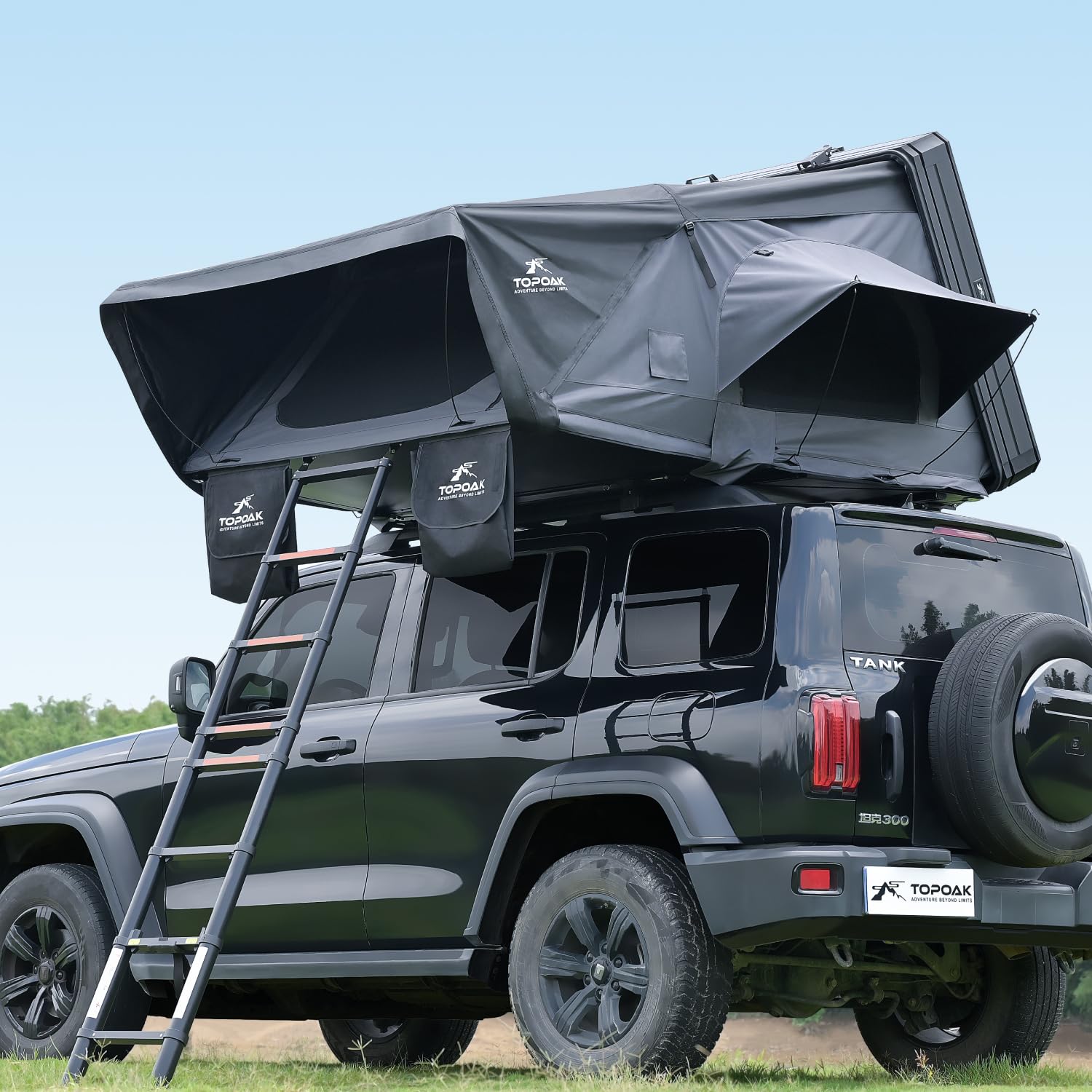 |
83 x 63 x 47 in | Check current listing | 3 people | Balanced size and protection | Check Price |
| Topoak Vision XL |
|
83 x 75 x 47 in | Check current listing | 3 people | Maximum sleeping width | Check Price |
| SanHima Hotham Lite |
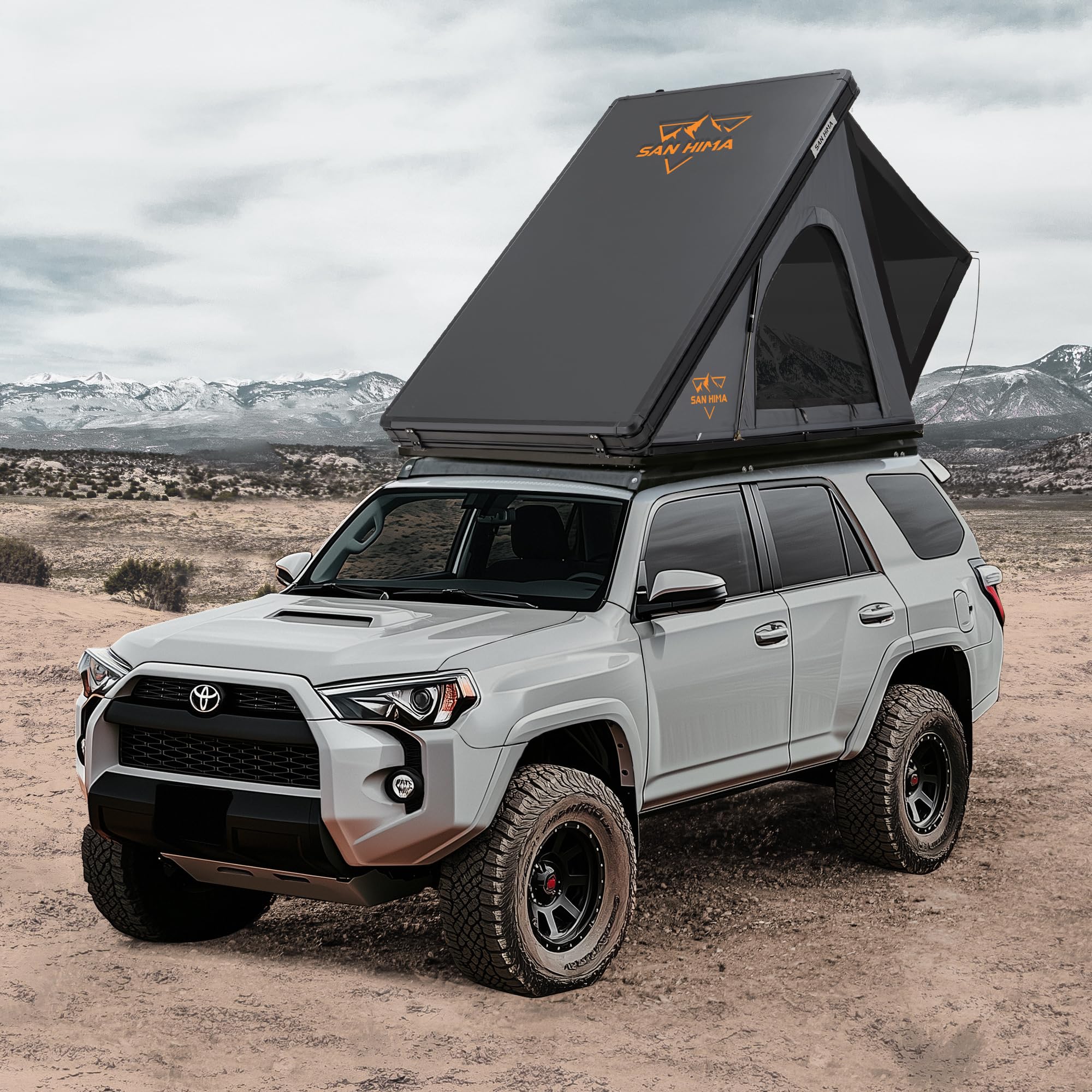 |
83.46 x 51.57 x 4.57 in packed | 146.6 lb listed | 2-3 people | Low garage-clearance profile | Check Price |
| Arctwonder Solar |
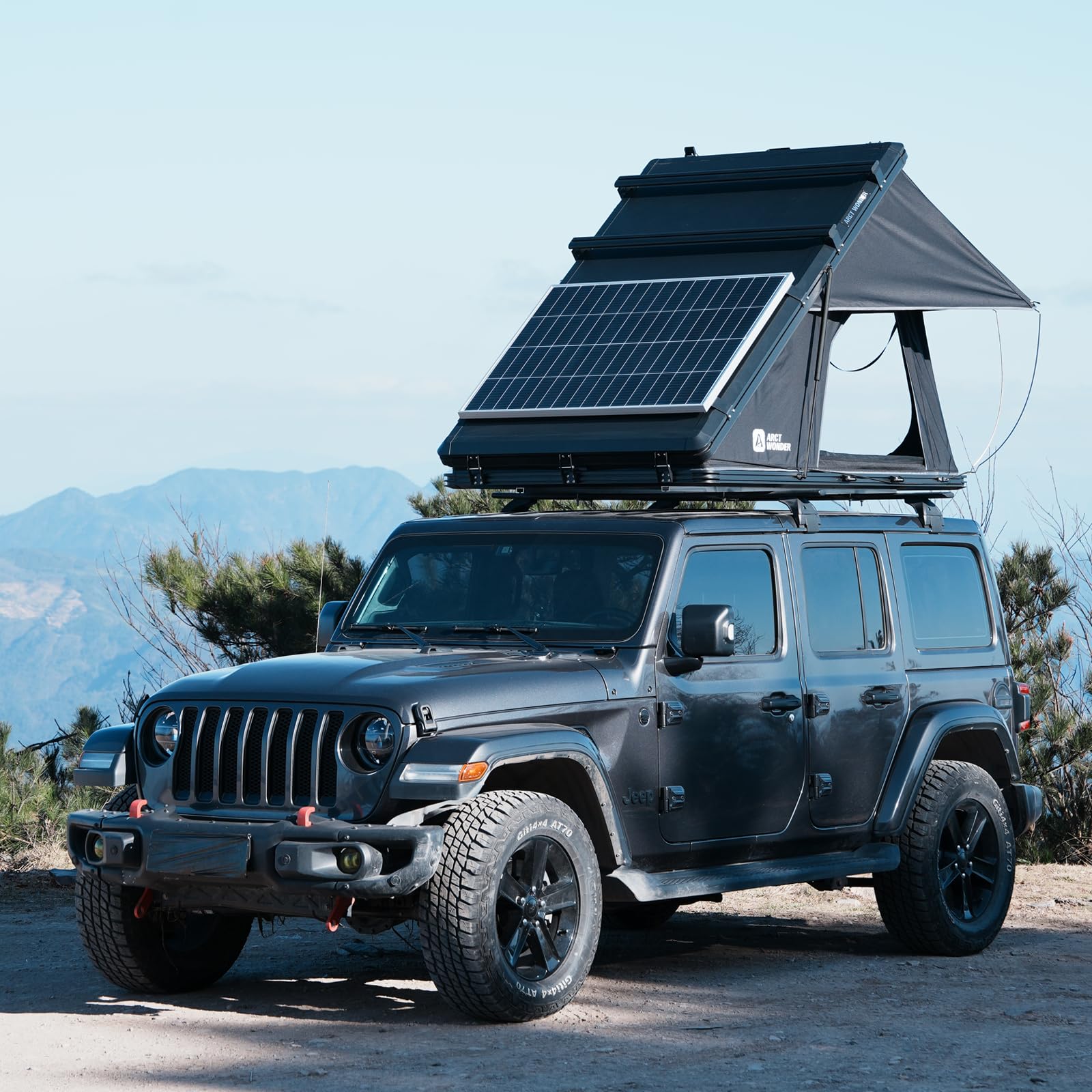 |
83 x 51 x 59 in listed | 198 lb listed | 2 people | Solar and cargo accessories | Check Price |
| WildFinder RTT |
 |
83 x 52 x 9 in listed | 89.81 kg (about 198 lb) | 3 people | Accessory-rich storage package | Check Price |
| Heyfun Adventurer Pro |
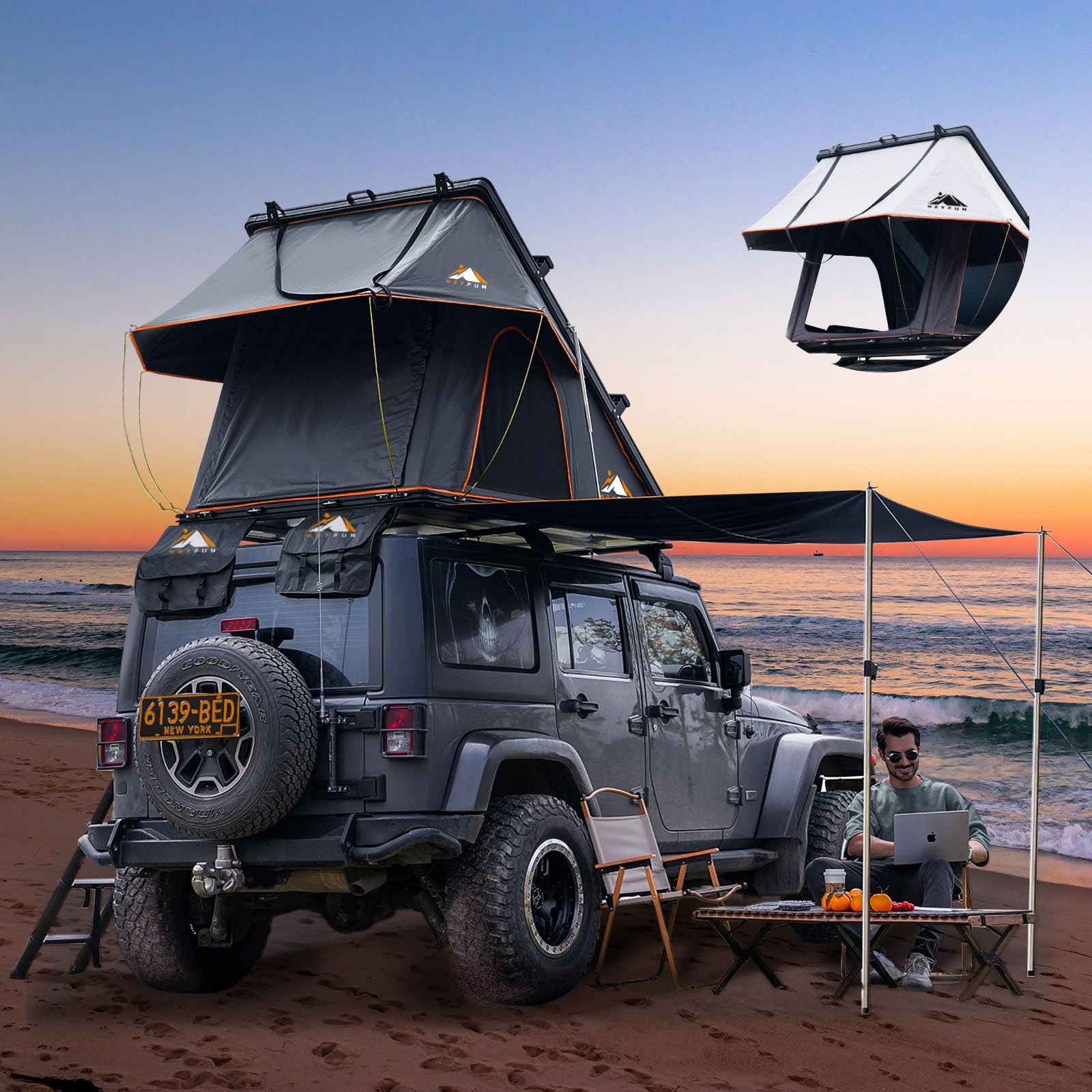 |
83.86 x 51.57 x 62.99 in open | 174 lb | 3 people | Most built-in convenience features | Check Price |
| Joyinrute Insulated RTT |
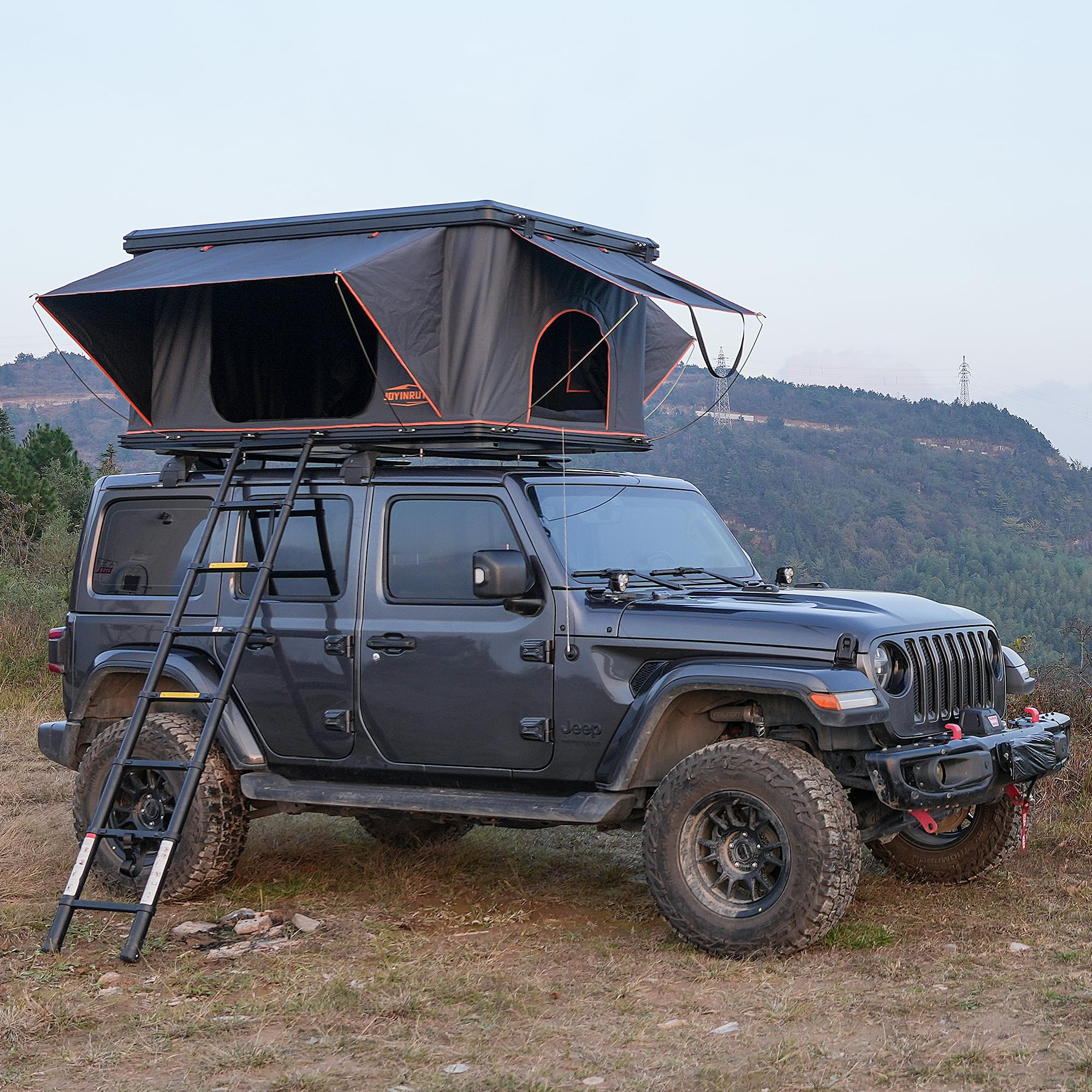 |
83 x 51.8 x 39.4 in | 178 lb | 2 people | Removable cold-weather liner | Check Price |
| Arctwonder Thermal |
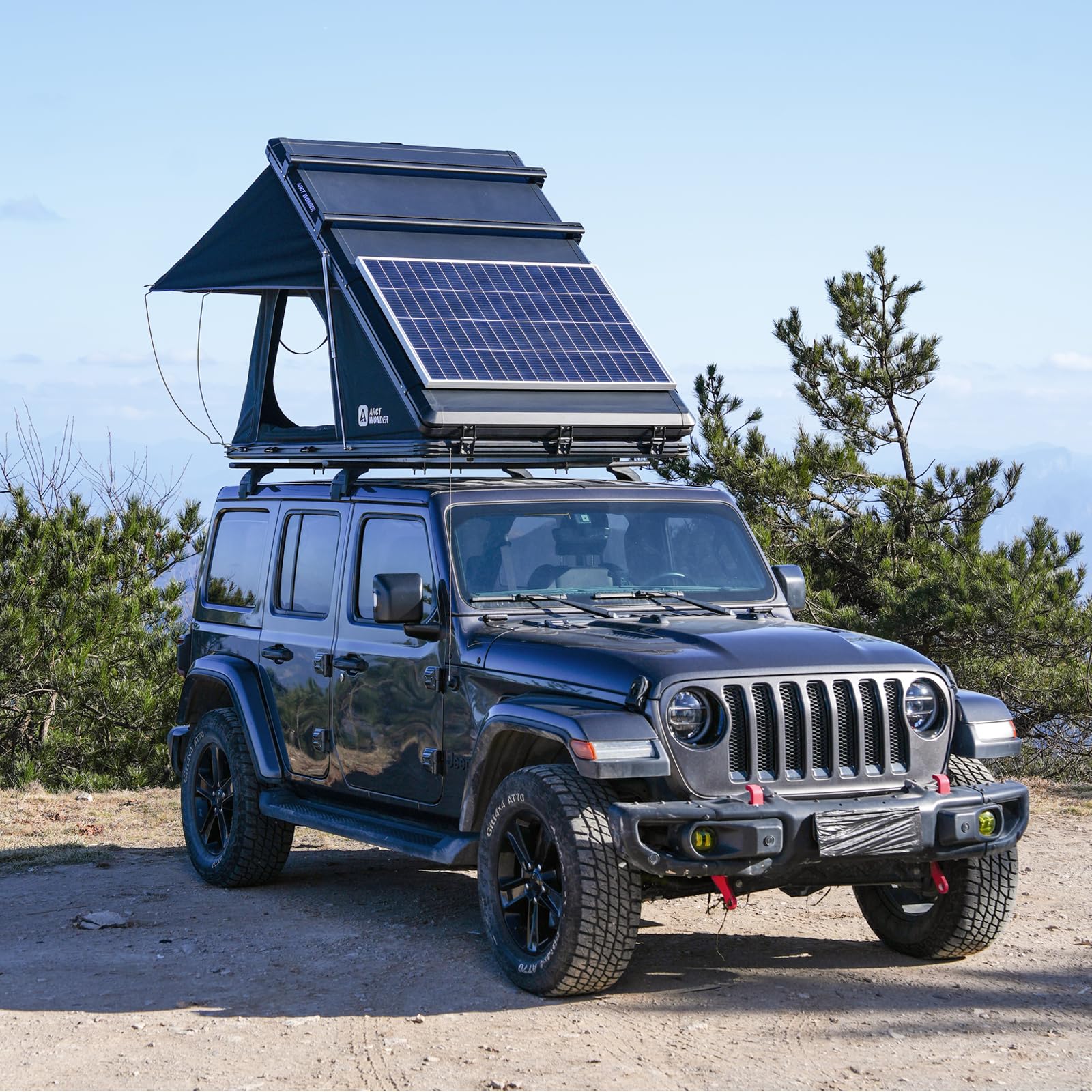 |
83 x 51 x 59 in | 198 lb | 2 people | Cold-weather and off-grid features | Check Price |
| WildFinder Z-Shape |
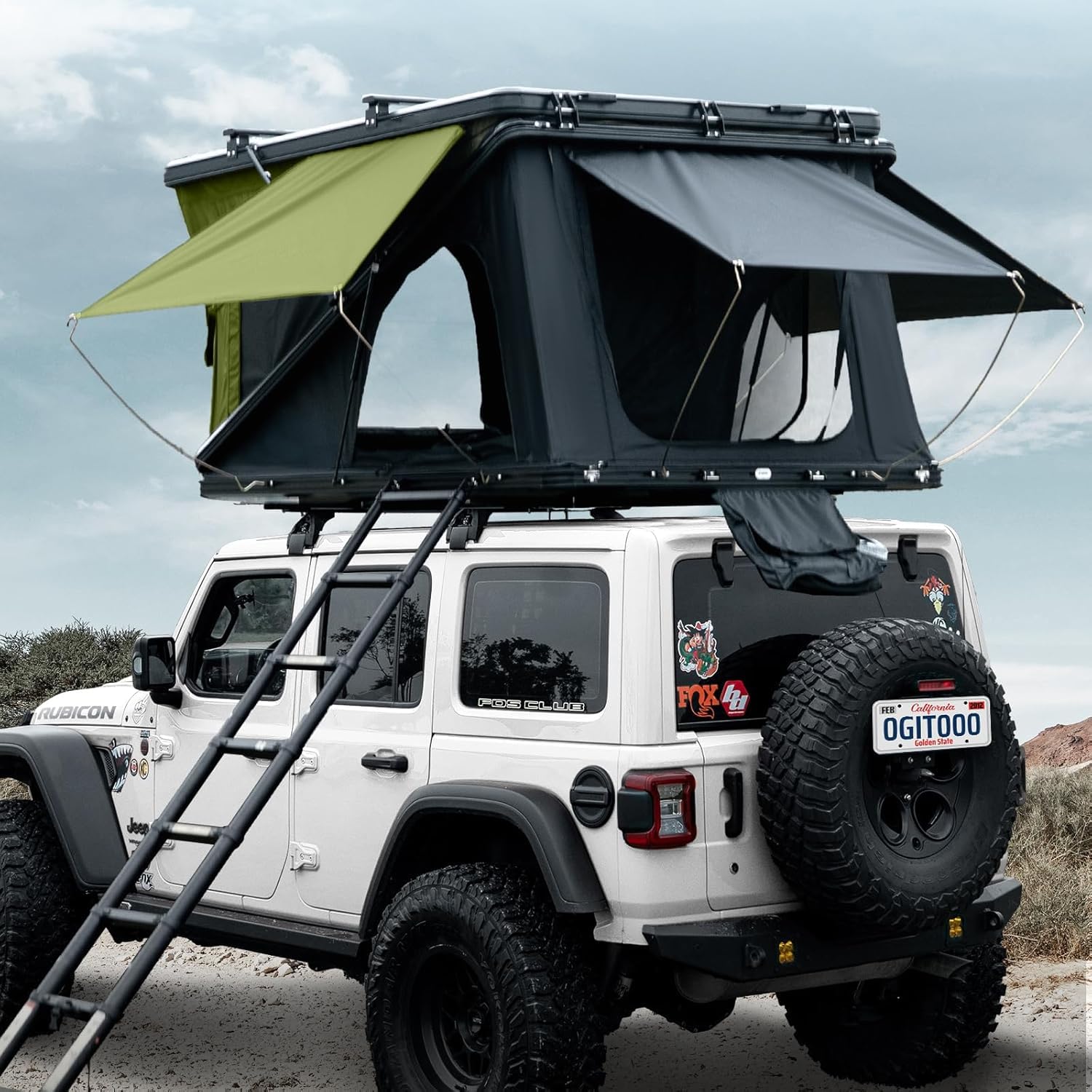 |
83 x 47.2 x 43.2 in | 212 lb | Up to 4 listed | Headroom for small-family trips | Check Price |
Dimensions, weights, occupancy labels, included accessories, and warranty terms can change by style or seller. Confirm the exact configuration on the current product page before purchasing.
How to Choose the Right Rooftop Tent
Choose Standard Width or Extra Width
A standard-width hard shell is usually easier to fit on more vehicles, while an extra-wide fold-out gives sleepers more shoulder room. Measure the actual sleeping platform and compare it with your vehicle width, rack dimensions, and storage plan.
Choose Low Profile or Maximum Interior Space
Low-profile tents help with garage clearance and highway drag, but they may store less bedding and use thinner mattresses. Taller wedge or Z-shape designs give you more headroom, though they can weigh more and stand higher above the roof.
Choose Basic Features or an Accessory Package
A simple tent can be easier to maintain. Feature-packed models may include solar panels, USB or 12-volt outlets, luggage racks, awnings, organizers, and thermal liners. Confirm that you will actually use those extras and that replacement parts are available.
Plan for Cold Weather and Condensation
Thermal liners can improve comfort, but ventilation still matters. Use the tent’s vents and windows when conditions allow, keep wet gear outside the sleeping area, and use a condensation mat or airflow layer under the mattress.
FAQ
Will a Rooftop Tent Fit My Vehicle?
Fit depends on the vehicle roof, rail system, crossbars or bed rack, mounting spacing, tent footprint, and load ratings. Check the vehicle manual, rack manual, and tent instructions together. A universal mounting kit does not mean every roof or factory rail is suitable.
What Is the Difference Between Dynamic and Static Roof Load?
Dynamic load is the weight the vehicle and rack can carry while driving. Static load is the weight supported while parked. Your tent must be within the driving limit before you add sleepers, and the parked system must safely support the tent, people, bedding, and gear.
How Hard Is Installation and Daily Setup?
Initial installation often needs two or more people because many hard-shell tents weigh well over 150 pounds. Daily opening can be quick once mounted, but closing may take practice because fabric, bedding, latches, and straps must sit correctly.
Can I Leave Bedding Inside the Tent?
Some tents allow thin bedding to remain inside, while low-profile models may not. Follow the manufacturer’s guidance and never force the shell closed, because compressed bedding can strain latches, seals, hinges, and gas struts.
How Many People Can Sleep in a Rooftop Tent?
Occupancy labels are only a starting point. Compare the actual floor width and length with your sleepers. A tent labeled for four people may be better for two adults and children than four full-size adults.
How Do I Reduce Condensation?
Keep vents open when weather allows, avoid storing wet clothing inside, use moisture-managing bedding, and maintain airflow under the mattress. A condensation pad can help, but it does not replace ventilation.
What Campers Usually Prioritize
Most buyers narrow the decision by choosing between balanced space, maximum width, and minimum packed height. The Topoak Vision is the balanced choice, the Vision XL emphasizes sleeping width, and the SanHima Hotham Lite emphasizes a slim packed profile.
The visual below is preserved from the original article as an editorial comparison aid, not as live customer-survey data.
Final Recommendation
Choose Topoak Vision for the most balanced setup. Pick Topoak Vision XL when sleeping width matters most. Choose SanHima Hotham Lite for garage clearance, Heyfun Adventurer Pro for the broadest accessory package, Joyinrute for removable insulation, or WildFinder Z when a small family needs more headroom.
Before ordering, verify the exact tent weight, packed dimensions, sleeping dimensions, rack compatibility, warranty, and included components on the current Amazon listing.
