
Last updated: September 12, 2026
Affiliate disclosure:. As an Amazon Associate I earn from qualifying purchases. This roundup is reader-supported. When you click through Amazon links, we may earn a referral commission on qualifying purchases at no extra cost to you.
If you drive a Toyota 4Runner or FJ Cruiser with a compatible 4.0L V6 and want more intake sound plus a less restrictive aftermarket intake path, a bolt-on cold air intake can be an appealing upgrade. This guide compares three Amazon listings from PHILTOP and KAX so you can judge them by fitment clarity, heat shielding, filter maintenance, installation requirements, and overall value.
The most important step is confirming fitment before you order. Year ranges shown across online product data are not always consistent, and an intake should not be selected from the model name alone. Confirm your exact model year, engine, MAF sensor arrangement, mounting points, included hardware, and local emissions requirements on the current product page.
Also keep expectations realistic. A different intake can make induction sound more noticeable, but horsepower, torque, throttle-response, towing, and fuel-economy improvements should not be treated as guaranteed unless they are supported by testing on a vehicle comparable to yours.
Quick Verdict
Best Overall in This Comparison: PHILTOP 3.5 inch Cold Air Intake Kit + Heat Shield. It combines the main features buyers typically look for in this type of upgrade, including a heat shield, reusable-filter design, and 3.5-inch intake layout.
Best Value Option to Compare: KAX 3.5 inch Cold Air Intake Kit. It is worth considering if its current price, included parts, and verified fitment give you a better value than the PHILTOP listings.
Best Alternate PHILTOP Listing: The second PHILTOP 3.5 inch Cold Air Intake listing. Use it primarily to compare fitment information, manufacturer part number, included hardware, seller details, and availability against the main PHILTOP ASIN.
Top Picks
|
Category |
Product |
Best For |
|---|---|---|
|
🏆 Best Overall |
Buyers wanting a complete intake-and-heat-shield package |
|
|
💰 Best Value |
Value-focused shoppers comparing similar intake features |
|
|
🎯 Alternate Listing |
PHILTOP 3.5 inch Cold Air Intake Kit + Heat Shield (Red) — Alternate Listing |
Comparing PHILTOP fitment, parts, seller details, and availability |
How These Cold Air Intakes Were Evaluated
This comparison focuses on the factors that matter most when buying an aftermarket Toyota 4Runner or FJ Cruiser intake: vehicle-specific fitment information, intake-tube layout, heat shielding, filter type, MAF sensor compatibility, included hardware, maintenance requirements, installation complexity, and overall buying value.
These products were not assigned arbitrary performance scores, and this article does not claim independent dyno testing or hands-on testing. Seller-advertised horsepower, torque, fuel-economy, and service-interval claims should be treated as manufacturer or listing claims unless independently verified.
Important Fitment and Emissions Check
Do not rely on a broad year range alone. Product data for these listings can vary, so confirm the current Amazon vehicle-fitment result for your exact Toyota, model year, engine, and trim. Check the MAF sensor housing and orientation, hose connections, mounting points, brackets, and included hardware before installation.
If your state or region regulates aftermarket emissions-related parts, verify whether the exact intake and vehicle application has the required emissions approval or exemption. Do not assume an intake is street legal simply because it physically fits.
PHILTOP 3.5″ Cold Air Intake Kit
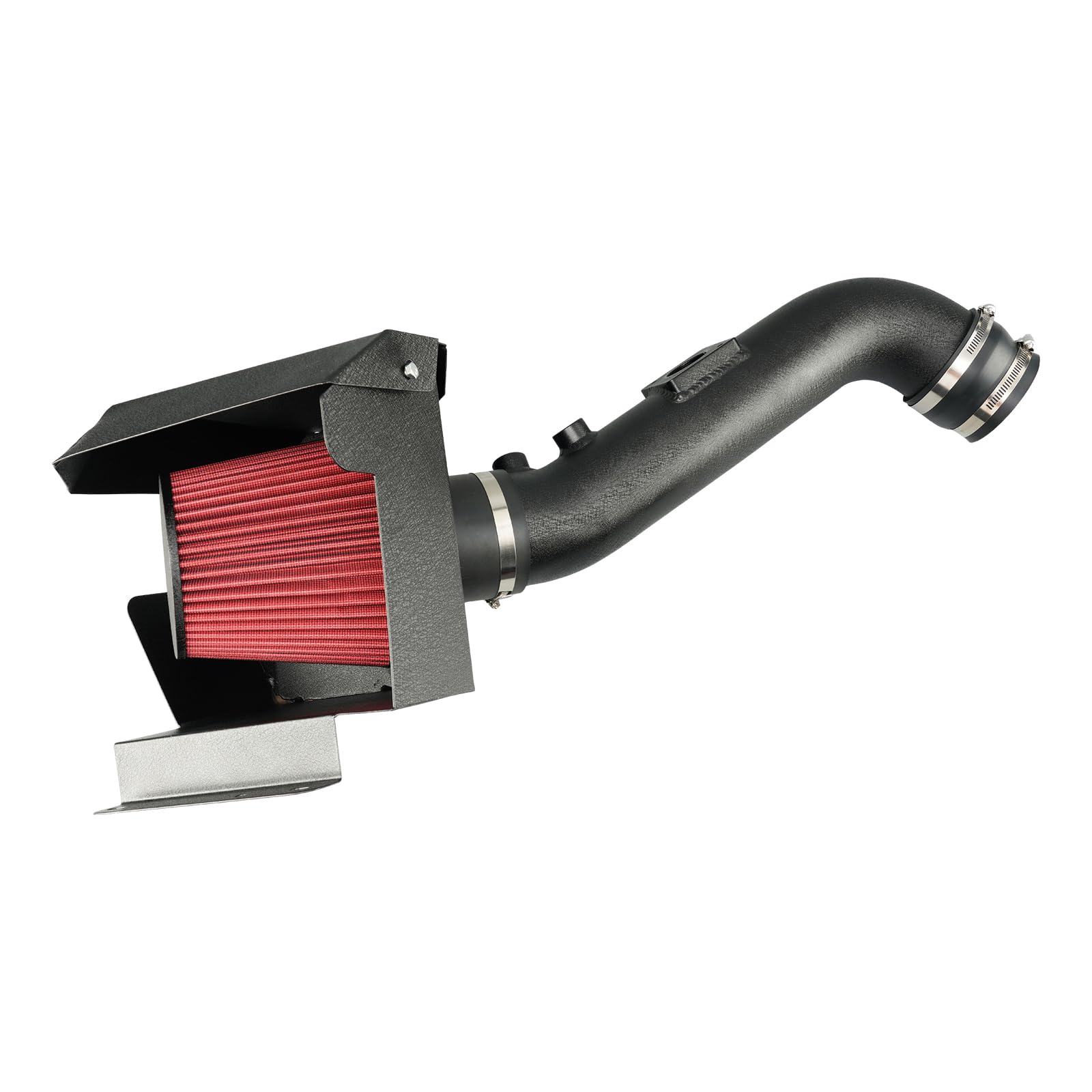
If you want a more noticeable induction sound and prefer an intake kit that includes shielding around the filter area, this PHILTOP listing is the strongest overall choice among the three products compared here.
The heat shield is useful because it separates the filter from some direct engine-bay heat, although it should not be interpreted as a guarantee of lower intake-air temperatures in every driving condition. Installation quality, sealing, vehicle speed, ambient temperature, and the factory air-feed location all matter.
The reusable-filter design can also reduce the need to continually buy disposable filters, but it adds maintenance. If the current listing specifies an oiled filter, follow its cleaning and oiling instructions carefully rather than guessing at a service interval.
Pros and Cons
|
Pros |
Cons |
|---|---|
|
✅ Intake, filter area, and heat shielding are packaged together |
❌ Exact fitment should be confirmed because year information can vary across listings |
|
✅ Can provide a more noticeable intake sound than the stock system |
❌ Advertised horsepower, torque, and MPG improvements are not guaranteed |
|
✅ Reusable-filter design can reduce disposable-filter replacement |
❌ A reusable oiled filter requires careful maintenance when that filter type is supplied |
|
✅ Vehicle-specific layout is more convenient than building a universal intake from separate parts |
❌ Emissions legality must be verified for your location and application |
What to Expect in Different Driving Situations
|
Situation |
What to Consider |
|---|---|
|
Daily Commuting |
The most obvious difference may be a stronger induction sound when accelerating. Do not assume a large power or MPG change. |
|
Towing or Hauling |
Do not use an intake as a substitute for proper cooling, maintenance, tire pressure, transmission care, or staying within Toyota’s towing limits. |
|
Dusty or Off-Road Driving |
Inspect the filter and intake connections more frequently. Filtration, dust sealing, and water exposure matter more than intake sound on a trail vehicle. |
|
Highway Driving |
Listen for air leaks or unusual noises after installation and re-check clamps once the components have gone through normal heat cycles. |
Design Highlights
The listing centers on a 3.5-inch intake layout, heat shielding, reusable filtration, and a vehicle-specific installation package. Confirm the current tube material, filter construction, included couplers, clamps, brackets, and sensor hardware on Amazon because listing specifications can change.
Who Should Buy This
- 4Runner or FJ Cruiser owners who want more noticeable intake sound
- DIY buyers who prefer a packaged intake and heat-shield setup
- Drivers comfortable maintaining a reusable filter
- Owners who have confirmed the exact listing fits their year, engine, and intake layout
Who Should Avoid This
- Anyone who cannot confirm exact vehicle fitment
- Drivers who want a maintenance-free factory-style paper filter
- Buyers expecting guaranteed horsepower, torque, towing, or MPG gains
- Owners who cannot verify that the intake is legal for their emissions jurisdiction
Why You’ll Like It
- More engaging intake sound when you accelerate
- Heat shield separates the filter from some direct engine-bay heat
- Reusable-filter design
- Vehicle-specific package instead of a universal collection of intake parts
- Clean aftermarket appearance under the hood
Check Product Details on Amazon
KAX 3.5″ Cold Air Intake Kit

If you are comparing cold air intake kits primarily on value, the KAX listing is worth checking against the PHILTOP options. The decision should come down to confirmed fitment, what is actually included in the current package, filter-maintenance requirements, seller support, and current cost rather than an advertised horsepower percentage.
The main everyday change you can reasonably expect from this type of open-element aftermarket intake is a different induction sound. Any measurable performance change will depend on the engine, airflow calibration, installation quality, ambient conditions, and other modifications.
Because detailed specifications for this exact ASIN should be confirmed from the live listing, check the filter type, tubing material, sensor provisions, couplers, clamps, brackets, instructions, and emissions information before buying.
Pros and Cons
|
Pros |
Cons |
|---|---|
|
✅ Gives value-focused shoppers another vehicle-specific intake to compare |
❌ Detailed current specifications should be confirmed before purchase |
|
✅ Includes heat-shield positioning in the advertised package |
❌ Horsepower, torque, and MPG improvements should not be treated as guaranteed |
|
✅ Bolt-on-style layout can appeal to DIY owners |
❌ Installation still requires careful MAF, clamp, coupler, and hose checks |
|
✅ Potential alternative when PHILTOP pricing or availability is less attractive |
❌ Emissions legality must be confirmed separately |
What to Expect in Different Driving Situations
|
Situation |
What to Consider |
|---|---|
|
Daily Commuting |
Expect intake sound to be easier to notice than any guaranteed horsepower or fuel-economy difference. |
|
Towing or Hauling |
Keep expectations conservative. Proper vehicle maintenance and Toyota’s load limits matter far more than an intake modification. |
|
Off-Road Use |
Check filtration, hose security, dust sealing, and water exposure carefully, especially after trail use. |
|
Highway Driving |
Re-check the system for loose clamps, rubbing, or unmetered-air leaks after installation and normal heat cycling. |
Design Highlights
The listing centers on a 3.5-inch aftermarket intake arrangement and heat shield. Before ordering, verify the current filter type, tubing construction, MAF provision, couplers, clamps, mounting hardware, and installation instructions rather than relying on older syndicated specifications.
Who Should Buy This
- Value-focused shoppers comparing several 4Runner or FJ Cruiser intake listings
- Drivers who mainly want a stronger aftermarket intake sound
- DIY owners comfortable checking MAF connections, clamps, couplers, and brackets
- Buyers who have confirmed current vehicle fitment on the Amazon listing
Who Should Avoid This
- Anyone who cannot verify fitment for the exact vehicle
- Buyers who want independently documented performance gains
- Drivers who do not want additional filter and intake-system maintenance
- Owners who need documented emissions compliance that the listing cannot provide
Why You’ll Like It
- Value-focused alternative to the PHILTOP listings
- Aftermarket intake sound can make acceleration more engaging
- Heat-shield design is included in the advertised setup
- Vehicle-specific approach is easier to shop than a universal intake
- Useful second-brand option for comparison shopping
Check Product Details on Amazon
PHILTOP 3.5″ Cold Air Intake Kit — Alternate Listing
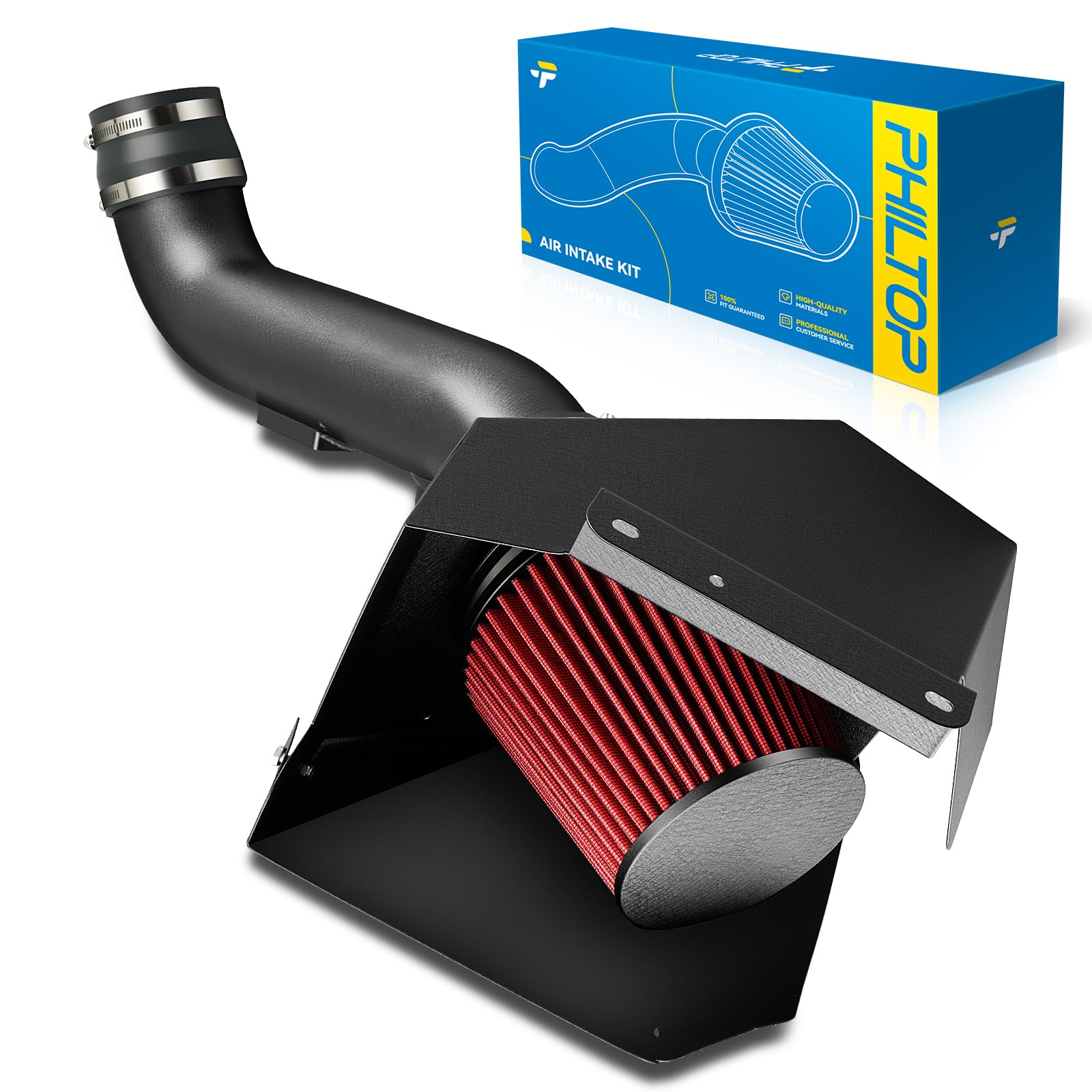
This alternate PHILTOP listing makes sense when you already prefer the PHILTOP-style package but want to compare two separate ASINs before ordering. Do not assume the two listings have identical part numbers, hardware, inventory, seller terms, or fitment simply because their photos and descriptions are similar.
The broad buying advice remains the same: prioritize exact compatibility and the completeness of the current kit over seller-advertised power figures. For most owners, a more noticeable induction sound will be easier to confirm than a specific horsepower or fuel-economy increase.
If both PHILTOP pages appear suitable, compare the current vehicle-fitment result, manufacturer part number, filter description, installation hardware, instructions, seller information, return terms, and recent buyer feedback before deciding.
Pros and Cons
|
Pros |
Cons |
|---|---|
|
✅ Gives PHILTOP shoppers a second listing to compare |
❌ Similar presentation can make the two PHILTOP listings confusing |
|
✅ Advertised as a 3.5-inch intake-and-heat-shield package |
❌ Published year-range information should be independently confirmed |
|
✅ Reusable-filter design is listed |
❌ Reusable filters require the correct cleaning procedure |
|
✅ Useful if seller terms or availability differ between PHILTOP ASINs |
❌ It does not add much variety to a comparison already containing another PHILTOP intake |
What to Expect in Different Driving Situations
|
Situation |
What to Consider |
|---|---|
|
Daily Commuting |
A stronger intake note may be the most noticeable everyday difference. |
|
Towing or Hauling |
Do not assume an intake increases safe towing capacity or replaces proper vehicle maintenance. |
|
Off-Road Adventures |
Inspect filter condition, sealing, fasteners, and water exposure regularly in dusty or wet environments. |
|
Highway Cruising |
Check for rubbing, loose clamps, and air leaks after installation and again after normal driving. |
Design Highlights
The listing combines a 3.5-inch intake layout, heat shielding, and reusable-filter positioning. Its main value here is giving PHILTOP shoppers another ASIN to compare rather than representing a completely different intake concept.
Who Should Buy This
- Buyers who want to compare two PHILTOP listings before ordering
- Owners who have verified that this specific ASIN fits their vehicle
- Drivers who want a reusable-filter and heat-shield-style intake package
- Shoppers comparing seller terms, parts, and availability
Who Should Avoid This
- Anyone who cannot determine which PHILTOP ASIN matches the vehicle
- Buyers who want a clearly different intake design or brand
- Drivers expecting guaranteed performance gains
- Owners who cannot verify emissions compliance for their location
Why You’ll Like It
- Alternative PHILTOP buying path
- More noticeable induction sound is a realistic reason to consider an aftermarket intake
- Heat-shield design helps separate the filter area from some direct engine-bay heat
- Reusable-filter setup
- Useful for comparing current PHILTOP fitment and seller information
Check Product Details on Amazon
Before You Buy
|
Check This |
Why It Matters |
|---|---|
|
Exact year, model, engine, and trim |
Online fitment text can conflict, and seemingly small differences can affect brackets, MAF placement, hoses, and clearance. |
|
MAF sensor provision |
The sensor must be installed securely and in the correct orientation for the intended intake design. |
|
Local emissions requirements |
Physical fit does not automatically mean the intake is legal for street use or inspection in every jurisdiction. |
|
Filter type |
Dry and oiled reusable filters have different maintenance procedures. Follow the instructions for the filter actually supplied. |
|
Filter location and shielding |
Heat shielding can reduce direct radiant exposure, but the final intake-air temperature also depends on sealing, airflow, vehicle speed, and ambient conditions. |
|
Dust and water exposure |
Off-road vehicles may need more frequent filter inspections, and an exposed intake should be kept away from conditions that could allow water ingestion. |
|
Included hardware |
Confirm that clamps, couplers, brackets, hoses, sensor fittings, and installation hardware shown on the current page are included. |
|
Current Amazon listing details |
Photos, sellers, specifications, instructions, fitment information, and package contents can change over time. |
Installation Tip
Keep the factory intake and all original fasteners. After installing the aftermarket intake, inspect the MAF connection, vacuum or breather hoses, couplers, clamps, filter clearance, and heat shield. Re-check the hardware after normal driving and investigate any check-engine light, unstable idle, unusual whistle, or drivability change instead of assuming it is normal.
FAQ
How Do I Choose the Best Cold Air Intake for My Toyota 4Runner?
Start with exact vehicle compatibility. Match the intake to your model year, engine, and trim, then check the MAF sensor arrangement, mounting brackets, hose routing, filter location, heat shield, included hardware, and maintenance requirements. Fitment is more important than choosing the intake with the biggest advertised performance number.
Will a Cold Air Intake Add Horsepower to a 4Runner?
It may change airflow characteristics, but you should not assume a specific horsepower or torque increase. Seller-advertised gains can depend on test conditions, vehicle configuration, engine calibration, weather, and other modifications. For many drivers, the most immediately noticeable change is intake sound.
Will Installing a Cold Air Intake Trigger a Check Engine Light?
It can happen if there is an air leak, loose coupler, disconnected hose, MAF sensor problem, incorrect sensor orientation, wiring issue, or another installation problem. A vehicle-specific kit should be installed exactly as directed, and any warning light should be diagnosed rather than ignored.
Will an Aftermarket Intake Void My Vehicle Warranty?
In the United States, installing an aftermarket part does not automatically cancel the entire vehicle warranty simply because the part is aftermarket. However, warranty coverage for a particular repair can become an issue if the aftermarket component or its installation caused the damage. Keep the original intake, installation instructions, purchase records, and maintenance records, and review your warranty terms if you are concerned about coverage.
How Do I Maintain a Reusable Cold Air Intake Filter?
Follow the instructions for the exact filter supplied with your kit. Inspect it periodically and more often in dusty conditions. If it is an oiled filter, use the recommended cleaner and oil and avoid applying more oil than instructed. Do not assume a universal mileage interval applies to every filter or driving environment.
Are Oiled Filters Safe for a MAF-Equipped 4Runner?
An oiled reusable filter should be maintained according to its manufacturer’s instructions. Excess contamination anywhere in the intake or on the MAF sensor can contribute to drivability problems, so careful servicing and correct installation are important. If you prefer simpler maintenance, compare whether a compatible dry-filter option is available for your vehicle.
Is a Cold Air Intake Better for Off-Road Driving?
Not automatically. Off-road use adds dust, vibration, mud, and potentially water exposure. A secure, well-sealed filter and intake tract are especially important. Inspect the filter and mounting hardware more often when the vehicle sees dusty trails or harsh conditions.
Do I Need a CARB-Approved Intake?
That depends on where the vehicle is registered and driven. If your jurisdiction requires emissions approval for aftermarket intake systems, confirm that the exact intake part number and vehicle application have the required exemption or approval before buying. Do not assume a kit is compliant because another intake from the same brand or for the same vehicle has an approval.
Quick Comparison
| PHILTOP 3.5″ Cold Air Intake Kit System + Heat Shield | KAX 3.5 inch Cold Air Intake System Kit | PHILTOP 3.5″ Cold Air Intake Kit System + Heat Shield — Alternate Listing | |
|---|---|---|---|
 |
 |
 |
|
| Best For | Best overall package in this three-listing comparison | Value-focused comparison shopping | Comparing a second PHILTOP ASIN |
| Product Type | 3.5-inch aftermarket intake with heat shield | 3.5-inch aftermarket intake with heat shield | 3.5-inch aftermarket intake with heat shield |
| Fitment Approach | Vehicle-specific listing; verify exact year, engine, and trim | Vehicle-specific listing; verify exact year, engine, and trim | Vehicle-specific listing; verify exact year, engine, and trim |
| Heat Shield | Listed as included | Listed as included | Listed as included |
| Filter Maintenance | Confirm current reusable-filter instructions | Confirm current filter type and instructions | Confirm current reusable-filter instructions |
| Performance Claims | Do not treat advertised gains as guaranteed | Do not treat advertised gains as guaranteed | Do not treat advertised gains as guaranteed |
| Emissions Compliance | Verify for exact part and vehicle application | Verify for exact part and vehicle application | Verify for exact part and vehicle application |
| Check Price on Amazon | Check Price on Amazon | Check Price on Amazon |
Wrapping Up
Final Recommendation
Choose the main PHILTOP listing if you want the strongest all-around package among these three options and its current fitment information matches your vehicle.
Compare the KAX kit if value is your priority and its live Amazon page clearly confirms the correct fitment, filter type, components, and hardware.
Use the alternate PHILTOP listing when you want another PHILTOP ASIN to compare for fitment, part number, seller terms, package contents, or availability rather than assuming the two PHILTOP pages are identical.
Whichever intake you choose, verify your exact Toyota model year, engine, trim, MAF arrangement, emissions requirements, filter type, and included components before ordering. Keep your factory intake parts and approach advertised horsepower, torque, towing, and fuel-economy gains with realistic expectations.

