If you want to change your Honda Civic’s intake sound, reduce intake restriction, and potentially sharpen throttle response, a cold air intake can be a relatively simple bolt-on upgrade. The most important part is choosing a kit that actually matches your Civic’s year, engine, trim, and sensor or hose layout.
Actual horsepower, torque, and fuel-economy changes vary by vehicle, installation quality, engine condition, and other modifications. For most street-driven Civics, the most noticeable differences are usually intake sound, appearance, and throttle feel rather than a dramatic power increase.
This guide compares seven Honda Civic cold air intake options across several model generations so you can quickly narrow the list by fitment, construction, filter design, installation needs, and budget.
Affiliate disclosure:. As an Amazon Associate I earn from qualifying purchases. This article contains Amazon affiliate links. If you buy through one of these links, we may earn a commission at no additional cost to you.
- Confirm your Civic’s exact year, engine displacement, trim, and transmission.
- Compare the Amazon fitment information with your existing intake, sensor ports, breather hoses, and mounting points.
- Check whether the filter sits low in the fender or bumper area, especially if you regularly drive through heavy rain or standing water.
- Check local emissions rules before using an aftermarket intake on public roads.
Top Picks
| Category | Product | Primary Fitment |
|---|---|---|
| 🏆 Best Overall | MOOSUN 2.5 Inch Cold Air Intake Kit (Silver Tube & Black Filter) | 2001–2005 Civic 1.7L |
| 💰 Best Value | Suride Cold Air Intake Kit with Filter & Heat Shield | 2001–2005 Civic 1.7L |
| ⚡ Best for 2006–2011 Civics | PHILTOP 3″ Cold Air Intake Kit | 2006–2011 Civic 1.8L |
| 🔊 Best for Intake Sound | muge racing Cold Air Intake Pipe Kit | 1992–2000 Civic |
| 🎯 Another 2001–2005 Option | OBUYTO 2.5-Inch Cold Air Intake System Kit | 2001–2005 Civic 1.7L |
| 🚀 Best for 1996–2000 Civics | PHILTOP 2.75″ Cold Air Intake Kit | 1996–2000 Civic 1.6L* |
| 💡 Alternative Budget Pick | PHILTOP 2.5″ Cold Air Intake Kit (Blue) | 2001–2005 Civic 1.7L |
*Always confirm exact trim and engine compatibility on the current Amazon listing before ordering.
How We Picked These Cold Air Intakes
We compared the products using their listed Civic compatibility, intake-tube construction, filter type, included heat shields and hardware, installation considerations, and buyer feedback supplied with the source material.
Fitment received the most weight because a good intake is only useful if its mounting points, hose connections, sensor openings, and clearances match your Civic. We also considered common owner concerns such as bracket alignment, clamp quality, filter placement, installation difficulty, and whether a kit may require minor adjustment.
We did not treat seller horsepower or fuel-economy claims as guaranteed real-world results. Actual gains vary from one Civic to another.
MOOSUN 2.5″ Cold Air Intake

The MOOSUN kit is one of the more straightforward choices if you own a 2001–2005 Civic with the 1.7L engine. The current product information associated with this ASIN identifies it as a vehicle-specific kit for these model years with manual or automatic transmission.
Its 2.5-inch aluminum intake tube replaces much of the restrictive factory intake plumbing and changes the engine’s induction sound. Some drivers may also notice a more immediate throttle feel, although actual power changes depend on the individual vehicle and installation.
This is a sensible pick for a daily-driven Civic when your priority is simple construction and a relatively accessible DIY installation rather than a premium-name intake system.
What People Say
Buyer feedback in the source commonly mentions easy installation, a more noticeable intake sound, and solid metal construction. A recurring limitation is that bracket alignment may need a small adjustment.
Overall Sentiment: Positive

🗣️ plkyduk
Tube is powder-coated metal instead of plastic, installation was straightforward, and the tube is pre-bent to the correct position for the car. There was a slight offset where the filter connects to the bracket but a minimal adjustment fixed it.
🗣️ Clay D. Wynn
Install took about 15 minutes and it comes with the hardware and fittings needed. The engine intake noise was louder and more noticeable, which some drivers like.
Fitment & Installation Notes
Confirm 2001–2005 Civic 1.7L compatibility before purchase. During installation, make sure all couplers and clamps are secure and that the tube has adequate clearance from wiring, hoses, and moving components. Minor bracket adjustment may be necessary on some cars.
What to Expect
The most predictable change is a louder, sportier intake note during acceleration. A cleaner intake path may also change throttle feel, but do not assume a specific horsepower or fuel-economy increase without vehicle-specific testing.
Key Benefits
- Listed for 2001–2005 Honda Civic 1.7L applications
- 2.5-inch aluminum intake tube
- More noticeable induction sound under acceleration
- DIY-friendly layout for many owners
- Good choice for a simple budget-oriented intake upgrade
muge racing Cold Air Intake Pipe Kit (Black)
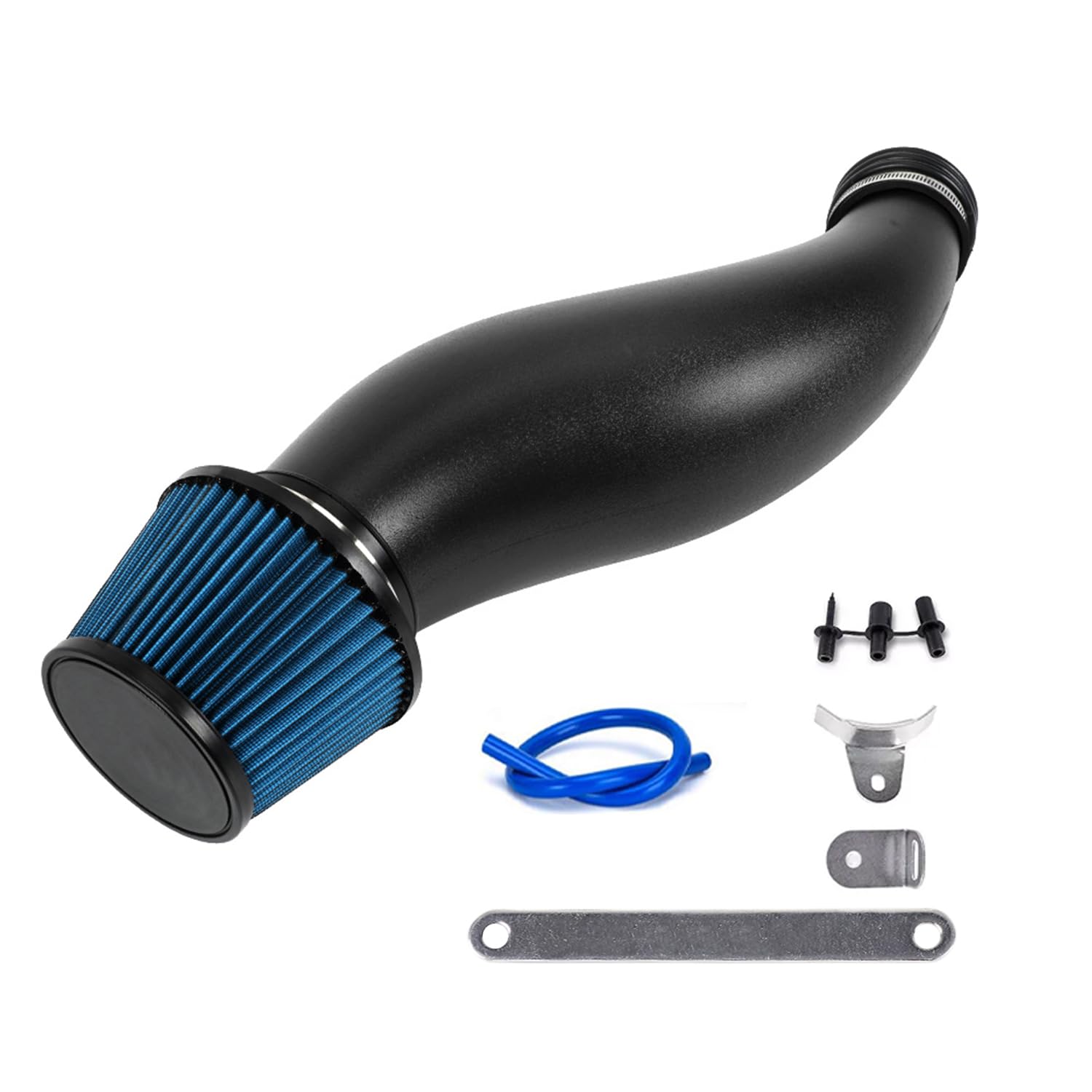
This muge racing kit is aimed at older Civic owners who want to replace the stock intake plumbing with a simpler aftermarket pipe and cone-style filter. Its broad listed year range makes exact fitment especially important because Honda used different engines, trims, and engine-bay layouts during those years.
For a street-driven Civic, the main appeal is the stronger induction sound and less restrictive-looking intake layout. Some source feedback describes tight clearances on certain cars, so this is better suited to buyers who are comfortable making small bracket or clearance adjustments when necessary.
What People Say
Buyer feedback in the source commonly mentions a louder intake note and more responsive-feeling acceleration. Some users reported tight fitment that required moving or removing a small bracket.
Overall Sentiment: Positive

🗣️ Ryan H.
Tight fit on a 94 Civic; I had to remove a bracket near the wires, but once fitted the throttle response improved noticeably and the car sounded louder with more perceived power.
🗣️ Chance
Worked as expected on a 94 Civic Ej1 Coupe — easy install, helped gas mileage and HP to a degree. I swapped out the included filter for a K&N for better longevity.
Fitment & Installation Notes
Verify your exact Civic year, engine, and engine-bay layout before ordering. Check clearance around wiring, hoses, the battery area, and nearby brackets after installation. Recheck all clamps after the first few drives.
What to Expect
Expect a more pronounced induction sound and potentially a different throttle feel. Treat horsepower or fuel-economy comments from individual owners as subjective rather than guaranteed results.
Key Benefits
- Listed for multiple 1992–2000 Honda Civic applications
- Simple intake-pipe and cone-filter layout
- Noticeably stronger intake sound for many users
- Useful option for older Civics where year-specific fitment is confirmed
- Best for buyers comfortable with possible minor bracket adjustments
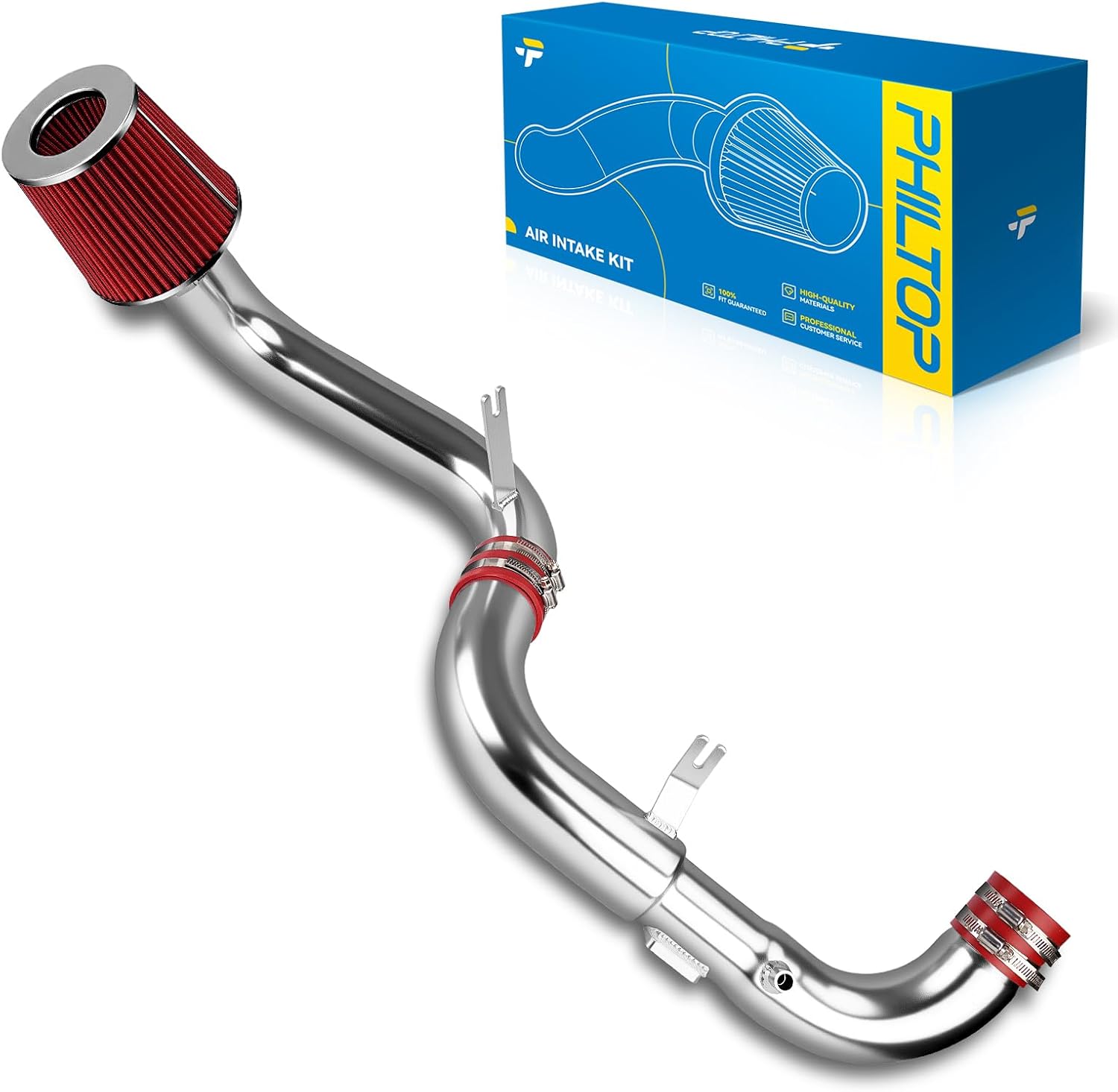
PHILTOP 3″ Cold Air Intake Kit (Red)
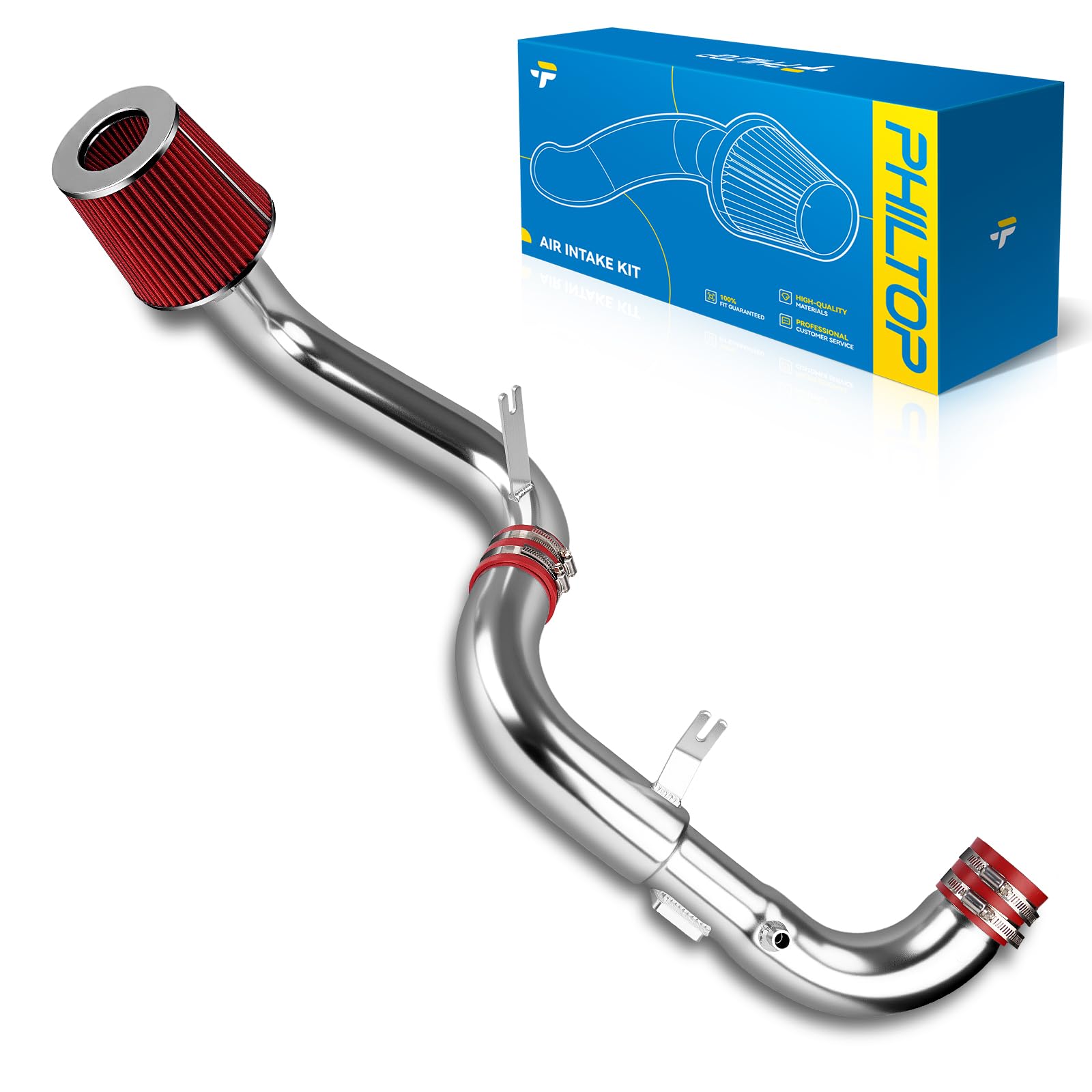
If you have a 2006–2011 Civic with the compatible 1.8L engine, this PHILTOP kit is one of the few options in this roundup aimed specifically at that generation. The source listing describes a 3-inch aluminum intake, heat shield, and reusable filter.
The larger tubing and aftermarket filter are intended to reduce intake restriction, while the heat shield helps separate the filter from some engine-bay heat. As with any budget intake, exact gains should not be assumed without vehicle-specific testing.
What People Say
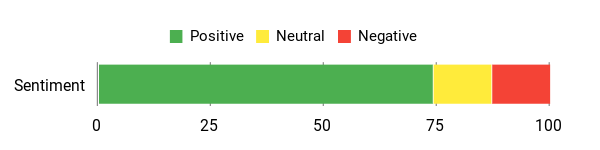
Source feedback is generally positive about intake sound, installation, and perceived throttle response. Because aftermarket listings can cover multiple vehicle applications, feedback from a different model should not be treated as proof of Civic fitment or performance.
Overall Sentiment: Positive
🗣️ James Price
Exceeded expectations on performance and fuel economy; the car sounds mean under acceleration and I noticed real improvement after fitting it.
Fitment & Installation Notes
Confirm that your Civic is the compatible 2006–2011 1.8L application before purchase. Make sure sensor connections, breather hoses, clamps, and mounting points line up correctly, and check that the intake does not contact wiring or other engine-bay components.
What to Expect
The 3-inch tube and cone-filter arrangement should create a stronger induction note than the factory airbox. Any horsepower, torque, or fuel-economy improvement will depend on the individual car and should not be treated as guaranteed.
Key Benefits
- Listed for compatible 2006–2011 Honda Civic 1.8L applications
- 3-inch aluminum intake tubing
- Heat shield included in the listed kit
- Reusable filter design
- Good generation-specific option for 8th-generation non-Si 1.8L buyers when fitment is confirmed
OBUYTO 2.5-Inch Cold Air Intake (Black Tube & Red Filter)
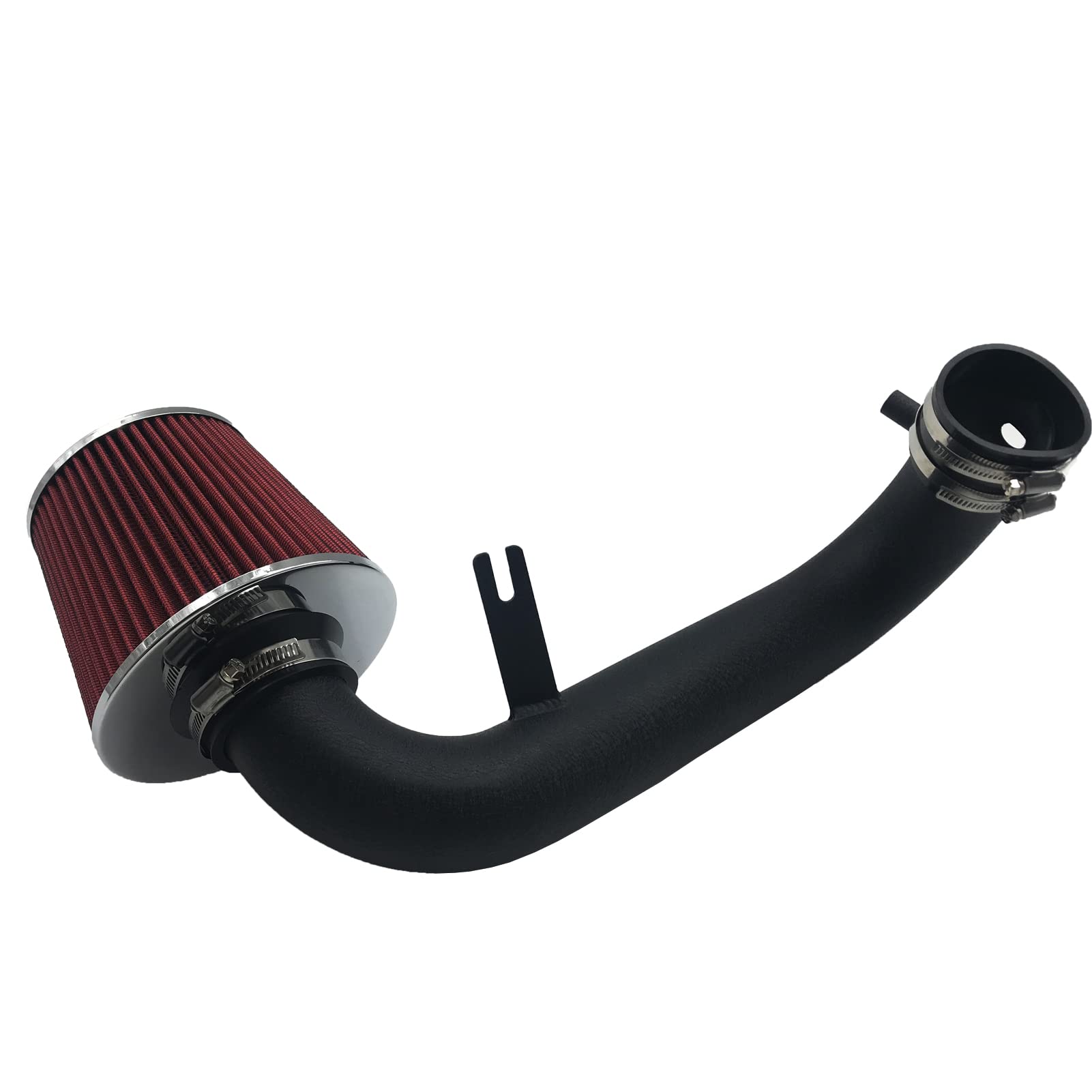
The OBUYTO is another 2.5-inch option for the 2001–2005 Civic 1.7L. Current product information associated with the supplied ASIN continues to identify compatibility with these model years and both manual and automatic transmissions.
It is most attractive to buyers who want a basic intake tube and filter without paying for a premium-name system. The tradeoff is that budget kits can require more patience with brackets, grommets, or hose positioning.
What People Say
Source feedback mentions a stronger intake sound and generally acceptable value, while some buyers needed small fitment adjustments. That makes careful dry-fitting important before every clamp is tightened.
Overall Sentiment: Positive
🗣️ Elmer ivan guillen
It was kind of difficult to install but other then that everything was easy and it sounds beautiful i love it
Fitment & Installation Notes
Confirm 2001–2005 Civic 1.7L fitment. Dry-fit the tube and filter first, make sure sensor grommets or hose connections seal correctly, and verify that brackets and clamps hold the system without stressing nearby wiring or hoses.
What to Expect
A stronger intake sound is the most predictable result. The seller may advertise horsepower or torque gains, but real-world output varies and should not be treated as a guaranteed percentage increase.
Key Benefits
- Listed for 2001–2005 Civic 1.7L manual and automatic models
- 2.5-inch intake-tube design
- Includes cone-style filter and installation hardware shown with the kit
- Budget-friendly alternative to premium-brand systems
- Suitable for DIY buyers willing to handle minor fitment adjustments
PHILTOP 2.75-Inch Cold Air Intake (Blue)
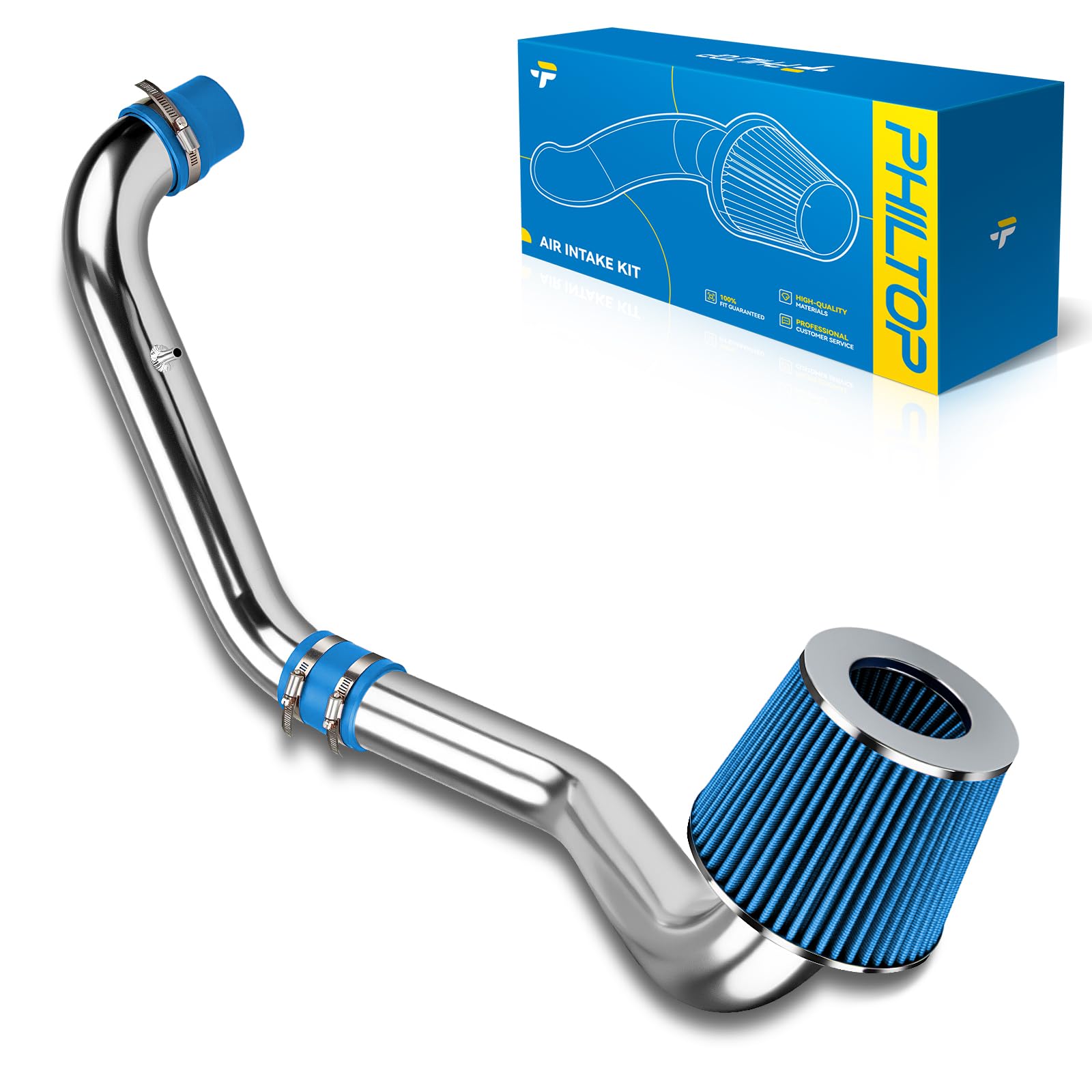
This PHILTOP 2.75-inch kit gives owners of compatible 1996–2000 1.6L Civics another generation-specific option. The listed package uses aluminum intake tubing and includes a reusable filter and heat-shield arrangement.
For an older Civic, the main benefits are simpler intake plumbing, more induction sound, and a reusable aftermarket filter. Because these model years include several trims and engine configurations, exact fitment deserves more attention than the broad model-year label alone.
What People Say
Source feedback generally praises the appearance and build quality. Some users report that installation can require trimming, clamp changes, or other small adjustments depending on the engine bay.
Overall Sentiment: Positive
🗣️ Brandi Cambric
The chrome finish looks great under the hood. They are very easy to install and are a direct fit for replacement of the original intake, making it a solid upgrade. Overall nice quality.
🗣️ Jamjam92
Overall this is a great quality part — looks fantastic and was exactly the size it said it was. Installation depends on your setup, but the build quality and included clamps/filters are solid.
Fitment & Installation Notes
Verify your exact Civic year, trim, and 1.6L engine before ordering. Check clamp tightness, hose routing, sensor connections, and clearance around wiring and suspension or strut-area components.
What to Expect
Expect a sportier intake note and a different engine-bay appearance. Any claimed horsepower or torque improvement should be viewed as a seller estimate rather than a guaranteed result.
Key Benefits
- Listed for compatible 1996–2000 Honda Civic 1.6L applications
- 2.75-inch aftermarket intake system
- Aluminum tubing and reusable filter design
- Heat shield included in the listed configuration
- Useful option for older Civic owners who confirm exact engine fitment
PHILTOP 2.5-Inch Cold Air Intake (Blue)
This PHILTOP 2.5-inch kit competes directly with the MOOSUN, OBUYTO, and Suride options for 2001–2005 Civic 1.7L buyers. Current product information associated with the supplied ASIN continues to identify it as a vehicle-specific kit for these Civics.
The package is listed with an aluminum intake tube, reusable filter, hose, and related connectors. It makes sense for buyers who prefer a reusable-filter system and want another budget alternative to the factory airbox.
What People Say
Source feedback frequently mentions simple installation, stronger intake sound, and a more responsive feel. Minor trimming or bracket adjustment appears in some feedback, so installation should not be assumed to be identical on every car.
Overall Sentiment: Positive
🗣️ IRISH
Easy to install, fits well after the second shipment; improved throttle response and a cleaner, stronger airflow. Looks and sounds like expected, and the throttle response felt noticeably better.
🗣️ Ron
Super simple install (Philips screwdriver for hose clamps), solid build and good fit. Performance was noticeably improved with a sportier intake sound and reliable durability across varied driving conditions.
Fitment & Installation Notes
Confirm your Civic is a compatible 2001–2005 1.7L application. Check every coupler, clamp, breather connection, and sensor opening before starting the engine, and make sure the pipe cannot rub against wiring or other components.
What to Expect
A stronger induction sound and potentially more immediate throttle feel are reasonable expectations. Do not assume the seller’s advertised horsepower figure will be reproduced on every Civic.
Key Benefits
- Listed for compatible 2001–2005 Honda Civic 1.7L applications
- 2.5-inch aluminum intake system
- Reusable filter design
- Includes hose and connectors listed with the kit
- Alternative budget choice for buyers comparing several 2001–2005 intake systems
Suride Cold Air Intake Kit (Black)
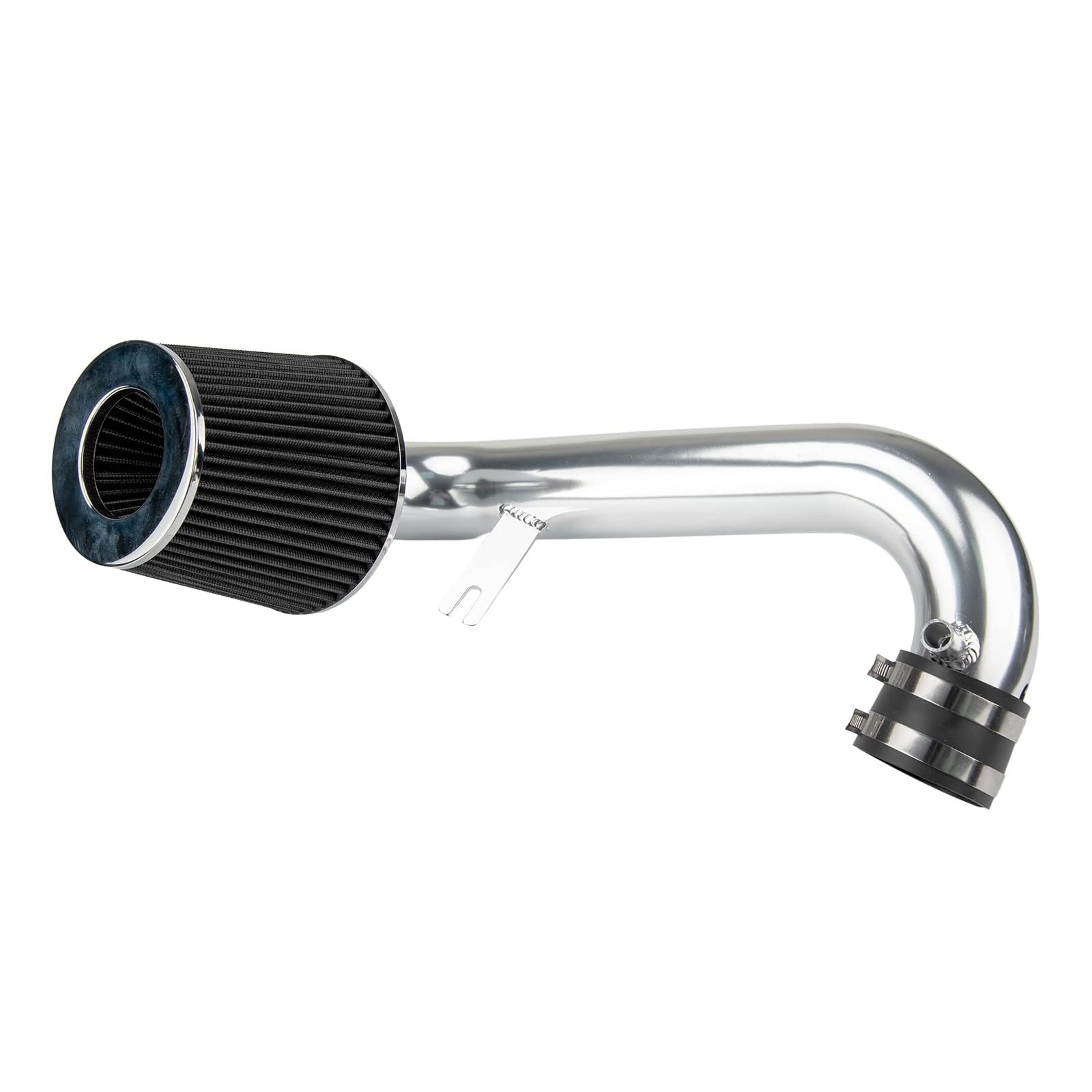
The Suride kit is another value-oriented choice for the crowded 2001–2005 Civic 1.7L category. The supplied product information describes aluminum intake tubing, a heat shield, and a reusable filter.
Its strongest selling point is the combination of the basic intake hardware and heat shield at the budget end of the market. The limitation is familiar: source feedback indicates that some installations may require a small bracket or tab adjustment.
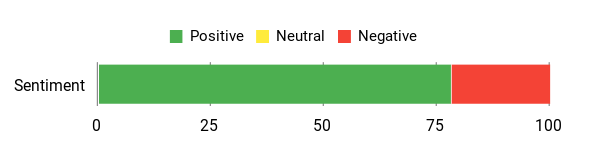
What People Say
Source feedback highlights the metal construction and overall value. The most common limitation is slight fitment variation, particularly around brackets.
Overall Sentiment: Positive
🗣️ steven fickers
With a slight fabrication for a bracket I was able to quickly install this intake on my Honda. It’s not direct bolt on to be correct but to be expected for the price I’m highly satisfied. The quality is good.
🗣️ Aggravated customer
Good quality for the price. Come with everything needed, and actually metal not plastic. Slight fitment issue. Easily remedied if you’re mechanically inclined.
Fitment & Installation Notes
Confirm the current Amazon listing matches your exact 2001–2005 Civic 1.7L before ordering. Check hose and sensor connections carefully, tighten every clamp, and make sure the filter and tubing have enough clearance to avoid rubbing.
What to Expect
Expect a more audible intake note and a different under-hood appearance. Treat any advertised horsepower, torque, or unusually long filter-service interval as manufacturer or seller information rather than a guaranteed real-world result.
Key Benefits
- Supplied listing identifies 2001–2005 Honda Civic 1.7L compatibility
- Aluminum intake-tube construction
- Heat shield included in the listed configuration
- Reusable-filter design
- Strong value for mechanically inclined buyers comfortable with possible minor fitment adjustment
FAQ
How Do I Choose the Right Cold Air Intake for My Honda Civic?
Start with your Civic’s exact year, engine displacement, trim, and transmission. Do not buy only because a listing says “Honda Civic.” Different Civic generations and engines can use different tube routing, brackets, breather connections, sensor openings, and available engine-bay space.
Compare the kit’s compatibility information with your existing intake before ordering. Pay attention to tube diameter, filter location, included couplers and clamps, heat shielding, and whether every required hose or sensor connection has a proper mounting point.
Buyer reviews can also reveal recurring issues such as brackets sitting slightly off position or a grommet needing adjustment. Finally, check local emissions regulations because some aftermarket intake systems may not be approved for street use in every jurisdiction.
Will Installing a Cold Air Intake Void My Warranty or Cause Engine Problems?
Installing an aftermarket intake does not automatically mean every part of a vehicle warranty disappears. However, warranty coverage may be disputed or denied for a problem that is shown to have been caused by the aftermarket component or its installation. Keep your factory intake and installation records if warranty coverage matters to you.
Installation problems can also cause drivability issues. Loose clamps, unsealed hose connections, poorly fitted sensor grommets, vacuum leaks, or an improperly seated filter can create problems. Recheck every connection after installation and investigate any warning light or abnormal running condition rather than continuing to drive.
Can a Cold Air Intake Suck Up Water?
It can, depending on where the filter is positioned. Some true cold-air systems place the filter lower in the fender or bumper area. Driving through deep standing water with a low-mounted intake can increase the risk of water entering the intake tract and damaging the engine.
Before installation, identify exactly where the filter will sit. Avoid deep water, make sure splash protection is intact, and consider whether a low filter location makes sense for your climate and driving conditions.
What Installation and Maintenance Tips Help an Intake Work Properly?
Dry-fit every component before tightening the system. Confirm bracket alignment, hose routing, sensor or grommet fit, and clearance around wiring and moving parts. Tighten clamps securely without damaging silicone couplers or plastic connections.
After the first few drives, inspect the intake again for loose clamps or signs of rubbing. Check the filter regularly and clean or replace it according to the filter manufacturer’s instructions rather than assuming a universal mileage interval.
A louder induction note is normal with many aftermarket intakes. Expect modest, vehicle-dependent performance changes rather than guaranteed horsepower or fuel-economy gains.
Customer Favorites
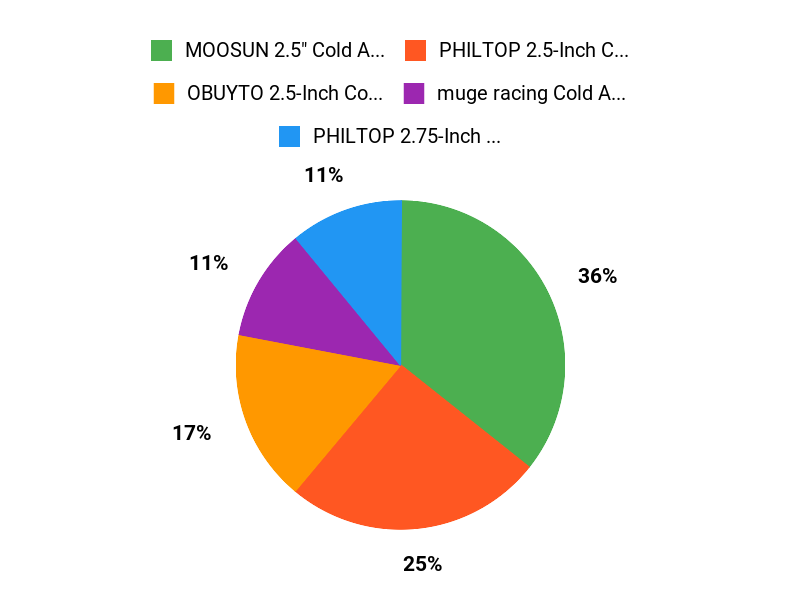
If you have a 2001–2005 Civic 1.7L, MOOSUN is the strongest all-around starting point in this group, while OBUYTO, PHILTOP 2.5-inch, and Suride give you additional budget-oriented choices. The PHILTOP 3-inch kit is the more relevant choice for listed 2006–2011 Civic 1.8L applications, and the muge racing or PHILTOP 2.75-inch kits target older Civic generations.
The chart below is best treated as a visual comparison from the original article rather than live sales or popularity data. Fitment should always take priority over a “favorite” label.
Wrapping Up
The best cold air intake for your Honda Civic is the one that matches your exact year and engine without forcing you to improvise important hose, sensor, or mounting connections. For 2001–2005 1.7L Civics, MOOSUN offers a balanced starting point, while OBUYTO, PHILTOP, and Suride provide alternative budget choices. Owners of compatible 2006–2011 1.8L Civics should look more closely at the PHILTOP 3-inch option, while the muge racing and PHILTOP 2.75-inch kits cover older Civic applications.
Regardless of which intake you choose, confirm fitment on the current Amazon listing, inspect the filter location, check local emissions requirements, and expect intake sound and appearance to be more predictable changes than a specific horsepower or fuel-economy gain.
| Product | Image | Best For | Compatibility |
|---|---|---|---|
| 2.5 Inch Cold Air Intake Kit with Filter for Honda Civic (MOOSUN) |
 |
Best overall balance for the listed application | 2001–2005 Honda Civic with 1.7L engine; listed for manual & automatic transmission |
| Cold Air Intake Pipe Kit for Honda Civic/Acura Integra (muge racing) |
 |
Older Civics and stronger intake sound | Listed for 1992–2000 Honda Civic; verify exact engine and trim |
| PHILTOP 3″ Cold Air Intake Kit for Honda Civic |
 |
2006–2011 Civic 1.8L applications | Listed for 2006–2011 Honda Civic with 1.8L engine |
| 2.5-Inch Cold Air Intake System Kit + Filter (OBUYTO) |
 |
Budget-oriented 2001–2005 option | 2001–2005 Honda Civic with 1.7L engine |
| PHILTOP 2.75″ Cold Air Intake Kit for Honda Civic |
 |
1996–2000 Civic owners | Listed for compatible 1996–2000 Honda Civic 1.6L applications; verify trim and engine |
| PHILTOP 2.5″ Cold Air Intake Kit for Honda Civic |
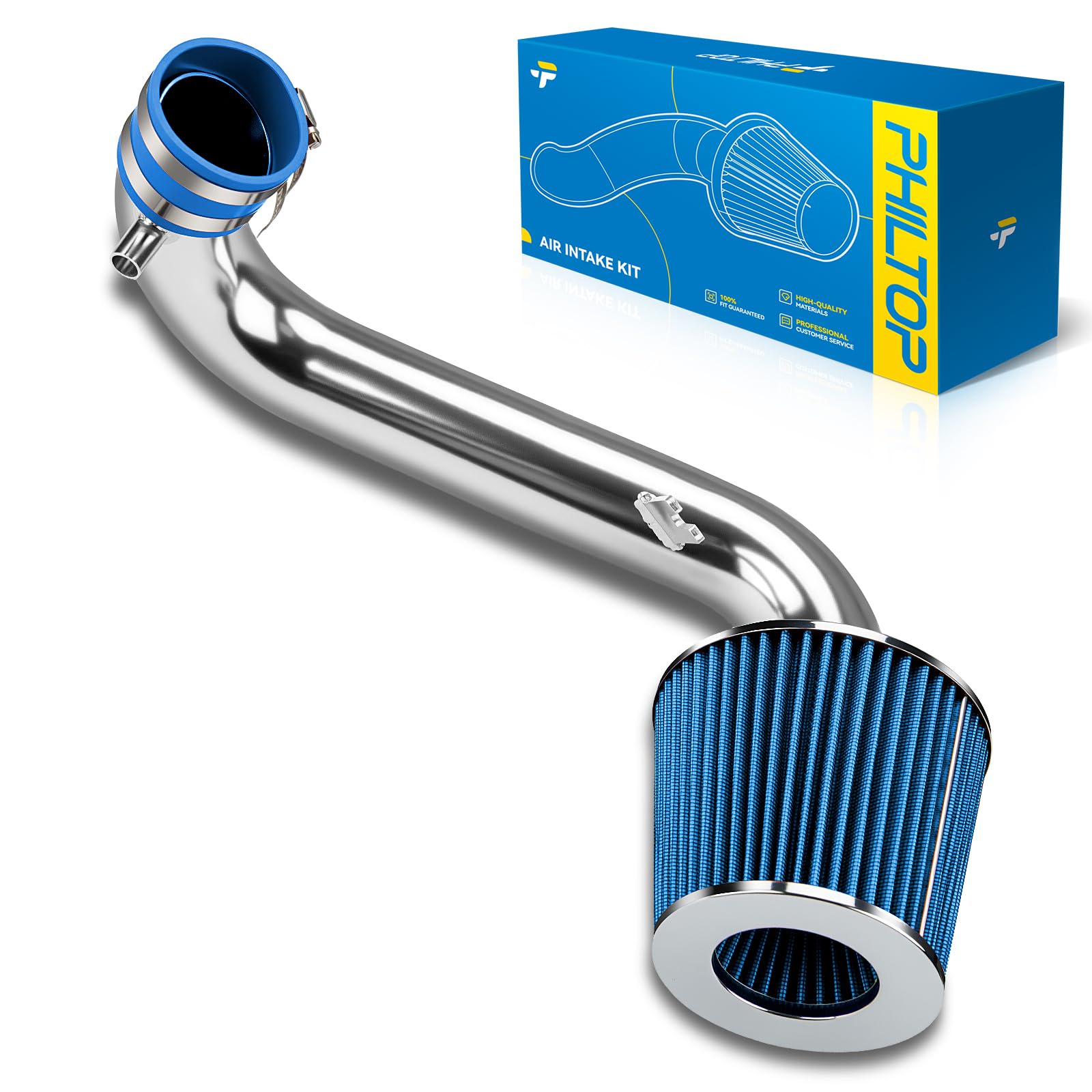 |
Reusable-filter alternative for 2001–2005 Civics | 2001–2005 Honda Civic with 1.7L engine |
| Cold Air Intake Kit with Filter Heat Shield (Suride) |
 |
Value-focused kit with listed heat shield | Supplied listing identifies 2001–2005 Honda Civic with 1.7L engine |
This roundup is reader-supported. When you click an Amazon affiliate link and make a qualifying purchase, we may earn a referral commission at no additional cost to you.