
The best moth prevention products depend on where the problem appears. Cedar and herbal sachets suit clothing storage, while pheromone traps are made for specific pantry or clothing moths. Matching the product to the moth type matters more than choosing one all-purpose solution.
Dr. Killigan’s Cedarwood Planks (10 Pack) is our best overall pick because its 10 cedar planks are reusable and easy to place around stored clothing. For broader coverage across drawers and bins, Richards Homewares Moth Away Sachets (24 Pack) is the Best value choice.
We checked current Amazon listings and manufacturer guidance for product type, pack size, intended moth target, and placement. We also separated prevention and monitoring from the cleaning steps needed during an active infestation.
Moth Prevention Products Compared
| Product | Best for | Format | Pack |
|---|---|---|---|
|
Premium
|
Reusable cedar deterrence | Cedar planks | 10 planks |
|
Budget
|
Many small storage spaces | Herbal sachets | 24 sachets |
|
Budget
|
Pantry moth monitoring | Pheromone glue traps | 6 traps |
|
Premium
|
Clothing moth monitoring | Pheromone glue traps | 6 traps |
Moth Prevention Products: Our Top Picks
Quick Comparison
| Product | Image | Best For | Main Advantage | Watch-Out | Amazon Details |
|---|---|---|---|---|---|
| Dr. Killigan’s Cedarwood Planks |
 |
Closets, drawers, garment bags, and seasonal clothing storage. | Natural cedar scent, reusable design, and included restoration spray. | Best as a deterrent and freshener, not as a stand-alone infestation treatment. | Check Price on Amazon |
| Richards Homewares Moth Away Sachets |
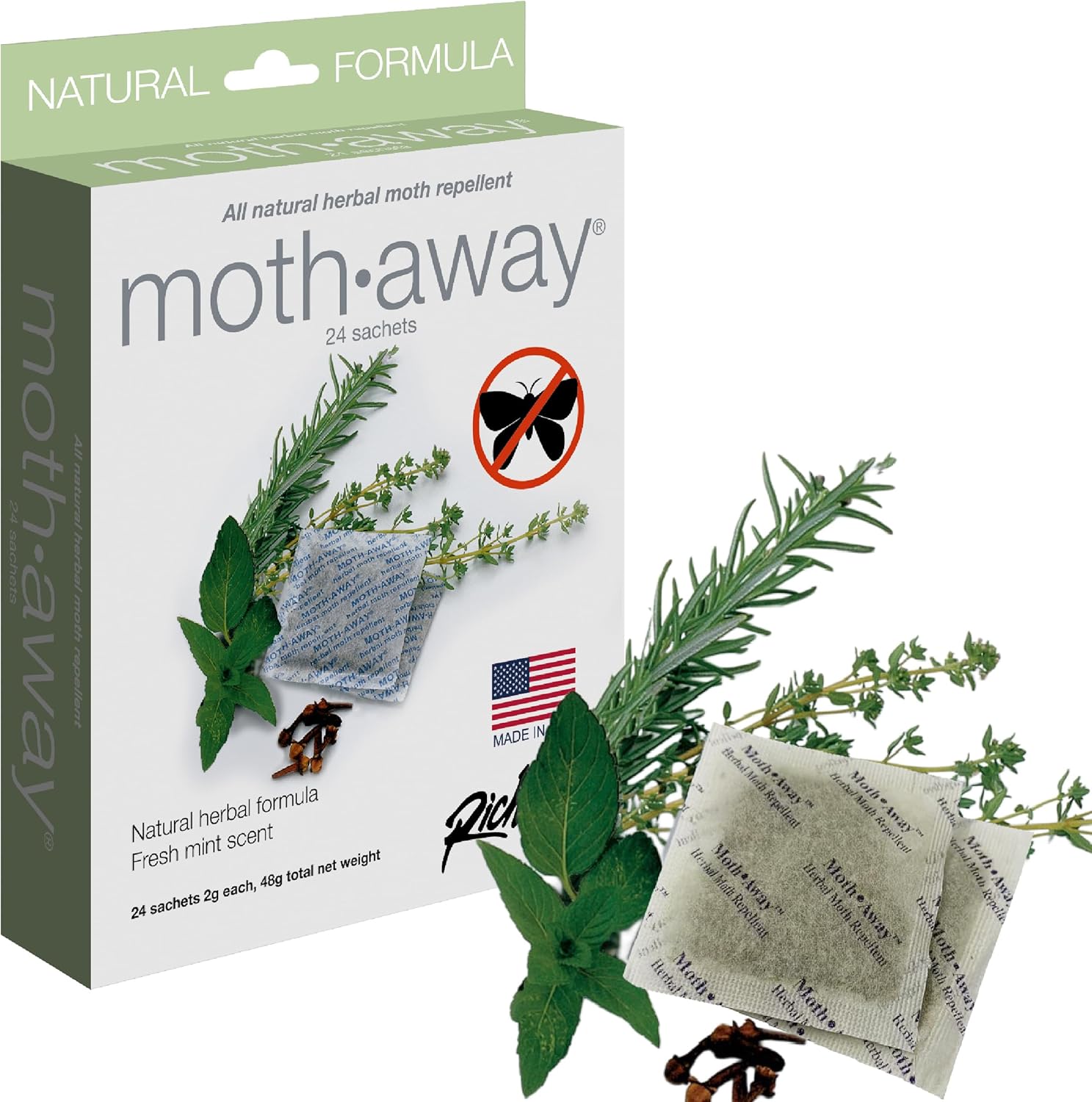 |
Drawers, storage bins, linen closets, and wool storage tubs. | Easy placement and a lighter herbal scent than traditional mothballs. | Scent can fade, so sachets need periodic replacement. | Check Price on Amazon |
| Dr. Killigan’s Premium Double Potent Pantry Moth Traps |
 |
Pantries, kitchen cabinets, and dry-food storage areas. | Targets male pantry moths and helps monitor activity. | Does not remove eggs, larvae, or contaminated food. | Check Price on Amazon |
| Dr. Killigan’s Premium Double Potent Clothing Moth Traps |
 |
Closets, mudrooms, wool rugs, and clothing storage areas. | Helps monitor and catch male clothing moths in low-traffic spaces. | Should be paired with cleaning, laundering, or storage changes. | Check Price on Amazon |
1. Dr. Killigan’s Cedarwood Planks (10 Pack)

Bottom line: Dr. Killigan’s Cedarwood Planks (10 Pack) is the strongest fit here for reusable clothing-storage protection. Choose it for closets, drawers, rugs, or garment storage when you want cedar rather than a disposable trap or sachet.
Key Specs
- Format: Cedar planks, reusable scent-based deterrence
- Pack: 10 planks, enough to spread across storage areas
- Target: Clothes moths, aimed at fabric protection
- Placement: Closets, drawers, rugs, and garment storage
The current product is a 10-pack. Spread the planks through clothing-storage areas rather than stacking them together. As the cedar aroma fades, light sanding can expose fresh cedar.
Dr. Killigan's sells Cedar Ward rejuvenating spray separately; it is not part of this 10-plank package. Use cedar for prevention, not as the only response to visible larvae, webbing, or fabric damage.
- Reusable 10-plank format
- Fits closets, drawers, rugs, and garment storage
- Cedar aroma offers an alternative to traditional mothball odor
- Can be refreshed as the cedar scent fades
- Not a complete treatment for an active infestation
- Cedar aroma weakens over time
- Rejuvenating spray is sold separately
2. Richards Homewares Moth Away Sachets (24 Pack)

Bottom line: Richards Homewares Moth Away Sachets (24 Pack) works well when you want simple coverage across many drawers, bins, and closet shelves. The 24-count pack is easier to distribute than a smaller set of solid cedar pieces.
Key Specs
- Format: Herbal sachets, ready to place
- Pack: 24 sachets, useful across several small spaces
- Target: Closet moth deterrence around stored fabrics
- Placement: Drawers, closets, garment bags, and storage bins
These sachets use a light herbal aroma and fit enclosed storage areas such as drawers, shelves, luggage, and totes. The linked 24-count version lists a mint scent and a five-month life expectancy.
This is a clothing-storage deterrent, not a monitoring tool. It will not show whether adult moth activity continues, and it is not the right product for a dry-food pantry infestation.
- 24 sachets cover multiple small storage spaces
- No assembly or hanging hardware required
- Light herbal aroma instead of traditional mothball odor
- Made for drawers, closets, garment bags, and bins
- Sachets are consumable and need replacement
- Scent may not suit fragrance-sensitive households
- Does not monitor moth activity
3. Dr. Killigan’s Pantry Moth Traps (6 Pack, Black)

Bottom line: Dr. Killigan’s Pantry Moth Traps (6 Pack, Black) is the relevant choice when moths are appearing around flour, cereal, grains, nuts, pet food, bird seed, or other dry goods. It is designed for pantry moth monitoring, not clothing storage.
Key Specs
- Format: Pheromone glue traps, no spray application
- Pack: 6 traps, made for pantry placement
- Target: Adult male pantry and food moths
- Placement: Pantries, cupboards, and dry-food storage areas
The pheromone lure and sticky surface attract adult male pantry moths, helping you check whether adult activity remains after cleanup. The traps do not remove eggs or larvae from contaminated food.
If you find webbing, larvae, or damaged packaging, discard affected items, clean the area, and seal safe dry goods. Do not substitute these for clothing moth traps; the attractants target different moth groups.
- Pheromone lure is specific to pantry and food moth use
- Six-trap pack supports monitoring in food-storage areas
- No broad spray application around stored food
- Helps show whether adult male activity continues
- Does not remove eggs or larvae from food
- Contaminated packages still need to be discarded
- Not designed for clothing moths
4. Dr. Killigan’s Clothing Moth Traps (6 Pack, White)

Bottom line: Dr. Killigan’s Clothing Moth Traps (6 Pack, White) is the targeted monitoring option for closets, stored wool, rugs, and other natural-fiber items. The linked white set contains six pheromone glue traps for common clothing moth species.
Key Specs
- Format: Pheromone glue traps, targeted monitoring
- Pack: 6 traps, white version
- Target: Adult male webbing and casemaking clothes moths
- Placement: Closets, garment areas, and fabric storage
These traps attract adult male clothing moths and help monitor activity around wool, silk, fur, feathers, rugs, and other animal-based natural fibers. They do not remove eggs or larvae from fabric.
Dr. Killigan's recommends two traps per closet, one high and one low. Pair them with vacuuming, garment cleaning, and better storage when holes or larval cases are present.
- Targets common webbing and casemaking clothing moths
- Six-trap pack for closet and garment-storage monitoring
- No broad spray application in the closet
- Helps reveal continuing adult male activity
- Captures adult males rather than eggs or larvae
- Fabric cleaning is still required when damage is present
- Not designed for pantry moths
Dr. Killigan's Cedarwood Planks vs Richards Homewares Moth Away Sachets: Is the Upgrade Worth It?
The trade-off is reusability versus distributed coverage. Cedar can be refreshed; Richards sachets are ready to spread through more small storage spaces.
- Format: cedar planks are solid and reusable; Richards sachets are consumable herbal packets.
- Coverage style: 10 cedar planks suit selected storage zones; 24 sachets make it easier to cover many drawers and bins.
- Upkeep: cedar can be sanded or refreshed; sachets are replaced after their useful scent life.
Which Moth Prevention Product Should You Buy?
- You want reusable closet protection: get the Dr. Killigan’s Cedarwood Planks (10 Pack).
- You have several drawers or storage bins: get the Richards Homewares Moth Away Sachets (24 Pack).
- You see moths around dry food: get the Dr. Killigan’s Pantry Moth Traps (6 Pack, Black).
- You suspect clothing moths around wool or rugs: get the Dr. Killigan’s Clothing Moth Traps (6 Pack, White).
- You already have visible damage: clean and inspect the affected area first, then use the matching prevention or monitoring product.
How We Chose
- Correct moth type: pantry and clothing moth products had to match the problem they claim to address.
- Useful format: we compared reusable cedar, herbal sachets, and pheromone glue traps by how they fit real storage spaces.
- Current product details: pack size, target, and placement were checked against current Amazon listings and manufacturer product guidance.
- Owner and safety checks: we looked for repeatable owner trends across non-Amazon sources and checked recall records; we did not add owner claims or flag products without solid supporting evidence.
Before You Buy
- For closets and drawers: cedar planks or sachets make sense when prevention and storage freshness are the goal.
- For clothing moth activity: use clothing moth pheromone traps to monitor adults, then clean and protect vulnerable fabrics.
- For pantry moths: use pantry moth traps in food-storage areas and inspect dry goods for webbing, larvae, or damaged packaging.
- For an active infestation: do not rely on scent products or traps alone. Remove affected material and clean the area.
How to Choose Moth Prevention Products
Match the Product to the Moth Type
Start with where you see moths or damage. Dry-food activity calls for a pantry trap and cleanup; damage around wool, rugs, or stored garments calls for clothing moth prevention and monitoring. Pantry and clothing pheromone traps target different moth groups.
Choose Prevention or Monitoring
Cedar and herbal sachets suit routine storage protection; pheromone glue traps monitor adult male activity. For reusable closet prevention, the Dr. Killigan’s Cedarwood Planks (10 Pack) is the better fit. For monitoring, choose the correct trap type.
Think About the Storage Space
For drawers and bins, the Richards Homewares Moth Away Sachets (24 Pack) gives you 24 sachets to spread around. Larger closets can use cedar planks or properly placed clothing moth traps.
Know What a Trap Cannot Do
Pheromone traps capture adult males; they do not remove eggs or larvae already in food or fabric. Pantry problems require package inspection and cleanup. Clothing moth damage requires cleaning and better storage. Treat traps as a monitoring aid, not the whole plan.
Plan for Refreshing or Replacement
Refresh fading cedar by light sanding; restoring products may be sold separately. Replace herbal sachets as directed. Replace sticky traps when full, dusty, no longer sticky, or past the manufacturer's recommended use period.
Mistakes to Avoid When Buying Moth Prevention Products
- Using pantry traps in closets: match the pheromone trap to the moth type and location.
- Expecting cedar to cure an infestation: clean and inspect damaged fabric before relying on prevention products.
- Leaving infested food behind: traps cannot remove larvae or eggs from dry goods.
- Ignoring product upkeep: refresh cedar and replace sachets or sticky traps when their useful life ends.
FAQs
Can cedar blocks get rid of a moth infestation by themselves?
No. Cedar blocks are better for prevention than for clearing an active infestation. If you already see moths, larvae, webbing, or fabric damage, inspect and clean the storage area and treat affected textiles appropriately. After cleanup, cedar can help make closets, drawers, and garment-storage areas less inviting as part of an ongoing prevention routine.
What is the difference between pantry moth traps and clothing moth traps?
Pantry and clothing moth traps use pheromone lures for different moth groups. Pantry traps belong near flour, cereal, grains, nuts, pet food, and other dry goods. Clothing moth traps belong near wool, rugs, sweaters, and stored natural fibers. Match the trap to the material being attacked rather than using either type as a universal moth trap.
How should I use cedar blocks effectively?
Spread cedar planks through closets, drawers, garment bags, and storage areas instead of stacking them in one place. Keep vulnerable clothing clean before storage, and refresh cedar when the aroma fades. Light sanding can expose fresh cedar. For the Dr. Killigan’s planks in this guide, the rejuvenating spray is sold separately rather than included with the 10-plank set.
Are pheromone traps enough for pantry moths?
No. Pantry moth traps can capture and monitor adult male moths, but they do not remove eggs, larvae, or contaminated food. Inspect dry goods for webbing, larvae, or damaged packaging, discard affected items, vacuum and clean shelves, and move safe food into sealed containers. Then use traps to help track whether adult activity continues.
When should I replace sachets or traps?
Replace sachets according to the product directions or when their useful scent life has ended. The Richards 24-pack listing specifies a five-month life expectancy. Replace sticky pheromone traps when the adhesive surface is full, dusty, no longer sticky, or past the manufacturer's recommended period. Keeping old, ineffective products in place can make monitoring less useful.
Do pheromone moth traps catch female moths or larvae?
These Dr. Killigan's pantry and clothing moth traps are designed to attract adult males. They do not remove larvae or eggs from food or fabric, so cleanup still matters. Use the correct trap to monitor adult activity, then pair it with package inspection, vacuuming, laundering, or other storage changes that address the source of the infestation.
Final Verdict
The best moth prevention products are the ones that match the space and moth type. Dr. Killigan’s Cedarwood Planks (10 Pack) is our Best overall pick for reusable clothing-storage prevention, while pheromone traps make more sense when you need targeted monitoring.
No single product replaces cleanup when an infestation is active. Match the product to the problem, remove affected material, and maintain or replace the product on schedule.
For broad drawer and bin coverage, consider the Richards Homewares Moth Away Sachets (24 Pack); for targeted clothing moth monitoring, the Dr. Killigan’s Clothing Moth Traps (6 Pack, White) is the Premium pick.