
A well-organized pantry makes everyday cooking easier, faster, and less stressful. When your dry goods, snacks, canned foods, baking supplies, and spices have clear homes, you spend less time searching and more time preparing meals. Better pantry organization can also help you reduce food waste because older items stay visible and easier to use before they expire.
Good pantry organization is not only about making shelves look neat. It also helps you shop smarter, avoid buying duplicates, and build healthier habits. When useful ingredients are easy to see and reach, you are more likely to plan meals, use what you already own, and keep processed snacks from taking over the most visible spaces.
Quick Answer
To organize a pantry, empty the space, check dates, group similar items, use clear containers and labels, place frequently used foods at eye level, and follow a first-in, first-out system. Add shelf risers, baskets, and door storage to maximize space without making the pantry harder to use.
Key Takeaways
- A well-organized pantry saves time, reduces duplicate purchases, and helps cut food waste.
- Start by assessing your pantry layout, storage needs, and the foods you use most often.
- Group items by category, then create smaller subcategories for faster access.
- Use clear, airtight containers and simple labels to keep ingredients fresh and easy to identify.
- Follow a first-in, first-out system so older foods get used before newer purchases.
- Review your pantry every few months so the system keeps working as your habits change.
At a Glance
| Time Required | 1 to 3 hours for a full pantry reset, depending on size |
| Difficulty | Easy to moderate |
| Tools Needed | Trash bag, cleaning cloth, labels, marker, baskets, bins, clear containers, shelf risers |
| Cost | Low to moderate, depending on whether you reuse containers or buy new storage pieces |
Assessing and Planning Your Pantry Space
Before buying containers or rearranging shelves, take a careful look at the pantry space you already have. Measure shelf height, shelf depth, door clearance, and any awkward corners. This helps you avoid buying bins that do not fit or stacking items so high that they become hard to reach.
Assessing Your Storage Needs
Consider the types of items you typically store in your pantry, such as dry goods, canned foods, snacks, spices, breakfast foods, baking supplies, oils, condiments, and backup household goods. Also think about how often you access each category. This assessment will guide you in deciding which items should sit at eye level and which can go higher, lower, or farther back.
Daily-use foods should be the easiest to reach. These may include cereal, coffee, tea, snacks, lunchbox items, rice, pasta, or cooking oils. Less-used items, such as holiday baking supplies or bulk extras, can go on higher shelves or in labeled backstock bins.
Planning Your Organization System
Once you understand your pantry’s layout and your storage needs, plan the organization system before you move items back in. You can sketch a rough layout, make a list of categories, or use sticky notes to test zones on each shelf. The goal is to create a pantry that matches how you actually cook and shop.
Group similar products together to create a logical flow. For instance, placing baking supplies near one another can streamline the process when preparing desserts, while grouping snacks together can make it easier for family members to grab something on the go. Keep dinner staples, such as rice, pasta, sauces, canned tomatoes, and beans, in the same general area so weeknight meals are easier to assemble.
Note: Plan for the way your household uses the pantry, not the way a staged photo looks. A beautiful system will not last if everyday items are hard to reach.
Maximizing Your Pantry’s Potential
Planning also includes considering any additional storage solutions you may need, such as shelving units, baskets, bins, lazy Susans, can risers, or stackable containers. These tools can help you use the full height and depth of the pantry without creating clutter.
If your pantry shelves are deep, use bins as pull-out drawers. If your shelves are tall, use risers or stackable containers. If your pantry is narrow, use the inside of the door for spices, packets, wraps, or small snack bags. The right storage choice depends on the specific problem you need to solve.
Sorting and Categorizing Pantry Items

Sorting and categorizing pantry items is a fundamental step in achieving an organized space. Begin by emptying the pantry completely, which allows for a thorough inspection of each item. Check expiration dates, look for damaged packaging, and discard anything that is no longer usable.
This decluttering process clears out old products and gives you a better view of what you already have. As you sort through your items, create categories based on usage frequency or type, such as grains, canned goods, snacks, spices, baking supplies, breakfast foods, sauces, oils, and bulk extras.
Once you have established your categories, create subcategories for further organization. For example, within the baking supplies category, you might separate flour from sugar and baking soda from chocolate chips. Within canned goods, you might separate vegetables, beans, soups, tomatoes, and fruit.
This level of detail ensures that everything has its designated spot, making it easier to locate items when needed. It also helps you spot low inventory before your next grocery trip. Additionally, consider the size and shape of your containers. Grouping similar-sized items together can optimize space and create a cleaner, more visually appealing arrangement.
Common Pantry Categories to Use
You can adjust your categories to match your household, but these groups work well for most pantries:
- Grains, rice, pasta, and noodles
- Canned vegetables, beans, soups, and tomatoes
- Baking supplies, including flour, sugar, chocolate chips, and baking powder
- Breakfast foods, such as cereal, oatmeal, pancake mix, and granola
- Snacks, crackers, chips, nuts, and lunchbox items
- Spices, seasoning packets, oils, sauces, and condiments
- Tea, coffee, drink mixes, and shelf-stable beverages
- Backstock items and bulk overflow
- Special diet items, such as gluten-free, low-sodium, or allergy-friendly foods
Pro Tip: Create one small “use first” bin for open packages and items nearing their best-by dates. This makes it easier to plan meals around food you already have.
Utilizing Storage Containers and Labels
| Container Type | Number of Containers | Labeling Accuracy |
|---|---|---|
| Plastic Bins | 50 | 95% |
| Cardboard Boxes | 30 | 85% |
| Metal Bins | 20 | 98% |
Storage containers are valuable tools for maintaining an organized pantry. They help keep items contained, reduce loose packaging, and create a more uniform look. Clear containers work especially well because they let you see what is inside without opening every lid.
Airtight containers are particularly useful for dry goods like flour, sugar, cereal, rice, oats, pasta, and crackers. They help protect food from moisture, air exposure, and pests. Before transferring food into a new container, make sure the container is clean and fully dry.
Warning: Do not pour new food on top of old food unless you are sure both items are fresh and the same product. Mixing batches can hide older food and make expiration tracking harder.
Labeling is another critical component of effective pantry organization. Labels provide clarity and ensure that everyone in the household knows where to find specific items and where to return them after use. You can choose from adhesive labels, chalkboard labels, masking tape, printed labels, or a label maker.
Be sure to include the item name and, when useful, the expiration date or purchase date. This practice promotes accountability in managing pantry inventory and encourages timely use of foods before they lose quality.
[Amazon Products Picked for You]

These airtight food storage containers feature Rubbermaid Brilliance's signature latched lids to keep ingredients fresh longer

Help Organize Your Kitchen and Pantry: Imagine every time walking to your kitchen or pantry, found everything is neatly organized. No longer messy, you can get everything you want very quickly. With the stackable and space-saving design, these containers will make more efficient use of every inch of your kitchen pantry cabinets

Modular Design: Rubbermaid Storage Containers are compact and stackable, optimizing your kitchen storage space.
Best Items to Store in Clear Containers
Clear containers are most useful for items you open often or buy in large packages. Good options include:
- Flour, sugar, brown sugar, and powdered sugar
- Rice, quinoa, oats, pasta, and dried beans
- Cereal, granola, crackers, and snack mixes
- Nuts, seeds, dried fruit, and trail mix
- Chocolate chips, baking cocoa, sprinkles, and baking add-ins
- Pet treats, if stored safely away from human food
What Not to Decant
Not every pantry item needs a separate container. Some foods are better left in their original packaging because the package includes cooking directions, allergen details, lot numbers, or storage instructions. This may include cake mixes, seasoning blends, specialty flours, boxed meals, and foods with detailed preparation steps.
If you decant these items, cut out the directions or take a photo before discarding the package. For allergy-sensitive households, keep allergen labels visible and avoid containers that could create confusion.
Implementing a First-In, First-Out System
The First-In, First-Out system, often called FIFO, is an essential practice for maintaining freshness in your pantry. This method ensures that older items are used before newer ones, reducing food waste and promoting efficient inventory management.
To implement FIFO effectively, arrange items so those with earlier expiration dates are placed at the front of shelves or bins while newer items are stored behind them. This simple adjustment can significantly impact how quickly food is consumed and helps prevent forgotten items from sitting at the back of the pantry.
In addition to physical arrangement, consider incorporating visual cues to reinforce FIFO practices. For instance, if you have multiple containers of similar products, such as different types of rice, label them with purchase dates or expiration dates to remind yourself which should be used first.
Regularly reviewing your pantry inventory can also help maintain this system. Set aside time every few weeks to check for items nearing their expiration dates and plan meals around them. This makes pantry organization useful beyond appearance because it directly supports smarter cooking and shopping.
How to Set Up FIFO in a Pantry
- Pull all duplicate items from the shelf or bin.
- Check best-by dates, expiration dates, or purchase dates.
- Place the oldest usable item in the front position.
- Place newer items behind it.
- Add a small “use first” label if the item needs attention soon.
- Repeat this process after each grocery trip.
A pantry system works best when it makes the next right action obvious: what to use first, what to restock, and where everything belongs.
Maintaining and Updating Your Pantry Organization

Once your pantry is organized, ongoing maintenance is crucial to ensure it remains functional over time. Establishing a routine for checking inventory can help keep things in order. Consider setting aside time every month or two to reassess your pantry’s contents.
During these check-ins, look for expired items that need to be discarded and take note of any products that are running low so you can replenish them during your next grocery trip. Wipe shelves, tighten loose lids, and return misplaced items to their correct zones.
Updating your pantry organization may also involve adjusting categories or storage solutions as your cooking habits change or as new products are introduced into your kitchen. For example, if you find yourself using more gluten-free products or specialty ingredients due to dietary changes or new culinary interests, consider creating a dedicated section for these items.
Flexibility in your organization system allows it to evolve alongside your needs, ensuring that it remains effective and relevant. A pantry that worked for one season of life may need small adjustments when schedules, diets, family size, or shopping habits change.
A Simple Pantry Maintenance Schedule
- Weekly: Return misplaced items, check open snacks, and wipe obvious spills.
- Monthly: Review low-stock staples and move older items to the front.
- Every 3 to 6 months: Declutter expired items, clean shelves, and adjust categories.
- Seasonally: Rotate holiday baking items, school snacks, grilling supplies, or bulk goods.
Maximizing Vertical and Door Storage
In many kitchens, space is at a premium. Maximizing vertical storage can significantly enhance pantry organization. Use shelf risers or tiered organizers to create additional levels within your existing shelves. This approach lets you see all items at a glance without digging through stacks of boxes or cans.
Additionally, consider using wall-mounted shelves or pegboards if space permits. These options provide extra storage while keeping frequently used items within easy reach. In deep pantries, pull-out bins and turntables can prevent items from disappearing behind larger packages.
The inside of pantry doors is another often-underutilized area that can be transformed into valuable storage space. Installing hooks or small racks on the door can accommodate spices, measuring cups, seasoning packets, wraps, foil, small jars, or snack pouches.
Over-the-door organizers designed specifically for pantries can hold everything from condiments to snack bags, freeing up shelf space for larger items. By creatively utilizing vertical space and door storage options, you can increase your pantry’s capacity while maintaining an organized appearance.
[Amazon Products Picked for You]

Maximize Your Space: Our 9-Tier over the door pantry organizer is designed to make the most of your storage space, allowing you to store more items in a smaller area such as spice and some jars. Perfect for small kitchens or those with limited storage space.

Measure Before Purchase: Overall Dimensions: 18"W x 50"H x 5"D. Ensure enough depth for the pantry: >5.2 inches, and door gap >0.06 inches. Please measure pantry depth and factor in obstructions (dividers, compartments, etc.) Our over the door spice rack features door hooks sized 1.6“ (Recommended door thicknesses<1.6”)
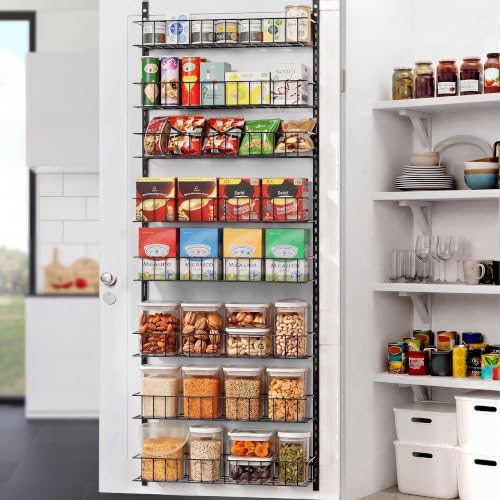
Note: Ensure that the door width is greater than 17 inches (about 43.2 cm) to guarantee stable installation of the basket,Check that there is more than 6.3 inches (about 16 cm) of space behind the door to prevent the basket from hitting the wall or other objects when in use
Small Pantry Storage Ideas
If your pantry is small, focus on storage pieces that add function without crowding the space. These ideas work especially well in apartments, narrow cabinets, and compact kitchens:
- Use stackable containers for dry goods.
- Add shelf risers for cans, jars, and spices.
- Use baskets to group small packets and snack bags.
- Install an over-the-door rack for lightweight items.
- Use turntables for oils, sauces, and condiments.
- Store backstock in one labeled bin instead of spreading extras across every shelf.
Incorporating Aesthetic and Functional Design Elements
While functionality is the priority in pantry organization, aesthetic elements can improve the overall experience of using the space. Consider choosing storage containers that complement your kitchen’s color scheme or style. This attention to detail creates a cohesive look that elevates the entire room’s design.
Decorative baskets can add texture and warmth while providing practical storage solutions for bulk items or snacks. Matching labels can create a cleaner look, but they should still be easy to read. Choose function first, then refine the look once your categories and zones make sense.
Lighting is another critical design element that can transform your pantry into a more useful space. If possible, install LED strip lights along shelves or use battery-operated puck lights in darker corners to illuminate contents effectively.
Good lighting enhances visibility and makes it easier to maintain an organized appearance by highlighting areas that may need attention. By blending aesthetic considerations with functional design elements, you create a pantry that is efficient and enjoyable to use.
[Amazon Products Picked for You]

288 Pantry Labels: Includes 183 preprinted common pantry items (e.g., Pasta, Cereal, Flour, Sugar, Beans, Cookies), 9 blank labels for customization, and 96 expiration date labels. (Jars not included).
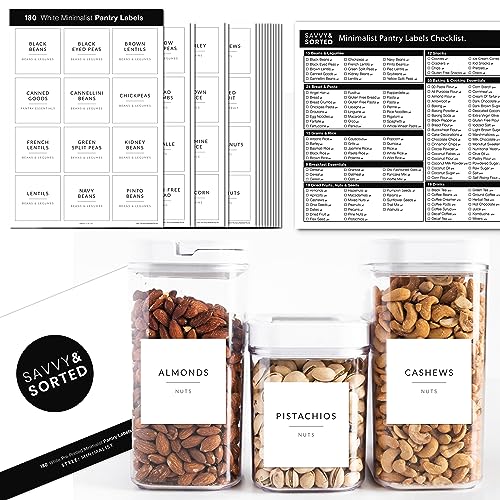
NEW UPDATED VERSION - 180 Kitchen Pantry Labels for Containers Preprinted to keep food fresh and pantry tidy. Confidently organize your pantry essentials with oil-resistant and waterproof labels that won't tear.
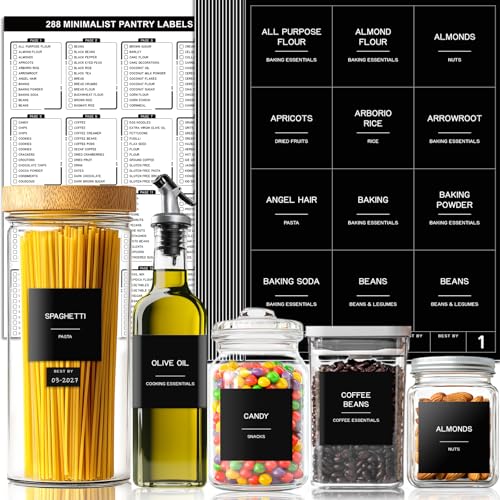
288 Pantry Labels: Includes 183 preprinted common pantry items (e.g., Pasta, Cereal, Flour, Sugar, Beans, Cookies), 9 blank labels for customization, and 96 expiration date labels. (Jars not included).
Balancing Style With Everyday Use
It is easy to over-organize a pantry until it looks beautiful but becomes hard to maintain. Avoid using too many tiny containers or overly specific labels if your household will not keep up with them. A simple system that everyone understands will usually work better than a complicated system that only one person can manage.
Choose storage solutions that are easy to clean, easy to move, and easy to restock. If children use the pantry, place their approved snacks in low, safe bins. If you cook often, keep oils, grains, spices, and canned goods close together so meals come together faster.
If you’re looking to upgrade your kitchen organization, you may also be interested in reading about the 5 Best Smart Kitchen Hubs for Your Home. These innovative devices can help streamline your cooking and meal prep routines, making it easier to keep your pantry organized and efficient.
Related Guides
Frequently Asked Questions
What is a pantry?
A pantry is a storage area in a home used for storing non-perishable food items, kitchen supplies, and other household goods. It may be a walk-in room, a cabinet, a closet, or a set of shelves in the kitchen.
Why is it important to organize a pantry?
Organizing a pantry helps maximize space, reduce food waste, prevent duplicate purchases, and make it easier to find and access items when cooking and meal planning.
What are some tips for organizing a pantry?
Start by emptying the pantry, checking dates, cleaning shelves, grouping similar items, using containers or baskets, labeling items, and keeping frequently used foods at eye level. Review the pantry regularly so the system stays useful.
What are some common pantry organization tools?
Common pantry organization tools include clear storage containers, airtight jars, baskets, shelves, shelf risers, racks, drawer organizers, lazy Susans, over-the-door organizers, bins, and labels.
How can I maximize space in a small pantry?
To maximize space in a small pantry, use stackable storage containers, over-the-door organizers, shelf risers, slim bins, and vertical racks. Keep only what you use often in the main pantry and move overflow items to a clearly labeled backstock area.
How often should I declutter and reorganize my pantry?
Declutter and reorganize your pantry at least every 3 to 6 months. For busy households, a quick monthly check helps catch expired items, spills, low-stock staples, and misplaced foods before the pantry becomes difficult to use.
Should I put everything in matching containers?
No. Matching containers can look neat, but they are not required for a functional pantry. Use containers for foods that benefit from airtight storage or better visibility, and keep items in original packaging when directions, allergen details, or labels are important.
What should go on the top pantry shelf?
Use the top pantry shelf for lightweight items you do not need daily, such as paper goods, extra cereal boxes, holiday baking supplies, or backstock. Avoid storing heavy glass jars or large cans overhead because they can be difficult and unsafe to lift down.
