Last updated: July 4, 2026
This roundup is reader-supported. When you click through Amazon links, we may earn a referral commission on qualifying purchases. As an Amazon Associate I earn from qualifying purchases.
Keeping your kitchen clean takes more than a quick wipe with any spray bottle. The right disinfectant spray can help clean everyday messes, reduce germs on high-touch areas, and freshen hard kitchen surfaces when you use it exactly as the label directs.
This guide focuses on disinfectant sprays that make sense for kitchen routines, including trigger sprays for counters and sinks, aerosol sprays for high-touch areas, a kitchen-and-bath bundle, and a streak-friendly option for hard, non-porous surfaces. Exact prices, ratings, and availability can change, so use the Amazon buttons to check current details before buying.
Quick Verdict
Choose Lysol All-Purpose Cleaner, Lemon Breeze if you want the best everyday kitchen trigger spray. Pick Lysol Disinfectant Spray, Crisp Linen if you prefer an aerosol disinfectant for high-touch spots and deodorizing. Go with the Clorox Disinfecting All-Purpose Cleaner and Bathroom Cleaner bundle if you want one purchase for kitchen and bathroom hard surfaces. Choose Windex Multipurpose Cleaner Disinfectant Spray if streak-free cleaning on hard, non-porous surfaces matters most.
Top Picks
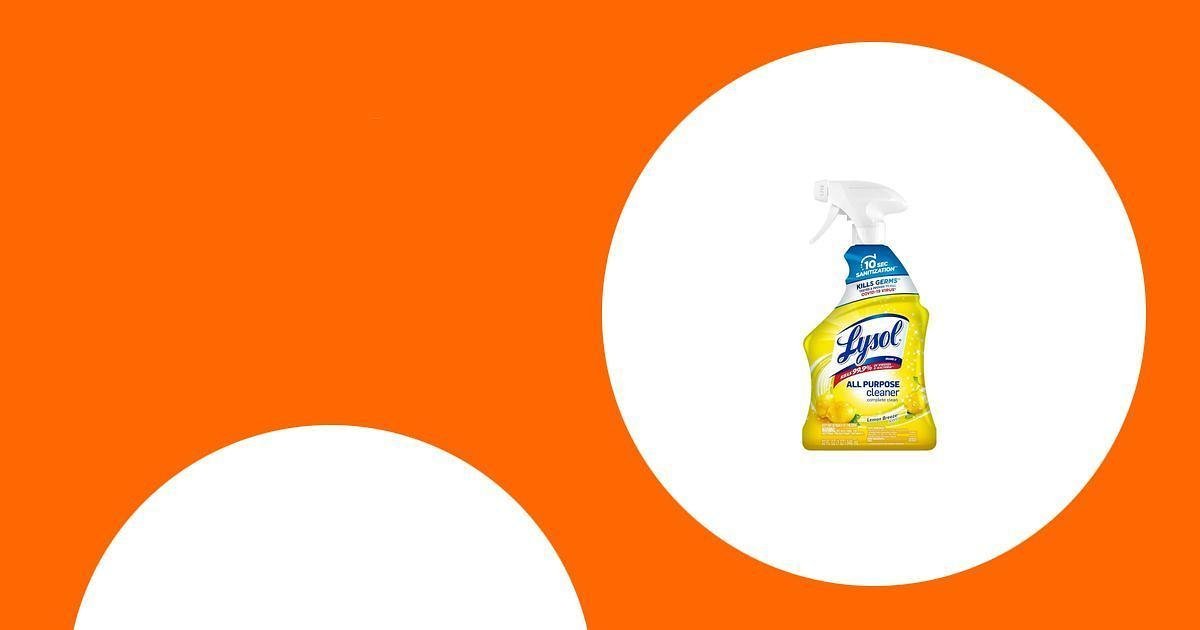
- Best Overall: Lysol All-Purpose Cleaner, Sanitizing and Disinfecting Spray, Lemon Breeze Scent
- Best Aerosol Disinfectant: Lysol Disinfectant Spray, Crisp Linen
- Best Kitchen-and-Bath Bundle: Clorox Disinfecting All-Purpose Cleaner and Bathroom Cleaner
- Best for Streak-Prone Hard Surfaces: Windex Multipurpose Cleaner Disinfectant Spray
Quick Comparison
| Product | Image | Best For | Highlights | Limitations | Check Price |
|---|---|---|---|---|---|
| Lysol All-Purpose Cleaner, Sanitizing and Disinfecting Spray |
 |
Everyday kitchen cleaning and disinfecting | Trigger spray format, Lemon Breeze scent, works on hard, non-porous surfaces when used as directed. | Food-contact surfaces may need rinsing after use. Always check the label. | Check Price on Amazon |
| Lysol Disinfectant Spray, Household Essential Cleaning Supplies |
 |
High-touch areas and soft-surface deodorizing | Aerosol spray format, Crisp Linen scent, useful around door handles, switches, garbage cans, and refrigerator exteriors. | Not the best choice for greasy counters. Use a cleaner first when surfaces are visibly dirty. | Check Price on Amazon |
| Clorox Disinfecting All-Purpose Cleaner and Bathroom Cleaner |
 |
Kitchen and bathroom hard surfaces | Bleach-free cleaner, crisp lemon scent, useful for sealed granite, glazed tile, stainless steel, and other hard, non-porous surfaces as directed. | Disinfecting requires the labeled contact time. Food-contact areas need a potable water rinse. | Check Price on Amazon |
| Windex Multipurpose Cleaner Disinfectant Spray |
 |
Streak-prone hard, non-porous surfaces | Good for quick cleaning on hard surfaces where smudges and streaks are a common concern. | Check the label before using it on natural stone, finished wood, electronics, or delicate surfaces. | Check Price on Amazon |
How We Selected These Products
We prioritized disinfectant sprays that fit real kitchen cleaning routines. The main factors were surface compatibility, ease of use, scent, ability to handle everyday messes, usefulness on high-touch areas, and whether each product offered a clear reason to buy.
We also looked for products that serve different needs instead of repeating the same option. That makes the list easier to use if you are choosing between a trigger spray, an aerosol spray, a kitchen-and-bath cleaner, or a streak-friendly disinfecting spray.
Safety Note Before You Spray
Always read the product label before using any disinfectant. Clean visible dirt and food residue first, keep the surface wet for the required contact time, ventilate the room, avoid mixing cleaning products, and rinse food-contact surfaces if the label requires it.
Before You Buy a Kitchen Disinfectant Spray
- Match the spray to the surface. Kitchen counters, sinks, stainless steel, glass, sealed granite, finished wood, and appliances may all have different care rules.
- Look for hard, non-porous surface guidance. Most disinfectant sprays work best on hard, non-porous surfaces when used as directed.
- Check the contact time. A quick spray and wipe may clean, but disinfecting often requires the surface to stay wet longer.
- Think about scent strength. Lemon, linen, and citrus scents can smell fresh, but stronger fragrances may bother sensitive users.
- Use the right format. Trigger sprays are practical for counters and sinks. Aerosol sprays can be convenient for high-touch spots and some soft surfaces.
Lysol All-Purpose Cleaner, Sanitizing and Disinfecting Spray, Lemon Breeze Scent, 32oz
Best for: Everyday kitchen cleaning and disinfecting on hard, non-porous surfaces.
The Lysol All-Purpose Cleaner is the strongest overall fit for a kitchen-focused disinfectant spray because it works like a traditional trigger cleaner. You can use it for everyday kitchen messes on compatible hard, non-porous surfaces, including counters, sinks, stovetops, appliance exteriors, and other common household areas when the label allows.
The Lemon Breeze scent gives it a fresher feel than plain cleaners, and the spray format is easy to aim at small messes or high-touch spots. It is also a better choice than an aerosol if your main goal is wiping down kitchen surfaces after cooking.
Why You’ll Like It
- Good everyday choice for kitchen counters, sinks, and appliance exteriors when surfaces are compatible
- Trigger bottle gives you more control than an aerosol spray
- Useful for both cleaning and disinfecting when used as directed
- Lemon scent helps the kitchen smell fresher after cleaning
Who Should Buy This
Choose this if you want one practical kitchen spray for regular cleanup, hard-surface disinfecting, and high-touch areas like handles and switches.
Who Should Avoid This
Skip it if you need a fragrance-free cleaner, a natural-stone-safe cleaner, or a product for unfinished wood, delicate surfaces, or food-contact areas without rinsing.
Key Benefits
- Helps kill 99.9% of viruses and bacteria when used as directed
- Cuts through everyday grease, grime, and soap scum
- Pleasant Lemon Breeze scent
- Versatile for many hard, non-porous household surfaces
Safety and Surface Notes
Use this spray only on surfaces listed on the label. If you use it on food-contact surfaces, follow the label’s rinse directions before preparing food.
Lysol Disinfectant Spray, Household Essential Cleaning Supplies, Multi-Purpose Room Spray, Antibacterial Sanitizer Spray, Upholstery Deodorizer, Home and Bathroom, Crisp Linen, 19 Fl Oz (Pack of 2)
Best for: High-touch kitchen areas, household surfaces, and quick deodorizing.
Lysol Disinfectant Spray is a good pick when you want an aerosol disinfectant instead of a trigger cleaner. It makes sense for high-touch areas around the kitchen and home, such as handles, light switches, garbage cans, refrigerator exteriors, and other compatible surfaces.
Because this is an aerosol disinfectant, it is not the best first choice for greasy counters or food spills. For visibly dirty surfaces, clean the mess first, then disinfect according to the label directions.
Why You’ll Like It
- Aerosol format is convenient for high-touch areas
- Works on many hard surfaces and some soft surfaces when the label allows
- Crisp Linen scent helps freshen rooms after cleaning
- Pack format may be useful if you clean several rooms often
Who Should Buy This
Choose this if you want a disinfectant spray for doorknobs, switches, trash areas, appliance exteriors, and occasional soft-surface deodorizing.
Who Should Avoid This
Skip it if you mainly need a kitchen degreaser, a surface scrubber, or a fragrance-free spray.
Key Benefits
- Kills 99.9% of viruses and bacteria when used as directed
- Fresh Crisp Linen scent
- Useful for high-touch areas around the home
- Can help deodorize compatible soft surfaces
Safety and Surface Notes
Use in a well-ventilated area and follow the label for surface compatibility. Avoid spraying near food, flames, or heat sources, and rinse food-contact surfaces if the label requires it.
Clorox Disinfecting All-Purpose Cleaner and Bathroom Cleaner, Pack of 3
Best for: A kitchen-and-bath cleaning bundle for hard, non-porous surfaces.
This Clorox bundle is useful if you want cleaning coverage beyond the kitchen. The all-purpose cleaner is designed for everyday messes on compatible hard, non-porous surfaces, while the bathroom cleaner helps with bathroom-specific buildup.
The all-purpose cleaner is bleach-free and works well for buyers who want a disinfecting spray without a bleach odor. It is a strong fit for households that want one purchase for counters, sinks, sealed granite, glazed tile, stainless steel, and bathroom surfaces when the label allows.
Why You’ll Like It
- Good option if you clean both kitchen and bathroom surfaces
- Bleach-free formula helps avoid harsh bleach odor
- Useful on many hard, non-porous surfaces when used as directed
- Crisp lemon scent gives a clean finish
Who Should Buy This
Choose this if you want a bundle that covers everyday kitchen cleaning and bathroom cleaning without buying separate single bottles one at a time.
Who Should Avoid This
Skip it if you only want one small kitchen spray or if you need a cleaner for surfaces not listed on the product label.
Key Benefits
- Kills 99.9% of bacteria and viruses on hard, non-porous surfaces when used as directed
- Bleach-free cleaner for everyday household messes
- Works on compatible kitchen and bathroom surfaces
- Fresh lemon scent without bleach odor
Safety and Surface Notes
For disinfecting, keep the surface wet for the label’s required contact time. Pre-clean visibly soiled areas and rinse food-contact surfaces with potable water when required.
Windex Multipurpose Cleaner Disinfectant Spray Bottle
Best for: Hard, non-porous surfaces where streaks and smudges are common.
Windex Multipurpose Cleaner Disinfectant Spray is a good fit if you want a disinfecting spray that also helps with shiny surfaces. It makes sense for hard, non-porous areas where streaks, fingerprints, and light messes show quickly.
This is not the spray to use blindly on every kitchen surface. Before using it on natural stone, finished wood, electronics, or delicate materials, check the label and your surface manufacturer’s care instructions.
Why You’ll Like It
- Good for quick cleaning on hard, non-porous surfaces
- Helpful where streaks and smudges are common
- Citrus-style scent can make quick cleanups feel fresher
- Useful for touch-ups between deeper kitchen cleaning sessions
Who Should Buy This
Choose this if you want a multipurpose disinfecting spray for hard surfaces where a cleaner finish matters.
Who Should Avoid This
Skip it if your kitchen has mostly natural stone, unfinished wood, delicate finishes, or surfaces that require specialty cleaners.
Key Benefits
- Cleans and disinfects compatible hard, non-porous surfaces when used as directed
- Helps reduce streaks on shiny surfaces
- Good for light messes and high-touch areas
- Easy spray format for quick kitchen refreshes
Safety and Surface Notes
Use only on compatible surfaces listed on the label. Do not assume it is safe for stone, wood, screens, or specialty finishes unless the product label and surface care guide both allow it.
FAQ
What Should I Look For When Buying a Disinfectant Spray for My Kitchen?
Start with surface compatibility. Look for a spray that clearly lists the kitchen surfaces you clean most, such as counters, sinks, stovetops, stainless steel, sealed granite, or appliance exteriors. Also check whether the product cleans, disinfects, deodorizes, or only does one of those jobs. Scent, bottle size, spray format, and contact time also matter.
How Do I Properly Use Disinfectant Spray in My Kitchen?
First, clean away visible dirt, grease, and food residue. Then spray the disinfectant according to the label and keep the surface wet for the required contact time. After that, wipe or rinse as directed. If the surface may touch food, follow the product’s food-contact rinse instructions before preparing meals.
Can I Use Disinfectant Spray on Kitchen Countertops?
Yes, but only if the label says the spray is safe for your countertop material. Hard, non-porous surfaces are usually the main target for disinfectant sprays. Natural stone, unfinished wood, damaged sealants, and specialty finishes may need a different cleaner.
What Is the Difference Between Cleaning and Disinfecting?
Cleaning removes visible messes like grease, crumbs, and residue. Disinfecting kills certain germs on surfaces when you use the product as directed. For best results, clean dirty surfaces first, then disinfect.
Are Disinfectant Sprays Safe Around Food?
Do not spray disinfectant directly on food. If you use disinfectant on a food-contact surface, follow the label’s directions for rinsing before the surface touches food again.
Should I Choose a Trigger Spray or an Aerosol Disinfectant Spray?
Choose a trigger spray if you mainly wipe counters, sinks, and appliance exteriors. Choose an aerosol spray if you want to treat high-touch areas, trash areas, and certain soft surfaces when the label allows it.
Are There Any Safety Concerns I Should Be Aware Of When Using Disinfectant Sprays?
Yes. Read the label every time, ventilate the room, keep products away from children and pets, avoid breathing mist, and never mix cleaning products. Also check surface compatibility before using disinfectant on stone, wood, metal, electronics, or delicate finishes.
Wrapping Up
A good kitchen disinfectant spray should match how you actually clean. For most kitchens, Lysol All-Purpose Cleaner, Lemon Breeze is the best everyday trigger-spray choice. Lysol Disinfectant Spray, Crisp Linen is better for high-touch areas and aerosol convenience. Clorox Disinfecting All-Purpose Cleaner and Bathroom Cleaner works well if you want kitchen-and-bath coverage, while Windex Multipurpose Cleaner Disinfectant Spray is useful for compatible hard surfaces where streaks are a concern.
Whichever option you choose, use it as directed. The right spray works best when you clean visible messes first, follow the label’s contact time, and rinse food-contact surfaces when needed.