
The best teepee tents balance usable space, carry weight, weather protection, and the way you actually camp. A roomy family shelter can be excellent beside the car but awkward on a trail, while a hot tent needs safe stove clearance and ventilation.
Naturehike Ranch is the strongest all-around hot-tent pick here because it combines a four-season design, stove jack, snow skirt, and standing room. For a simpler two-person campground setup, Guide Gear 10 is the value-focused choice.
We checked the linked models against current listings, product specifications, manuals or retailer data when needed, plus recall records and package details.
Teepee Tents Compared
| Product | Best for | Season / stove | Listed weight |
|---|---|---|---|
|
Mid-range
|
Winter basecamps and hot-tent setups | 4 season / stove jack | 11.9 lb shelter |
|
Premium
|
Large-group car camping | Summer / no stove jack | 25 lb |
|
Mid-range
|
Lighter hot-tent trips | 4 season / stove jack | 5 lb minimum listed trail weight |
|
Budget
|
Two-person car camping | 4 season / no stove jack | 13.07 lb |
| Casual four-person camping | Not clearly stated / no stove jack | Not stated | |
| Roomy four-season hot-tent layout | 4 season / stove jack | 9 lb |
Teepee Tents: Our Top Picks
1. Naturehike Ranch
Bottom line: The Naturehike Ranch is the best fit here for winter-oriented basecamps that need a stove jack, snow skirt, and enough height to stand. It is a shelter-first package, so budget space and setup time for separate floor or inner-tent components if you want them.
Key specs
- Capacity: 4–6 listed, but stove gear reduces usable sleeping space
- Season: 4 season, aimed at year-round shelter use
- Weight: 11.9 lb shelter, better for basecamp-style transport
- Weather: 3,000mm-plus listed coating with a snow skirt
- Stove setup: Stove jack included for manufacturer-approved hot-tent configurations
The listed footprint is 157.5 by 157.5 inches with a 98.4-inch peak. That gives you much more vertical room than a low backpacking shelter, especially when you need space for winter clothing and a safe stove zone.
The tradeoff is package completeness. The current shelter configuration lists the center pole, stakes, ropes, bags, and stove-jack pieces, while the fitted floor and inner tent are separate. That makes it flexible, but not a one-box answer for every trip.
Buyer Feedback Snapshot
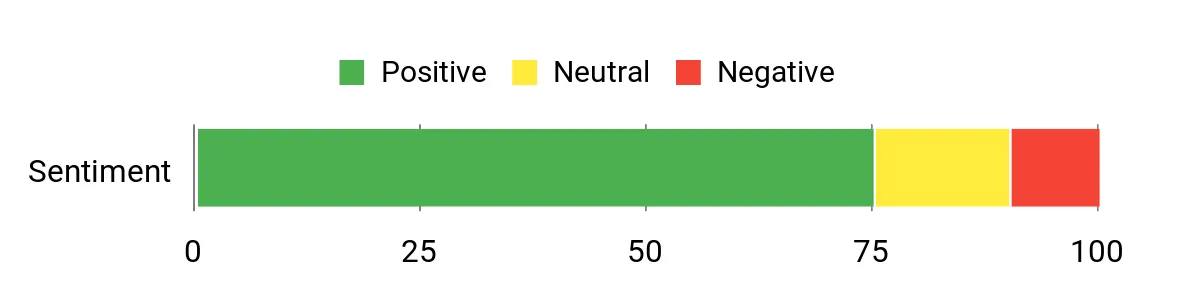
- Four-season shelter with snow skirt
- Stove jack supports compatible hot-tent setups
- 98.4-inch peak provides standing room
- Two-door layout improves access
- Floor and inner tent are separate purchases
- 11.9-pound shelter is not an ultralight backpacking option
- Stove and winter gear reduce practical sleeping capacity
Check Product Details on Amazon
2. Guide Gear 18
Bottom line: Guide Gear 18 is the roomy choice for family or group car camping when floor space matters more than packed weight. Its current specifications list summer use and 1,000mm water resistance, so it is not the hot-tent pick in this group.
Key specs
- Capacity: 8 listed, useful for larger vehicle-supported groups
- Season: Summer listed, best matched to campground use
- Weight: 25 lb, clearly a vehicle-supported shelter
- Weather: 1,000mm listed water resistance with sealed construction details
- Stove setup: No stove jack, not intended as a hot tent
The 18-foot footprint creates more room for mattresses, cots, and gear than the smaller teepees here. A sewn-in floor also makes it simpler for normal campground use because you do not need to add a separate ground layer just to close the living space.
The center-pole design keeps the basic pitch straightforward, but the shelter still needs a large, stake-friendly campsite. Its 25-pound weight and large footprint make it a poor match for backpacking or small tent pads.
Buyer Feedback Snapshot
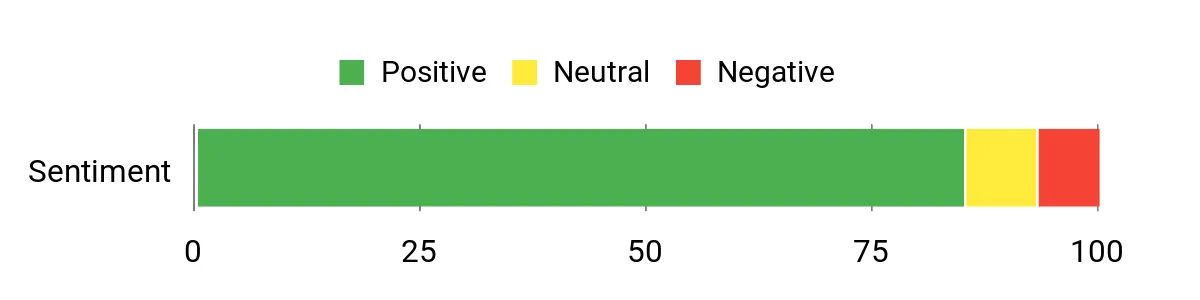
- Large 18-foot footprint for group camping
- Eight-person listed capacity
- Sewn-in floor simplifies campground setup
- Windows and vents support airflow
- 25-pound packed weight limits it to vehicle-supported trips
- Summer classification is less versatile than the hot tents here
- Large footprint needs more level ground and staking space
Check Product Details on Amazon
3. Preself Tipi
Bottom line: The Preself Tipi is the lighter hot-tent choice for campers who still want standing room and a stove jack. The current linked listing describes one door, and some package or weight fields are inconsistent, so confirm the exact selected configuration before ordering.
Key specs
- Capacity: 2–4 listed, with less room once a stove is added
- Season: 4 season, intended for broader weather use
- Weight: 5 lb minimum listed trail weight, listing fields vary
- Weather: PU2000 polyester shell
- Stove setup: Stove jack listed for compatible hot-tent systems
The listed 13-foot diameter and 7-foot-3-inch peak give you a useful amount of standing space without moving into the much heavier group-tent class. It is a more transportable option than Guide Gear 18 or Guide Gear 10 when carry weight matters.
The catch is listing consistency. The linked page identifies one door, while some package details vary across current fields. Treat the exact stove, floor, and inner-mesh contents as configuration details to verify before checkout rather than assumptions.
Buyer Feedback Snapshot
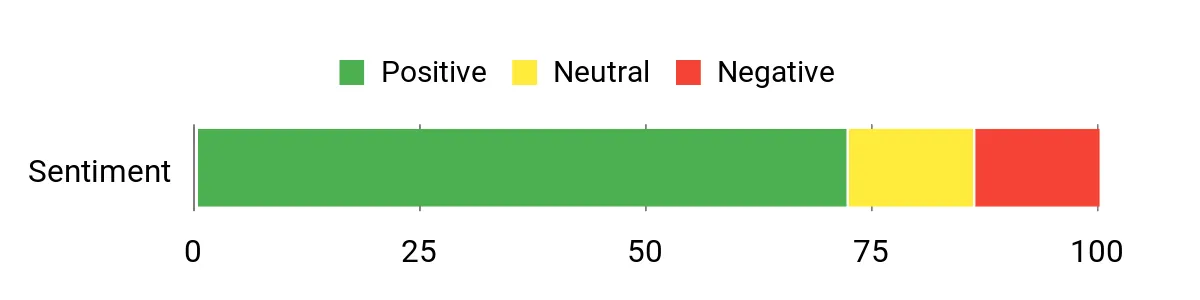
- Four-season listing with stove-jack capability
- 7-foot-3-inch listed peak provides standing room
- 5-pound minimum listed trail weight is lighter than the larger picks
- PU2000 polyester shell
- Current listing fields conflict on some package and weight details
- One-door layout offers less access than two-door shelters
- Stove clearances reduce practical sleeping capacity
Check Product Details on Amazon
4. Guide Gear 10
Bottom line: Guide Gear 10 is the practical value pick for two-person car camping. You get a sewn-in floor, simple center-pole pitch, and 1,500mm listed coating, but its 13.07-pound weight is still far above a typical backpacking shelter.
Key specs
- Capacity: 2 listed, suited to couples or solo campers with gear
- Season: 4 season listed, but not designed for stove use
- Weight: 13.07 lb, best for car camping or short carries
- Weather: 1,500mm listed coating with protected windows
- Stove setup: No stove jack, use only as a non-heated tent
The smaller footprint is easier to fit on ordinary campsites than Guide Gear 18. The sewn-in floor also makes it less fussy for fair-weather and shoulder-season campground trips where you want a closed floor and basic gear protection.
Its main limitation is portability. The 13.07-pound listed weight makes the word “compact” apply more to campsite size than backpacking weight. If you plan to walk far, Preself is the lighter stove-jack option in this group.
Buyer Feedback Snapshot
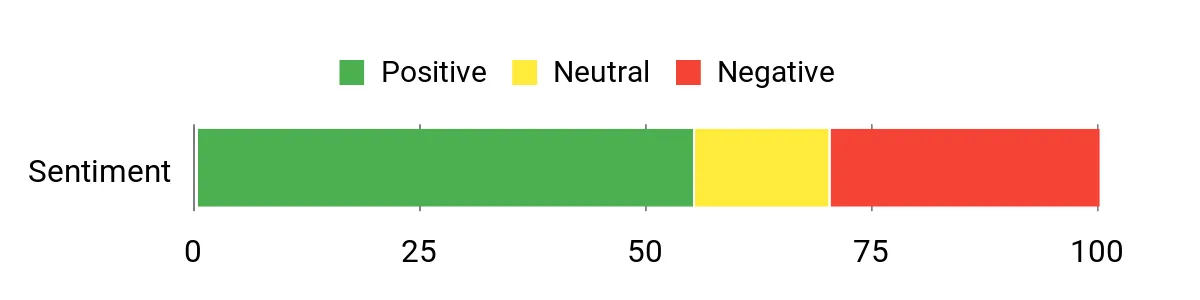
- Sewn-in floor simplifies normal campground use
- Two-person size is easier to place than large group teepees
- Three weather-protected windows plus peak ventilation
- 1,500mm listed coating
- 13.07-pound weight is heavy for backpacking
- No stove jack for hot-tent use
- Smaller interior offers less room for group gear
Check Product Details on Amazon
5. Intense 4P
Bottom line: The Intense 4P is a straightforward recreational teepee for casual campground use, with a rainfly, coated polyester, and basic ventilation. Its packed weight, waterproof rating, and season classification are not clearly stated in the source product information.
Key specs
- Capacity: 4 listed, intended for casual group camping
- Season: Not clearly stated
- Weight: Not stated
- Weather: Coated shell and rainfly; rating not stated
- Stove setup: No stove-jack system listed
The source material describes a center-pole teepee with coated polyester, a rainfly, shielded seams, covered zippers, mesh windows, and vents. Those features make its intended role clear: ordinary campground use rather than a specialized hot-tent system.
The missing dependable weight and waterproof rating are the main decision limits. If exact technical specifications matter to your trip, confirm them on the live product page before relying on this model.
Buyer Feedback Snapshot
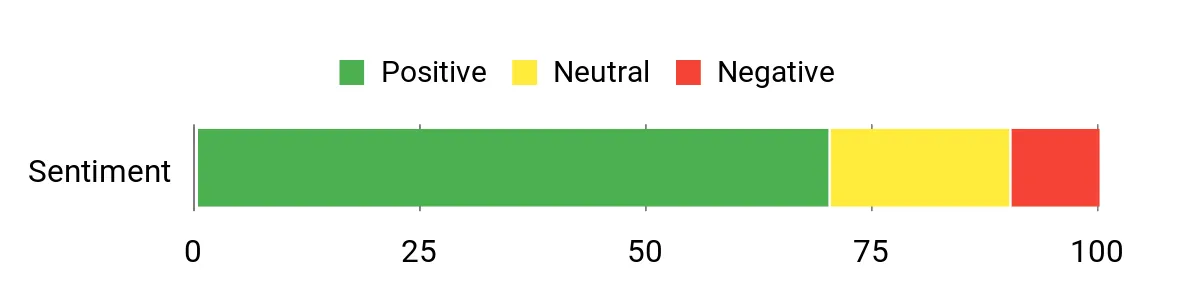
- Four-person layout in the source listing
- Rainfly and coated polyester are included in the source description
- Mesh windows and vents support airflow
- Steel center pole, stakes, and carry bag are listed
- Current packed weight could not be verified
- Hydrostatic-head rating is not clearly stated
- Season classification remains unclear
Check Current Amazon Availability
6. TOMOUNT Hot Tent
Bottom line: The TOMOUNT Hot Tent remains in the article for reference because its linked model matches the teepee hot-tent category, but it is not included in the current recommendations. Its confirmed design centers on a roomy nylon shelter with a stove jack, snow skirt, and 3,000mm listed coating.
Key specs
- Capacity: 4 listed, with less room after adding stove gear
- Season: 4 season
- Weight: 9 lb listed
- Weather: 70D nylon with 3,000mm listed coating
- Stove setup: Stove jack and snow skirt listed
The roughly 13.8-foot diameter and 7.9-foot peak give this shelter a lot of interior volume for a nine-pound listed weight. Two doors and three ventilation windows also give you multiple ways to manage access and airflow.
As with other floorless or configuration-dependent hot tents, practical capacity drops once you reserve safe stove clearances and space for winter gear. The source listing does not identify an included inner tent, and the groundsheet configuration should be checked for any future purchase.
Buyer Feedback Snapshot
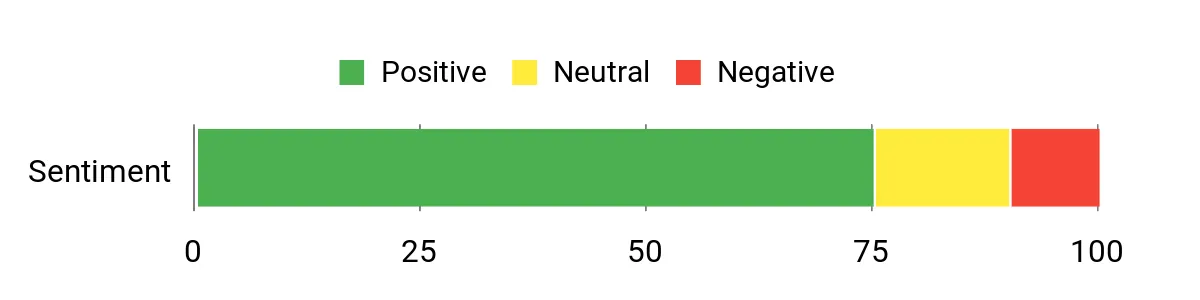
- 70D nylon with 3,000mm listed coating
- Stove jack and snow skirt support hot-tent layouts
- Two doors and three ventilation windows
- Large diameter with a standing-height peak
- Linked Amazon listing could not support a current recommendation
- No inner tent is identified in the source package details
- Nine-pound weight is still substantial for long-distance backpacking
Check Product Details on Amazon
Naturehike Ranch vs Guide Gear 10: Is the Upgrade Worth It?
These two tents solve different problems. Naturehike Ranch is built around winter hot-tent use, while Guide Gear 10 is a simpler two-person campground shelter with a sewn-in floor.
- Stove setup: Naturehike includes a stove jack; Guide Gear 10 does not.
- Weather design: Naturehike adds a snow skirt and 3,000mm-plus listed coating.
- Weight: Naturehike is listed at 11.9 lb; Guide Gear 10 at 13.07 lb.
- Floor: Guide Gear 10 has a sewn-in floor; Naturehike sells its floor separately.
Which Teepee Tent Should You Buy?
- Winter hot-tent basecamp: get the Naturehike Ranch.
- Lighter stove-jack shelter: get the Preself Tipi.
- Large family or group campsite: get the Guide Gear 18.
- Two-person campground value: get the Guide Gear 10.
What Campers Prefer
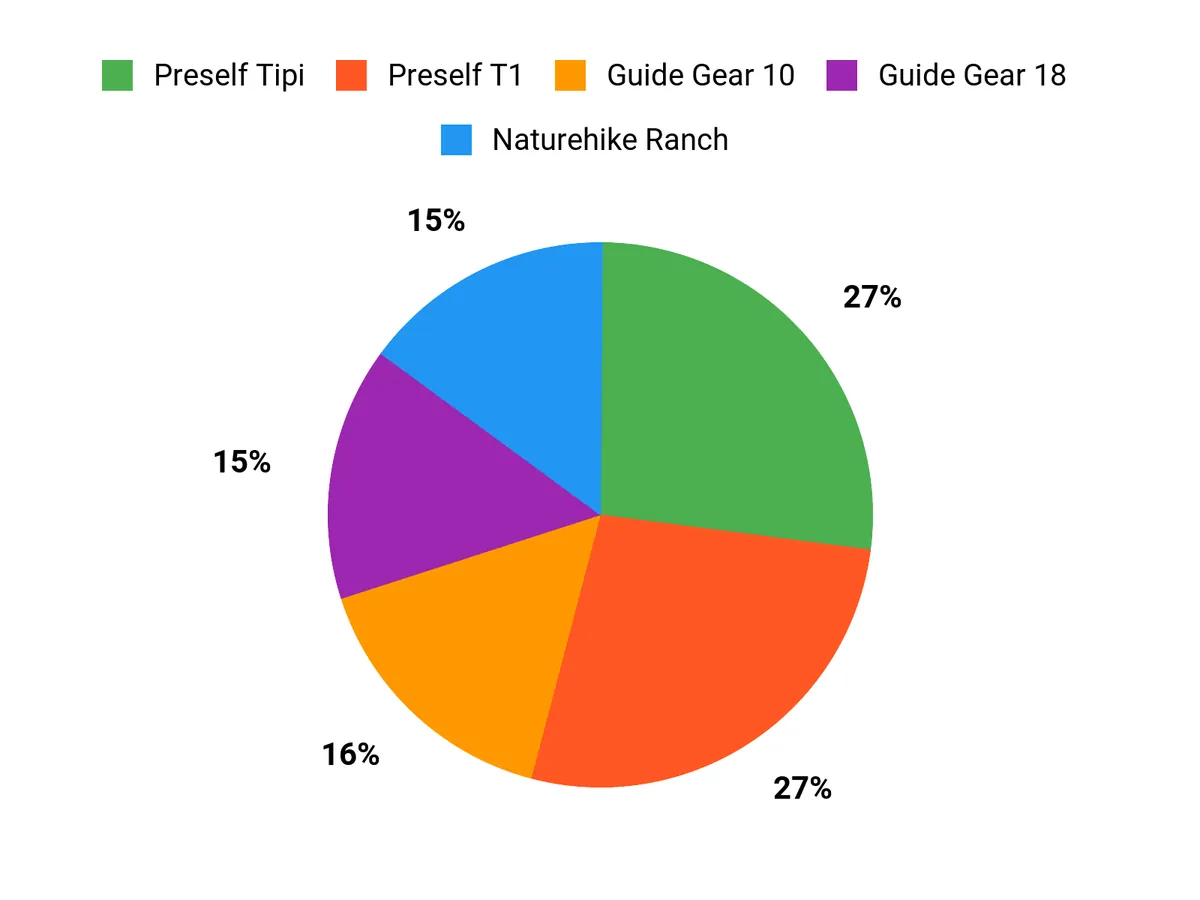
Your best match depends on the trip. A stove-jack shelter makes sense only when you need an approved hot-tent setup, while a sewn-in-floor family teepee is often simpler for ordinary campground use. Compare real sleeping space after gear, not just the maximum person rating.
How We Chose
- Use case: We separated hot tents, large family shelters, and compact campground teepees instead of treating them as direct substitutes.
- Specifications: We checked capacity, season classification, listed weight, waterproof information, ventilation, and stove-jack design against current product data.
- Package contents: Floors, inner tents, poles, stakes, and stove-related accessories were treated as separate unless the exact linked configuration listed them.
- Source quality: We prioritized manufacturer or manual data, then the linked Amazon listing and major retailers when a primary source was incomplete.
- Safety: We checked recall records and kept stove-use guidance separate from ordinary campground-tent features.
Hot-Tent Safety Note
A stove jack does not automatically make every stove safe to operate in a tent. Use fuel-burning equipment only when both the tent manufacturer and equipment manufacturer explicitly permit that exact setup.
Follow all specified chimney, ventilation, heat-shielding, spark-control, and clearance instructions. Keep exits clear, inspect the stovepipe regularly, and never leave operating equipment unattended. Do not sleep with a fuel-burning camping heater, lantern, or other device running unless its manufacturer expressly approves that use.
A battery-powered carbon monoxide alarm can provide an additional warning, but it cannot replace correct installation and ventilation. Review the CPSC camping-equipment guidance before using fuel-burning equipment around an enclosed shelter.
How to Choose a Teepee Tent
Match the Tent to Your Camping Style
Start with how far you will carry the tent and where you will pitch it. Large teepees suit vehicle-supported camps, while lighter shelters make more sense for hunting routes or short carries. If winter stove use is the priority, choose a model specifically built with a stove jack, such as the Naturehike Ranch.
Check Practical Capacity, Not Just the Label
Person ratings assume closely arranged sleeping spaces. Cots, chairs, a stove, chimney clearances, heat shielding, and winter gear all reduce usable floor area. For hot tents, plan around the safe stove zone first, then decide how many people can sleep comfortably in the remaining space.
Confirm What the Package Includes
Do not assume the photos show everything in the box. Floors, inner tents, bug liners, stoves, stovepipes, spark arrestors, and fire-resistant mats may be separate. The Naturehike Ranch, for example, lists its fitted floor and inner tent separately from the shelter package.
Compare Weight With Carry Distance
Weight matters more as the carry gets longer. A 25-pound group teepee can work well beside a vehicle, while even a 12- to 13-pound shelter becomes burdensome on a long trail. Check the complete packed or trail weight for the exact configuration instead of relying on words such as “lightweight.”
Look Beyond the Waterproof Number
A coating rating is only one part of wet-weather performance. Seam construction, zipper protection, floor design, drainage, staking, and ventilation also matter. A higher listed millimeter figure does not fix a poor pitch or a campsite that collects water.
Plan for Ventilation and Condensation
Teepee tents can build condensation when warm, moist air meets a cold canopy. Use the available peak and lower vents, keep wet gear managed, and avoid blocking airflow around a stove setup. Floorless hot tents and fully floored family tents handle moisture differently, so match the design to your conditions.
Allow Enough Pitching Space
The floor dimensions do not include the space needed for stakes and guylines. Large models can overrun a small campground pad or crowded wooded site. Measure your common campsites before buying, especially if you are considering an 18-foot group shelter.
Mistakes to Avoid When Buying a Teepee Tent
- Buying by person count alone: subtract space for cots, stove clearance, and bulky gear.
- Assuming every hot-tent photo shows included gear: verify the exact package before checkout.
- Ignoring total carry weight: compare the full packed setup to your real carry distance.
- Treating a stove jack as a safety guarantee: follow both tent and stove manufacturer instructions.
- Forgetting the guyline footprint: make sure your normal campsite has enough staking room.
FAQs
Are Teepee Tents Good For Winter Camping?
Some teepee tents are good for winter camping, but only when the specific model is designed for those conditions. Look for a four-season classification, strong guy-out points, suitable poles, ventilation, and snow-management features. A summer family teepee should not be treated as a severe-winter shelter just because it has a conical shape.
Can I Use A Stove Inside A Teepee Tent?
Use a stove only when the tent and stove manufacturers explicitly approve that setup. A stove jack is only one part of the system; you still need the specified chimney clearances, ventilation, heat shielding, spark control, and stable placement. Never treat an ordinary cooking stove or an unapproved heater as a safe substitute for purpose-built hot-tent equipment.
What Is A Stove Jack?
A stove jack is a heat-resistant panel or opening designed to route an approved stovepipe through a tent wall or roof. It does not make every stove compatible with every shelter. You still need to follow the tent and stove instructions for pipe size, clearances, shielding, ventilation, and spark control.
Do Teepee Tents Have Floors?
Some teepee tents have sewn-in floors, while many hot tents are floorless or sell the floor separately. A sewn-in floor helps with insects, mud, and ground moisture. A floorless design can simplify some winter and stove layouts, but you must check the exact selected configuration because product photos may show optional accessories.
How Do I Reduce Leaks And Condensation?
Pitch the shelter evenly, tension every required point, and use all intended vents. Keep water from pooling around the perimeter, inspect seams and zipper covers before wet trips, and avoid storing soaked gear inside. Condensation is managed mainly through airflow and moisture control, while leak resistance also depends on seams, fabric coatings, and site drainage.
How Many People Can Sleep In A Four-Person Teepee With A Stove?
Usually fewer than the maximum four-person rating can sleep comfortably once a stove is installed. The stove, chimney area, heat shielding, required clearances, and winter gear all take usable floor space. The practical number depends on the shelter dimensions and sleeping layout, so plan the stove zone first and fit sleeping spaces around it.
Are Teepee Tents Easy To Set Up?
Most teepee tents are relatively simple once you learn the stake pattern and center-pole position. The main challenge is getting the perimeter spacing and fabric tension even. Practice at home before the first trip, especially with large group models or hot tents, because a poor pitch can reduce interior room and weather performance.
Full Comparison
| Product Name | Image | Best For | Listed Occupancy | Listed Seasons | Water Protection | Listed Weight | Amazon |
|---|---|---|---|---|---|---|---|
| Naturehike Ranch Fire Teepee Tent |
 |
Winter basecamps and roomy hot-tent setups | 4–6 listed; fewer with stove and gear | 4 season | 3,000mm-plus listed coating | 11.9 pounds | Check Price |
| Guide Gear Camping Teepee Tent |
 |
Large family and group car camping | 8 person | Summer listed | 1,500mm listed by manufacturer | 25 pounds | Check Price |
| Preself Lightweight Tipi Hot Tent |
 |
Lighter hunting and hot-tent shelter | 2–4 listed; fewer with stove | 4 season | PU2000 listed | Listing fields conflict; verify | Check Price |
| Guide Gear 10′ x 10′ Teepee Tent |
 |
Quick two-person car camping | 2 person | 4 season listed | 1,500mm listed coating | 12.4 pounds | Check Price |
| Intense Wilderness Survival Gear Tent |
 |
Casual four-person recreational camping | 4 person | Not clearly stated | Coated shell and rainfly; rating not stated | Not stated | Check Details |
| TOMOUNT Hot Tent |
 |
Roomy four-season nylon hot tent | 4 person listed | 4 season | 3,000mm listed coating | 9 pounds | Check Price |
Final Verdict
For most winter-oriented shoppers comparing teepee tents, Naturehike Ranch offers the clearest combination of verified four-season features, stove-jack capability, standing room, and snow protection. Guide Gear 10 is the simpler pick for two-person campground use, while Guide Gear 18 is the roomier vehicle-supported option.
For the value-focused alternative, compare the Guide Gear 10; for the premium large-group choice, see the Guide Gear 18.

