
Car camping lets you bring more comfort, space, and convenience than a backpacking trip. The right shelter can give your family standing room, space for mattresses and gear, or direct access to your SUV’s cargo area.
This guide compares one spacious family cabin tent with two vehicle-attached SUV tents. It focuses on usable floor space, standing height, weather protection, setup, vehicle compatibility, and the limitations you should understand before buying.
Affiliate disclosure:. As an Amazon Associate I earn from qualifying purchases. This roundup is reader-supported. When you click an Amazon link, we may earn a referral commission on qualifying purchases at no additional cost to you.
Quick Verdict
Choose the CORE 12-Person Straight Wall Cabin Tent when maximum family living space, tall walls, and a room divider matter most.
Choose the JELUCAMP SUV Tent when you want a tailgate-connected shelter with a clearly listed six-person layout and the ability to pitch it separately from the vehicle.
Consider the WildFinder SUV Tent as another vehicle-attached option, but confirm the dimensions, selected variation, vehicle fit, and current offer before ordering.
Top Picks
|
Category |
Product |
Main Strength |
|---|---|---|
|
🏆 Best Overall |
Large 16-by-11-foot layout with tall walls and a room divider |
|
|
🚗 Best SUV Tailgate Tent |
Vehicle connection plus a zippered wall for standalone use |
|
|
🔄 Best SUV Alternative |
Freestanding capability and PU3000-rated material |
How We Chose These Car Camping Tents
We compared the factors that have the greatest effect on family car-camping comfort and practicality:
- Usable space: Floor dimensions, wall shape, peak height, and realistic room for mattresses and equipment
- Setup: Pole layout, listed assembly process, number of people needed, and pack-away convenience
- Weather design: Rainfly coverage, water-resistance specifications, seams, floor construction, vents, stakes, and guy points
- Vehicle compatibility: Hatch connection, bumper coverage, standalone use, and the need to measure the vehicle before purchase
- Portability: Product weight, packed bulk, and how much vehicle cargo space the tent may require
- Honest limitations: Advertised capacity versus comfortable capacity, wind exposure, listing inconsistencies, and accessory requirements
We did not treat an advertised occupancy number or fabric waterproof rating as proof of comfort or storm performance. Campsite exposure, setup quality, seam condition, ventilation, and proper anchoring also affect how a tent performs.
Important SUV Tent Safety Note
Switch the vehicle off before occupying or attaching an SUV tent. Allow the exhaust system to cool, keep the tailpipe completely unobstructed, and never idle the vehicle to heat or cool the connected tent.
Never operate a fuel-burning stove, grill, lantern, heater, generator, or other combustion appliance inside a tent. Follow the tent and vehicle manufacturers’ instructions and leave the campsite immediately if you smell exhaust or feel headache, dizziness, weakness, or nausea.

The CORE is the strongest all-around choice here when your priority is a large, room-like interior. Its listed 16-by-11-foot floor provides 176 square feet, and the 86-inch center height gives most adults comfortable standing room.
The nearly straight walls make the edges of the floor more usable than the sloping sides of a typical dome tent. A removable divider creates two zones, which is useful when separating sleeping space from clothing, luggage, pet equipment, or a child’s area.
The manufacturer lists this model at approximately 54 pounds, so it is firmly a car-camping shelter. Although it is marketed for up to twelve occupants, the listing itself presents six people with equipment as the more practical arrangement. Families using cots, thick air mattresses, or extensive luggage should plan around floor dimensions rather than the maximum occupancy number.
Why You’ll Like It
- The large rectangular floor simplifies mattress and cot placement
- Tall, straighter walls provide better standing and changing space
- The room divider creates separate sleeping and storage zones
- Two doors can improve traffic flow for a larger family
- Storage pockets help keep small items off the floor
Who Should Buy This
Choose the CORE when you camp at established vehicle-accessible sites and want a roomy base for family weekends, festivals, backyard sleepovers, or longer campground stays.
Who Should Avoid This
Skip it when you need a small packed tent, expect to move sites frequently, regularly camp alone, or visit compact tent pads. Its size, weight, and broad walls also make sheltered campsite selection and complete guying especially important.
Review Themes
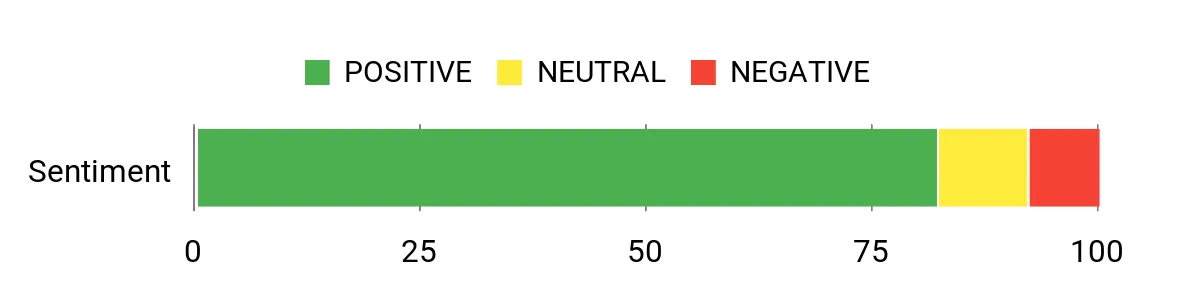
Review themes commonly emphasize the large interior, standing height, ventilation, and ability to organize several sleeping areas. Some owners also discuss the weight, the benefits of practicing the setup, and the importance of checking seams and window areas before a rainy trip.
The chart below is a directional summary from the original roundup. Review sentiment and product construction can change, so read recent verified-purchase reviews before ordering.
Overall Sentiment: POSITIVE
Weather and Safety Considerations
The tent uses 1,200 mm-rated fabric, a taped rainfly, sealed seams, guy lines, and steel stakes. These features are suitable for ordinary campground use when the tent is pitched correctly, but they do not make a tall cabin tent stormproof.
Use every appropriate stake and guy point, choose a site protected from severe crosswinds, keep the footprint from extending beyond the tent floor, and inspect the seams before an extended wet-weather trip. Never use a stove, grill, heater, or fuel-burning lantern inside the tent.
Key Benefits
- 16-by-11-foot floor with approximately 176 square feet of space
- 86-inch listed center height
- Room divider for a two-zone layout
- Included rainfly, stakes, guy lines, and carry bag
- Best suited to families who value space over portability
Check Product Details on Amazon

The JELUCAMP creates a sheltered transition between an SUV’s cargo area and a ground-level tent. That connection can make it easier to reach luggage, power banks, bedding, and other equipment without stepping fully outside.
Its listed dimensions are 118 by 106 by 78.7 inches, giving it a center height of approximately 6.6 feet rather than 7.5 feet. The listing identifies it as a six-person tent, but comfort will depend on mattress sizes, sleeping arrangement, hatch intrusion, and the amount of gear stored inside.
A zippered panel closes the vehicle-facing side, allowing the tent to remain standing when the vehicle is detached. This is valuable when you need to drive away from the campsite without dismantling the entire shelter.
Vehicle Compatibility Check
Measure the hatch width, hatch height, bumper shape, and distance to the tailpipe before ordering. Confirm that the connector can tighten around your specific vehicle without blocking the exhaust, lights, or hatch mechanism. “Universal” does not guarantee an equally good seal on every SUV, Jeep, crossover, van, or capped truck.
Why You’ll Like It
- Creates direct access between the tent and the vehicle cargo area
- Can be closed and used separately when the vehicle leaves
- Approximately 78.7 inches of listed interior height
- Mesh windows and ground ventilation support airflow
- Listed assembly time is approximately ten minutes after familiarization
Who Should Buy This
Choose it for road trips, campground weekends, festivals, hunting basecamps, or family trips where your vehicle serves as part of the sleeping and storage system.
Who Should Avoid This
Skip it when your campsite requires the vehicle to remain in a separate parking area, your hatch shape cannot be measured confidently, or you want the simpler weather sealing of a conventional freestanding tent.
Review Themes
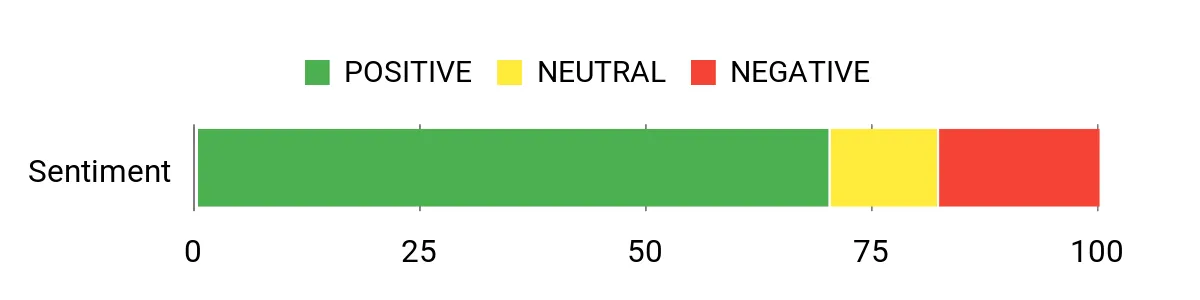
Review themes tend to focus on the roomy interior, convenient tailgate connection, and ability to detach the vehicle. Less-positive themes include variable seam finishing, carry-bag quality, and the need to inspect poles, stitching, buckles, and included parts immediately after delivery.
The chart below is a directional summary from the original roundup. Check recent verified-purchase reviews and the current product variation before ordering.
Overall Sentiment: NEUTRAL
Weather and Safety Considerations
The listing specifies 3,000 mm water-resistance technology, reinforced seams, an included rainfly, stakes, and guy lines. Treat those specifications as material and design indicators rather than a guarantee against heavy wind or prolonged storms.
Pitch the vehicle on level ground, tension the connector without creating water-catching folds, secure every anchor point, and test the seal at home. Turn the engine off, let the exhaust cool fully, and never operate the vehicle or a combustion appliance while the attached tent is occupied.
Key Benefits
- 118-by-106-inch listed floor dimensions
- 78.7-inch listed height
- Tailgate connection for direct cargo access
- Zippered vehicle wall for standalone use
- PU3000-rated material and included rainfly
- Listed weight of approximately 10.5 pounds
Check Product Details on Amazon

The WildFinder offers the same core advantage as the JELUCAMP: it turns the open rear hatch into an entrance to a larger sheltered room. It can also stand independently, which lets you keep the campsite established when the vehicle leaves.
The Amazon listing presents inconsistent dimensions across its title and structured specification fields. The structured specifications show approximately 96.46 by 96.46 by 82.68 inches, while other listing text references a wider footprint. Confirm the exact selected variation before deciding whether it will fit your mattress, campsite pad, and vehicle.
Its PU3000-rated material and sealed-seam claims are useful comparison points, but they should not be treated as proof of four-season or severe-storm performance. Tall, vehicle-attached shelters still require careful pitching, full anchoring, and a reasonably protected campsite.
Why You’ll Like It
- Connects to a rear hatch for easier access to vehicle storage
- Can remain standing when disconnected from the vehicle
- Includes a rainfly and carry bag
- Large mesh openings support airflow and insect protection
- Can serve as a sleeping room, changing area, or equipment shelter
Who Should Buy This
Consider it when you want an SUV-connected shelter and are willing to verify the current variation, dimensions, vehicle fit, and seller before purchasing.
Who Should Avoid This
Choose another model when you require firmly documented dimensions, a guaranteed fit for a particular hatch, a conventional manufacturer warranty network, or a compact shelter for frequent solo pitching.
Before Ordering
Check the exact size and color variation selected on Amazon, because marketplace titles, specification fields, images, sellers, and included components can differ. Measure both the vehicle and the intended tent pad rather than relying only on the occupancy label.
Review Themes
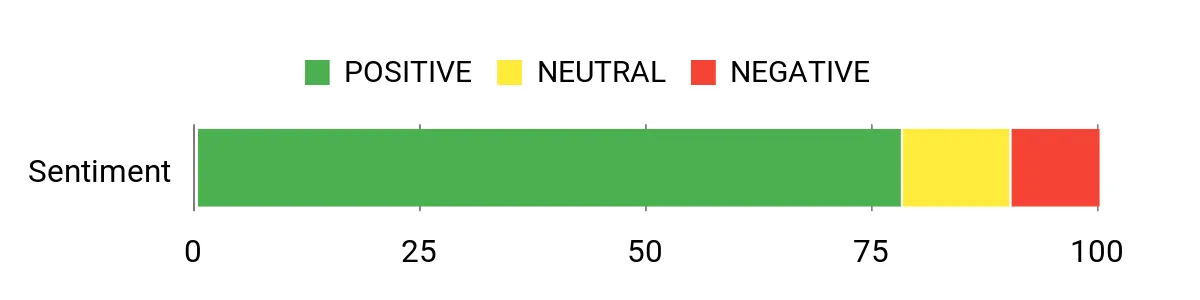
Positive themes commonly include the roomy feel, hatch access, ventilation, and ability to leave the tent standing. More cautious themes include the benefit of using a ground tarp, treating the floor carefully, operating zippers slowly, and practicing the setup before traveling.
The chart below is a directional summary from the original roundup. Read current verified-purchase feedback for the selected variation and seller.
Overall Sentiment: POSITIVE
Weather and Safety Considerations
The listing describes PU3000-rated material, sealed seams, a rainfly, stakes, and a guying system. Use a correctly sized groundsheet that does not protrude beyond the tent floor, and avoid placing the tent in drainage channels or exposed wind corridors.
Keep the rear connector clear of the exhaust system, turn the engine off, and allow hot vehicle components to cool before attachment. Never idle the vehicle or operate a stove, grill, lantern, heater, or generator while the tent is occupied.
Key Benefits
- Rear-hatch connection and standalone use
- PU3000-rated material and included rainfly
- Tall interior suited to changing and equipment organization
- Mesh windows for airflow and insect screening
- Flexible use as a sleeping, living, or storage area
Check Product Details on Amazon
Cabin Tent or SUV Tent: Which Style Is Right for You?
A conventional cabin tent is usually the better choice when interior space, predictable floor dimensions, and independence from the vehicle are your priorities. You can park elsewhere, arrange the tent anywhere on the pad, and use multiple doors without designing the campsite around an open hatch.
An SUV tent is more appealing when the vehicle is part of your camp system. It can provide protected access to luggage, charging equipment, bedding, or a vehicle sleeping platform. The tradeoff is additional fitment work around the hatch, bumper, straps, and exhaust area.
| Choose a Cabin Tent If… | Choose an SUV Tent If… |
|---|---|
| You need maximum floor space for several beds or cots | You want direct access to the cargo area |
| You may park away from the tent pad | Your vehicle will remain beside the campsite |
| You prefer fewer vehicle-fit variables | You are prepared to measure the hatch and connector area |
| You want a room divider and broad family layout | You sleep partly in the vehicle or use it as equipment storage |
Before You Buy: Car Camping Tent Checklist
- Measure the campsite pad: Include guy-line space, not just the floor dimensions.
- Plan realistic occupancy: Subtract people when using cots, queen mattresses, pet beds, or substantial luggage.
- Check packed size: A large tent may fit the campsite but consume a major portion of the cargo area.
- Inspect the rainfly: Look at door coverage, window coverage, vents, seams, and how low the fly extends.
- Review the pole material: Tall shelters need careful assembly and full guying, regardless of pole type.
- Check included equipment: Confirm the rainfly, stakes, guy lines, carry bag, divider, repair parts, and footprint status.
- Verify SUV fit: Measure the hatch, bumper, tailpipe clearance, and connector circumference.
- Practice at home: Confirm that every part is present and learn the pitching sequence before arriving after dark.
- Review warranty support: Check the current manufacturer or seller policy before buying.
FAQ
How Do I Choose the Right Family Car Camping Tent?
Start with the physical floor dimensions rather than the advertised occupancy. Draw the floor to scale and place your mattresses, cots, pet beds, and equipment inside that outline. Then confirm the peak height and wall shape, because a tall center does not always mean usable standing room near the sides.
Check the campsite pad size, packed dimensions, product weight, rainfly coverage, ventilation, number of doors, room dividers, electrical-access ports, stakes, and guy lines. For an SUV tent, measure the hatch and rear bodywork and confirm that the connector will not obstruct the exhaust.
How Many People Fit Comfortably in a Large Family Tent?
The advertised occupancy usually describes the maximum number of closely arranged sleeping bags. It does not necessarily include room for luggage, furniture, pets, or wide mattresses.
For greater comfort, many families choose a tent rated for two to four more people than the number actually camping. Floor dimensions are more useful than the printed capacity when comparing real sleeping arrangements.
Will a Tall Cabin Tent Handle Rain and Wind?
A properly pitched cabin tent can handle ordinary campground rain and moderate wind, but its tall walls create more wind exposure than a low dome or backpacking tent. Use every appropriate stake and guy point, keep the fly evenly tensioned, choose a protected site, and avoid depressions where water can collect.
A fabric rating such as 1,200 mm or 3,000 mm describes part of the material’s water resistance. Complete performance also depends on fly coverage, seams, door design, floor construction, age, setup, and wind-driven rain.
Can I Drive Away While an SUV Tent Remains at the Campsite?
Some SUV tents include a zippered wall that closes the vehicle-facing opening, allowing the ground tent to remain standing. Confirm that the specific model supports standalone use before leaving it unattended.
Disconnect straps and fabric carefully, close every exposed panel, secure the freestanding tent again, and confirm that campsite rules allow the shelter to remain while the vehicle is absent.
Is It Safe to Run the Vehicle While an SUV Tent Is Attached?
No. Keep the engine off while the attached tent is occupied. Make sure the tailpipe is unobstructed, allow the exhaust system to cool before attaching fabric, and never use the vehicle’s engine as a tent heater or air-conditioning source.
Also keep camp stoves, grills, lanterns, generators, and fuel-burning heaters outside and safely away from doors, windows, and ventilation openings.
Should the Ground Tarp Extend Beyond the Tent Floor?
No. A tarp extending past the tent can collect rain and channel it underneath the floor. Fold or size the groundsheet so it remains completely beneath the tent.
How Should I Maintain and Store a Large Tent?
Shake out dirt, wipe the floor, allow the tent and rainfly to dry completely, and inspect poles, sleeves, clips, seams, and zippers after each trip. Store the shelter in a cool, dry place and avoid leaving it tightly compressed for long periods when the manufacturer recommends loose storage.
Carry spare stakes, repair tape, compatible fabric patches, a pole splint, extra guy line, and the manufacturer’s instructions.
Wrapping Up
Choose the CORE 12-Person Straight Wall Cabin Tent when indoor space is the main priority. Its large rectangular floor, tall walls, and divider make it the most practical option here for families who bring several beds, cots, or substantial equipment.
Choose the JELUCAMP when you want the vehicle to become part of the shelter. It offers a clearly listed tailgate connection, usable standing height, and a wall that closes when the SUV is detached.
Consider the WildFinder as an alternative only after checking the current variation carefully. Its SUV connection and standalone design are useful, but the dimensions shown across the listing are not fully consistent.
Whichever style you choose, prioritize usable floor dimensions, realistic occupancy, campsite fit, ventilation, complete anchoring, and safe separation from vehicle exhaust and combustion appliances.
| Product Name | Image | Best For | Listed Occupancy | Dimensions | Weight | Water-Resistance Specification | Unique Highlights | Amazon |
|---|---|---|---|---|---|---|---|---|
| CORE Tent for Family Camping |
 |
Large families and multi-room campground setups | Up to 12; fewer with gear | 16 x 11 ft; 86 in center height | Approximately 54 lb | 1200 mm fabric |
|
Check Availability |
| JELUCAMP SUV Tent for Camping |
 |
SUV tailgate access and detachable vehicle use | 6 person listed capacity | 118 x 106 x 78.7 in | Approximately 10.5 lb listed | 3000 mm listed |
|
Check Availability |
| SUV Tent by WildFinder |
 |
SUV users who verify the current variation and fit | Listing varies; check selected option | Approximately 96.46 x 96.46 x 82.68 in in structured specs; listing text varies | Listing varies by source or variation | PU3000-rated material |
|
Check Availability |
This roundup is reader-supported. When you click through Amazon links, we may earn a referral commission on qualifying purchases. Product specifications, sellers, variations, and availability can change; verify the selected listing before ordering.