
Last updated: July 15, 2026
Affiliate disclosure:. As an Amazon Associate I earn from qualifying purchases. This roundup is reader-supported. When you click an Amazon link, we may earn a commission from qualifying purchases at no additional cost to you.
You want a winter outdoor shelter that blocks cold drafts, sets up without a complicated pole system and gives you enough room to relax. The right choice depends on whether you need an overnight camping tent, a glamping shelter or a temporary patio pod.
This guide compares three different types of house-style shelters. The Alvantor Bubble is a recreational enclosure for patios and hot tubs. The DanCoom and WildFinder models are inflatable camping tents with enclosed sleeping space. None should be treated as an expedition tent or assumed to support heavy snow unless the manufacturer confirms those limits for your exact model.
Quick Verdict
Choose the Alvantor Bubble when you want a transparent winter patio or hot-tub enclosure rather than an overnight sleeping tent.
Choose the DanCoom Inflatable when quick air-beam setup and a straightforward four-to-six-person camping layout matter most.
Choose the WildFinder Inflatable Tent when you want a more glamping-focused shelter with a skylight and an integrated stove jack.
Top Picks
|
Category |
Product |
Best For |
Main Limitation |
|---|---|---|---|
|
Best Winter Patio Pod |
Patios, hot tubs and sheltered outdoor seating |
Not a conventional sleeping tent |
|
|
Best for Fast Setup |
Weekend camping and quick air-beam setup |
No verified stove jack on this exact model |
|
|
Best for Cold-Weather Glamping |
Roomy glamping with a skylight and stove jack |
Bulky compared with standard camping tents |
How We Chose These Shelters
We focused first on whether each product creates an enclosed space suitable for cold-weather use. Mesh screen houses were removed because they provide insect protection and ventilation rather than meaningful draft protection.
We then compared shelter type, setup method, usable space, ventilation, weather-related limitations and heating compatibility. We also considered whether each product works as an overnight tent or only as a recreational enclosure.
Because listings, accessories and model variants can change, confirm the exact dimensions, included parts and usage instructions on Amazon before ordering.
Important Winter Heating Safety
Never assume that an enclosed shelter is safe for a heater or stove. Fuel-burning appliances can create deadly carbon monoxide. Only use equipment specifically approved by its manufacturer for enclosed tent use, and follow every ventilation, clearance and installation instruction.
Do not operate a fuel-burning heater while sleeping. Keep fabric and gear away from heat sources, use an appropriate carbon-monoxide alarm and shut equipment down if ventilation becomes restricted.
A stove jack is only an exit point for a properly installed stovepipe. It does not make every stove, chimney layout or fuel-burning appliance safe.
Read the CPSC guidance for portable heaters and camping equipment.
The Alvantor Bubble suits you when the goal is to reclaim part of a patio or deck during chilly weather. Its transparent PVC panels block direct drafts while preserving an open view of the yard.
The 12-by-12-foot configuration offers enough space for outdoor seating or a compatible hot-tub arrangement. It is a recreational gazebo-style pod, however, rather than a normal camping tent with a sleeping floor and backcountry weather design.
Why You’ll Like It
- Blocks more wind than an open gazebo or mesh screen room
- Transparent walls maintain an outdoor view
- Large footprint fits chairs, tables or a compatible hot-tub area
- Pop-up structure avoids a traditional pole-by-pole assembly
Who Should Avoid It
- Campers who need an overnight sleeping tent
- Anyone expecting insulation comparable to a cabin
- Users in exposed locations with severe wind or heavy snow
- Buyers who need a compact backpacking shelter
Buyer Feedback Snapshot
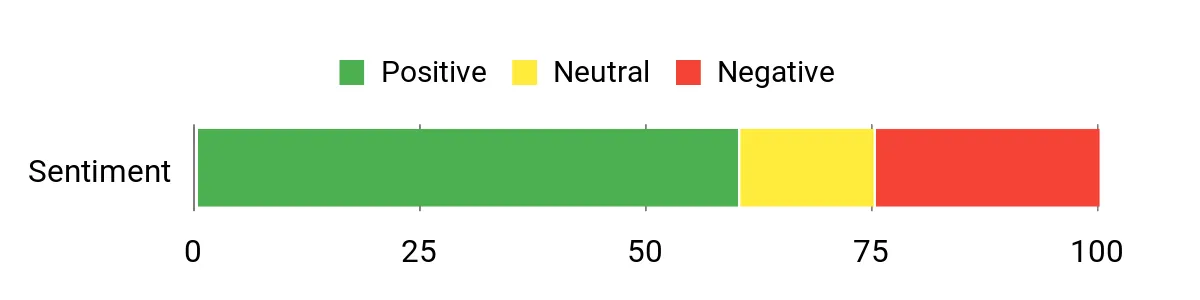
The original roundup summarized positive feedback about the spacious enclosure and draft protection, while also noting concerns about seams, zippers and the importance of careful anchoring. The chart below is a historical snapshot from the original article, not a live Amazon rating.
Safety and Setup Notes
- Use every recommended guyline, stake and weight for your surface.
- Do not rely on the enclosure during severe wind or accumulating snow.
- Clear snow before it adds significant weight to the roof.
- Confirm whether your chosen configuration includes a floor or requires a separate ground covering.
- Keep grills, fire pits and other open flames outside the enclosure.
- Follow both the shelter and heater manufacturers’ instructions before using any heating appliance.
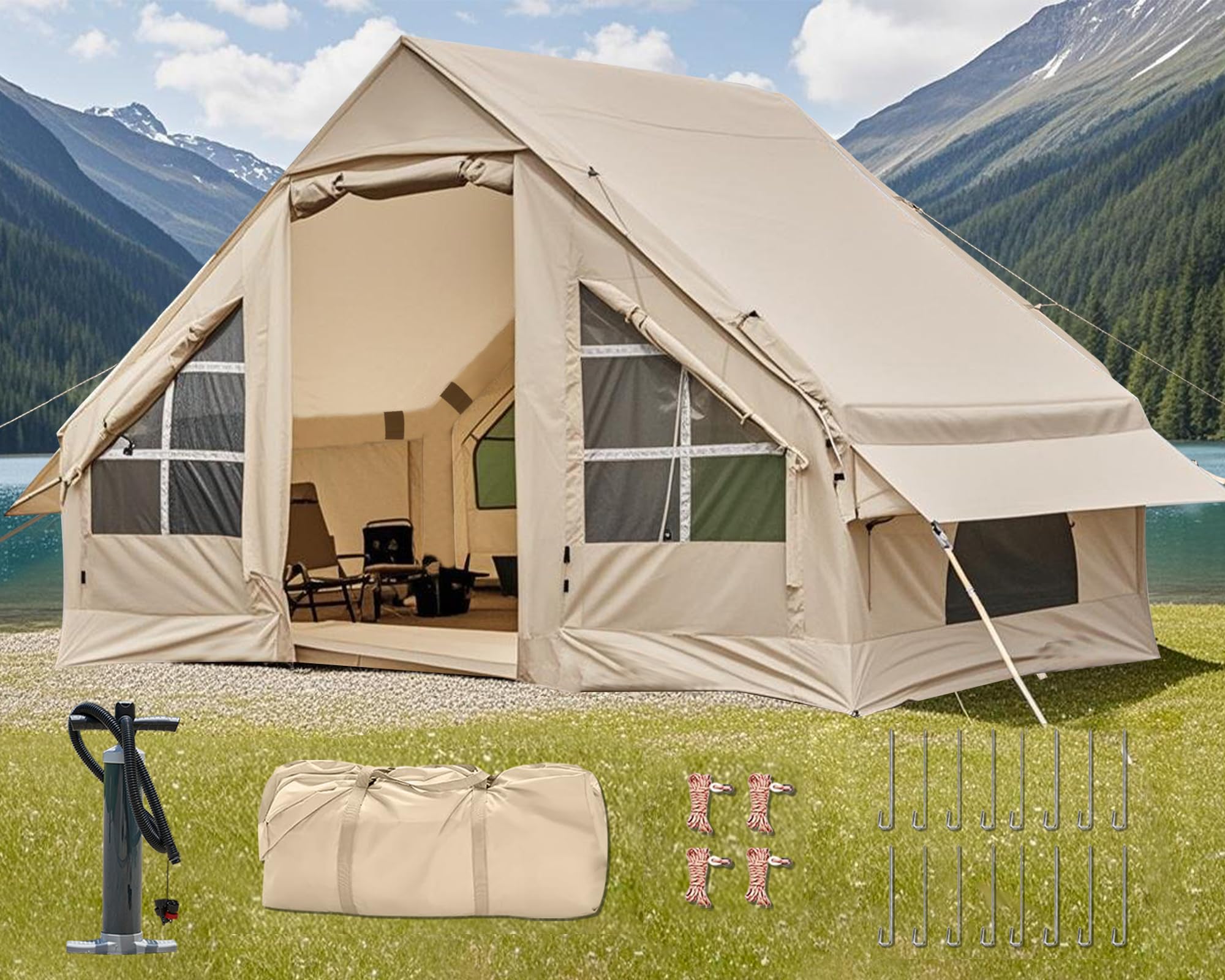
The DanCoom replaces rigid tent poles with inflatable air beams. You connect the pump, inflate the supporting tubes and secure the shelter with its stakes and guylines.
Its enclosed layout makes it a more suitable overnight camping option than a patio bubble. The standing-height center and broad footprint provide room for sleeping pads, cots and gear, although a realistic sleeping capacity may be lower than the advertised maximum when everyone carries winter equipment.
Why You’ll Like It
- Air beams remove the need to assemble rigid poles
- Enclosed design works for overnight camping
- Standing-height center makes changing clothes easier
- Multiple openings support airflow and condensation control
Who Should Avoid It
- Backpackers who need a lightweight shelter
- Campers who specifically need a verified stove jack
- Users who cannot carry a pump and bulky packed tent
- Anyone expecting proven heavy-snow performance
Buyer Feedback Snapshot
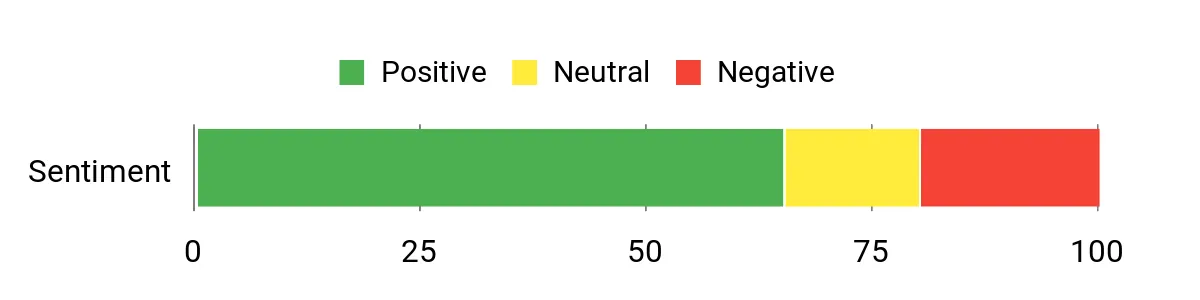
The original roundup highlighted the simple inflation process and roomy interior. It also recorded concerns about inconsistent inflation, seams and zippers. Inspect the tent and inflate it at home before relying on it during a trip. The chart is a historical source snapshot rather than a live Amazon rating.
Safety and Setup Notes
- Inflate each air beam only to the manufacturer’s recommended pressure.
- Perform a full setup test before your first camping trip.
- Inspect the valves, seams and inflation tubes for leaks.
- Use a footprint or ground tarp to reduce abrasion and moisture exposure.
- Stake the tent and tension the guylines before weather arrives.
- Do not assume the tent can support accumulating snow.
- Do not use a wood stove because a stove jack is not verified for this exact model.
The WildFinder combines an air-beam structure with more glamping-oriented features. Its high ceiling gives you room to stand, while the skylight makes the interior feel brighter and less enclosed during longer stays.
The integrated stove jack separates it from the DanCoom model. That feature may suit experienced hot-tent campers who already own a compatible stove system and understand chimney clearances, ventilation and carbon-monoxide risks. New hot-tent users should not treat the stove port as a substitute for proper training and manufacturer instructions.
Why You’ll Like It
- Inflatable frame simplifies the main structural setup
- Skylight creates a brighter, more open interior
- Standing room suits longer glamping stays
- Stove jack supports a compatible hot-tent configuration
- Enclosed Oxford shell provides more protection than a screen house
Who Should Avoid It
- Backpackers and campers with limited cargo space
- First-time stove users without hot-tent experience
- Buyers who need a shelter for unsupported heavy snow
- Anyone wanting a small tent for frequent one-night stops
Buyer Feedback Snapshot
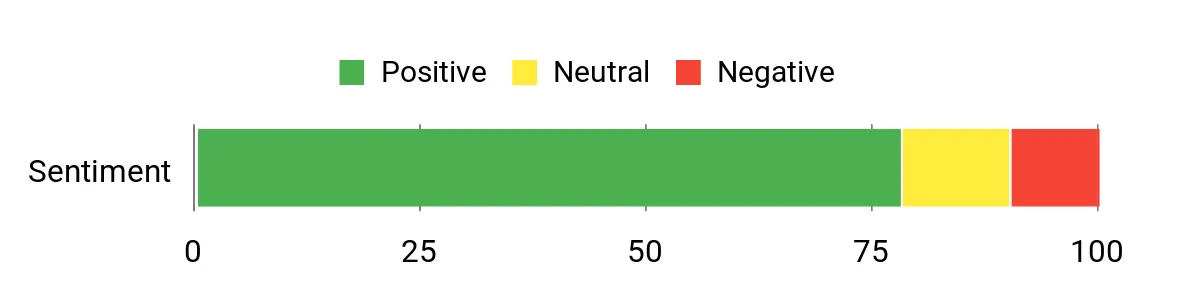
The original roundup summarized positive comments about setup speed, interior space and the skylight. It also noted the packed bulk and the importance of checking seams and valves. The chart below is retained as a historical snapshot and should not be read as a current Amazon rating.
Safety and Setup Notes
- Inflate the air beams to the pressure listed in the product instructions.
- Inspect the stove jack, valves, seams and zippers before leaving home.
- Use only a compatible stove and chimney system approved for tent use.
- Maintain all required clearances between the stove, pipe and tent fabric.
- Keep ventilation openings clear and use an appropriate carbon-monoxide alarm.
- Never operate a fuel-burning heater or stove while sleeping.
- Clear accumulating snow and leave the site if conditions exceed the tent’s published limits.
Before You Buy a Winter House Tent
Use This Checklist
- Choose the right category: Decide whether you need a sleeping tent or a recreational patio enclosure.
- Measure the footprint: Include space for guylines, doors and safe stove clearances.
- Check packed dimensions: Inflatable house tents can require substantial vehicle space.
- Confirm the floor: Some patio pods may require a separate tarp, deck or outdoor rug.
- Plan for condensation: Keep vents open enough to release moisture from breathing and heating.
- Review wind limits: Use every anchor and take the shelter down before severe weather.
- Review snow limits: Do not assume a house-style tent can carry snow accumulation.
- Test before traveling: Inflate or unfold the shelter at home and inspect every seam, valve and zipper.
Quick Comparison
| Product Name | Image | Best Use | Advertised Capacity | Structure | Winter Consideration | Amazon |
|---|---|---|---|---|---|---|
| Alvantor® Pop Up Bubble Tent® |
 |
Patio, deck or hot-tub enclosure | Up to 10 people for seating | PVC panels with pop-up frame | Blocks drafts but is not a sleeping or heavy-snow tent | Check Price |
| Inflatable Camping Tent by DanCoom |
 |
Quick-setup overnight camping | Four to six people | Inflatable air beams and Oxford fabric | No verified stove jack on this exact model | Check Price |
| Inflatable Tent with Skylight by WildFinder |
 |
Cold-weather glamping and hot-tent setups | Four to six people | TPU air beams and Oxford fabric | Stove use requires compatible equipment and strict safety practices | Check Price |
FAQ
What Is the Difference Between a Winter Patio Pod and a Camping Tent?
A patio pod creates a temporary enclosed area for sitting, dining or covering a compatible hot tub. It may not include a sleeping floor, camping-focused ventilation or the anchoring needed for an exposed campsite.
A camping tent is designed around sleeping space, a ground-level enclosure and transport between campsites. Check the manufacturer’s intended use instead of relying only on words such as “bubble,” “house” or “four season.”
Will One of These Tents Keep You Warm Without a Heater?
An enclosed shelter can reduce wind exposure and retain some body heat, but it does not create warmth on its own. Your sleeping bag, insulated pad, clothing and ground protection remain the main parts of a winter sleep system.
Transparent patio pods may warm in direct sunlight and cool quickly after sunset. Inflatable camping tents can block drafts, but they should not be described as insulated unless the manufacturer provides a tested insulation system.
Can You Use an Electric Heater Inside?
Only use an electric heater when both the heater and shelter manufacturers allow it. Keep the heater upright, maintain clearance from fabric and sleeping gear, and connect it to a dry, properly rated electrical supply.
Do not run extension-cord connections through standing water, cover cords with rugs or leave a portable heater operating unattended.
Can You Use a Propane Heater Inside a Tent?
Fuel-burning heaters can produce carbon monoxide. Do not use one unless it is specifically approved for enclosed tent use and you can follow all ventilation, clearance and operating instructions.
Never use a fuel-burning camping heater while sleeping. A carbon-monoxide alarm adds protection but does not replace ventilation or correct appliance use.
Does a Stove Jack Make a Tent Safe for a Wood Stove?
No. A stove jack only provides a heat-resistant route for a compatible stovepipe. Safe use also depends on the stove, pipe diameter, spark arrestor, floor protection, chimney height, clearances and ventilation.
Follow the instructions for the exact tent and stove combination. Do not improvise a stove installation or cut a new opening into tent fabric.
Can These Shelters Handle Snow?
Do not assume they can carry a snow load. House-style walls and large roofs can collect snow, which may bend frames, stress seams or collapse air beams.
Clear light accumulation promptly when it is safe to do so. Take the shelter down or leave the site when forecasts exceed the manufacturer’s published weather limits.
How Do You Reduce Condensation in an Inflatable Tent?
Keep designated vents partially open, avoid pressing bedding against exterior walls and store wet clothing away from sleeping areas. A ground barrier can also reduce moisture rising from the soil.
Ventilation remains important in cold weather. Completely sealing the tent may trap more moisture and leave the walls, bedding and gear damp.
Final Recommendation
For a winter patio or hot-tub retreat: The Alvantor Bubble gives you a large transparent enclosure that blocks direct drafts without requiring a permanent structure.
For fast inflatable camping setup: The DanCoom provides enclosed overnight space and removes the work of assembling rigid poles.
For feature-rich cold-weather glamping: The WildFinder offers the strongest overall combination of standing room, a skylight and a stove jack. Choose it only when you can transport its bulk and follow strict hot-tent safety practices.
Match the shelter to your actual activity before ordering. A patio pod, an inflatable camping tent and a hot-tent shelter solve different problems even when all three have a house-like shape. Confirm the current Amazon listing, included accessories and manufacturer instructions for the exact size and variant you select.

