
If you ski or snowboard in a helmet, your jacket hood needs to fit over it without pulling at your neck, restricting head movement, or crowding your goggles. This guide compares seven ski and alpine jackets with helmet-compatible hoods, from insulated resort coats to technical 3-layer shells, so you can choose the right balance of warmth, weather protection, ventilation, and layering space.
Expect clear guidance on waterproofing, breathability, insulation, hood fit, powder protection, ventilation, and who each jacket suits best.
Quick Verdict
Choose the The North Face Clement Triclimate for the most flexible 3-in-1 setup, the Helly Hansen Odin 9 Worlds 3.0 for a premium technical shell, the The North Face Freedom Insulated for warm resort-focused use, and the Helly Hansen Imperial Puffy 2.0 if you want a women’s insulated ski jacket with resort-to-city appeal.
Affiliate disclosure:. As an Amazon Associate I earn from qualifying purchases. This roundup is reader-supported. We may earn a commission from qualifying purchases made through Amazon links, at no extra cost to you.
Helmet fit note: A helmet-compatible hood is a weather-protection feature, not protective equipment. Make sure the hood does not interfere with helmet fit, peripheral vision, hearing, or head movement.
Top Picks
|
Category |
Product |
Best For |
|---|---|---|
|
🏆 Feature-Rich Women’s Pick |
Insulated resort use |
|
|
🚀 Best 3-in-1 |
Changing weather and flexible layering |
|
|
⭐ Best Lightweight Ski Shell |
High-output skiing and layering |
|
|
🔰 Best GORE-TEX Alpine Shell |
Storm protection and alpine use |
|
|
🎨 Best Women’s Insulated |
Warm resort days and city wear |
|
|
🎯 Best Premium Technical Shell |
Backcountry, hiking, and mountaineering |
|
|
💼 Best Insulated All-Rounder |
Cold resort skiing and snowboarding |
How We Chose These Jackets
We compared published product specifications and current listing details for the features that matter most with a ski or snowboard helmet: hood compatibility and adjustment, waterproof construction, breathability or venting, insulation, powder protection, pocket layout, and room for layering.
We also separated shells from insulated jackets so the recommendations match different use cases. Technical shells make more sense for active users who manage warmth with layers, while insulated options are easier for cold resort days. Because marketplace availability, colors, and seller details can change, confirm the current Amazon listing before ordering.
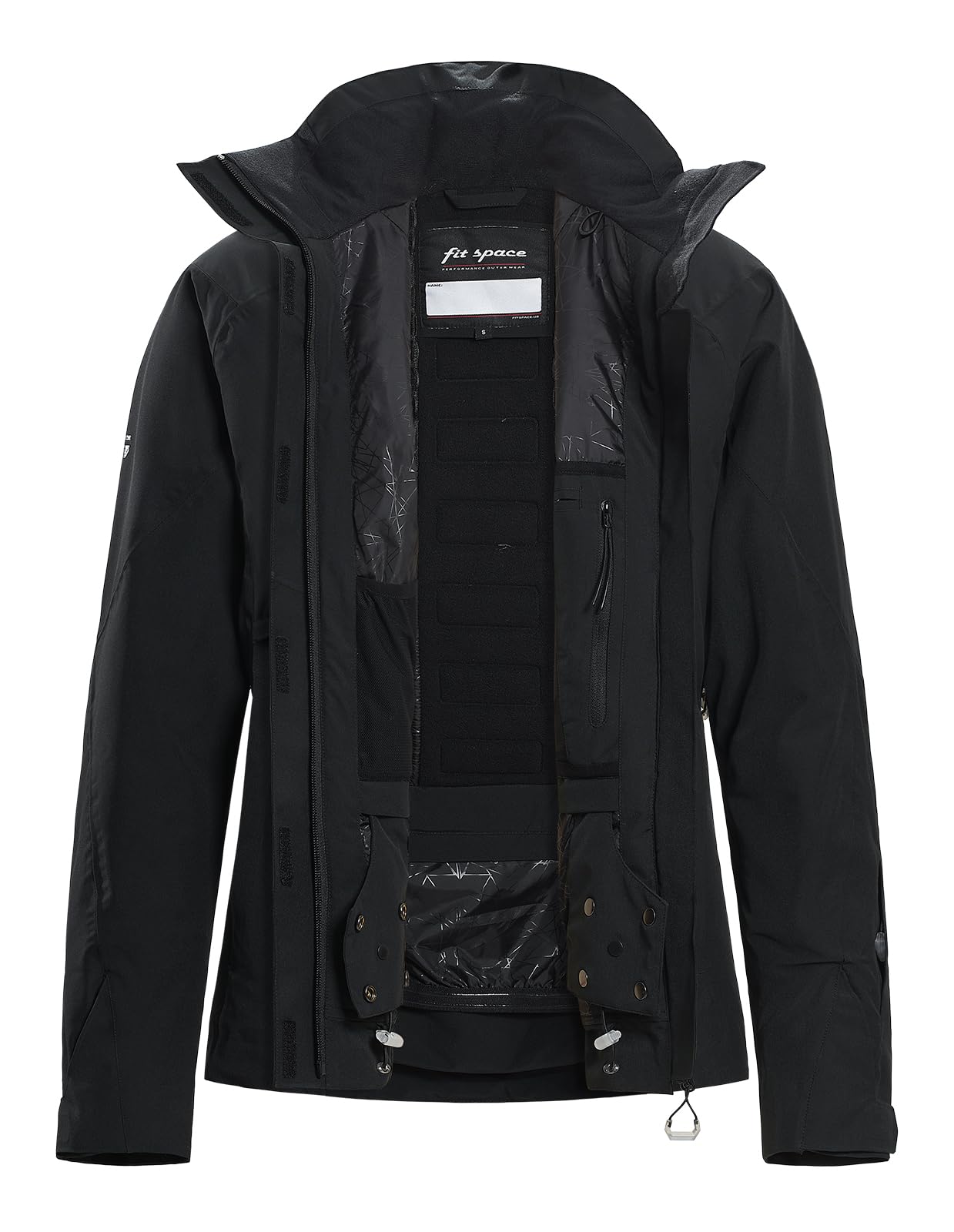
This jacket is aimed at riders who want an insulated, ski-specific women’s coat rather than a minimalist shell. The seller listing describes waterproof fabric, sealed seams, a helmet-compatible hood, powder skirt, underarm ventilation, thumbhole cuffs, and multiple ski-focused pockets. Those features can simplify cold resort days because you do not need to build as much of your warmth from separate midlayers.
The main limitation is verification: the exact waterproof/breathability figures and protective-padding claims are seller-listing details rather than specifications we could independently confirm from a major manufacturer page. Check the current Amazon listing for the exact variant before buying.
Buyer Notes
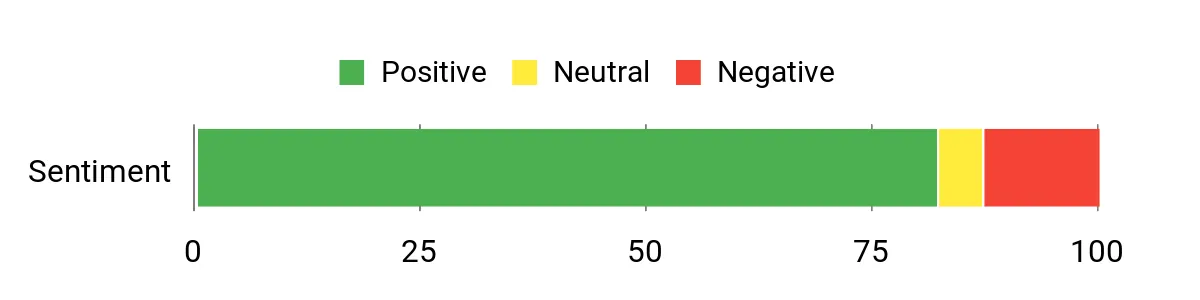
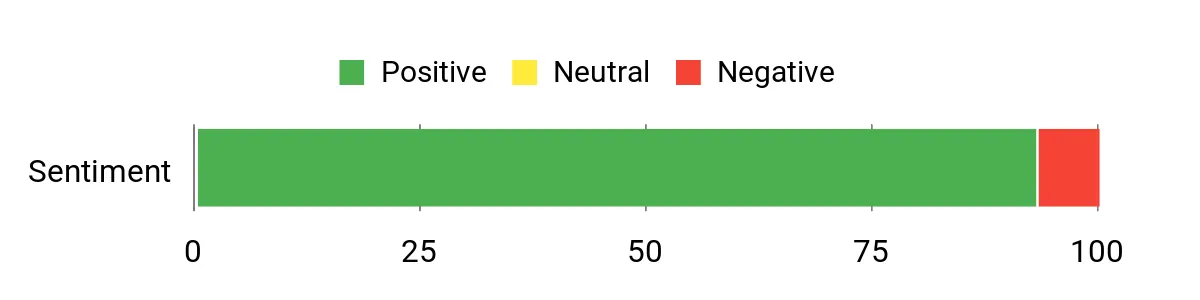
The source review data is broadly positive about warmth, mobility, and ski-specific features such as the hood, vents, and pocket layout.
Because review counts and listing details change, treat the sentiment chart below as a snapshot rather than current marketplace data. Check recent verified-purchase reviews for sizing, odor, zipper quality, and long-term waterproofing.
Source Snapshot Sentiment: Positive

Seasonal Benefits
Best suited to cold resort days and everyday winter use. Underarm ventilation can help when temperatures rise, but an insulated jacket will generally run warmer than a dedicated shell during sustained uphill activity.
Situational Benefits
|
Situation |
How It Helps |
|---|---|
|
On the mountain |
Keeps you dry in heavy snow, the helmet-compatible hood fits over your helmet and the powder skirt stops snow from creeping up during falls. |
|
High-intensity climbs or hikes |
Zippered underarm vents let you dump heat fast so you don’t overheat while skinning or hiking up to a ridge. |
|
Everyday winter wear |
The tailored look, phone/goggle pockets and ski-pass slot make it useful for commuting, running errands or après-ski without feeling too technical. |
|
Long resort days |
Ski-focused storage, a powder skirt, and ventilation help reduce the need to stop and adjust gear as often. |
Key Benefits
- Seller-listed waterproof construction with sealed seams; verify the current rating on Amazon
- Warm insulation that doesn’t add bulk
- Helmet-compatible hood and ski-specific coverage features
- Underarm vents and thumbhole cuffs for temperature control
- Dedicated goggle garage, media pocket and ski-pass pocket
Check Current Amazon Availability

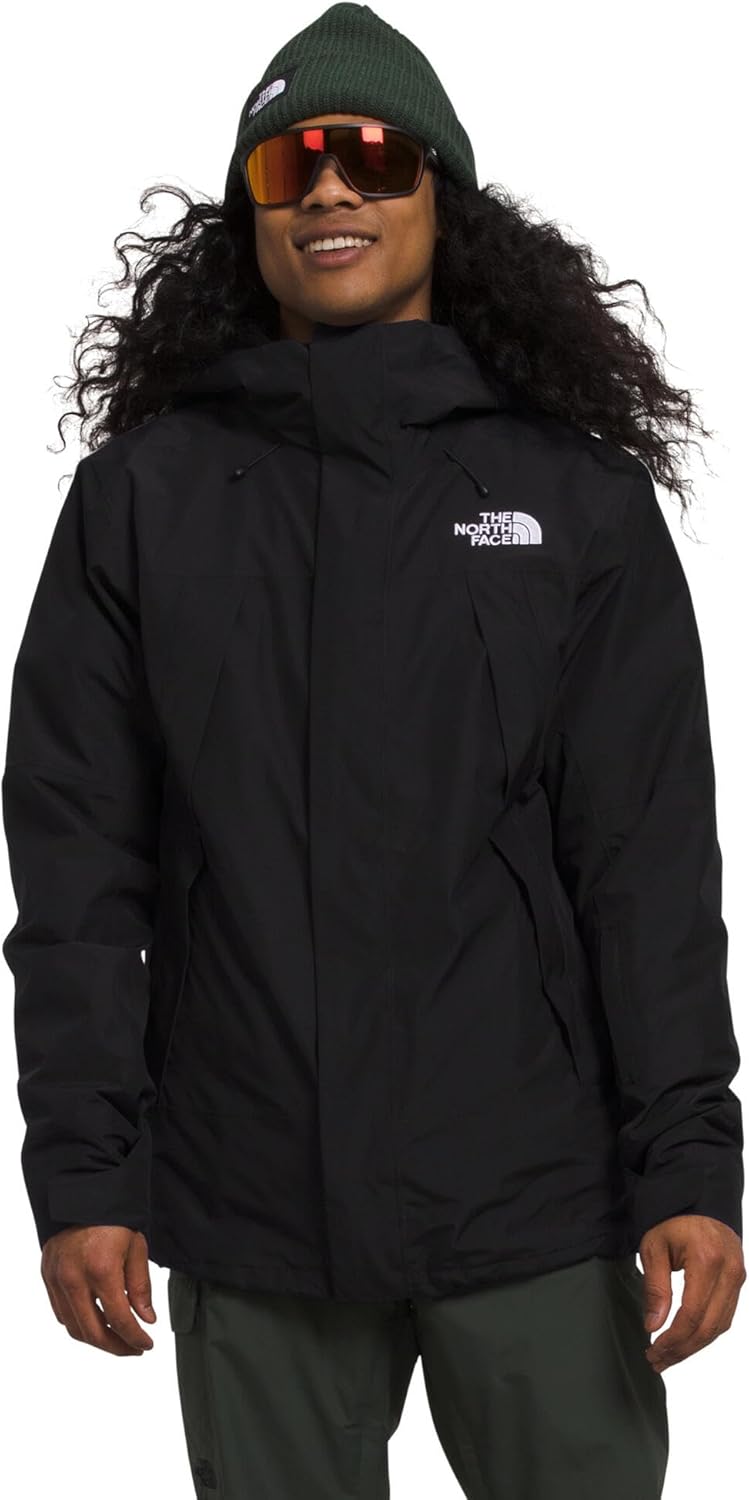
You get a true all-rounder with this 3-in-1 system: a DryVent waterproof shell that sheds wind and wet snow, plus a zip-in Heatseeker liner for dependable warmth that still breathes. The helmet-compatible hood, powder skirt and underarm vents mean you can tune it for hard mountain days or mellow resort laps, while roomy pockets and a goggle wipe keep gear handy. The materials lean heavily on recycled fabrics, so it feels like a thoughtful pick if you care about sustainability. If you want one jacket that behaves like several — from everyday cold commutes to full ski days — this is an easy one to reach for.
Buyer Notes
The Clement’s main buyer appeal is its 3-in-1 design: the DryVent shell and Heatseeker Eco liner can be worn together or separately, giving you more flexibility across temperatures.
Fit and inventory can vary by size and color, so check the current size chart and Amazon seller details before ordering.
Source Snapshot Sentiment: Positive
Seasonal Benefits
Built for cold winter conditions on the mountain, but the removable liner and pit zips make it useful on milder winter or early spring days when you want to vent.
Situational Benefits
|
Situation |
How It Helps |
|---|---|
|
On the mountain |
Keeps you dry with the waterproof shell, the helmet-compatible hood fits over head protection and the powder skirt blocks snow during falls. |
|
Wet, sloppy days |
The DWR shell repels moisture while the Heatseeker insulation still retains warmth even if damp, so you stay comfortable longer. |
|
Travel and commuting |
The practical pockets, clean silhouette and packable liner let you move through travel days or commutes without carrying extra layers. |
|
Variable weather |
Zip the liner in for cold, take it out for lighter protection, and use underarm vents to dump heat during aerobic bursts. |
Key Benefits
- 3-in-1 DryVent shell plus zip-in Heatseeker insulated liner
- Helmet-compatible hood and integrated powder skirt
- Underarm vents and adjustable cuffs for temperature control
- Multiple secure pockets, goggle wipe and ticket loop
- Made with a high percentage of recycled materials and non-PFC DWR
Check Current Amazon Availability
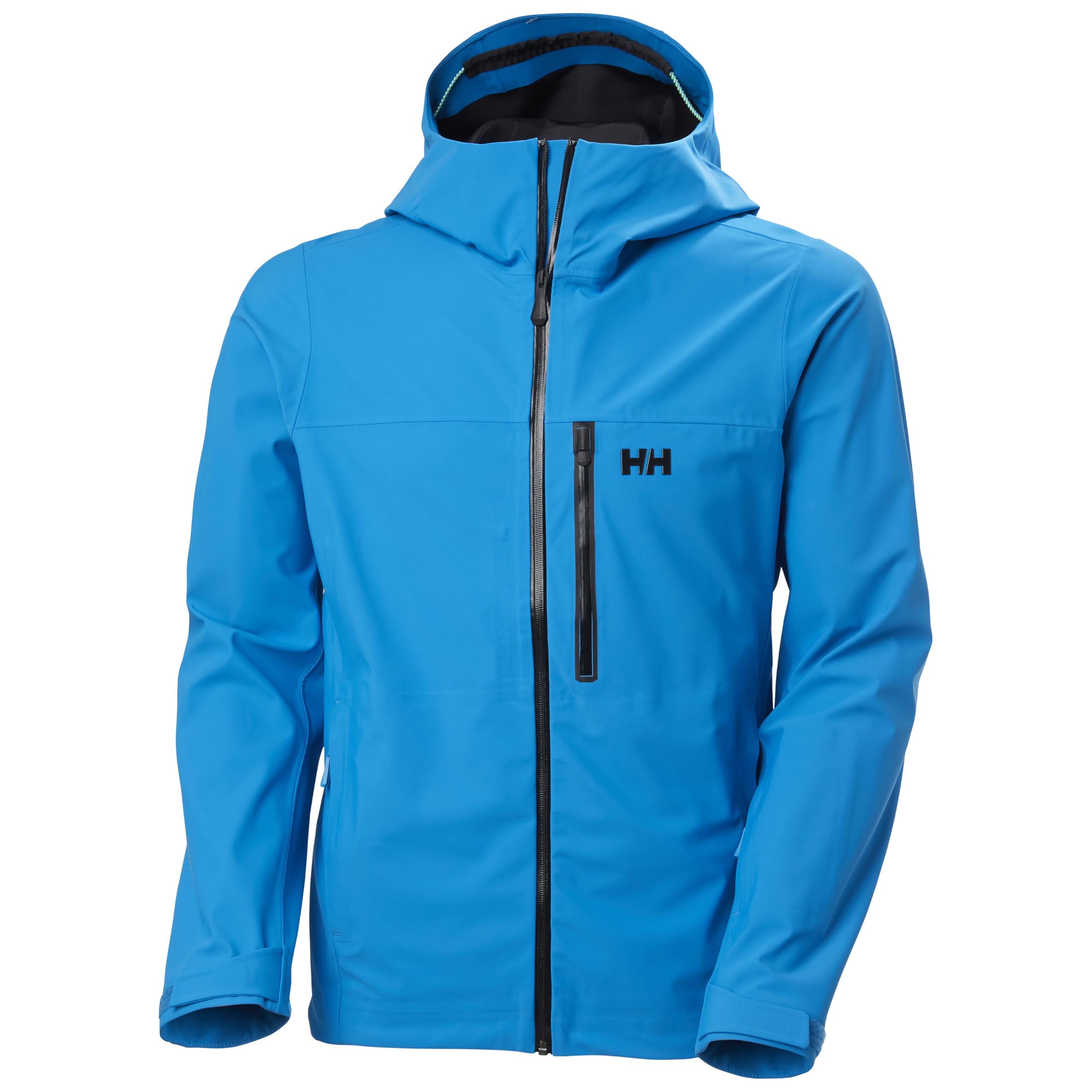
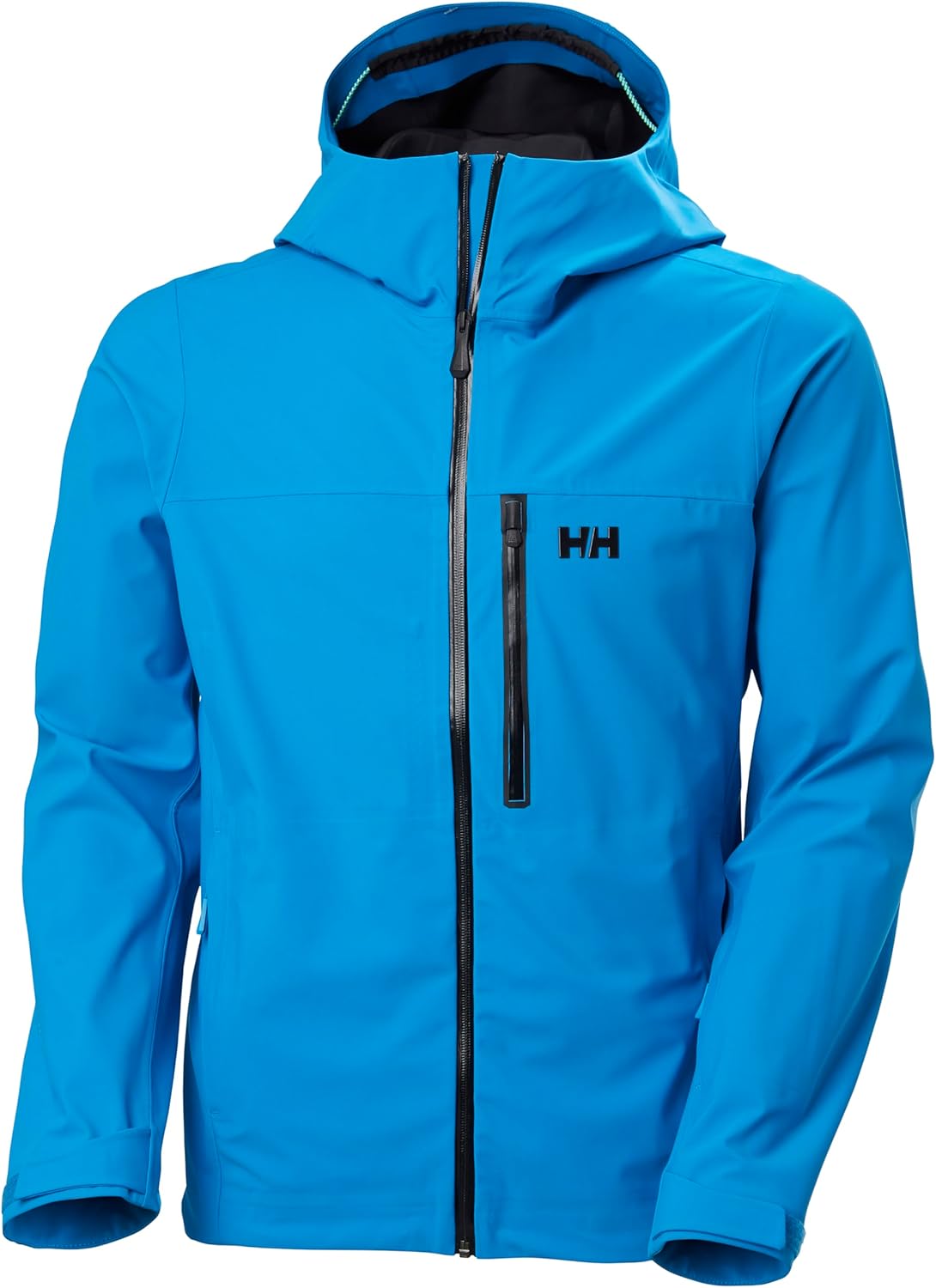
You’re looking at a lightweight, mountain-ready shell that’s built to be your go-to outer layer on wet, windy days. The 3-layer construction sheds moisture and wind while the helmet-compatible hood and articulated sleeves keep movement and protection balanced when you’re on steep terrain. Ventilation openings help you dump heat during aerobic laps, and small touches like the chest pocket with a goggle wipe and an inside stash pocket make life easier on the hill.
It’s not an insulated jacket — you’ll want base and mid layers for really cold days — but that thin profile makes it easy to pack for travel, use for daily wet commutes, or layer up for a full day of skiing. If you want a durable, simple shell that plays well with layering and keeps gear handy, this is a practical pick.
Buyer Notes
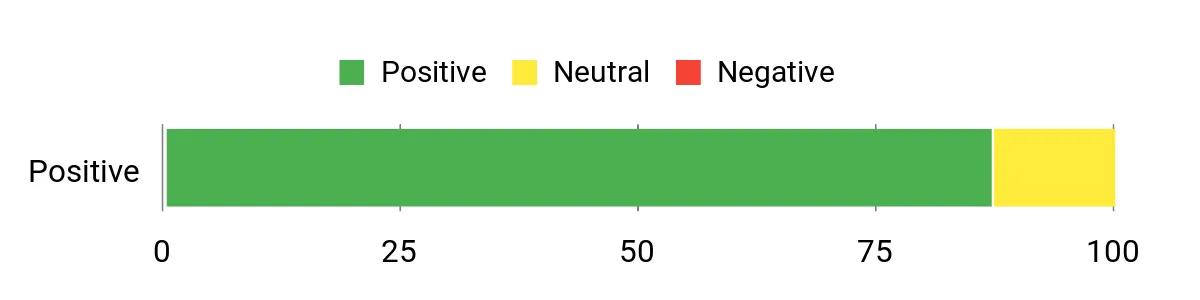
The Swift 3L stands out for its HELLY TECH Professional shell, helmet-compatible hood, RECCO reflector, ski-pass pocket, detachable powder skirt, ventilation openings, and articulated sleeves.
It is a shell with minimal insulation, so cold-weather comfort depends on your base and midlayers. Availability can also vary by market and size; use the Amazon link to confirm current stock.
Source Snapshot Sentiment: Positive
Seasonal Benefits
Best used as an outer shell in winter and shoulder seasons: layer a warm midlayer for cold days, use ventilation on milder spring days, and rely on the waterproof shell for rainy commutes or stormy mountain weather.
Situational Benefits
|
Situation |
How It Helps |
|---|---|
|
On the mountain |
The waterproof 3-layer fabric and helmet-compatible hood keep you protected from snow and wind while vents let you cool down during hard runs. |
|
Active ski days |
Articulated sleeves and a slim, low-bulk cut let you move freely, and pockets like the chest goggle wipe keep essentials within reach. |
|
Wet commutes or travel |
It packs small, blocks rain and wind, and has a clean look that works off the mountain for everyday use. |
|
Layering for cold |
Since it’s a shell with little insulation, you can add or remove midlayers to adapt to temperatures without swapping jackets. |
Key Benefits
- Helmet-compatible hood designed to fit with head protection
- 3-layer HELLY TECH Professional waterproof/breathable shell
- Ventilation openings for breathability during active use
- Articulated sleeves for freer movement while skiing
- RECCO reflector, ski-pass pocket, goggle wipe, and inside stash pocket
- Lightweight, packable design that’s easy to layer
Check Current Amazon Availability
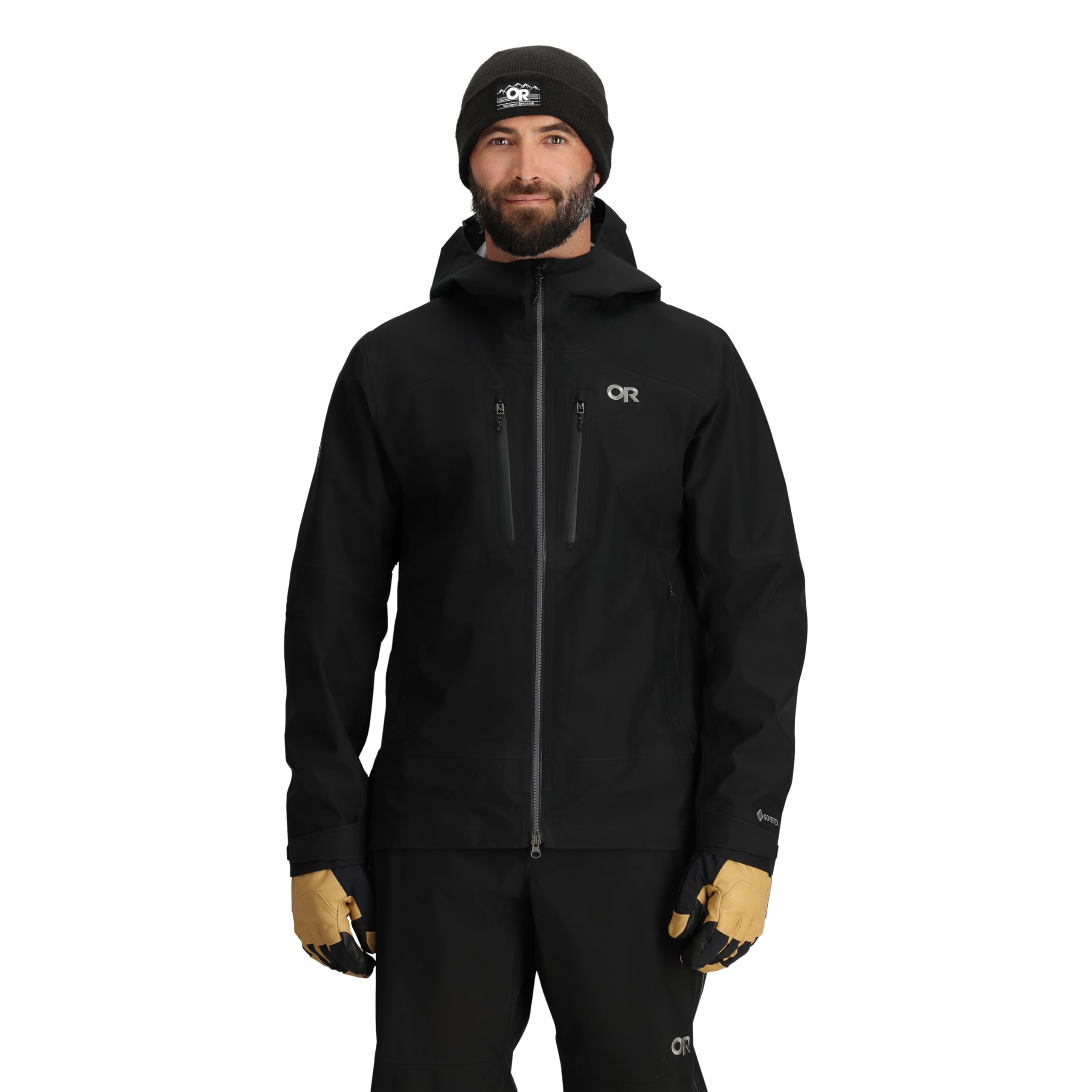
If you want a tough, no-nonsense shell that you can trust on stormy mountain days, this is worth a look. The GORE-TEX 3L construction keeps water and wind out while still letting moisture escape, and the helmet-compatible hood has a wire brim, hood lock and chin guard so you can dial the fit while wearing a helmet. Hem-to-bicep TorsoFlo vents are great when you’re working hard and need to dump heat, and those high hand pockets play nicely with a harness.
It’s a standard-fit shell rather than an insulated parka, so plan to layer for really cold days — that low profile makes it easy to pack for travel, use on wet commutes, or depend on for a full day of skiing or alpine objectives. If you want a durable, breathable shell built for serious mountain use, this one’s a practical pick you’ll reach for when conditions get rough.
Buyer Notes
The Headwall is built around a GORE-TEX 3-layer shell, a fully adjustable helmet-compatible hood, high hand pockets, and TorsoFlo hem-to-bicep venting. That combination suits alpine users who prioritize storm protection and fast heat release.
The manufacturer page currently shows the jacket as out of stock in some U.S. configurations, so confirm Amazon availability before relying on this pick.
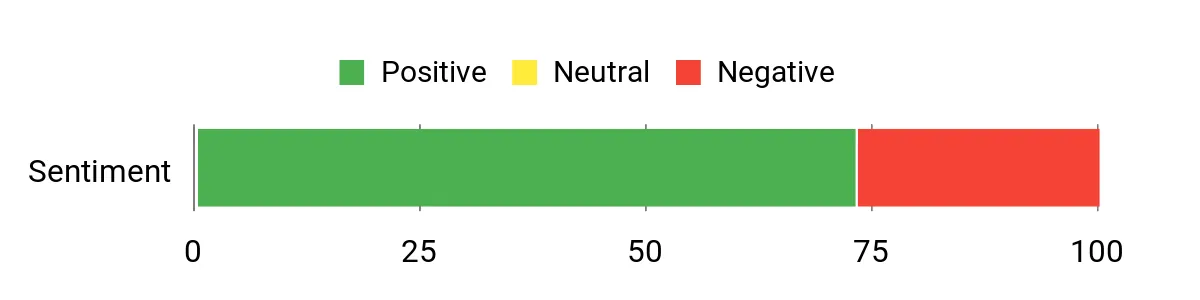
Source Snapshot Sentiment: Mixed
Seasonal Benefits
Use this as your outer shell in winter and shoulder seasons: layer an insulating midlayer for cold days, open the vents on aerobic spring days, and rely on the waterproof shell for stormy mountain weather or rainy commutes.
Situational Benefits
|
Situation |
How It Helps |
|---|---|
|
On the mountain |
3-layer GORE-TEX and the helmet-compatible hood keep you protected from snow and wind while vents let you cool down after big efforts. |
|
Backcountry touring |
Low bulk and hem-to-bicep vents help you manage temperature on climbs, and durable construction stands up to rugged use. |
|
Resort or rope-up days |
High hand pockets that clear a harness and a stable hood make transitions and belays more comfortable and functional. |
|
Wet commutes and travel |
Waterproof, windproof protection and a packable profile keep you dry and easy to stow between destinations. |
Key Benefits
- GORE-TEX 3-layer shell for reliable waterproofing and windproofing
- Helmet-compatible hood with wire brim, hood lock and chin guard
- Hem-to-bicep TorsoFlo venting for active breathability
- High hand pockets positioned to work with a harness
- 100% recycled polyester GORE-TEX 3L shell with fully taped seams
- Standard fit that layers easily under or over midlayers
Check Current Amazon Availability
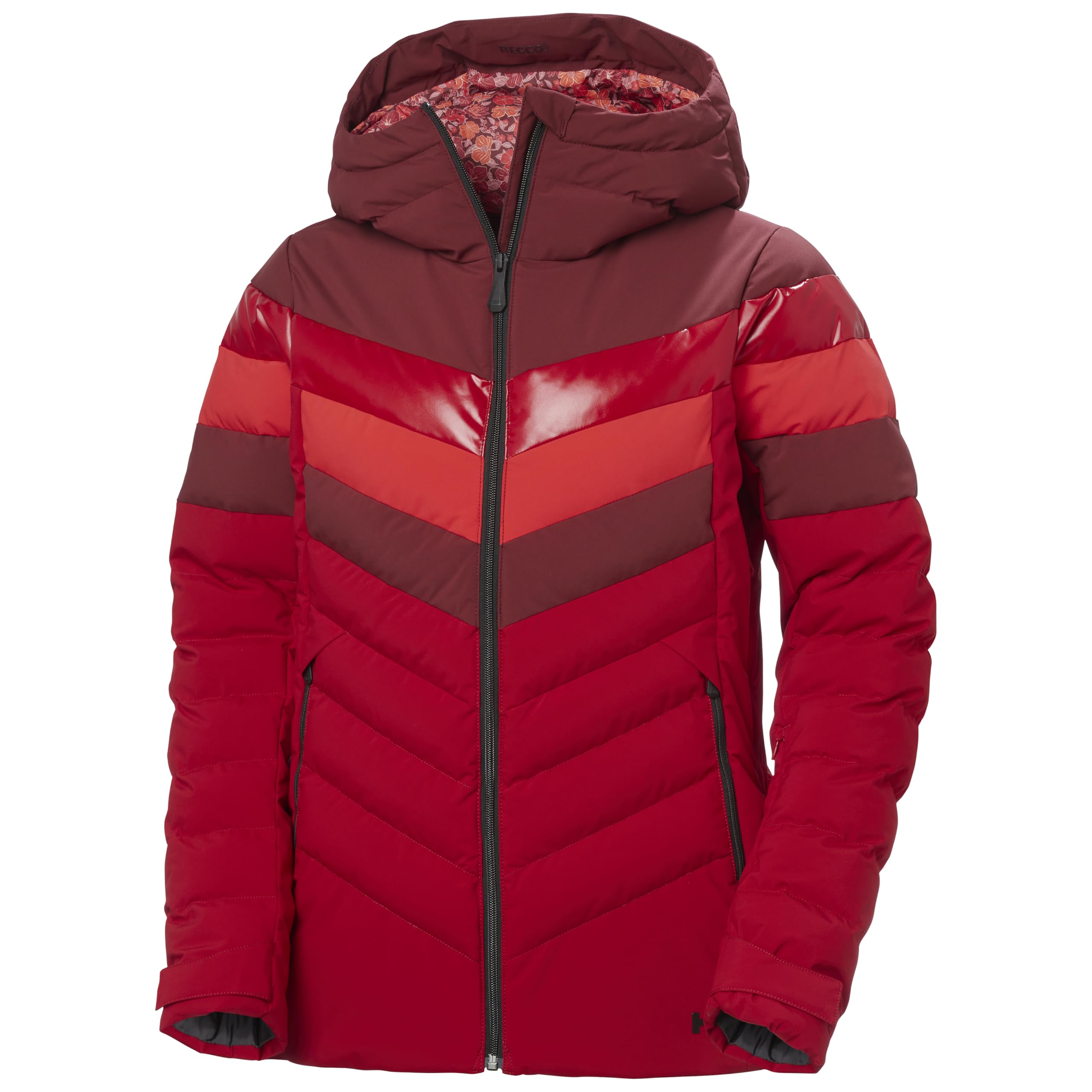
This jacket is a great pick if you want something warm and easy to move in on the slopes. The synthetic blowable insulation gives you real warmth without feeling bulky, and the adjustable helmet-compatible hood means you can wear a helmet and still get a snug fit.
You get practical touches like a zippered inner chest pocket for valuables and hand pockets with a brushed lining to keep fingers cozy. The DWR finish sheds light snow and slush, and the lightweight construction makes it useful for long days skiing, cold-weather travel, or just daily winter errands. If you want a versatile, ski-ready puffy that won’t slow you down, this one’s worth trying on — plan to layer underneath for the coldest days.
Buyer Notes
The Imperial Puffy 2.0 is best understood as a warm resort ski jacket with a more polished off-mountain look. Its feature set includes a helmet-compatible hood, underarm vents, powder skirt, wrist gaiters, and ski-pass storage.
Because insulated ski jackets can feel snug once you add layers, use the current size chart and consider the midlayer thickness you normally wear.
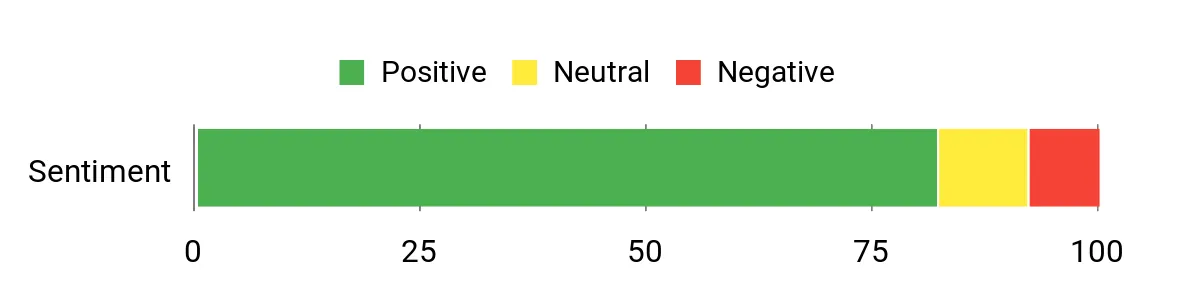
Source Snapshot Sentiment: Positive
Seasonal Benefits
This is primarily a winter piece — great for ski days, cold commutes, and snowy errands. Because it’s not overly bulky, you can also use it in the shoulder seasons with a light midlayer for chillier spring or fall days.
Situational Benefits
|
Situation |
How It Helps |
|---|---|
|
On the slopes |
Insulation and a helmet-compatible hood keep you warm and protected while letting you wear a helmet comfortably. |
|
Cold commutes |
Lightweight warmth and a water-repellent finish fend off slush and light snow without feeling cumbersome on the walk to work. |
|
Travel and packing |
Low bulk and a compressible fill make it easy to pack in a suitcase or carry-on for winter trips. |
|
Everyday winter wear |
Soft hand pockets and a tailored women’s fit make it comfortable for errands, dog walks, or casual outings in cold weather. |
Key Benefits
- Synthetic blowable insulation for warmth without bulk
- Adjustable, helmet-compatible hood with drawcord for a secure fit
- Zippered inner chest pocket keeps essentials safe
- Brushed lining in hand pockets for added comfort
- 2-layer ski-jacket construction with weather-resistant outer treatment
- Lightweight design that allows full range of motion
- Machine washable 100% polyester shell for easy care
Check Current Amazon Availability
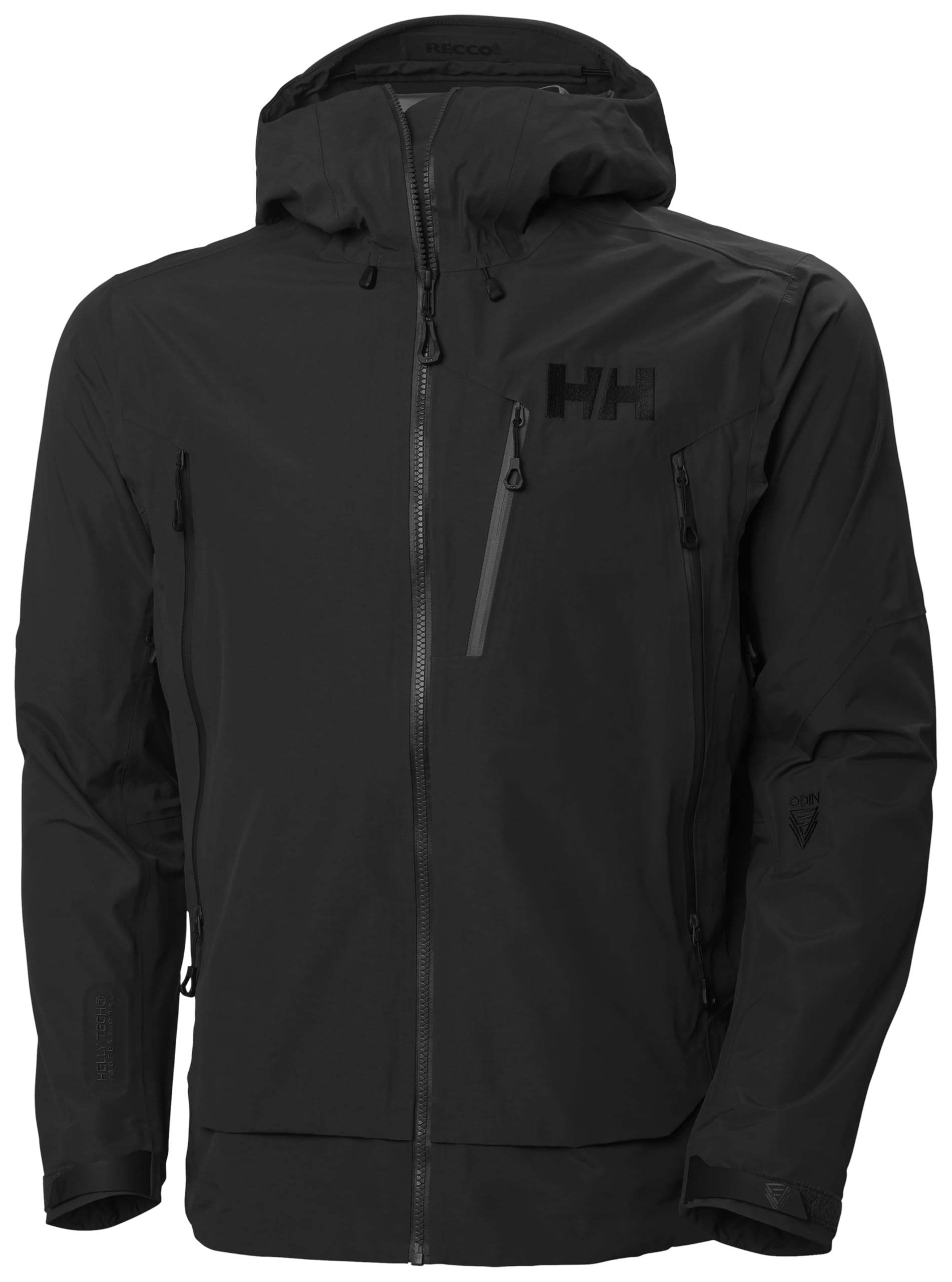
If you want a serious, no-nonsense shell for stormy mountain days, this is built for that. You get Helly Hansen’s HELLY TECH Professional 3-layer construction so rain and wind stay out while moisture can escape when you’re working hard.
The helmet-compatible hood and backpack-friendly cut mean you can wear full kit without the hood fighting your pack or helmet, and small touches like articulated sleeves, an adjustable hem with taildrop, and ventilation zips make it comfortable for long outings. It’s also made from recycled polyamide and is bluesign certified, so if sustainability matters to you, that’s a nice bonus.
For daily wet commutes, alpine days, or long hikes where weather can turn fast, this jacket is a dependable shell worth trying on and sizing to your layering system.
Buyer Notes
The Odin 9 Worlds 3.0 is a high-end technical shell for users who want HELLY TECH Professional 3-layer protection, a helmet-compatible hood, backpack/harness compatibility, mechanical ventilation, and a RECCO reflector.
It has little insulation on its own, so size it around your layering system. The RECCO reflector is a searchability aid for trained rescuers; it is not an avalanche beacon and does not replace avalanche training or rescue equipment.
Source Snapshot Sentiment: Positive

Seasonal Benefits
This is at its best in winter and early spring when storms, wind and wet snow are common, but you can also use it in shoulder seasons with a light midlayer. It’s ideal for days when you need a reliable shell rather than heavy insulation.
Situational Benefits
|
Situation |
How It Helps |
|---|---|
|
On the mountain |
Waterproof, windproof shell and helmet-compatible hood keep you protected during storms while allowing helmet use and goggles. |
|
Backcountry & avalanche terrain |
The RECCO reflector may help equipped rescue teams locate a person in some search scenarios, while the durable shell supports rugged use. It does not replace an avalanche transceiver, probe, shovel, training, or conservative terrain decisions. |
|
Wet, active hikes |
Breathable 3-layer fabric plus ventilation zips stop you from overheating while keeping rain out during sustained effort. |
|
Daily wet commute |
Low-bulk shell and adjustable hem shed rain and wind without feeling bulky on the walk to work or while carrying a pack. |
Key Benefits
- HELLY TECH Professional 3-layer system for waterproof, windproof, breathable protection
- Helmet-compatible hood that fits with helmets and under pack straps
- RECCO reflector for searchability support; not a substitute for avalanche rescue gear
- Backpack-compatible design and articulated sleeves for unrestricted movement
- Adjustable hem with taildrop and mechanical ventilation zippers for on-the-move comfort
- 100% polyamide shell with recycled-content materials and bluesign-certified construction
- Fully seam-sealed construction and YKK zippers for durable weather protection
Check Current Amazon Availability
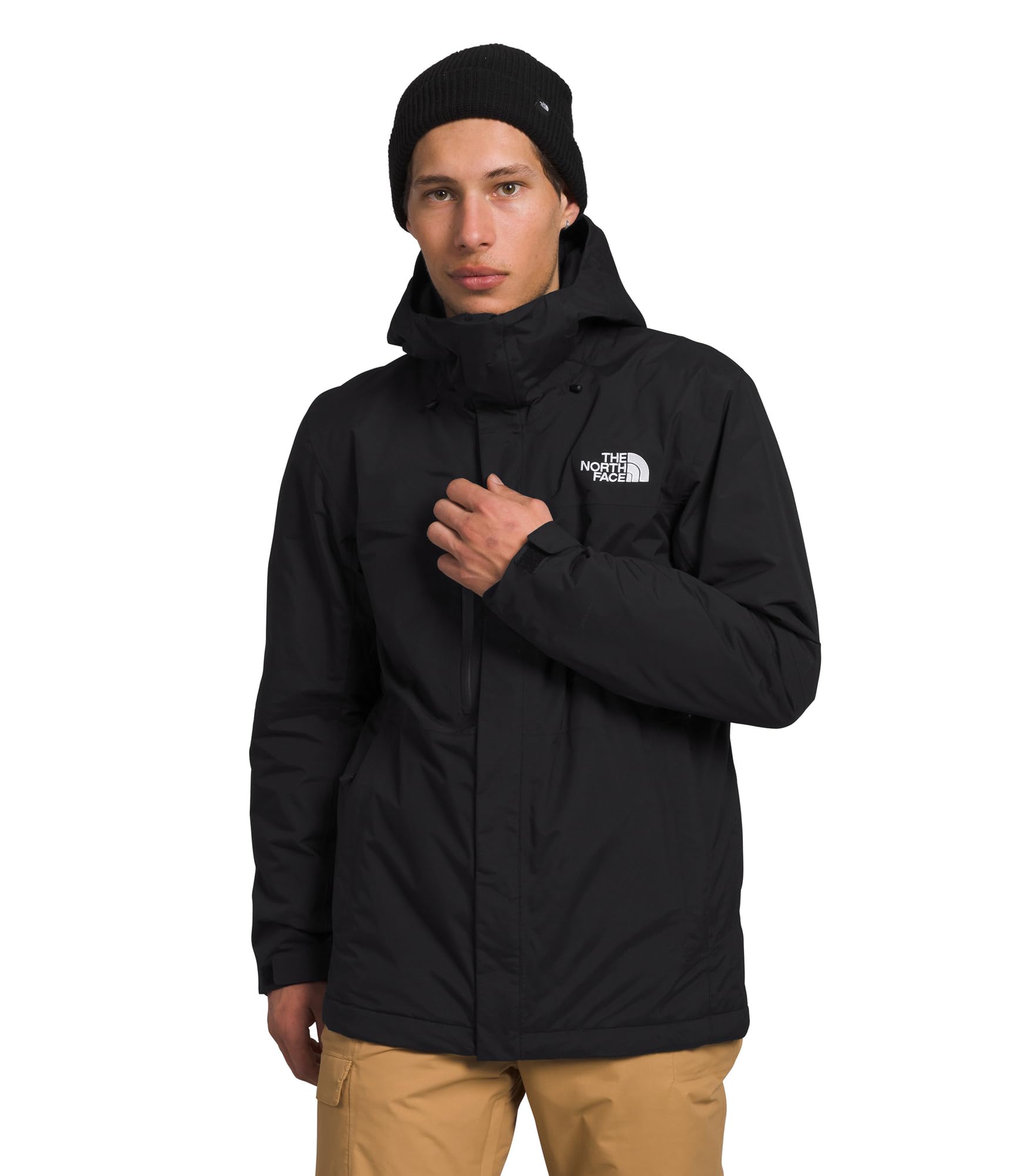
This is a mountain-ready insulated jacket that balances weather protection with a clean, wearable look so you can use it on slopes and around town. The seam-sealed DryVent 2L shell sheds wind and wet snow while the Heatseeker insulation (heavier in the body, lighter in the sleeves and hood) keeps warmth even if things get damp.
You get a helmet-compatible hood designed to fit over a ski or snowboard helmet, plenty of zip pockets for stashing your phone and lift pass, and practical extras like a powder skirt and underarm vents for long days of movement. For daily cold-weather commutes it’s warm without feeling bulky, and for ski days or winter camping it has the features that matter when conditions turn. If you want a dependable, versatile winter coat that wears well off the mountain too, this is a solid pick to try on and size for your usual layering.
Buyer Notes
The Freedom is a strong fit for resort skiers and snowboarders who want insulation and weather protection in one jacket. Its published feature set includes a helmet-compatible hood, powder skirt, goggle-wipe wrist pocket, and mesh-lined underarm vents.
It is warmer and less modular than a pure shell, so active users who run hot may prefer a shell-plus-midlayer system. Check the current size chart if you plan to wear a thick midlayer underneath.
Source Snapshot Sentiment: Positive
Seasonal Benefits
Best for cold, snowy months—this jacket excels in winter and on early-spring ski days when you need both warmth and weather protection. In milder shoulder seasons you can use it with lighter layers for damp, windy commutes or wet hikes.
Situational Benefits
|
Situation |
How It Helps |
|---|---|
|
Skiing and snowboarding |
Helmet-compatible hood, powder skirt, and seam-sealed DryVent fabric keep you protected from snow and wind while allowing helmet use and goggle access. |
|
Cold commutes |
Insulation that traps warmth without excessive bulk plus secure zip pockets and a weather-shedding shell keep you comfortable on the walk to work. |
|
Winter camping |
Reliable insulation and water-resistant finish help retain heat in damp conditions, while adjustable cuffs and hem seal out drafts. |
|
Active winter hikes |
Mesh-lined underarm vents and a lighter sleeve/hood insulation ratio prevent overheating during sustained effort while still protecting from wind and light snow. |
Key Benefits
- Seam-sealed DryVent 2L shell blocks wind and wet snow
- Heatseeker insulation—80 g in the body, 60 g in sleeves and hood—for lightweight warmth even when damp
- Adjustable helmet-compatible hood that fits over helmets
- Secure zip chest, hand, and wrist pockets plus internal drop-in pocket
- Powder skirt, adjustable cuffs and cinch hem for on-snow protection
- Mesh-lined underarm vents to dump heat during activity
- Made with a high percentage of recycled materials and non-PFC DWR finish
Check Current Amazon Availability
FAQ
How Do I Choose The Right Jacket With A Helmet Hood For My Activity?
Match the jacket to how you move and where you ski. Waterproof ratings can help compare fabrics when manufacturers publish them, but construction details such as seam sealing, hood coverage, zipper design, and ventilation matter too. For high-output skiing or touring, breathability and venting can be as important as insulation.
Decide if you need an insulated jacket for cold, lower-exertion days or a shell so you can control warmth with layers; shells give you the most versatility for backcountry or varying conditions. Check for a properly designed helmet-compatible hood that fits over your helmet without blocking peripheral vision, a powder skirt to keep snow out during falls, pit zips or ventilation for temperature control, and taped seams or water-resistant zippers for real protection.
Finally, think about fit and mobility: articulated sleeves, a slightly athletic cut, and adjustable cuffs and hem will keep you comfortable whether you’re carving, hiking, or loading a lift.
How Should I Size And Layer Under A Helmet-Compatible Ski Jacket?
You should size the jacket to accommodate the base and mid layers you typically wear while keeping movement free; try the jacket on with the same weight of layers you’ll use on the mountain. Aim for enough room to add a midlayer without feeling bulky, but not so much that cold air circulates. Test sleeve length and hood clearance by putting on your helmet and making the head and neck movements you do when riding — the hood should fit over the helmet or be adjustable/removable so it doesn’t flap and block vision. Use thumb cuffs, adjustable hems, and a powder skirt to seal out drafts, and rely on pit zips to dump heat quickly instead of removing core layers.
How Do I Care For And Maintain A Technical Jacket With DWR, Sealed Seams, And Pit Zips?
Follow the manufacturer care instructions closely: close zippers and hook-and-loop, use a technical wash (avoid fabric softener), and machine dry or gently heat if the label allows to reactivate the DWR. If your jacket smells from packaging or manufacturing, air it out in a well-ventilated spot and wash according to instructions; that usually removes the odor.
Reproof the outer fabric with a spray- or wash-in DWR treatment when water stops beading, check taped seams and repair small tears promptly, and rinse zippers of grit so they glide. Store the jacket dry and uncompressed to protect insulation and membranes, and test hood and ventilation features before your trip so you’re not surprised on the mountain.
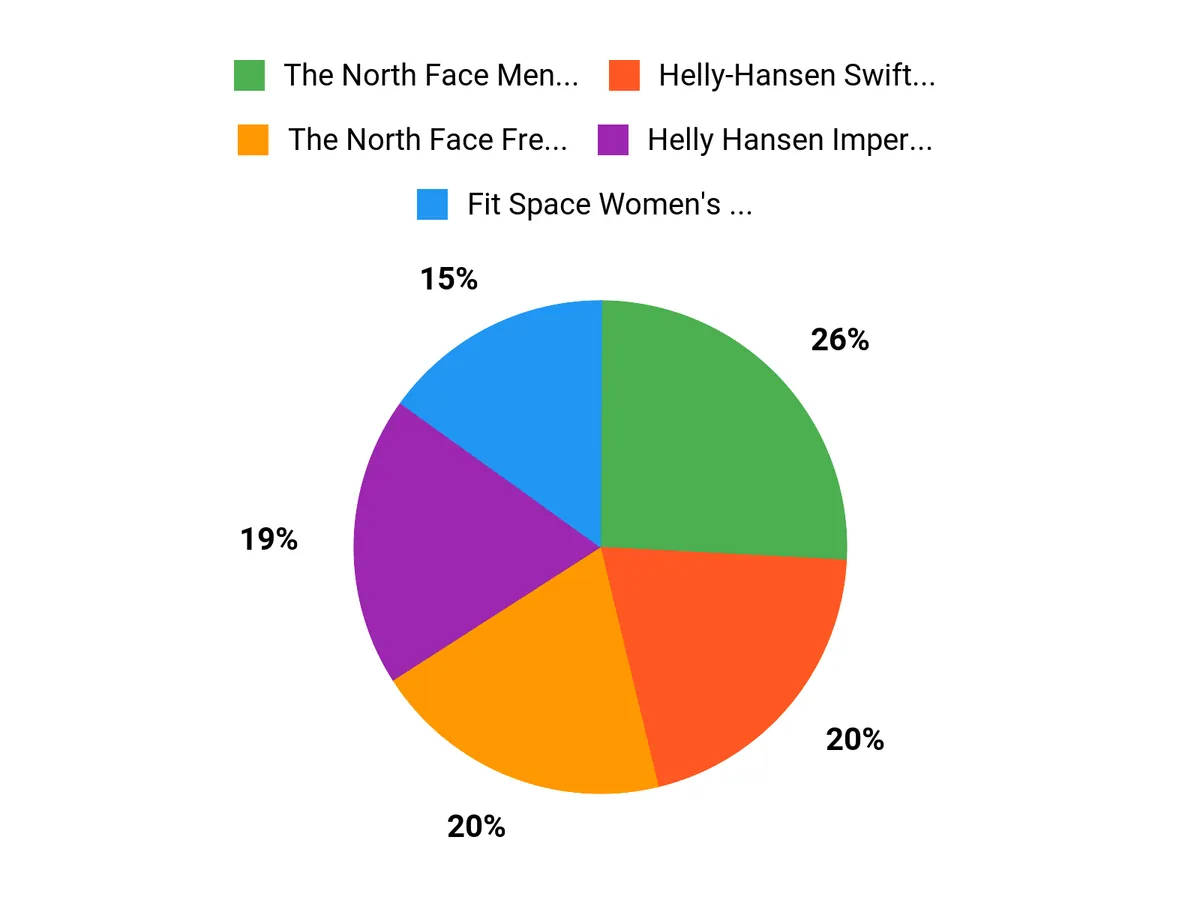
What Customers Prefer
The right choice usually comes down to three decisions: shell versus insulation, resort use versus higher-output mountain use, and how much layering flexibility you want. The Clement is the most adaptable 3-in-1 option, the Freedom and Imperial are simpler choices for insulated resort use, and the Swift, Headwall, and Odin are better suited to buyers who prefer technical shells and manage warmth with layers.
The chart below reflects the source article’s earlier review snapshot and should not be treated as a live Amazon rating or current review-count summary.
Wrapping Up
Start with jacket type. Choose an insulated ski jacket if you want simple warmth for cold resort days, a 3-in-1 if you want one system that adapts to changing weather, or a technical shell if you prefer to control warmth with separate layers.
For the broadest versatility, the The North Face Clement Triclimate is the easiest all-around recommendation. For a premium technical shell, the Helly Hansen Odin 9 Worlds 3.0 has the strongest mountain-focused feature set. For insulated resort use, the The North Face Freedom is a practical choice, while the Helly Hansen Imperial Puffy 2.0 is the strongest women’s insulated option in this group.
Whatever you choose, test the hood with your actual helmet and goggles. You should be able to turn your head naturally without the hood pulling the helmet, narrowing your peripheral vision, or forcing the helmet out of position.
Final Recommendation
For most buyers who want one jacket system for changing resort conditions, start with the The North Face Clement Triclimate. If you already own good insulating layers and want a technical shell, compare the Helly Hansen Odin 9 Worlds 3.0, Outdoor Research Headwall GORE-TEX 3L, and Helly Hansen Swift 3L based on ventilation, fit, and current availability.
| Product | Image | Jacket Type | Weather System | Insulation | Ventilation Highlights | Best For |
|---|---|---|---|---|---|---|
| Fit Space Women’s Pro Ski Jacket |
 |
Insulated ski jacket | Seller-listed waterproof construction; verify current specifications | Synthetic insulation |
|
|
| The North Face Men’s Clement Triclimate Jacket |
 |
3-in-1 jacket | DryVent 2L waterproof, breathable, seam-sealed shell | Zip-in Heatseeker Eco liner |
|
|
| Helly-Hansen Swift 3L Shell Jacket |
 |
3-layer ski shell | HELLY TECH Professional | None; layer underneath |
|
|
| Outdoor Research Men’s Headwall GORE-TEX 3L Jacket |
 |
3-layer alpine shell | GORE-TEX 3L | None; layer underneath |
|
|
| Helly Hansen Imperial Puffy 2.0 Jacket |
 |
Insulated 2-layer ski jacket | Weather-resistant 2-layer construction | Synthetic blowable insulation |
|
|
| Helly-Hansen Odin 9 Worlds 3.0 Shell Jacket |
 |
Premium 3-layer shell | HELLY TECH Professional | None; layer underneath |
|
|
| The North Face Freedom Insulated Jacket |
 |
Insulated ski jacket | DryVent 2L waterproof, breathable, seam-sealed shell | Heatseeker: 80 g body, 60 g sleeves and hood |
|
|
Before you buy: Check the current Amazon listing for size/color availability and any seller-specific changes. Product ratings, review counts, pricing, and stock can change.