As an Amazon Associate I earn from qualifying purchases.
You want a winter jacket that stays comfortable when cold weather also brings rain, wet snow, mist, wind, or trapped perspiration. Relative humidity by itself is not what makes outdoor winter weather dramatically colder; the bigger problems are wind-driven heat loss and getting your clothing wet. The best jacket for damp cold therefore balances weather protection, breathable moisture management, and insulation that continues to perform when conditions get wet.
Quick Answer
For damp, cold winters, prioritize synthetic insulation or well-protected treated down, a wind-resistant shell, enough water protection for your exposure, and adjustable cuffs and hems. Active users should also prioritize ventilation and breathability so sweat does not soak inner layers and reduce warmth.
Key Takeaways
- Wind, precipitation, wet clothing, and trapped sweat matter more in outdoor winter comfort than relative humidity alone.
- Synthetic insulation is usually easier to manage in persistently damp conditions because it dries faster and retains useful warmth when damp.
- A “water-resistant” jacket is not automatically equivalent to a fully waterproof shell, and a waterproof rating does not tell you how warm a jacket is.
- Choose insulation and shell protection for your activity level: commuters and low-output users need more warmth, while hikers and skiers need better moisture management and ventilation.
For outdoor winter comfort, think “cold + wind + wetness,” not humidity alone. Staying dry from both precipitation and perspiration is the goal.
Top Picks
|
Category |
Product |
Editorial Fit Score |
|---|---|---|
|
🏆 Best Thick Synthetic Insulation |
88/100 |
|
|
🎯 Best All-Rounder |
90/100 |
|
|
💰 Best Packable Value |
90/100 |
|
|
⭐ Best Longline |
92/100 |
|
|
🚀 Best For Snow |
92/100 |
|
|
🔰 Best Multi-Pocket Ski Jacket |
92/100 |
|
|
🧭 Best Mountain Jacket |
94/100 |
|
|
🎖️ Best Tactical |
88/100 |
|
|
🔒 Best Everyday Weather Protection |
92/100 |
|
|
🌧️ Best Women’s Ski Jacket |
90/100 |
Note: The scores above are comparative editorial fit scores, not laboratory test results. They weigh listed weather protection, insulation, adjustability, versatility, durability feedback, and value. Amazon ratings, review totals, specifications, colors, and availability can change after publication.
What Matters Most in Damp, Cold Weather
Water-Resistant vs. Waterproof
A water-resistant jacket can handle light drizzle, mist, or short exposure, while a properly waterproof shell is designed for more sustained precipitation. A durable water repellent finish, usually called DWR, helps water bead and roll off the face fabric, but DWR alone does not make every jacket fully waterproof. The REI rainwear guide explains that waterproof/breathable garments normally combine a membrane or coating with a water-repellent face treatment.
Some jackets in this roundup are marketed with a 10,000 mm waterproof rating. Treat that number as a manufacturer or seller specification rather than an independent lab result. It describes resistance to water pressure; it does not tell you how warm, breathable, or comfortable the jacket will be.
Synthetic Insulation vs. Down
For persistently wet winter weather, synthetic insulation has an important advantage: it dries relatively quickly and can retain useful insulation when damp. REI’s insulated outerwear guidance specifically recommends synthetic insulation for cold, wet environments and higher-output winter activities.
Traditional down generally provides better warmth for its weight and packs smaller, but it loses substantial loft when wet. Hydrophobic or water-resistant down improves resistance to light moisture, yet it still needs protection from prolonged soaking.
Breathability Matters When You Move
A jacket can keep rain out and still leave you cold if perspiration builds up inside it. This is especially important during hiking, snow shoveling, skiing, cycling, or physical outdoor work. Waterproof/breathable fabrics, venting, adjustable front zippers, and sensible layering help moisture escape.
Pro Tip: Vent or remove a layer before you become sweaty. Once your base and mid layers are damp, they can make you feel colder when activity slows, even if the outer jacket blocks rain.
Do Not Rely on a Single Temperature Rating
Ordinary insulated jackets usually do not have standardized comfort ratings like sleeping bags. Your warmth depends on insulation amount, wind, precipitation, activity level, base and mid layers, fit, and personal cold tolerance. Compare construction and intended use instead of expecting one jacket to guarantee comfort at a specific temperature.
Match the Jacket to Your Activity
- Daily commute and errands: prioritize warmth, wind protection, a useful hood, secure pockets, and enough water resistance for the time you spend outside.
- Outdoor work or long low-output exposure: choose more insulation, good coverage, adjustable cuffs, and reliable weather protection.
- Hiking and active use: prioritize breathability, easy venting, lighter insulation, and freedom of movement.
- Skiing and snow sports: look for stronger wind and precipitation protection, an adjustable hood, glove-friendly pockets, and room for layers.
- Travel: balance warmth with packability, weight, care requirements, and versatility.
How We Picked These Jackets
You need a jacket that works well in damp winter weather, so we focused on features that help you stay dry from both precipitation and perspiration. The criteria included insulation performance in damp conditions, listed shell protection, adjustability at the hood, cuffs and hem, layering room, pocket design, zipper and stitching feedback, packability, care requirements, and value.
We also considered recurring customer feedback about fit, warmth, pocket usefulness, closures, and performance in rain, sleet, snow, and wind. Because most budget jackets do not publish standardized laboratory breathability figures, we did not invent breathability scores. Instead, we treated manufacturer breathability claims cautiously and looked at construction, intended use, adjustability, and whether the jacket appeared better suited to active or low-output wear.
Pick a jacket that matches what you actually do. A warm commuter parka and an active ski jacket solve different problems, even if both are marketed for winter.
Winter Jacket Reviews

This MOERDENG coat is a better match for cold, damp commuting than its marketplace use of the word “down” might suggest. The listed fill is synthetic—polyester with 3D hollow cotton—so do not mistake it for conventional goose- or duck-down insulation.
The long cut, ribbed cuffs, removable hood and substantial insulation favor low- to moderate-output use such as commuting, errands, travel, and standing outside. The listing markets the outer fabric as weather protective, but no independently verified breathability figure is provided, so very active users may prefer a lighter jacket with more ventilation.
It is a practical option if your priority is coverage and warmth rather than minimum weight or maximum packability.
What People Say
Customers commonly praise the warmth, substantial feel, hood, and useful pocket layout. Fit feedback varies, so checking the current size chart is important if you plan to wear a thick mid layer underneath. Zippers, pocket construction, and wrinkling appear in some critical feedback, making this a stronger value-oriented everyday coat than a technical mountain shell.
Overall Sentiment: Positive

Versatility
The longer silhouette works for commuting, walks, errands, travel, and casual outings. The removable hood lets you reduce bulk when conditions are dry, while the synthetic fill makes sense for users who frequently encounter damp weather.
Durability
The polyester shell and winter-coat construction are suited to normal seasonal use. Buyer comments include some isolated concerns about zippers and pockets, so this is best viewed as an everyday insulated coat rather than a heavy-duty technical shell.
Key Benefits
- Synthetic polyester and 3D hollow-cotton insulation
- Ribbed cuffs help reduce drafts
- Removable hood with faux-fur trim
- Multiple zippered pockets
- Longer cut adds hip and upper-leg coverage
Rating in the supplied listing data: 4.4/5

The Wantdo stands out as the most balanced everyday option in this group. Its current listing states a 10,000 mm waterproof rating and describes recycled fabric and fill, while the removable hood, ribbed cuffs and adjustable waist help reduce drafts.
The hip-to-upper-thigh cut adds useful coverage without becoming as long as a full parka. That makes it practical for commuting, walking, snow clearing, and general winter errands when you want more weather protection than a lightweight packable puffer.
Because the 10,000 mm figure is a seller/manufacturer specification rather than an independent test performed for this roundup, treat it as a useful comparison point rather than a guarantee of performance in every storm.
What People Say
Customers frequently mention warmth, comfort, the removable hood and the pocket layout. Fit feedback is generally favorable, though some buyers size up for heavy layering. A smaller set of comments mentions zipper or material-label inconsistencies.
Overall Sentiment: Positive

Versatility
It suits daily commuting, errands, dog walks, casual travel, and moderate outdoor time. The detachable hood lets you simplify the look in dry weather while keeping extra protection available for wet or windy days.
Durability
Reinforced pockets, quilting and general stitching receive favorable feedback. As with most value-focused winter coats, careful use of zippers and following the care label should help extend service life.
Key Benefits
- Listing claims a 10,000 mm waterproof rating
- Recycled fabric and filling
- Removable hood and adjustable waist
- Ribbed cuffs and padded collar help reduce drafts
- Multiple reinforced pockets
Rating in the supplied listing data: 4.5/5

This is the easiest option to pack and carry. The nylon taffeta shell is listed as water resistant rather than fully waterproof, and the quilted synthetic insulation provides moderate warmth without the bulk of the heavier parkas in this roundup.
The included carrying bag makes it particularly useful for flights, road trips, commuting, or keeping an extra layer in a backpack. Elastic cuffs and the stand collar help with drafts, while Big & Tall sizing broadens fit options.
Choose it for light precipitation and changeable weather rather than extended exposure to heavy rain or wet snow.
What People Say
Reviewers commonly praise the warmth-to-weight balance, packability, comfortable regular fit and zippered hand pockets. The main trade-offs are the lack of a hood and lighter insulation compared with full winter parkas.
Overall Sentiment: Positive

Versatility
It works for commuting, travel, errands, light hikes, and layering beneath a more protective shell. The low bulk also makes it useful when you need a jacket that can move between indoor and outdoor settings.
Durability
The quilted construction is appropriate for ordinary everyday and travel use. It is not intended to replace a rugged waterproof mountain shell, and the water-resistant fabric should be treated accordingly.
Key Benefits
- Water-resistant nylon taffeta shell
- Lightweight synthetic insulation
- Packs into the included carrying bag
- Regular, Big & Tall sizing options
- Zip hand pockets and elasticated cuffs
Rating in the supplied listing data: 4.5/5

The BINACL is the coverage-focused choice. Its long cut extends over the hips and thighs, while thick synthetic insulation, elastic cuffs and a deep hood favor warmth during lower-output winter use.
The outer shell is best described as weather resistant rather than a substitute for a dedicated technical rain shell. Fleece-lined pockets and a detachable faux-fur hood add comfort for commuting, dog walks, sightseeing, and casual outdoor use.
If coverage matters more to you than low weight or small packed size, this is one of the more suitable options in the group.
What People Say
Shoppers often praise the warmth, fleece-lined pockets, substantial feel, and flattering long cut. Some buyers report snug sleeves or other fit differences, so the current size chart is worth checking before ordering.
Overall Sentiment: Positive

Versatility
It is well suited to commuting, dog walks, travel, errands, casual gatherings, and low-intensity outdoor activities. The long silhouette gives it a different role from the lighter ski and packable jackets in the roundup.
Durability
The shell, quilting and closures are appropriate for normal winter wear. Treat the faux-fur trim according to its care instructions, and avoid assuming the shell can handle prolonged heavy rain unless the current listing specifically confirms that use.
Key Benefits
- Thick synthetic insulation
- Long cut for greater lower-body coverage
- Detachable faux-fur hood
- Fleece-lined hand pockets
- Elastic cuffs help reduce drafts
Rating in the supplied listing data: 4.6/5
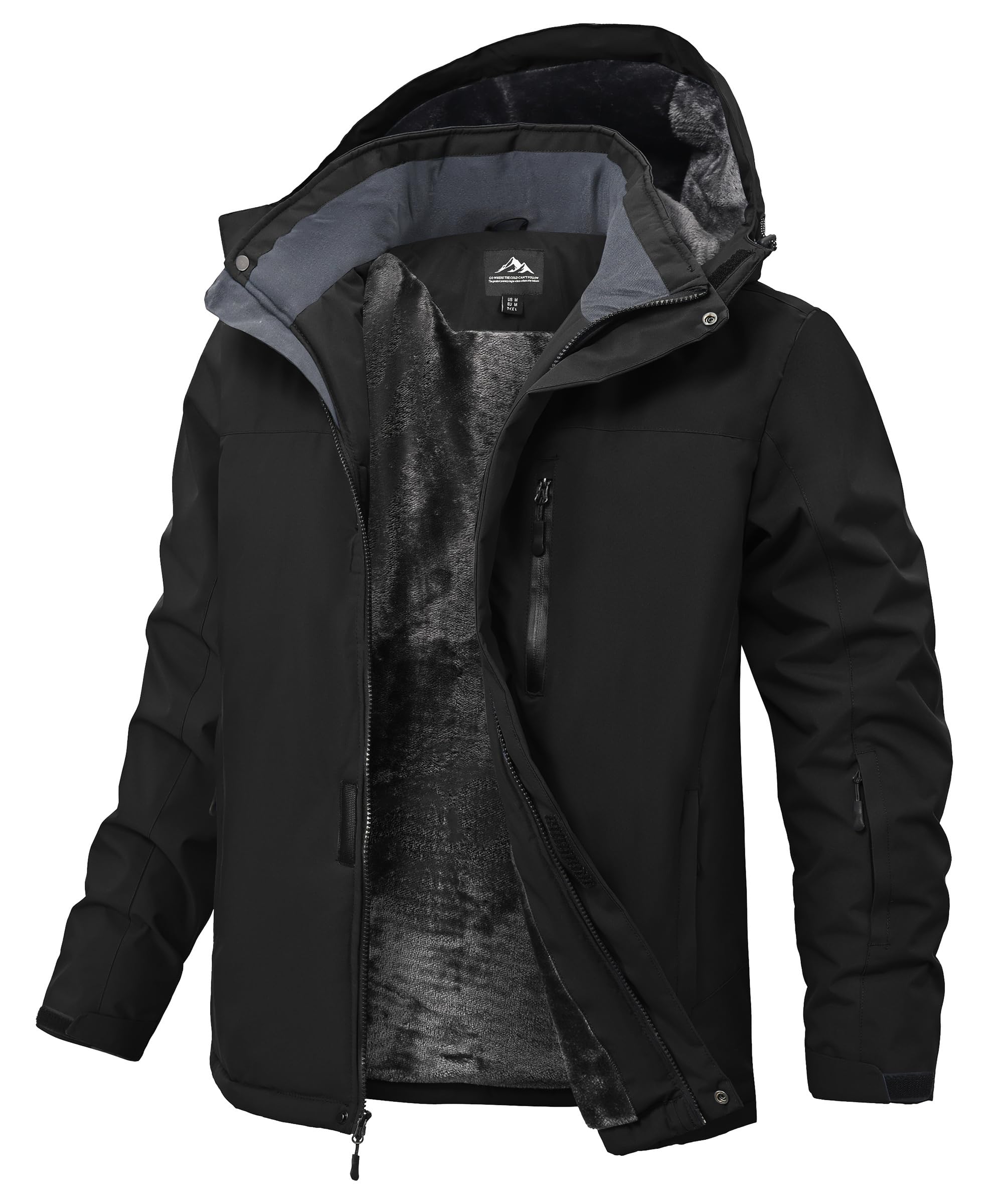
The Buyboxs combines a coated outer shell, insulating padding and fuzzy fleece lining, giving it a more snow-oriented design than a simple commuter puffer. Its listing also describes waterproof-zippered utility pockets, adjustable hook-and-loop cuffs and a detachable hood.
Those features make it useful for skiing, snowboarding, snowmobiling, hiking, camping and other winter activities where wind and blowing snow are bigger concerns than packability.
Because it is a relatively new listing with a much smaller review base than several established jackets here, give current sizing and recent buyer feedback extra attention.
What People Say
Early buyer feedback emphasizes warmth, fleece comfort, practical pockets and hood adjustability. The smaller review base means its long-term durability record is less established than products with several thousand reviews.
Overall Sentiment: Positive

Versatility
It fits snow sports, winter hikes, shoveling, commuting and travel in colder conditions. The detachable hood and multiple pockets make it more adaptable than a basic insulated shell.
Durability
The listing describes reinforced stitching and a robust multi-layer build. Long-term durability is harder to judge because the product has a smaller review history than the older jackets in this roundup.
Key Benefits
- Multi-layer construction with insulation and fleece lining
- Hydrophobic outer treatment
- Several zippered utility pockets
- Detachable adjustable hood
- Adjustable cuffs help seal out drafts and snow
Rating in the supplied listing data: 4.6/5
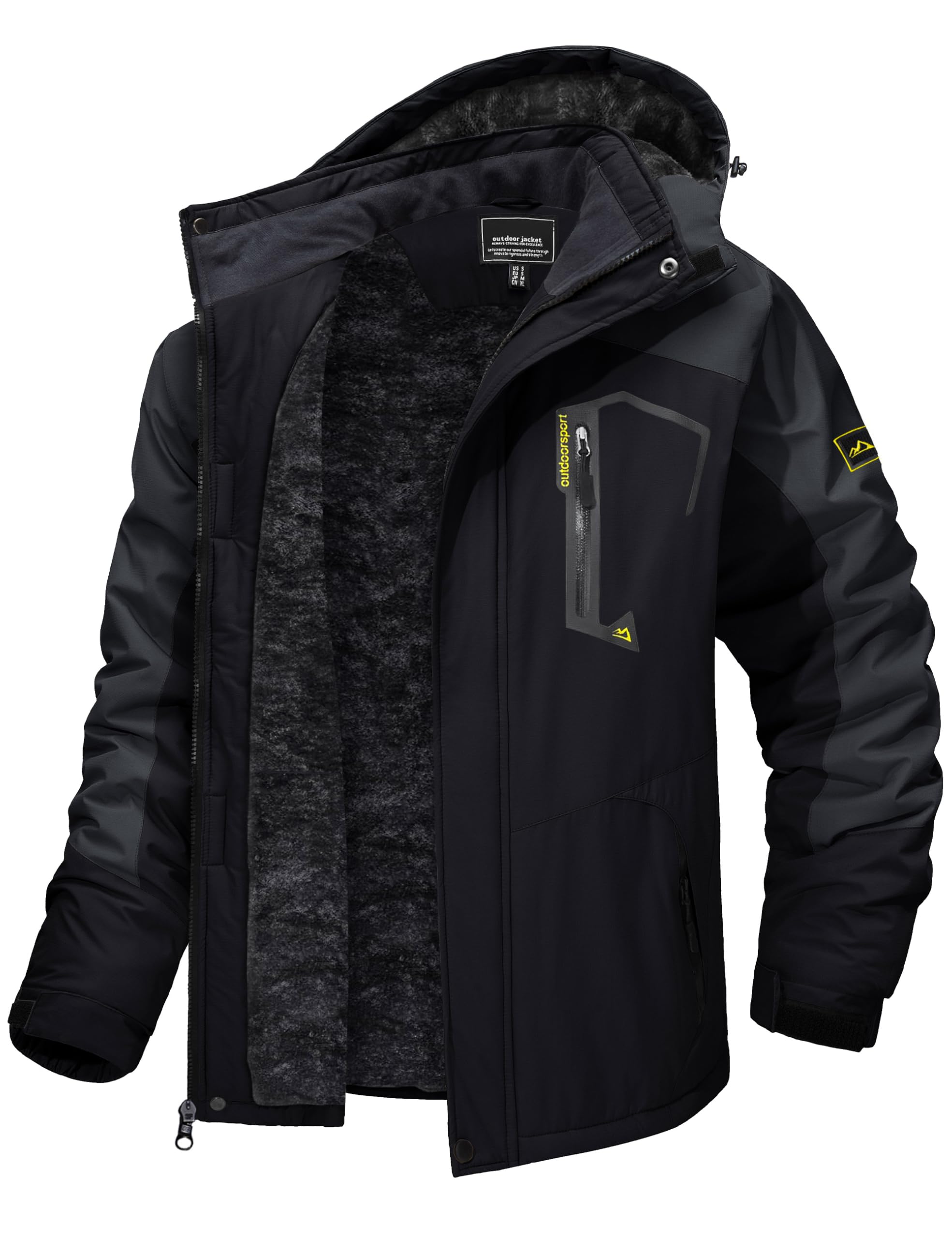
This TACVASEN model focuses on practical ski-style features rather than premium technical fabrics. Current listings describe a fleece-lined design, detachable hood, double zipper and several pockets.
That combination works well for skiing, hiking, cycling, commuting and general winter use when you want more coverage and storage than a minimalist puffer. It is roomy enough for layering, but users doing sustained high-output activity should still manage ventilation carefully.
What People Say
Customers commonly praise the warmth, fleece feel, useful pockets and value. Sizing can feel generous to some users, and zipper longevity appears in a smaller number of critical reviews.
Overall Sentiment: Positive

Versatility
Use it for commuting, skiing, hiking, cycling, winter travel, and everyday outdoor tasks. The detachable hood and pocket-heavy layout are especially useful when conditions or activities change during the day.
Durability
Most feedback suggests adequate durability for normal seasonal use. Zippers are the area most worth treating gently, especially if you frequently use the jacket with gloves.
Key Benefits
- Fleece-lined construction
- Detachable adjustable hood
- Double zipper
- Multiple external and internal pockets
- Suitable for layering and winter outdoor activities
Recent indexed rating data: 4.6/5

The CAMEL CROWN earns its high editorial fit score because its feature set is well aligned with wet, windy winter use. Its listing claims a 10,000 mm waterproof index and pairs the shell with fleece insulation, a detachable hood and adjustable closures.
The design is better suited to snow sports, winter hikes and exposed commutes than a simple puffer because it emphasizes outer-shell protection as well as insulation. Multiple pockets also make it useful for gloves, phone, keys and small trail items.
As with the Wantdo, the 10,000 mm figure is a manufacturer/listing specification, not an independent test conducted for this article.
What People Say
Reviews commonly praise warmth, wet-weather protection, pocket space and the substantial outer fabric. Some users find the fit generous, and a smaller number mention zipper wear.
Overall Sentiment: Positive

Versatility
It can cover commuting, hiking, ski days and winter travel. The detachable hood and adjustable features make it more adaptable than a fixed, heavy parka.
Durability
The outer fabric is marketed as wear resistant and appropriate for outdoor use. User feedback is generally positive, although careful zipper use remains sensible for long-term reliability.
Key Benefits
- Listing claims a 10,000 mm waterproof index
- Fleece-lined interior
- Detachable hood and adjustable closures
- Outdoor-oriented shell construction
- Multiple zippered pockets
Rating in the supplied listing data: 4.7/5

This TACVASEN softshell is the pocket-heavy option for cool, damp and windy days when you do not need the bulk of a heavily insulated parka. The polyester softshell and fleece lining provide a useful balance of mobility and warmth.
Chest, sleeve, rear and internal storage make it attractive for hiking, travel, outdoor work and tactical-style use. Adjustable drawcords and cuffs help control drafts, while the hood can be tucked away when you do not need it.
For truly cold, low-output conditions, use it with an insulating mid layer or choose one of the warmer parkas in this roundup.
What People Say
Customers frequently mention the fleece lining, pocket layout, adjustability and value. The most common cautions involve sizing and zipper stiffness.
Overall Sentiment: Positive

Versatility
It works for commuting, hiking, travel, motorcycle use, outdoor work and layering. Its lighter softshell construction gives it a broader shoulder-season role than the heavily insulated ski jackets.
Durability
The polyester softshell is intended for regular outdoor use, and recent product data describes an abrasion-resistant construction. Zipper stiffness remains the main recurring durability caveat in buyer feedback.
Key Benefits
- Fleece lining for moderate warmth
- Softshell weather protection
- Numerous storage pockets
- Adjustable hood, hem and cuffs
- Lower bulk than a full insulated parka
Recent indexed rating data: 4.4/5
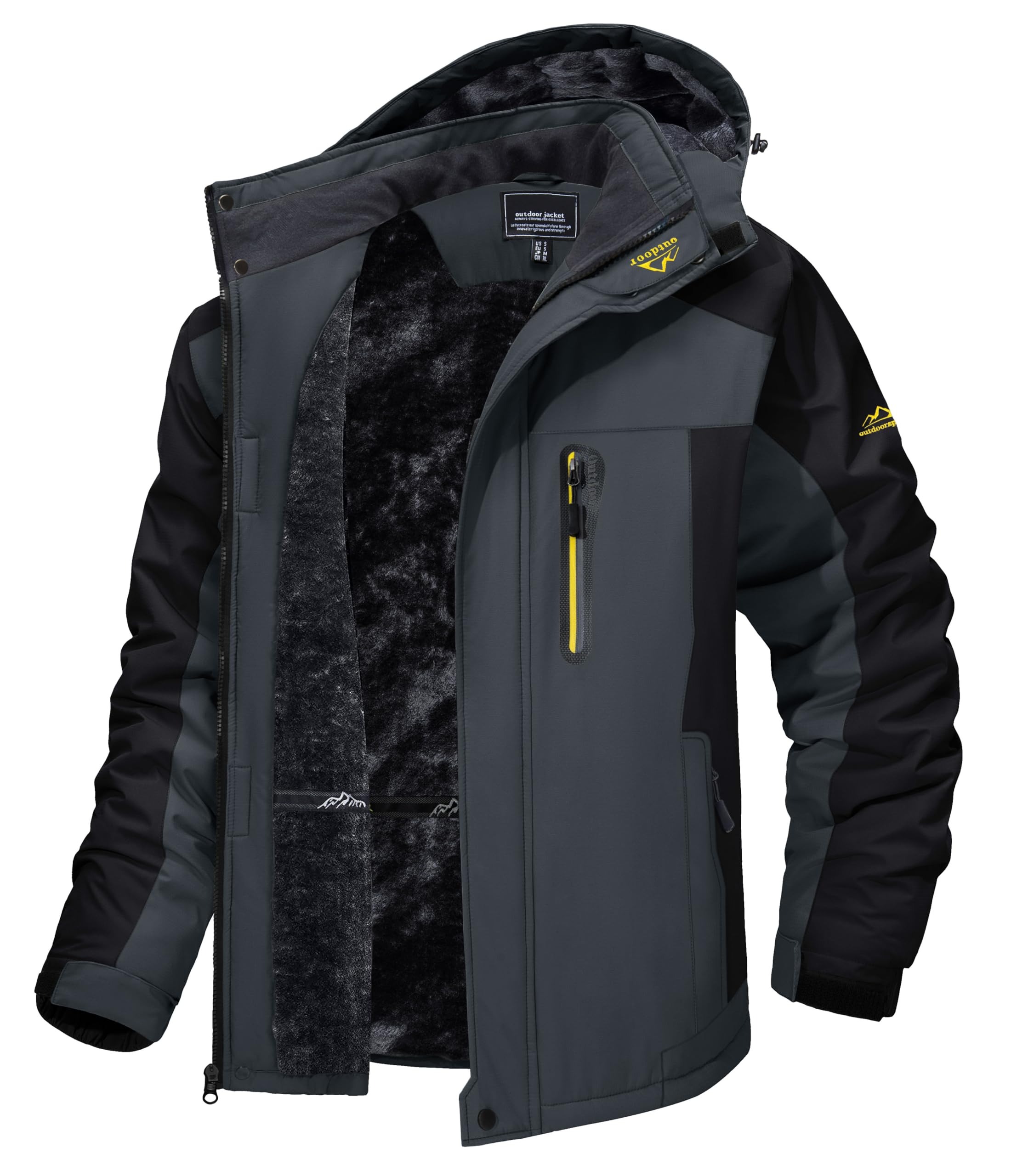
This TACVASEN parka is best described conservatively as water resistant because current marketplace descriptions are inconsistent about whether the construction should be labeled waterproof. Its fleece lining, adjustable cuffs, adjustable hem and detachable storm hood are the clearer reasons to consider it.
The pocket layout is useful for commuting, skiing, hiking and general winter chores. Compared with the tactical softshell above, this model provides more insulation and coverage but also more bulk.
What People Say
Reviewers consistently mention the cozy fleece, pocket space and wind-blocking adjustability. Sizing and zipper feel are the most frequent caveats, so check current measurements rather than relying only on your usual letter size.
Overall Sentiment: Positive

Versatility
It fits commuting, winter walks, snow clearing, skiing, snowboarding and travel. The detachable hood and adjustable closures make it easier to adapt when the weather changes.
Durability
The polyester construction is suited to ordinary seasonal outdoor use. A recurring note about stiff zippers makes gentle handling the most practical durability precaution.
Key Benefits
- Fleece-lined interior
- Water-resistant outer fabric
- Several zippered and internal pockets
- Detachable hood
- Adjustable cuffs and hem
Recent indexed rating data: 4.6/5

The MOERDENG women’s ski jacket is designed for a different job than the brand’s long puffer above. Its current listings emphasize a polyester shell, warm inner lining, hood, adjustable cuffs and winter-sport use.
Those features make it more suitable for skiing, snowboarding, wet errands and windy winter walks where an exposed puffer would be less protective. The adjustable hem and cuffs also help reduce drafts and blowing snow.
If you plan to wear a helmet or thick mid layer, verify current hood dimensions and size-chart measurements before ordering.
What People Say
Reviewers commonly praise warmth, the inner lining, pockets and weather protection. Fit comes up frequently, with some users preferring extra room for layers. Occasional comments mention stiff zippers or an initial packaging odor.
Overall Sentiment: Positive

Versatility
It works for commuting, rainy errands, hiking, skiing, snowboarding and general cold-weather travel. It is less packable than a lightweight puffer but offers more weather-oriented coverage.
Durability
The polyester shell and winter-sport construction are intended for repeated outdoor use. As with several other budget jackets here, careful zipper use is sensible.
Key Benefits
- Weather-protective polyester outer fabric
- Warm inner lining
- Detachable lined hood
- Adjustable cuffs and hem
- Multiple zippered pockets
Rating in the supplied listing data: 4.5/5
Frequently Asked Questions
What insulation and shell should you choose for damp, cold weather?
Synthetic insulation is usually the simplest choice for persistently damp conditions because it dries relatively quickly and retains useful insulation when damp. Untreated down is lighter and more compressible for its warmth but performs poorly once soaked. Hydrophobic down improves moisture resistance but still needs protection from prolonged wetting. Pair the insulation with a shell appropriate to your exposure: water resistant for brief light precipitation, or a properly waterproof/breathable shell for sustained rain or wet snow.
How should you fit and layer a winter jacket without feeling bulky?
Choose enough room for a moisture-wicking base layer and, when necessary, a fleece or other insulating mid layer without compressing the jacket’s insulation. You should still be able to raise your arms freely. Adjustable cuffs, hems and hoods help seal drafts without requiring excessive layers. For active use, remove or vent a layer before you start sweating heavily.
How do you care for a winter jacket used in wet conditions?
Follow the garment’s care label first. Waterproof/breathable shells generally perform better when kept clean, and fabric softener can interfere with technical finishes. If a DWR-treated shell stops beading water, washing and drying it according to its instructions may reactivate the finish; if not, a compatible DWR treatment may be needed. For down garments whose labels permit tumble drying, low heat with clean dryer or tennis balls can help break up clumps and restore loft. Do not assume that method is appropriate for every synthetic jacket.
Is down a bad choice for wet winter weather?
Not automatically. Down provides excellent warmth for its weight and packs very small. The problem is that conventional down loses much of its loft when wet and dries slowly. It can still work well in damp climates when protected by a reliable shell. Hydrophobic down improves resistance to light moisture, while synthetic insulation is generally more forgiving when repeated dampness is expected.
Does a 10,000 mm waterproof rating mean a jacket is very warm?
No. A waterproof rating describes resistance to water pressure, not insulation warmth. A thin shell and an insulated parka can have similar waterproof specifications while providing very different warmth. Also consider insulation type and amount, wind protection, fit, ventilation, seam construction and your activity level.
What Buyers Prefer
When comparing the MOERDENG, Wantdo, and Amazon Essentials puffers, buyers are balancing three different priorities. The MOERDENG favors thicker insulation and longer coverage, the Wantdo offers a stronger all-around mix of insulation and claimed weather protection, and the Amazon Essentials emphasizes lower weight and packability.
For wet winter conditions, buyers should also consider whether the jacket’s protection matches the length and intensity of exposure. A light water-resistant puffer can be ideal for short commutes and travel but is not automatically the best choice for hours of wet snow or wind.

Wrapping Up
The best winter jacket for damp cold is not simply the thickest coat. Choose enough insulation for your activity level, then make sure the shell can handle the rain, wet snow and wind you realistically expect. Synthetic insulation is especially forgiving in wet conditions, while good ventilation and sensible layering help stop perspiration from becoming another source of moisture.
For everyday use, the Wantdo offers the strongest balance of warmth and listed weather protection; the CAMEL CROWN is better aligned with snow-oriented outdoor use; the Amazon Essentials is the easiest to pack; and the longer MOERDENG and BINACL coats provide more coverage for lower-output winter days.
| MOERDENG Women’s Winter Synthetic-Insulated Coat | Wantdo Women’s Hooded Warm Winter Coat | Amazon Essentials Men’s Packable Lightweight Water-Resistant Jacket | |
|---|---|---|---|
 |
 |
 |
|
| Rating | 4.4/5 (3,418+ in supplied data) | 4.5/5 (3,356+ in supplied data) | 4.5/5 (31,432+ in supplied data) |
| Material | 100% polyester with 3D hollow-cotton synthetic insulation | Recycled fabric and filling | 100% nylon shell and lining with polyester fill |
| Care Instructions | Hand wash only according to the supplied listing | Machine wash according to the supplied listing | Machine wash cold and tumble dry low according to the supplied listing |
| Highlights |
|
|
|
| Buy Now | Buy Now | Buy Now |
Sources
- U.S. National Weather Service — Understanding Wind Chill — explains wind-driven heat loss and the limited role of relative humidity in the wind-chill calculation.
- U.S. National Park Service — Be Winter Ready for Your Adventure — supports layering, synthetic or wool clothing, waterproof outer layers and staying dry.
- REI Expert Advice — Buying Down & Synthetic Insulated Jackets — supports the comparison between down, synthetic insulation and wet-weather performance.
- REI Expert Advice — How Waterproof Rain Gear Works — explains waterproof/breathable construction, DWR and moisture management.
- GORE-TEX — Outerwear Care Instructions — supports washing, drying and DWR restoration guidance.
- Patagonia — How to Wash Your Waterproof Jacket — supports current waterproof-shell cleaning and DWR care guidance.
This Roundup is reader-supported. When you click through links we may earn a referral commission on qualifying purchases.