A Massachusetts fishing license is your legal pass to fish many freshwater and saltwater spots across the state. You usually need one if you’re 15 or older, but the right license depends on your age, residency, water type, trip length, and whether you fish from shore, a private boat, or a licensed charter. This guide explains the main license types, common costs, exemptions, buying options, renewal steps, replacement rules, and special saltwater details so you can choose the right permit before you cast.
Quick Answer
In Massachusetts, anglers 15 or older generally need a fishing license or permit. Freshwater and saltwater licenses are separate, residents and non-residents pay different freshwater fees, and some youth, seniors, disabled anglers, and licensed charter passengers may qualify for free or exempt fishing.
Key Takeaways
- Massachusetts uses separate rules for freshwater fishing licenses and recreational saltwater permits.
- Anglers under 15 usually do not need a license, while residents ages 15–17 and older seniors may qualify for free or reduced options.
- Non-residents can choose annual freshwater licenses or short-term permits when visiting for a brief fishing trip.
- Saltwater reciprocity, charter coverage, and special access rules can change what you need in specific situations.
- MassFishHunt is the easiest place to buy, renew, print, or replace most Massachusetts fishing credentials.
Who Needs a Fishing License in Massachusetts
If you plan to fish in Massachusetts, you’ll generally need a license once you’re 15 or older. Separate credentials cover freshwater fishing and saltwater recreational fishing, so you should match your permit to the water you plan to fish.
You need a freshwater fishing license when you fish inland lakes, ponds, rivers, streams, and reservoirs covered by Massachusetts freshwater rules. You need a saltwater fishing permit when you fish recreationally in coastal waters or take saltwater species.
Residents ages 15–17 qualify for no-cost freshwater licenses under state rules, while children under 15 generally do not need a fishing license. Older residents and anglers with qualifying disabilities may also qualify for free or reduced fishing privileges.
Non-residents usually need to buy the correct permit before fishing. Reduced rates may apply to some teens, but visiting anglers should still carry ID because age and residency determine the correct license type.
If you join a licensed fishing charter, you may be covered by the boat’s permit while you’re onboard. That coverage does not automatically apply when you fish before or after the trip from shore, a dock, or your own boat.
Finally, check reciprocity agreements before relying on another state’s saltwater license. Massachusetts recognizes some neighboring-state arrangements, but the details depend on the state, the water, and the permit you hold.
Warning: Do not assume one license covers every fishing situation. Freshwater and saltwater licenses are separate, and special locations may have extra access, catch, size, or season rules.
Resident License Types and Costs
Massachusetts residents choose a license based on age, water type, and fishing plans. The common resident freshwater annual license costs $29.50, while the recreational saltwater permit is commonly listed at $10.00 for anglers who are not otherwise exempt.
Residents ages 15–17 can receive a freshwater license at no charge. Residents age 70 and older also qualify for free freshwater fishing privileges, while residents ages 65–69 may qualify for a reduced freshwater fee of $13.00.
The state may also require a Wildlands Conservation Stamp with certain freshwater licenses. This stamp supports wildlife habitat and protected open space, so include it when estimating your total first-purchase cost.
You’ll choose among resident license types based on these common categories:
- Resident annual freshwater license: for Massachusetts residents who fish inland waters throughout the year.
- Resident minor freshwater license: for eligible residents ages 15–17, usually issued at no cost.
- Resident senior freshwater license: for older anglers who qualify for free or reduced fees.
- Resident saltwater permit: for recreational coastal fishing when a saltwater permit is required.
- Special free licenses: for qualifying disabled anglers and other eligible groups under state rules.
These costs and types help balance public access with conservation funding. Before buying, confirm your age bracket, residency status, and target water type so you do not pay for the wrong credential.
Note: License prices can change when the state updates its fee schedule. Always review the final amount in MassFishHunt before checkout.
[Amazon Products Picked for You]

IMPRESSION SIZE: 1 1/2" x 1 1/2" - Our Round Self-Inking Stamp will last for thousands of impressions!
Easy Alignment with Positioning Window: Designed with a built-in positioning window for quick, precise stamp placement, ensuring perfectly aligned and clean impressions every time without guesswork.

Fishing Silicone Stamps: Our fishing silicone stamps are designed with 16 patterns, including 6 different species of fishes, a fishing rod, several different fishing equipment and 3 greeting words and phrases. These patterns are perfect for making cards to record your fishing memories or adding to your stamps collection.
Non-Resident and Short-Term Permit Options

Visitors and short-term anglers have several ways to fish legally in Massachusetts. A common non-resident annual freshwater fishing license is listed at $39.50, while non-residents ages 15–17 may qualify for a reduced youth rate.
If you’re only visiting for a weekend, a short-term permit may make more sense than an annual license. A three-day non-resident freshwater fishing license is designed for brief trips and gives you legal access for a focused outing without paying for a full-year permit.
Non-resident anglers under 15 generally do not need a Massachusetts fishing license, but adults should still check the rules for the exact water and species. Some locations, such as reservoirs, state-managed access areas, or special fishing programs, may have added requirements.
A one-day fishing license for the Quabbin Reservoir may be available to residents and non-residents as a targeted option if that’s your destination. Because reservoir access can include unique rules, check the location’s current fishing season, boat access, and shore fishing requirements before you go.
Non-residents should also account for any required Wildlands Conservation Stamp tied to their freshwater license purchase. The stamp supports habitat protection and can affect the final checkout total.
To decide between annual and short-term options, count how many days you’ll fish in Massachusetts during the year. If you’ll take several trips, an annual license may be easier. If you’ll fish once during a vacation, a short-term permit may be the better fit.
Pro Tip: Buy your license before travel day. You’ll avoid weak cell service at ramps, bait shops, beaches, and remote freshwater access points.
[Amazon Products Picked for You]

Product Material: Our license plate frame is made of premium quality aluminum, which ensures that the plate frame will never wear out. Corrosion resistant, Personalized Car Frame Can Perfect to Put on Your Front of Car,Decorate your car to make it look more beautiful and unique.

FISHING LICENSE HOLDER W/ZIP CLOSURE

【Product Material】License Plate made of Premium Quality Aluminum Metal. Non-blocking and 100% street legal, that won't block the upper and lower status and year labels, never having to worry about getting a ticket and wasting time
Saltwater Permits, Reciprocity, and Special Rules

After choosing between resident, non-resident, and short-term freshwater options, review the separate rules for saltwater fishing. Massachusetts uses a recreational saltwater fishing permit for many coastal fishing situations.
The saltwater permit is commonly listed at $10 for anglers under 60, while anglers age 60 and older may qualify for a free permit. Saltwater rules apply to recreational fishing in Massachusetts marine waters and to the taking of saltwater species.
Residency usually matters less for the basic Massachusetts saltwater permit than it does for freshwater licenses. However, age exemptions, charter coverage, and reciprocity can still change whether you need to buy a separate permit.
Massachusetts has saltwater reciprocity agreements with certain neighboring states, including New Hampshire, Rhode Island, and Connecticut. These agreements may let anglers fish some waters without buying a second state permit, but they do not erase every rule.
You should also understand the difference between license coverage and fishing regulations. A saltwater permit may let you fish legally, but it does not override size limits, possession limits, seasonal closures, gear restrictions, or species-specific rules.
If you fish from a for-hire charter boat, the vessel’s permit may cover passengers during the trip. If you fish from shore later that day, you may need your own permit unless an exemption applies.
A valid license answers only one question: whether you may fish. You still need to follow the current size, bag, season, and gear rules for the species you target.
[Amazon Products Picked for You]

Fishing & Hunting License Holder: The clear front window allows quickly check your fishing or hunting license without having to remove it, saving time during inspections. The side zippered pocket provides easy access to your permits and helps prevent them from getting lost.

Package included: 2 x fishing hook holder in color blue and green. Length: 10.63"/27cm, width: 2.36"/6cm, height: 0.57"/1.45cm.
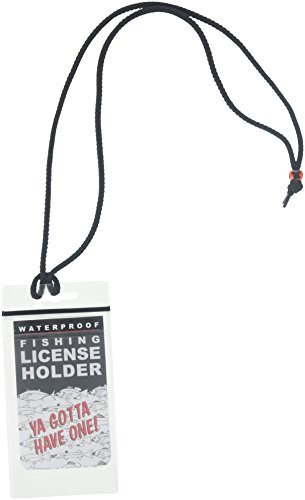
Never misplace your fishing license again
Where to Buy, Renew, and Replace Your License
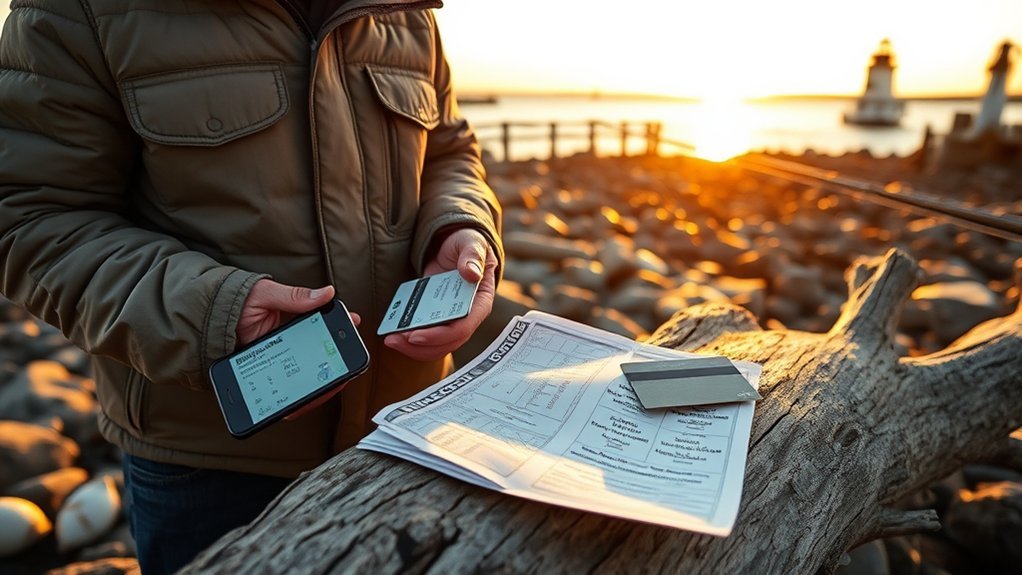
You can buy a Massachusetts fishing license online through the MassFishHunt licensing system, at select license vendors, or in person through MassWildlife-supported offices and outlets. Online purchase is usually the fastest option because you can complete the process from home.
To buy online, create or sign in to your MassFishHunt account, choose the correct freshwater license or saltwater permit, confirm your personal details, pay the required fee, and save your license credentials. You may be able to print the license or display digital proof on your smartphone.
To renew a fishing license, return to MassFishHunt before your annual license expires. Many licenses follow the calendar year, so anglers often renew before fishing again in the new year.
If you lose your credentials, you can usually replace your fishing license through the same online system or by visiting an approved office. Replacement access is useful when you switch phones, misplace a printed copy, or need proof during a fishing trip.
You should keep proof of your license with you whenever you fish. A digital copy may work in many situations, but a printed backup can save trouble if your phone dies, gets wet, or loses service.
What to Check Before You Fish
A license is only the first step. Before heading out, check the current fishing regulations for your target water, species, and gear. Massachusetts may set different rules for trout, bass, striped bass, cod, fluke, shellfish, and other freshwater or marine species.
Review these details before your trip:
- Season dates: Some species and waters have open and closed seasons.
- Daily possession limits: You may only keep a certain number of fish per day.
- Minimum size limits: Fish under the legal size must usually be released right away.
- Slot limits: Some species must fall within a specific size range to keep.
- Gear rules: Hooks, traps, nets, bait, and tackle may have restrictions.
- Waterbody rules: Reservoirs, stocked trout waters, and protected areas may have special limits.
These rules protect fish populations and help keep public waters open for everyone. They can also change faster than license categories, so check them each season.
Common License Mistakes to Avoid
Many anglers buy the wrong license because they focus only on price. Instead, start with the water type. Freshwater fishing and saltwater fishing are separate license categories, and a freshwater license does not automatically cover coastal fishing.
Another common mistake is assuming youth rules are the same for residents and visitors. Children under 15 are generally exempt, but anglers ages 15–17 may fall into different fee categories based on residency and license type.
Some anglers also forget that charter coverage applies only in specific circumstances. If the boat’s permit covers passengers, that coverage usually applies while fishing from that boat, not to separate shore fishing before or after the charter.
Finally, do not wait until you see an officer to look for your license. Keep a printed copy, screenshot, or digital license available so you can show proof quickly when asked.
Frequently Asked Questions
How much is a Massachusetts fishing license?
A common resident annual freshwater license is listed at $29.50, while a common non-resident annual freshwater license is listed at $39.50. A recreational saltwater permit is commonly listed at $10 for anglers who are not exempt. Extra stamp fees or special-location permits may affect the final cost.
Do seniors get a discount on Massachusetts fishing licenses?
Yes. Massachusetts offers reduced or free fishing privileges for certain senior anglers. Residents ages 65–69 may qualify for a reduced freshwater fee, while residents age 70 and older may qualify for free freshwater fishing privileges. Saltwater permits may also be free for anglers age 60 and older.
How do you get a free fishing license in Massachusetts?
You can apply through MassFishHunt or an approved MassWildlife channel if you qualify by age, disability status, or another eligible category. You may need to provide personal details, proof of age, residency, or disability documentation before the free license is issued.
Do you need separate freshwater and saltwater licenses in Massachusetts?
Yes. Freshwater and saltwater fishing use separate credentials. Buy a freshwater license for inland fishing and a recreational saltwater permit for covered coastal fishing unless you qualify for an exemption, reciprocity, or charter-boat coverage.
Can non-residents buy a short-term Massachusetts fishing license?
Yes. Non-residents can usually choose an annual freshwater license or a short-term freshwater permit for a brief trip. A three-day license may be more practical for visitors who only plan to fish once during a vacation or weekend.
Where can you buy or replace a Massachusetts fishing license?
You can buy, renew, print, or replace many Massachusetts fishing licenses through MassFishHunt. You may also use approved vendors or MassWildlife-supported offices when you prefer in-person help or need an alternative to online purchase.
Sources
- Mass.gov — Buy your freshwater fishing license — supports freshwater license purchase options and MassFishHunt access.
- Mass.gov — Buy your recreational saltwater fishing permit — supports saltwater permit requirements and purchase guidance.
- Mass.gov — Freshwater fishing regulations — supports season, possession, size, and freshwater rule reminders.
- Mass.gov — Recreational saltwater fishing regulations — supports saltwater species, size, possession, and seasonal rule reminders.
- Mass.gov — Saltwater fishing permit reciprocity — supports reciprocity guidance for neighboring states.
Conclusion
You’re ready to choose the right Massachusetts fishing license when you know four details: your age, your residency, your water type, and how long you plan to fish. Residents, teens, seniors, non-residents, short-term visitors, and saltwater anglers all have different options, so check the correct category before buying. Use MassFishHunt or an approved vendor to buy, renew, or replace your license, then review the current fishing regulations before every trip. With the right permit and rules in hand, you can spend less time worrying about paperwork and more time enjoying Massachusetts waters.