Planning to fish in Colorado means checking the license rules before you pack your rod. For the 2025 license year, most anglers age 16 or older need a valid Colorado fishing license, and many also need an annual Habitat Stamp. The rules change by residency, age, military status, disability status, and whether you want to fish with a second line, so it helps to review the details before you buy.
Quick Answer
In Colorado, anglers age 16 and older generally need a fishing license for the 2025 season. Annual licenses run from March 1, 2025, through March 31, 2026. Residents, non-residents, seniors, youth, veterans, and active-duty military members may have different fees or exemptions.
Key Takeaways
- Colorado annual fishing licenses for the 2025 license year are valid from March 1, 2025, through March 31, 2026.
- Youth under 16 can fish without a license, but they must still follow bag, possession, and method-of-take limits.
- Most anglers age 16 or older need a license, and many also need a Habitat Stamp once per license year.
- A second-rod stamp is required if you want to fish with a second line where second-line fishing is allowed.
- Digital licenses can make field checks easier, but you still need access to your license while fishing.
At a Glance
| License Year | March 1, 2025, through March 31, 2026 |
| Who Usually Needs One | Most anglers age 16 and older |
| Documents Needed | Government-issued ID, residency proof if claiming resident status, and SSN or ITIN when required |
| Extra Items | Habitat Stamp for many anglers and a second-rod stamp if fishing with two lines |
Purchase a Fishing License
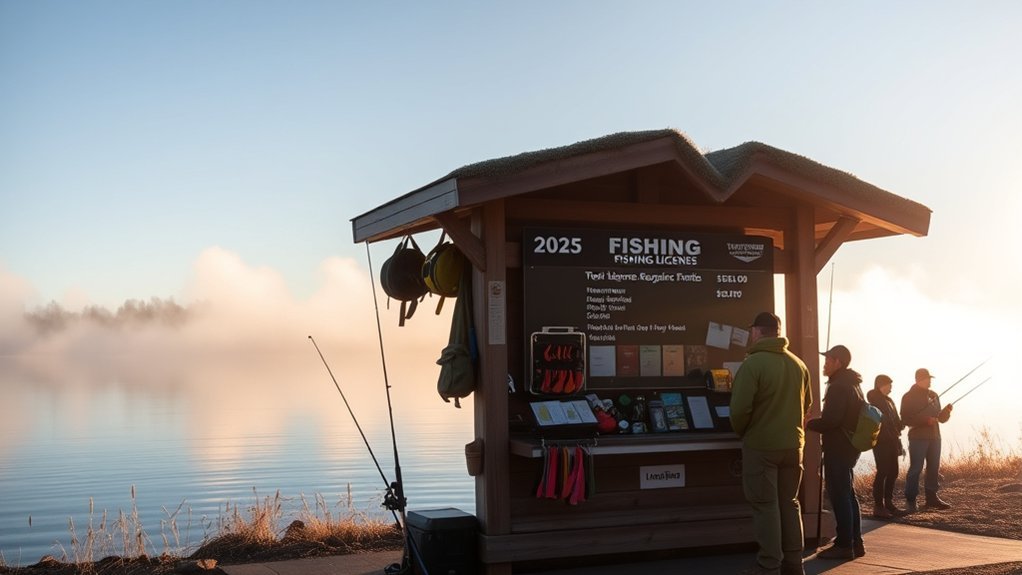
When you’re ready to hit Colorado’s waters, purchasing a fishing license should be your first step. Annual licenses for the 2025 license year run from March 1, 2025, to March 31, 2026, giving you 13 months of coverage.
Ready to fish in Colorado? Buy your license before your first cast, keep proof with you, and check local rules for the water you plan to fish.
If you’re a resident adult, the 2025 annual license fee listed in the original article is $42.91. Seniors aged 64 and older benefit from a reduced fee listed here as $11.73.
Youth aged 16 to 17 need a license too. If they want to fish with more than one line, they also need the proper second-rod stamp where second-line fishing is allowed. Youth under 16 can fish without a license, but they still must follow Colorado’s bag, possession, size, and method rules.
After you purchase your license, you may receive a temporary authorization number, often called a TAN. This number lets you fish while waiting for a physical license, but you should keep it available during your trip.
Make sure you have proof of residency and a government-issued ID when you buy your license. If you buy online, enter your information carefully so your license matches your ID.
Note: License fees can change by license year and may include small surcharges. Treat the amounts in this guide as 2025 figures and confirm the final total during checkout.
Fishing Licenses and Fees

When you’re ready to fish, understanding the costs of both resident and non-resident licenses helps you avoid surprises at checkout.
For 2025, the fees vary based on age, residency, license length, and special status. Discounts may apply for seniors, resident youth, qualifying veterans, and some active-duty military members.
Also remember the Habitat Stamp requirement. This annual stamp supports wildlife and habitat work, and many anglers need one in addition to the fishing license itself.
Resident License Fees
In 2025, the Resident Adult Annual Fishing License listed in the original article costs $42.91 for Colorado residents aged 18 to 63.
If you’re a senior resident aged 64 or older, the annual fishing license listed here is $11.73.
Resident youth aged 16 to 17 also need a license, listed here at $11.73. They may need an extra second-rod stamp if they plan to fish with two rods where that is allowed.
If you prefer a shorter outing, a one-day fishing license is listed here at $16.72. Short-term licenses may have different Habitat Stamp treatment than annual licenses, so check the final purchase screen before you pay.
Non-Resident License Costs
For those looking to fish in Colorado as non-residents, license costs depend on age and license type.
The annual fishing license for non-resident adults is listed in the original article as $82.75. Non-resident youth who fall into Colorado’s license-required age range should expect to buy the appropriate non-resident license rather than a resident youth license.
For a brief fishing experience, a one-day license is listed here at $16.72. This can work well if you are visiting Colorado and only want to fish for one day.
Non-resident licenses may include added state fees, such as search-and-rescue and wildlife education-related charges, depending on the license type and checkout rules.
Additionally, many non-resident anglers must purchase a Habitat Stamp. In most cases, only one Habitat Stamp is required per license year for the same person.
Make sure you’re prepared before casting your line, especially if you are traveling from another state and fishing on a tight schedule.
Special License Discounts
Many anglers may not realize that Colorado offers several special discounts or exemptions on fishing licenses, making it more affordable for specific groups.
If you’re a resident youth aged 16 to 17, the license amount listed in this article is $11.73. Those under 16 can fish without a license, but they must still follow bag and possession limits.
Non-resident youth who are old enough to need a license must purchase the appropriate non-resident license. The original article listed a conflicting amount for this group, so the safer approach is to use the non-resident license category shown during checkout.
Seniors aged 64 and older who qualify as Colorado residents benefit from a discounted annual fee listed here as $11.73.
Veterans with qualifying service-connected disabilities may be eligible for a Free Lifetime Fishing License, which can remove the need to buy an annual fishing license.
Additionally, active-duty Colorado residents on temporary leave may be able to fish free for up to 30 days by carrying their official leave papers. They should still check whether any other rules apply to the water they plan to fish.
What You Need to Purchase a License

When you’re ready to purchase a fishing license in Colorado, you’ll need a government-issued ID to confirm your identity.
If you’re claiming Colorado resident pricing, be prepared to show proof of residency. Non-residents must choose the proper non-resident license and pay the matching fee.
Don’t forget that most anglers age 16 or older need a license to fish. Those under 16 can fish without a license, but they do not get to ignore harvest limits or water-specific regulations.
Identification Requirements
To purchase a fishing license in Colorado, you’ll need valid government-issued identification that confirms your identity. This could be a driver’s license, state ID, passport, or another accepted ID type.
If you’re aged 12 or older, you may need to provide your Social Security Number or Individual Taxpayer Identification Number when applying. Youth under 16 can fish without a license, but youth aged 16 to 17 are required to have one.
When you buy your fishing license, you may also need to purchase a Habitat Stamp, which is required annually for many anglers.
Having the correct identification and documentation makes the license process smoother, whether you buy online, through a sales agent, or through an official mobile app.
Proof of Residency
If you’re planning to purchase a resident fishing license in Colorado, you’ll need to show proof of residency to confirm your status. A government-issued ID with your Colorado address, such as a Colorado driver’s license or state ID, is usually the simplest option.
Other official documents that include your name and Colorado address may also help support your residency claim. When applying, remember that you may need to provide your Social Security Number or Individual Taxpayer Identification Number as well.
This proof matters for adult licenses, youth licenses, senior licenses, and special military-related privileges. Make sure your identification or documentation is current and valid to avoid delays during the purchase process.
Age Restrictions
Understanding the age restrictions for purchasing a fishing license in Colorado helps you avoid a ticket and keeps your fishing trip simple.
If you’re a Colorado resident aged 18 to 63, you’ll generally need a Resident Adult Annual Fishing License, listed in this article at $42.91 for the 2025 license year.
Youth under 16 can fish without a license but must follow bag and possession limits.
For those aged 16 to 17, a fishing license is necessary. If you plan on using a second rod, be aware of the additional stamp requirement.
Non-resident youth in the license-required age range must purchase the appropriate non-resident fishing license.
Additionally, if you’re 12 or older, have your Social Security Number or Individual Taxpayer Identification Number handy when buying your license.
Warning: A license does not give you permission to ignore local closures, special limits, bait restrictions, or private-property rules. Always check the rules for the exact water before fishing.
Fishing Licenses For Youth

Have you ever wondered what the fishing license requirements are for youth? Understanding these rules can help you and your young anglers enjoy a successful fishing trip. Here’s a quick rundown:
- Youth under 16 can fish without a license, but they must follow all bag and possession limits.
- Resident youth aged 16 to 17 need a fishing license, and if they want to use a second rod, they’ll need a second-rod stamp.
- Non-resident youth in the license-required age range must purchase the proper non-resident fishing license to fish legally in Colorado.
- For residents aged 16 to 17, the fishing license is listed here as $11.73, and they may also need a Habitat Stamp.
It’s essential to check local regulations before heading out, ensuring that your youth anglers have everything they need for a fun day on the water.
Adults should also teach young anglers how to measure fish, release fish safely, identify daily limits, and avoid fishing in closed waters. A youth exemption from the license requirement does not remove those responsibilities.
Pro Tip: Before taking kids fishing, save a copy of the local regulation page or booklet on your phone. Cell service can be weak near mountain lakes, reservoirs, and remote streams.
For Armed Services Members

While serving in the armed forces, you deserve to enjoy your downtime, and fishing can be a great way to relax. If you’re an active-duty resident of Colorado, you may be able to fish for free without a license while on temporary leave for up to 30 days. Carry your official leave papers so you can show your status if asked.
Veterans with service-connected disabilities may have even more options. You can apply for a Free Lifetime Fishing License or a qualifying combination license if you meet the disability and residency requirements.
If you’re fishing with youth under 16, they can join you without needing a license, but everyone must follow the bag and possession limits. Non-resident youth in the license-required age range must purchase the correct non-resident fishing license.
If you plan to fish with a second line, don’t forget that a second-rod stamp is required for anglers who hold a fishing license and want to use two lines where allowed. Enjoy your time on the water, but keep your documents easy to access.
Fishing Licenses For Colorado Seniors
Fishing is a popular pastime enjoyed by many, including seniors in Colorado. If you’re 64 or older and qualify as a Colorado resident, you can get a Senior Annual Fishing License for the reduced amount listed here as $11.73. To purchase one, bring your government-issued ID and proof of residency.
Here are a few key points to keep in mind:
- Youth under 16 can fish without a license, but those aged 16 to 17 need one, which may affect family fishing plans.
- Senior anglers must follow the same fishing regulations as other license holders, including bag and possession limits.
- If you’re a veteran with a qualifying service-connected disability, you may be able to obtain a Free Lifetime Fishing License.
- Always stay updated on local fishing regulations to ensure compliance.
With these guidelines, you’re set to enjoy the beautiful waters of Colorado. A discounted license can make it easier to fish often, but it does not change harvest limits or special water rules.
Fishing With a Second Line
If you’re looking to increase your chances of landing a big catch, using a second line can be a game changer. However, you need to make sure you meet specific requirements based on your age, residency, license type, and fishing location.
A second-rod stamp does not mean every water allows two lines. Some waters may have special restrictions, and the second line must still follow all legal bait, lure, and method rules.
Here’s a quick overview:
| Who | Requirements | Fees |
|---|---|---|
| Youth (16-17, CO) | Fishing license + second-rod stamp where allowed | Standard license + stamp fee |
| Non-resident Youth (license-required age range) | Proper non-resident license + second-rod stamp where allowed | Standard non-resident fee + stamp fee |
| Adults | Valid fishing license + second-rod stamp where allowed | Standard license + stamp fee |
| All Anglers | Stay updated on statewide and water-specific regulations | N/A |
| Varying Locations | Check local rules for potential restrictions or closures | N/A |
Commercial Fishing Licenses
Commercial fishing licenses are different from recreational fishing licenses. If you plan to sell fish, operate a fish-related business, transport live fish, stock private waters, run an aquaculture operation, or guide anglers for pay, do not assume a standard recreational license is enough.
Here’s what you need to know before operating in this sector:
- Business and tax identification: Commercial, aquaculture, or business-related permits may require a business name, tax identification number, Social Security Number, or other official identification.
- Designated offices or official channels: Some permits may need to be handled through designated wildlife offices or official licensing channels rather than a regular retail counter.
- Additional fees: Be prepared for application fees, permit fees, renewal fees, inspection requirements, or reporting obligations, depending on the activity.
- Stay informed: Commercial rules can change and are often more detailed than recreational fishing rules. Review the current Colorado requirements before you buy equipment, stock fish, or begin paid operations.
If your goal is simply to fish for personal use, you usually need a recreational fishing license, not a commercial license. If money changes hands or fish are sold, transported, stocked, or raised, get the correct permit first.
Digitally Display Your License
As technology advances, anglers can enjoy the convenience of displaying their fishing licenses digitally through the myColorado™ mobile app when supported. This app can help you purchase and access various license types, including annual, daily, and disability lifetime options, plus an extra rod stamp.
With your digital license at hand, you may not need to carry a physical copy, as long as your license is accessible while you’re fishing.
To make the most of this feature, verify that your app is updated and that your license details display correctly before you leave home. The myColorado™ app may also help you access fishing regulations, local information, and valuable tips to improve your fishing experience.
Still, do not rely only on mobile service. If you will fish in a remote canyon, mountain lake, or backcountry stream, consider saving offline proof or carrying a backup copy.
Where to Buy a Colorado Fishing License
You can usually buy a Colorado fishing license through official online licensing tools, approved sales agents, or supported mobile options. Buying online is often the fastest route because you can choose your license type, add the Habitat Stamp, and receive a temporary authorization number right away.
Retail agents can help if you prefer in-person service or have questions about residency documents. Before you drive to a store, check business hours and confirm that the location still sells licenses.
When buying for a family, enter each angler’s information separately. Licenses are tied to the individual, not the group, and the name on each license should match that person’s ID.
Habitat Stamp and Other Add-Ons
The Habitat Stamp is one of the most common add-ons for Colorado anglers. Many people age 18 through 64 need it when buying a fishing or hunting license, though exemptions may apply.
You usually need only one Habitat Stamp per license year. If you buy another qualifying license later in the same license year, you should not need to buy the stamp again for the same person.
The second-rod stamp is separate. It applies when a licensed angler wants to fish with a second line where second-line fishing is legal. It does not replace the fishing license or the Habitat Stamp.
Before You Fish, Check Local Regulations
A Colorado fishing license gives you legal access to fish under state rules, but it does not make every water open to every method. Some waters have special limits for trout, bass, pike, walleye, kokanee, or other species.
Before each trip, check these details:
- Daily bag and possession limits
- Minimum or maximum size limits
- Catch-and-release rules
- Artificial fly or lure restrictions
- Bait restrictions
- Seasonal closures
- Private-property access rules
- Special rules for state parks, reservoirs, and tailwaters
These rules can change by water, season, and species. A quick check before you leave can prevent an expensive mistake.
Frequently Asked Questions
Do you need a fishing license in Colorado in 2025?
Most anglers age 16 and older need a valid Colorado fishing license. Youth under 16 can fish without a license, but they must follow bag, possession, size, and method rules.
How long is a 2025 Colorado annual fishing license valid?
The 2025 Colorado annual fishing license year runs from March 1, 2025, through March 31, 2026. That gives annual license holders 13 months of coverage.
Do Colorado seniors need a fishing license?
Yes, Colorado seniors generally still need a license unless they qualify for a specific exemption. Resident seniors age 64 and older may qualify for a reduced-fee annual fishing license.
Do you need a Habitat Stamp to fish in Colorado?
Many anglers need a Habitat Stamp in addition to their fishing license. You generally need only one Habitat Stamp per license year, but exemptions may apply based on age, license type, or status.
Can you fish with two rods in Colorado?
You may fish with a second line only when you have the proper second-rod stamp and the water allows it. Always check local rules because some waters may restrict methods.
Do you have to have a fishing license in Georgia if you’re over 65?
This article focuses on Colorado, not Georgia. In Georgia, senior license rules depend on residency and current state regulations. If you plan to fish in Georgia, check Georgia’s official license rules before your trip.
How much is a Virginia state fishing license?
This guide covers Colorado fishing licenses. Virginia uses its own license categories, fees, trout privileges, and residency rules, so confirm the current Virginia fee before buying.
How much does a SC fishing license cost?
South Carolina license costs are separate from Colorado’s fees. If you plan to fish in South Carolina, check the current resident, non-resident, senior, freshwater, and saltwater license options before fishing.
What do you need to get a fishing license in Wisconsin?
Wisconsin has its own fishing license rules. This Colorado guide is not a substitute for Wisconsin regulations, so check Wisconsin’s current requirements for ID, residency, age, and license type.
Conclusion
In 2025, getting your fishing license is as essential as baiting your hook before casting your line. Colorado offers options for residents, non-residents, youth, seniors, veterans, and qualifying armed services members, so choose the license that matches your status.
Bring the right necessary documents, confirm whether you need a Habitat Stamp, and add a second-rod stamp if you plan to fish with multiple rods where allowed. Whether you’re angling for relaxation or sport, having the right license helps you enjoy the water with confidence.
Before every trip, check the local rules for your lake, river, reservoir, or stream. A valid license gets you started, but responsible fishing means knowing the limits before your first cast.