
Winter camping calls for shelter that can manage wind, snow, moisture, and condensation without adding unnecessary setup stress. A tent can reduce exposure, but your sleeping pad, sleeping bag, clothing, food, and site choice provide most of your actual warmth and safety margin. This guide focuses on tents that fit winter backpacking, mild-winter family camping, or vehicle-based hot-tent and glamping use.
Updated for 2026: Product fit and specifications were checked against current public listing information where possible. Always confirm the live manufacturer or retailer listing before purchase.
Affiliate disclosure:. As an Amazon Associate I earn from qualifying purchases. This roundup is reader-supported. When you click through qualifying links, we may earn a referral commission at no extra cost to you.
Quick Verdict
For backpacking: start with the Underwood Aggregator, ShinHye, or BISINNA two-person models. For roomy vehicle-based winter camping: the WildFinder inflatable hot tent and SPECRAFT yurt provide far more living space. For fast family setup in calmer winter weather: the Toogh and AYAMAYA options prioritize convenience, but they should not be treated as verified heavy-snow or alpine shelters.
Top Picks
|
Category |
Product |
Main Strength |
|---|---|---|
|
Best Budget Backpacking |
PU5000mm listing + snow skirt |
|
|
Best Lightweight 4-Season Pick |
About 5.5 lb + PU5000mm listing |
|
|
Best Snow-Skirt Value |
Rollable snow skirt + value |
|
|
Best Inflatable Hot Tent |
Air-beam setup + stove jack |
|
|
Best Family Glamping |
Large canvas basecamp layout |
|
|
Best Instant Setup for Mild Winter |
Fast pre-attached-pole setup |
|
|
Best Large Pop-Up for Mild Winter |
Large pop-up family layout + vestibule |
How We Picked These Tents
We compared the supplied product details with current public product-listing information where possible, then prioritized winter-relevant features: season rating, full-coverage weather protection, snow skirts or cold-weather design, pole or frame structure, ventilation, setup method, packed practicality, and the intended use case.
This is an editorial comparison of product specifications and buyer fit; it does not claim hands-on testing. We removed products whose current listings identify them as 3-season rather than winter/4-season choices, and we removed a near-duplicate color variant so the shortlist is easier to compare.
Winter safety note: “4-season,” “waterproof,” and a high millimeter rating do not automatically prove a tent can withstand heavy snow loading, severe alpine wind, or prolonged extreme weather. Follow the tent manufacturer’s weather limits, stake and guy the shelter correctly, clear accumulating snow, and carry a sleep system appropriate for the lowest expected temperature.

Best for: Solo campers or pairs who want a compact 4-season-style backpacking shelter with a snow skirt.
Sentiment Snapshot
Source note: This sentiment chart was included in the original article. Because the underlying review sample and methodology were not provided, it is retained for layout continuity but is not used as ranking evidence or as proof of customer consensus.

When To Use It
|
Situation |
How It Helps |
|---|---|
|
Winter backpacking |
A compact, low-profile shelter with a snow skirt and full fly suits short cold-weather trips where packability matters. |
|
Bikepacking or motorcycle camping |
Small packed size and a freestanding layout make it easier to transport and pitch at varied campsites. |
|
Mild-to-moderate snow |
The snow skirt and full fly help manage drifting snow when the tent is properly staked and guyed. |
|
Two-person use |
Best when occupants pack carefully; winter gear can quickly reduce usable sleeping space. |
Water Protection
The current listing identifies PU5000mm waterproofing plus a full rainfly and snow skirt. Waterproof ratings describe fabric resistance; they do not by themselves establish wind strength or snow-load capacity.
Why You’ll Like It
- PU5000mm listed waterproofing with a full-coverage rainfly
- Snow skirt helps block drifting snow and cold drafts at the fly edge
- Aluminum-pole freestanding design is simpler to pitch than many expedition-style tents
- Compact two-person footprint suits backpacking, bikepacking and vehicle-based winter trips
Who Should Avoid This
The two-person rating will feel tight once winter gear comes inside, and no verified snow-load rating was found. Treat it as a compact winter backpacking tent rather than an expedition shelter for severe alpine storms.

Best for: Backpackers who prioritize lower carried weight while still wanting a double-wall tent with a snow skirt.
Sentiment Snapshot
Source note: This sentiment chart was included in the original article. Because the underlying review sample and methodology were not provided, it is retained for layout continuity but is not used as ranking evidence or as proof of customer consensus.

When To Use It
|
Situation |
How It Helps |
|---|---|
|
Cold-weather backpacking |
A relatively light 4-season setup is useful when you need winter features without a large basecamp tent. |
|
Solo camping with extra room |
One camper gets more interior space for winter layers and gear. |
|
Shoulder-season snow |
The rollable snow skirt can be deployed when snow or spindrift is expected. |
|
Trips with condensation risk |
The double-wall layout and vents give moisture a better path out than a fully sealed single-wall shelter. |
Water Protection
Current listings specify PU5000mm waterproofing and sealed seams. Keep the fly tensioned so wet fabric does not press against the inner tent, and use a footprint where ground abrasion or saturation is likely.
Why You’ll Like It
- Listed at about 5.5 lb for the two-person version
- PU5000mm coating and sealed seams are listed for wet-weather protection
- Rollable snow skirt supports winter use while allowing more ventilation in milder seasons
- Double-wall construction and ventilation openings help manage condensation
Who Should Avoid This
Marketing language such as “extreme cold” should not be read as a guarantee for severe mountain weather. Your sleeping pad, sleeping bag, clothing and site choice provide most of the insulation and safety margin.
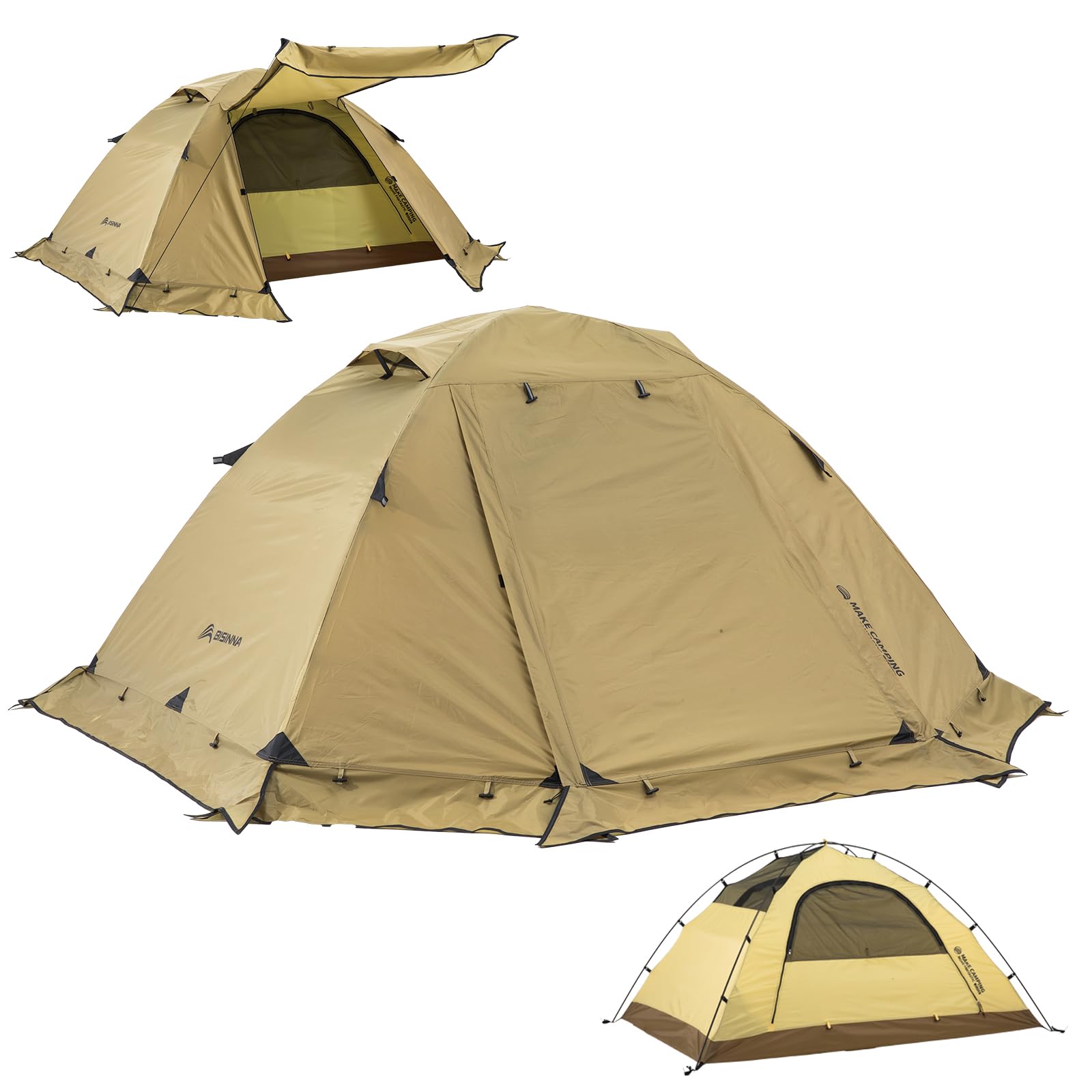
Best for: Budget-conscious campers who want a simple two-person 4-season tent with a rollable snow skirt.
Sentiment Snapshot
Source note: This sentiment chart was included in the original article. Because the underlying review sample and methodology were not provided, it is retained for layout continuity but is not used as ranking evidence or as proof of customer consensus.

When To Use It
|
Situation |
How It Helps |
|---|---|
|
Budget winter camping |
It covers the core winter features—full fly, snow skirt and aluminum poles—without the bulk of a basecamp shelter. |
|
Backpacking or bikepacking |
Its compact format is easier to transport than family-size winter tents. |
|
Cold-weather car camping |
A small footprint warms less air and is easier to place on protected sites. |
|
Two-person trips |
Works for two sleepers, but keeping bulky winter gear in a vestibule will improve comfort. |
Water Protection
The listing specifies PU3000mm waterproofing and a snow skirt. Proper staking, fly tension and site drainage still matter, especially during wet snow or prolonged rain.
Why You’ll Like It
- PU3000mm-listed 210T polyester outer material
- Rollable snow skirt for cold weather and snow
- Two-door, double-wall design provides useful ventilation and access
- Freestanding aluminum-pole setup is manageable for solo pitching
Who Should Avoid This
The current listing supports winter use, but a verified structural snow-load rating was not found. The compact size is better for one camper plus gear or two people who pack efficiently.

Best for: Car campers and glampers who want standing room, fast air-beam setup and a stove-jack-equipped winter basecamp.
Sentiment Snapshot
Source note: This sentiment chart was included in the original article. Because the underlying review sample and methodology were not provided, it is retained for layout continuity but is not used as ranking evidence or as proof of customer consensus.

When To Use It
|
Situation |
How It Helps |
|---|---|
|
Winter car camping |
The roomy interior and stove-jack layout suit basecamp use where you can transport heavier gear. |
|
Glamping |
Standing room, skylight and quick inflation prioritize comfort over trail weight. |
|
Cold-weather group trips |
The large interior lets campers organize cots, gear and living space more easily. |
|
Hot-tent setups |
Use only a compatible stove/chimney system and follow both tent and stove instructions for clearances, ventilation and operation. |
Water Protection
The current product information lists 420D Oxford fabric with PU3000mm waterproofing. For snow, keep accumulation off the roof and follow the manufacturer’s weather and anchoring guidance.
Why You’ll Like It
- Inflatable air-beam frame sets up with the included pump instead of traditional poles
- 420D Oxford shell with PU3000mm-listed waterproofing
- Built-in stove jack supports compatible hot-tent setups
- Panoramic skylight and multiple mesh openings add light and ventilation
Who Should Avoid This
At roughly 31 lb, this is a vehicle-based shelter rather than a backpacking tent. A stove jack does not make stove use automatically safe, and no verified snow-load rating was found for the air-beam structure.

Best for: Large groups who want a vehicle-based canvas shelter with room for cots, furniture and a compatible stove setup.
Sentiment Snapshot
Source note: This sentiment chart was included in the original article. Because the underlying review sample and methodology were not provided, it is retained for layout continuity but is not used as ranking evidence or as proof of customer consensus.

When To Use It
|
Situation |
How It Helps |
|---|---|
|
Family winter basecamp |
Large floor area gives families room to separate sleeping gear, wet layers and living space. |
|
Glamping weekends |
The yurt layout prioritizes standing room and comfort rather than packability. |
|
Stove-compatible camping |
The stove jack allows a compatible chimney route when all manufacturer clearances and ventilation requirements are followed. |
|
Longer vehicle-based stays |
The spacious layout is most practical when weight and packed size are less important. |
Water Protection
The listing describes the shelter as waterproof/4-season, but exact performance depends on setup, seam condition, ground drainage and weather exposure. Do not treat “4-season” wording as a certified snow-load rating.
Why You’ll Like It
- Large bell/yurt-style footprint provides substantial standing and living space
- Canvas construction is suited to basecamp-style use and ventilation
- Built-in stove jack supports compatible hot-tent configurations
- Detachable groundsheet and mesh ventilation increase layout flexibility
Who Should Avoid This
This is a large, heavy shelter that is better for vehicle access and established campsites than mobile winter travel. Verify current dimensions, packed weight, stove compatibility and weather limits before purchase.

Best for: Car campers who value very fast setup and standing room for calm, milder winter conditions.
Sentiment Snapshot
Source note: This sentiment chart was included in the original article. Because the underlying review sample and methodology were not provided, it is retained for layout continuity but is not used as ranking evidence or as proof of customer consensus.

When To Use It
|
Situation |
How It Helps |
|---|---|
|
Mild-winter car camping |
Fast setup reduces time spent assembling shelter in cold weather. |
|
Family weekend trips |
The larger floor and standing height are easier for changing clothes and organizing gear. |
|
Cold but calm campsites |
Ventilation and waterproof materials help in cool, wet weather when snow loading is limited. |
|
Quick overnight stops |
The instant frame is useful when convenience matters more than compact packed size. |
Water Protection
Listings describe 3000mm water resistance with a rainfly and Oxford floor. For winter use, stake and guy it carefully, keep snow from accumulating, and choose a sheltered site.
Why You’ll Like It
- Pre-attached telescopic poles are designed for very fast setup
- Four-person cabin layout offers more room than backpacking tents
- Current listings identify waterproof Oxford materials and 3000mm water resistance
- Multiple windows and a mesh ceiling help manage airflow
Who Should Avoid This
Although current listings market this as 4-season, no verified snow-load rating was found. The tall cabin shape is not the first choice for exposed alpine wind or heavy accumulating snow.
Best for: Families who want a spacious pop-up tent with a vestibule for calm cold-weather car camping.
Sentiment Snapshot
Source note: This sentiment chart was included in the original article. Because the underlying review sample and methodology were not provided, it is retained for layout continuity but is not used as ranking evidence or as proof of customer consensus.

When To Use It
|
Situation |
How It Helps |
|---|---|
|
Family car camping |
Large floor area and a vestibule give people and gear more room to spread out. |
|
Mild winter weekends |
The double-layer design and rain protection suit cool-weather camping at protected sites. |
|
Fast arrival setup |
The pop-up frame is useful when you reach camp late or want minimal assembly. |
|
Gear-heavy trips |
The vestibule provides a separate area for boots, packs and other wet items. |
Water Protection
The listing describes a PU3000 polyester roof and waterproof-coated floor. Use a well-drained site, secure all available guy points, and avoid letting wet snow build up on the roof.
Why You’ll Like It
- Pre-assembled pop-up design minimizes setup time
- Large interior and vestibule separate sleeping space from shoes and wet gear
- Double-layer construction helps with airflow and condensation management
- Current listings identify a PU3000 polyester roof for rain protection
Who Should Avoid This
This is a large pop-up family shelter, not a verified mountaineering tent. No structural snow-load rating was found, so keep it to protected campsites and milder winter weather rather than heavy snow or severe wind.
Before You Buy a Winter Tent
- Match the shelter to the weather, not just the season label. A calm campground winter and an exposed alpine storm require very different structures.
- Check snow and wind guidance. If the manufacturer does not publish a snow-load or wind limit, do not assume the tent is suitable for severe conditions.
- Plan for condensation. Double-wall construction, vents, protected vestibule storage, and good site selection help keep moisture away from your sleep system.
- Size up for winter gear. A two-person tent can feel like a one-person shelter once bulky sleeping bags, insulated clothing, boots, and packs come inside.
- Use a proper sleep system. The tent blocks weather; an insulated sleeping pad and temperature-appropriate sleeping bag provide most of the warmth beneath and around you.
- Be cautious with stoves. A stove jack is only one component of a hot-tent setup. Use a compatible stove and chimney, maintain required clearances and ventilation, and follow both tent and stove manufacturer instructions.
FAQ
What makes a tent suitable for winter camping?
Look for a structure intended for cold-weather use, a full rainfly or weatherproof outer shell, strong anchoring points, ventilation that can stay open in cold conditions, and winter-specific features such as a snow skirt where appropriate. For serious snow or exposed wind, manufacturer guidance on weather limits matters more than marketing labels alone.
Can I use a 3-season tent in winter?
A 3-season tent may work on a calm, dry, low-elevation winter night, but it is not the best choice for a roundup focused on winter shelters. Mesh-heavy bodies, lighter frames, and limited snow-management features can become liabilities when wind, drifting snow, or accumulation increases.
Does a higher waterproof rating mean a tent is better for snow?
Not by itself. A millimeter rating describes water resistance of the fabric or coating, while snow performance also depends on pole geometry, fabric tension, anchoring, roof shape, seam construction, ventilation, and how quickly you remove accumulating snow.
How can I reduce condensation in cold weather?
Keep designed vents open, avoid pressing the inner tent against the fly, store wet gear in a vestibule when possible, and select a site that allows airflow without exposing the tent to unnecessary wind. A double-wall design can help separate interior moisture from the weather layer.
Is a stove jack enough to make a tent safe for a wood stove?
No. A stove jack only provides a heat-resistant chimney pass-through. Safe hot-tent use also requires a compatible stove and chimney, correct clearances from fabric and gear, stable placement, adequate ventilation, and strict compliance with the tent and stove manufacturers’ instructions.
How much extra space should I allow for winter gear?
If you carry bulky sleeping systems, insulated clothing, boots, and packs, choosing one capacity size larger than your sleeping party can make winter camping much more practical. A vestibule also helps keep wet gear out of the sleeping area.
How to Compare the Finalists
For mobile winter trips, prioritize low packed weight, a manageable footprint, a full weather layer, and a snow skirt or similar cold-weather feature. For family basecamps, prioritize interior space, ventilation, protected storage, and setup speed. Hot-tent users should treat stove compatibility and operating instructions as safety requirements rather than optional extras.
Wrapping Up
Choose the tent that matches the winter conditions you actually expect. The compact backpacking models are the most practical when weight and packability matter, the WildFinder and SPECRAFT options are better suited to roomy vehicle-based basecamps, and the Toogh and AYAMAYA models make the most sense when quick family setup matters more than heavy-snow capability.
Before buying, confirm the current product dimensions, included components, manufacturer weather guidance, and any stove-use instructions on the live listing. Dynamic ratings, review counts, prices, and availability can change, so they are intentionally not used as ranking evidence here.
| Product | Image | Best For | Winter Positioning | Water Protection | Main Caution | Amazon |
|---|---|---|---|---|---|---|
| Underwood Aggregator 2-Person 4-Season Tent |
 |
Backpacking | Listed 4-season; snow skirt | PU5000mm listed | No verified snow-load rating | Check Amazon |
| ShinHye 2-Person 4-Season Tent |
 |
Lightweight backpacking | Listed 4-season; snow skirt | PU5000mm listed | Marketing does not equal alpine certification | Check Amazon |
| BISINNA 2-Person 4-Season Tent |
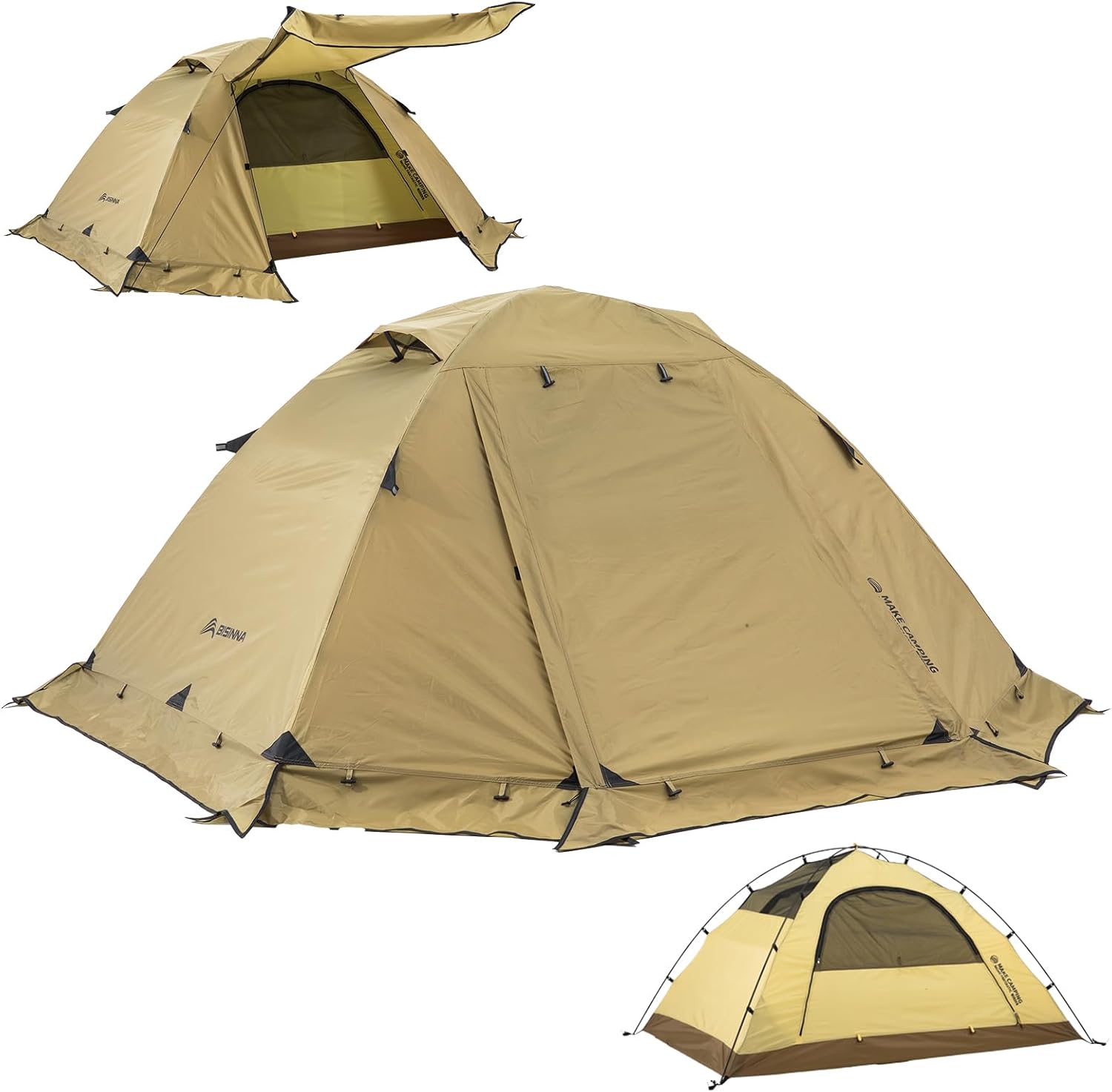 |
Budget backpacking | Listed 4-season; rollable snow skirt | PU3000mm listed | Compact interior with winter gear | Check Amazon |
| WildFinder Inflatable Skylight Tent |
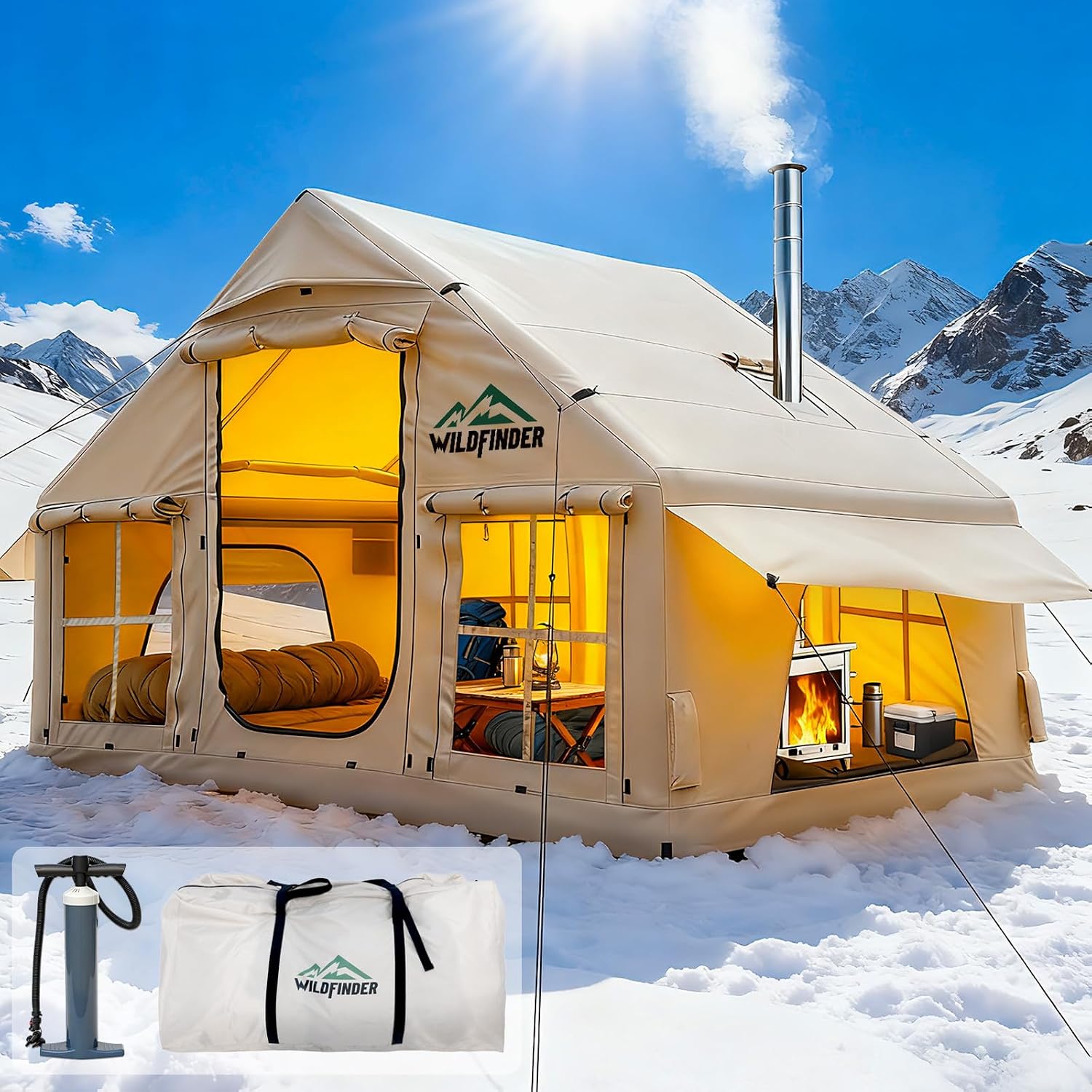 |
Vehicle-based hot tenting | Listed 4-season; stove jack | 420D Oxford, PU3000mm listed | Heavy; stove safety and no verified snow-load rating | Check Amazon |
| SPECRAFT 6m Yurt Style Tent |
 |
Family glamping/basecamp | Listed 4-season canvas shelter | Waterproof listing; verify current spec | Very large and heavy | Check Amazon |
| Toogh 4-Person Instant Tent |
 |
Fast mild-winter car camping | Marketed 4-season; cabin style | 3000mm listed | Tall shape; no verified snow-load rating | Check Amazon |
| AYAMAYA 6-Person Pop-Up Tent |
 |
Large mild-winter family camping | Marketed all-season/4-season pop-up | PU3000 roof listed | Pop-up family shelter; avoid severe snow/wind | Check Amazon |
This roundup is reader-supported. When you click through qualifying links, we may earn a referral commission on qualifying purchases.

