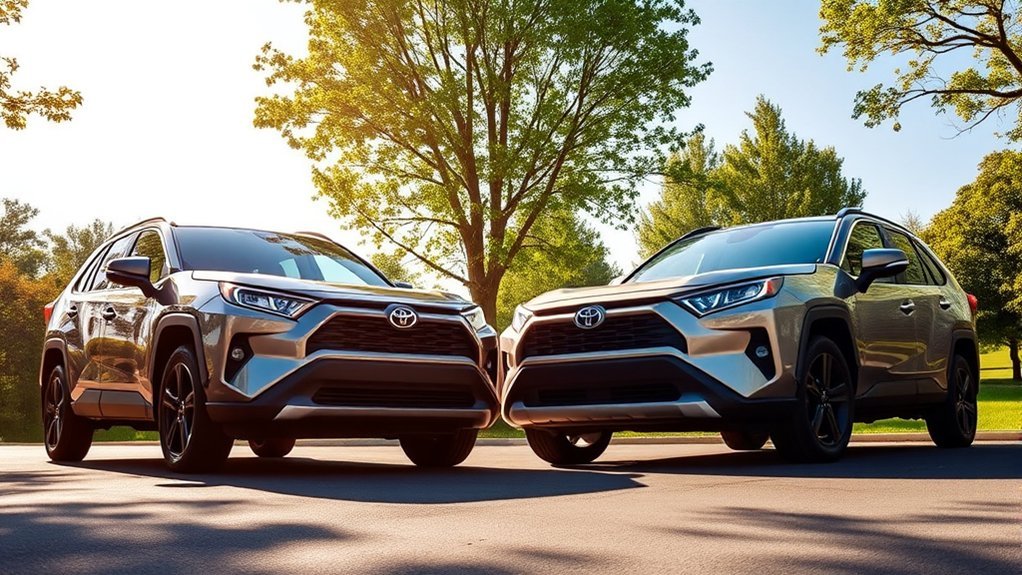
When choosing between the Toyota RAV4’s 4-cylinder and V6 engines, consider your daily driving needs. The 4-cylinder engine offers great fuel economy, reliability, and lower maintenance costs. This makes it perfect for daily commutes. The V6 provides considerably more power and better towing capacity. It is ideal for drivers needing extra performance. Weighing these advantages will help you make an informed choice. Explore the details below to discover which engine best suits your lifestyle.
Quick Answer
- 4-Cylinder: Best for daily commuting, offering higher fuel efficiency and generally lower maintenance costs.
- V6 Engine: Delivers 268 horsepower and a 3,500-lb towing capacity, making it ideal for hauling and steep hills.
- Availability: The V6 was only offered in 2006–2012 RAV4 models, meaning you will be shopping the used market.
- Reliability: Both are durable, but watch for oil consumption in older 2.4L 4-cylinders and oil line leaks in the V6.
The 4-Cylinder Engine: Performance and Efficiency
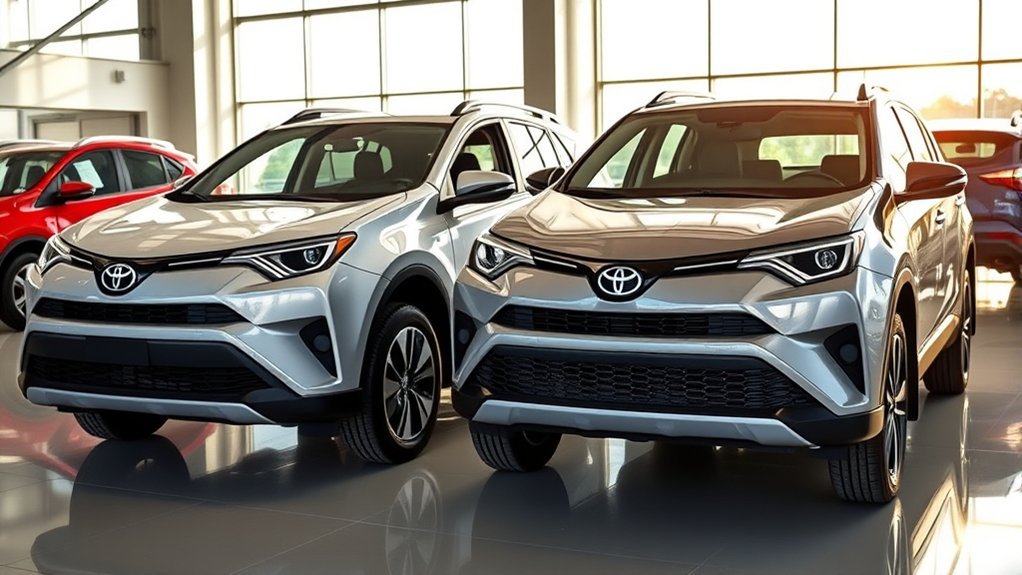
The 4-cylinder engine in the Toyota RAV4 offers a compelling blend of performance and efficiency for everyday driving.
This engine delivers notable advantages, including exceptional reliability and improved efficiency compared to older SUV models. You can expect impressive fuel economy. It averages between 22-28 MPG depending on city or highway conditions. This makes it a highly practical choice for reducing fuel costs.
While it performs perfectly well on flat roads, it may feel a bit sluggish during highway passing. This is especially true when the vehicle is fully loaded with passengers and cargo.
The engine uses a chain-driven camshaft design. This eliminates the need for expensive timing belt replacements and keeps maintenance costs low.
[Amazon Products Picked for You]

[Vehicle Fitment]: CA10677 Air Filter is a replacement for Toyota Avalon (2013-2018), Camry (2012-2017), RAV4 (2013-2018), 2.5L L4; for Lexus ES300h (2013-2018) 2.5L, HS250h (2010-2012) 2.4L, LS460 (2007-2017) 4.6L, LS600h (2008-2016) 5.0L. Please enter your vehicle's year/make/model to check the fitment.

[Vehicle Fitment]: CA10677 Compatible with Toyota RAV4 GAS 2013-2018, Camry FHEV 2012-2017, Avalon 2013-2018 2.5L; Lexus LS460 2007-2017, ES300h 2013-2018, HS250h 2010-2012, LS600h 2008-2016
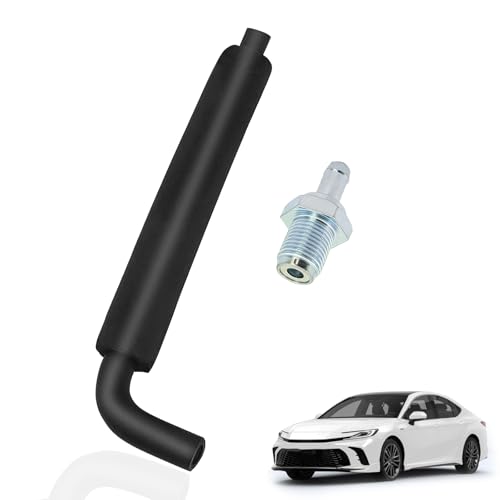
OEM Part Numbers: Our valve and hose is replaces multiple OEM part numbers including 12262-0H010 and 1220428020. The high-sensitivity valve precisely regulates airflow to extend engine life and maintain factory emissions standards. Always verify your existing PCV configuration before purchase
The V6 Engine: Power and Towing Capacity
If you need enhanced acceleration and superior towing capability, the RAV4’s V6 engine delivers excellent results.
It provides nearly 100 more horsepower than its 4-cylinder counterpart. With a towing capacity of 3,500 pounds, it handles small trailers and heavy loads effortlessly.
The V6 performance also shines on hilly terrain. It ensures a smooth and confident drive even when the road gets steep.
[Amazon Products Picked for You]

Genuine Toyota Hitch Cover

Avalon Trailer Wiring Harness: This custom 4 way trailer wire for Toyota Avalon fits for 2013-2018 Toyota RAV4/2013-2017 Toyota Avalon; Note: You will need to run the hot lead up to your car battery, it does need 12v to operate

Compatibility: Compatible with 2006-2018 Toyota RAV4. Please confirm your vehicle model before purchasing
Enhanced Acceleration Benefits
Many drivers appreciate the simple practicality of the 4-cylinder engine. However, the V6 option stands out for those seeking enhanced acceleration and towing capabilities.
With an impressive 268 horsepower and 246 lb-ft of torque, the V6 drastically improves acceleration dynamics. It allows you to go from 0-60 mph in just 6.3 seconds. This engine transforms the driving experience when fully loaded, providing responsive power on steep inclines.
Features like Hill Start Assist Control and Downhill Assist Control further enhance its performance. These tools ensure you can tackle challenging weather or terrain with confidence.
Superior Towing Capability
For buyers who prioritize towing, the V6 engine in the Toyota RAV4 delivers unmatched performance. A towing capacity of up to 3,500 lbs greatly outshines the 4-cylinder variant.
The V6 is ideal for hauling heavy loads or utilizing hitch-mounted accessories. The extra power translates to smoother acceleration and better weight distribution. This gives you much more confidence on steep grades.
| Feature | V6 Engine |
|---|---|
| Towing Capacity | 3,500 lbs |
| Horsepower | 268 hp |
| Torque | 246 lb-ft |
| Owner Satisfaction | High for towing |
Ideal For Hilly Terrain
The V6 engine isn’t just about impressive towing capacity. It also excels at traversing hilly terrain effortlessly. With its robust horsepower and torque, it handles steep inclines without straining the transmission.
Here are some key features that enhance its performance:
- 0-60 mph in roughly 6.3 seconds for confident highway merging.
- Towing capacity of up to 3,500 lbs for heavy loads.
- Smooth power delivery, even with heavy cargo and passengers.
- Hill Start Assist Control to prevent rolling backward on inclines.
- A robust engine design focused on consistent power delivery.
Which RAV4 Models Offer a V6?
It is important to note that Toyota no longer produces a V6 RAV4. The 3.5-liter V6 engine was exclusively available during the RAV4’s third generation, spanning model years 2006 to 2012.
If you are shopping for a V6 RAV4 today, you will be looking at the used car market. Modern RAV4s (2013 to present) rely exclusively on 4-cylinder engines. Toyota now uses hybrid and plug-in hybrid powertrains to bridge the performance gap left by the discontinued V6.
[Amazon Products Picked for You]
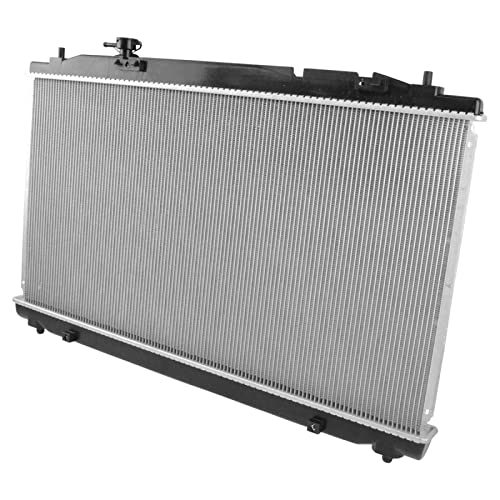
Reference Numbers: 8012817; 16400-AD010; 1640031520; 16400AD010; 13035; 2817; CU2817; TO3010300
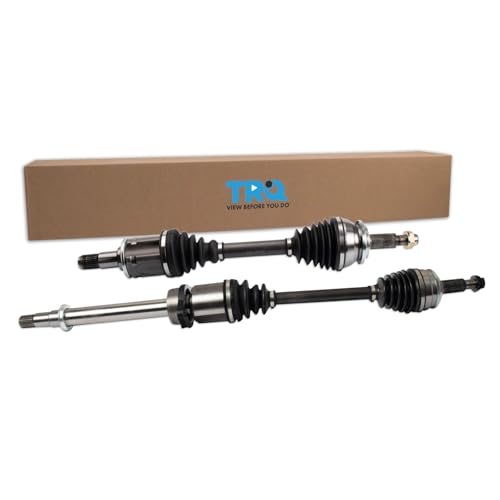
Kit Includes: 1 Front Driver Side CV Axle Assembly; 1 Front Passenger Side CV Axle Assembly

Kit Includes: 1 Front Driver Side CV Axle Assembly; 1 Front Passenger Side CV Axle Assembly
Comparing Fuel Economy: RAV4 4-Cylinder vs V6
When choosing between the two engines, fuel economy is a major deciding factor. The 4-cylinder engine generally averages 22-28 MPG. This makes it much more efficient in stop-and-go city driving.
Meanwhile, the V6 offers roughly 26-27 MPG on the highway. It provides decent mileage for road trips, but results in a higher yearly fuel cost of $150 to $200. In real-world city conditions, the V6 can drop closer to 19 MPG with aggressive driving.
Although the V6 wins in raw driving performance, its lower city gas mileage is a drawback for daily commuters.
If you prioritize fuel economy, the 4-cylinder is your best bet. If you need power without sacrificing highway efficiency, the V6 remains a strong contender.
Is the V6 Worth the Extra Cost?
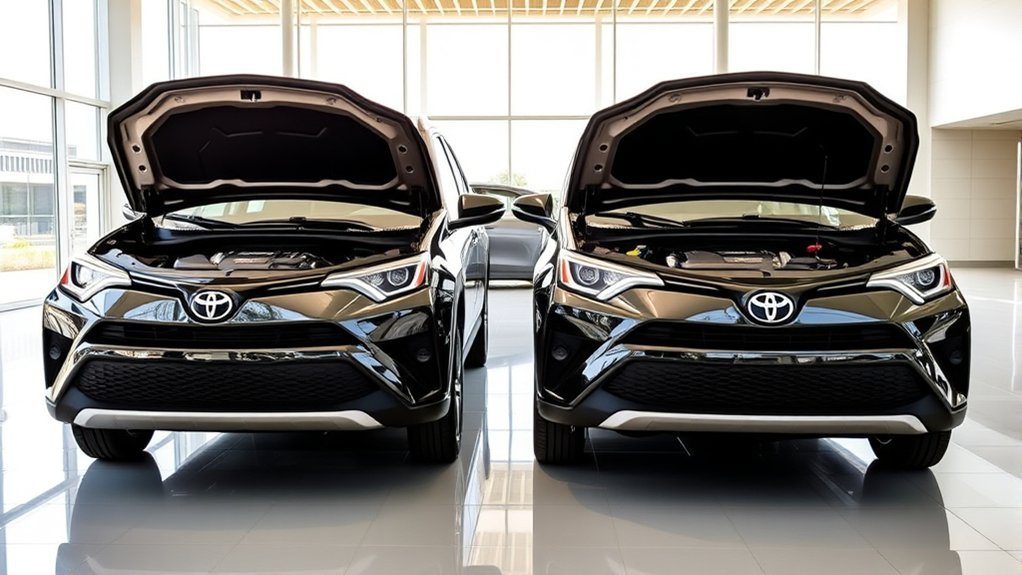
Is the added power of the V6 worth the extra cost? When analyzing engine performance, the V6 certainly holds its value. Here are some key points to evaluate:
- Offers nearly 100 more horsepower and significantly more torque than the 4-cylinder.
- Typically costs a bit more upfront on the used market but holds excellent resale value.
- Provides adequate fuel economy, averaging around 24 MPG in mixed real-world driving.
- Delivers a refined driving experience with smoother acceleration and quieter highway operation.
- Maintenance costs can be higher due to a more complex engine bay.
A basic cost analysis shows the V6’s additional power is ideal for towing and hilly terrain. The initial price tag might be slightly higher, but the driving satisfaction easily justifies the investment for outdoor enthusiasts.
Reliability and Maintenance: What to Expect From Each Engine
Understanding reliability and maintenance is vital before buying. The 4-cylinder engine is known for longevity and lower maintenance costs. The V6 requires slightly more upkeep and has a few specific reliability quirks to watch out for.
Engine Longevity Comparisons
Both the 4-cylinder and V6 engines can easily surpass 200,000 miles with proper care. However, their reliability and maintenance profiles differ.
If you are considering longevity, here is what you should know:
- The newer 2.5L 4-cylinder (2009+) is exceptionally durable with minimal engine wear.
- Both engines use timing chains, which eliminates timing belt replacement concerns.
- The V6 is densely packed in the engine bay, making routine maintenance more labor-intensive.
- The V6 features a known weak point with a rubber VVT-i oil line that should be replaced with a metal part.
If low maintenance needs are your top priority, the 2.5L 4-cylinder engine is the smarter pick for long-term ownership.
Maintenance Cost Differences
The maintenance cost differences between the 4-cylinder and V6 engines will impact your wallet over time.
The 4-cylinder engine features a much simpler design. It provides easy access to spark plugs, belts, and the alternator. This generally leads to lower labor costs at the mechanic and makes it appealing for budget-conscious owners.
The V6 engine’s complexity leads to higher maintenance costs. Accessing the rear spark plugs against the firewall is difficult, and water pump replacements take considerably more labor time.
Common Reliability Issues
Both engines have strong reputations, but they come with distinct reliability concerns based on their specific model years.
- Early 2.4L 4-cylinder engines (2006-2008) are notorious for burning excessive oil. This was fixed in 2009.
- A common issue with the early V6 includes a ruptured rubber VVT-i oil line. Toyota eventually replaced this with an all-metal line.
- The V6 often requires more expensive labor for standard tune-ups.
- The 2.5L 4-cylinder generally has the lowest repair frequency of all options.
- Regular maintenance is essential for both, yet the newer 4-cylinder maintains the strongest overall reliability rating.
Consumer Preferences: Reasons for Choosing the 4-Cylinder Over the V6
Many buyers gravitate toward the 4-cylinder engine option due to its affordability and efficiency. It is generally cheaper to purchase and cheaper to run, making it an appealing choice for tight budgets.
The 4-cylinder shines in city driving. It delivers better fuel economy and reduces overall fuel expenses. You will appreciate the performance it offers for running errands and commuting.
The reliability and lower maintenance costs stem from its simpler design. Many drivers also favor this engine as an eco-friendly choice, since it burns less fuel than the V6.
These advantages stack up, making the 4-cylinder a smart pick for buyers prioritizing savings and sustainability.
How Fuel Economy Impacts Long-Term Costs
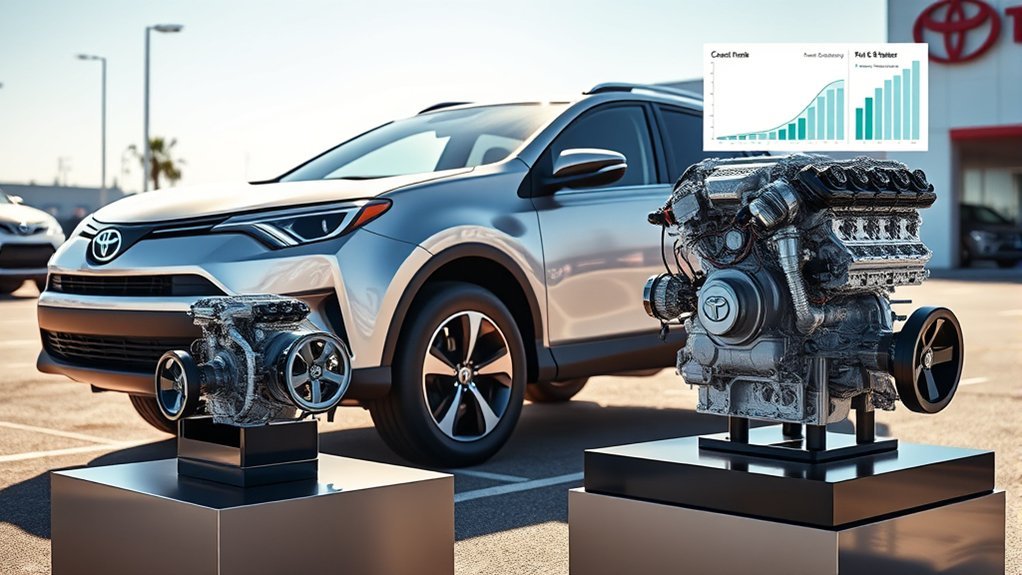
Fuel economy dictates your long-term costs as an owner. Choosing the right engine directly impacts your monthly budget.
- The 4-cylinder engine averages 22-28 MPG, leading to lower monthly fuel bills.
- The V6 engine may add $150 to $200 annually in extra gas expenses.
- Insurance premiums are sometimes slightly lower for the 4-cylinder models.
- Maintenance costs are noticeably lower for the 4-cylinder due to its spacious engine bay.
- Both models hold strong resale value, but the 4-cylinder appeals to a wider base of economy-focused buyers.
Prioritizing fuel efficiency results in significant savings over the lifespan of your vehicle. It is important to calculate these running costs before making a final decision.
Frequently Asked Questions
What Are the Main Differences in Engine Noise Levels?
The 4-cylinder engine produces a slightly higher-pitched sound and more vibration under heavy acceleration. The V6 offers a deeper, smoother tone and reduced cabin vibrations, creating a quieter highway driving experience.
How Does Towing Capacity Compare in Real-World Scenarios?
Towing performance varies drastically between the two. The 4-cylinder is rated for 1,500 lbs and handles light utility trailers fine. The V6 is rated for up to 3,500 lbs (with the tow package) and excels at pulling small boats and campers.
Which Engine Option Has Better Resale Value?
Both hold value incredibly well. The 4-cylinder appeals to a broader market focused on fuel efficiency and low running costs. However, the V6 is highly sought after by enthusiasts and people needing towing capacity, which keeps its specific resale value very strong.
Are There Any Notable Differences in Warranty Coverage?
Both engine options originally featured the same factory warranty durations and coverage limits from Toyota. Since these are older models, you should check third-party warranty specifics or dealership terms for any extra coverage on used vehicles.
What Are the Best Maintenance Practices for Each Engine?
Regular oil changes and high-quality filters are essential for engine longevity. Consistent fluid checks will help you catch small leaks early. If you buy a V6, ensure the VVT-i oil line has been updated to the metal version.
Conclusion
Choosing between the RAV4 4-cylinder and V6 engines depends entirely on your daily needs. The 4-cylinder is a smart pick for commuter efficiency and lower repair costs. The V6 is worth tracking down on the used market if you require serious passing power and real towing capacity. Weigh your driving habits carefully to find the best fit for your garage.
