
You want a tent that is easy to pack, pitch and live in—not a shelter that creates more work than the trip itself. This guide compares practical camping tents for solo travelers, couples, backpackers, families and festival campers. The recommendations focus on setup, realistic sleeping capacity, weather features, ventilation, packed convenience and the trade-offs that matter after the first night.
Affiliate disclosure: This roundup is reader-supported. When you click an Amazon link, we may earn a commission from qualifying purchases at no additional cost to you. Product details, variants and availability can change, so confirm the current listing before ordering.
Quick Verdict
Best all-around choice: The Coleman Sundome 4-Person offers the most balanced mix of usable room, familiar setup and everyday three-season practicality for car campers.
Best lightweight-oriented choice: The Clostnature 2-Person Tent adds two doors, vestibules and a full-coverage rainfly for hikers who need a more trail-friendly shelter.
Best family choice: The UNP 6-Person Camping Tent provides standing height and broad floor space for family bedding and gear.
Capacity tip: A tent’s person rating usually describes how many sleeping pads can fit, not how many people will be comfortable with luggage. Size up when comfort and storage matter.
Top Picks
| Category | Product | Best For | Amazon |
|---|---|---|---|
|
🏆 Best Overall |
Couples, small families and first-time campers who want a familiar dome design with more room than a two-person tent. |
||
|
💰 Best Budget |
Solo campers, occasional festival users and buyers who need a basic spare tent. |
||
|
⭐ Best for Beginners |
New campers who want a simple freestanding tent for established campgrounds and short trips. |
||
|
⚡ Best Instant Setup |
Festival campers, beach users and short-stay car campers who value setup speed above compact packed shape. |
||
|
🏡 Best for Families |
Families and small groups who want standing height, ventilation and room for larger sleep systems. |
||
|
🎒 Best for Backpacking |
Solo backpackers who want extra room or two hikers who prioritize value over the lightest possible trail weight. |
||
|
🎯 Best for Solo Comfort |
Solo car campers, anglers, festival users and occasional campers who want more space than a one-person shelter. |
||
|
🔰 Best for Standing Room |
Couples, solo campers using a cot and anyone who prioritizes headroom at a drive-in campsite. |
||
|
🛖 Best for Big Groups |
Families and groups who want more standing room and sleeping flexibility at car-accessible campsites. |
||
|
🔧 Best Cabin Value |
Couples, cot users and casual car campers seeking headroom without moving to a full family tent. |
How We Picked These Tents
We compared each tent by the criteria that affect real trips: setup complexity, realistic sleeping capacity, floor usability, headroom, ventilation, rainfly coverage, seam and floor design, pole type, packed convenience, door and vestibule access, and the buyer concerns summarized in the source article. We also separated car-camping tents from backpacking-oriented designs so a roomy family shelter is not rewarded for the same qualities as a compact trail tent.
Important: We removed live star ratings, exact review totals and numerical scores because those figures can change and were not reliably verified as current. Product labels in this guide are editorial use-case recommendations, not manufacturer awards or proof of hands-on testing.
Before You Buy
- Compare floor dimensions with your actual sleeping pads, cots or air mattress.
- Check peak height and wall shape, not only the listed person capacity.
- Confirm whether a footprint, extra stakes or seam sealer must be purchased separately.
- Practice the full setup and pack-down at home before the first trip.
- Never use an open flame, charcoal device or unapproved heater inside a tent.
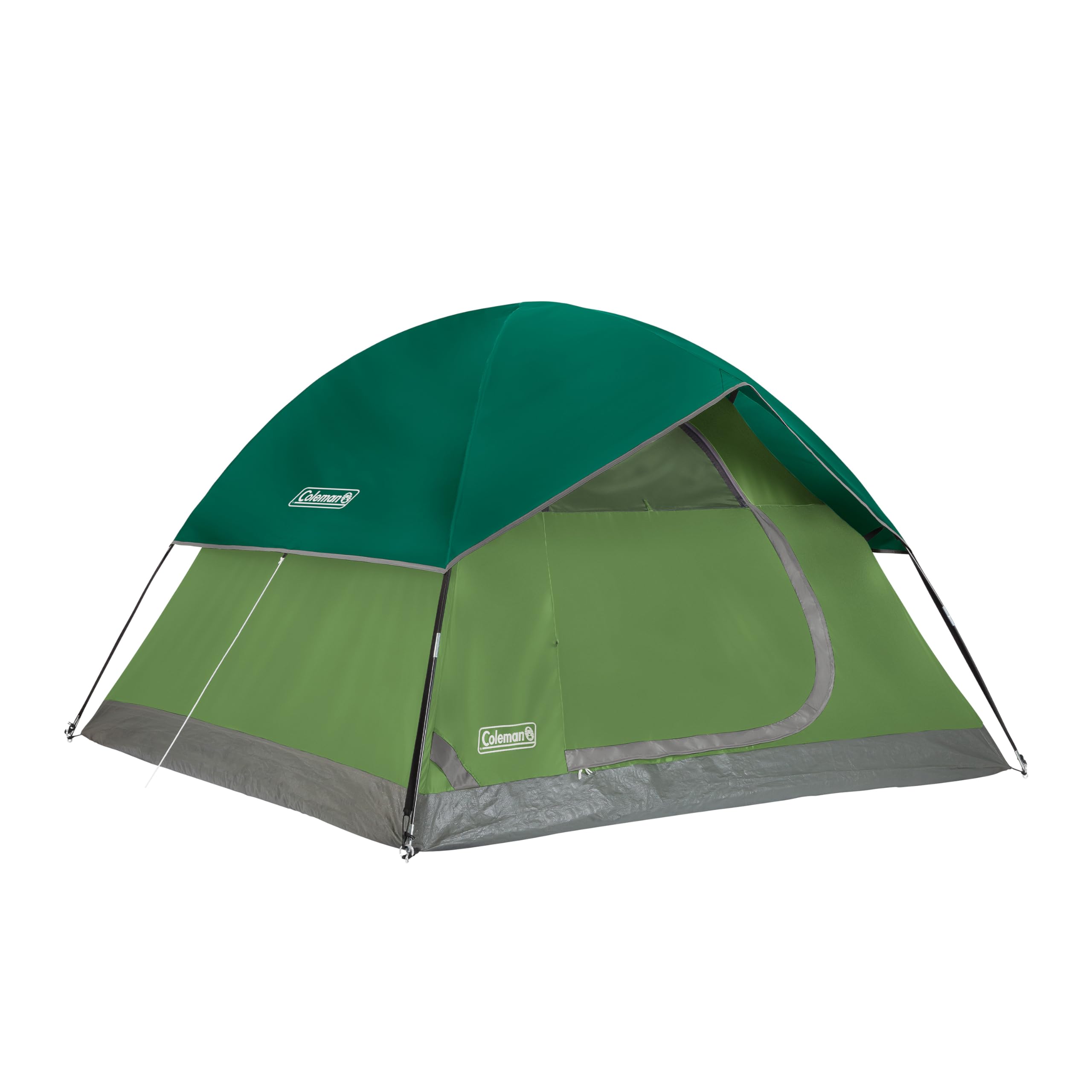
Quick Verdict: Balanced room, ventilation and uncomplicated setup.
Comfortable Capacity: Best treated as a comfortable two- or three-person shelter when sleepers also need space for bags.
Why You’ll Like It
The Sundome solves the common beginner problem of wanting useful space without a complicated pitch. Its freestanding dome shape, large windows, ground vent and included rainfly make it easy to understand and practical for ordinary spring-through-fall camping.
Best For
Couples, small families and first-time campers who want a familiar dome design with more room than a two-person tent.
Who Should Avoid It
Skip it for ultralight backpacking, exposed alpine sites or trips where heavy snow is possible.
Buyer Feedback Snapshot
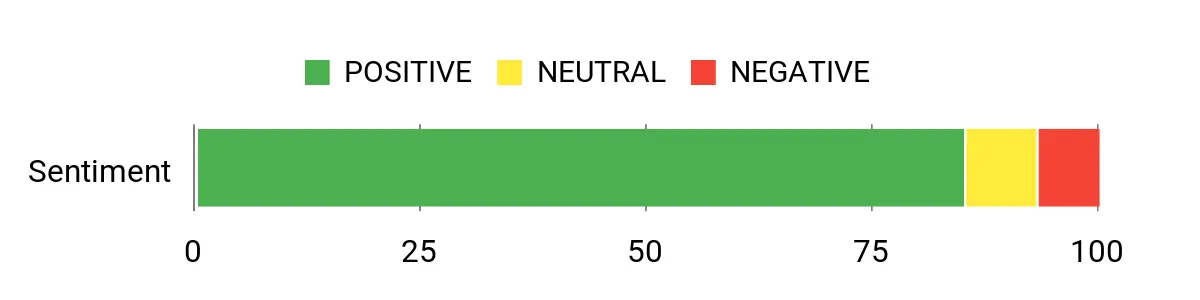
Buyer comments in the source article consistently emphasize easy pitching, useful room and dependable performance in routine rain. Some users note that supplied stakes and rainfly attachments may benefit from careful tensioning or upgrades in wind.
The chart below is a static review-analysis snapshot from the source article, not a live Amazon rating or current review count.
Seasonal Benefits
Use it primarily from spring through fall. Pitch the rainfly taut, stake every corner and use guylines when conditions are breezy. It is not a substitute for a purpose-built winter or expedition shelter.
Versatility
A strong fit for car camping, festivals, backyard sleepovers and occasional family weekends. It is less suitable when packed weight and trail mileage are primary concerns.
Key Benefits
- Familiar freestanding dome design
- Rainfly, mesh panels and ground vent support weather protection and airflow
- Room for sleeping gear without the cramped feel of many two-person tents
- Interior pockets help keep small essentials organized
- Practical choice for casual, repeat-use camping
Consider Before Buying
Main trade-off: Bulkier than a backpacking tent and not designed for winter storms. Check the current Amazon listing for the exact color, included accessories, dimensions and packed weight of the variant you select.
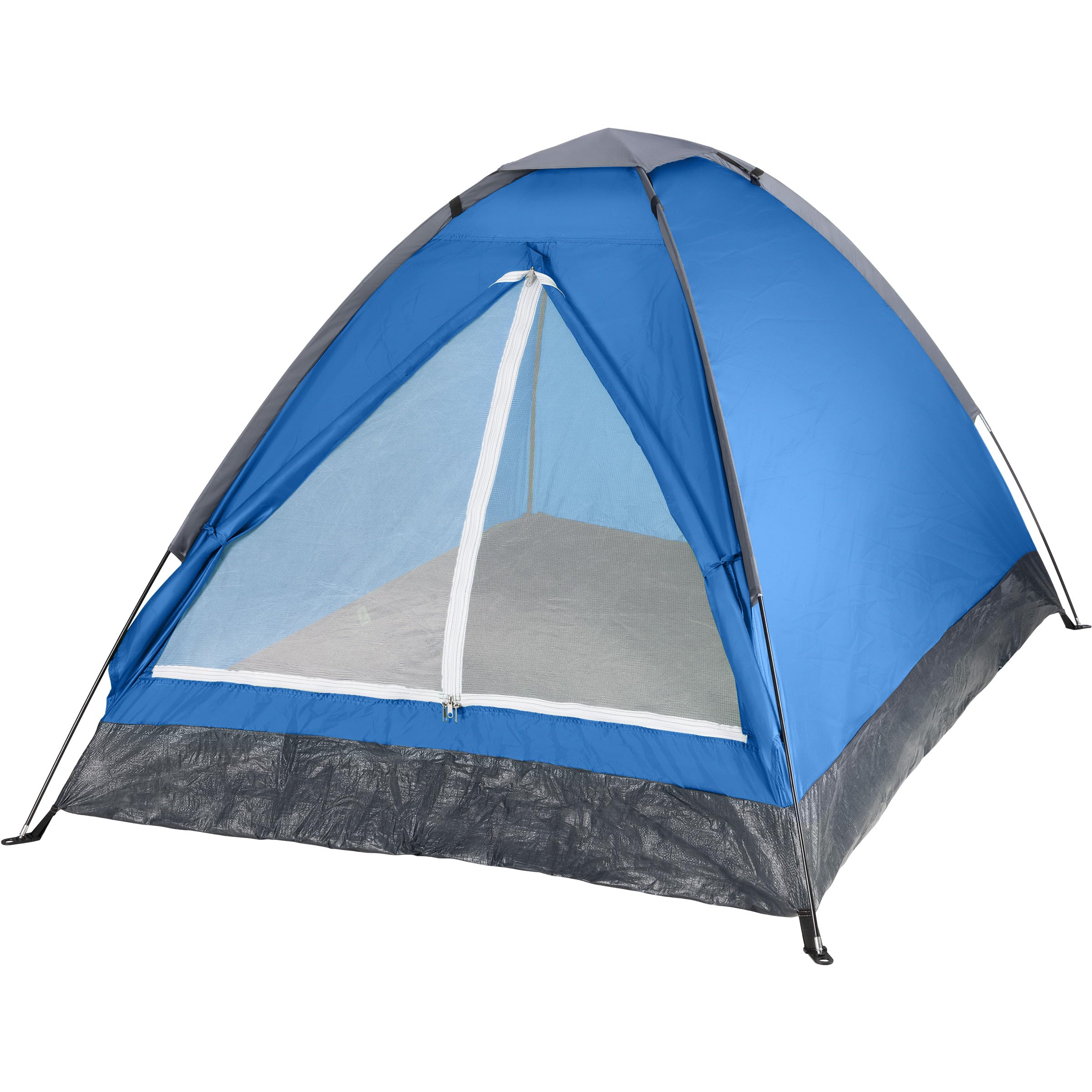
Quick Verdict: Low-cost, compact shelter for light-duty use.
Comfortable Capacity: Comfortable for one adult with gear; two adults should expect a close fit.
Why You’ll Like It
This tent keeps the purchase and setup simple. The small dome, rain fly, ventilation window and interior pocket cover the basics without adding weight or complexity that occasional campers may not need.
Best For
Solo campers, occasional festival users and buyers who need a basic spare tent.
Who Should Avoid It
Avoid it when you need generous room for two adults, robust wind performance or dependable shelter in extended rain.
Buyer Feedback Snapshot
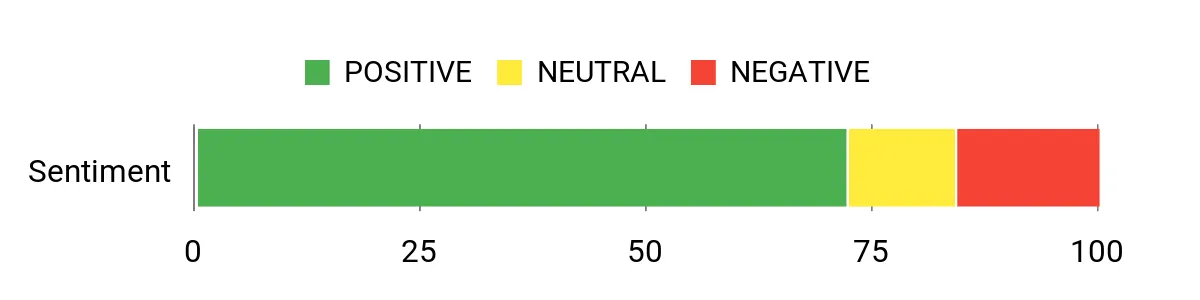
The source article’s buyer-summary section highlights easy setup and portability. The most repeated limitation is interior space, especially for two adults or taller sleepers.
The chart below is a static review-analysis snapshot from the source article, not a live Amazon rating or current review count.
Seasonal Benefits
Best for mild spring, summer and early-fall conditions. Treat the rain protection as suitable for brief showers rather than prolonged or severe storms.
Versatility
Useful for festivals, beach trips, backyard sleepovers, a child’s play tent or an emergency spare in the car. It is not the strongest choice for exposed campsites.
Key Benefits
- Quick, uncomplicated setup
- Compact packed size for car or festival use
- Rain fly and water-resistant floor for light showers
- Ventilation window helps reduce stuffiness
- Interior pocket keeps small items off the floor
Consider Before Buying
Main trade-off: Limited living space and less protection for sustained bad weather. Check the current Amazon listing for the exact color, included accessories, dimensions and packed weight of the variant you select.

Quick Verdict: Beginner-friendly design with useful airflow.
Comfortable Capacity: Suitable for two sleeping pads, but one person plus gear will feel roomier.
Why You’ll Like It
The familiar pole structure and freestanding shape reduce the learning curve. Mesh panels support airflow, while the rainfly and raised floor design add practical protection for routine campground weather.
Best For
New campers who want a simple freestanding tent for established campgrounds and short trips.
Who Should Avoid It
Choose another option when you need two doors, vestibule storage or a genuinely lightweight backpacking shelter.
Buyer Feedback Snapshot
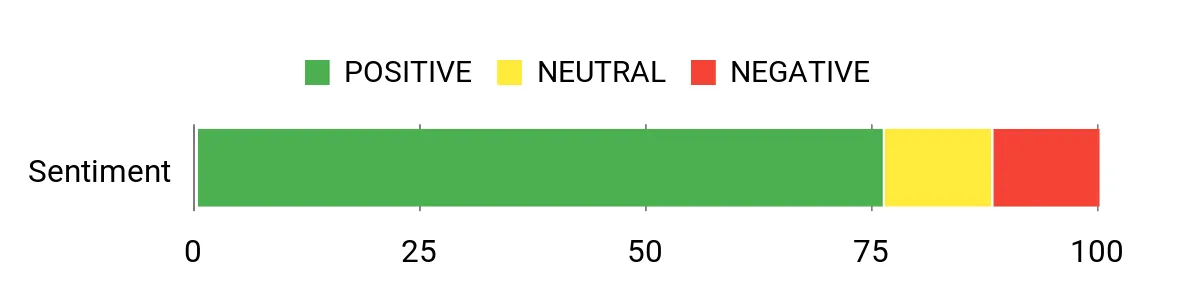
The source article reports that buyers often value the quick pitch, interior room and ventilation. Recurring cautions include the single door and occasional complaints about basic hardware.
The chart below is a static review-analysis snapshot from the source article, not a live Amazon rating or current review count.
Seasonal Benefits
Appropriate for normal three-season campground use. It should be fully staked and dried before storage, and it should not be relied on for snow loading or severe wind.
Versatility
Works for car camping, festivals, backyard use and as a loaner tent. Its packed weight and simpler materials make it less attractive for long backpacking routes.
Key Benefits
- Straightforward pole-and-clip setup
- Mesh upper panels encourage airflow
- Rainfly and raised floor help manage routine showers
- Freestanding design makes campsite positioning easier
- Interior storage features improve organization
Consider Before Buying
Main trade-off: A single-door layout and basic stakes or zippers may feel limiting. Check the current Amazon listing for the exact color, included accessories, dimensions and packed weight of the variant you select.

Quick Verdict: Near-instant deployment with dual-door access.
Comfortable Capacity: Best for a couple with gear or a small family; four adults will be tight.
Why You’ll Like It
The pre-attached frame removes pole assembly, which is the biggest frustration for many occasional campers. Dual doors improve access and ventilation, and the broad floor is useful for a couple who wants extra gear space.
Best For
Festival campers, beach users and short-stay car campers who value setup speed above compact packed shape.
Who Should Avoid It
Do not choose it when small backpack dimensions, high-wind stability or winter capability matter.
Buyer Feedback Snapshot
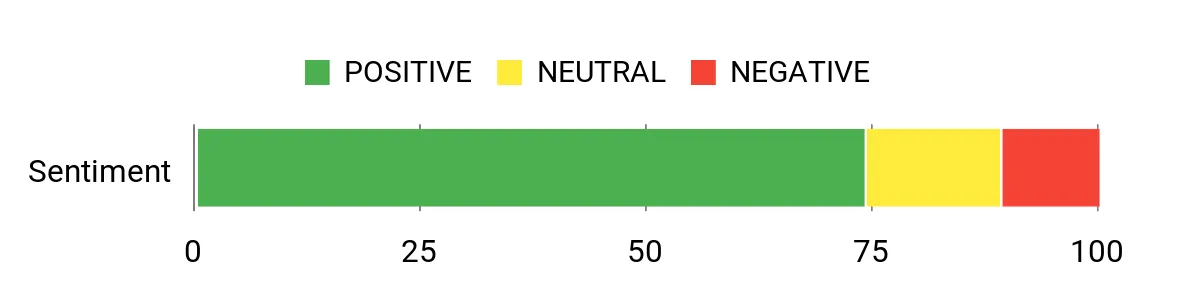
The source article describes setup speed and interior room as the main positives. Buyers also warn that folding the tent back into its bag can take practice and that lightweight construction needs careful anchoring in wind.
The chart below is a static review-analysis snapshot from the source article, not a live Amazon rating or current review count.
Seasonal Benefits
Treat it as a fair-weather or routine three-season shelter despite broader marketing language. Use every stake and guy point, and avoid exposed sites when strong gusts are forecast.
Versatility
Well suited to festivals, beach days, backyard use and quick weekend stops. Its packed shape and wind profile make it a poor choice for long-distance backpacking or severe weather.
Key Benefits
- Pre-attached pop-up frame eliminates conventional pole assembly
- Dual doors make entry and airflow easier
- Useful floor area for a couple and equipment
- Sealed-seam and coated-fabric features support routine rain protection
- Fast to deploy at drive-in campsites
Consider Before Buying
Main trade-off: The disc-shaped packed form can be awkward, and folding takes practice. Check the current Amazon listing for the exact color, included accessories, dimensions and packed weight of the variant you select.

Quick Verdict: Generous headroom and strong ventilation for family camping.
Comfortable Capacity: Comfortable for a family or roughly four adults with gear; six adults would use nearly all available floor space.
Why You’ll Like It
The tall center and wide floor make changing clothes, arranging bedding and managing children’s gear easier than in a low dome. Multiple mesh windows help the interior feel less enclosed on warm nights.
Best For
Families and small groups who want standing height, ventilation and room for larger sleep systems.
Who Should Avoid It
Avoid it for remote sites that require carrying the shelter far from the vehicle or for exposed winter conditions.
Buyer Feedback Snapshot
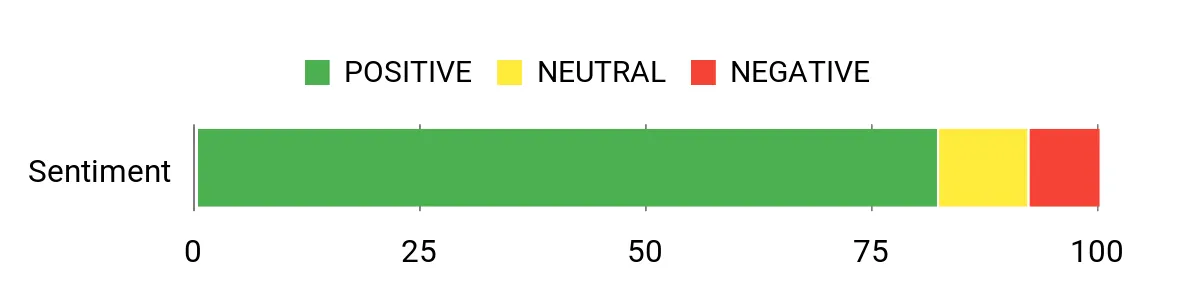
The source article summarizes positive comments about room, standing height and straightforward setup. The main cautions concern the long door zipper and the value of using stronger stakes in hard ground.
The chart below is a static review-analysis snapshot from the source article, not a live Amazon rating or current review count.
Seasonal Benefits
Best for established campgrounds from spring through fall. Use the rainfly, tension the guylines and avoid treating the large wall area as suitable for extreme wind or snow.
Versatility
Ideal for family car camping, festivals and basecamp-style trips. Its size and weight are not appropriate for normal backpacking.
Key Benefits
- Tall interior supports easier movement and changing
- Large floor accommodates family bedding and bags
- Multiple mesh windows support cross-ventilation
- Rainfly, taped seams and raised floor design add routine weather protection
- Extra pole supports improve the structure when properly staked
Consider Before Buying
Main trade-off: Large packed size and a single main door reduce portability and traffic flow. Check the current Amazon listing for the exact color, included accessories, dimensions and packed weight of the variant you select.
Quick Verdict: Useful backpacking features at a value-oriented position.
Comfortable Capacity: Roomy for one person and gear; workable for two with equipment stored in the vestibules.
Why You’ll Like It
Two doors and two vestibules reduce the nighttime shuffle common in small tents, while the full-coverage fly offers more complete protection than short roof-style flies. The freestanding clip-on structure is also easier to pitch on varied sites.
Best For
Solo backpackers who want extra room or two hikers who prioritize value over the lightest possible trail weight.
Who Should Avoid It
Choose a more specialized model for ultralight racing, winter mountaineering or frequent use on abrasive ground without a footprint.
Buyer Feedback Snapshot
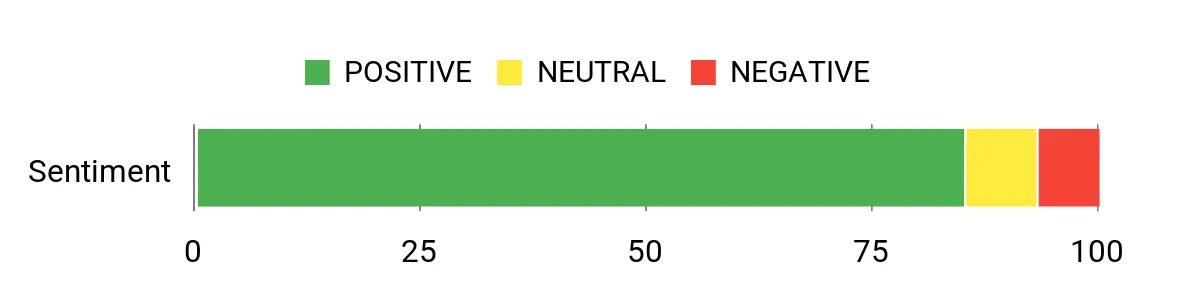
The source article reports repeated praise for packability, setup and vestibule storage. A common buyer recommendation is to place a footprint or protective groundsheet under the thinner floor.
The chart below is a static review-analysis snapshot from the source article, not a live Amazon rating or current review count.
Seasonal Benefits
Designed for spring-through-fall backpacking and campground use. Ventilate to manage condensation and select a protected site when wind is expected.
Versatility
Suitable for solo backpacking, lightweight two-person trips, car camping and emergency storage in a vehicle. It is not an alpine or heavy-snow shelter.
Key Benefits
- Aluminum-pole freestanding structure
- Two doors reduce disturbance between sleepers
- Vestibules keep footwear and small packs outside the sleeping area
- Full-coverage rainfly improves routine storm protection
- Compact format is easier to carry than family tents
Consider Before Buying
Main trade-off: The floor is relatively light and benefits from a footprint. Check the current Amazon listing for the exact color, included accessories, dimensions and packed weight of the variant you select.
Quick Verdict: Simple solo setup with generous mesh ventilation.
Comfortable Capacity: Comfortable for one adult and equipment; cozy for two.
Why You’ll Like It
This model offers the convenience of a two-person footprint without the bulk of a family tent. A mesh-heavy body improves airflow and views when the fly is off, while the freestanding frame makes solo positioning easier.
Best For
Solo car campers, anglers, festival users and occasional campers who want more space than a one-person shelter.
Who Should Avoid It
Avoid it for two tall adults with substantial gear, high winds or genuine winter camping.
Buyer Feedback Snapshot
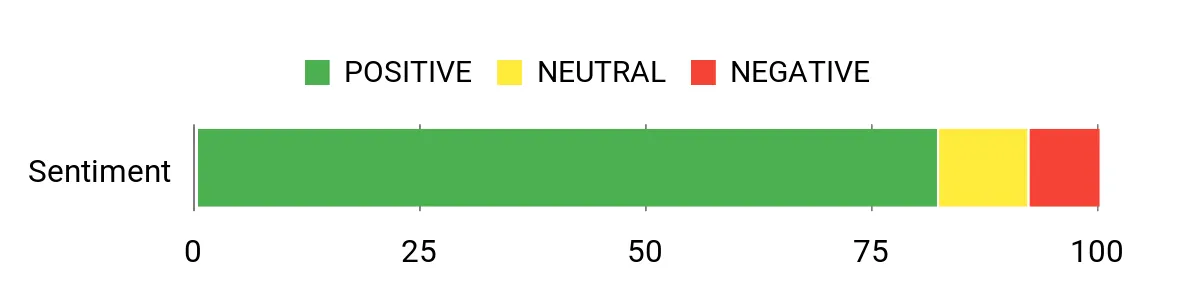
The source article summarizes favorable comments about solo setup, portability and routine rain protection. Common cautions include tight space for taller pairs, basic stakes and occasional zipper fussiness.
The chart below is a static review-analysis snapshot from the source article, not a live Amazon rating or current review count.
Seasonal Benefits
Use it as a spring-through-fall shelter. Broad “four-season” marketplace language should not be interpreted as proof of snow-load or expedition capability.
Versatility
A practical option for car camping, fishing weekends, festivals, beach trips and a vehicle backup. It is not designed for harsh winter or high-alpine trips.
Key Benefits
- Solo-friendly freestanding setup
- Compact packed form for vehicle storage
- Mesh body improves airflow in warm weather
- Included rainfly supports routine rain protection
- Two-person footprint gives one camper useful gear space
Consider Before Buying
Main trade-off: Basic stakes and close two-person quarters limit demanding use. Check the current Amazon listing for the exact color, included accessories, dimensions and packed weight of the variant you select.
Quick Verdict: Standing-height comfort in a relatively compact cabin format.
Comfortable Capacity: Most comfortable for one or two adults with gear; four adults would be a tight sleeping-only arrangement.
Why You’ll Like It
The near-vertical walls and tall center create more usable interior volume than a similarly sized dome. That makes it easier to dress, arrange a cot and keep a center aisle clear.
Best For
Couples, solo campers using a cot and anyone who prioritizes headroom at a drive-in campsite.
Who Should Avoid It
Skip it for four adults who want comfort, long trail carries or exposed windy ridges.
Buyer Feedback Snapshot
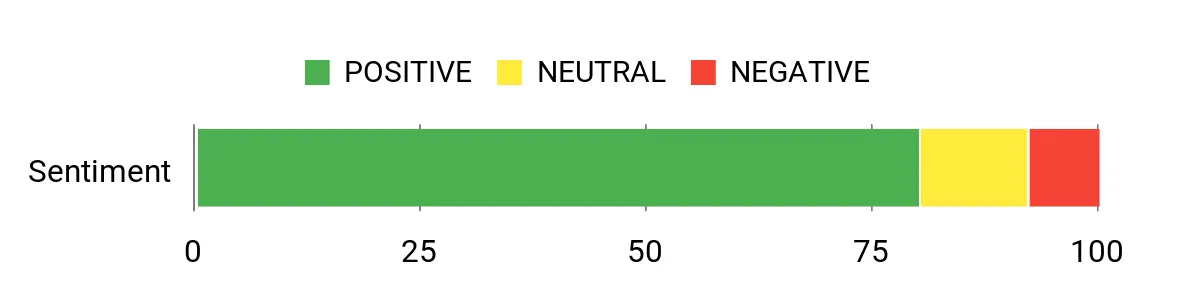
The source article’s buyer summary emphasizes setup ease, rain performance and standing height. Repeated cautions include optimistic four-person labeling, a rainfly that can take patience and the value of extra guyline tension.
The chart below is a static review-analysis snapshot from the source article, not a live Amazon rating or current review count.
Seasonal Benefits
Best treated as a three-season car-camping tent. Cabin walls catch more wind, so use every guy point and choose a sheltered site.
Versatility
Useful for car or RV camping, festivals and older campers who value easier entry and standing room. It is too heavy and bulky for normal backpacking.
Key Benefits
- Tall cabin shape provides practical standing room
- Near-vertical walls improve usable floor space
- Rainfly and taped-seam construction support routine weather protection
- Large windows encourage cross-ventilation
- Good layout for a solo cot or couple’s air mattress
Consider Before Buying
Main trade-off: Heavier and more wind-exposed than a low dome. Check the current Amazon listing for the exact color, included accessories, dimensions and packed weight of the variant you select.
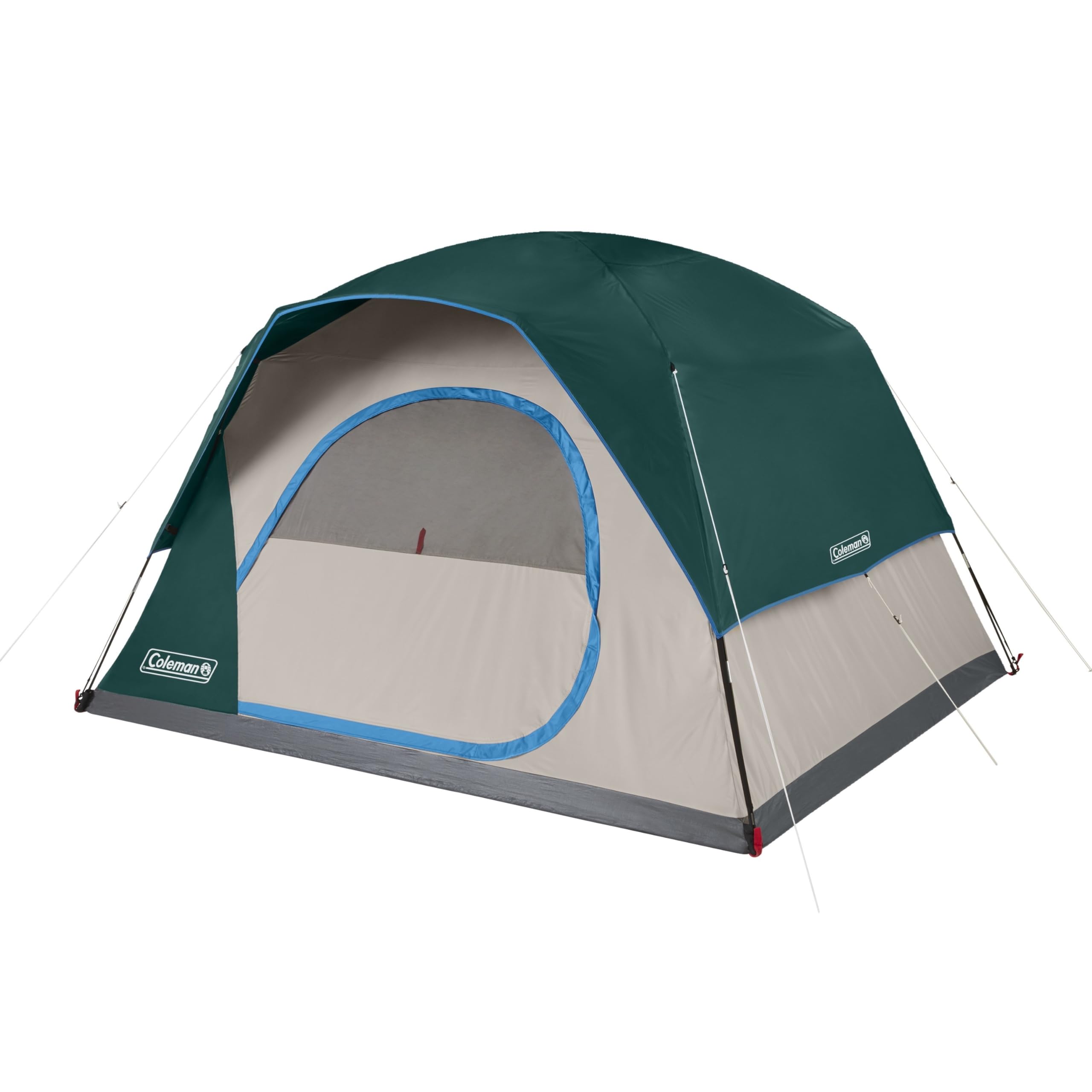
Quick Verdict: Large, familiar shelter with improved headroom.
Comfortable Capacity: Best for a family or four adults with equipment; six adults will have limited storage and walking room.
Why You’ll Like It
The Skydome adds usable height near the walls, which matters when several people share the same shelter. Its broad floor can accommodate mixed sleeping systems while the WeatherTec-style features and rainfly address routine campground weather.
Best For
Families and groups who want more standing room and sleeping flexibility at car-accessible campsites.
Who Should Avoid It
Avoid it when you must pitch alone in a hurry, carry the tent far or camp in severe wind and snow.
Buyer Feedback Snapshot
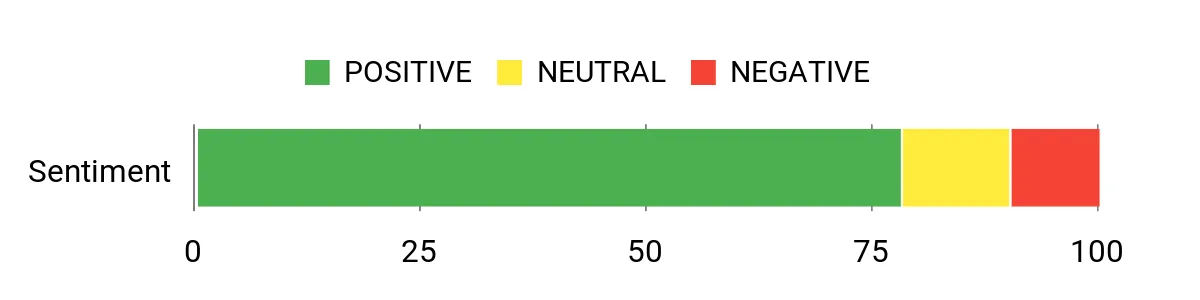
The source article reports positive feedback on room, comfort and normal rain protection. Common limitations include optimistic quick-setup timing for one person and supplied stakes that some campers replace.
The chart below is a static review-analysis snapshot from the source article, not a live Amazon rating or current review count.
Seasonal Benefits
Use it for spring-through-fall family camping. Large tents need careful staking and guyline tension, particularly in wind. Confirm the current listing if PFAS-related material details affect your purchase.
Versatility
Good for family weekends, festivals and backyard use. It is not intended for human-powered transport or winter expedition conditions.
Key Benefits
- Large floor supports family bedding arrangements
- Extra headroom improves movement near the walls
- Rainfly and weather-resistant construction suit routine campground conditions
- Freestanding form works on many established sites
- Available family-oriented layout with carry bag
Consider Before Buying
Main trade-off: Solo pitching can take longer than marketing estimates, and the shelter is not backpackable. Check the current Amazon listing for the exact color, included accessories, dimensions and packed weight of the variant you select.
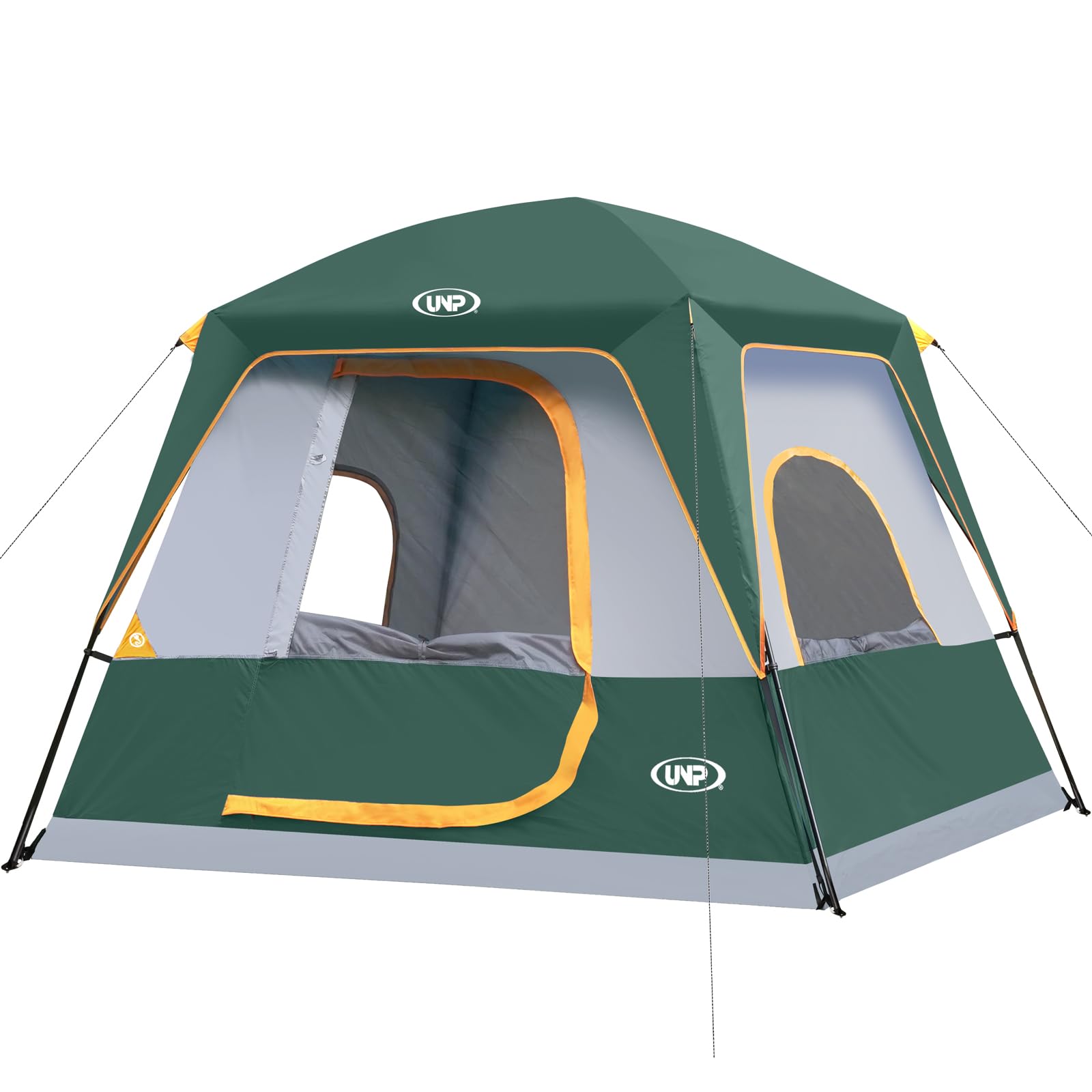
Quick Verdict: Comfortable standing-height layout at a value-oriented position.
Comfortable Capacity: Best for two adults with gear; four-person use is a tight sleeping arrangement.
Why You’ll Like It
The tall center and square floor simplify daily camp life: sleepers can stand to change, place gear along the walls and keep an aisle open. It targets comfort rather than minimum packed weight.
Best For
Couples, cot users and casual car campers seeking headroom without moving to a full family tent.
Who Should Avoid It
Choose a larger tent for four adults or a lower, stronger shelter for persistent wind.
Buyer Feedback Snapshot
The source article’s review summary highlights standing room, easy setup and routine rain performance. Common cautions are optimistic occupancy, a somewhat fiddly rainfly and limited built-in storage.
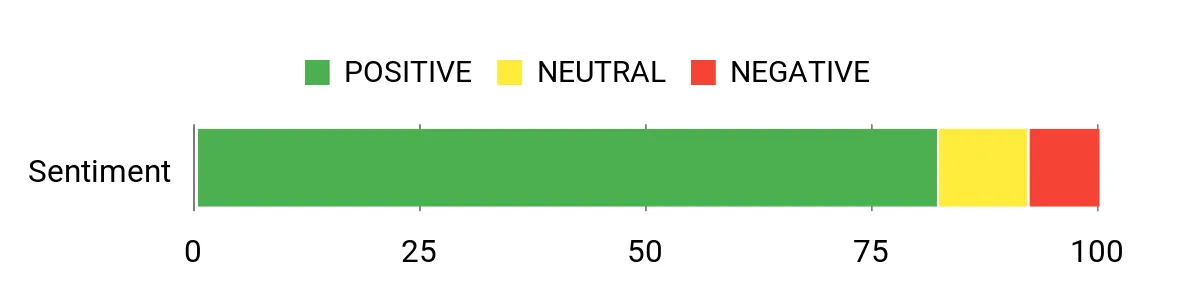
The chart below is a static review-analysis snapshot from the source article, not a live Amazon rating or current review count.
Seasonal Benefits
Treat it as a three-season car-camping shelter. The high walls should be fully guyed in wind, and the tent should be dried completely before storage.
Versatility
Works for weekend trips, festivals, backyard camping and solo travelers who want a cot. It is not suitable for ultralight backpacking or exposed winter use.
Key Benefits
- Tall center height supports standing and changing
- Square floor is easy to arrange for two sleepers and gear
- Rainfly and taped seams add routine shower protection
- Window layout supports warm-weather ventilation
- Carry bag and included stakes simplify vehicle-based transport
Consider Before Buying
Main trade-off: Not light enough for backpacking and not built for severe winter weather. Check the current Amazon listing for the exact color, included accessories, dimensions and packed weight of the variant you select.
How to Choose the Right Tent
Match the Tent to How You Travel
Backpackers should prioritize packed weight, packed volume, weather coverage and vestibule storage. Car campers can prioritize standing height, wider floors and easier access because the vehicle carries the load. Festival and beach users may prefer instant setup, but should also consider the unusual packed shape of many pop-up tents.
Choose a Realistic Capacity
For comfort, many buyers should choose a tent rated for at least one more person than the number of sleepers. A two-person tent often fits two pads but leaves little room for bags. A six-person tent may be comfortable for a family or four adults with equipment rather than six adults with full-size bedding.
Compare Weather Features Carefully
Look for a rainfly that covers the vulnerable mesh and door areas, a raised or bathtub-style floor, sealed or taped seams, reliable zipper flaps, adequate stakes and usable guy points. “Waterproof” marketing does not make a tent stormproof. Site selection, staking and rainfly tension are part of the system.
Do Not Confuse Three-Season and Four-Season Use
Several marketplace tents use broad seasonal language, but mesh-heavy domes and tall cabin tents are generally intended for mild spring-through-fall conditions. A true winter or mountaineering shelter requires stronger architecture, lower wind exposure, snow-load capability and manufacturer guidance for those conditions.
Check Setup and Pack-Down, Not Setup Alone
Pop-up tents deploy quickly but can be harder to fold. Large family tents may have simple pole systems yet still take longer for one person. Practice both directions at home, photograph the packed arrangement and keep the instructions in the carry bag.
FAQ
How Do I Choose the Right Tent for a Summer Trip?
Start with your travel style and sleeping setup. Choose a lighter, compact tent for hiking; a roomy dome or cabin for car camping; or a pop-up when fast deployment matters most. Then compare usable floor dimensions, peak height, ventilation, rainfly coverage, doors and vestibules. Size up when you want room for bags or an air mattress.
Will These Tents Keep Me Dry and Stable in Summer Rain or Wind?
They are intended mainly for routine three-season conditions, but no lightweight or value-oriented tent should be assumed stormproof. Use the rainfly, stake every corner, tension guylines, avoid low ground and keep the fly separated from the inner tent. Upgrade weak stakes when the soil or forecast demands it.
Do I Need a Footprint?
A footprint is not always required, but it can reduce abrasion, mud and moisture against the tent floor. Cut or fold any generic groundsheet so it stays slightly smaller than the tent floor; exposed material can collect rain and direct it underneath the shelter.
Can a Four-Person Tent Comfortably Sleep Four Adults?
Often it can fit four narrow sleeping pads, but comfort is a separate question. Four adults plus bags may feel cramped, especially in a low dome. For a more relaxed layout, consider a larger capacity or store gear in vestibules when the tent provides them.
How Should I Clean and Store a Tent?
Shake out dirt, spot-clean with mild products approved by the manufacturer and allow every layer to dry completely before storage. Do not machine-wash or use harsh detergents unless the care instructions explicitly allow it. Store the tent in a cool, dry place, preferably less compressed than it is during transport.
Are Pop-Up Tents Good for Camping?
They are convenient for festivals, beaches and short car-camping trips because deployment is fast. Their main compromises are a broad packed shape, a learning curve when folding and less confidence in exposed wind than many conventional pole tents.
Campers’ Top Picks
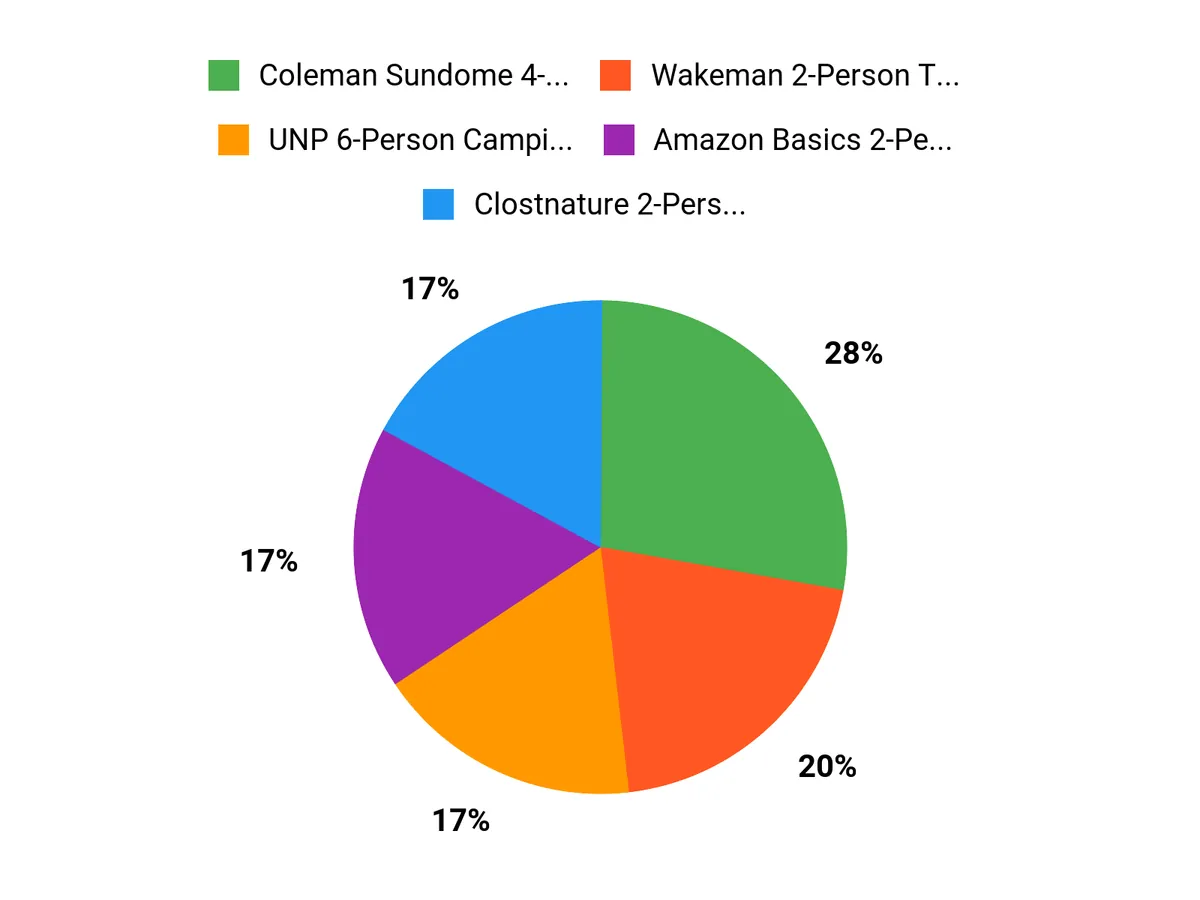
Choose the Coleman Sundome for the best balance of room and campground simplicity, the Clostnature when trail-friendly features matter, or the UNP 6-Person when family space and standing height are the priority. Budget and beginner buyers can look to the Wakeman and Amazon Basics options, while the Londtren is the clearest fit for shoppers who value instant deployment.
Full Tent Comparison
| Product Name | Image | Best For | Comfortable Capacity | Key Strength | Main Trade-Off | Amazon |
|---|---|---|---|---|---|---|
| Coleman Sundome 4-Person |
 |
Best Overall | Best treated as a comfortable two- or three-person shelter when sleepers also need space for bags. | Balanced room, ventilation and uncomplicated setup. | Bulkier than a backpacking tent and not designed for winter storms. | Check Price |
| Wakeman 2-Person Tent |
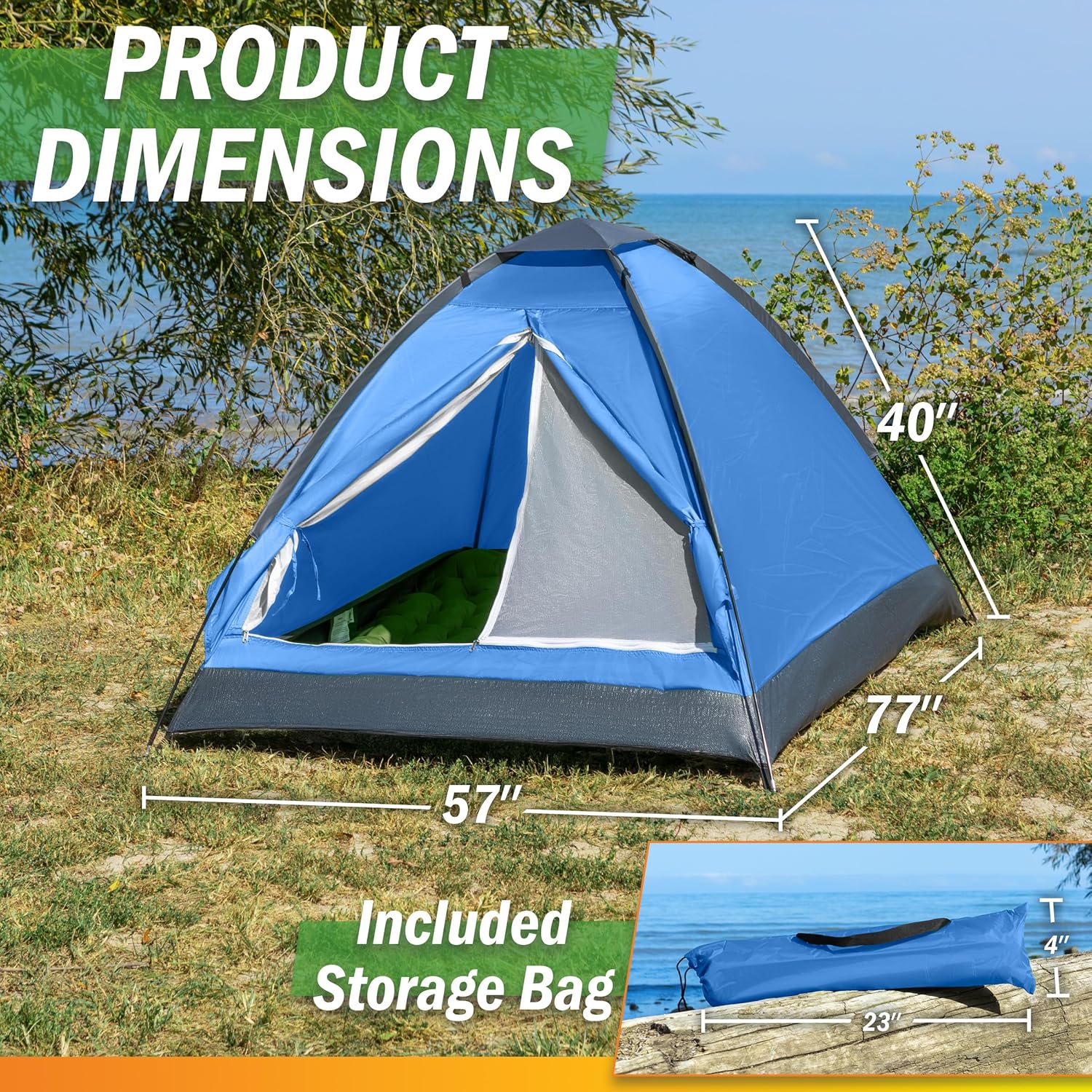 |
Best Budget | Comfortable for one adult with gear; two adults should expect a close fit. | Low-cost, compact shelter for light-duty use. | Limited living space and less protection for sustained bad weather. | Check Price |
| Amazon Basics 2-Person Tent |
 |
Best for Beginners | Suitable for two sleeping pads, but one person plus gear will feel roomier. | Beginner-friendly design with useful airflow. | A single-door layout and basic stakes or zippers may feel limiting. | Check Price |
| Londtren 4-Person Pop Up Tent |
 |
Best Instant Setup | Best for a couple with gear or a small family; four adults will be tight. | Near-instant deployment with dual-door access. | The disc-shaped packed form can be awkward, and folding takes practice. | Check Price |
| UNP 6-Person Camping Tent |
 |
Best for Families | Comfortable for a family or roughly four adults with gear; six adults would use nearly all available floor space. | Generous headroom and strong ventilation for family camping. | Large packed size and a single main door reduce portability and traffic flow. | Check Price |
| Clostnature 2-Person Tent |
 |
Best for Backpacking | Roomy for one person and gear; workable for two with equipment stored in the vestibules. | Useful backpacking features at a value-oriented position. | The floor is relatively light and benefits from a footprint. | Check Price |
| UNP 2-Person Dome Tent |
 |
Best for Solo Comfort | Comfortable for one adult and equipment; cozy for two. | Simple solo setup with generous mesh ventilation. | Basic stakes and close two-person quarters limit demanding use. | Check Price |
| UNP 2-4 Person Cabin Tent |
 |
Best for Standing Room | Most comfortable for one or two adults with gear; four adults would be a tight sleeping-only arrangement. | Standing-height comfort in a relatively compact cabin format. | Heavier and more wind-exposed than a low dome. | Check Price |
| Coleman Skydome 6-Person |
 |
Best for Big Groups | Best for a family or four adults with equipment; six adults will have limited storage and walking room. | Large, familiar shelter with improved headroom. | Solo pitching can take longer than marketing estimates, and the shelter is not backpackable. | Check Price |
| UNP 2-4 Person Tent |
 |
Best Cabin Value | Best for two adults with gear; four-person use is a tight sleeping arrangement. | Comfortable standing-height layout at a value-oriented position. | Not light enough for backpacking and not built for severe winter weather. | Check Price |
Wrapping Up
Pick for the trip you actually take. Choose the Clostnature when you carry the shelter, the Londtren when fast deployment matters most, the Coleman Sundome for balanced car-camping practicality, or one of the taller UNP and Coleman family models when living space matters more than packed size. Check the current product page for the exact variant and specifications, practice the pitch before leaving home, and use realistic capacity rather than the largest number in the product name.
Final Recommendation: For most casual campers, the Coleman Sundome 4-Person is the easiest place to start. Solo hikers should compare the Clostnature 2-Person, while families should prioritize the UNP 6-Person or Coleman Skydome based on desired headroom and floor space.
This roundup is reader-supported. When you click through Amazon links, we may earn a referral commission on qualifying purchases.
