Summer heat can make your home or workplace uncomfortable fast, especially when rooms trap warm air or humidity rises. A smart cooling investment can help you stay safer, sleep better, protect indoor air quality, and lower energy waste when you choose the right system for your space.
This guide explains the real value of summer cooling systems, including comfort benefits, cost factors, environmental impact, system types, sizing, maintenance, and the signs that an upgrade is worth it. You will also learn when a fan, portable unit, ductless mini-split, evaporative cooler, heat pump, or central air system makes the most sense.
Quick Answer
A summer cooling system is worth the investment when heat affects comfort, sleep, health, humidity control, indoor air quality, or work productivity. The best choice depends on your climate, room size, insulation, budget, energy costs, and whether you need whole-home cooling or targeted cooling for one area.
Key Takeaways
- Summer cooling investments help you maintain comfort, sleep quality, and productivity during hot weather.
- Air conditioners, fans, evaporative coolers, ductless mini-splits, and heat pumps all fit different spaces and climates.
- Upfront cost matters, but long-term energy use, maintenance, installation, and system lifespan matter just as much.
- Energy-efficient models, smart thermostats, clean filters, shade, and sealed air leaks can reduce cooling costs.
- Cooling systems can affect the environment through electricity use and refrigerants, so efficient equipment and proper maintenance are important.
Benefits of Summer Cooling Systems
The biggest benefit of a summer cooling system is simple: it helps you feel better when outdoor temperatures rise. A hot room can make it harder to sleep, focus, cook, work, or relax. Cooling gives you more control over your indoor space, especially during long heat waves.
Good cooling can also support your health. Extreme heat can raise the risk of dehydration, heat exhaustion, and heat stroke, especially for children, older adults, people with certain health conditions, and anyone working indoors without good airflow. You do not need luxury-level cooling to benefit. Even one well-sized room unit can create a safe cool zone during the hottest part of the day.
Air conditioning can also reduce indoor humidity when the system is sized and used correctly. Lower humidity helps rooms feel cooler, reduces stickiness, and can make indoor spaces more comfortable. In humid climates, this matters just as much as the temperature on the thermostat.
Some cooling systems also improve air movement and filtration. Standard air conditioners are not a complete air-purification system, but clean filters can trap some dust and particles as air passes through the equipment. This can help keep the system cleaner and may improve comfort for people who are sensitive to dust or pollen.
Cooling can also help workplaces. When indoor heat becomes distracting, people may work more slowly, take more breaks, or feel tired earlier in the day. A comfortable temperature-controlled environment can support focus, customer comfort, and employee morale.
Note: Cooling comfort is not only about cold air. Airflow, humidity, shade, insulation, and proper sizing all affect how comfortable a room feels.
Cost Analysis of Summer Cooling Investments
Before you buy a cooling system, look beyond the sticker price. The full cost includes the unit, installation, electricity, maintenance, filters, possible repairs, and the expected lifespan of the system. A cheaper unit may cost less today but use more energy every month.
Central air conditioning usually has a higher upfront cost because it cools the whole home and may require ducts, electrical work, and professional installation. It can be a strong choice for larger homes, but only when the ductwork is in good condition and the system is sized correctly.
Window air conditioners often cost less upfront and work well for single rooms. They are a practical option for bedrooms, small apartments, home offices, and rental spaces where a full system is not possible. Portable air conditioners offer more flexibility, but they usually need a window vent and may be less efficient than comparable window units.
Ductless mini-split systems can cost more to install than window units, but they are efficient and useful when you want targeted cooling without ductwork. They work especially well for additions, garages, upstairs rooms, small homes, and spaces that never cool evenly with the main system.
Heat pumps can cool your home in summer and provide heat in cooler months. This two-in-one function can make them a strong long-term investment, especially when replacing both an old air conditioner and an old heating system.
Energy efficiency is one of the most important cost factors. Older air conditioner information often uses SEER ratings, while many newer systems use SEER2 ratings. Higher efficiency ratings generally mean the system uses less electricity to deliver cooling, but the right value depends on your climate, use pattern, and installation quality.
Local rebates and utility incentives may also reduce your total cost. Many energy providers offer rebates for efficient central air conditioners, heat pumps, ductless systems, smart thermostats, or weatherization upgrades. Check your local utility program before buying because rebates often require specific efficiency ratings or professional installation.

Environmental Impact of Summer Cooling Systems
| Summer Cooling System | Environmental Impact |
|---|---|
| Air Conditioning | Uses electricity and may increase greenhouse gas emissions if powered by fossil-fuel-heavy grids. Efficient models and proper maintenance can reduce the impact. |
| Evaporative Cooling | Can use less electricity than compressor-based air conditioning, but it works best in dry climates and adds moisture to indoor air. |
| Heat Pumps | Can be highly efficient for both heating and cooling, which may lower total home energy use when replacing older equipment. |
The environmental impact of summer cooling systems comes from two main areas: energy use and refrigerants. Any system that uses electricity can indirectly contribute to greenhouse gas emissions, depending on how that electricity is produced. This is why efficient equipment, proper sizing, and smart controls matter.
Traditional air conditioners and heat pumps also use refrigerants. Refrigerants must stay sealed inside the system. If they leak or are handled incorrectly during service or disposal, they can harm the environment. Professional installation and maintenance reduce this risk.
Efficient cooling choices can lower your impact. You can choose ENERGY STAR-certified equipment, keep filters clean, seal air leaks, shade sunny windows, use fans to improve comfort, and avoid setting the thermostat much lower than needed. These steps reduce how hard your cooling system has to work.
Smart thermostats and programmable controls can also help. They let you adjust cooling around your daily schedule instead of running the system at full strength when no one is home. This can lower energy waste without sacrificing comfort when you return.
The most efficient cooling system is not always the biggest one. A properly sized, well-maintained system usually performs better than an oversized unit that cycles on and off too quickly.
Types of Summer Cooling Systems
You have several cooling options, and each one fits a different need. The best system depends on your space, climate, budget, and whether you own or rent your home.
[Amazon Products Picked for You]

All-in-One Comfort Control: This mini split AC/heating system provides cooling, heating, dehumidifying, and fan modes with 61°F–90°F settings, plus a 24-hour timer and sleep mode for everyday comfort

Energy-Efficient Cooling & Heating: Our pre-charged inverter mini split air conditioner features a high-powered compressor and heat pump; Inverter tech saves up to 25% energy, up to 50% vs 14 SEER2 models; Ideal for 1250 sq. ft. areas

All Season Comfort: This 9000BTU split system AC unit offers 7 versatile working modes, along with 4 fan speeds. Enhanced with features like sleep mode, ECO mode, Swing mode, and turbo function, it meets diverse needs. Pre-charged with eco-friendly R32 refrigerantand boasting a 19 SEER2 rating—exceeds energy efficiency standards for maximum savings in summer. Whether you’re cooling a bedroom, heating a home office, or optimizing comfort for guests, this unit adapts seamlessly
Central Air Conditioning
Central air conditioning cools the whole home through ductwork. It is common in larger homes and can keep temperatures consistent across multiple rooms. This system works best when the ducts are sealed, insulated, and properly sized.
The main downside is cost. Central systems usually require professional installation, and poor ductwork can waste a lot of cooled air. If your home already has ducts in good condition, central air may be worth considering. If not, a ductless system may be more practical.
Ductless Mini-Split Systems
Ductless mini-splits use an outdoor unit connected to one or more indoor air handlers. They do not need traditional ducts, which makes them useful for older homes, additions, workshops, garages, finished basements, and rooms that stay hotter than the rest of the house.
Mini-splits can be very efficient because you can cool only the rooms you use. They also give you zone control, meaning one room can stay cooler while another room uses less energy. The main drawback is the upfront installation cost.
Window Air Conditioners
Window air conditioners are a simple choice for single-room cooling. They are usually affordable, widely available, and easier to install than whole-home systems. A well-sized window unit can make a bedroom, office, or living room much more comfortable.
They do have limits. A small unit will struggle in a large room, and a large unit may cool too quickly without removing enough humidity. You also need a window that can safely support the unit and seal around it.
Portable Air Conditioners
Portable air conditioners are movable units that vent warm air through a window hose. They are useful when a window unit is not allowed or does not fit. Renters often choose them because they are less permanent.
However, portability comes with trade-offs. Portable units can take up floor space, create more noise, and may not cool as efficiently as window units with the same listed capacity. Dual-hose portable units usually perform better than single-hose models in many situations.
Evaporative Coolers
Evaporative coolers, sometimes called swamp coolers, use water evaporation to cool air. They can use less energy than traditional air conditioners, but they work best in dry climates. In humid areas, they may make rooms feel damp instead of comfortable.
If you live in a dry region, an evaporative cooler can be a low-energy option. If your area already has high humidity, choose another cooling method.
Fans and Ceiling Fans
Fans do not lower the actual air temperature, but they help sweat evaporate and make you feel cooler. Ceiling fans, box fans, tower fans, and circulating fans can improve comfort while using less electricity than compressor-based cooling.
Fans work best when someone is in the room. Turn them off when you leave because they cool people, not empty spaces.
Heat Pumps
Heat pumps work like air conditioners in summer and can also heat your home in cooler months. They move heat instead of creating it, which can make them efficient for year-round comfort.
If your current air conditioner and heating system are old, a heat pump may be worth comparing. It can simplify your equipment and may lower energy use when matched to the right climate and home setup.
Factors to Consider Before Investing in Summer Cooling

Start with the size of the space you need to cool. A unit that is too small will run constantly and still leave the room warm. A unit that is too large may cool the air too quickly, shut off early, and leave humidity behind. Proper sizing improves comfort and helps protect the equipment.
Next, consider your local climate. In hot, dry areas, evaporative cooling may work well. In humid regions, air conditioning or a heat pump usually makes more sense because these systems can help remove moisture from the air. In mild climates, fans and targeted room cooling may be enough for many days.
Insulation and air sealing also matter. If your home leaks air through windows, doors, attics, or ductwork, your cooling system has to work harder. Simple improvements like weatherstripping, caulking gaps, using curtains, and sealing ducts can improve performance before you spend money on a larger system.
Think about your cooling pattern too. If you only need one bedroom cool at night, a window unit or mini-split may be better than running central air for the whole home. If you have a family, multiple rooms, or a home office, whole-home cooling or zoned cooling may fit better.
Noise can also affect your decision. Bedrooms, nurseries, offices, and small apartments often need quieter units. Check noise ratings when available, and remember that poor installation can make even a good unit sound louder.
Finally, think about maintenance. A system you cannot easily clean or service will lose efficiency over time. Filters, coils, drains, vents, and outdoor units all need attention. Choose a system that fits your schedule and your ability to maintain it.
Warning: Do not ignore extreme indoor heat, especially during heat waves. If someone feels dizzy, confused, weak, nauseated, or overheated, move them to a cooler place and seek medical help when symptoms are severe or do not improve.
[Amazon Products Picked for You]
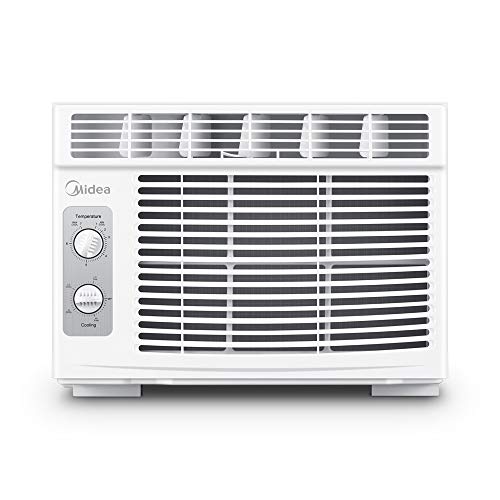
PERFECT FOR SMALLER ROOMS - Midea's Affordable Window AC unit is perfect to help your room be as comfortable as possible. It can cool 150 sq. ft. with 7 temperature settings, 2 cooling/2 fan-only speeds, and 2-way air direction to give you the perfect amount of cooling every time.

Multi-Season Comfort – This Midea 12000 BTU air conditioner is more versatile than standard AC units, offering powerful cooling and dehumidification in the summer and reliable supplemental heat in the fall. Best for large rooms up to 550 square feet. Note: Heat pump function will not operate if outside temperature is below 41°F.
Beat the Heat – This Energy Star 7,800 BTU window air conditioner delivers powerful cooling performance with 4 Modes (Auto, Cool, Dry, Fan), 3 speed settings (Auto/H/M/L) making ideal for larger rooms up to 340 square feet.
How to Choose the Right Cooling System for Your Space
Choosing the right cooling system becomes easier when you match the system to the problem. You do not always need the largest or most expensive option. You need the option that solves your heat issue with the least waste.
[Amazon Products Picked for You]

[Energy Efficient Cooling & Heating:]Equipped with a high power compressor and 1 ton heat pump, this AHRI Certified pre-charged ac unit allows you to enjoy the convenience of cooling in summer and warming in winter. Besides, with an innovative inverter technology, the air conditioner changes the power supply frequency without frequently turning the compressor on and off, so as to reduce power consumption and prolong the service life of the equipment.

One Unit, All Seasons — 11500 BTU for 550 Sq.Ft.: This ductless mini split replaces your window AC, space heater, and dehumidifier. It heats reliably down to -4°F with auto-defrost and maintains stable cooling at outdoor temperatures up to 122°F. Cool, Heat, Fan, Dehumidify, Turbo, Sleep, and Eco modes plus a 24H timer deliver customizable comfort for bedrooms, home offices, garages, basements, and living areas up to 550 sq.ft.

【Unmatched Energy Efficiency with 22 SE2ER2】 Slash your utility bills with our advanced Inverter technology and industry-leading 22 SEER2 rating. Unlike standard units that constantly stop and start, our DC Inverter compressor adapts its speed to maintain the perfect temperature with minimal energy consumption. Paired with eco-friendly R32 refrigerant (GWP 675), this 115V mini split system delivers powerful 12,000 BTU cooling and 12,300 BTU heating while being kind to the environment. It's the smart, green choice for your home.
Best for One Room
For one bedroom, office, or small living area, a window air conditioner is often the best value. A portable air conditioner can work when a window unit is not allowed or does not fit. A fan may be enough when temperatures are only mildly uncomfortable.
Best for Several Rooms Without Ducts
A ductless mini-split is often a strong choice when you need to cool several rooms but do not have ductwork. Multi-zone mini-split systems can connect several indoor units to one outdoor unit, giving you room-by-room control.
Best for Whole-Home Cooling
Central air conditioning or a heat pump usually makes sense for whole-home cooling. Central air works well when the home already has good ducts. A heat pump may be better if you want both cooling and heating from one system.
Best for Dry Climates
Evaporative coolers can be effective in dry regions because they use water evaporation to cool air. They are not a good match for humid areas because they add moisture to the air.
Best for Lower Energy Use
Fans, efficient mini-splits, heat pumps, smart thermostats, and weatherization upgrades can all reduce energy use. The best choice depends on whether you need comfort in one room or across the whole home.
Pro Tip: Try low-cost improvements first. Shade sunny windows, seal obvious air leaks, clean filters, and use fans before upsizing your cooling equipment.
Maintenance and Upkeep of Summer Cooling Systems
Proper maintenance keeps your cooling system efficient, safe, and reliable. A neglected system can use more energy, cool poorly, create noise, leak water, or fail during the hottest days of the year.
For central air conditioners and heat pumps, schedule regular professional service. A technician can check refrigerant levels, clean coils, inspect electrical parts, clear condensate drains, and look for duct leaks or airflow problems.
For window units and portable air conditioners, clean or replace filters as recommended by the manufacturer. Dusty filters restrict airflow, reduce performance, and make the unit work harder. Also check the window seal or vent hose so warm air does not leak back into the room.
Outdoor units need clear airflow. Keep leaves, grass clippings, and debris away from the unit. Avoid blocking it with furniture, plants, or storage items. Good airflow helps the system release heat more effectively.
Indoor habits also help. Close windows and doors when the system runs. Use curtains or shades during peak sun hours. Run heat-producing appliances, such as ovens and dryers, during cooler parts of the day when possible.
Ceiling fans can make rooms feel more comfortable at a slightly higher thermostat setting. In summer, many ceiling fans work best when set to push air downward. Turn fans off in empty rooms to avoid wasting electricity.
Common Cooling Mistakes That Waste Money
One common mistake is buying the biggest unit available. Oversized cooling equipment can short-cycle, which means it turns on and off too often. This can reduce humidity control, increase wear, and make the room feel less comfortable.
Another mistake is setting the thermostat extremely low to cool a room faster. Most air conditioners cool at a steady rate. A very low setting usually keeps the system running longer instead of cooling the space faster.
Dirty filters are another costly issue. Restricted airflow makes the system work harder and can lead to poor cooling, frozen coils, or higher utility bills. Filter care is one of the easiest ways to protect performance.
Ignoring shade and air leaks also wastes money. A sunny room with leaky windows may stay hot even with a strong air conditioner. Fixing the building envelope often improves comfort more than simply buying a larger unit.
Skipping maintenance can turn small problems into expensive repairs. If your system makes unusual sounds, leaks water, blows warm air, or runs constantly, it is better to address the issue early.
Is a Summer Cooling Worth the Investment?
A summer cooling system is worth the investment when it improves daily comfort, protects health, supports sleep, reduces humidity, or helps you work more effectively. The value is highest when you choose a system that matches your space and climate instead of buying based on price alone.
The investment may also make sense when your current system is old, noisy, inefficient, unreliable, or unable to keep up during hot weather. Replacing or upgrading equipment can reduce discomfort and may lower long-term energy use when the new system is more efficient and properly installed.
For smaller needs, you may not need a major purchase. A fan, window unit, portable air conditioner, or better shading may solve the problem. For larger homes, multi-room comfort, or year-round efficiency, central air, ductless mini-splits, or heat pumps may offer better long-term value.
Think of summer cooling as a comfort, health, and efficiency decision. The right system can make your space easier to live in, easier to work in, and safer during periods of extreme heat.
If you’re considering investing in a summer cooling system for your home, you may also want to check out this article on the 5 Best Garbage Disposal Cleaners to Keep Your Kitchen Fresh. Keeping your kitchen clean and fresh is essential for a comfortable living environment, and having a reliable garbage disposal cleaner can make a big difference. So, while you’re thinking about ways to stay cool this summer, don’t forget to also consider the cleanliness of your kitchen.
Related Guides
Frequently Asked Questions
What is a summer cooling system?
A summer cooling system is any device or setup designed to lower indoor temperature or improve comfort during hot weather. Common options include central air conditioning, ductless mini-splits, window air conditioners, portable air conditioners, evaporative coolers, ceiling fans, and room fans.
What are the benefits of investing in a summer cooling system?
A summer cooling system can improve comfort, sleep quality, humidity control, productivity, and indoor air movement. It can also create a safer cool space during extreme heat, especially for children, older adults, and people who are more sensitive to high temperatures.
What are the different types of summer cooling systems available?
The main types include central air conditioning, ductless mini-split systems, window units, portable air conditioners, evaporative coolers, heat pumps, ceiling fans, and portable fans. Each option has different costs, efficiency levels, installation needs, and climate limitations.
What factors should be considered when deciding if a summer cooling system is worth the investment?
Consider your climate, room size, home layout, insulation, humidity level, energy costs, upfront budget, installation needs, maintenance requirements, and how often you need cooling. Also compare whether you need one-room cooling, zoned cooling, or whole-home cooling.
What are some tips for maximizing the efficiency of a summer cooling system?
Choose the right size unit, seal air leaks, clean filters, shade sunny windows, keep doors and windows closed while cooling, use programmable or smart thermostat settings, and run fans to improve comfort. Regular maintenance also helps the system cool better with less energy waste.
Is a heat pump better than an air conditioner for summer cooling?
A heat pump can be a better value if you also need efficient heating because it cools in summer and heats in cooler months. A standard air conditioner may still make sense if your heating system is already efficient and you only need cooling.
Do fans actually cool a room?
Fans do not lower the room temperature by themselves. They move air across your skin, which helps you feel cooler. This makes fans useful when someone is in the room, but they should usually be turned off in empty rooms.
Sources
- U.S. Department of Energy: Air Conditioning — supports energy-efficient cooling guidance and system considerations.
- U.S. Department of Energy: Ductless Mini-Split Air Conditioners — supports ductless system use cases and efficiency discussion.
- ENERGY STAR: Room Air Conditioners — supports room air conditioner efficiency guidance.
- ENERGY STAR: Central Air Conditioners — supports efficient central cooling guidance.
- U.S. Environmental Protection Agency: Improving Indoor Air Quality — supports indoor air quality and ventilation considerations.

1 thought on “Is a Summer Cooling Worth the Investment?”