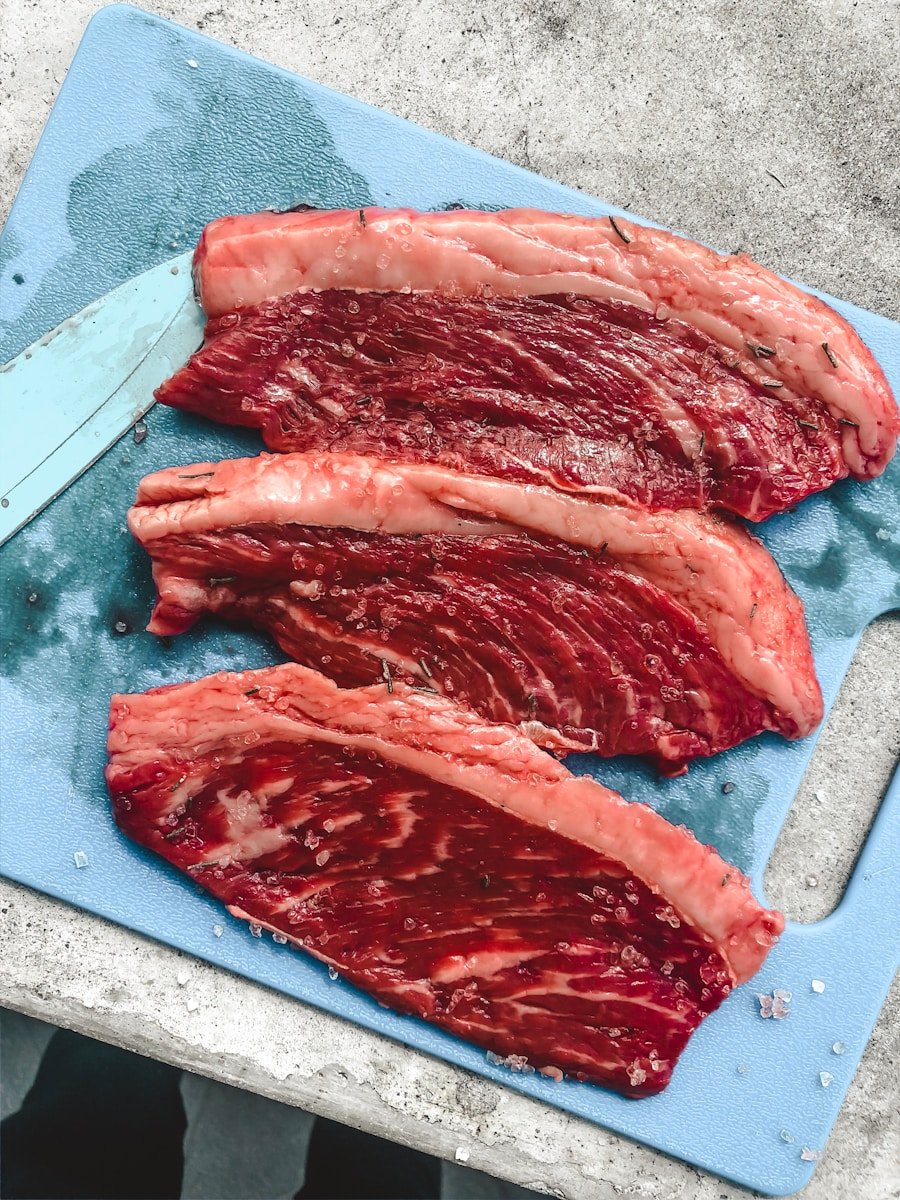
Grilling a steak well starts before the meat ever touches the grate. You need the right cut, a dry surface, enough seasoning, a hot grill, and a clear plan for doneness. When each step works together, you get a steak with a browned crust, a juicy center, and better flavor in every bite.
Quick Answer
To grill steak well, choose a thick, well-marbled cut, pat it dry, season it generously, preheat the grill to about 450°F to 500°F, sear it over direct heat, and check doneness with an instant-read thermometer. Rest the steak for 5 to 10 minutes before slicing against the grain.
Key Takeaways
- Choose ribeye, sirloin, filet mignon, strip steak, or T-bone based on your preferred mix of tenderness, marbling, and flavor.
- Pat the steak dry before grilling so the surface sears instead of steaming.
- Use kosher salt and black pepper for a simple steakhouse flavor, or add a marinade for extra depth.
- Preheat the grill to high heat, then use direct and indirect zones to control browning and doneness.
- Use an instant-read thermometer for the most reliable results, especially if you want medium rare.
- Let the steak rest after grilling, then slice against the grain for a more tender bite.
At a Glance
| Time Required | 30 minutes to bring the steak closer to room temperature, 8 to 12 minutes to grill most 1-inch steaks, and 5 to 10 minutes to rest. |
| Difficulty | Easy to moderate, depending on steak thickness and your grill setup. |
| Tools Needed | Grill, tongs, paper towels, plate or tray, instant-read thermometer, aluminum foil, and a sharp knife. |
| Best Grill Temperature | 450°F to 500°F for searing steak, with a cooler indirect zone available for thicker cuts. |
Choosing the Right Cut of Meat
Choosing the right cut of meat is fundamental to achieving a delicious grilled steak. The variety of cuts available can feel overwhelming, but understanding the characteristics of each cut helps you make a better decision.
Popular cuts for grilling include ribeye, sirloin, filet mignon, strip steak, and T-bone. Ribeye is known for its marbling and rich flavor, making it one of the best choices for a juicy grilled steak. The intramuscular fat in ribeye melts during cooking, which helps create tenderness and a deeper beef flavor.
Filet mignon is prized for its buttery texture and mild flavor. It is a favorite for people who prefer a leaner, softer steak. Sirloin offers a balance between flavor and tenderness, making it a versatile option for weeknight grilling. It is less fatty than ribeye but still delivers a satisfying steak flavor when seasoned well.
T-bone steaks include both tenderloin and strip steak, so they are ideal if you want two textures in one cut. The tenderloin side is softer and milder, while the strip side has more chew and beefy flavor.
When selecting your steak, consider thickness and marbling. A thicker cut is easier to sear without overcooking the center, while visible marbling helps improve flavor and tenderness. Sourcing high-quality meat from reputable butchers, grocery stores, or farms can also make your grilling experience better.
Note: Very lean cuts can dry out faster on the grill. If you choose filet mignon or lean sirloin, watch the internal temperature closely and avoid cooking past your target doneness.
[Amazon Products Picked for You]

ORGANIC, GRASS-FED, REGENERATIVE: Our ribeye steaks are USDA Organic, 100% grass-fed & finished, sourced from regenerative farms, verified by Land to Market,100% pasture-raised, free range, humanely raised with no feedlots EVER. Always fresh, never frozen. Non GMO and never contains antibiotics or added growth hormones. Always fresh, never frozen.

One boneless beef ribeye steak weighing between 0.5 and 1.2 pounds

One value pack of boneless beef ribeye steak weighing between 1 and 2.4 pounds
Preparing the Steak for Grilling
Preparation is key to ensuring that your steak turns out well on the grill. Start by letting the steak sit at room temperature for about 30 minutes before cooking. This helps the steak cook more evenly and reduces the risk of a cold center with an overcooked exterior.
While the steak rests, trim any large, uneven pieces of excess fat if needed. Some fat is useful because it adds flavor and moisture, but thick hanging pieces can drip into the grill and cause flare-ups.
Once the steak has warmed slightly, pat it dry with paper towels. This step matters because surface moisture can prevent strong browning. A dry steak sears better, develops a crust faster, and gives you a more satisfying grilled texture.
After drying, you may choose to score the fat cap on cuts like ribeye or T-bone. Scoring means making shallow cuts in a crosshatch pattern on the fat side. This can help the fat render more evenly and may reduce curling as the steak cooks.
Warning: Do not leave raw steak out for hours. A short rest before grilling can help with even cooking, but raw meat should not sit at room temperature for an unsafe length of time.
Seasoning and Marinating Techniques

Seasoning is an essential part of preparing steak for grilling because it enhances the natural flavor of the meat. A simple and effective approach is kosher salt and freshly cracked black pepper. Generously season both sides of the steak before grilling so every bite has flavor.
For many steaks, salt works best when it has time to sit on the meat. Salting at least 40 minutes before grilling allows the salt to draw out moisture, dissolve, and then move back into the steak. This helps season the inside slightly, not just the surface.
If you prefer a more complex flavor profile, add garlic powder, onion powder, smoked paprika, chili powder, or dried herbs. Keep the seasoning balanced so it supports the steak rather than hiding the beef flavor.
Marinating is another technique that can elevate grilled steak. A marinade usually includes an acid such as vinegar or citrus juice, oil, and herbs or spices. The acid can help tenderize the outer layer of the meat while adding flavor.
For example, a marinade made with balsamic vinegar, olive oil, minced garlic, and fresh rosemary can add a rich, savory taste to your steak. Let the meat marinate for at least 30 minutes or up to several hours in the refrigerator for more flavor absorption.
Be careful with long marinating times, especially with acidic marinades. Too much time in a strong marinade can break down the surface texture and make the steak mushy instead of tender.
Pro Tip: For a classic grilled steak, start with salt and pepper. Add sauces, compound butter, or herbs after grilling if you want more flavor without risking burnt spices.
[Amazon Products Picked for You]

Dale’s Seasoning is a savory blend of exotic spices that enhance the flavor of beef, pork, lamb, poultry, fish, wild game and vegetables

Cattleman Steak Marinade 1.25 oz

Iconic blend of coarsely ground black pepper, garlic and spices
Achieving the Perfect Grill Temperature
| Grill Temperature | Meat Type | Doneness |
|---|---|---|
| 225°F – 250°F | Pork ribs | Fall-off-the-bone tender |
| 350°F – 400°F | Chicken breast | Juicy and fully cooked |
| 450°F – 500°F | Steak | Medium rare to medium |
The temperature of your grill plays a crucial role in how well your steak cooks. For optimal results, preheat your grill to high heat, around 450°F to 500°F, before placing your steak on it. This high temperature helps create a proper sear, which gives the steak a browned crust and better flavor.
If you are using a charcoal grill, make sure the coals are hot, ashed over, and spread evenly before cooking. For a gas grill, turn on the burners and give the grates enough time to heat fully. Hot grates help prevent sticking and improve searing.
Once the grill is preheated, create two heat zones. One zone should be direct heat for searing, and the other should be indirect heat for finishing thicker steaks more gently. This setup gives you more control and helps prevent burning before the center reaches your desired temperature.
Using an instant-read thermometer can help you monitor the internal temperature accurately. It is the most reliable way to avoid guessing, especially if you are aiming for medium rare or medium.
[Amazon Products Picked for You]

Fast & Accurate: Get precise readings in just 1 second with ±0.9°F accuracy. NSF Certified for trusted food safety, this digital food thermometer features a 4.3 inches food-grade stainless steel meat probe, perfect for grilling, frying, baking, making candy and more

【No More Overcooking, 8X Faster】Ultra-fast 0.5 second instant read meat thermometer delivers accurate temperature instantly, helping you avoid overcooking and achieve perfect doneness every time.

【Fast & Accurate】Our meat thermometer digital delivers accurate readings within ±1°F in just 1–2 seconds, with a wide temperature range of -58°F to 572°F (-50°C to 300°C). No more waiting over the heat - know your food's exact temperature instantly.
Steak Doneness Temperatures
Grilling time is helpful, but internal temperature gives you a more accurate result. Steak thickness, grill heat, wind, starting temperature, and bone-in cuts can all change cooking time. Use the chart below as a practical guide.
| Doneness | Pull From Grill Around | Final Temperature After Rest | Center Color |
|---|---|---|---|
| Rare | 120°F to 125°F | 125°F to 130°F | Cool red to warm red |
| Medium rare | 125°F to 130°F | 130°F to 135°F | Warm red center |
| Medium | 135°F to 140°F | 140°F to 145°F | Warm pink center |
| Medium well | 145°F to 150°F | 150°F to 155°F | Slightly pink center |
| Well done | 155°F and above | 160°F and above | Little to no pink |
Note: Steak often rises a few degrees while it rests. Pull it slightly before your final target temperature so it does not overcook on the plate.
Grilling Time and Techniques
Grilling times vary based on steak thickness and your preferred level of doneness. As a general guideline, a 1-inch thick steak usually takes about 4 to 5 minutes per side for medium rare doneness, or 130°F to 135°F after resting. For medium, or 140°F to 145°F, aim for about 5 to 6 minutes per side.
Avoid flipping the steak too frequently. Let it sear undisturbed for several minutes before turning it over. This gives the surface time to brown and helps develop a better crust.
Use tongs instead of a fork when turning steak. Piercing the meat can release juices, while tongs allow you to move the steak gently. If the steak sticks to the grate, give it another minute before moving it. A properly seared steak often releases more easily.
For thick steaks, use a sear-and-finish method. Sear both sides over direct heat, then move the steak to indirect heat until it reaches the right internal temperature. This helps you avoid a burnt outside and undercooked center.
Another technique is the touch test, which helps estimate doneness without relying only on a thermometer. Gently press the steak with your finger or tongs. A rare steak feels soft, medium rare has light resistance, medium feels firmer with some give, and well-done feels very firm. This method takes practice, so a thermometer is still the better option for accuracy.
Resting and Slicing the Steak

After grilling your steak, let it rest before slicing into it. Resting allows the juices inside the meat to redistribute, which creates a more flavorful and juicy final result. A good rule of thumb is to let your steak rest for about 5 to 10 minutes after removing it from the grill.
Cover the steak loosely with aluminum foil during this time. Keep the foil loose so the crust does not steam too much. A tight wrap can trap moisture and soften the seared surface.
When it is time to slice your steak, pay attention to the grain of the meat. The grain refers to the direction the muscle fibers run. Cutting against the grain shortens those fibers, making each bite more tender and easier to chew.
For example, if you are slicing flank steak or skirt steak, cut across the width rather than along the length. Use a sharp knife for clean slices and aim for pieces about half an inch thick for good presentation and texture.
Serving Suggestions and Accompaniments
The way you serve grilled steak can elevate the entire meal. Pair your steak with sides that support its flavor without overpowering it. Classic accompaniments include grilled asparagus, bell peppers, mushrooms, corn, baked potatoes, roasted potatoes, or a crisp salad.
A simple salad with mixed greens and vinaigrette gives a fresh contrast to the richness of the meat. Grilled vegetables add color, texture, and smoky flavor that fits naturally beside steak.
For extra flavor, serve your steak with chimichurri, compound butter, garlic butter, peppercorn sauce, or béarnaise sauce. Chimichurri, made with parsley, garlic, vinegar, and olive oil, adds brightness and acidity that pairs well with grilled meats.
Béarnaise sauce adds richness and a creamy texture that complements steak especially well. You can also finish the steak with fresh herbs or a small sprinkle of flaky sea salt just before serving for a polished final touch.
Troubleshooting Common Grilling Mistakes
Even experienced grillers can run into problems when cooking steaks outdoors. One common mistake is overcooking the meat because the grill is too hot for too long. To avoid this, use an instant-read thermometer instead of relying only on time or appearance.
If you end up with an overcooked steak, slice it thinly against the grain and serve it in tacos, salads, sandwiches, or rice bowls. Sauces, fresh toppings, and acidic ingredients can help balance dryness.
Another frequent issue is flare-ups caused by fat dripping onto hot coals or burners. To manage flare-ups, move the steak to indirect heat until the flames calm down. A quick spritz of water can help control sudden flames, but avoid soaking the fire or cooling the grill too much.
Under-seasoning is also common. Steak needs enough salt to bring out its flavor, especially if it is thick. Season both sides and edges, then let the seasoning sit long enough to work into the surface.
Sticking can happen when the grates are not hot enough or the steak is moved too soon. Preheat the grill fully, clean the grates, and let the steak sear before turning it. If it resists, wait a little longer.
By understanding these common pitfalls and using the right techniques throughout each stage of grilling, from selecting quality cuts to mastering cooking times, you can improve your results and enjoy better steaks every time you fire up the grill.
If you’re looking to up your grilling game beyond just steak, you might want to check out this article on the 5 Best Tortilla Presses for Homemade Tortillas. Making your own tortillas can take your BBQ spread to the next level. And while you’re at it, you might also want to consider investing in one of the 5 Most Effective Stainless Steel Cleaners to keep your grill looking shiny and new. And to keep your eggs fresh for those breakfast burritos, check out the 5 Top Smart Egg Trays with Freshness Tracker. Happy grilling!
Related Guides
Frequently Asked Questions
What is medium rare steak?
Medium rare steak is usually cooked to an internal temperature of 130°F to 135°F after resting. It has a warm red center, a juicy texture, and a browned exterior when grilled properly.
How do I grill steak to medium rare?
To grill steak to medium rare, preheat the grill to high heat, season the steak, and cook it for about 4 to 5 minutes per side if it is 1 inch thick. Pull it from the grill when it reaches about 125°F to 130°F, then rest it until it rises to about 130°F to 135°F.
What type of steak is best for grilling to medium rare?
Ribeye, strip steak, tenderloin, sirloin, and T-bone steaks are all good choices for grilling to medium rare. Ribeye gives you more marbling and flavor, while tenderloin gives you a softer, leaner bite.
Should I let the steak rest after grilling?
Yes. Let the steak rest for 5 to 10 minutes after grilling. Resting helps the juices settle back through the meat, which makes the steak taste juicier when sliced.
How can I tell if the steak is medium rare without a meat thermometer?
You can use the touch test as a rough guide. Medium rare steak usually feels slightly springy and offers some resistance when pressed. It should also have a warm red center when cut. For the most accurate result, use an instant-read thermometer.
How hot should the grill be for steak?
For most grilled steaks, preheat the grill to about 450°F to 500°F. This high heat helps create a strong sear. For thicker steaks, sear over direct heat first, then move the steak to indirect heat to finish cooking.
Why is my grilled steak tough?
Steak can turn tough if it is overcooked, sliced with the grain, cooked from a very lean cut, or not rested before slicing. Choose the right cut, monitor the internal temperature, rest the steak, and slice against the grain.
