
If your Toyota Camry makes a whistling noise while driving, start by matching the sound to when it happens. A whistle at highway speed often points to weather stripping, window seals, mirrors, or trim. A whistle that rises with engine RPM can point to a serpentine belt, pulley, vacuum leak, intake leak, exhaust leak, or cooling-system pressure issue.
Quick Answer
A Toyota Camry whistling noise is usually caused by air passing through a bad door or window seal, a worn serpentine belt, a vacuum or intake leak, an exhaust leak, or pressure escaping from the cooling system. Stop driving if you also see warning lights, steam, overheating, exhaust fumes, or power loss.
Key Takeaways
- A whistle that gets louder with road speed is often a wind leak around a window, door seal, mirror, windshield trim, or sunroof seal.
- A whistle that follows engine RPM may come from a worn belt, pulley, vacuum hose, intake boot, exhaust leak, or cooling-system pressure leak.
- Do not remove a radiator cap or coolant pressure cap while the engine is hot. Wait until the engine is completely cool.
- Use your exact Camry year and engine when checking the Toyota owner’s manual or ordering parts.
- If the whistle comes with a red warning light, overheating, smoke, steam, exhaust smell, or loss of power, pull over safely and call for help.
At a Glance
| Time Required | 15 to 45 minutes for basic checks; longer if a mechanic performs smoke, pressure, or exhaust testing. |
| Difficulty | Easy for wind-noise and visual checks; moderate to advanced for vacuum, belt-pulley, exhaust, or cooling-system diagnosis. |
| Tools Needed | Flashlight, gloves, painter’s tape, clean rag, phone for recording the sound, and your Camry owner’s manual. |
| Cost | Often free for inspection; parts and labor vary by the failed seal, hose, belt, pulley, cap, or exhaust component. |
Warning: Do not keep driving if the whistle comes with a red warning light, flashing check-engine light, overheating, steam, smoke, coolant smell, exhaust fumes in the cabin, sudden power loss, or brake/steering problems. Pull over safely, shut the engine off, and arrange professional help.
Identifying Common Causes of Whistling Noises in Your Toyota Camry

When you hear a whistling noise in your Toyota Camry, focus on the sound pattern first. The timing of the noise usually tells you where to look.
A whistle that appears only at higher speeds often comes from air leaks around the doors, windows, windshield trim, mirror area, sunroof, or weather stripping. Air can pass through a small gap and sound like a tea kettle or high-pitched squeal.
A whistle that changes with engine speed can come from the serpentine belt, belt tensioner, idler pulley, intake hose, vacuum hose, or exhaust system. A slipping belt may also squeal, chirp, or change pitch when you turn on the A/C.
A whistle after you shut the engine off may point toward the cooling system. A weak radiator cap, pressure cap, hose, or reservoir cap can let pressure escape as the engine heat-soaks after a drive.
Note: Camry layouts vary by year and engine. Check your exact model in the Toyota owner’s manual before replacing parts, checking warning lights, or following maintenance intervals.
[Amazon Products Picked for You]
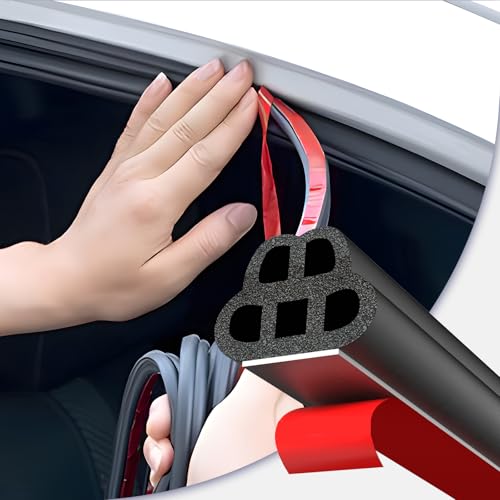
HIGH QUALITY EPDM MATERIAL: Made of premium EPDM rubber, this automotive seal strip offers excellent heat resistance, aging resistance, weather resistance and durability. The strong self-adhesive backing provides a secure bond, helping the seal stay firmly attached for long-lasting performance.

Durable Flexible Rubber for all Seasons : Made from high-quality EPDM rubber, this weather seal strip remains flexible in hot summers, cold winters and rainy weather. It resists cracking and helps provide long-lasting sealing performance.
HIGH QUALITY EPDM MATERIAL: Made of premium EPDM rubber, this automotive seal strip offers excellent heat resistance, aging resistance, weather resistance and durability. The strong self-adhesive backing provides a secure bond, helping the seal stay firmly attached for long-lasting performance.
Match the Whistle to When It Happens
Use this quick table before you start taking anything apart. It can help you separate wind noise from engine, intake, exhaust, or cooling-system noise.
| When the whistle happens | Likely area to inspect | What to check first |
| Only at highway speed | Wind leak | Door seals, window seals, mirror trim, windshield trim, sunroof seal |
| Changes with engine RPM | Belt or pulley | Serpentine belt, tensioner, idler pulley, belt contamination |
| Under acceleration or load | Intake, vacuum, or exhaust leak | Vacuum hoses, intake boot, air box clamps, exhaust flange, muffler, tailpipe |
| At idle with rough running | Vacuum leak or intake leak | Loose hoses, cracked rubber elbows, intake duct, check-engine light |
| After engine shutdown | Cooling-system pressure | Radiator cap, reservoir cap, hoses, coolant residue, only after the engine cools |
Step-by-Step Guide to Diagnosing Whistling Noises While Driving
Start with a safe road test. Keep the radio and fan off, close every window, and note the speed, RPM, temperature, and driving condition when the whistle appears.
- Record the sound. Use your phone from the passenger seat if possible. A short recording helps a mechanic compare the noise under speed, idle, and acceleration.
- Check for warning lights. Use Toyota’s warning-light guide and your owner’s manual. Red warning lights need immediate attention.
- Inspect cabin seals. Look for loose, cracked, flattened, dirty, or folded weather stripping around the doors, windows, trunk, windshield, and sunroof.
- Inspect the belt area. With the engine off, look for belt cracks, fraying, glazing, missing ribs, oil contamination, coolant contamination, or loose belt movement.
- Check intake and vacuum hoses. Look for cracked rubber, loose clamps, disconnected hoses, damaged elbows, and gaps between the air box, intake duct, and throttle body.
- Look under the car safely. Check for hanging exhaust parts, rust holes, black soot around joints, or a damaged muffler or tailpipe. Do not crawl under a car supported only by a jack.
- Check the cooling system only when cool. Look for dried coolant residue, wet hoses, a loose reservoir cap, or a damaged radiator cap after the engine has fully cooled.
Pro Tip: To isolate a wind whistle, use painter’s tape over one suspected seal gap at a time, then repeat the same short drive. Do not use duct tape because it can leave residue or damage trim.
[Amazon Products Picked for You]

【WEATHER STRIPPING DOOR SEAL】- EVA window seal,high resilience,flexible enough.
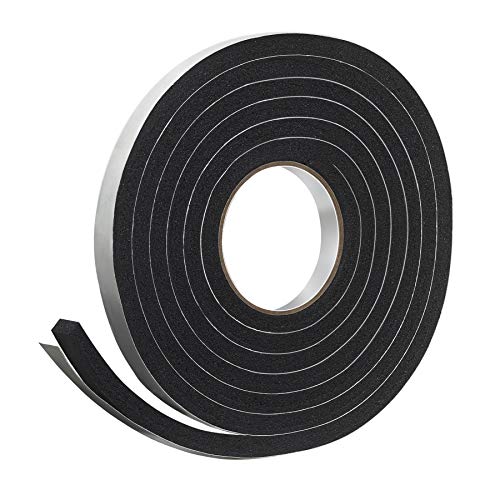
The product is 3/4x7/16 BLK SpongeTape

🟠SAVE ON ENERGY BILLS- Sealing gaps with this weather stripping helps to reduce energy consumption by keeping your room cool in summer and warm in winter, thus reducing electricity bills. You get two rolls of closed cell door weather stripping with 26 ft in total in each package, providing enough material for multiple seals. And it's easy to install and apply without extra tools, just simply peel and stick it on for a tight seal. What a hassle-free and money-saving solution!
Whistling Noises When Accelerating: Causes and Solutions
When the whistle appears during acceleration, the source is more likely under the hood or under the car than around the door seals. Acceleration increases engine airflow, belt load, exhaust pressure, and intake vacuum changes.
Start with the simple checks: loose air-box clips, a cracked intake hose, a disconnected vacuum hose, or a worn belt. If the sound comes with rough idle, poor acceleration, higher fuel use, or a check-engine light, schedule a diagnostic scan and inspection.
[Amazon Products Picked for You]

[Built-in Air Pump]: Smoke machine features a built-in air pump, eliminating the need for an external air source, allowing you to perform tests anytime, anywhere. Simply add about 20ml of baby oil or Glycerin (oil not included) to start your testing effortlessly

HyperSmoke Technology – Creates Thick Visible Smoke for Easy Leak Testing. Adjustable Pressure. Infinite Smoke. Instant Warmup. Built-In Air Compressor Motor. OEM Approved Smoke Fluid. Designed and Engineered by AutoLine Pro USA, an American Team of Individuals bringing the latest innovation to you.

HyperSmoke Technology – Creates Thick Visible Smoke for Easy Leak Testing. Adjustable Pressure. Infinite Smoke. Instant Warmup. Built-In Air Compressor Motor. OEM Approved Smoke Fluid. Designed and Engineered by AutoLine Pro USA, an American Team of Individuals bringing the latest innovation to you.
Vacuum Leak Diagnosis
A vacuum leak lets unmetered air enter the intake system. That extra air can create a high-pitched whistle and may also cause rough idle, hesitation, lean running, or a check-engine light.
Look for cracked hoses, loose clamps, brittle rubber elbows, and damaged intake ducts. Move gently because old rubber can split further. If you cannot find the leak visually, a mechanic can use smoke testing to locate small leaks without guessing.
Do not spray flammable cleaners around a running engine to search for leaks. That method can create fire risk and can damage sensors or plastic parts.
Serpentine Belt Inspection
A worn or contaminated serpentine belt can whistle, chirp, or squeal during startup, acceleration, or A/C use. The belt drives key accessories, so you should not ignore visible damage.
With the engine off, inspect the belt ribs and edges. Look for cracks, fraying, missing chunks, shiny glazing, oil, coolant, or uneven wear. Also check the tensioner and idler pulleys, since a good belt can still make noise if a pulley bearing or tensioner is failing.
Replace the belt if it is cracked, frayed, glazed, contaminated, loose, or noisy after the related pulley and tensioner checks. Use the correct part for your Camry year and engine. Toyota says its genuine parts are made to fit Toyota specifications, so verify fitment before ordering from Toyota Genuine Parts or another reliable supplier.
What to Look For After Engine Shutdown for Whistling?
A brief hiss or whistle after shutdown can happen as hot engine parts heat-soak and pressure equalizes. Still, a persistent or loud whistle deserves attention because it may point to a cooling-system pressure leak.
Do not touch the radiator cap, reservoir cap, or coolant hoses while the engine is hot. Wait until the engine is completely cool, then inspect for dried coolant residue, wet hose ends, cracked hoses, a damaged cap seal, or coolant smell.
A weak radiator pressure cap or reservoir cap may let pressure escape too early. A damaged hose can also make a small whistle before it becomes a larger coolant leak. If your temperature gauge rises, you see steam, or coolant level keeps dropping, stop driving and have the system inspected.
Never remove a hot radiator cap. Pressurized coolant can spray out and cause severe burns.
How to Fix Whistling Noises From Weather Stripping

Weather stripping seals the cabin from wind, water, dust, and road noise. When it cracks, flattens, shifts, or pulls away, air can pass through a narrow gap and create a whistle.
- Clean the seal area. Use a damp cloth to remove dirt from the rubber seal and door frame. Dirt can stop the seal from sitting flat.
- Inspect visually. Look for cracks, tears, folds, gaps, loose adhesive, or sections that no longer spring back.
- Check door alignment. A seal may look fine but still whistle if the door, window, mirror trim, or windshield trim does not sit correctly.
- Test with painter’s tape. Tape one suspected gap at a time, then drive the same route. If the whistle changes, you have narrowed the area.
- Replace damaged seals. If the rubber is torn, crushed, missing, or detached, replacement usually works better than temporary sealant.
If the whistle started after windshield replacement, body repair, mirror work, or door adjustment, return to the shop that performed the work. A small trim or seal alignment issue can create loud wind noise.
When Should You Call in a Mechanic for Whistling Problems?
Call a mechanic if the whistle is persistent, getting louder, or tied to engine RPM, acceleration, rough idle, overheating, exhaust smell, or warning lights. Those symptoms can point to a belt, pulley, vacuum, exhaust, or cooling-system problem that needs proper tools.
You should also schedule service if the sound comes from the engine bay but you cannot identify it safely. A shop can use a scan tool, smoke machine, belt inspection tools, cooling-system pressure tester, and lift to find the source.
If your Camry has a recurring issue, check for open recalls by VIN or year, make, and model through the NHTSA recall lookup. Recalls and manufacturer communications can change, so use current information instead of relying only on old forum posts.
Preventative Maintenance Tips to Avoid Future Whistling Noises
Routine checks can prevent many whistling noises from turning into expensive repairs. Add these items to your normal maintenance routine:
- Inspect belts at scheduled services. Replace the serpentine belt if it is cracked, frayed, glazed, contaminated, or noisy.
- Check pulleys and tensioners. A failing pulley bearing or weak tensioner can make a new belt noisy.
- Keep seals clean. Wipe door, window, trunk, and sunroof seals so they stay flexible and seat correctly.
- Watch coolant level. Repeated low coolant can point to a leak, cap issue, hose problem, or cooling-system fault.
- Listen after repairs. Windshield, mirror, door, belt, intake, or exhaust work can introduce a new whistle if something is not seated correctly.
- Use the correct manual. Follow the Toyota maintenance schedule for your exact Camry year, engine, and driving conditions.
Frequently Asked Questions
Why is my car making a whistling noise when I drive fast?
A whistle at higher speeds often comes from wind passing through a small gap around a door seal, window seal, windshield trim, mirror, sunroof, or body trim. Check the seals first, then test suspected gaps with painter’s tape.
Why does my Toyota make a whistling sound when accelerating?
A whistle during acceleration often points to the intake, vacuum hoses, serpentine belt, pulleys, or exhaust system. If the sound comes with rough idle, hesitation, low power, or a check-engine light, have the car scanned and inspected.
Is a whistling noise in a Toyota Camry serious?
It depends on the cause. A wind leak may be annoying but not urgent. A belt, vacuum, exhaust, or cooling-system whistle can become serious, especially if you also notice warning lights, overheating, fumes, smoke, poor idle, or power loss.
Should I drive my car if it is whistling?
You can drive cautiously to a safe place if the car runs normally and no warning lights appear. Stop driving if the whistle comes with overheating, steam, smoke, exhaust fumes, red warning lights, flashing check-engine light, brake problems, steering problems, or loss of power.
Can a bad serpentine belt cause a whistle?
Yes. A worn, loose, glazed, or contaminated serpentine belt can whistle, chirp, or squeal. A failing tensioner or idler pulley can make similar noise, so inspect the belt system instead of replacing the belt blindly.
Can a vacuum leak make a whistling sound?
Yes. A cracked vacuum hose, loose intake clamp, or split intake boot can pull in unmetered air and create a high-pitched whistle. It may also cause rough idle, hesitation, lean trouble codes, or a check-engine light.
Conclusion
A Toyota Camry whistling noise is easiest to diagnose when you match it to the driving condition. Wind-related whistles usually appear at speed, while belt, pulley, intake, vacuum, exhaust, and cooling-system noises often change with RPM, acceleration, temperature, or shutdown.
Start with safe, simple checks: seals, trim, belt condition, intake hoses, visible exhaust damage, warning lights, and coolant signs after the engine cools. If the whistle is loud, persistent, or paired with warning lights, overheating, fumes, rough running, or power loss, stop driving and get professional diagnosis.
Sources
- Toyota Owners Manuals and Warranties — vehicle-specific manual and maintenance guidance.
- Toyota Warning Lights — warning-light color and service guidance.
- Toyota Genuine Parts — model-specific Toyota replacement parts guidance.
- NHTSA Recall Lookup — recall, investigation, complaint, and manufacturer communication lookup.
