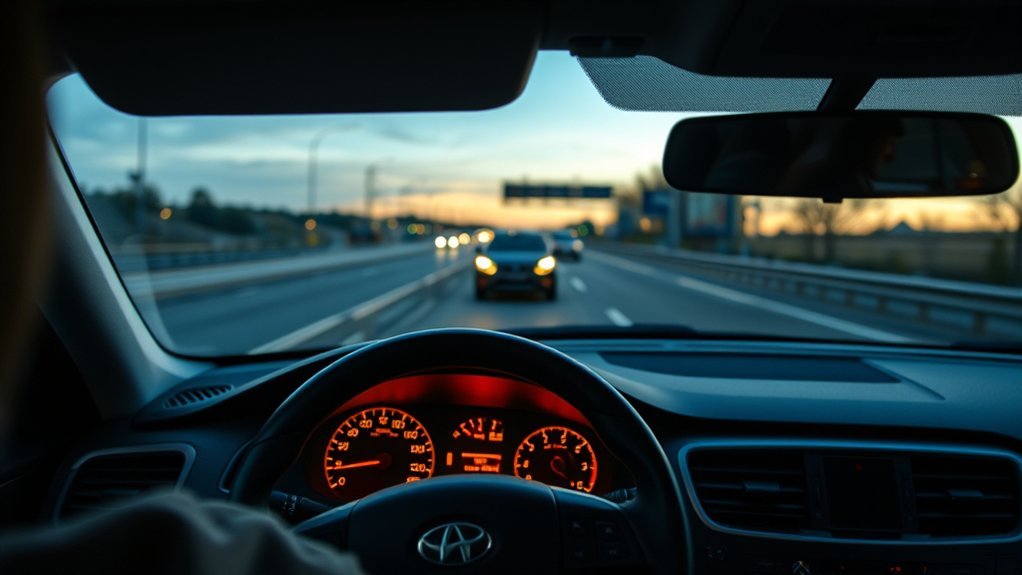
Radar cruise control and standard cruise control both reduce accelerator use on long drives, but only radar or adaptive cruise control responds to traffic ahead. Standard cruise control holds the speed you select until you intervene. Radar cruise control can slow for a detected vehicle and accelerate again toward your selected speed within the system’s operating limits. The better choice depends mainly on your traffic conditions and whether the vehicle supports full-speed or stop-and-go operation.
Last updated: September 11, 2026 — ISO status and manufacturer safety guidance rechecked.
Quick Answer
Radar cruise control is a type of adaptive cruise control that changes speed to maintain a selected gap from traffic ahead. Standard cruise control only holds the speed you set. Adaptive systems add convenience, but capabilities vary, and neither system replaces attentive steering, braking, or judgment.
Key Takeaways
- Standard cruise control maintains a fixed speed until you brake, cancel it, or change the setting.
- Radar or adaptive cruise control changes speed to follow a detected vehicle at a selected distance.
- Only some adaptive systems provide full-speed or stop-and-go operation.
- Automatic emergency braking and lane-keeping assistance are separate features, even when bundled with adaptive cruise control.
- Both systems require you to monitor the road and take control whenever conditions demand it.
What Is Radar Cruise Control and How Does It Work?
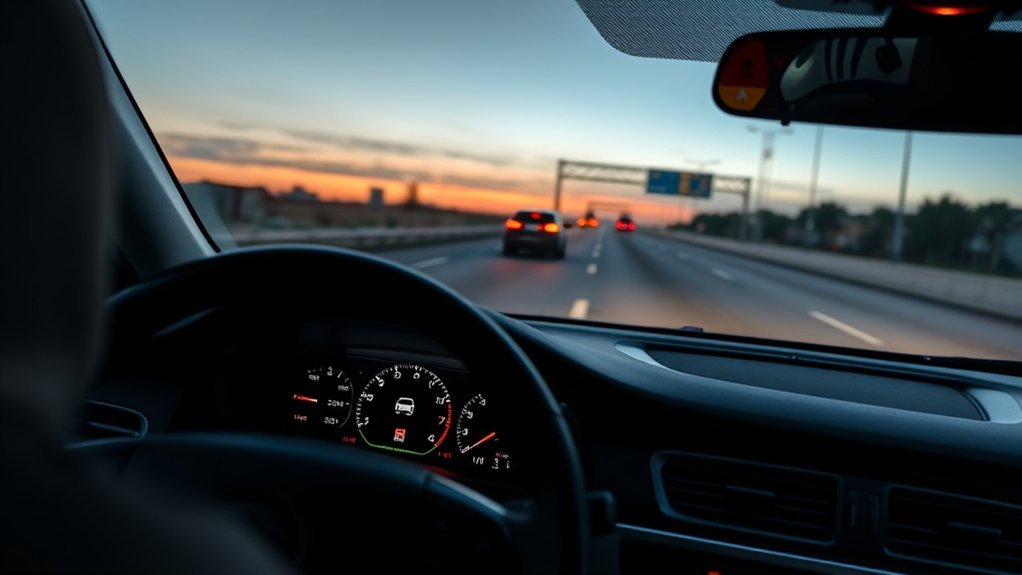
“Radar cruise control” is a common manufacturer or seller label for a radar-based form of adaptive cruise control, commonly shortened to ACC. Radar-based systems often use a forward radar sensor together with a camera or other forward sensors, depending on the vehicle.
According to the National Highway Traffic Safety Administration, adaptive cruise control automatically adjusts a vehicle’s speed to maintain a preset distance from the vehicle in front.
You normally select a cruising speed and one of several following-distance settings. When the system detects a slower vehicle ahead, it reduces throttle and may apply the brakes. When the lane clears, it can accelerate toward your selected speed.
The system generally tracks a vehicle directly ahead. It does not understand every hazard on the road, and it may not react as you expect when another vehicle cuts in, traffic is stopped, visibility is poor, or the sensor cannot obtain a clear view.
Warning: Radar cruise control is driver assistance, not self-driving technology. Keep watching traffic, continue steering, and remain ready to brake or cancel the system immediately.
What Is Standard Cruise Control?
Standard cruise control, also called conventional cruise control, maintains the speed you select without monitoring the distance to traffic ahead.
If you set it to 65 mph, it attempts to hold approximately 65 mph as road grade and vehicle power allow. It does not automatically slow because another vehicle enters your lane or traffic begins to back up. You must brake, cancel the system, or lower the setting yourself.
This simpler operation works well on clear highways with steady traffic. It is much less helpful when traffic speed changes frequently because you must repeatedly cancel and reset it.
Radar Cruise Control vs. Standard Cruise Control
| Feature | Standard Cruise Control | Radar or Adaptive Cruise Control |
|---|---|---|
| Main function | Maintains the selected speed | Maintains a selected speed and adjusts it for detected traffic ahead |
| Following-distance control | No | Yes, within the system’s operating limits |
| Automatic slowing | No | Usually slows for a tracked vehicle ahead |
| Stop-and-go capability | No | Only on compatible full-speed or low-speed-follow systems |
| Driver pedal input | Frequent input when traffic changes | Less repetitive input in suitable conditions, but intervention is still required |
| Sensors | Does not need forward traffic detection | Uses forward radar and may combine it with a camera or other sensors, depending on the vehicle |
| Complexity | Simpler | More complex and may require sensor calibration after certain repairs |
| Best use | Open roads with stable traffic | Highways where traffic speed changes but conditions remain within the system’s limits |
[Amazon Products Picked for You]
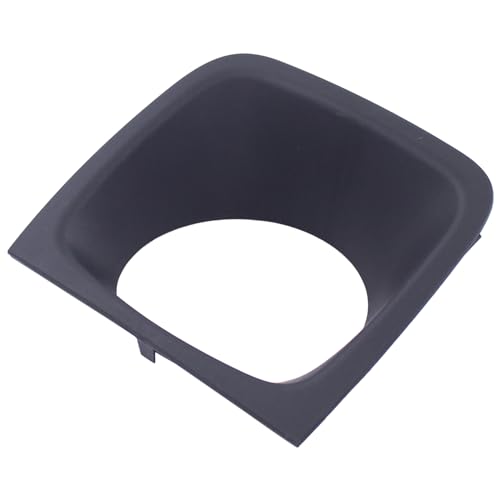
Compatible with Jeep Grand Cherokee 2017-2021.

Compatible with Dodge Durango 2021-2026

Benefits of Radar Cruise Control
[Amazon Products Picked for You]
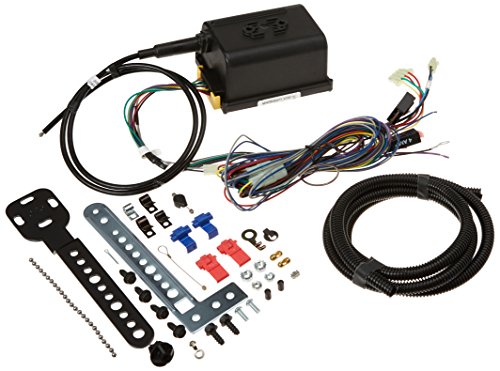
Works on vehicles with an accessible mechanical throttle cable assembly.

[Vehicle Fitment]: Compatible with Toyota Yaris 2007-2009, Venza 2009 & 2014-2015, Tundra 2005-2010 & 2014-2021, Tacoma 2005-2009 & 2014-2023, Solara 2004-2008, Sienna 2004-2010 & 2013-2015, RAV4 2004-2009, Prius 2004-2022, Matrix 2009-2010, Land Cruiser 2003-2009 & 2014-2021, Highlander 2005-2009, FJ Cruiser 2007-2009, Corolla 2009-2010 & 2014-2016, Camry 2005-2010 & 2014-2017, Avalon 2005-2013, 4Runner 2003-2009 & 2014-2019 --- without Adaptive Cruise Control & Collision Mitigation Braking

This EASYGUARD ECC001 Universal automotive Cruise Control System is only fit for DC12V vehicles with 6 wire electric throttle connector, including manual transmission or automatic transmission vehicle, diesel engine or petrol engine vehicles.
Less Repetitive Pedal Work
Adaptive cruise control can reduce the number of times you press the accelerator or brake when traffic changes gradually. That can make a long highway trip feel less demanding, especially when vehicles ahead repeatedly slow and return to cruising speed.
This convenience should not be confused with permission to relax your attention. You still need to watch for hazards the system may not recognize.
Automatic Following-Distance Adjustments
Instead of maintaining one fixed road speed, radar cruise control attempts to preserve the following-time setting you select. A longer setting generally gives the system and the driver more time to respond.
The displayed distance bars do not necessarily represent a fixed number of feet. The actual gap normally changes with vehicle speed, system programming, and driving conditions.
Greater Convenience in Changing Traffic
Standard cruise control must be canceled when you approach slower traffic. ACC can manage many routine speed changes without being manually reset each time.
How smoothly it responds depends on the vehicle. Some systems brake early and gently, while others wait longer or accelerate more aggressively after the lane clears.
Possible Stop-and-Go Operation
Some full-speed-range systems can follow a vehicle down to a stop. They may resume automatically after a brief pause or require you to press a button or tap the accelerator.
The ISO 15622:2018 adaptive cruise control standard distinguishes full-speed-range systems from limited-speed-range systems. It also notes that full-speed ACC may attempt to stop behind an already tracked vehicle but is not necessarily required to react to stationary or slow-moving objects.
As of September 2026, ISO 15622:2018 remains the published edition. ISO/DIS 15622 Edition 4 is under development and is intended to replace the 2018 edition.
Note: “Full-speed,” “low-speed follow,” and “stop-and-go” do not guarantee identical behavior. Check the owner’s manual for minimum activation speed, stopping limits, hold time, and resume requirements.
Features That Are Separate From Radar Cruise Control
Modern vehicles often bundle several driver-assistance features under one package name. This makes it easy to assume they are all part of radar cruise control, but they perform different jobs.
Automatic Emergency Braking
Automatic emergency braking, or AEB, can apply the brakes when the system determines that a forward crash is imminent. ACC normally manages routine following speed. AEB is an emergency intervention.
A vehicle may have both systems, only one of them, or different operating limits for each. The presence of ACC does not prove that a particular AEB function is included.
Forward Collision Warning
Forward collision warning alerts you when the system detects a possible frontal crash. A warning alone does not necessarily apply the brakes. NHTSA explains the distinction between warning, intervention, and continuous driving-control assistance in its driver-assistance technology guide.
Lane Keeping and Lane Centering
Lane-keeping assistance or lane centering can provide steering input. ACC controls speed and following distance, not lateral steering.
When adaptive cruise control is combined with continuous steering assistance, the package may provide Level 2 driver assistance. You must still monitor the road and remain responsible for the vehicle.
What Are the Limitations of Radar Cruise Control?
Radar cruise control can be useful without being able to handle every road situation. Its most important limitations include the following:
- Stopped objects: Some systems may not respond reliably to a vehicle or object that was already stationary before detection.
- Cut-in vehicles: A vehicle entering your lane at close range may require immediate driver braking.
- Sharp curves and hills: Sensor alignment with the vehicle ahead can change as the road bends or rises.
- Bad weather: Heavy rain, snow, fog, ice, road spray, or low visibility may reduce sensor performance.
- Blocked sensors: Dirt, snow, bumper damage, windshield damage, accessories, or improper repairs may interfere with a radar unit or camera.
- Small or unusual road users: Motorcycles, bicycles, pedestrians, trailers, and vehicles partly outside your lane may not be detected as expected.
- Traffic controls: Many ACC systems do not react to traffic lights or traffic signs. You remain responsible for stopping and obeying right-of-way controls.
- System disengagement: A warning, fault, low-speed threshold, wheel slip, or other operating condition can cancel assistance.
The Insurance Institute for Highway Safety notes that driver-assistance systems use radar, cameras, and other sensors while the driver remains responsible for the driving task.
GMC’s adaptive cruise control guidance also warns that ACC may not react to parked, stopped, or slow-moving vehicles, does not steer the vehicle, and may not respond to traffic lights or signs. Exact limitations vary by vehicle, so the model-specific owner’s manual takes priority.
Adaptive cruise control can manage routine speed changes, but the driver must manage everything the system does not detect, understand, or handle correctly.
Situations Where Standard Cruise Control Falls Short
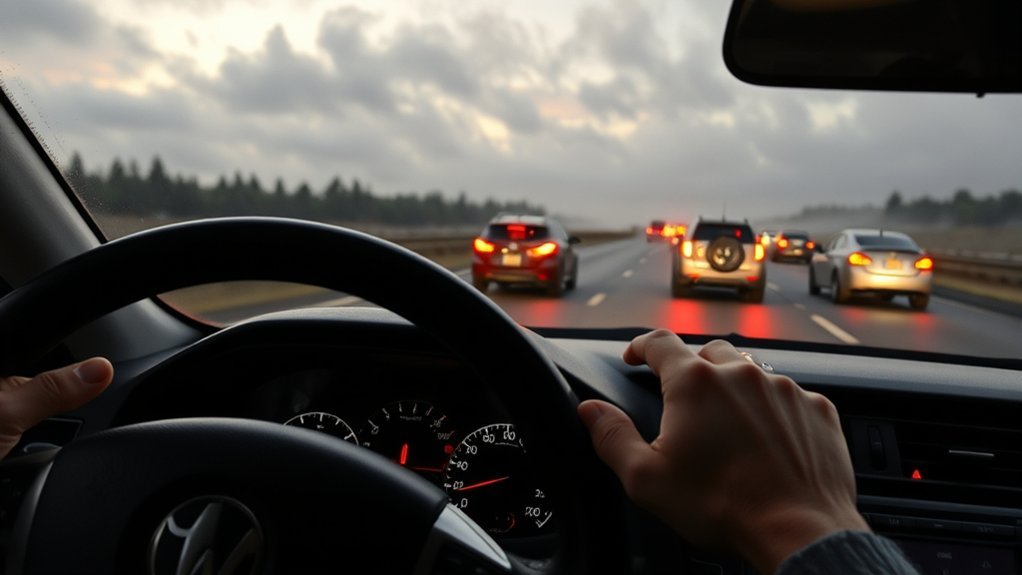
Standard cruise control becomes inconvenient when surrounding traffic does not maintain a steady speed.
- You must cancel or brake when approaching a slower vehicle.
- You must reset the system after many interruptions.
- It cannot maintain a following gap.
- It does not automatically adapt when another vehicle enters your lane.
- It is poorly suited to congestion or stop-and-go traffic.
These limitations do not make standard cruise control unsafe when used correctly. They mean the driver must perform every speed adjustment.
When Is Standard Cruise Control the Better Choice?
Radar cruise control is not automatically the best choice for every driver or road.
Standard cruise control may suit you when:
- You mainly drive on quiet roads with stable traffic.
- You prefer a system with simple, predictable behavior.
- You dislike how a particular ACC system brakes or accelerates.
- You are driving in conditions where the vehicle manual advises against using adaptive cruise control.
- You want to maintain direct control over every response to traffic.
Some vehicles let you switch between adaptive and conventional cruise modes. Others provide only one mode, so check the manual before assuming both are available.
Which Cruise Control Type Is Better for You?
The right choice depends more on your driving environment than on the feature name. Use this quick decision guide:
| Driving Situation | Better Fit | Why |
|---|---|---|
| Open highway with steady traffic | Standard cruise may be enough | Traffic rarely forces you to cancel or change speed |
| Highway traffic that repeatedly slows and speeds up | Radar or adaptive cruise | It can manage routine speed changes while following a detected vehicle |
| Frequent stop-and-go congestion | Full-speed or stop-and-go ACC | Limited-speed ACC may disengage before the vehicle stops |
| Severe weather, slippery roads, blocked sensors, or uncertain conditions | Manual control | Cruise assistance should not replace direct control when conditions exceed system limits |
[Amazon Products Picked for You]
Fitment: Compatible with Honda CRV 2018 2019 2020 2021,Compatible with Honda Civic 2018 2019 2020 2021

Compatible with Honda Accord 2018-2022

Compatible with Jeep Grand Cherokee 2014-2015.
Consider Your Driving Environment
Radar cruise control offers the greatest convenience when you spend a lot of time on divided highways with moderate changes in traffic speed. Full-speed operation can be valuable during a congested commute, but only if the specific vehicle supports it.
Standard cruise control may be enough if most of your driving takes place on open rural highways where traffic rarely interrupts your selected speed.
Verify the Exact Capabilities
Do not rely only on an advertisement that says “adaptive cruise” or “radar cruise.” Confirm:
- The minimum speed at which it can be set.
- Whether it follows traffic below highway speed.
- Whether it can stop the vehicle.
- How long it remains stopped before canceling or requiring input.
- Whether it resumes automatically.
- Whether conventional cruise mode is also available.
- Which AEB, collision-warning, or lane-assistance features are separate.
Use the model-specific owner’s manual, original window sticker, build sheet, or VIN equipment record. For example, Toyota’s Safety Sense information shows that Dynamic Radar Cruise Control operating ranges and related features vary by system generation and vehicle.
Consider Repair and Calibration Needs
A forward radar unit may be mounted behind a grille emblem, bumper, or body panel. A camera may be mounted near the top of the windshield. Collision repairs, windshield replacement, alignment changes, sensor replacement, or bumper work can require inspection or calibration.
Repair cost varies too much by model and damage to assign one reliable price. Before buying a used vehicle, make sure there are no active system warnings and ask whether previous front-end or windshield repairs included the required calibration.
Avoid Choosing by Feature Name Alone
Automakers use names such as Dynamic Radar Cruise Control, Smart Cruise Control, Active Cruise Control, Intelligent Cruise Control, Traffic-Aware Cruise Control, and Adaptive Cruise Control.
The name does not tell you the complete operating range. Two systems with similar names can behave differently, while systems with different names may offer similar functions.
Pro Tip: During a test drive, try each following-distance setting in light highway traffic. Notice how early the vehicle brakes, how smoothly it accelerates, and whether you are comfortable with its response.
How to Use Cruise Control Systems Safely
- Read the owner’s manual. Learn the activation speed, cancellation conditions, warning symbols, and sensor locations.
- Begin with a longer following-distance setting. Short settings can feel abrupt and leave less time for you to intervene.
- Use the system only in suitable conditions. Avoid relying on cruise control on slippery roads, in severe weather, in construction zones, or when traffic is chaotic.
- Keep the sensor areas unobstructed. Follow the manufacturer’s cleaning instructions and address damage or warning messages promptly.
- Keep your attention on the road. Do not use a phone, read, or perform another distracting task.
- Cover the brake when risk increases. Be prepared for a stopped vehicle, sudden cut-in, debris, or a system disengagement.
- Cancel early when uncertain. Manual control is the correct response whenever the system’s behavior or road conditions make you uncomfortable.
Frequently Asked Questions
Is radar cruise control the same as standard cruise control?
No. Standard cruise control maintains a selected speed but does not respond to traffic ahead. Radar cruise control is a form of adaptive cruise control that can change speed to maintain a selected following gap from a detected vehicle.
Is radar cruise control the same as adaptive cruise control?
Radar cruise control is usually a radar-based type or manufacturer name for adaptive cruise control. Adaptive cruise control is the broader category and may use radar, cameras, or a combination of forward sensors.
Does radar cruise control stop the car automatically?
Some full-speed-range systems can stop behind a vehicle they are already tracking. Limited-speed systems may disengage before the vehicle stops. Even a full-speed system may require driver input to resume and may not react reliably to an object that was already stationary.
Does adaptive cruise control include automatic emergency braking?
Not necessarily. ACC manages routine speed and following distance, while automatic emergency braking is intended to intervene when a crash appears imminent. Many vehicles bundle both, but they remain separate functions with different operating limits.
Does radar cruise control steer the vehicle?
ACC by itself controls acceleration and braking rather than steering. Steering support comes from a separate lane-centering or lane-keeping system. A vehicle may combine both functions in a driver-assistance package.
What are the two main types of cruise control?
The two broad consumer categories are conventional cruise control, which maintains a fixed speed, and adaptive cruise control, which changes speed according to traffic ahead. Adaptive systems can be divided further into limited-speed and full-speed-range versions.
What does radar-ready cruise control mean?
“Radar-ready cruise control” is not a standardized NHTSA or ISO feature category. A seller may use it to mean that a vehicle has radar hardware, supports a related option, or is prepared for certain equipment. Verify the exact function through the VIN equipment record and owner’s manual.
Is radar cruise control worth having?
It can be worthwhile if you regularly drive on highways or in changing traffic and like the way the system responds. Its value is lower if you rarely use cruise control, prefer direct speed control, or mainly drive where road and weather conditions limit sensor use.
Can I switch from adaptive cruise control to regular cruise control?
On some vehicles, yes. Some models let you select conventional cruise instead of adaptive cruise, while others provide only one mode. The control method varies, so check the model-specific owner’s manual rather than assuming both modes are available.
Conclusion
Radar cruise control offers more traffic-aware speed management than standard cruise control. It can reduce repetitive pedal input and maintain a selected gap from a detected vehicle, making it useful on many highway trips.
Standard cruise control remains a practical option when traffic is light and steady. It is simpler, but it requires you to handle every change in traffic speed.
Whichever system you choose, confirm its exact operating limits in the model-specific owner’s manual. Do not assume that adaptive cruise includes emergency braking, lane steering, full-speed operation, or reliable detection of every stopped object. If you are shopping for a vehicle, test the following-distance settings, braking response, and resume behavior before deciding whether the system suits you.
Sources
- National Highway Traffic Safety Administration: Driver Assistance Technologies — definitions of adaptive cruise control, automatic emergency braking, collision warning, and lane assistance.
- Insurance Institute for Highway Safety: Advanced Driver Assistance — driver responsibility, automation, and sensor-based driver-assistance systems.
- ISO 15622:2018 Adaptive Cruise Control Systems — current published full-speed and limited-speed ACC classifications, operating scope, stopping behavior, and stationary-object limitations. ISO/DIS 15622 Edition 4 is under development as of September 2026.
- Toyota Safety Sense and Dynamic Radar Cruise Control — examples of manufacturer-specific operating ranges and separate driver-assistance features.
- GMC Adaptive Cruise Control Guidance — examples of manufacturer warnings about steering responsibility, stopped vehicles, traffic controls, weather, and blocked sensors.
