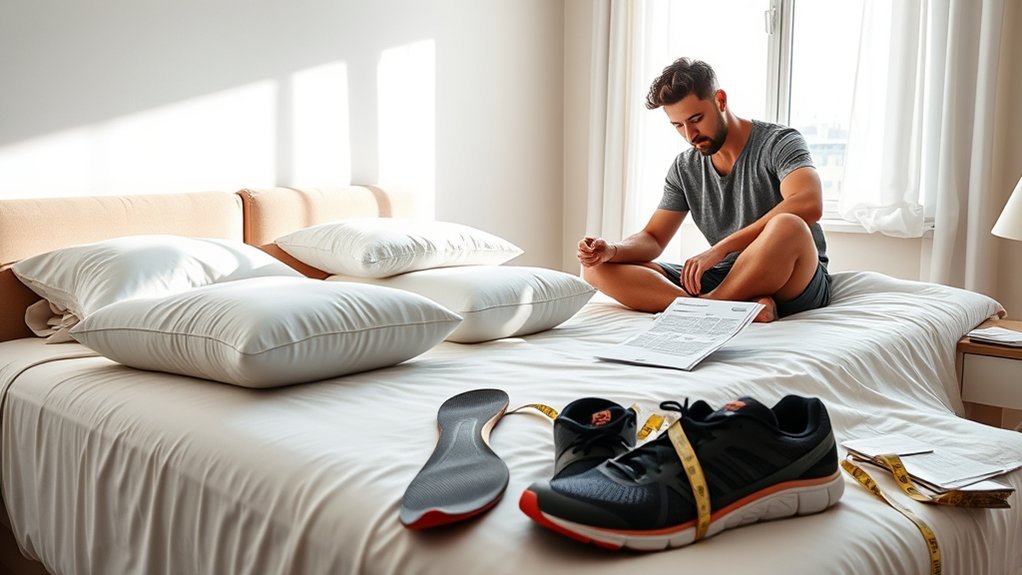
Orthopedic shoes can help reduce foot pain by improving support, cushioning, and pressure distribution. They are especially useful when regular shoes aggravate plantar fasciitis, flat feet, arthritis, or other foot conditions. However, the right footwear depends on your symptoms, foot shape, and daily activities. Understanding what to look for can help you choose shoes that feel comfortable and support healthier movement.
Quick Answer
Choose orthopedic shoes with a roomy toe box, supportive heel, adequate cushioning, and enough depth for your feet or prescribed orthotics. Allow approximately a quarter to half-inch of space beyond your longest toe. Start with properly fitted retail footwear for mild problems, but seek professional fitting for severe deformities, diabetes-related complications, or persistent pain.
Last checked: September 28, 2026. Key recommendations and figures were checked against medical and official sources.
How Can Orthopedic Shoes Help Relieve Foot Pain?
)
Orthopedic shoes are designed to accommodate the foot’s shape while providing appropriate support and cushioning. Unlike some narrow or poorly structured shoes, they can reduce pressure on sensitive areas and improve comfort during walking or standing.
They may help people with plantar fasciitis, flat feet, bunions, arthritis, and other conditions that make ordinary footwear uncomfortable.
For example, plantar fasciitis affects the thick band of tissue connecting the heel to the front of the foot. Supportive footwear can reduce strain on this tissue, particularly during weight-bearing activities.
The American Academy of Orthopaedic Surgeons’ plantar fasciitis guidance recommends cushioned footwear and explains how supportive shoes, heel pads, stretching, and activity changes can help manage symptoms.
Orthopedic shoes work best when their support, cushioning, and fit address the specific source of your foot discomfort.
People with diabetes, arthritis, or significant foot deformities may need additional features, such as extra-depth construction or custom-molded footwear.
However, orthopedic shoes do not correct every underlying condition. They may improve comfort and mobility, but persistent pain can require additional treatment.
Essential Features to Look for in Quality Orthopedic Shoes
Good orthopedic shoes should fit the natural shape of your feet without creating pressure points. The most useful features include adequate toe space, stable heel support, effective cushioning, and construction that accommodates your foot condition.
Use the following checklist when comparing footwear:
- Wide toe box: Choose a rounded or square front that allows your toes to spread naturally without squeezing together.
- Appropriate depth: Ensure the upper does not press against the tops of your toes, especially if you have hammertoes or swelling.
- Stable heel counter: The reinforced back of the shoe should hold your heel securely without excessive slipping.
- Effective cushioning: A shock-absorbing midsole can reduce discomfort during prolonged walking or standing.
- Suitable arch support: Look for support that feels comfortable and matches your foot’s needs rather than assuming a higher arch is always better.
- Adjustable fastening: Laces or adjustable straps help accommodate differences in foot width and daily swelling.
- Breathable materials: Leather, mesh, or suitable breathable synthetic uppers help moisture escape.
- Removable insoles: These create additional space when you need to use prescribed orthotics.
A low, broad heel is generally preferable to a high, narrow heel. The ideal height depends on your symptoms and medical needs rather than one universal measurement.
According to Guy’s and St Thomas’ NHS footwear guidance, shoes should provide adequate toe depth, appropriate width, cushioning, secure fastening, and room for any required insoles.
Remember that more cushioning is not automatically better. A shoe should feel comfortable while providing enough structure to support your foot during movement.
Why Proper Fit Matters for Foot Health
Proper fit helps prevent unnecessary pressure, rubbing, and instability. Even an expensive orthopedic shoe can aggravate foot pain when its length, width, or shape does not match your foot.
Ill-fitting footwear can contribute to blisters, corns, bunions, and other problems. It may also worsen discomfort from existing foot conditions.
Use these guidelines to assess the fit:
- Measure both feet and choose footwear that accommodates the larger foot.
- Allow approximately a quarter to half-inch between your longest toe and the shoe’s end.
- Check that the toe box accommodates your foot’s full width without squeezing the ball of the foot.
- Choose a stable heel that does not slip excessively during walking.
- Look for a padded heel and comfortable lining without irritating seams.
- Check the fit while standing, since your feet change shape under body weight.
Length is only one part of proper fit. Shoes must also provide enough width and depth.
A shoe that is too narrow can remain uncomfortable even when you select a larger size. Choosing an appropriate width is often more effective than increasing length alone.
Custom vs. Over-the-Counter Orthopedic Shoes: Which Should You Choose?
Over-the-counter orthopedic footwear is generally suitable for people who need extra comfort or support without a complex foot deformity. Custom-made footwear is designed around an individual’s specific anatomy and medical requirements.
It is also important to distinguish orthopedic shoes from orthotics. Orthotics are inserts placed inside footwear, while orthopedic shoes are the footwear itself.
You may need supportive shoes, orthotic inserts, or a combination of both.
| Option | Main Features | Typical Use |
|---|---|---|
| Retail orthopedic shoes | Supportive construction, cushioning, and wider fitting options | General comfort and mild to moderate foot problems |
| Over-the-counter orthotics | Prefabricated inserts available in different support levels | Additional cushioning or arch support |
| Custom orthotics | Inserts made according to an individual prescription | Specific pressure, support, or alignment needs |
| Custom orthopedic shoes | Footwear designed for an individual’s foot shape and medical needs | Severe deformities or conditions that standard footwear cannot accommodate |
Custom options generally cost more and may offer fewer style choices. However, they can accommodate foot shapes that standard shoes cannot fit safely.
Custom footwear is most useful when ordinary shoe shapes cannot safely accommodate your feet. Custom orthotics are a separate treatment and are not automatically necessary for every case of foot pain.
For plantar heel pain, research has not consistently found custom orthotics superior to prefabricated inserts. A Harvard Health review of orthotic research describes similar results between custom and store-bought devices for plantar fasciitis.
This does not mean custom devices are unnecessary for every patient. Severe deformities, unusual pressure patterns, and other medical needs can require individualized treatment.
When Are Custom Therapeutic Shoes Necessary?
People with diabetes-related nerve damage, significant deformities, or a history of foot ulcers may require specialized therapeutic footwear.
The American Diabetes Association’s 2026 Standards of Care recommend specialized therapeutic footwear for people with diabetes who are at high risk of foot ulcers.
This includes people with loss of protective sensation, foot deformities, calluses, poor circulation, or a history of ulceration or amputation.
Not everyone with diabetes needs custom shoes. The decision should follow an assessment of foot risk, circulation, sensation, and existing problems.
Tips for Finding the Right Fit
Finding the right orthopedic shoes starts with accurate measurements and a careful fitting. Your feet can change in size throughout the day, so the number printed on a shoe should be treated as a starting point rather than a guarantee.
Measure Your Feet Properly
Measure both feet while standing, preferably later in the day when they may be slightly swollen. Use the larger foot when selecting your size.
- Place a sheet of paper on a firm floor.
- Stand naturally with your weight distributed across both feet.
- Trace around each foot while keeping the pencil upright.
- Measure from the heel to the longest toe.
- Measure the widest part of the forefoot.
- Compare both measurements with the footwear manufacturer’s size chart.
You can also place your foot tracing against a removable shoe insole to see whether the shape provides enough space.
If the tracing extends beyond the insole’s edges, the shoe may be too narrow or too short.
Try Shoes In Store
Trying shoes in-store allows you to test comfort before purchasing. This is particularly useful when you have bunions, swelling, orthotics, or a history of painful footwear.
Wear the socks you normally use and bring your prescribed inserts if applicable.
Walk around the store and pay attention to your toes, heels, arches, and the balls of your feet.
Check whether the shoes remain secure when turning or walking at your normal pace.
Do not assume painful shoes will become comfortable after being broken in. A well-fitting shoe should feel suitable from the beginning, even if the materials soften slightly with use.
Testing Comfort: How to Find the Right Fit
A short walking test can reveal problems that are difficult to notice while sitting. The goal is to confirm that your footwear provides support without creating pressure, rubbing, or instability.
Before buying, complete this checklist:
- Confirm that your toes have enough room to move.
- Make sure the ball of your foot is not compressed.
- Check that your heel stays secure without painful pressure.
- Walk using your intended socks and orthotics.
- Look for rubbing along the sides, heel, and top of the foot.
- Check that the shoe bends appropriately near the front of your foot rather than folding excessively through the arch.
For custom orthotics, make sure the insert sits flat and securely inside the shoe. Remove the original liner when instructed by your clinician.
Adding an orthotic on top of an existing thick insole can reduce available space and cause pressure against the upper.
New orthotics may require a gradual adjustment period. The NHS guidance on foot insoles recommends building up wearing time gradually and contacting your podiatrist if discomfort continues.
Stop using an insert that causes severe pain or persistent pressure. It may need adjustment rather than additional wearing time.
Common Mistakes to Avoid When Buying Orthopedic Shoes
The biggest purchasing mistakes involve choosing footwear based on labels, appearance, or cushioning alone. Orthopedic marketing does not guarantee that a shoe will suit your individual foot shape or medical needs.
Ignoring Proper Fit
Buying shoes without checking the fit can worsen existing foot problems. This is especially important if your feet swell, differ in size, or require prescription inserts.
Avoid these common mistakes:
- Buying your usual size without measuring your feet.
- Choosing extra length to compensate for insufficient width.
- Ignoring pressure against bunions or hammertoes.
- Trying shoes without your regular socks or orthotics.
- Assuming the shoe will stretch enough to correct a poor fit.
Also check whether the shoe accommodates the foot’s natural outline rather than forcing the toes into a pointed shape.
Overlooking Shoe Quality
Construction quality affects comfort, support, and durability. A sturdy sole, stable heel, and suitable upper are often more useful than a soft insole alone.
Inspect the following features before purchasing:
| Aspect | Importance | Common Oversights |
|---|---|---|
| Shoe Quality | Provides durable support and cushioning | Ignoring sole stability and construction |
| Comfort and Fit | Helps prevent pressure and rubbing | Relying only on size labels |
| Surface Testing | Reveals discomfort and instability | Testing only while sitting |
| Internal Details | Reduces irritation | Overlooking seams and tags |
Check the sole for excessive flexibility through the middle, uneven construction, and poor traction.
Inspect the lining for raised seams or labels that may rub against your skin.
Replace shoes when their soles, cushioning, or heel support become noticeably worn. Continuing to wear damaged footwear can reduce the support it originally provided.
Benefits of Investing in Orthopedic Footwear
Well-chosen orthopedic footwear can improve daily comfort by supporting the foot and reducing pressure on painful areas. The benefits depend on correct fitting and whether the shoe addresses your particular condition.
Potential benefits include:
- Reduced discomfort during walking and prolonged standing.
- Better accommodation of wide feet, bunions, or toe deformities.
- Improved cushioning beneath sensitive areas.
- More stable heel support during movement.
- Additional room for prescribed orthotics.
- Reduced rubbing and pressure from unsuitable footwear.
- Improved comfort from breathable materials during all-day wear.
The most suitable design also depends on where you experience pain.
| Foot Condition | Features to Consider |
|---|---|
| Plantar fasciitis | Cushioned heel, supportive sole, and appropriate arch support |
| Flat feet | Comfortable arch support, stable heel, and secure fastening |
| Bunions | Wide toe box and soft upper that reduces joint pressure |
| Arthritis | Extra depth, cushioning, and a sole appropriate for joint stiffness |
| Diabetic neuropathy | Protective fit, appropriate pressure relief, and professional assessment |
For example, a person with plantar fasciitis may benefit from heel cushioning, while someone with bunions may place greater importance on toe-box width.
A person with a stiff big toe may benefit from a suitable rocker sole that reduces the amount of bending required during walking.
No single orthopedic shoe design is ideal for every foot condition.
When Should You Seek Professional Advice for Orthopedic Shoes?
Consult a podiatrist or another qualified healthcare professional when foot pain persists, affects walking, or does not improve with suitable footwear. A professional assessment can identify whether you need different shoes, orthotics, exercises, or additional treatment.
Consider an appointment if you experience:
- Ongoing heel or arch pain.
- Repeated blisters, corns, or pressure points.
- Uneven shoe wear accompanied by discomfort.
- Changes in your foot shape or arch.
- Balance problems or repeated ankle injuries.
- Numbness, tingling, or burning sensations.
- Pain associated with arthritis or significant deformities.
Professional fitting is particularly important for people with diabetes-related nerve damage or poor circulation.
Warning: Seek urgent medical attention for a foot that is suddenly hot, red, swollen, severely painful, or difficult to bear weight on. An open wound, especially in someone with diabetes, also requires prompt assessment. Do not rely on new footwear to treat a possible infection or serious injury.
The Mayo Clinic’s foot-pain guidance identifies severe swelling, inability to bear weight, and signs of infection as reasons to seek prompt medical care.
For people with complex foot problems, a specialist can assess pressure points, determine the appropriate level of support, and recommend custom-molded devices when necessary.
Follow-up appointments can also help confirm that prescribed footwear remains suitable as your symptoms or foot shape change.
Note: Orthopedic shoes and orthotics can help manage symptoms, but they do not replace diagnosis or treatment. If pain continues despite properly fitted footwear, ask a healthcare professional to reassess the underlying cause.
Frequently Asked Questions
How Do I Know What Orthotics to Buy?
Choose orthotics based on your symptoms, foot shape, activity level, and footwear. Prefabricated inserts may be sufficient for mild discomfort, while custom devices can address more complex needs. Consider cushioning, arch support, material, and fit. Consult a podiatrist if pain persists or you have a significant foot condition.
What Are the Downsides of Using Orthotics?
Orthotics can initially cause discomfort because they change how your feet bear weight. Poorly fitted inserts may create pressure points or cause aches elsewhere in the legs or back. They also cannot address every underlying condition. Gradual adjustment and professional fitting help reduce problems. Persistent or severe pain requires reassessment.
How Much Does a Good Pair of Orthotics Cost?
Over-the-counter orthotics commonly cost around $20–$80, while custom devices may cost approximately $300–$800. Actual prices depend on materials, assessment, fitting, and follow-up services. Insurance coverage varies by plan and medical need. These are approximate US price ranges, not guaranteed quotes.
What Shoes Do Podiatrists Say Not to Wear?
Podiatrists generally advise avoiding shoes that squeeze the toes, create pressure, or lack suitable support. High heels, narrow pointed shoes, and unsupportive flip-flops can aggravate certain conditions. However, footwear needs vary. A shoe that works for someone without foot pain may be unsuitable for a person with plantar fasciitis or arthritis.
Conclusion
Choosing orthopedic shoes starts with understanding your foot condition and finding footwear that fits correctly. Prioritize adequate toe space, comfortable support, cushioning, and a secure heel rather than relying on marketing claims.
Retail orthopedic shoes or prefabricated inserts may be enough for mild discomfort. More complex conditions can require custom footwear or professional treatment.
Measure your feet, test comfort carefully, and seek professional advice when pain persists. The right footwear should support your daily activities without creating new pressure or discomfort.
Sources
- Guy’s and St Thomas’ NHS Foundation Trust: Footwear selection, toe space, cushioning, fastening, and orthotic compatibility.
- American Academy of Orthopaedic Surgeons: Plantar fasciitis symptoms, supportive footwear, and treatment.
- American Diabetes Association, Standards of Care in Diabetes 2026: Therapeutic footwear recommendations for people at risk of diabetic foot ulcers.
- Guy’s and St Thomas’ NHS Foundation Trust, Foot Insoles: Orthotic benefits, adjustment periods, discomfort, and follow-up care.
- Harvard Health Publishing: Research comparing custom and prefabricated orthotics for plantar heel pain.
- Medicare: Eligibility, coverage, and provider requirements for therapeutic footwear.
- Mayo Clinic: Symptoms that require medical assessment or urgent attention.
- Family Foot & Leg Center: Published US cost estimates for prefabricated and custom orthotics.
