
Choosing an old ladder shelf for your home works best when you balance style, size, safety, and storage needs. A ladder shelf can display books, plants, baskets, towels, keepsakes, or everyday items without taking up as much visual space as a bulky cabinet. The right piece should match your decor, fit your room, hold the items you plan to store, and stay stable during daily use.
Quick Answer
Choose an old ladder shelf by measuring your space first, then matching the shelf’s height, depth, material, finish, and weight capacity to your room and storage needs. For safety, look for solid construction, stable footing, secure joints, and wall anchoring if the shelf is tall, narrow, or used around children or pets.
Key Takeaways
- Vintage ladder shelves come in leaning, A-frame, corner, rustic, industrial, and mid-century-inspired designs.
- Measure the wall, floor area, ceiling height, and walking clearance before choosing a shelf.
- Match the material, construction, and finish to your home decor and the weight of the items you want to store.
- Check shelf depth, tier spacing, joint strength, and weight capacity before using it for books, kitchenware, or heavy decor.
- Anchor tall or leaning shelves when needed, especially in homes with children, pets, or high-traffic rooms.
- Style heavier items on lower shelves and lighter decorative pieces higher up for better balance.
- Set a budget before shopping, and compare new, vintage, thrifted, and refurbished options.
- Maintain your shelf by dusting regularly, protecting wood from moisture, and checking hardware for looseness.
Understanding Different Styles of Old Ladder Shelves
Vintage ladder shelves come in a variety of styles, and each style offers a different look, storage purpose, and room feel. A rustic wooden ladder shelf is one of the most popular choices. It often uses reclaimed wood or distressed finishes that show natural grain, knots, and small imperfections. This style adds warmth and character, making it a strong match for farmhouse, cottage, country, or casual living spaces.
The rustic design works well when you want the shelf to feel cozy and lived-in. You can use it for books, ceramic pieces, woven baskets, picture frames, plants, or folded blankets. A weathered wood finish can also soften a room that already has modern furniture, giving the space a more layered and personal feel.
Another popular style is the industrial ladder shelf. This design usually combines metal and wood, creating a stronger contrast between warm shelves and a darker frame. Industrial shelves often suit apartments, lofts, home offices, and modern spaces where clean lines and practical storage matter. The metal frame can also make the shelf feel lighter visually, even when the piece is sturdy.
You may also find vintage ladder shelves with mid-century modern influences. These designs often feature cleaner lines, lighter woods, tapered shapes, and simple silhouettes. Some include bold colors or smooth painted finishes that add a retro touch without feeling overly rustic. This option works well if your home already uses simple furniture, neutral walls, or a mix of old and new decor.
Leaning ladder shelves are great for walls where you want vertical storage without a heavy cabinet. A-frame ladder shelves can stand more independently and may work better in open areas. Corner ladder shelves help use awkward spaces, while bathroom ladder shelves often include narrow tiers for towels, candles, jars, and small baskets.
Note: “Old ladder shelf” can mean a true vintage piece, a refurbished ladder, or a new shelf made in a vintage style. Check construction carefully if the piece was repurposed from an actual ladder.
Assessing Your Space and Storage Needs
Before selecting a vintage ladder shelf, assess your space and storage needs carefully. Start by looking at the area where you plan to place the shelf. Consider the room size, wall width, ceiling height, furniture layout, outlets, doors, windows, and walking paths. A shelf that looks perfect online can feel too large if it blocks a doorway or crowds a narrow walkway.
If you have a small living room with limited floor space, a tall and narrow ladder shelf can provide vertical storage without overwhelming the room. It gives you display space while keeping the footprint small. If you have a larger wall, a wider shelf can hold more items and create a stronger focal point while still feeling open.
Think about what you want to store before you choose the shelf. Decorative items like candles, small plants, framed photos, and keepsakes do not require the same strength as books, dishes, kitchenware, or storage baskets. If you plan to use the shelf for heavy items, look for thicker shelves, strong joints, a stable frame, and a listed weight capacity.
Also think about how often you will access the items. Everyday items should sit on the middle or lower shelves where you can reach them easily. Seasonal decor, spare towels, or lightweight display pieces can go higher. This simple planning step helps you choose a shelf that looks good and works well in daily life.
At a Glance
| Best For | Books, plants, baskets, towels, photos, entryway storage, and decorative displays |
| Difficulty | Easy to moderate, depending on assembly, anchoring, and refurbishment needs |
| Tools Needed | Tape measure, level, screwdriver, wall anchors, soft cloth, and wood-safe cleaner if needed |
| Main Safety Check | Confirm stability, weight capacity, level placement, and wall support for tall or leaning shelves |
Considering the Material and Construction of the Ladder Shelf

The material and construction of a vintage ladder shelf play a major role in durability, safety, and overall appearance. Common materials include solid wood, engineered wood, metal, bamboo, and mixed wood-and-metal designs. Each option has benefits, so the best choice depends on your room, budget, and storage plans.
Solid wood shelves are often favored for their strength and timeless appeal. They can support heavier items when built well, and they add warmth to living rooms, bedrooms, kitchens, and offices. However, solid wood may require more care to protect it from moisture, heat, scratches, and warping.
Engineered wood can offer a more budget-friendly option while still giving you a polished look. It is often made from composite materials with a veneer or laminate surface. This can work well for decorative storage, but it may not handle moisture, heavy books, or frequent moving as well as quality solid wood.
Metal ladder shelves provide a modern or industrial touch. They are often lightweight, slim, and easy to move. A metal frame can also improve strength, especially when paired with wood or engineered shelves. For bathrooms, kitchens, or laundry rooms, check whether the metal has a protective finish that helps resist rust and wear.
When judging construction quality, look closely at the joints, screws, shelf supports, back frame, and base. A well-constructed ladder shelf should feel balanced and firm, not wobbly. Reinforced joints, secure hardware, and a stable base help the shelf remain upright and functional over time.
Warning: Do not overload an old ladder shelf, especially if it has thin shelves, loose joints, cracked wood, or no wall support. Heavy items can make a tall shelf unstable.
[Amazon Products Picked for You]

Efficient Vertical Space Utilization: With 5-layered shelves measuring 11.6" x 15.4" each, spaced 13.7" apart, and standing at a total height of 70", our ladder shelf optimizes vertical space, ideal for use as a bookcase, commodity shelf, or bathroom accessory organizer, it enhances organization and aesthetic appeal in your living room, study, etc

Efficient Vertical Space Utilization: With 5-layered shelves measuring 11.6" x 15.4" each, spaced 13.7" apart, and standing at a total height of 70", our ladder shelf optimizes vertical space, ideal for use as a bookcase, commodity shelf, or bathroom accessory organizer, it enhances organization and aesthetic appeal in your living room, study, etc
Finding the Right Size and Dimensions for Your Space
| Space Type | Recommended Size (sq ft) | Ideal Dimensions (ft) |
|---|---|---|
| Living Room | 200-400 | 10×20, 15×15 |
| Bedroom | 100-200 | 10×10, 12×12 |
| Kitchen | 100-200 | 10×10, 12×12 |
| Bathroom | 35-100 | 5×7, 8×10 |
Selecting the right size and dimensions for your vintage ladder shelf is essential for achieving both function and visual harmony. Start by measuring the exact area where you intend to place the shelf. Measure width, height, depth, and clearance around nearby furniture. A deeper shelf may provide more storage, but it can overwhelm a small room or create a bumping hazard in a narrow walkway.
For a narrow hallway, small bathroom, or tight corner, a slim-profile ladder shelf can fit neatly without taking away valuable walking space. For a larger living room, dining room, or office, a wider shelf can hold books, baskets, and layered decor while still keeping an open look.
Also think about shelf height. Taller shelves can draw the eye upward and make a room feel taller, which can help in spaces with simple walls or low furniture. However, tall shelves may make higher tiers harder to reach. If you plan to use the shelf for everyday storage, choose a height that lets you access the most-used items comfortably.
Depth matters as much as height. A shallow ladder shelf is good for frames, small plants, candles, and bathroom items. A deeper shelf works better for books, folded linens, baskets, and kitchen items. Check the spacing between tiers too, especially if you want to display taller vases, large books, or storage bins.
A ladder shelf should fill the space without blocking movement. Leave enough room for doors, drawers, chairs, and people to move comfortably around it.
[Amazon Products Picked for You]
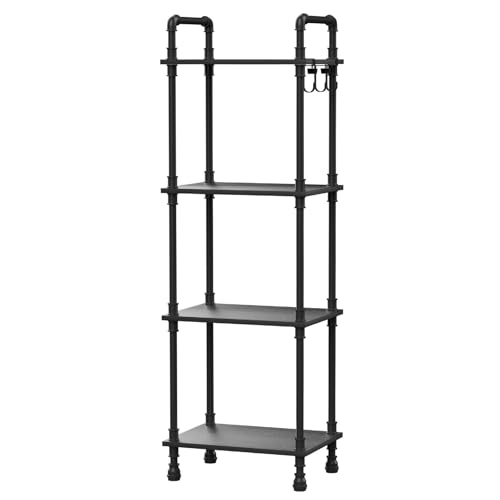
INDUSTRIAL DESIGN: Vintage-style ladder shelf featuring a rustic pipe frame design that adds character to any room while providing functional storage space

Adaptive Lighting for All Day: This ladder shelf features a versatile light strip with three adjustable colors, offering both functionality and ambiance. Easily control the colors and brightness to provide lighting for reading, working, or relaxing

【Compact and Functional Design】 The open ladder shelf is wall-mounted and measures 69.7"H x 17.72"W x 11"D, providing a compact yet useful storage solution. It is designed to tidy books, display ornaments, and present potted plants, making it a versatile and practical addition to any space.
Selecting the Perfect Finish and Color for Your Home Decor
The finish and color of your vintage ladder shelf can strongly affect how well it blends with your home decor. When selecting a finish, decide whether you want a natural look that shows the wood grain or a painted finish that adds color and contrast. Natural finishes often work well in rustic, traditional, farmhouse, and transitional rooms.
A stained wood finish can make the shelf feel warm and classic. Darker stains often look more formal or dramatic, while lighter stains can make a room feel brighter and more relaxed. Distressed finishes add age and texture, which can help a new shelf look more vintage.
Painted finishes can introduce personality. White, cream, gray, black, sage, navy, or muted blue can all work, depending on your room palette. If your decor uses neutral tones, a bold-colored ladder shelf can become a focal point. If your space already has strong colors or patterns, a softer finish may keep the room balanced.
Also consider your existing furniture. A shelf does not need to match every piece exactly, but it should relate to the room in some way. You can match the shelf to wood tones, metal finishes, wall colors, rugs, picture frames, or accent pieces. This creates a collected look instead of a mismatched one.
Lighting also affects color. Natural daylight can make wood look warmer and paint look brighter. Artificial light may change how gray, white, or beige finishes appear. When possible, view the shelf or finish sample in the room where you plan to use it.
Incorporating Functionality and Versatility into Your Choice

Functionality and versatility are key considerations when choosing a vintage ladder shelf. Look for designs that offer more than simple display space. Some ladder shelves include drawers, baskets, hooks, rails, cabinets, or lower storage bins. These features can help in smaller spaces where every inch matters.
For an entryway, a ladder shelf with hooks or baskets can hold keys, mail, sunglasses, dog leashes, and small accessories. In a bathroom, it can hold rolled towels, jars, candles, and toiletries. In a kitchen, it can display cookbooks, mugs, small plants, or pantry baskets. In a bedroom, it can work as a decorative storage piece for books, folded throws, or personal items.
Think about how the shelf can adapt as your needs change. A versatile design allows you to rearrange items or repurpose the shelf later. You might use it for books now, then later style it with plants, baskets, or seasonal decor. Adjustable shelves can add flexibility, but even fixed shelves can work well if the spacing fits your items.
Stability should remain a priority. A shelf that looks beautiful but tips easily will not serve you well. Wide lower shelves, sturdy feet, strong side rails, and secure wall anchoring can all improve safety. If you plan to place the shelf in a high-traffic area, choose a piece that can handle bumps and daily use.
Pro Tip: Style the heaviest items on the bottom shelf first. This helps the ladder shelf look grounded and can improve balance, especially with tall leaning designs.
Checking Stability, Safety, and Weight Capacity
An old ladder shelf should look attractive, but it also needs to be safe. This is especially important if you have children, pets, or a busy household. Older shelves may have loose joints, worn hardware, cracked wood, uneven legs, or weak shelf supports. Inspect these details before you bring the piece into daily use.
Start by placing the shelf on a level floor and checking whether it rocks. If it wobbles, inspect the feet, frame, and connections. Tighten screws if needed, and avoid loading the shelf until it feels stable. If the shelf leans against a wall, make sure it sits at the correct angle and does not slide on smooth flooring.
Check the weight capacity when available. If the shelf does not list a weight limit, use caution. Place heavy books, ceramic pieces, or appliances on lower tiers only, and avoid stacking too much weight on upper shelves. For true vintage or repurposed pieces, it is safer to treat the shelf as light-to-medium-duty storage unless you have confirmed the structure is strong.
Wall anchoring can be a smart choice for tall, narrow, or leaning shelves. Anti-tip hardware can reduce the chance of the shelf falling forward. This matters most in playrooms, nurseries, bedrooms, hallways, and living rooms where people may brush past the furniture.
[Amazon Products Picked for You]

Baby Safety Guard: Let your little one explore and climb to their heart's content! Baby proof furniture anchors help keep furniture secure from the potential tip-over hazard of curious children. This anchor will help keep furniture upright even if your children pull out the dresser drawer to form a ladder and climb onto the dresser for fun.

BABY SAFETY - We know how curious children can be. When little ones climb on furniture there is a potential for a tip-over incident. The good news is baby proof furniture anchors can help to keep furniture secure in case your children pull out the dresser drawer to form a ladder and climb onto the dresser for fun. Even with up to 400 pounds of pressure, this anchor keeps furniture upright.

Baby Safety Guard: Let your little one explore and climb to their heart's content! Baby proof furniture anchors help keep furniture secure from the potential tip-over hazard of curious children. This anchor will help keep furniture upright even if your children pull out the dresser drawer to form a ladder and climb onto the dresser for fun.
Budgeting for Your Vintage Ladder Shelf Purchase
Budgeting is an important part of any home decor project, including buying a vintage ladder shelf. Prices can vary widely based on material quality, size, age, condition, brand, design complexity, and whether the piece is new, antique, handmade, or refurbished. Before shopping, set a clear budget that reflects what you are willing to spend.
Remember to include possible extra costs. Delivery, assembly, wall anchors, cleaning supplies, paint, stain, replacement screws, felt pads, or repair work can add to the final cost. A lower-priced vintage piece may still be a good value, but only if it does not require expensive repairs.
When shopping for vintage ladder shelves, compare options from online retailers, local furniture stores, antique shops, flea markets, thrift stores, estate sales, and online marketplaces. New shelves can offer predictable dimensions and easier assembly. Second-hand shelves can give you a more unique look and may cost less, but they require closer inspection.
If you are buying used, check for musty odors, water damage, deep cracks, rust, missing parts, unstable feet, peeling finishes, and signs of pests. A shelf with cosmetic wear can be charming. A shelf with structural problems can become frustrating or unsafe.
How to Inspect an Old Ladder Shelf Before Buying
Inspecting a ladder shelf before buying helps you avoid weak, damaged, or impractical pieces. First, check the frame from all sides. The shelf should stand evenly, and the legs should not twist, bow, or separate from the main structure. Push gently on the side to see whether it feels solid or loose.
Next, inspect each shelf tier. Look for cracks, sagging, soft spots, water rings, stains, and loose boards. If the shelf uses screws or brackets, make sure they are not missing or stripped. For metal frames, check for rust, bent supports, sharp edges, or peeling coatings.
Smell the piece if you are buying it second-hand. Strong musty or smoky odors can be difficult to remove, especially from unfinished or porous wood. For painted vintage shelves, look for peeling paint and avoid sanding unknown old paint without proper safety precautions.
Finally, picture the shelf in your room. Make sure the height, width, depth, finish, and style fit your space. A beautiful shelf is only useful if it works with your layout and storage needs.
Tips for Maintaining and Styling Your Vintage Ladder Shelf
Once you have selected your vintage ladder shelf, maintaining its appearance and function is essential for long-term enjoyment. Regular cleaning helps prevent dust buildup that can dull finishes over time. Use a soft cloth for routine dusting. For wooden shelves, choose a wood-safe cleaner or polish that suits the finish.
Keep wood shelves away from constant moisture and direct heat. Bathrooms and kitchens can work, but ventilation matters. If the shelf sits near a shower, sink, humidifier, or sunny window, check it often for warping, staining, or finish changes. Metal shelves may need occasional wiping to prevent grime and moisture buildup.
Styling your vintage ladder shelf can be an enjoyable creative process. Start by arranging larger and heavier items on lower shelves for stability. Then layer smaller decorative pieces on higher tiers. Mix heights, textures, and shapes so the display feels intentional instead of crowded.
Use woven baskets to hide clutter while adding texture. Add ceramic pots, framed photos, books, candles, folded textiles, or small sculptures for personality. Greenery can soften the look and bring life to the room. If you use real plants, place saucers under pots to protect the shelf from water marks.
Leave some open space between items. A ladder shelf usually looks better when it has breathing room. Too many small objects can make it feel cluttered, while a mix of practical storage and decorative accents keeps it useful and attractive.
Best Rooms for an Old Ladder Shelf
An old ladder shelf can work in almost any room when you choose the right size and style. In a living room, it can display books, plants, candles, framed photos, and decorative bowls. It can also fill an empty corner without making the room feel heavy.
In a bedroom, a ladder shelf can hold folded blankets, favorite books, small baskets, perfume trays, or keepsakes. It may also work beside a reading chair or near a vanity. For small bedrooms, choose a narrow shelf that adds vertical storage without crowding the floor.
In a bathroom, a slim ladder shelf can store towels, jars, toiletries, and small plants. Make sure the material can handle humidity. Solid wood may need a sealed finish, while some metal finishes may need rust resistance.
In a kitchen or dining room, a ladder shelf can hold cookbooks, mugs, bowls, jars, serving pieces, or small appliances if the shelf is strong enough. Keep heavier items low, and avoid placing fragile pieces where they can be knocked over easily.
In an entryway, a ladder shelf can create a practical drop zone. Use baskets for hats, gloves, mail, and keys. Add a small tray for everyday items and keep the lower shelf available for shoes or bags if the design allows.
Common Mistakes to Avoid
One common mistake is choosing a shelf based only on looks. Style matters, but size, stability, and weight capacity matter just as much. A shelf that is too deep can block movement, while a shelf that is too narrow may not store what you need.
Another mistake is ignoring wall support. Tall or leaning shelves can tip if they are overloaded, bumped, or placed on slick flooring. Wall anchoring takes extra effort, but it can make the shelf safer and more secure.
Overstyling is another issue. Too many small objects can make the shelf look messy. Group items in odd numbers, vary heights, and use baskets to hide items you need but do not want to display.
Finally, avoid using fragile vintage shelves for heavy storage unless you know they are structurally sound. Old wood, worn screws, and weakened joints can fail under too much weight. When in doubt, use the piece for light decor and choose a stronger shelf for heavy items.
When looking to choose an old ladder shelf for your home, consider the overall style and functionality it will bring to your space. If you’re interested in incorporating more smart technology into your home, you may also want to check out this article on the 5 Most Reliable Smart Door Locks to enhance your home security. Additionally, if you have young children and are looking for practical household items, you may find this article on the 5 Best Sippy Cups That Don’t Leak helpful. And for those who are interested in maintaining a comfortable indoor environment, you may want to explore the 5 Best Indoor Thermometers and Hygrometers for Your Home to help monitor temperature and humidity levels.
Related Guides
Frequently Asked Questions
What is an old ladder shelf?
An old ladder shelf is a shelving unit designed to resemble a ladder. It usually has shelves that are wider at the bottom and narrower near the top. Many people use it to add rustic, vintage, farmhouse, industrial, or decorative storage to a room.
What factors should I consider when choosing an old ladder shelf for my home?
Consider the size of the space, shelf height, depth, material, finish, number of tiers, weight capacity, stability, and overall style. Also think about what you plan to store, how often you will access the items, and whether the shelf needs wall anchoring.
What materials are commonly used for old ladder shelves?
Old ladder shelves are commonly made from wood, metal, engineered wood, bamboo, or a combination of wood and metal. Wood adds warmth and rustic charm, while metal can create a more industrial or modern look.
How do I ensure the stability and safety of an old ladder shelf?
Make sure the shelf is properly assembled, placed on a level surface, and not overloaded. Check the weight capacity, tighten loose hardware, and secure tall or leaning shelves to the wall when needed. This is especially important in homes with children or pets.
Can an old ladder shelf be repurposed or refurbished?
Yes, old ladder shelves can be repurposed or refurbished to match different styles and uses. You can paint, stain, seal, or distress them. You can also use them as plant stands, towel racks, entryway organizers, bathroom storage, or decorative display shelves.
Where should I place a vintage ladder shelf?
Good places include living rooms, bedrooms, bathrooms, kitchens, entryways, offices, and unused corners. Choose a location with enough wall space, safe walking clearance, and a level floor. Avoid placing fragile or unstable shelves in areas where they may be bumped often.
What should I put on a ladder shelf?
You can place books, plants, baskets, towels, candles, framed photos, ceramics, folded blankets, jars, and decorative objects on a ladder shelf. Put heavier items on lower tiers and lighter pieces higher up to improve balance and create a cleaner display.
How do I clean and maintain a vintage ladder shelf?
Dust the shelf regularly with a soft cloth. Use a cleaner that matches the material and finish. Keep wood away from excess moisture, check hardware for looseness, and protect shelves from water rings, heat, and scratches.
