
You need a few essential kitchen appliances for your first apartment: a refrigerator, stove or cooktop, oven or toaster oven, microwave, toaster, coffee maker or electric kettle, food storage containers, and basic safety tools. Start with appliances you will use every week, then add specialty gadgets only after you know your cooking habits, counter space, and lease rules.
Setting up your first apartment kitchen feels exciting, but it can also get expensive fast. You do not need every appliance on day one. You need tools that help you store food safely, cook simple meals, reheat leftovers, make breakfast, prepare drinks, and keep the kitchen clean.
Use this guide as a practical checklist before you shop. Check what your apartment already includes, measure your space, and buy in stages so your kitchen stays useful instead of crowded.
Quick Answer
For your first apartment kitchen, prioritize a refrigerator, stove or cooktop, oven or toaster oven, microwave, toaster, coffee maker or electric kettle, blender, food storage containers, smoke alarms, and an A-B-C fire extinguisher. Add a dishwasher, food processor, hand mixer, and garbage disposal only if your space, lease, and budget allow.
Key Takeaways
- Buy the true essentials first: refrigeration, cooking, reheating, beverage, storage, cleaning, and safety tools.
- Measure your counter, cabinet, and floor space before buying bulky appliances.
- Keep your refrigerator at 40°F or below and your freezer at 0°F for safer food storage.
- Check your lease before installing a dishwasher, garbage disposal, or any appliance that changes plumbing or wiring.
- Skip specialty appliances until you know your routine. A toaster oven, blender, or electric kettle may be more useful than bulky single-use gadgets.
At a Glance
| Time Required | 1 to 2 hours to inspect your apartment, measure your kitchen, and make a priority list |
| Difficulty | Easy if you buy by priority and check lease limits before installing anything |
| Tools Needed | Tape measure, outlet check, cabinet measurements, appliance thermometer, and your lease or move-in checklist |
| Cost | Start with essentials, then add upgrades over time so you do not waste money or counter space |
Essential Cooking Appliances
Your first cooking setup depends on what your apartment already provides. Many rentals include a stove, oven, refrigerator, and sometimes a microwave. If yours does not, choose compact alternatives that match your lease, outlet capacity, and meal routine.
[Amazon Products Picked for You]

RECLAIM YOUR COUNTER SPACE: Takes up 50% less space when you flip it up and away to store against your backsplash.

MAKE ADJUSTMENTS ON-THE-FLY – Want hotter temperature or need to cook it longer? No problem. Simply adjust on-the-fly any time. Starting the cooking process over is not necessary. Bravo toaster oven's intuitive digital controls are easy to operate. Control not only the time and temperature but also customize the top and bottom heaters. To bake a perfect pizza, set bottom heaters at full power and top heaters at 30% for crispy crunch crust and perfectly melted cheesy toppings
Stove And Oven
A stove and oven are the center of a working kitchen. You can boil pasta, cook eggs, simmer soup, roast vegetables, bake chicken, and make simple one-pan meals. If your apartment includes both, test every burner and the oven before you do a full grocery run.
Look for these basics:
- At least two reliable burners for everyday cooking
- Oven temperature control that heats evenly
- A timer or your own kitchen timer to prevent burned food
- Enough clearance around the appliance for safe cooking
- A vent hood, fan, or nearby window to help with smoke and steam
If your apartment has no full oven, a toaster oven or countertop convection oven can handle toast, frozen meals, small sheet-pan dinners, and reheating. Choose one that fits your counter without blocking cabinets or sitting too close to walls.
Microwave
A microwave is one of the most useful first-apartment appliances. It reheats leftovers, warms soup, softens butter, steams vegetables, and saves time when you come home tired. It also helps if you meal prep and need quick lunches during the week.
Choose a microwave with a size that matches your dishes. A compact model works for bowls, mugs, and small plates. A larger model helps if you use full dinner plates or cook frozen meals often.
For safer cooking, cover food, stir it, rotate it if your microwave has no turntable, and allow standing time before checking temperature. If you defrost meat in the microwave, cook it immediately after thawing. The FDA food safety guidance says foods thawed in the microwave must be cooked immediately after thawing.
Warning: Do not plug several high-wattage appliances into one outlet or power strip. Microwaves, toaster ovens, air fryers, and electric kettles draw a lot of power. Use grounded outlets and follow the appliance manual.
Refrigeration Needs
A reliable refrigerator protects your groceries and helps you cook at home more often. Before buying anything, check whether your apartment already includes a full-size refrigerator, compact refrigerator, or freezer compartment.
[Amazon Products Picked for You]

Compact & Stylish: The sleek, modern design - available in black, stainless steel, and white - is perfect for college dorm rooms, offices, home bars, small apartments, and RV campers

Compact and Stylish: Available in 4 fun color options, our space saving mini refrigerator with sleek, modern design is perfect for dorm rooms, home offices, garages, home bars, apartments and more

Space-Saving Design: 1.7 Cu Ft mini fridge offers efficient storage for snacks, beverages, and fresh food without taking up much space — perfect for dorms, offices, bedrooms, and apartments.
Refrigerator
A refrigerator is a must-have for milk, eggs, leftovers, produce, meat, condiments, and drinks. Pick the size based on your kitchen, shopping habits, and how many people share the apartment.
If you live alone and shop often, a compact refrigerator may be enough. If you cook several times a week, buy groceries in larger amounts, or share with a roommate, a larger refrigerator with adjustable shelves will feel more practical.
Keep food safety in mind. The FDA recommends keeping your refrigerator at 40°F or below and your freezer at 0°F. Use an inexpensive appliance thermometer because built-in controls do not always show the real temperature.
When comparing models, check the yellow EnergyGuide label and choose a size that fits your needs. ENERGY STAR says certified refrigerators are about 9 percent more energy efficient than models that only meet the federal minimum efficiency standard.
Freezer
A freezer helps you store frozen vegetables, fruit, meat, bread, ice, and batch-cooked meals. In most first apartments, the freezer compartment inside the refrigerator is enough.
If you meal prep heavily or shop in bulk, a small freezer can help, but only if you have space and your lease allows it. Measure the floor area, check the outlet location, and leave room for airflow around the unit.
Keep your freezer at 0°F. Label frozen meals with the date so you use older food first. A simple roll of masking tape and a marker can prevent mystery containers from taking over the freezer.
Pro Tip: Buy one appliance thermometer for the refrigerator and one for the freezer before you fill the kitchen. They help you confirm safe temperatures on move-in day and after power outages.
Small Cooking Gadgets
Small appliances make daily meals easier, but they can also crowd a tiny counter. Start with gadgets you will use several times a week. Store occasional-use tools in a cabinet, shelf, or closet.
[Amazon Products Picked for You]

7 SHADE SETTINGS: Enjoy a variety of toast options thanks to multiple shade adjustability that delivers 7 shades of doneness from lightest to darkest, satisfying everyone's preferences
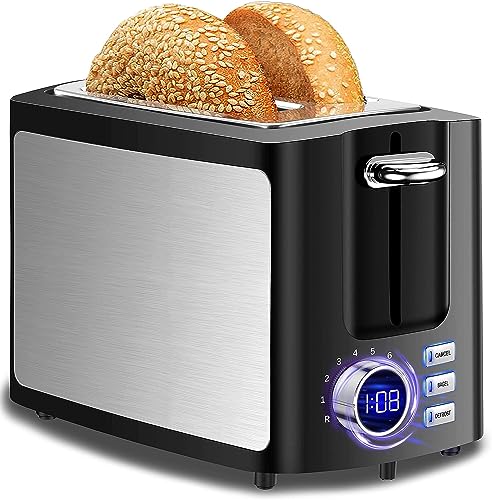
[ FOUR BASIC FUNCTION ]-- Digital Toaster 2 Slice comes with 4 Basic function (REHEAT/ CANCEL/DEFROST/BAGEL) to meet your various toasting needs. Defrost button can toasts frozen bread and restore the original wheat flavor of bread; Bagel button can bake the bagel and the Cancel button enables you to stop all toast task.Reheat Button just directly turn the gears of 9 shape controls. meets your preferences!

Space-Saving Ultra-Slim Design:The SEEDEEM ultra-thin 2-slice toaster can be conveniently placed anywhere on your kitchen countertop, maximizing your space. A product that adds both convenience and elegance to your daily life.
Toaster
A toaster is helpful if you eat toast, bagels, frozen waffles, or quick breakfasts. Choose a simple two-slice toaster if you have limited counter space. Look for adjustable browning settings, a crumb tray, and slots wide enough for bagels if you eat them often.
If you want one appliance that does more, consider a toaster oven instead of a basic toaster. It takes more space, but it can toast bread, reheat pizza, bake small meals, and crisp leftovers better than a microwave.
Blender
A blender is useful for smoothies, sauces, soups, dips, and frozen drinks. A personal blender works well if you mostly make single-serving smoothies. A full-size blender is better if you cook sauces, blend soups, or make drinks for more than one person.
Look for a stable base, removable parts that are easy to clean, and enough power for your usual ingredients. If you rarely make smoothies or blended sauces, this appliance can wait.
Food Preparation Tools
Food prep appliances save time, but they are not always day-one essentials. Buy these after you know what you actually cook. A knife, cutting board, mixing bowl, and basic utensils often matter more at the start.
Food Processor
A food processor can chop vegetables, shred cheese, slice potatoes, make pesto, blend hummus, and mix some doughs. It is helpful if you cook from scratch often or prep meals in batches.
For a small apartment, choose a mini food processor if you mostly chop onions, garlic, herbs, or small sauce portions. A full-size model makes sense if you cook larger meals or entertain often.
Hand Mixer
A hand mixer is useful for baking, whipping cream, mixing cake batter, beating eggs, and mashing soft potatoes. It gives you more power than a whisk without taking up as much space as a stand mixer.
If you bake only occasionally, a hand mixer is a smart middle ground. If you do not bake, skip it at first and buy one later if your cooking routine changes.
Note: A smaller appliance is not always easier to store if it has many loose parts. Check cord storage, attachments, and cleaning steps before you buy.
Beverage Essentials
Beverage appliances are small, but they can improve your daily routine. Choose based on what you drink every morning, not what looks nice on a counter.
Coffee Maker
A coffee maker can save time and reduce trips to a café. A basic drip coffee maker works well if you drink several cups or share coffee with a roommate. A single-serve machine is convenient, but pods take storage space and create more waste.
If you enjoy the brewing process, a French press, pour-over dripper, or moka pot can be cheaper and smaller than an electric machine. If mornings are rushed, an automatic drip machine with a timer may be worth the counter space.
Electric Kettle
An electric kettle is useful for tea, instant coffee, oatmeal, ramen, hot chocolate, and quick boiling water. It usually heats water faster than a stovetop kettle and keeps your stove free for cooking.
Choose a kettle with automatic shutoff. If you drink green tea, white tea, or specialty coffee, adjustable temperature settings can help. If you just need boiling water, a simple model is enough.
Think about your daily routine before you buy. If you drink coffee every morning, a coffee maker earns its spot. If you drink tea, make oatmeal, or eat instant noodles, an electric kettle may be more useful.

Credit: glossybelle.com
Cleaning Appliances
Cleaning appliances help keep a small kitchen manageable. Some are built into the apartment, while others require installation. Before buying anything that connects to plumbing, ask your landlord or property manager.
Dishwasher
A dishwasher is convenient if your apartment already includes one. It saves time, keeps dirty dishes out of the sink, and can reduce water use compared with washing dishes by hand when you use it correctly.
ENERGY STAR says a standard-size certified dishwasher can save about 5,800 gallons of water over its lifetime. Certified models may also use soil sensors, improved filtration, efficient jets, and dish rack designs to reduce water and energy use.
For best results, scrape food off dishes instead of pre-rinsing them. Run full loads when possible because dishwashers use about the same amount of water and energy regardless of how many dishes are inside.
If you do not have a built-in dishwasher, a countertop dishwasher may work in some apartments. Check faucet compatibility, water hookup, drainage, counter strength, and lease rules first.
Garbage Disposal
A garbage disposal can help with small food scraps, but it is not essential for every first apartment. It must match the sink, plumbing, electrical setup, and local building rules. Many renters cannot install one without written permission.
If your apartment already has a garbage disposal, use it carefully. Run cold water while using it, feed scraps slowly, and avoid fibrous foods, grease, bones, coffee grounds, and large amounts of starch. These can clog pipes or damage the unit.
Warning: Do not install a garbage disposal, portable dishwasher, or built-in appliance without checking your lease. Plumbing or electrical changes can violate rental rules and may leave you responsible for damage.
Safety And Convenience
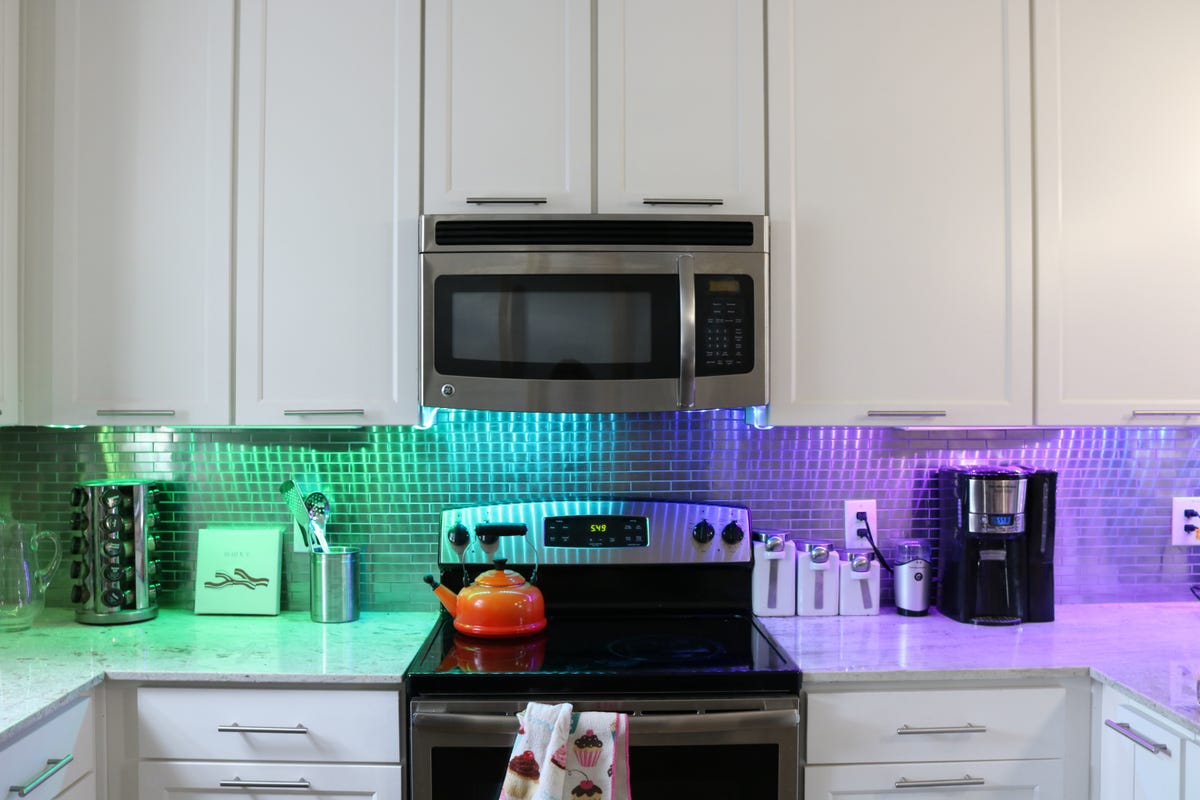
Kitchen safety matters as much as convenience. Cooking creates heat, smoke, steam, grease, and electrical load. Your first apartment should have working smoke alarms, a safe fire extinguisher, and clear space around cooking appliances.
Smoke Detector
A smoke alarm is essential, but placement matters. The U.S. Fire Administration recommends smoke alarms inside and outside sleeping areas and on every level of the home. It also recommends interconnected alarms when possible.
Do not remove the battery if cooking smoke triggers the alarm. Use the hush button, open a window or door, or move the alarm several feet farther from the kitchen if false alarms keep happening. Test smoke alarms monthly and replace units according to the manufacturer’s instructions.
Fire Extinguisher
Keep a fire extinguisher where you can reach it quickly, but not so close to the stove that you would have to move toward flames to get it. For most apartments, a multipurpose A-B-C extinguisher with a UL Listed or ULC Listed label is the practical choice.
The U.S. Fire Administration says to use a fire extinguisher only when the fire is small and contained, others have been alerted, someone has called the fire department, you are physically able to use it, and you have a clear escape route.
Learn the PASS method before an emergency: pull the pin, aim low at the base of the fire, squeeze the lever, and sweep side to side.
Warning: If a fire grows, spreads, fills the room with smoke, or blocks your exit, leave immediately and call emergency services. Never risk your safety to save an appliance or a meal.
Credit: www.cnet.com
Storage Solutions
Storage may not seem like an appliance category, but it affects how useful your kitchen feels. Good storage keeps counters clear, protects food, and helps you avoid buying duplicates.
Pantry Organizers
Pantry organizers make cabinets easier to use. Stackable shelves help you separate cans, spices, pasta, rice, and snacks. Door-mounted racks can hold sauces, seasoning packets, foil, wraps, or tea boxes.
Clear bins also help in deep cabinets because you can pull out a full category at once. Use one bin for baking, one for snacks, one for breakfast, and one for canned goods.
Food Storage Containers
Food storage containers are essential for leftovers, meal prep, pantry staples, and freezer meals. Choose stackable containers in a few practical sizes instead of a huge mismatched set.
Airtight containers help keep dry foods fresher and prevent spills. For leftovers, choose microwave-safe containers if you reheat food often. For freezer meals, use freezer-safe containers and label them with the date.

Credit: www.zipmoving.us
What To Buy First, Next, And Later
A first-apartment kitchen works best when you buy in stages. This keeps the setup affordable and prevents clutter.
Buy First
- Refrigerator and freezer access
- Stove, oven, cooktop, or toaster oven
- Microwave
- Toaster or toaster oven
- Coffee maker or electric kettle
- Food storage containers
- Smoke alarms and an A-B-C fire extinguisher
Buy Next
- Blender if you make smoothies, soups, or sauces
- Dishwasher or countertop dishwasher if your lease and setup allow it
- Hand mixer if you bake
- Extra freezer space if you meal prep often
- Pantry organizers once you know your cabinet layout
Buy Later Or Skip
- Food processor if you rarely cook from scratch
- Stand mixer unless you bake often
- Air fryer if you already have a toaster oven that meets your needs
- Garbage disposal if your rental does not already include one
- Single-use gadgets that solve a problem you do not actually have
The best first-apartment appliance is not always the fanciest one. It is the one you will use every week, can store easily, and can operate safely in your space.
Related Guides
Frequently Asked Questions
What kitchen appliances do I need first for my first apartment?
Start with a refrigerator, freezer access, stove or cooktop, oven or toaster oven, microwave, toaster, coffee maker or electric kettle, food storage containers, smoke alarms, and an A-B-C fire extinguisher. Add a blender, dishwasher, hand mixer, or food processor after you know your cooking routine.
What food should I buy for my first apartment?
Stock simple basics first: rice, pasta, oats, bread, eggs, milk, yogurt, beans, canned tomatoes, frozen vegetables, fruit, oil, salt, pepper, and a few spices. Add coffee, tea, snacks, and proteins you know you will cook that week.
What appliances do apartments usually come with?
Many apartments include a refrigerator, stove, and oven. Some also include a microwave, dishwasher, garbage disposal, or washer and dryer. Check your lease and move-in checklist so you do not buy an appliance your unit already provides.
Do I need a dishwasher in my first apartment?
You do not need a dishwasher, but it is convenient if your apartment already has one. If you want a countertop dishwasher, check lease rules, faucet compatibility, drainage, counter space, and electrical requirements before buying.
Should I buy a toaster, toaster oven, or air fryer?
Buy a toaster if you mainly make toast, bagels, or waffles. Choose a toaster oven if you want to reheat pizza, bake small meals, or cook frozen foods. Wait on an air fryer unless you know you will use it often and have enough counter space.
What do I need to set up a kitchen for the first time?
You need basic appliances, cookware, utensils, dishes, food storage, cleaning supplies, and safety tools. Start with a pot, pan, knife, cutting board, spatula, plates, bowls, glasses, dish soap, towels, trash bags, smoke alarms, and a fire extinguisher.
Conclusion
Setting up your first apartment kitchen does not have to be complicated. Start with appliances that cover the basics: cold food storage, cooking, reheating, breakfast, hot drinks, safe storage, and fire safety.
A refrigerator, stove or cooktop, oven or toaster oven, microwave, toaster, coffee maker or electric kettle, food containers, smoke alarms, and an A-B-C fire extinguisher give you a strong start. Add bigger or more specialized appliances only when your space, lease, and habits support them.
Measure first, buy slowly, and choose tools you will use often. Your kitchen will feel more useful, safer, and easier to keep organized from the first week.
Sources
- FDA: Refrigerator Thermometers, Cold Facts about Food Safety — refrigerator/freezer temperatures, microwave thawing, and safe cold storage guidance
- ENERGY STAR: Refrigerators — energy-efficient refrigerator buying guidance
- ENERGY STAR: Dishwashers — dishwasher water, energy, and cleaning-efficiency guidance
- U.S. Fire Administration: Smoke Alarms — smoke alarm placement, testing, replacement, and false-alarm guidance
- U.S. Fire Administration: Choosing and Using Fire Extinguishers — extinguisher types, use conditions, maintenance, and PASS method

1 thought on “What Kitchen Appliances Do I Need for My First Apartment?”