As an Amazon Associate I earn from qualifying purchases.
If you enjoy cooking and love pasta, a high-quality electric pasta maker can make fresh noodles feel much easier at home. The Philips 7000 Series Pasta Maker is built for cooks who want fast mixing, automatic extrusion, and several pasta shapes without hand-cranking dough through rollers. With the right flour-to-liquid ratio, you can make fresh pasta for weeknight dinners, family meals, or special occasions with less mess and less guesswork.
Quick Answer
The Philips 7000 Series Pasta Maker is a strong choice if you want automatic fresh pasta at home, multiple shaping options, and a simpler process than manual pasta rolling. It works best for cooks who will measure ingredients carefully and want fast pasta prep with easier cleanup.
Key Takeaways
- The Philips 7000 Series Pasta Maker mixes, kneads, and extrudes pasta, so you do not need to roll dough by hand.
- Eight shaping discs give you more variety for spaghetti, fettuccine, lasagna-style sheets, and other pasta shapes.
- The machine can make fresh pasta quickly, but accurate flour and liquid measurements matter for the best texture.
- Cleanup is easier when leftover dough dries slightly before you remove it from the shaping disc and accessories.
- This model suits frequent pasta lovers, families, and home cooks who want more control over ingredients.
How to Choose the Right Pasta Maker
When choosing a pasta maker, consider how often you will use it, how much counter space you have, and whether you prefer manual or automatic pasta making. A manual pasta roller gives you more hands-on control, but it requires more effort. An electric extruder, like the Philips 7000 Series Pasta Maker, handles more of the process for you.
You should also look at ease of use, cleaning convenience, shaping-disc variety, and overall performance. A good pasta maker should produce consistent dough, extrude pasta smoothly, and come apart easily enough for routine cleaning.
At a Glance
| Product Type | Automatic electric pasta maker |
| Best For | Fresh pasta, family dinners, meal prep, and home cooks who want automatic mixing and extrusion |
| Pasta Shapes | Eight shaping discs for several pasta styles |
| Main Skill Needed | Careful measuring of flour and liquid |
| Cleanup Level | Moderate, with easier cleaning after dough residue dries slightly |
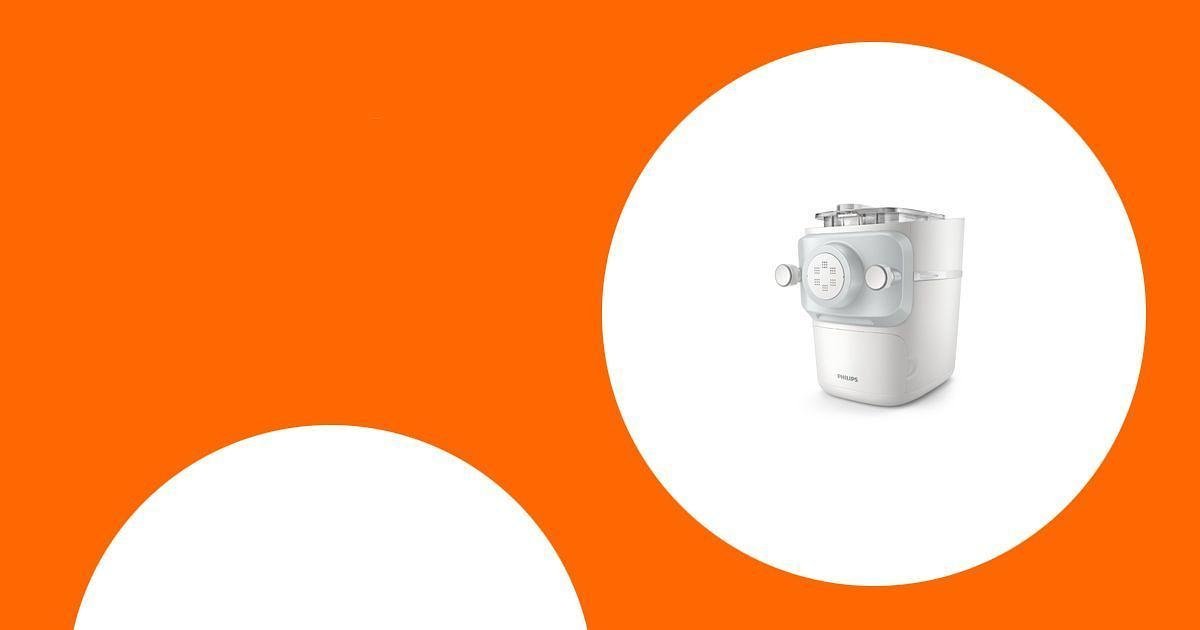
Philips 7000 Series Pasta Maker

The Philips 7000 Series Pasta Maker is designed for home cooks who want fresh pasta without the extra work of kneading, rolling, and cutting dough by hand. Its ProExtrude technology helps mix and push dough through shaping discs, so you can prepare pasta with a more automated process.
This machine is especially useful if you love homemade spaghetti, fettuccine, or other pasta shapes but do not want a traditional manual roller. It comes with eight different shaping discs, allowing you to create various pasta shapes to suit different meals. That variety gives you more flexibility for simple weeknight pasta, baked pasta dishes, or a homemade dinner party menu.
The machine can help you make fresh pasta in under 10 minutes when the dough ratio is correct and the ingredients are ready. That speed makes it practical for everyday meals, not just special occasions. It is also easier to use than many manual pasta tools because it handles the mixing and extrusion for you.
Cleanup is still part of the process, but the design helps keep the workflow manageable. For best results, let leftover dough dry slightly before removing it from the shaping disc. Dry dough usually releases more easily than sticky dough, which can save time during cleanup.
Note: Fresh pasta cooks faster than most dried store-bought pasta. Start checking it early so it does not become too soft.
What People Say
Users often mention that this machine makes fresh pasta feel easier and more approachable. Many appreciate the shape variety, the sturdy build, and the speed, especially for family dinners and gatherings.
- I absolutely love this pasta maker. It is definitely not light-weight, nor chintzy. It is solid, and quite the workhorse of a machine. I love that it comes with so many popular dies to get you started, and they all fit in a drawer within the compact machine. This machine is not intimidating at all, and makes having fresh pasta so easy! I loved it so much, I bought one for each of my adult children’s families so they can also include the grandbabies in the fun and ease of helping make something so easy and delicious.
– Delainie
- Makes lots of fresh pasta. Many dies are available. Mixing works well. Keep the mix dry or you will fight the process. I use about half the water and have had good success. Fresh pasta cooks quicker than store bought. Even your own dried pasta cooks faster than store bought.
– Huntindawg
Pros and Cons
Pros:
- Fast and efficient pasta making
- Multiple shaping discs for variety
- Easy to clean and maintain
- Automatic mixing and extrusion reduce hands-on work
- Good option for frequent pasta nights and family meals
Cons:
- Requires precise measurements for best results
- Dough that is too wet can be difficult to extrude and clean
- It may take a few batches to learn the right texture
- Electric pasta makers need more storage space than small manual tools
Key Benefits
- Quick pasta preparation
- Versatile shaping options
- Easy cleanup
- More control over ingredients than packaged pasta
- Helpful for making fresh pasta for guests, kids, or weekly meals
Environmental Benefits
The Philips Pasta Maker encourages you to make meals from scratch, which may reduce your reliance on packaged pasta. When you make pasta at home, you can buy flour in larger containers, use ingredients you already have, and avoid some single-use packaging from boxed or bagged pasta.
You can also use fresh, local, or specialty ingredients to create pasta that fits your preferences. For example, you can experiment with semolina flour, whole wheat flour, herbs, vegetable powders, or egg-based dough recipes.
Long-Term Cost Benefits
Investing in this pasta maker can save you money in the long run if you regularly buy fresh pasta or specialty pasta. Homemade pasta usually uses simple ingredients, and you can make only the amount you need for a meal.
The value depends on how often you use the machine. If you make pasta once and store it away, it may not justify the space. If you use it for weekly meals, family dinners, or homemade gifts, it can become a useful kitchen tool over time.
Situational Benefits
This pasta maker is perfect for family gatherings, date nights, cooking with kids, or a cozy night in. It lets you create restaurant-style pasta at home while still keeping the process simple enough for everyday cooking.
It also works well when you want to customize pasta for different meals. You can make a simple spaghetti for tomato sauce, wider noodles for creamy sauces, or sheets for layered dishes. That flexibility makes it more than a single-use appliance.
DIY Guide
To get started, add your flour and liquid, such as water or eggs, into the machine according to the recipe or measuring guide. Choose your desired pasta shape, attach the correct shaping disc, and let the machine mix and extrude the dough.
Watch the dough texture as it mixes. It should look crumbly rather than wet or sticky before extrusion. If the dough is too wet, it may clump, strain the machine, or stick inside the shaping disc.
Pro Tip: Measure flour and liquid carefully before you start. A small change in liquid can make the dough too sticky or too dry for smooth extrusion.
After extruding the pasta, dust it lightly with flour if needed to prevent sticking. Cook it soon after making it, or let it dry for later use. Fresh pasta often cooks in just a few minutes, so keep an eye on texture.
Cleanup is easier when you let the parts sit until dough residue dries. Once dry, shake or brush off the leftover dough, then wash removable parts in warm, soapy water if the care instructions allow it.
Warning: Do not force wet, heavy, or overly thick dough through the machine. Stop and adjust the dough consistency if the machine struggles or the lid shifts during operation.
Related Guides
Frequently Asked Questions
What should I consider when buying a high-quality pasta maker?
When you’re looking for a high-quality pasta maker, consider the variety of shapes it can create. A model with multiple shape dies, like the Philips 7000 Series, allows you to experiment with different pasta types, from spaghetti to lasagna-style sheets. Also think about ease of use, cleanup, storage space, and whether you want a manual roller or an automatic electric extruder. You want a machine that mixes and extrudes dough quickly and comes apart easily for cleaning.
How do I use a pasta maker effectively?
Using a pasta maker is straightforward, but accurate measuring is the key to better results. Start by measuring your flour and liquid carefully because the dough ratio controls texture. You can use different flours, including semolina, all-purpose flour, whole wheat flour, or some gluten-free blends, depending on your recipe. Once you add the ingredients, let the machine mix and extrude the pasta. After extrusion, cook the pasta quickly or let it dry slightly before storage.
Are there any common issues I should be aware of?
One common issue is dough that does not mix or extrude properly. This often happens when the liquid content is too high. If the dough looks wet, sticky, or heavy, reduce the liquid next time and follow the measuring guide closely. Some users also report that the lid can pop off during operation if the dough is too thick or the machine is overloaded. If you notice strain, stop the machine and check the dough consistency before continuing.
Is fresh pasta better than store-bought pasta?
Fresh pasta is not automatically better for every dish, but it gives you a softer texture, fresher flavor, and more control over ingredients. It works especially well with simple sauces, creamy sauces, and homemade meals where texture matters. Dried pasta can still be better for very firm, chewy dishes or pantry storage. The best choice depends on the recipe and your cooking style.
How should I clean the Philips 7000 Series Pasta Maker?
Let leftover dough dry slightly before cleaning the shaping disc and removable parts. Dry dough is usually easier to shake, brush, or pick out than sticky dough. After removing the dried pieces, wash the parts in warm, soapy water according to the care instructions. Avoid soaking or rinsing any motorized base or electrical component.
Wrapping Up
In summary, the Philips 7000 Series Pasta Maker stands out as an excellent choice for anyone who wants to enjoy fresh pasta at home with less manual work. Its automatic mixing and extrusion, ProExtrude technology, and eight shaping discs give you several ways to create pasta for everyday meals or special dinners.
The biggest thing to remember is that this machine rewards careful measuring. When you use the right flour-to-liquid ratio, it can make pasta quickly and consistently. If you love fresh pasta and want an easier path to homemade noodles, this pasta maker can elevate your cooking routine and make pasta night feel more personal.
This Roundup is reader-supported. When you click through links we may earn a referral commission on qualifying purchases.